
Curated recipes from 193 countries  •  New seasonal Mediterranean issue out now

Overview

Lobio

Lobio Nigvzit, Georgian kidney bean stew, Lobio with walnuts

This lobio recipe simmers red kidney beans until soft, then mashes them with a walnut, garlic and blue fenugreek paste, so the stew turns thick, nutty and fragrant. Fresh coriander, raw onion rings and pomegranate seeds go on top just before serving. One serving is about 260 g, served hot in a clay pot or deep bowl with cornbread.

Lobio is a traditional Georgian dish of prepared beans with coriander, walnuts, garlic and onion, made in many varieties, both hot and cold. The word lobio itself is the Georgian word for beans, and the walnut and coriander combination is a hallmark of Georgian cooking. It is often served hot in a clay pot with cornbread, or cold as a thick bean salad.

Pairs well with: Cornbread (mchadi) and a glass of Georgian red wine or sparkling water.

Provenance

Georgia flag Georgia

Georgian Everyday Heritage

Nordic & European

Time Dedication

1h 20m

20m prep • 60m cook

Batch Yield

4 Servings

422 kcal per serving

1 serving ≈ 260 g

Technical Skill

Intermediate

Intermediate (One Pot)

Meal Timing & Digestive Fit

Breakfast

Not Advised

Lunch

Hearty Midday Main

Dinner

Ideal Hearty Main

Snack & Tea

Inappropriate

Occasions: Family dinner, Cold-weather comfort food, Vegan dinner, Georgian-themed dinner Cost: Low — about $2-3 per serving at home
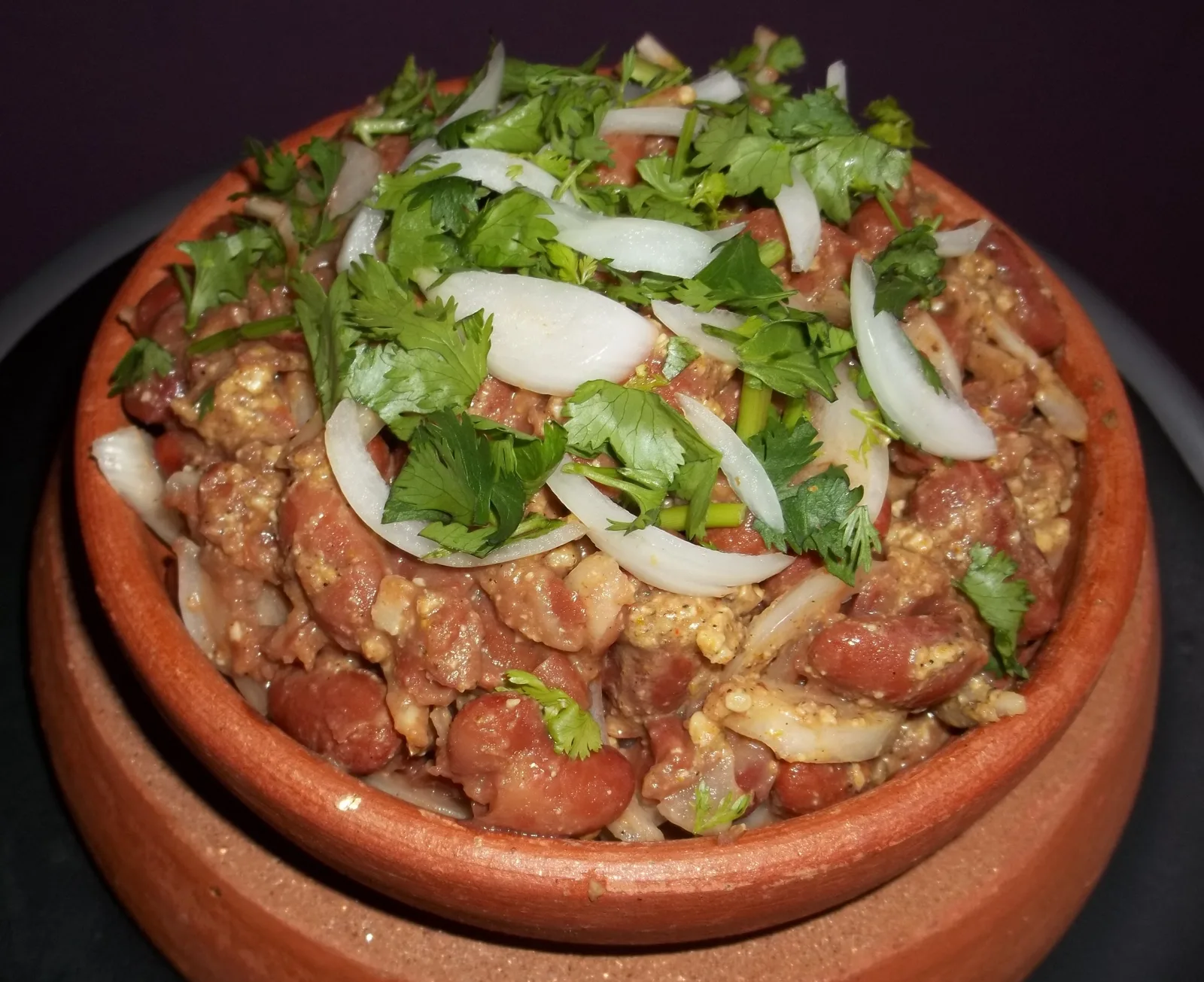
A clay pot of lobio: red kidney beans in a walnut sauce, topped with fresh coriander leaves and raw onion rings.

Georgian Everyday Heritage

Photo: Georgian Recipes at Georgia About, CC BY 3.0, via Wikimedia Commons

The Heritage Formulary

Measured Ingredients

Estimated cost: Low — about $2-3 per serving at home (USD)

A Georgian everyday classic: red kidney beans mashed with a walnut, garlic and blue fenugreek paste, finished with coriander, raw onion and pomegranate.

Execution Methodology & Culinary Technique

Step-by-Step Cooking Guide

Active 1h 20m
P

Soak the beans overnight, grind the walnuts, chop the herbs

20 minutes

The night before, pick over the dried kidney beans, rinse them and leave them to soak in cold water. The next day, drain and rinse the beans, grind the walnuts finely, crush the garlic, dice half the onion and slice the rest into rings, chop the coriander, and measure out the spices, oil and vinegar.

Maestro Tip: Soaking overnight is what makes dried beans cook evenly and quickly; skipping it leaves hard beans in a soft stew.

  1. 1

    Simmer the beans until soft

    50 minutes 100°C (212°F)

    Put the drained beans and the bay leaf in a large pot, cover with fresh cold water by about 4 cm, and bring to a boil over high heat. Skim off any foam, then reduce the heat to a gentle simmer and cook for about 50 minutes, until the beans crush easily between two fingers. Drain, keeping about 120 ml of the cooking liquid.

    Do not add salt while the beans cook; salt added early can keep the skins tough.

    Done when: Beans are tender all the way through and crush easily; the cooking liquid is cloudy and starchy.

  2. 2

    Soften the onion in oil

    5 minutes 160°C (320°F)

    Heat the sunflower oil in the same pot over medium heat and cook the diced onion for about 5 minutes, stirring often, until it is soft and translucent.

    Cook the onion gently; browned onion would darken the stew and add bitterness.

    Done when: Onion is soft, pale and sweet-smelling.

  3. 3

    Make the walnut paste

    5 minutes 20°C (68°F)

    In a bowl, mix the ground walnuts with the crushed garlic, blue fenugreek, ground coriander, red pepper flakes and a splash of the reserved bean cooking liquid. Stir until it forms a thick, smooth paste.

    Grind the walnuts as fine as you can; coarse bits make the stew grainy instead of creamy.

    Done when: Paste is thick, smooth and fragrant.

  4. 4

    Mash the beans with the paste

    10 minutes 90°C (194°F)

    Return the drained beans to the pot with the onion and the walnut paste. Add the remaining bean cooking liquid a little at a time and mash with a potato masher or the back of a spoon, leaving about a third of the beans whole for texture. Stir in half the chopped coriander and half the salt, and cook over low heat for 5 minutes more.

    Mash in the pot, not in a blender; lobio should be rustic and chunky, not a smooth puree.

    Done when: Stew is thick and creamy with whole beans still visible; it holds its shape on a spoon.

  5. 5

    Season, rest and serve

    10 minutes 90°C (194°F)

    Take the pot off the heat, stir in the red wine vinegar, taste and add the remaining salt as needed. Let the lobio rest for 10 minutes with the lid on, then spoon into clay pots or deep bowls and top with the raw onion rings, the rest of the coriander and the pomegranate seeds.

    The vinegar goes in last so its brightness stays fresh instead of cooking away.

    Done when: Lobio is steaming hot, thick and glossy, with bright green herbs and ruby pomegranate on top.

Finishing Touches & Plating

Serve hot in clay pots or deep bowls, with the raw onion rings, chopped coriander and pomegranate seeds scattered over the top and warm cornbread on the side for scooping.

Nutritional Physiology & Benefits

Nutrition

Energy

422

kcal / serving

Protein

19g

Complete AA

Carbs

51g

Complex

Fats

18g

Healthy

Per serving (4 servings · 1 serving ≈ 260 g)
Energy422 kcal
Protein19 g
Carbohydrates51 g
Fat18 g
Fibre14.2 g
Sugar4.8 g
Sodium496 mg
Per 100g
Energy162 kcal
Protein7.4 g
Carbohydrates19.8 g
Fat6.9 g
Fibre5.5 g
Sugar1.8 g
Sodium191 mg

Nutrition values are estimated — calculated from USDA FoodData Central values for the listed ingredients.

Vitamins & minerals: Nutrition is estimated. Provides folate and iron from the kidney beans, vitamin E and magnesium from the walnuts, vitamin K and vitamin C from the fresh coriander, and potassium from the beans and onion.

High in fibre

About 14.2 g of fibre per serving from the kidney beans and walnuts, which supports normal digestion and helps you feel full.

Plant protein

About 19.2 g of protein per serving from beans and walnuts, with no meat at all.

Folate and iron

Kidney beans are a natural source of folate and iron, nutrients that support normal red blood cell formation.

Food Pairings

What to Eat With

To optimize nutrient absorption and elevate the sensory depth, pair with these authentic accompaniments:

Sides

Cornbread (mchadi)

Warm, crumbly cornbread is the classic partner; it scoops up the thick walnut sauce and its mild sweetness suits the beans.

Vegetables

Pickled vegetables

Sharp pickled cucumber or green tomatoes cut through the richness of the walnut paste and refresh the palate.

Drinks

Georgian red wine or sparkling water

A dry red wine or cold sparkling water cleanses the palate between spoonfuls of the rich, nutty stew.

Full Menus

A simple cucumber and tomato salad

A crisp, lightly dressed salad adds cool crunch and lightness to a meal that is otherwise soft, hot and rich.

Complete menu

Start with a cucumber and tomato salad, serve the lobio hot in clay pots with cornbread and pickled vegetables, and finish with fresh fruit and pomegranate.

Digestive Guardrails

What NOT to Combine

To prevent digestive distress, sluggishness, or palate clash, avoid pairing the dish with these elements:

Very salty extras

The stew already has about 496 mg of sodium per serving, so avoid adding salty sauces, extra salt or salty snacks in the same meal. This is general information, not medical advice.

Undercooked dried beans

Never serve dried kidney beans that are still hard or only partly cooked; undercooked kidney beans can cause stomach upset, so simmer them until they crush easily. This is general information, not medical advice.

Heavy creamy sauces

Cream or mayonnaise-based sauces add more fat to an already rich walnut stew and dull the clean bean flavour. This is general information, not medical advice.

General information only, not medical advice — consult a doctor for personal dietary decisions.

Who Should Eat It

Who Should Eat

  • General adultsA satisfying vegan dinner as written; the fibre and protein make one portion filling without meat.
  • ChildrenSuitable in a smaller portion; the beans are soft and mild, though the raw onion rings may be strong for young children, so serve theirs with just the pomegranate on top.
  • ElderlySoft, easy to chew and rich in fibre and protein; the walnut paste is easy to eat, but keep the portion modest because it is energy-dense.
  • Pregnant womenFine in moderation; the beans are fully cooked and the dish is rich in folate. Ask your clinician if unsure.
  • Breastfeeding womenThe protein, iron and folate are helpful; drink water with the meal and watch for any sensitivity to beans in the baby. Ask your clinician if unsure.
  • AthletesA good plant-based dinner: about 19.2 g of protein plus slow-release carbohydrate from the beans, with walnuts for energy.
  • Weight gainA useful choice: energy-dense, high in protein and fibre, and easy to eat a full portion of with cornbread on the side.
  • Weight lossEat a smaller portion with more salad and less cornbread; the fibre keeps you full, but the walnuts make the calories add up quickly.

Health Conditions — Adjust or Avoid

Conditions

  • DiabetesThe beans are high in fibre, which slows digestion, but they are still starchy, so watch the portion and balance the plate with salad. Ask your clinician or dietitian for personal advice.
  • High blood pressureThis dish has about 496 mg of sodium per serving, so it is best eaten in a modest portion, with no extra salt and unsalted beans. Ask your clinician for personal advice.
  • Kidney diseaseHigh in potassium and plant protein from the beans, so it is usually unsuitable without a tailored plan. Ask your clinician or dietitian before eating it.
  • GoutBeans and walnuts contain purines, so people prone to gout should eat this stew in a modest portion. Ask your clinician for personal advice.
  • Stomach issuesBeans can cause gas and bloating; soaking overnight and cooking them very soft, as this recipe does, makes them gentler. Ask your clinician for personal advice.
  • Cardiovascular diseaseThe walnuts provide unsaturated fats, and the dish has no meat or dairy; the salt level is the main thing to watch. Ask your clinician for personal advice.
  • Fatty liverRich in energy from the walnuts, so a modest portion with extra salad and no cornbread is the kinder choice. Ask your clinician for personal advice.
  • Food allergiesContains tree nuts (walnuts), the main allergen in this dish; it is free of gluten, egg, dairy, soy and seafood as written. Ask your clinician for personal advice.
  • Special therapeutic dietsSuitable for vegetarian and vegan diets; not suitable for low-potassium or nut-free therapeutic diets because of the beans and walnuts. Ask your clinician or dietitian before eating it.

If you have a medical condition, consult your doctor before changing your diet.

Storage & Use

Storage & Use

How to store
Cool the stew quickly and store it in a covered container in the fridge; keep the pomegranate seeds, onion rings and herbs separate.
In the fridge
Keeps 3-4 days in the fridge at or below 4°C (40°F).
In the freezer
Freezes for up to 3 months in a sealed container.
How to reheat
Reheat in a pot over medium heat, or in the microwave, until steaming hot throughout at 74°C (165°F); add a splash of water if it has thickened.
Freezing recommended
Yes, the stew freezes well; the texture stays creamy after thawing.
Signs it has spoiled
Sour or off smell, slimy texture, mould, or a grey colour in the beans mean the stew should be thrown away.

More recipes to explore

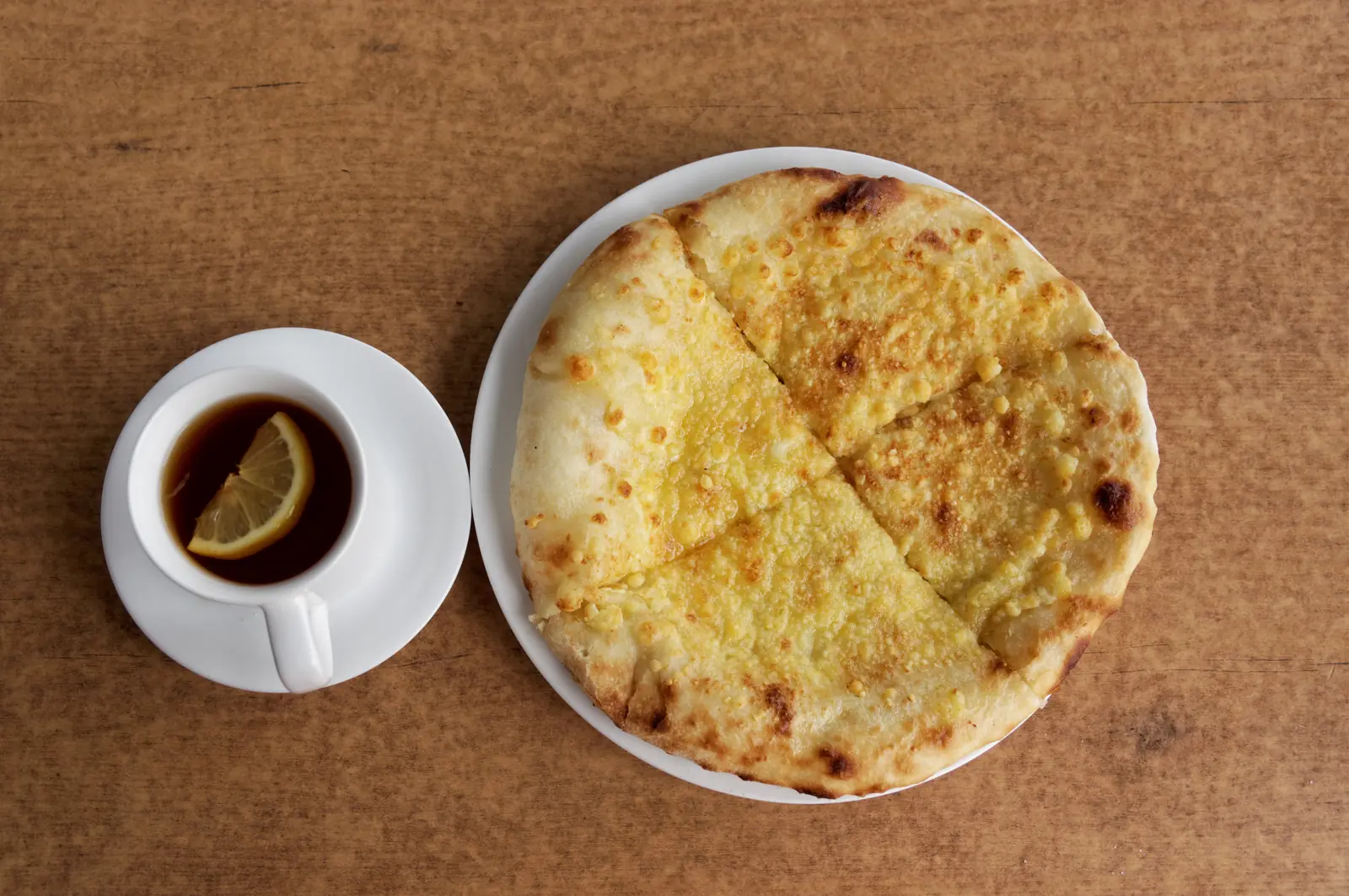
A round golden khachapuri cheese bread, sliced into wedges, served with a cup of tea Georgia flag Georgia 1h 20m
Lunch •Georgian Heritage

Khachapuri

This khachapuri recipe bakes a soft yeasted dough around a filling of sulguni and feta until the crust turns golden and the cheese melts into strings. It is the Imeruli version of Georgia's national dish: round, flat and cut into wedges, eaten hot with the hands. One serving is about 241 g.

Comfort & Warmth

A round, golden flatbread stuffed with molten sulguni and feta — Georgia's national dish, best eaten hot from the oven.

Pairs Well With
Fresh tomatoes, herbs & black tea
A plate of khinkali soup dumplings with their knotted tops, served outdoors in Kazbegi, Georgia Georgia flag Georgia 1h 15m
Dinner •Georgian Heritage

Khinkali

This khinkali recipe wraps a juicy filling of beef, pork, onion and herbs in thin wheat dough, pleats each parcel into a little purse and boils them until the meat makes its own broth inside. Khinkali come from the mountain regions of Georgia and are eaten by hand, holding the topknot. One serving is about 346 g.

Comfort & Warmth

Pleated dough parcels filled with juicy spiced meat — Georgia's famous soup dumplings, eaten by hand with black pepper.

Pairs Well With
Black pepper, fresh herbs & Georgian beer
High Protein
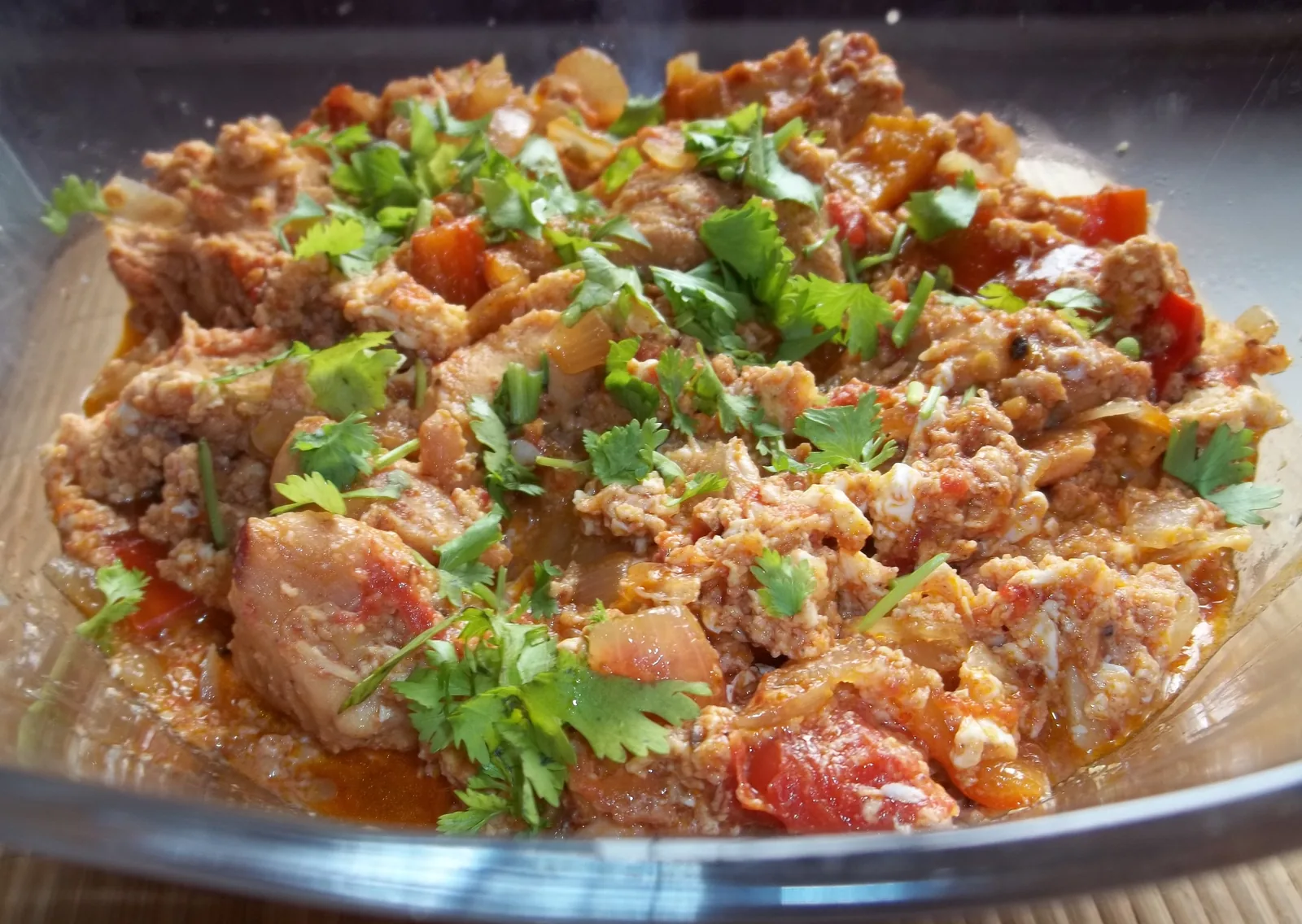
A glass dish of chakhokhbili, chicken stewed in tomato sauce with peppers and fresh coriander Georgia flag Georgia 1h 10m
Dinner •Georgian Heritage

Chakhokhbili

This chakhokhbili recipe browns chicken thighs, then braises them slowly in crushed tomatoes, onions, peppers and garlic until the meat falls off the bone and the sauce turns rich and sweet. It is Georgia's everyday chicken stew, loaded with fresh coriander at the end. One serving is about 494 g.

Comfort & Warmth

Chicken braised slowly in tomatoes, onions and peppers with fresh coriander — Georgia's fragrant, herb-loaded one-pot stew.

Pairs Well With
Lavash bread, rice & fresh coriander
High Protein
Bœuf bourguignon — French beef braised in red wine France flag France 4h
Dinner •Burgundy Terroir

Bœuf Bourguignon

Beef braised gently in red wine until the connective tissue melts into a velvet, gelatin-rich sauce — the classic Burgundy Sunday dinner.

Cellular Repair

Beef braised in red wine until spoon-tender, with mushrooms and pearl onions.

Pairs Well With
Parsnip Purée & Steamed French Haricots Verts
High Protein

The Dinner Gazette

Never wonder what’s for dinner again

One email a week with easy dinner ideas from around the world — ingredients, steps and nutrition, tested in our kitchen first.

Delivered every Thursday morning. Unsubscribe anytime.