Curated recipes from 193 countries  •  New seasonal Mediterranean issue out now

Overview

Locro de Papa

Locro de Papas, Ecuadorian Potato and Cheese Soup, Locro con Queso

Locro de papa is Ecuador's golden potato and cheese soup, thickened by the potatoes themselves and finished with creamy avocado and crumbled queso fresco. One serving is about 675 g. It is a one-pot, meat-free dinner that tastes like the cool Andean evenings it comes from.

Locro comes from the Quechua word ruqru, meaning a thick stew, and potato stews have been cooked in the Andes since long before Spanish colonisation, in the mountains where the potato was first domesticated. The Ecuadorian version is its own dish: floury highland potatoes simmered until they thicken the pot, coloured gold with annatto, enriched with milk and queso fresco, and served with fresh avocado. In Quito and the highland towns it is everyday comfort food, ladled out hot on cold evenings.

Pairs well with: Crusty bread and a simple lettuce and tomato salad, with hot panela water or herbal tea to drink.

Provenance

Ecuador flag Ecuador

Andean Heritage

Latin America & Caribbean

Time Dedication

55m

20m prep • 35m cook

Batch Yield

4 Servings

562 kcal per serving

1 serving ≈ 675 g

Technical Skill

Easy

Easy (One Pot)

Meal Timing & Digestive Fit

Breakfast

Not Advised

Lunch

Hearty Midday Main

Dinner

Ideal Hearty Main

Snack & Tea

Inappropriate

Soups & Broths Occasions: Cold-weather family dinners, cosy weekend suppers, meat-free Mondays Cost: Low — about $2–3 per serving at home
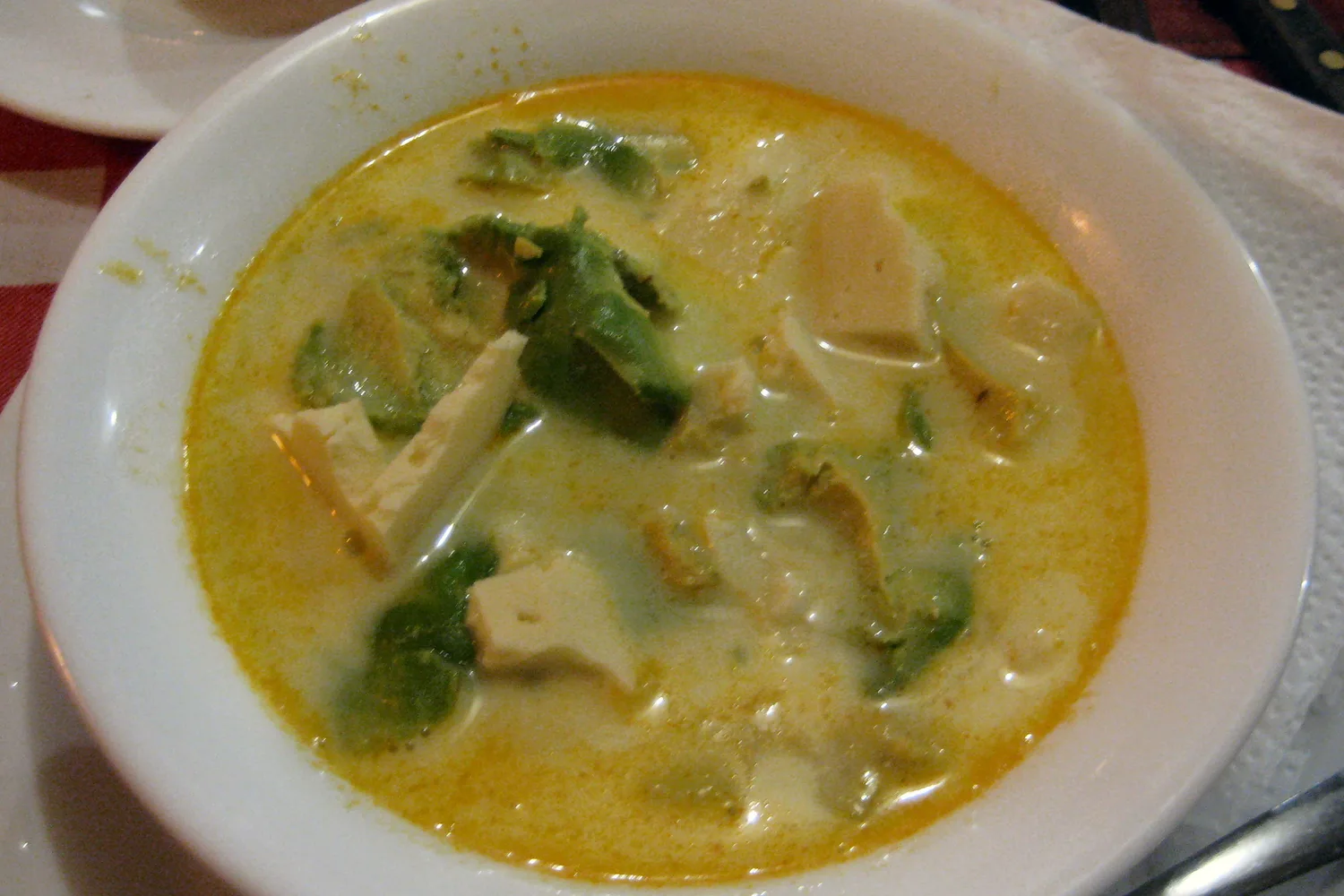
A bowl of golden locro de papa, Ecuadorian potato and cheese soup, topped with avocado chunks and cubes of white cheese

Andean Heritage

Photo: J. Miers (Jtesla16), CC BY-SA 3.0, via Wikimedia Commons

The Heritage Formulary

Measured Ingredients

Estimated cost: Low — about $2–3 per serving at home (USD)

Made with fresh potatoes, whole milk and queso fresco, thickened by the potatoes themselves with no stock cubes or artificial flavouring.

Execution Methodology & Culinary Technique

Step-by-Step Cooking Guide

Active 55m
P

Prep Stage: Potatoes, Onion & Garnish

20 Mins • Peeling, Chopping & Cubing

Peel the potatoes and cut them into 1.5 cm cubes, dropping them into cold water so they do not brown. Chop the onion finely, crush the garlic, crumble the queso fresco and slice the green onions. Leave the avocados whole until serving time so they stay bright green.

Maestro Tip: Cut the potatoes small and even: they need to fall apart in about 20 minutes, and uneven pieces leave hard lumps in a soup that should be silky.

  1. 1

    Bloom the Annatto & Soften the Onion

    5 Mins Medium heat, about 160°C (320°F)

    Warm the oil in a large pot over medium heat, stir in the ground annatto and cumin, and cook for 30 seconds until the oil turns deep gold. Add the onion and garlic and cook for about 4 minutes, stirring, until the onion is soft and glassy but not browned.

    Blooming the annatto in oil is what colours the whole soup; stirred into water later, it would stay pale and patchy.

    Done when: Oil golden-orange, onion soft and translucent, garlic fragrant.

  2. 2

    Simmer the Potatoes

    20 Mins Gentle simmer, about 95°C (200°F)

    Drain the potatoes and add them to the pot with the water and salt. Bring to a boil, skim off any foam, then lower the heat and simmer gently for about 20 minutes until the potatoes are very soft and starting to fall apart at the edges.

    Keep it at a gentle simmer, not a rolling boil: hard boiling throws starchy foam over the rim and breaks the potatoes into grit instead of cream.

    Done when: Potato cubes crush easily against the side of the pot with a spoon.

  3. 3

    Mash & Thicken

    5 Mins Low heat, about 85°C (185°F)

    Take the pot off the heat for a moment and mash about two-thirds of the potatoes against the side of the pot with a potato masher or the back of a large spoon, leaving the rest in soft chunks. Stir well: the mashed potato is what thickens the soup, so no flour or cream is needed.

    Mash in the pot, not in a blender: a blender turns potato starch gluey, while a masher keeps the soup thick but light.

    Done when: Soup thick, creamy and spoon-coating, with some soft potato pieces still visible.

  4. 4

    Add the Milk & Cheese

    3 Mins Low heat, about 80°C (175°F) — do not boil

    Return the pot to low heat, pour in the milk and stir in 100g of the queso fresco. Heat gently for about 3 minutes, stirring, until the cheese has melted into the soup. Taste and add salt and pepper. Take the pot off the heat as soon as it is hot through.

    Never let the soup boil once the milk and cheese are in: boiling curdles the milk and turns the cheese rubbery instead of silky.

    Done when: Soup hot, smooth and pale gold, cheese melted, no boiling bubbles.

  5. 5

    Serve with Avocado

    2 Mins Serve hot, about 65°C (150°F)

    Cube the avocados. Ladle the soup into warm bowls and top each one with avocado cubes, the remaining crumbled queso fresco, chopped cilantro and sliced green onions.

    Put the avocado on top at the table, not in the pot: warm avocado turns grey and mushy, while fresh cubes stay bright and buttery against the hot soup.

    Done when: Each bowl golden and steaming, topped with green avocado, white cheese and herbs.

Finishing Touches & Plating

Serve at once while the soup is hot and the avocado is still cool and bright. Pass extra cheese and black pepper at the table so everyone seasons their own bowl.
Nutritional Physiology & Benefits

Nutrition

Energy

562

kcal / serving

Protein

18g

Complete AA

Carbs

60g

Complex

Fats

30g

Healthy

Per serving (4 servings · 1 serving ≈ 675 g)
Energy562 kcal
Protein18 g
Carbohydrates60 g
Fat30 g
Fibre9.4 g
Sugar11.6 g
Sodium707 mg
Per 100g
Energy83 kcal
Protein2.7 g
Carbohydrates8.9 g
Fat4.5 g
Fibre1.4 g
Sugar1.7 g
Sodium105 mg

Nutrition values are estimated — calculated from USDA FoodData Central values for the listed ingredients.

Vitamins & minerals: Potatoes supply vitamin C, vitamin B6 and potassium; avocado adds folate, vitamin E and more potassium; milk and queso fresco add calcium.

Gentle, Warming Comfort

A hot, thick soup of potato and milk is easy on the stomach and warming on cold evenings in the highlands.

Slow-Release Energy from Potato

Potato starch and fibre digest slowly, so one bowl keeps you full for hours without feeling heavy.

Potassium, Vitamin C & Folate

Potatoes supply vitamin C, vitamin B6 and potassium, avocado adds folate and vitamin E, and milk and cheese add calcium.

Food Pairings

What to Eat With

To optimize nutrient absorption and elevate the sensory depth, pair with these authentic accompaniments:

Sides

Crusty Bread

A thick slice of crusty bread is made for this soup: it soaks up the golden broth and turns a bowl into a full dinner.

Vegetables

Simple Lettuce & Tomato Salad

Crisp lettuce and tomato with lime give a fresh, sharp contrast to the rich, starchy soup.

Sauces

Ají Picante

A spoonful of Ecuadorian hot ají sauce wakes up the mild, earthy soup for anyone who likes a little heat.

Drinks

Hot Panela Water or Herbal Tea

Hot panela water is the traditional Andean drink with a mountain soup: sweet, warming, and a natural match for locro de papa.

Complete menu

Locro de papa with crusty bread and a lettuce and tomato salad, followed by fresh tropical fruit, and hot panela water to drink.

Digestive Guardrails

What NOT to Combine

To prevent digestive distress, sluggishness, or palate clash, avoid pairing the dish with these elements:

Boiling After Adding Milk & Cheese

Once milk and cheese go in, a hard boil curdles the milk proteins and splits the soup into grainy curds and thin liquid, so keep the heat low and take the pot off as soon as it is hot. This is general food information, not medical advice.

Very Salty Sides

The queso fresco and the salt in the soup already carry the seasoning, so salty cured meats or salty snacks on the side push one meal too far. This is general food information, not medical advice.

General information only, not medical advice — consult a doctor for personal dietary decisions.

Who Should Eat It

Who Should Eat

  • General adultsA balanced, filling dinner for most adults; the toppings let each person adjust richness and salt.
  • ChildrenMild, soft and easy to eat; the avocado and cheese usually win children over, and the ají stays on the side.
  • ElderlySoft potatoes, warm broth and no hard pieces make it gentle and easy to eat; serve the green onion finely sliced.
  • Pregnant womenPotato, milk, cheese and avocado are nourishing choices; use pasteurised milk and cheese and keep the salt as written.
  • Breastfeeding womenA nourishing, energy-giving meal; the potato, avocado and dairy cover energy, calcium and healthy fats.
  • AthletesGood recovery food after training: starch, salt and some protein in one bowl, with avocado for extra energy.
  • Weight gainA full bowl with cheese and avocado is energy-dense, which helps when more calories are needed.
  • Weight lossOne bowl as stated is filling; skip the bread and keep the cheese to the amount in the recipe to keep the meal lighter.

Health Conditions — Adjust or Avoid

Conditions

  • DiabetesPotatoes are starchy, so keep the bowl as stated and go easy on the bread. Ask your clinician about portions.
  • High blood pressureQueso fresco and added salt carry the sodium here, so keep the cheese to the amount in the recipe. Ask your clinician about portions.
  • Kidney diseasePotatoes and avocado are high in potassium, so keep the portion as stated. Ask your clinician about portions.
  • GoutPotato, milk, cheese and avocado are low in purines; the soup is a reasonable choice in a normal portion. Ask your clinician about portions.
  • Stomach issuesA warm, mild soup that is usually gentle on the stomach; skip the ají and green onion if they feel sharp. Ask your clinician about portions.
  • Cardiovascular diseaseThe soup is meat-free, but cheese and whole milk add saturated fat, so keep the cheese to the amount in the recipe. Ask your clinician about portions.
  • Fatty liverCheese, whole milk and avocado make the bowl energy-dense; a smaller bowl with less cheese fits better. Ask your clinician about portions.
  • Food allergiesContains milk (milk and queso fresco). No gluten, egg, nuts or shellfish in the soup itself; check the cheese label. Ask your clinician about allergies.
  • Special therapeutic dietsThe soup is vegetarian and gluten-free as written; for a dairy-free version use oat milk and a dairy-free cheese. Ask your clinician about your diet.

If you have a medical condition, consult your doctor before changing your diet.

Storage & Use

Storage & Use

How to store
Cool quickly, then store in a sealed container in the fridge; keep the avocado, cheese topping and herbs separate.
In the fridge
Up to 3 days at 4°C (40°F) or below.
In the freezer
Not recommended.
How to reheat
Reheat gently on the stove over low heat to 74°C (165°F), stirring often; do not boil. Add a splash of milk if it has thickened.
Freezing recommended
No — the milk can split and the potatoes turn grainy after thawing, so this soup is best eaten fresh or from the fridge.
Signs it has spoiled
Sour smell, slimy surface, or mould — discard the whole batch.

More recipes to explore

A white bowl of Ecuadorian shrimp ceviche in pink tomato-citrus sauce with cooked shrimp, red onion, cilantro and an avocado slice Ecuador flag Ecuador 30m
Lunch •Coastal Ecuador

Ecuadorian Ceviche

Ecuadorian ceviche is a bowl of poached shrimp in a pink-orange sauce of tomato, lime and orange juice, with red onion and cilantro. Unlike the Peruvian version, where raw fish is cured in lime juice, the shrimp here is cooked first, so the dish is saucy, cold and gentle rather than sharp. One serving is about 341 g.

Light & Fresh

Poached shrimp in a bright lime, orange and tomato sauce, served chilled with crunchy sides.

Pairs Well With
Chifles, popcorn and avocado slices
A bowl of encebollado with flaked tuna, pickled red onion rings, yuca and golden broth, sprinkled with cilantro Ecuador flag Ecuador 1h 20m
Lunch •Guayaquil Heritage

Encebollado

This encebollado recipe is Ecuador's beloved coastal soup: fresh albacore tuna simmered in a tomato, onion and cumin broth with tender chunks of yuca, then ladled into bowls under a bright mound of lime-pickled red onion and tomato. The broth is light and savoury, the onion topping is sharp and fresh, and the chifles and tostado on the side add the crunch every Ecuadorian expects. One serving is about 600 g, soup and toppings together.

Comfort & Warmth

Fresh tuna and yuca simmered in a tomato-cumin broth, finished with lime-pickled red onion and crunchy plantain chips.

Pairs Well With
Chifles (plantain chips) and tostado (toasted corn) for crunch, avocado slices, and lime wedges to squeeze over the bowl.
Soups & Broths
Bœuf bourguignon — French beef braised in red wine France flag France 4h
Dinner •Burgundy Terroir

Bœuf Bourguignon

Beef braised gently in red wine until the connective tissue melts into a velvet, gelatin-rich sauce — the classic Burgundy Sunday dinner.

Cellular Repair

Beef braised in red wine until spoon-tender, with mushrooms and pearl onions.

Pairs Well With
Parsnip Purée & Steamed French Haricots Verts
High Protein
Vietnamese braised pork belly with golden eggs in caramel sauce Vietnam flag Vietnam 1h 45m
Dinner •One Pot

Vietnamese Braised Pork and Eggs

Pork belly slowly braised in coconut water and caramel until meltingly tender, with golden eggs that soak up the sweet-savoury sauce — the Vietnamese family dish that tastes better the next day.

Comfort & Sustained Energy

Slow-braised pork belly and eggs in coconut water and caramel.

Pairs Well With
Steamed rice & pickled mustard greens
High Protein

The Dinner Gazette

Never wonder what’s for dinner again

One email a week with easy dinner ideas from around the world — ingredients, steps and nutrition, tested in our kitchen first.

Delivered every Thursday morning. Unsubscribe anytime.