Curated recipes from 193 countries  •  New seasonal Mediterranean issue out now

Overview

Ecuadorian Ceviche

Ceviche de Camarón, Ecuadorian Shrimp Ceviche

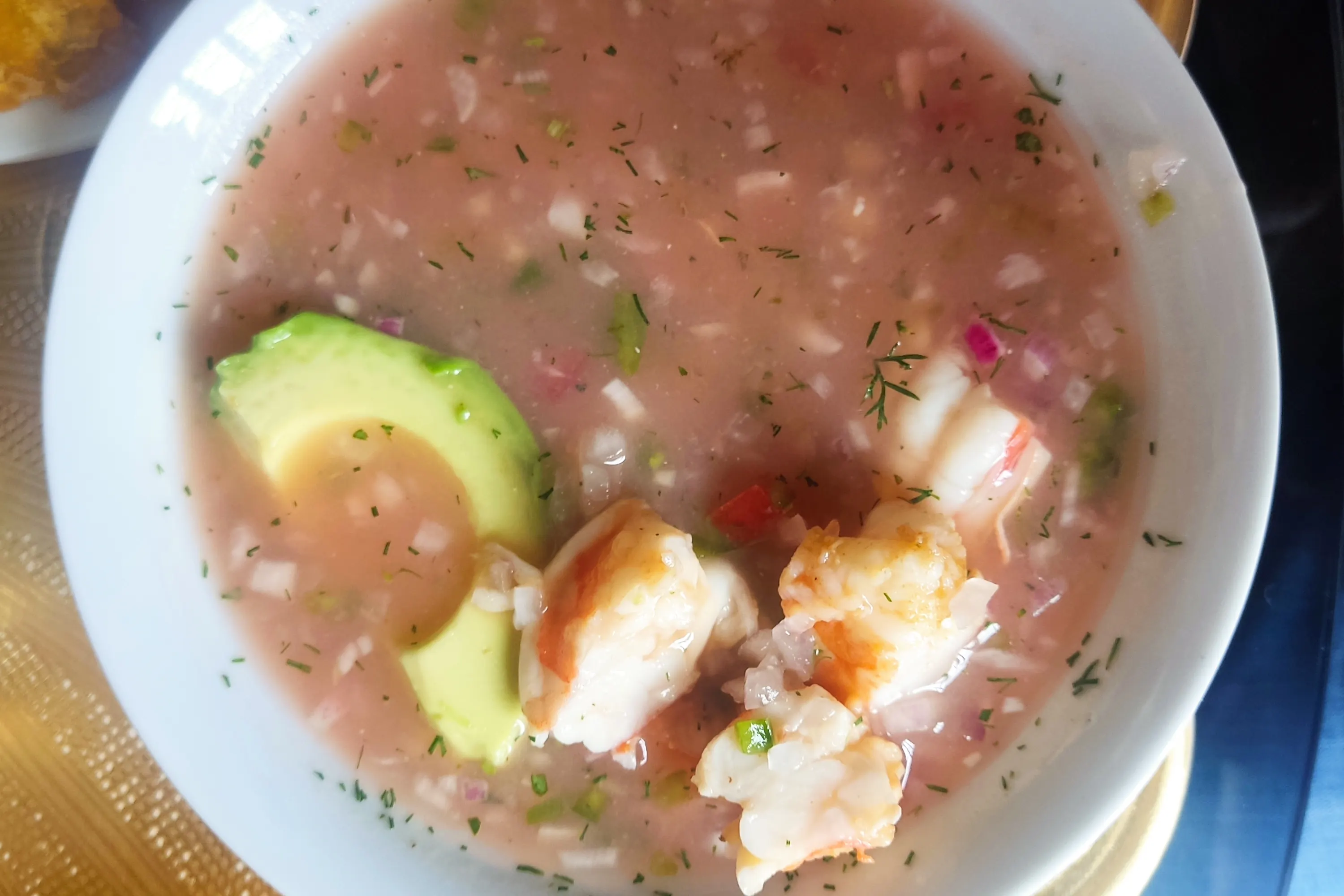
Ecuadorian ceviche is a bowl of poached shrimp in a pink-orange sauce of tomato, lime and orange juice, with red onion and cilantro. Unlike the Peruvian version, where raw fish is cured in lime juice, the shrimp here is cooked first, so the dish is saucy, cold and gentle rather than sharp. One serving is about 341 g.

Ceviche is eaten all along Ecuador's Pacific coast and in every one of the country's provinces, with shrimp the most popular version. Unlike the Peruvian style, where raw fish is cured in lime juice, Ecuadorian shrimp ceviche starts with shrimp poached until just opaque, then chilled in a tomato, lime and orange sauce. Bowls arrive with popcorn, toasted corn and plantain chips on the side — the crunch is part of the dish, not an afterthought.

Pairs well with: Chifles, popcorn and avocado slices

Provenance

Ecuador flag Ecuador

Coastal Ecuador

Latin America & Caribbean

Time Dedication

30m

20m prep • 10m cook

Batch Yield

4 Servings

201 kcal per serving

1 serving ≈ 341 g

Technical Skill

Easy

Easy (One Pot)

Meal Timing & Digestive Fit

Breakfast

Not Advised

Lunch

Prime Metabolic Fit

Dinner

Ideal Hearty Main

Snack & Tea

Inappropriate

Occasions: Beach lunches, hot-weather lunches, light weekend lunches, seafood suppers Cost: Low — about $4–5 per serving at home
A white bowl of Ecuadorian shrimp ceviche in pink tomato-citrus sauce with cooked shrimp, red onion, cilantro and an avocado slice

Coastal Ecuador

Photo: Ceibos, CC BY-SA 4.0, via Wikimedia Commons

The Heritage Formulary

Measured Ingredients

Estimated cost: Low — about $4–5 per serving at home (USD)

A good Ecuadorian ceviche is cold, saucy and bright: the shrimp pink and just firm, the sauce pink-orange and tangy, never watery.

Execution Methodology & Culinary Technique

Step-by-Step Cooking Guide

Active 30m
P

Prep Stage: Shrimp, Onion & Citrus

20 Mins • Peeling, Slicing & Juicing

Peel and devein the shrimp. Slice the red onion paper-thin and put it to soak in salted cold water. Dice the tomatoes, blend the extra tomato, squeeze the limes and the orange, and chop the cilantro.

Maestro Tip: Soaking the onion for 10 minutes in salted water takes the harsh bite out of it while keeping the crunch — skip this and the onion will dominate the whole bowl.

  1. 1

    Poach the Shrimp

    5 Mins Boiling water, 100°C (212°F); shrimp cooked to 63°C (145°F)

    Bring 1 litre of water to a rolling boil in a medium pot. Add the shrimp and cook for 2-3 minutes, just until they turn pink and curl into a loose C shape. Drain at once and spread them on a plate to cool for 5 minutes, then chill in the fridge.

    Pull the shrimp the moment they turn opaque: a tight O shape means they are overcooked and will turn rubbery in the citrus.

    Done when: Shrimp pink and opaque throughout, cooked to 63°C (145°F), curled into a loose C.

  2. 2

    Tame the Onion

    10 Mins No heat — cold water, about 20°C (68°F)

    Put the sliced red onion in a bowl of cold water with half the salt and leave it for 10 minutes. Drain well and squeeze gently to remove excess water.

    Squeeze the onion dry after soaking: extra water thins the sauce and dulls the citrus.

    Done when: Onion slices crisp, mild and slightly translucent, with no harsh raw bite.

  3. 3

    Build the Tomato-Citrus Sauce

    10 Mins No heat — room temperature, about 20°C (68°F)

    In a large glass or ceramic bowl, whisk together the lime juice, orange juice, blended tomato, ketchup, mustard and the remaining salt. Stir in the diced tomatoes, the drained onion and the olive oil.

    Taste the sauce before the shrimp go in: it should be tangy first, then sweet, with the tomato in the background. Add lime a spoonful at a time if it tastes flat.

    Done when: Sauce pink-orange, smooth and well mixed, tangy with a gentle sweetness.

  4. 4

    Combine and Chill

    60 Mins (plus 1 hour chilling) Chilled in the fridge at 4°C (40°F) or below

    Add the cooled shrimp and the chopped cilantro to the sauce and toss gently so every piece is coated. Cover and refrigerate for at least 1 hour so the flavours marry and the bowl is properly cold.

    Keep the bowl covered and cold the whole time: ceviche is a chilled dish, and seafood should not sit at room temperature for more than 2 hours.

    Done when: Shrimp coated in sauce, bowl cold to the touch, flavours blended rather than separate.

  5. 5

    Serve Cold with the Crunch

    5 Mins Serve chilled, 4°C (40°F) or below

    Spoon the ceviche into individual bowls with plenty of sauce. Put chifles, popcorn and toasted corn on the table in small bowls, add a few drops of hot sauce to each serving if you like, and eat it with a spoon, scooping up the sauce with the chips.

    Serve the crunchy sides separately, not mixed in, or they go soft in the sauce within minutes.

    Done when: Cold bowls, crisp sides on the table, sauce spoonable and bright.

Finishing Touches & Plating

Serve the ceviche ice-cold, in bowls, with the crunchy sides on the table and hot sauce within reach. Eat it the same day, with a spoon, and let each person build their own bite of shrimp, sauce and crunch.
Nutritional Physiology & Benefits

Nutrition

Energy

201

kcal / serving

Protein

25g

Complete AA

Carbs

17g

Complex

Fats

5g

Healthy

Per serving (4 servings · 1 serving ≈ 341 g)
Energy201 kcal
Protein25 g
Carbohydrates17 g
Fat5 g
Fibre2.2 g
Sugar10.7 g
Sodium791 mg
Per 100g
Energy59 kcal
Protein7.2 g
Carbohydrates5.1 g
Fat1.4 g
Fibre0.7 g
Sugar3.1 g
Sodium232 mg

Nutrition values are estimated — calculated from USDA FoodData Central values for the listed ingredients.

Vitamins & minerals: Shrimp provides selenium, vitamin B12 and iodine; tomatoes, lime and orange juice add vitamin C and potassium. All nutrition values are estimated.

High-Protein, Light Lunch

One serving gives about 25 g of protein for only 201 calories, so it fills you up without feeling heavy on a hot day.

Vitamin C and Selenium

Lime, orange and tomato bring vitamin C, while shrimp is a natural source of selenium and vitamin B12.

Naturally Low in Fat

At 4.8 g of fat per serving, most of it from a spoonful of olive oil, this is a light choice that still tastes rich and satisfying.

Food Pairings

What to Eat With

To optimize nutrient absorption and elevate the sensory depth, pair with these authentic accompaniments:

Sides

Chifles (Thin Plantain Chips)

The classic partner: thin, salty green plantain chips act as a spoon for the saucy shrimp and add the crunch the soft ceviche needs.

Popcorn (Canguil)

In Quito especially, plain popcorn is served on top of the ceviche; its light saltiness and airy crunch contrast beautifully with the tangy sauce.

Toasted Corn (Maiz Tostado)

Crunchy toasted corn kernels bring a nutty, salty bite that stands up to the sauce far better than bread, which would simply go soggy.

Vegetables

Avocado Slices

Creamy avocado softens the sharp citrus and adds healthy fats, which is why it often appears in the bowl itself, as in the photo.

Drinks

Ice-Cold Lager or Sparkling Water with Lime

Something cold, fizzy and unsweetened cleanses the palate between spoonfuls of tangy sauce without competing with the citrus.

Complete menu

A bowl of Ecuadorian ceviche with chifles and popcorn on the side, avocado slices on top, and an ice-cold lager or sparkling water with lime — a light coastal lunch as served in Guayaquil.

Digestive Guardrails

What NOT to Combine

To prevent digestive distress, sluggishness, or palate clash, avoid pairing the dish with these elements:

Skipping the Poach and Relying on Lime Juice Alone

Lime juice changes the look and texture of seafood but does not reliably kill bacteria or parasites the way heat does, which is why this recipe poaches the shrimp to 63°C (145°F) first. Do not serve raw shrimp in lime juice and call it cooked. This is general food information, not medical advice.

Keeping Leftovers for Another Day

Seafood in an acidic sauce deteriorates fast: the shrimp toughen, the onion turns mushy and bacteria can grow even in the fridge. Eat ceviche the same day it is made and throw away what is left. This is general food information, not medical advice.

Piling On Extra Salty Condiments

The sauce already carries ketchup, mustard and added salt, about 791 mg of sodium per serving. Soy sauce or extra ketchup on top pushes the salt far higher without improving the flavour. This is general food information, not medical advice.

General information only, not medical advice — consult a doctor for personal dietary decisions.

Who Should Eat It

Who Should Eat

  • General adultsA light, refreshing lunch for most adults; the protein and low fat make it a good warm-weather choice.
  • ChildrenThe shrimp is fully cooked, which is safer than raw-fish ceviche, but keep the hot sauce off children's portions and serve the onion mild by soaking it well.
  • ElderlySoft shrimp and a chilled sauce are easy to eat; go light on the salt and the crunchy corn if chewing is difficult.
  • Pregnant womenThe shrimp is poached, not raw, which is the safer way to eat ceviche in pregnancy; still, buy shrimp from a trusted source, keep it cold and eat it the same day. Ask your clinician if unsure.
  • Breastfeeding womenA protein-rich, light meal; the citrus and tomato add vitamin C. Keep portions moderate because of the salt.
  • AthletesGood post-training food: about 25 g of protein per serving with modest calories, plus fluids and potassium from the citrus and tomato.
  • Weight gainOn its own it is too light to add weight; pair it with rice, patacones or extra plantain chips to raise the energy of the meal.
  • Weight lossAt 201 calories with high protein it fits a weight-loss plan well; skip the popcorn and corn nuts and let the avocado be the only extra.

Health Conditions — Adjust or Avoid

Conditions

  • DiabetesThe sauce carries natural sugars from orange juice, tomato and ketchup, about 10.7 g per serving; keep the portion as stated and skip sweetened drinks with it. Ask your clinician about portions.
  • High blood pressureAt 791 mg of sodium per serving this is fairly salty; use low-sodium ketchup and halve the added salt if you watch your intake. Ask your clinician about portions.
  • Kidney diseaseShrimp is high in protein and the sauce is salty and rich in potassium, so portions matter. Ask your clinician before making this a regular meal.
  • GoutShrimp is a purine-containing seafood, so a large portion can add to uric acid load; keep the serving modest and avoid eating it often. Ask your clinician about portions.
  • Stomach issuesThe lime juice, raw onion and tomato are acidic and can irritate a sensitive stomach; eat a small portion, skip the hot sauce and avoid eating it on an empty stomach. Ask your clinician if symptoms persist.
  • Cardiovascular diseaseLow in saturated fat and rich in lean protein, which fits a heart-friendly pattern, but watch the sodium from ketchup and salt. Ask your clinician about portions.
  • Fatty liverA light, low-fat, protein-rich dish that fits well in a liver-friendly eating pattern; keep the fried plantain chips modest. Ask your clinician about portions.
  • Food allergiesContains shellfish (shrimp) and mustard, two major allergens; the ketchup and hot sauce may contain further allergens, so check labels. Do not serve to anyone with a shellfish allergy.
  • Special therapeutic dietsNaturally gluten-free and dairy-free, but the shellfish, salt and acidity make it unsuitable for several therapeutic diets. Ask your clinician or dietitian before including it.

If you have a medical condition, consult your doctor before changing your diet.

Storage & Use

Storage & Use

How to store
Keep covered in the fridge in a glass or ceramic container; keep the crunchy sides in separate sealed bags at room temperature.
In the fridge
Eat the same day. At most 24 hours at 4°C (40°F) or below, and only if it has stayed cold the whole time.
In the freezer
Do not freeze: the sauce separates, the onion turns mushy and the shrimp become rubbery on thawing.
How to reheat
Do not reheat — ceviche is served cold. Any leftover shrimp that must be heated should reach 74°C (165°F), but the dish will not taste the same; discard leftovers instead.
Freezing recommended
No — freezing ruins the texture of both the shrimp and the sauce.
Signs it has spoiled
Sour or ammonia smell, slimy shrimp, cloudy sauce or any off taste — throw it away.

More recipes to explore

A bowl of golden locro de papa, Ecuadorian potato and cheese soup, topped with avocado chunks and cubes of white cheese Ecuador flag Ecuador 55m
Dinner •Andean Heritage

Locro de Papa

Locro de papa is Ecuador's golden potato and cheese soup, thickened by the potatoes themselves and finished with creamy avocado and crumbled queso fresco. One serving is about 675 g. It is a one-pot, meat-free dinner that tastes like the cool Andean evenings it comes from.

Comfort & Warmth

A thick, golden potato and cheese soup from the Ecuadorian highlands, finished with fresh avocado.

Pairs Well With
Crusty bread and a simple lettuce and tomato salad, with hot panela water or herbal tea to drink.
Soups & Broths
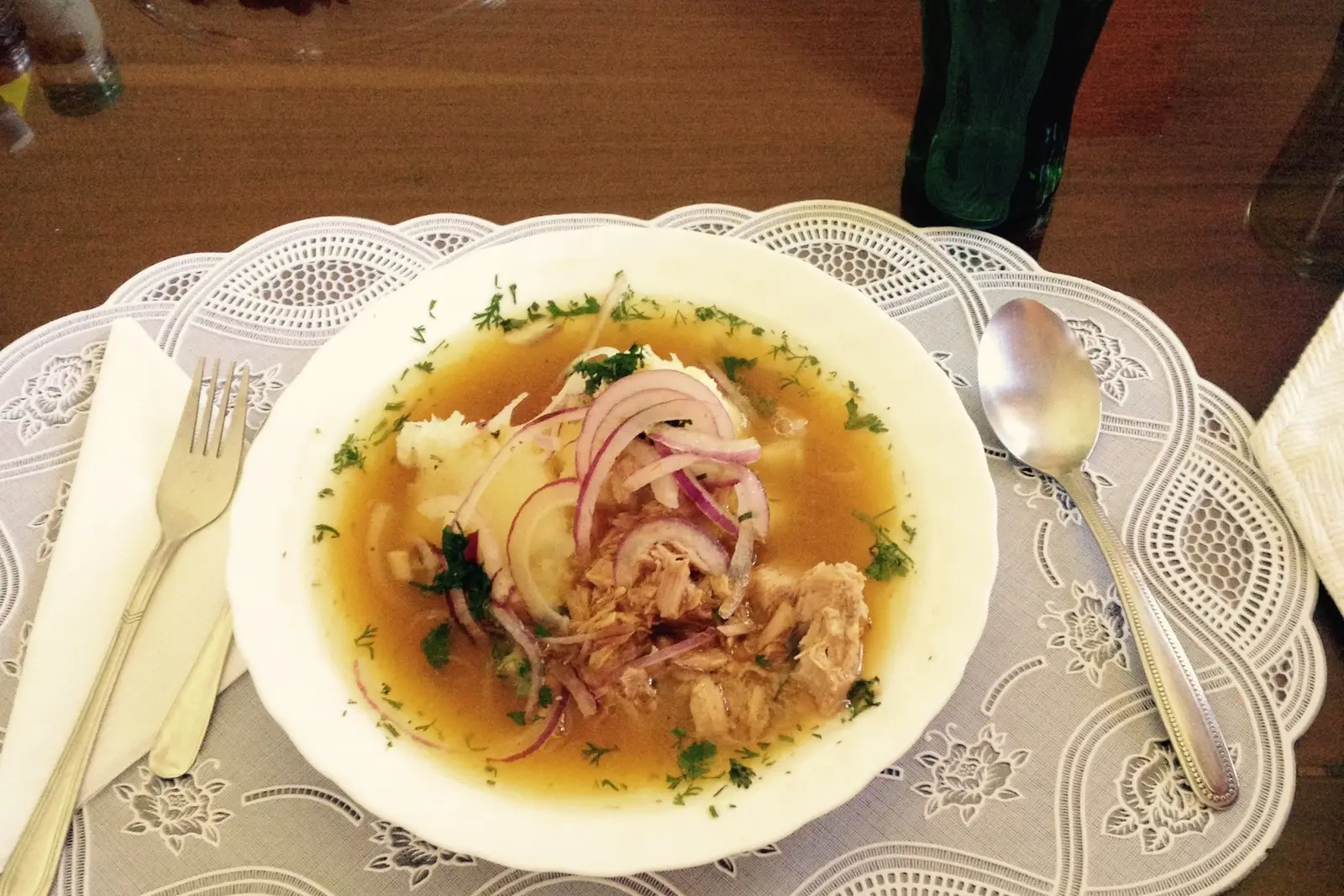
A bowl of encebollado with flaked tuna, pickled red onion rings, yuca and golden broth, sprinkled with cilantro Ecuador flag Ecuador 1h 20m
Lunch •Guayaquil Heritage

Encebollado

This encebollado recipe is Ecuador's beloved coastal soup: fresh albacore tuna simmered in a tomato, onion and cumin broth with tender chunks of yuca, then ladled into bowls under a bright mound of lime-pickled red onion and tomato. The broth is light and savoury, the onion topping is sharp and fresh, and the chifles and tostado on the side add the crunch every Ecuadorian expects. One serving is about 600 g, soup and toppings together.

Comfort & Warmth

Fresh tuna and yuca simmered in a tomato-cumin broth, finished with lime-pickled red onion and crunchy plantain chips.

Pairs Well With
Chifles (plantain chips) and tostado (toasted corn) for crunch, avocado slices, and lime wedges to squeeze over the bowl.
Soups & Broths
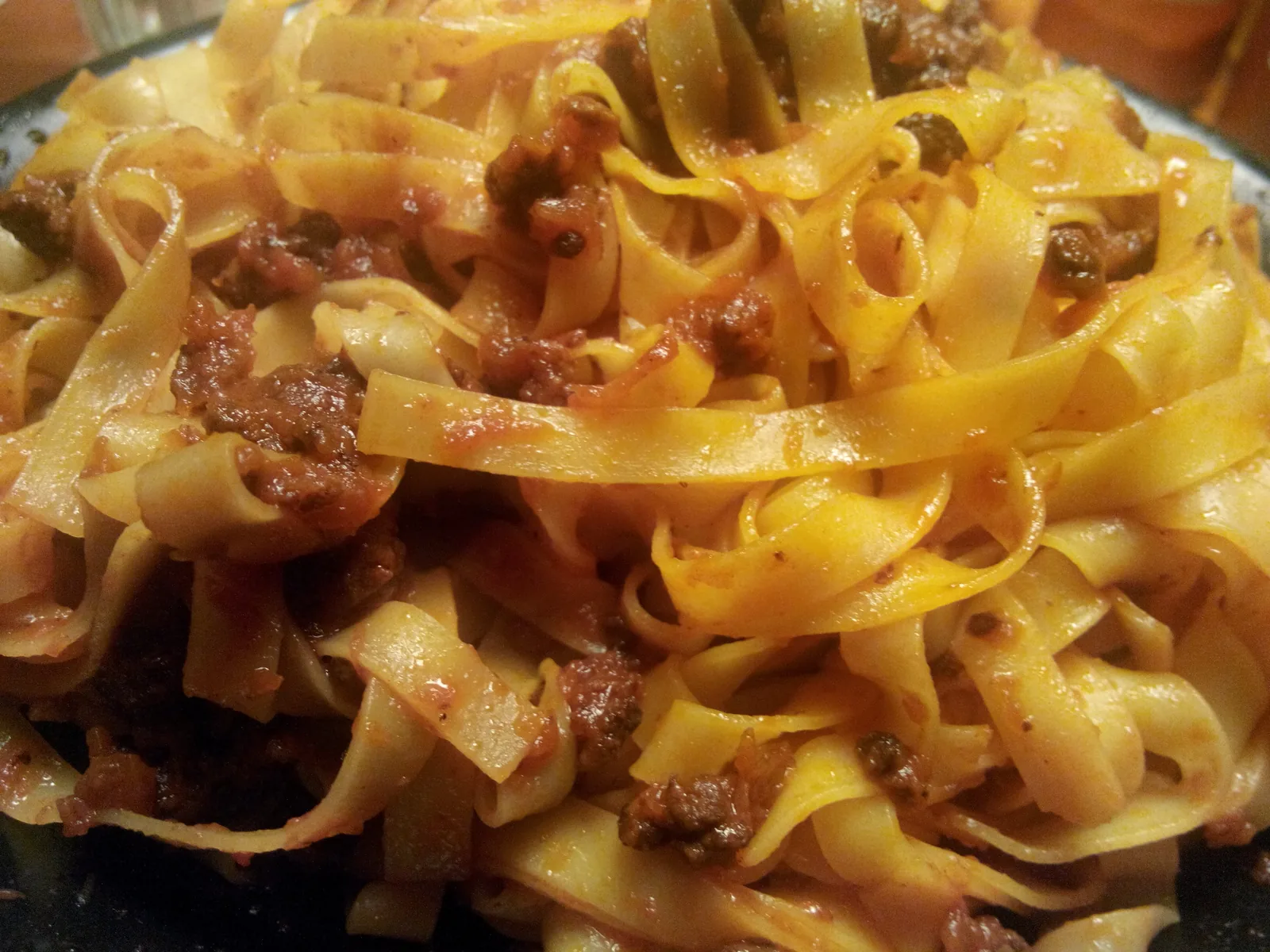
Tagliatelle al ragù Bolognese in a bowl with Parmigiano-Reggiano Italy flag Italy 4h 25m
Lunch •Emilia-Romagna

Tagliatelle al Ragù Bolognese

Slow-braised soffritto and coarse ground heritage meats layered over handmade egg yolk dough for mid-day stamina.

Lean Protein

Slow-simmered beef ragù tossed through fresh egg tagliatelle.

Pairs Well With
Bitter Radicchio & Aged Balsamico di Modena
Pasta & Noodles • High Protein
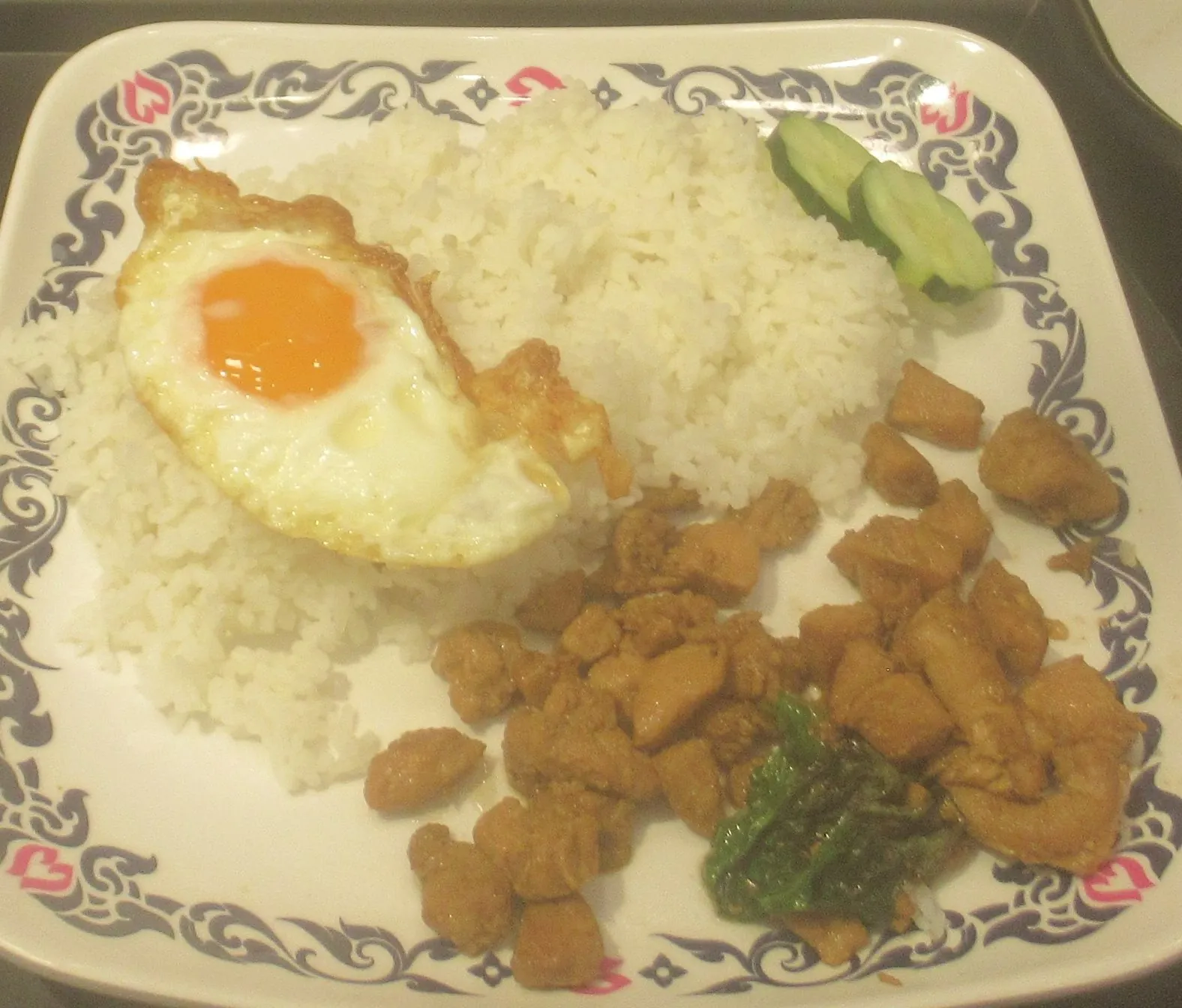
Pad kra pao gai — Thai holy basil chicken with fried egg and rice Thailand flag Thailand 30m
Lunch •Bangkok Street Flame

Pad Kra Pao Gai

High-heat wok flash of holy basil and crushed chillies over minced chicken, served over jasmine rice with a crispy-edged fried egg.

High Energy

Capsaicin brings the heat; holy basil adds a peppery, clove-like aroma.

Pairs Well With
Chilled Cucumber Salad & Fish Sauce Lime Dip
High Protein • Quick Prep (<30m)

The Dinner Gazette

Never wonder what’s for dinner again

One email a week with easy dinner ideas from around the world — ingredients, steps and nutrition, tested in our kitchen first.

Delivered every Thursday morning. Unsubscribe anytime.