Curated recipes from 193 countries  •  New seasonal Mediterranean issue out now

Overview

Malaysian Bak Kut Teh

Klang Bak Kut Teh, Malaysian Pork Rib Soup, Bah Kut Teh

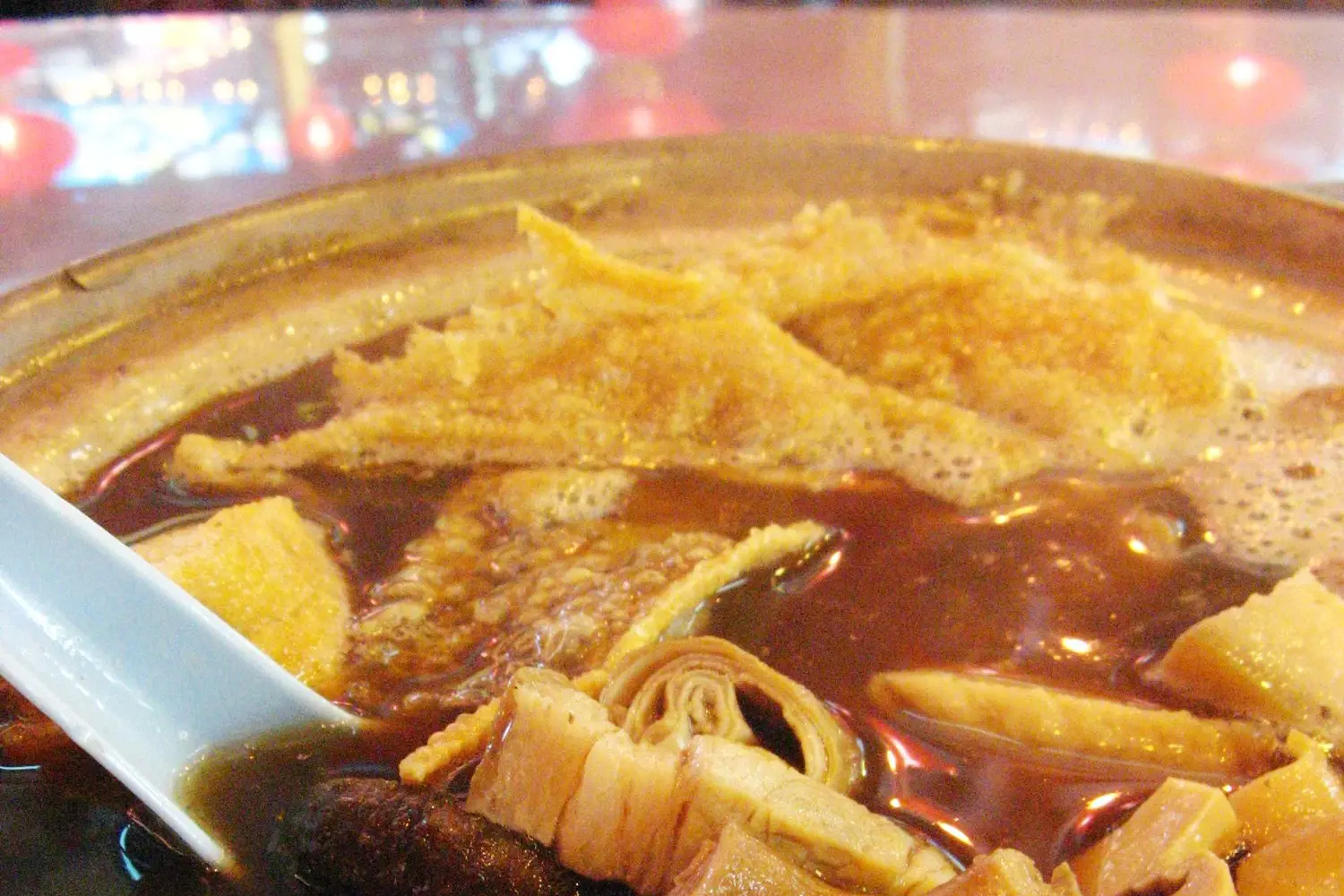
This malaysian bak kut teh recipe makes the dark, herbal Klang-style pork rib soup: meaty ribs simmered until tender in a broth of star anise, cinnamon, cloves, fennel and dang gui, coloured deep brown with dark soy sauce. It is the Malaysian answer to the pale, peppery Singapore version — same name, different soup. One serving is about 600 g of soup (ribs and broth), before rice and youtiao.

Bak kut teh means 'meat bone tea' in Hokkien, and the dish is traced to Klang, the port town in Selangor, Malaysia, where Hokkien labourers in the early 20th century simmered pork bones with Chinese herbs to make a fortifying soup. The Malaysian Hokkien version is defined by its dark soy sauce and herbal spice mix — star anise, cinnamon, cloves and dang gui — which makes the broth deep brown and aromatic, the opposite of Singapore's pale, peppery Teochew version. In 2024 Malaysia added bak kut teh to its national food heritage list. It is still eaten the same way today: ribs and broth with rice, youtiao for dipping, and a small dish of chilli sauce.

Pairs well with: Steamed jasmine rice and youtiao, with a small dish of chilli-garlic soy sauce.

Provenance

Malaysia flag Malaysia

Malaysian Heritage

East & South Asia

Time Dedication

2h 25m

25m prep • 120m cook

Batch Yield

4 Servings

697 kcal per serving

1 serving ≈ 600 g

Technical Skill

Intermediate

Medium (Slow Simmer)

Meal Timing & Digestive Fit

Breakfast

Not Advised

Lunch

Prime Metabolic Fit

Dinner

Ideal Hearty Main

Snack & Tea

Inappropriate

Soups & Broths Occasions: Weekend family meals, cold or rainy days, warming comfort meals, hawker breakfasts Cost: Low — about $3–4 per serving at home
Tags: Pork Savory Soup
A claypot of Malaysian bak kut teh: pork ribs and dried beancurd in a dark herbal soy broth with a spoon

Malaysian Heritage

Photo: Elizetang, Public domain, via Wikimedia Commons

The Heritage Formulary

Measured Ingredients

Estimated cost: Low — about $3–4 per serving at home (USD)

Made the Klang way: blanched ribs simmered gently with whole garlic and herbal spices, dark soy sauce and rock sugar, seasoned only at the end, broth kept dark and aromatic.

Execution Methodology & Culinary Technique

Step-by-Step Cooking Guide

Active 2h 25m
P

Prep Stage: Ribs, Garlic & Herbs

25 Mins • Cutting & Soaking

Cut the spareribs into single ribs and rinse them. Trim the garlic heads, measure the star anise, cinnamon, cloves, fennel and dang gui into a small bowl, and crush the white peppercorns coarsely. Soak the dried beancurd sticks and shiitake in warm water, slice the chillies for the dipping sauce, and wash the choy sum.

Maestro Tip: Soak the beancurd and mushrooms while you blanch the ribs — by the time the pot is simmering, both will be ready, and nothing waits.

  1. 1

    Blanch the Ribs

    10 Mins Boiling, 100°C (212°F)

    Put the ribs in a large pot, cover with cold water, and bring to a rolling boil. Boil for 5 minutes, skimming off the grey foam, then drain and rinse the ribs and the pot clean.

    Do not skip the blanch: it keeps the finished broth clean-tasting instead of cloudy and gamey.

    Done when: Ribs look pale and clean, with no foam or scum left on the meat.

  2. 2

    Start the Herbal Broth

    5 Mins Boiling, 100°C (212°F)

    Return the ribs to the clean pot with the 2 litres of water, the whole garlic heads, star anise, cinnamon, cloves, fennel, dang gui, white peppercorns and red dates. Bring to the boil over high heat.

    Keep the spices loose in the pot, not in a bag: they release more flavour, and you fish out the big pieces at the end.

    Done when: A rolling boil with the garlic heads and spices visible in the water.

  3. 3

    Simmer Until Tender

    1 Hr 45 Mins Simmering, ~95°C (200°F)

    Turn the heat down to the barest simmer, cover with the lid slightly ajar, and cook for about 1 hour 45 minutes. Skim occasionally and top up with boiling water if the level drops below the ribs. The meat should be well past the safe temperature of 63°C (145°F) and pulling away from the bone.

    Keep the simmer gentle, with only a few bubbles breaking the surface — a hard boil makes the broth cloudy and the meat stringy.

    Done when: Meat that yields when pressed with chopsticks and starts to pull away from the bone; broth dark, fragrant and herbal.

  4. 4

    Add Beancurd, Mushroom & Greens

    15 Mins Simmering, ~95°C (200°F)

    Add the soaked beancurd sticks and shiitake and simmer 10 minutes so they drink up the broth. Add the choy sum for the last 3 minutes so it stays bright green and crisp-tender.

    Do not add the greens early — they turn grey and limp in a long simmer.

    Done when: Beancurd soft and soaked through, mushrooms tender, greens bright green.

  5. 5

    Season the Broth

    5 Mins Simmering, ~95°C (200°F)

    Stir in 30 ml of the dark soy sauce, the light soy sauce, the rock sugar and the salt. Taste and adjust: the broth should be savoury and herbal first, with the dark soy giving colour and depth, not sweetness. Fish out the cinnamon stick, star anise and dang gui.

    Season only at the end — the broth concentrates as it simmers, and salt added early can overshoot.

    Done when: A dark, glossy broth that tastes savoury and herbal, with tender ribs.

  6. 6

    Mix the Chilli Dipping Sauce

    5 Mins No heat

    While the soup simmers, stir the sliced red chillies into the remaining 15 ml of dark soy sauce in a small dish. Leave it to sit so the chilli heat moves into the sauce.

    Make the sauce at least 10 minutes before serving — the chilli needs time to flavour the soy sauce.

    Done when: A small dish of dark soy sauce flecked with red chilli, ready for dipping the ribs.

  7. 7

    Serve with Rice and Youtiao

    5 Mins No heat

    Ladle the hot soup, ribs, beancurd, mushrooms and greens into bowls and serve at once with steamed jasmine rice, the youtiao fingers for dipping into the broth, and the chilli dipping sauce on the side.

    Serve the youtiao at the last moment so it stays crisp until it hits the broth.

    Done when: Steaming bowls of dark herbal soup, crisp youtiao, and rice ready on the table.

Finishing Touches & Plating

Scatter nothing on top — this soup needs no garnish. Bring it to the table steaming hot in its claypot or deep bowls, with rice, youtiao and the chilli sauce alongside, and let everyone dip and spoon at their own pace.

Nutritional Physiology & Benefits

Nutrition

Energy

697

kcal / serving

Protein

50g

Complete AA

Carbs

24g

Complex

Fats

46g

Healthy

Per serving (4 servings · 1 serving ≈ 600 g)
Energy697 kcal
Protein50 g
Carbohydrates24 g
Fat46 g
Fibre4.3 g
Sugar3.9 g
Sodium1478 mg
Per 100g
Energy116 kcal
Protein8.4 g
Carbohydrates3.9 g
Fat7.6 g
Fibre0.7 g
Sugar0.6 g
Sodium246 mg

Nutrition values are estimated — calculated from USDA FoodData Central values for the listed ingredients.

Vitamins & minerals: Pork ribs supply B vitamins (including B12 and niacin), iron and zinc; garlic adds vitamin C and manganese, and the pak-choi adds vitamin K, vitamin C and folate.

High in Protein

One serving carries about 50.3 g of protein from the pork ribs, which makes this soup a substantial lunch or main meal, not a light starter.

Herbal, Not Heavy

The broth gets its depth from herbs and spices — star anise, cinnamon, cloves and garlic — rather than from fat or cream, so the soup tastes rich without feeling greasy.

B Vitamins, Iron & Zinc

Pork ribs supply B vitamins including B12 and niacin, plus iron and zinc, and the garlic, mushrooms and choy sum add vitamin C, vitamin K and folate.

Food Pairings

What to Eat With

To optimize nutrient absorption and elevate the sensory depth, pair with these authentic accompaniments:

Sides

Youtiao for Dipping

Youtiao is the classic partner because its crisp, airy crumb soaks up the dark herbal broth without falling apart, turning the soup into a full meal.

Steamed Jasmine Rice

Plain jasmine rice balances the salty, herbal broth and gives the rich ribs something mild to sit beside, which is how the dish is eaten at hawker stalls.

Sauces

Chilli-Garlic Soy Dip

A spoonful of the sharp, salty chilli sauce on the rib meat adds a bright, spicy lift that the mellow broth does not have on its own.

Vegetables

Blanched Choy Sum

Extra greens blanched in the broth add freshness and crunch next to the soft ribs and hot soup.

Drinks

Chinese Tea

Hot, unsweetened Chinese tea is the traditional table drink with bak kut teh: it cuts through the richness of the pork and refreshes the palate between spoonfuls.

Complete menu

Start with the bak kut teh, ribs and broth, served with steamed jasmine rice and youtiao for dipping, add a plate of blanched choy sum, and finish with hot Chinese tea.

Digestive Guardrails

What NOT to Combine

To prevent digestive distress, sluggishness, or palate clash, avoid pairing the dish with these elements:

Light Broth or White Pepper Only

Leaving out the dark soy sauce and the herbal spices would turn this into the pale Singapore Teochew version, which is a different dish: the broth would stay light and the pepper and garlic would take over. Keep the broth dark and herbal. This is general food information, not medical advice.

Very Salty Sides

One serving already carries about 1478 mg of sodium from the soy sauces and salt, so salty cured meats or extra soy sauce at the table can push one meal too far. This is general food information, not medical advice.

General information only, not medical advice — consult a doctor for personal dietary decisions.

Who Should Eat It

Who Should Eat

  • General adultsA hearty, warming meal — about 50.3 g protein and 697 kcal per serving of soup, best eaten hot with rice and youtiao.
  • ChildrenThe herbal broth can taste strong for small children — serve them mostly broth and meat with extra rice, and go easy on the chilli dipping sauce.
  • ElderlyThe ribs are soft and easy to chew once simmered, but the meal is rich and salty, so a modest portion with plenty of greens is the comfortable choice.
  • Pregnant womenFine as an occasional meal when the pork is cooked right through until tender; keep the portion modest and the chilli sauce light. Ask your clinician about portions.
  • Breastfeeding womenA warming, energy-rich meal with good protein; one serving is enough because the soup is filling, especially with rice and youtiao.
  • AthletesGood recovery food, with about 50.3 g protein per serving — add the rice for carbohydrate and keep the youtiao to one stick if you are watching fat.
  • Weight gainEnergy-dense and easy to eat in a good amount with rice and youtiao, so it suits weight gain when served as a full meal.
  • Weight lossRich at about 697 kcal for the soup alone, and the rice and youtiao add more, so keep the portion to one bowl of soup with a small amount of rice and skip the youtiao.

Health Conditions — Adjust or Avoid

Conditions

  • DiabetesThe soup itself is low in carbohydrate, but the rice and youtiao add a large amount, so keep those portions small and count them in your meal plan. Ask your clinician about portions.
  • High blood pressureOne serving carries about 1478 mg sodium, so keep other salty foods out of the same meal and go easy on the dipping sauce. Ask your clinician about portions.
  • Kidney diseasePortions should stay modest, and the salt and protein content matter for some kidney diets. Ask your clinician about portions.
  • GoutPork is the main purine source here, so keep to one modest serving and drink water or tea with the meal. Ask your clinician about portions.
  • Stomach issuesThe herbal spices can irritate a sensitive stomach, so eat slowly, take a smaller portion, and skip the chilli dipping sauce if it bothers you. Ask your clinician about portions.
  • Cardiovascular diseaseThe dish is rich in fat, so one modest serving with a big plate of greens is a better balance than a second helping. Ask your clinician about portions.
  • Fatty liverThe dish is energy-dense, so keep portions modest, skip the youtiao, and avoid eating it late at night. Ask your clinician about portions.
  • Food allergiesContains soy (soy sauces) and wheat (youtiao). People with soy or wheat allergy should not eat those parts unless a safe substitute is used. Ask your clinician about safe alternatives.
  • Special therapeutic dietsNot suitable for a low-fat or low-sodium therapeutic diet as written; any lighter version changes the dish and should be discussed with a clinician.

If you have a medical condition, consult your doctor before changing your diet.

Storage & Use

Storage & Use

How to store
Cool the soup quickly and store the ribs in their broth in a covered container; keep rice and youtiao separate.
In the fridge
The soup keeps 3 days in the fridge at 4°C (40°F) or below.
In the freezer
Up to 2 months, ribs in broth, without the garnish; thaw overnight in the fridge.
How to reheat
Reheat gently on the hob, stirring, until steaming hot, to 74°C (165°F); do not boil hard or the meat toughens.
Freezing recommended
Yes — ribs in broth, without garnish, rice or youtiao.
Signs it has spoiled
Sour smell, slimy surface on the meat, or mould on the broth.

More recipes to explore

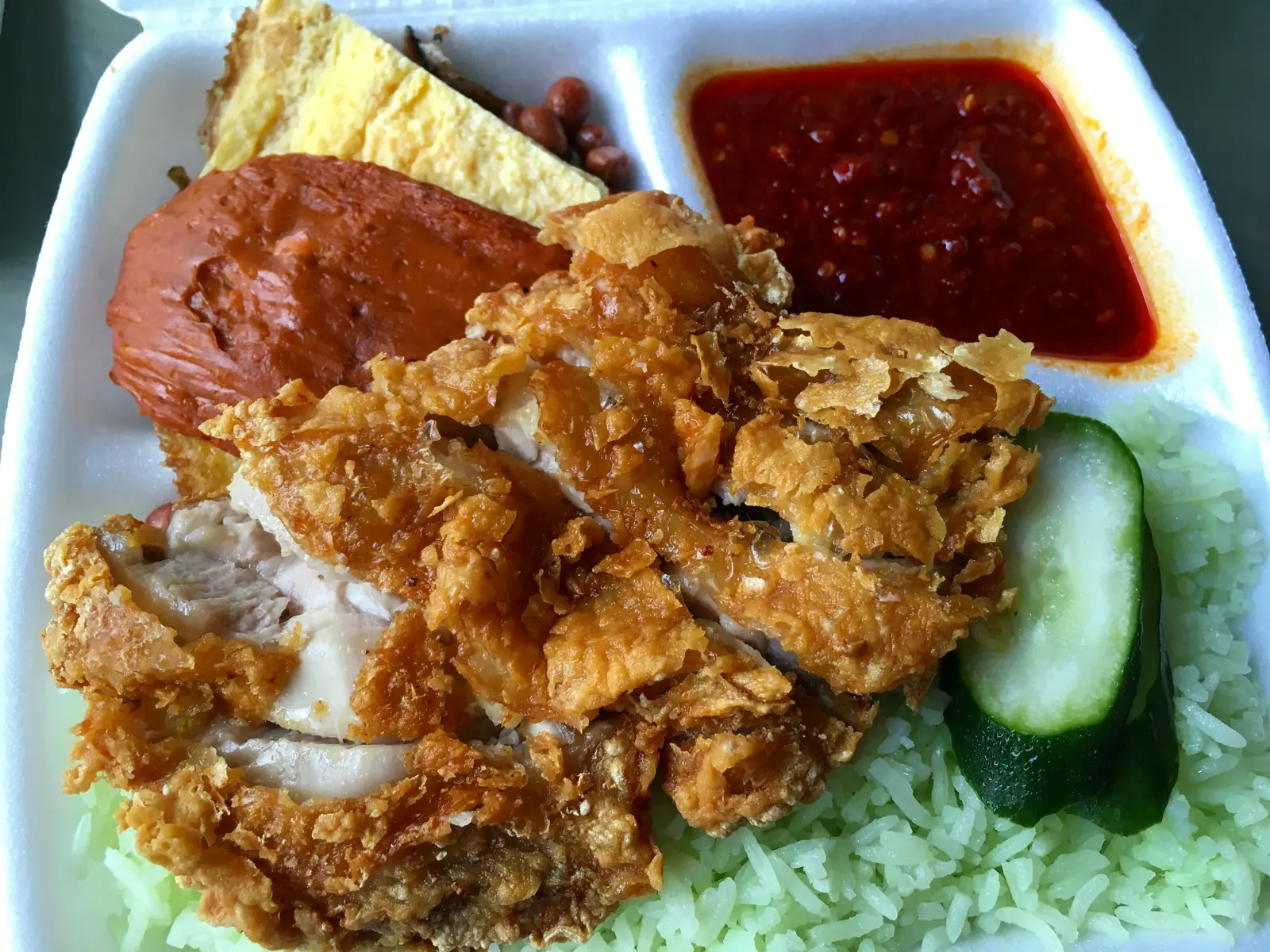
Nasi lemak — coconut rice with crispy fried chicken, red sambal, omelette, peanuts and cucumber in a takeaway box Malaysia flag Malaysia 1h 10m
Breakfast •Malaysian Heritage

Nasi Lemak

This nasi lemak recipe brings Malaysia's national breakfast to your own table: rice steamed in coconut milk with pandan, a dark, sweet-hot sambal, golden turmeric fried chicken, and the classic little pile of crispy anchovies, roasted peanuts, boiled egg and cool cucumber. One serving is about 465 g.

Hearty & Satisfying

A full Malaysian breakfast plate — fragrant coconut rice with sambal, crispy chicken, egg, anchovies, peanuts and cucumber.

Pairs Well With
A spoonful of hot sambal and cool cucumber slices, with teh tarik or iced lime tea.
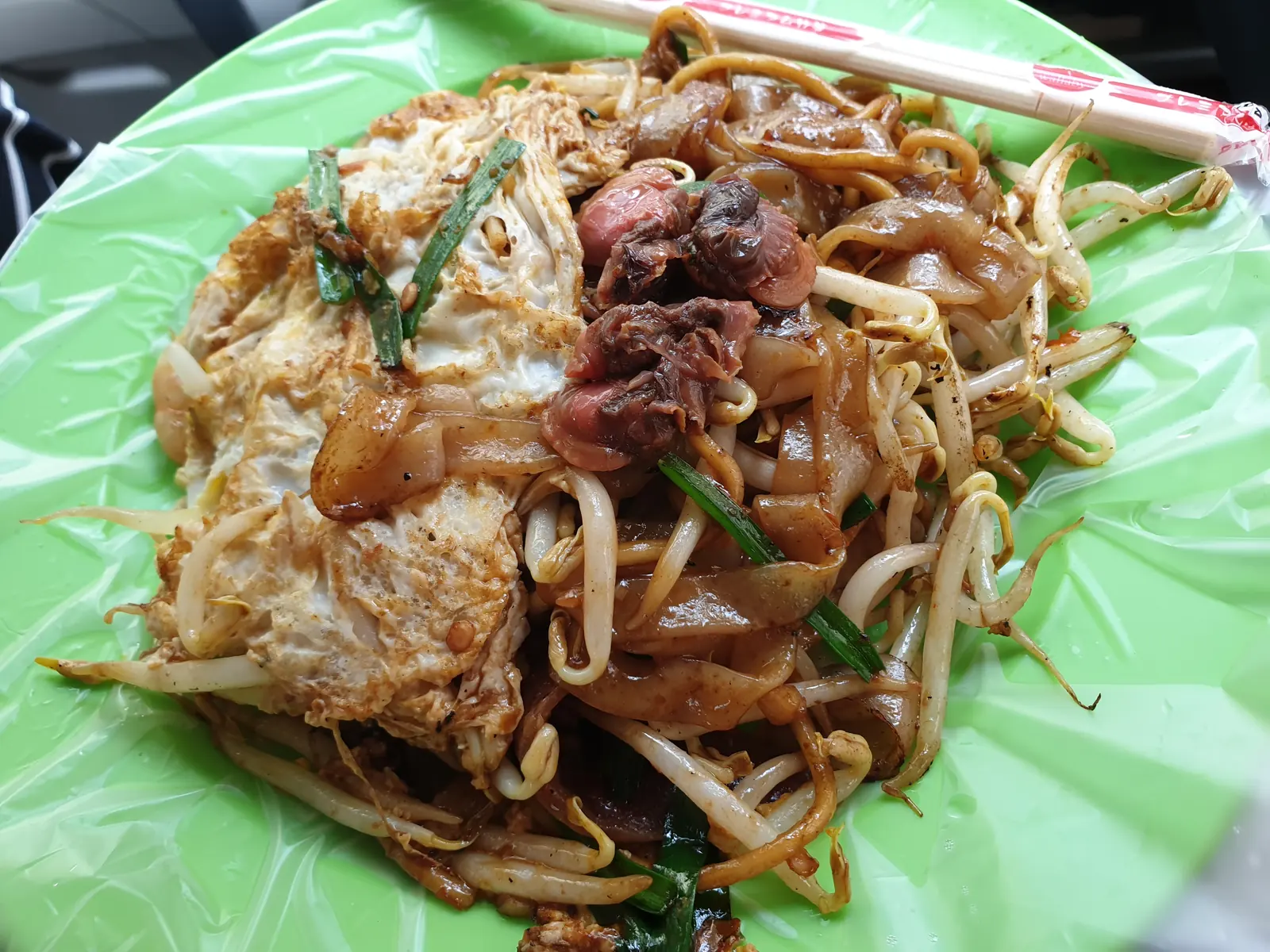
Char kway teow on a green plate — glossy flat rice noodles with fried egg, cockles, bean sprouts and garlic chives Malaysia flag Malaysia 25m
Dinner •Penang Street-Food Icon

Char Kway Teow

This char kway teow recipe tosses wide flat rice noodles in a blazing-hot wok with garlic, soy sauce, chilli paste, prawns, cockles, Chinese sausage, egg, bean sprouts and garlic chives, so the noodles pick up the smoky char called wok hei. Cook one plate at a time, exactly like a hawker stall, and eat it straight from the wok. One serving is about 475 g.

Smoky & Satisfying

Flat rice noodles seared over fierce heat with prawns, cockles, egg and bean sprouts — a fast, smoky Malaysian hawker dinner.

Pairs Well With
Pickled green chillies, cucumber slices, and iced lime tea or teh o ais
Pasta & Noodles • Quick Prep (<30m)
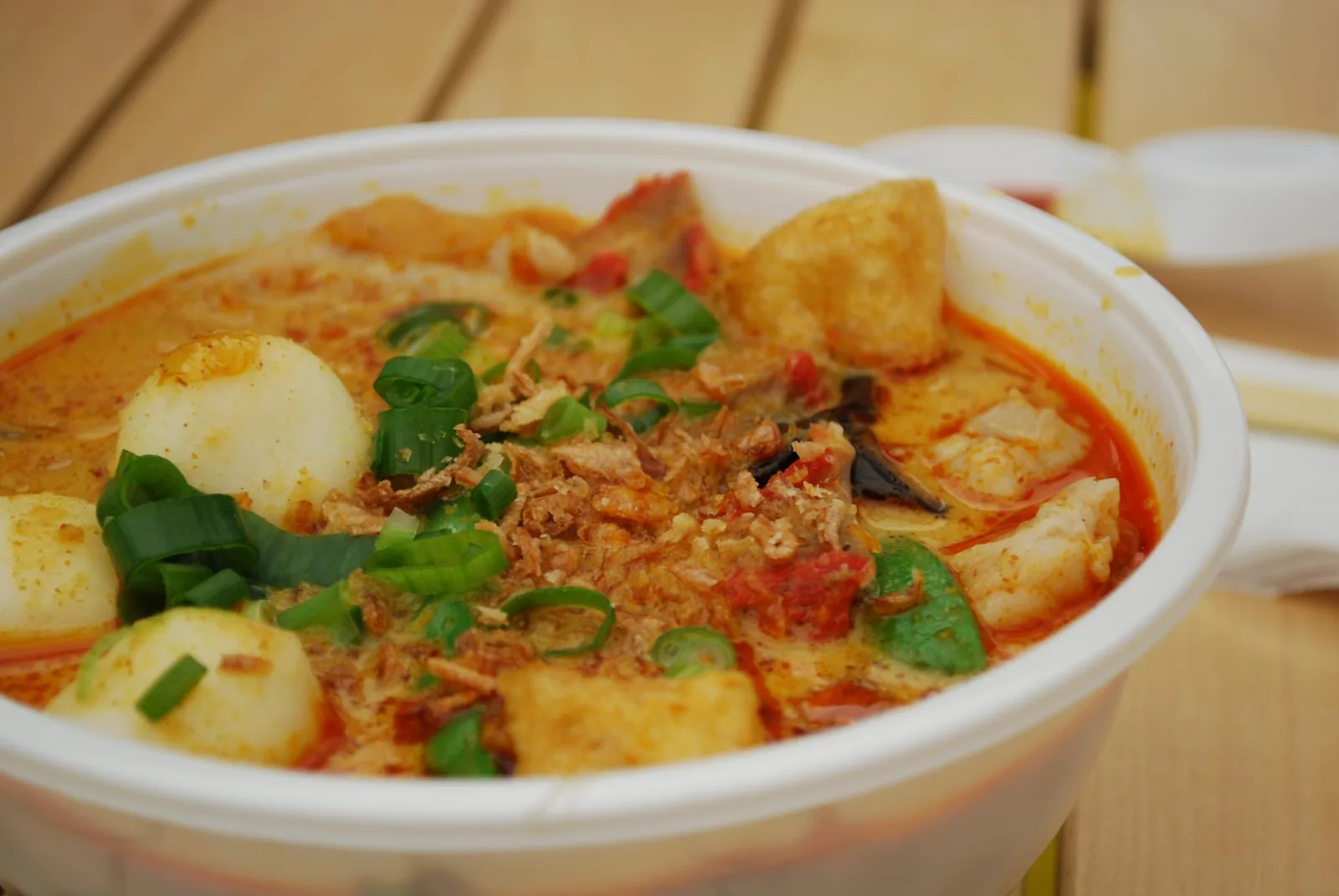
A white bowl of curry laksa in orange coconut curry broth with tofu puffs, fish balls, spring onions and fried shallots Malaysia flag Malaysia 50m
Lunch •Malaysian Hawker Classic

Curry Laksa

This curry laksa recipe simmers a spiced rempah paste with coconut milk and chicken stock into a rich orange broth, then pours it over rice vermicelli and egg noodles with shredded chicken, tofu puffs and crisp bean sprouts. One serving is about 703 g.

Comfort & Warmth

A rich, spiced coconut curry noodle soup with chicken, tofu puffs and bean sprouts.

Pairs Well With
Cool cucumber salad and a glass of iced lime tea
Soups & Broths • Pasta & Noodles
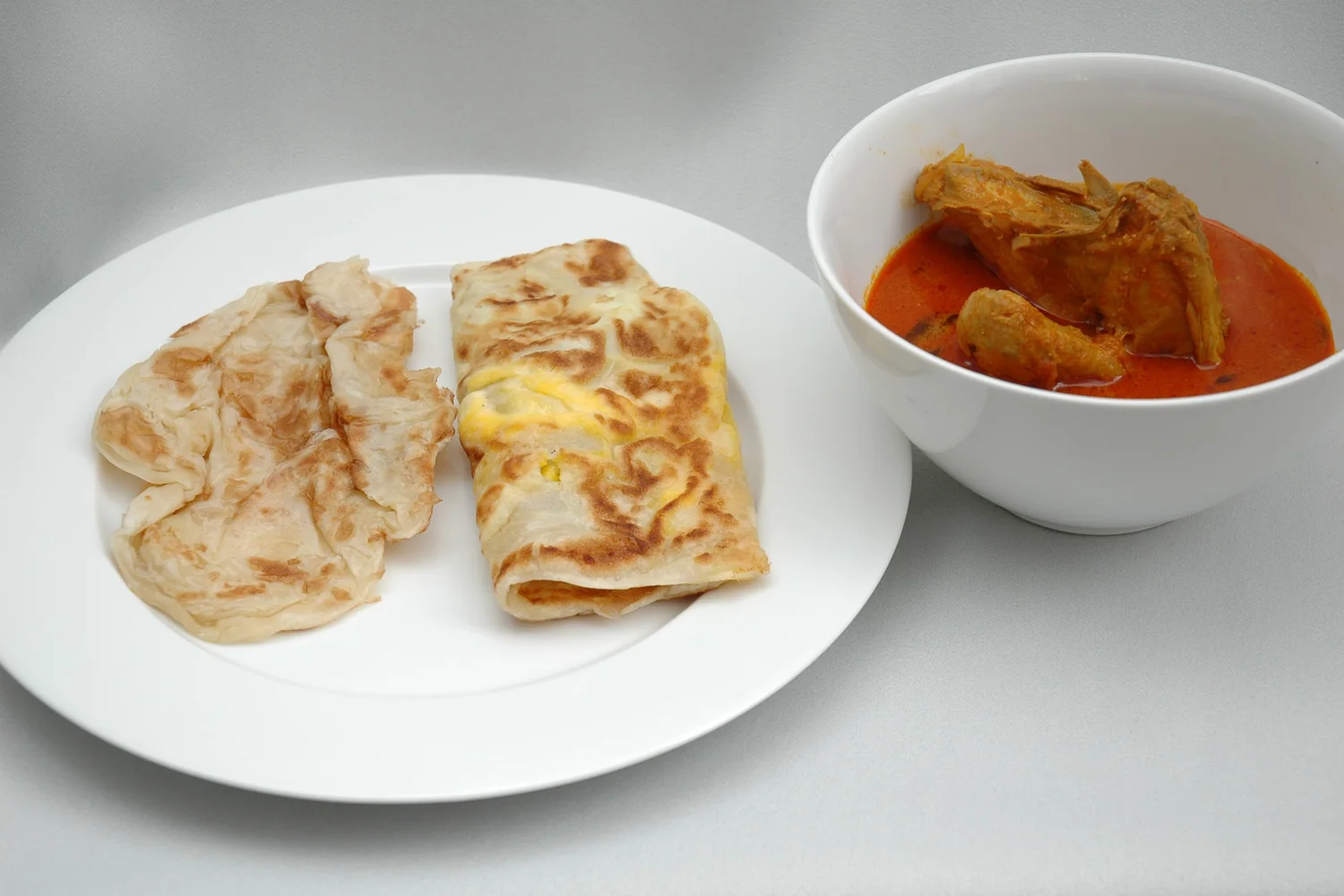
Roti prata and egg roti on a white plate with a bowl of chicken curry Malaysia flag Malaysia 1h 30m
Breakfast •Mamak Stall Heritage

Roti Canai

This roti canai recipe makes the flaky mamak flatbread the slow way: a soft dough rested until it stretches paper-thin, laminated with ghee, folded into squares and fried until the outside crisps and the inside stays soft and layered. It is served torn into pieces for dipping into a warm dhal curry with coconut milk, the way every mamak stall in Malaysia serves it for breakfast. One serving is about 374 g.

Comfort & Warmth

Flaky, laminated flatbread stretched paper-thin, folded and fried in ghee until crisp at the edges, torn and dipped into warm dhal curry.

Pairs Well With
Dhal curry & teh tarik

The Dinner Gazette

Never wonder what’s for dinner again

One email a week with easy dinner ideas from around the world — ingredients, steps and nutrition, tested in our kitchen first.

Delivered every Thursday morning. Unsubscribe anytime.