Curated recipes from 193 countries  •  New seasonal Mediterranean issue out now

Overview

Malian Lalo

Ewedu Soup, Jute Leaf Soup

This malian lalo recipe simmers fresh jute leaves with potash and fermented locust beans until they collapse into a silky green soup, then stirs in dried stockfish and ground crayfish and serves it with stiff millet tô. Lalo is the Malian name for the jute leaf, the same leaf cooked as ewedu across West Africa, and the soup is prized for its smooth, slippery texture — the draw that lets it slide off a piece of tô. One serving is about 550 g.

The jute leaf is eaten across West Africa under many names — lalo in Mali, ewedu among the Yoruba, ayoyo in Ghana, molokhia in Egypt and the Levant. In Mali it is cooked the West African way: boiled briefly with potash, which holds the green colour and helps the leaves break down, and mashed with a small broom called an ijabe until it turns into a smooth, slippery soup. It is served with tô, the stiff millet porridge that is the spoon for the meal.

Pairs well with: Millet tô & a tomato stew

Provenance

Mali flag Mali

Malian Home Cooking

African Heritage

Time Dedication

1h

20m prep • 40m cook

Batch Yield

4 Servings

521 kcal per serving

1 serving ≈ 550 g

Technical Skill

Intermediate

Intermediate (Leaf Soup & Tô)

Meal Timing & Digestive Fit

Breakfast

Not Advised

Lunch

Hearty Midday Main

Dinner

Ideal Hearty Main

Snack & Tea

Inappropriate

Soups & Broths Occasions: Family dinner, everyday cooking, weekend lunch Cost: Low — about $2–3 per serving at home
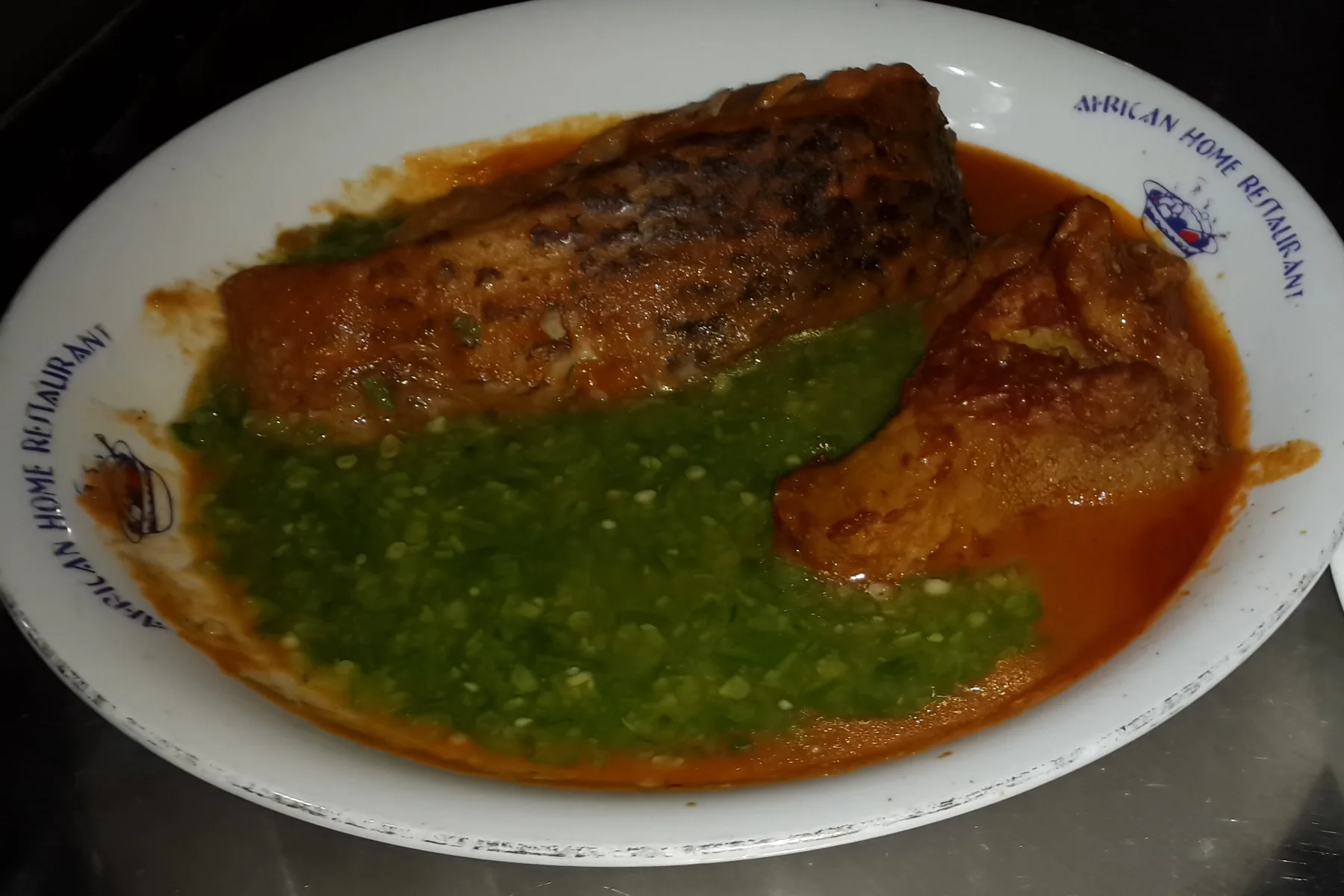
A plate of bright green ewedu jute-leaf soup with fish stew

Malian Home Cooking

Photo: Oludafa, CC BY-SA 4.0, via Wikimedia Commons

The Heritage Formulary

Measured Ingredients

Estimated cost: Low — about $2–3 per serving at home (USD)

Good lalo is bright green, smooth and silky, with a gentle draw that lets it slide off the tô — never lumpy, never soapy.

Execution Methodology & Culinary Technique

Step-by-Step Cooking Guide

Active 1h
P

Prep Stage: Pick, Wash, Soak

20 Mins • Picking & Washing

Pick the jute leaves from their stems and wash them in plenty of water until no sand remains. Soak the stockfish in warm water for 30 minutes, then flake it and pick out any bones. Rinse the locust beans, dissolve the potash in a little warm water and strain out any grit, and chop the onion.

Maestro Tip: Washing the leaves well is the whole job — sand in the soup cannot be fixed later.

  1. 1

    Boil Potash, Locust Beans and Stockfish

    5 Mins Rolling boil, ~100°C (212°F)

    Pour 750ml of water into a pot and bring it to a rolling boil. Stir in the dissolved potash and the rinsed locust beans, then add the soaked stockfish. Boil for 5 minutes so the beans release their flavour.

    Dissolving the potash first and straining it keeps grit out of the soup.

    Done when: The water is boiling hard and smells savoury from the locust beans.

  2. 2

    Add the Leaves

    10 Mins Boil, ~100°C (212°F)

    Add the washed jute leaves and the chilli to the boiling pot. Do NOT cover the pot — covering kills the slippery draw. Cook for 7–10 minutes until the leaves are completely soft and dark green.

    Never cover the pot while the leaves cook — the soup will not turn silky if you do.

    Done when: Leaves are soft, dark green and collapsing into the water.

  3. 3

    Mash the Soup Silky

    5 Mins Mashing, ~80°C (176°F)

    Lift the pot off the heat and mash the leaves with a small traditional broom (ijabe), a whisk, or a potato masher, working steadily for about 5 minutes until the soup is smooth and silky. A blender works too — pulse twice only, or the soup turns gluey.

    Mash patiently and in the pot — over-blending makes the soup gluey instead of silky.

    Done when: The soup is uniformly smooth, bright green and slippery on the spoon.

  4. 4

    Season the Soup

    5 Mins Gentle simmer, ~95°C (203°F)

    Return the pot to low heat. Stir in the onion, ground crayfish and palm oil, and simmer gently for 3–5 minutes. Taste, then add the salt a little at a time — the locust beans and crayfish already carry salt.

    Salt last: the soup concentrates as it simmers and the dried fish is already salty.

    Done when: The soup is hot, seasoned and glossy with a thin sheen of oil.

  5. 5

    Make the Millet Tô

    12 Mins Low heat, ~95°C (203°F)

    While the soup simmers, make the tô: bring 750ml of water to a boil in a second pot, then sprinkle in the millet flour a little at a time, stirring hard with a wooden spoon. Keep stirring over low heat for 10–12 minutes until the tô is stiff, smooth and pulls away from the sides of the pot.

    Add the flour slowly and stir without stopping — lumps form the moment you pause.

    Done when: The tô is stiff, smooth and holds its shape when scooped.

  6. 6

    Serve with Tô

    3 Mins Serve hot, ~70°C (158°F)

    Wet your hands, mould the tô into four smooth balls and set one on each plate. Ladle the hot lalo soup beside it, not over it, and serve immediately with tomato stew if you have it.

    Serve the soup beside the tô, not over it — everyone likes a different amount of soup per bite.

    Done when: The plate is steaming, the soup bright green beside the pale tô.

Finishing Touches & Plating

Let the soup sit off the heat for 2 minutes before serving — the draw settles and the green colour stays bright. Taste once more for salt; the locust beans and crayfish already carry salt, so add it last.
Nutritional Physiology & Benefits

Nutrition

Energy

521

kcal / serving

Protein

39g

Complete AA

Carbs

71g

Complex

Fats

9g

Healthy

Per serving (4 servings · 1 serving ≈ 550 g)
Energy521 kcal
Protein39 g
Carbohydrates71 g
Fat9 g
Fibre6.7 g
Sugar3.7 g
Sodium426 mg
Per 100g
Energy95 kcal
Protein7.1 g
Carbohydrates12.9 g
Fat1.7 g
Fibre1.2 g
Sugar0.7 g
Sodium77 mg

Nutrition values are estimated — calculated from USDA FoodData Central values for the listed ingredients.

Vitamins & minerals: Vitamin A, C and K, calcium and iron (jute leaves), iodine and protein (stockfish), B vitamins (millet).

A Bowl Full of Greens

Jute leaves are rich in vitamins A and C, calcium and iron, and a bowl of lalo is one of the easiest ways to eat a large amount of leafy greens.

Real Staying Power

Stockfish, crayfish and millet together give about 39 g of protein per serving, so this light-looking dinner keeps you full for hours.

Light but Steady

The soup is naturally low in fat, and the millet tô releases its energy slowly, which makes for a steady, comfortable evening meal.

Food Pairings

What to Eat With

To optimize nutrient absorption and elevate the sensory depth, pair with these authentic accompaniments:

Sides

Millet Tô

Millet tô is the classic partner because its stiff, neutral dough is the spoon — you pinch off a piece and use it to scoop up the slippery soup.

Sauces

Tomato Stew

A spoonful of tomato stew on the side adds acidity and a little heat, which balances the mild, earthy green soup.

Drinks

Hibiscus Drink (Bissap)

A cold, lightly sweet hibiscus drink refreshes the palate between bites of the warm, savoury soup.

Full Menus

As a Family Dinner

Put the pot of soup in the middle of the table with the tô and stew alongside, so everyone moulds their own piece of tô and ladles their own soup — this is a sharing meal.

Complete menu

Start with the lalo soup ladled beside a moulded piece of millet tô, a spoonful of tomato stew on the side, and finish with a cold hibiscus drink.

Digestive Guardrails

What NOT to Combine

To prevent digestive distress, sluggishness, or palate clash, avoid pairing the dish with these elements:

Too Much Potash

Too much potash gives the soup a soapy taste and can destroy its silky draw completely — a small pinch is all it takes, and more is not better. This is general guidance, not medical advice.

A Second Heavy Soup

A heavy, creamy second soup or a rich stew on the same plate would bury the fresh green flavour of the lalo. Keep the accompaniments simple — tô and one light stew at most.

General information only, not medical advice — consult a doctor for personal dietary decisions.

Who Should Eat It

Who Should Eat

  • General adultsA light, green dinner — about 39 g of protein with millet tô, and plenty of leafy greens in every bowl.
  • ChildrenSuitable from age 3+ with the chilli left out; the soup is soft and slippery, so serve a small bowl with a piece of tô to hold.
  • ElderlyVery suitable — the soup is soft, easy to swallow and easy to digest; keep the stockfish pieces small and bone-free.
  • Pregnant womenGenerally suitable; the jute leaves bring iron and folate, and the stockfish must be cooked right through.
  • Breastfeeding womenGenerally suitable; the protein, iron and energy support recovery — eat a full portion with tô.
  • AthletesA good lighter meal: about 39 g of protein with millet for glycogen, best eaten within a couple of hours of exercise.
  • Weight gainA good choice — take a generous second ladle of soup and a bigger piece of tô.
  • Weight lossEnjoy a smaller portion: mostly soup with a modest piece of tô, and skip the extra palm oil.

Health Conditions — Adjust or Avoid

Conditions

  • DiabetesThe millet tô is the main source of carbs — keep it to a modest piece and load the bowl with soup. Ask your clinician about portion size.
  • High blood pressureMost of the sodium comes from the salt and the dried fish and crayfish; season lightly and rinse the stockfish well. Ask your clinician about a suitable portion.
  • Kidney diseaseThe soup is salty and the leaves add potassium; keep the portion modest and ask your clinician about frequency.
  • GoutEat occasionally and in smaller portions — dried fish and crayfish are moderately high in purines.
  • Stomach issuesThe soup is usually gentle, but chilli and locust beans can unsettle a sensitive stomach — leave the chilli out and keep the beans modest.
  • Cardiovascular diseaseA light dish — keep the palm oil to the recipe amount and balance the rest of the day with varied food.
  • Fatty liverA good lighter choice — the soup itself is low in fat; keep the tô portion modest.
  • Food allergiesContains fish (stockfish) and shellfish (crayfish) — do not serve to anyone with a fish or shellfish allergy. Locust beans are a legume; check with anyone who has a legume allergy.
  • Special therapeutic dietsIf you follow a prescribed low-sodium diet, use less salt and rinse the dried fish well, and check with your clinician.

If you have a medical condition, consult your doctor before changing your diet.

Storage & Use

Storage & Use

How to store
Cool quickly and store the soup and tô separately in airtight containers.
In the fridge
Soup 2 days; tô 2 days.
In the freezer
Soup 2 months; tô 1 month (texture softens on thawing).
How to reheat
Reheat the soup gently, stirring, until it bubbles; reheat the tô by steaming or in a covered pan with a splash of water until hot right through, 74°C (165°F).
Freezing recommended
Yes — the soup freezes well for up to 2 months; stir well after thawing.
Signs it has spoiled
Sour smell, a grey film on the surface, or slimy tô.

More recipes to explore

Grilled dibi lamb pieces on brown paper with sliced raw onions and yellow mustard sauce Mali flag Mali 1h 5m
Dinner •Bamako Street Food

Malian Dibi

This dibi recipe marinates bone-in lamb chops in mustard, garlic and lemon, grills them over charcoal until charred at the edges, then cuts the meat into pieces and piles it with raw onion and a tangy mustard sauce. The word dibi means barbecue in Wolof, and the dish is the street food of West African evenings — smoky, sharp and eaten with your hands. One serving is about 270 g.

Charcoal-Grilled Comfort

Charcoal-grilled lamb chops cut into pieces and served with raw onion and a tangy mustard sauce.

Pairs Well With
Crusty baguette & a cold drink
High Protein
Golden-brown fried wagashi cheese pieces piled in a patterned bowl Mali flag Mali 1h 18m
Snack & Tea •Fulani Dairy Heritage

Malian Fried Wagashi

This Malian wagashi recipe starts with fresh cow's milk, curdled with vinegar and pressed into a firm fresh cheese, then sliced and fried until deep golden outside and soft inside. It is served hot with a spicy tomato-pepper sauce for dipping, the way Fulani market vendors sell it across Mali. One serving is about 185 g.

Golden Fried Cheese Snack

Fresh cow's-milk cheese made at home, fried golden and served with a spicy tomato-pepper sauce.

Pairs Well With
Crusty baguette & spicy tomato-pepper sauce
High Protein
Bœuf bourguignon — French beef braised in red wine France flag France 4h
Dinner •Burgundy Terroir

Bœuf Bourguignon

Beef braised gently in red wine until the connective tissue melts into a velvet, gelatin-rich sauce — the classic Burgundy Sunday dinner.

Cellular Repair

Beef braised in red wine until spoon-tender, with mushrooms and pearl onions.

Pairs Well With
Parsnip Purée & Steamed French Haricots Verts
High Protein
Vietnamese braised pork belly with golden eggs in caramel sauce Vietnam flag Vietnam 1h 45m
Dinner •One Pot

Vietnamese Braised Pork and Eggs

Pork belly slowly braised in coconut water and caramel until meltingly tender, with golden eggs that soak up the sweet-savoury sauce — the Vietnamese family dish that tastes better the next day.

Comfort & Sustained Energy

Slow-braised pork belly and eggs in coconut water and caramel.

Pairs Well With
Steamed rice & pickled mustard greens
High Protein

The Dinner Gazette

Never wonder what’s for dinner again

One email a week with easy dinner ideas from around the world — ingredients, steps and nutrition, tested in our kitchen first.

Delivered every Thursday morning. Unsubscribe anytime.