
Curated recipes from 193 countries  •  New seasonal Mediterranean issue out now

Overview

Malian Fried Wagashi

Wagasi, Wara, Gassirè

This Malian wagashi recipe starts with fresh cow's milk, curdled with vinegar and pressed into a firm fresh cheese, then sliced and fried until deep golden outside and soft inside. It is served hot with a spicy tomato-pepper sauce for dipping, the way Fulani market vendors sell it across Mali. One serving is about 185 g.

Wagashi — also called wagasi, wara or gassirè — is the fresh cheese of the Fulani herders of West Africa, made by warming fresh cow's milk and curdling it with the juice of the Calotropis procera plant, known as the apple of Sodom. The curds are drained and pressed into round cakes, sometimes dipped in red sorghum-leaf dye, and the cheese is famous for holding its shape in a hot pan instead of melting, so it is fried golden and sold in markets with pepper sauce. Fulani families have carried the cheese across the Sahel for generations, and it is eaten in Mali as well as Benin, Ghana, Togo, Burkina Faso, Nigeria and Côte d'Ivoire.

Pairs well with: Crusty baguette & spicy tomato-pepper sauce

Provenance

Mali flag Mali

Fulani Dairy Heritage

African Heritage

Time Dedication

1h 18m

45m prep • 33m cook

Batch Yield

4 Servings

307 kcal per serving

1 serving ≈ 185 g

Technical Skill

Intermediate

Intermediate (Fresh Cheese)

Meal Timing & Digestive Fit

Breakfast

Not Advised

Lunch

Inappropriate

Dinner

Inappropriate

Snack & Tea

Ideal Light Bite

High Protein Occasions: Afternoon snack, street-food night, party platter Cost: Low — about $3–4 per serving at home
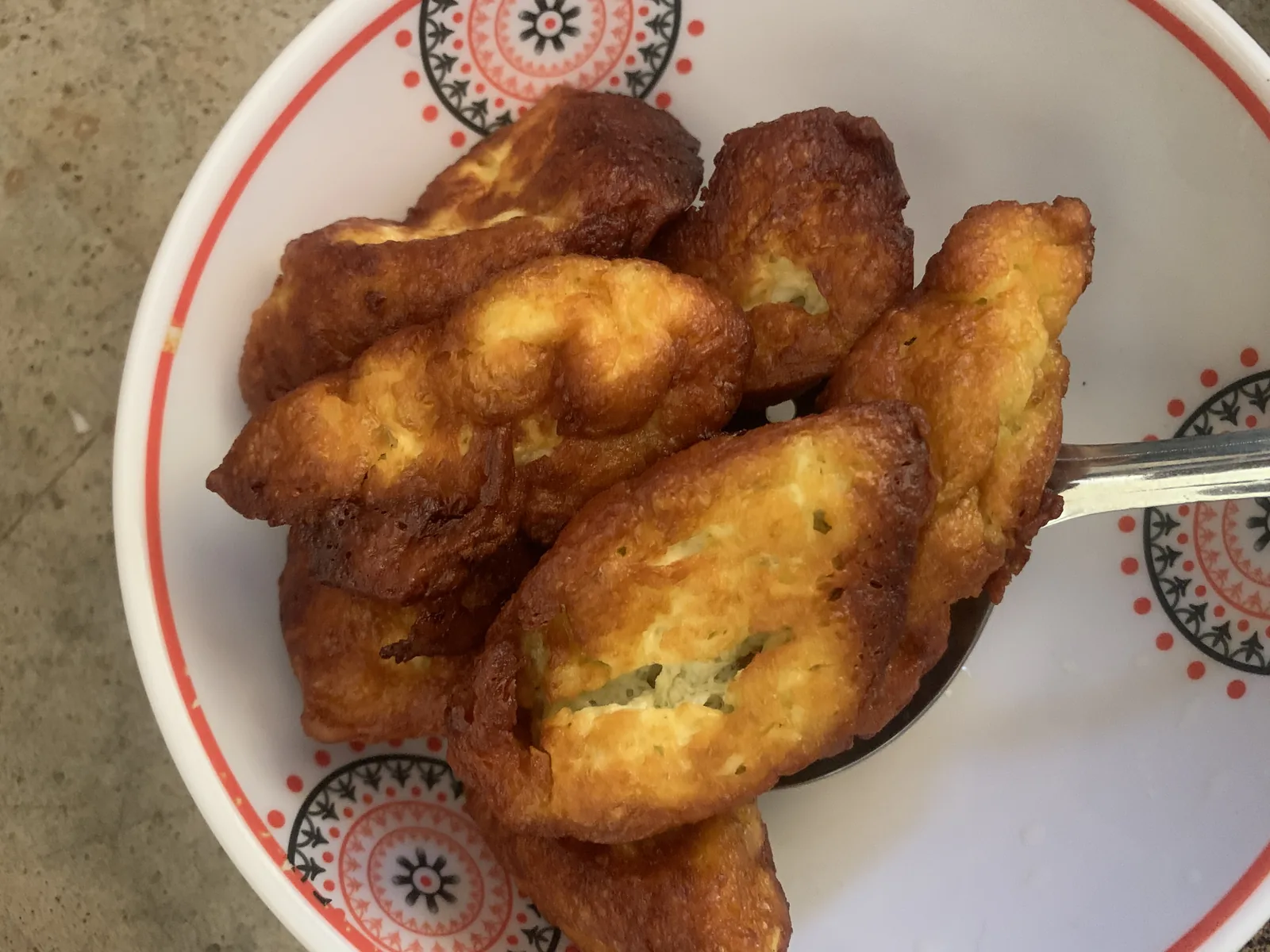
Golden-brown fried wagashi cheese pieces piled in a patterned bowl

Fulani Dairy Heritage

Photo: Uthman salma, CC0, via Wikimedia Commons

The Heritage Formulary

Measured Ingredients

Estimated cost: Low — about $3–4 per serving at home (USD)

Good wagashi is deep golden and crisp outside, soft and milky inside, and never melts into a puddle in the pan.

Execution Methodology & Culinary Technique

Step-by-Step Cooking Guide

Active 1h 18m
P

Prep Stage: Curdle, Drain and Press the Cheese

15 Mins Active + 30 Mins Pressing • Cheese Making

Pour the milk into a large heavy pot and warm it gently over medium heat to 85°C (185°F) — hot and steaming, but not boiling. Take it off the heat, stir in the vinegar a little at a time, and watch the milk separate into white curds and pale yellow whey; rest 5 minutes. Line a colander with clean muslin, ladle in the curds, sprinkle over 4 g of the salt, then gather the cloth, twist out the whey and press the bundle under a plate weighted with a heavy pot for 30 minutes, until you have a firm disc of cheese about 2 cm thick.

Maestro Tip: Do not boil the milk — boiling makes a tough, rubbery curd. Gentle heat and patience give a soft, milky cheese that fries golden instead of drying out.

  1. 1

    Cook the Tomato-Pepper Sauce

    15 Mins Medium heat, simmer ~95°C (200°F)

    Heat 15 ml of the oil in a saucepan over medium heat. Fry the onion for 3 minutes until soft, then add the garlic and chilli and fry 1 minute more. Add the tomatoes and the remaining 2 g of salt, then simmer gently for 10 minutes, stirring now and then, until the sauce is thick and the oil separates at the edges.

    Let the sauce simmer until it is properly thick — a watery sauce makes the fried cheese soggy.

    Done when: The sauce is thick enough to coat a spoon and the raw tomato smell is gone.

  2. 2

    Slice the Wagashi

    5 Mins Room temperature, ~22°C (72°F)

    Unwrap the pressed cheese and cut it into slices about 1.5 cm thick, then cut each slice into fingers about 5 cm long. Pat the pieces dry with kitchen paper so they fry crisp instead of spattering.

    Even slices fry evenly — thin pieces burn while thick ones stay pale.

    Done when: Slices are even, firm and dry to the touch.

  3. 3

    Fry the Wagashi

    10 Mins Hot oil, 175°C (350°F)

    Pour the remaining 60 ml of oil into a wide frying pan and heat it to 175°C (350°F) — a crumb dropped in should sizzle at once. Fry the wagashi in small batches for 2–3 minutes on each side, turning once, until deep golden all over. Lift out with a slotted spoon and drain on kitchen paper.

    Fry in small batches so the oil stays hot — crowded slices steam instead of crisping.

    Done when: Deep golden-brown crust on both sides, soft and steaming inside.

  4. 4

    Serve Hot with the Sauce

    3 Mins Serve hot, ~70°C (158°F)

    Pile the fried wagashi on a plate and serve immediately, while the crust is still crisp, with the warm tomato-pepper sauce in a small bowl for dipping.

    Serve the sauce on the side, not poured over the cheese, so the crust stays crisp until the last bite.

    Done when: The cheese is hot and crisp, the sauce warm and spoonable.

Finishing Touches & Plating

Fry the wagashi in small batches so the oil stays hot — crowded slices steam instead of crisping. Spoon the sauce into a small bowl for dipping rather than pouring it over the cheese, so the crust stays crisp until the last bite.

Nutritional Physiology & Benefits

Nutrition

Energy

307

kcal / serving

Protein

16g

Complete AA

Carbs

7g

Complex

Fats

24g

Healthy

Per serving (4 servings · 1 serving ≈ 185 g)
Energy307 kcal
Protein16 g
Carbohydrates7 g
Fat24 g
Fibre1.4 g
Sugar4.1 g
Sodium602 mg
Per 100g
Energy166 kcal
Protein8.5 g
Carbohydrates3.9 g
Fat13 g
Fibre0.8 g
Sugar2.2 g
Sodium325 mg

Nutrition values are estimated — calculated from USDA FoodData Central values for the listed ingredients.

Vitamins & minerals: Calcium and phosphorus (cheese), vitamin A (tomatoes), vitamin C (tomatoes and chilli).

Protein That Fills You Up

Each serving gives about 15.8 g of protein from the fresh cheese, so this snack keeps you full for hours without a second helping.

Calcium for Bones

Fresh cow's-milk cheese is a natural source of calcium and phosphorus, the minerals that help keep bones and teeth strong.

Fresh Tomato Goodness

The tomato-pepper sauce is made from fresh tomatoes, onion and garlic, bringing vitamin C and vitamin A to a fried snack.

Food Pairings

What to Eat With

To optimize nutrient absorption and elevate the sensory depth, pair with these authentic accompaniments:

Sides

Crusty Baguette

Crusty baguette is the classic partner because it soaks up the tomato-pepper sauce and gives you something to pile the hot cheese onto.

Vegetables

Tomato and Cucumber Salad

A simple tomato and cucumber salad adds cool crunch and acidity, which cuts through the rich fried cheese and refreshes the palate.

Drinks

Cold Hibiscus Drink

A cold hibiscus drink cools the chilli heat and washes down the rich cheese without adding heaviness.

Full Menus

As a Snack Platter

Pile the fried wagashi on a big platter with the sauce for dipping, fried plantain and baguette, and let everyone help themselves — wagashi is a sharing snack, not a plated one.

Complete menu

Start with the fried wagashi piled on a plate with the tomato-pepper sauce for dipping, crusty baguette and a tomato-cucumber salad on the side, and finish with a cold hibiscus drink.

Digestive Guardrails

What NOT to Combine

To prevent digestive distress, sluggishness, or palate clash, avoid pairing the dish with these elements:

A Melting Cheese Like Mozzarella

Wagashi's whole charm is that it holds its shape and browns in a hot pan instead of melting. A melting cheese such as mozzarella or cheddar collapses into a puddle and gives you a different dish entirely. This is general guidance, not medical advice.

A Sweet Sauce With the Cheese

The cheese is mild, milky and savoury, and a sweet sauce covers that flavour with sugar instead of complementing it. The sharp tomato-pepper sauce is the right partner — it adds heat and acidity, not sweetness.

General information only, not medical advice — consult a doctor for personal dietary decisions.

Who Should Eat It

Who Should Eat

  • General adultsA satisfying savoury snack — about 15.8 g of protein and 307 kcal a serving, with a spicy sauce on the side.
  • ChildrenSuitable from age 3+ with the chilli left out of the sauce; the fried cheese is soft, mild and easy to chew — cut it into small fingers.
  • ElderlyVery suitable — the cheese is soft inside and easy to chew, and the sauce can be made without chilli.
  • Pregnant womenGenerally suitable; the milk is heated to 85°C (185°F) while the cheese is made, and the cheese is fried hot before serving. Use pasteurised milk and keep the chilli moderate.
  • Breastfeeding womenGenerally suitable; the protein and calcium support recovery — eat a full portion with bread and salad.
  • AthletesA useful post-training snack: about 15.8 g of protein per serving, best eaten with bread for extra energy within a couple of hours of exercise.
  • Weight gainA good choice — take an extra slice or two of fried wagashi and a second piece of baguette with plenty of sauce.
  • Weight lossEnjoy a smaller portion: two or three slices with salad and a light sauce, and skip the extra bread.

Health Conditions — Adjust or Avoid

Conditions

  • DiabetesA low-carb snack — most of the carbs come from the tomato sauce, so keep the bread modest and load up on salad. Ask your clinician about portion size.
  • High blood pressureMost of the sodium comes from the added salt; season the curd and the sauce lightly and keep portions modest. Ask your clinician about a suitable portion.
  • Kidney diseaseThe dish is salty and the cheese is high in protein; keep the portion modest and ask your clinician about frequency.
  • GoutDairy cheese is low in purines, so this snack is generally a better choice than a meat snack — still, keep the portion moderate and ask your clinician.
  • Stomach issuesFried food and chilli can irritate a sensitive stomach — eat a small portion, leave the chilli out of the sauce and skip the raw onion.
  • Cardiovascular diseaseA rich snack — the cheese and the frying add saturated fat, so keep the portion modest and balance the rest of the day with lighter food.
  • Fatty liverKeep the portion small and the frying light; the cheese and oil add saturated fat, so favour the salad over extra bread.
  • Food allergiesContains milk (dairy) — a major allergen in this dish. Do not serve to anyone with a milk allergy; there is no safe substitute that keeps the dish the same.
  • Special therapeutic dietsIf you follow a prescribed low-sodium or low-fat diet, use less salt and fry in a lightly oiled pan, and check with your clinician.

If you have a medical condition, consult your doctor before changing your diet.

Storage & Use

Storage & Use

How to store
Cool quickly and store the cheese, sauce and bread separately in airtight containers.
In the fridge
Fried wagashi 3 days; fresh (unfried) cheese 4 days; sauce 5 days.
In the freezer
Fresh (unfried) wagashi 2 months; fried wagashi does not freeze well.
How to reheat
Reheat the fried wagashi in a hot pan or oven until it reaches 74°C (165°F) and the crust crisps again; warm the sauce gently, do not boil it.
Freezing recommended
Yes — freeze the fresh pressed cheese before frying, for up to 2 months; fry from thawed.
Signs it has spoiled
Sour or off smell, slimy cheese, or mould on the cheese or sauce.

More recipes to explore

Grilled dibi lamb pieces on brown paper with sliced raw onions and yellow mustard sauce Mali flag Mali 1h 5m
Dinner •Bamako Street Food

Malian Dibi

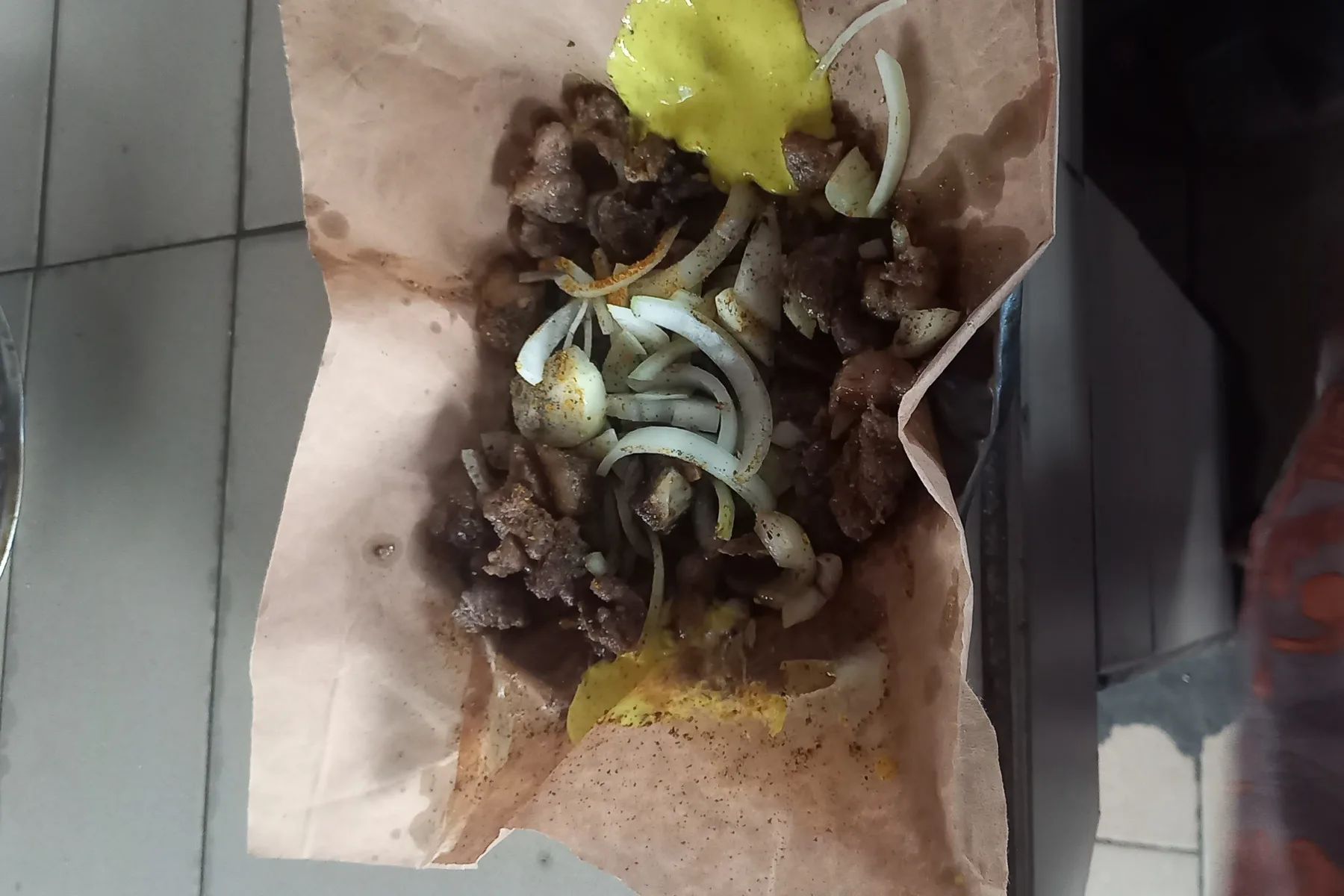
This dibi recipe marinates bone-in lamb chops in mustard, garlic and lemon, grills them over charcoal until charred at the edges, then cuts the meat into pieces and piles it with raw onion and a tangy mustard sauce. The word dibi means barbecue in Wolof, and the dish is the street food of West African evenings — smoky, sharp and eaten with your hands. One serving is about 270 g.

Charcoal-Grilled Comfort

Charcoal-grilled lamb chops cut into pieces and served with raw onion and a tangy mustard sauce.

Pairs Well With
Crusty baguette & a cold drink
High Protein
A plate of bright green ewedu jute-leaf soup with fish stew Mali flag Mali 1h
Dinner •Malian Home Cooking

Malian Lalo

This malian lalo recipe simmers fresh jute leaves with potash and fermented locust beans until they collapse into a silky green soup, then stirs in dried stockfish and ground crayfish and serves it with stiff millet tô. Lalo is the Malian name for the jute leaf, the same leaf cooked as ewedu across West Africa, and the soup is prized for its smooth, slippery texture — the draw that lets it slide off a piece of tô. One serving is about 550 g.

Light & Green

Silky jute-leaf soup with locust beans and dried fish, scooped up with millet tô.

Pairs Well With
Millet tô & a tomato stew
Soups & Broths
Pan con tomate with jamón ibérico on toasted bread Spain flag Spain 15m
Snack & Tea •Catalan Aperitivo

Pan con Tomate & Jamón Ibérico

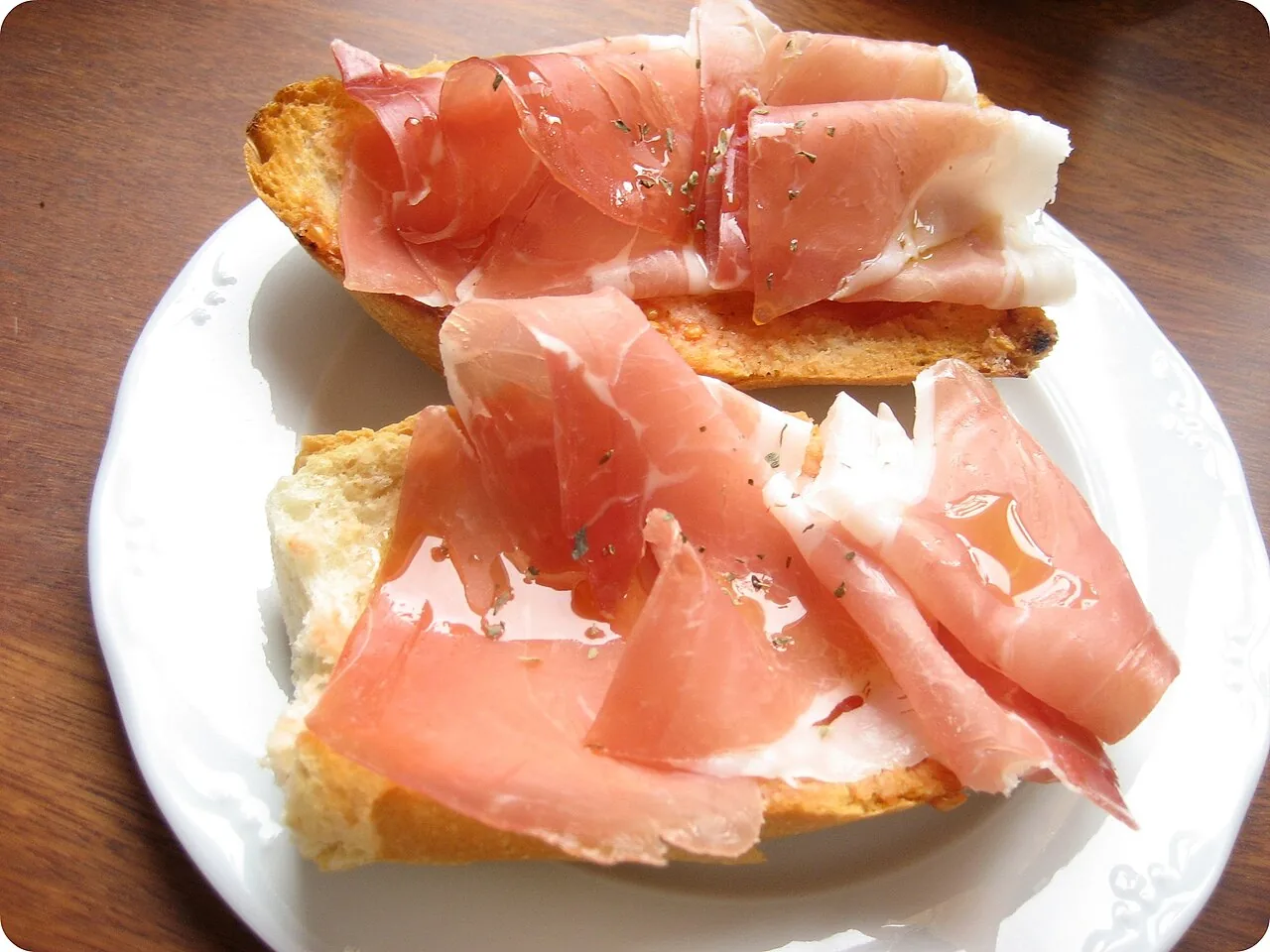
Country bread rubbed with ripe Ramallet tomato, drizzled with cold-pressed Arbequina olive oil and topped with jamón ibérico.

Vascular Health

Toasted tomato bread with jamón ibérico, olive oil and olives.

Pairs Well With
Castelvetrano Olives & Sparkling Mineral Water
Quick Prep (<30m)
Gỏi cuốn — Vietnamese fresh spring rolls with prawn and pork Vietnam flag Vietnam 1h 5m
Snack & Tea •Saigon Refresh

Gỏi Cuốn Tôm Thịt

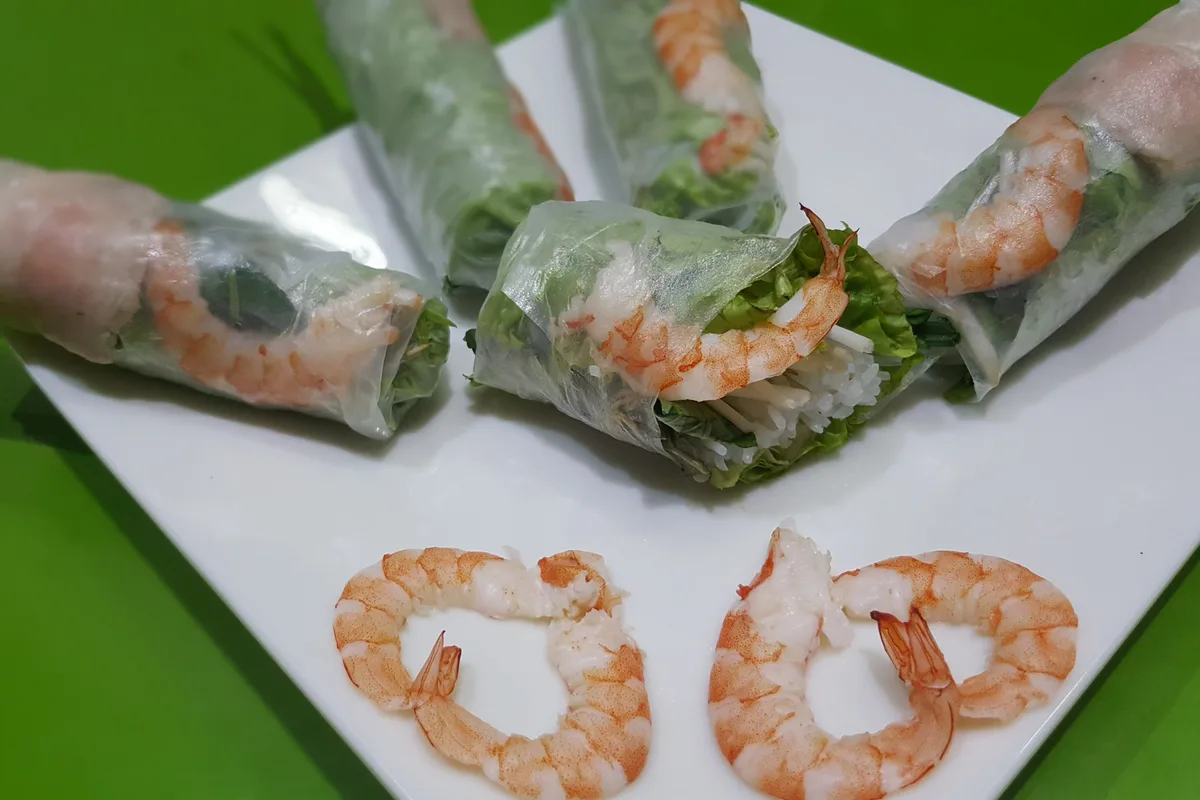
Fresh rice paper rolls filled with poached prawns, tender pork, rice vermicelli, lettuce, herbs and carrot, served with a peanut dipping sauce.

Light Digestion

Nothing is fried, so the rolls stay light and fresh — a cool, herb-filled snack for hot days.

Pairs Well With
Artisanal Peanut Dip & Fresh Lotus Root Water
High Protein

The Dinner Gazette

Never wonder what’s for dinner again

One email a week with easy dinner ideas from around the world — ingredients, steps and nutrition, tested in our kitchen first.

Delivered every Thursday morning. Unsubscribe anytime.