
Curated recipes from 193 countries  •  New seasonal Mediterranean issue out now

Overview

Maultaschen with Pork, Beef and Spinach

Swabian Pasta Pockets, Herrgottsbscheisserle

This maultaschen recipe makes 12 Swabian pasta pockets stuffed with pork, beef, spinach and breadcrumbs, simmered gently in beef broth, then pan-fried in butter with crisp onions. One serving is about 340 g.

Maultaschen come from Swabia in south-west Germany, where cooks have filled pasta dough with meat, spinach and breadcrumbs for centuries. Local legend says monks hid meat inside the pasta so it could not be seen during Lent, earning the pockets the nickname Herrgottsbscheisserle. Today they are a Swabian everyday classic, simmered in broth or pan-fried with onions.

Pairs well with: Potato salad, a green salad and a glass of dry white wine

Provenance

Germany flag Germany

Swabian Kitchen Classic

Nordic & European

Time Dedication

1h 20m

45m prep • 35m cook

Batch Yield

4 Servings

744 kcal per serving

1 serving ≈ 340 g

Technical Skill

Advanced

Advanced (Handmade Pasta)

Meal Timing & Digestive Fit

Breakfast

Not Advised

Lunch

Hearty Midday Main

Dinner

Ideal Hearty Main

Snack & Tea

Inappropriate

Pasta & Noodles Occasions: Family dinner, Sunday lunch, cold-weather comfort food Cost: Moderate — about $4–5 per serving at home
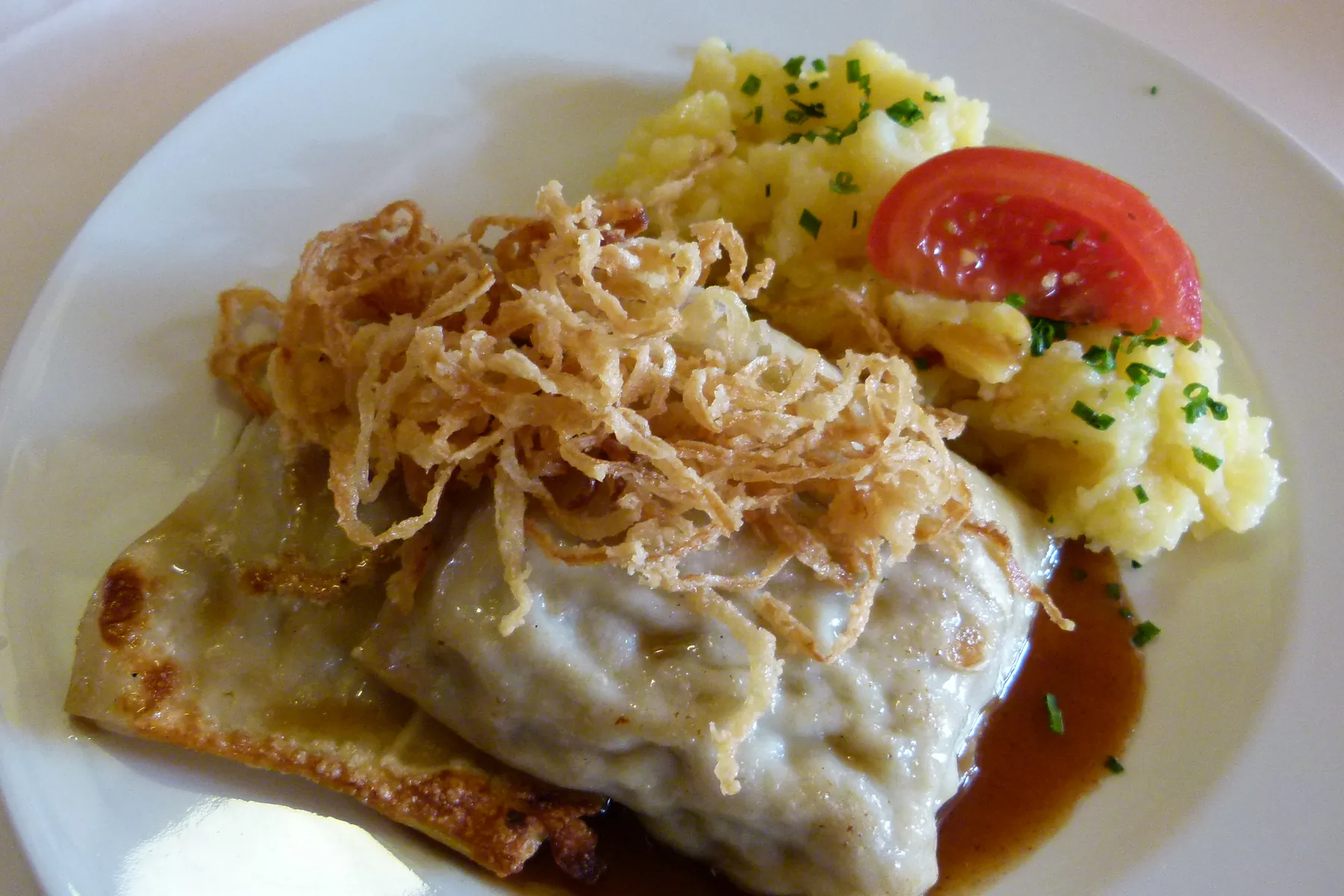
Pan-fried maultaschen topped with crispy onions, served with potato salad and a tomato wedge

Swabian Kitchen Classic

Photo: Dr. Bernd Gross, CC BY-SA 3.0, via Wikimedia Commons

The Heritage Formulary

Measured Ingredients

Estimated cost: Moderate — about $4–5 per serving at home (USD)

Made from a fresh egg pasta dough with a seasoned meat and spinach filling, simmered in broth.

Execution Methodology & Culinary Technique

Step-by-Step Cooking Guide

Active 1h 20m
P

Prep Stage: Dough and Filling

45 Mins • Mixing and Rolling

Knead the flour, eggs, oil and water into a smooth, firm dough and rest it 30 minutes. Meanwhile wilt the spinach, squeeze it dry, and mix it with the ground pork and beef, onion, breadcrumbs, egg, parsley, nutmeg, salt and pepper.

Maestro Tip: Squeeze the spinach until no more water comes out, or the filling will be wet and the pockets will burst.

  1. 1

    Make the Pasta Dough

    15 Mins Room temperature

    Mix the flour and 3g of the salt in a bowl, make a well, and add the 3 beaten eggs, the olive oil and just enough water to bring the dough together. Knead on a floured board for 8 minutes until smooth and firm, then wrap and rest for 30 minutes.

    A firm dough rolls thin without tearing; if it feels sticky, knead in a little more flour.

    Done when: The dough is smooth, springs back when pressed, and no longer sticks to your hands.

  2. 2

    Mix the Filling

    10 Mins Room temperature

    Combine the ground pork and beef, squeezed spinach, diced onion, breadcrumbs, beaten egg, parsley, nutmeg, the remaining salt and pepper. Mix with your hands until it just holds together, and fry a small spoonful to check the seasoning.

    Tasting a fried spoonful now is the only way to fix the seasoning before the pockets are sealed.

    Done when: The filling holds its shape when squeezed and tastes well seasoned.

  3. 3

    Fill and Shape the Pockets

    20 Mins Room temperature

    Roll the rested dough into two thin sheets about 30 x 40 cm. Spread the filling in a thin, even layer over one sheet, brush the edges with water, lay the second sheet on top and press out the air. Cut into 12 rectangles about 10 x 7 cm and press the edges firmly shut.

    Press the air out from the centre toward the edges, or the pockets will puff and burst in the broth.

    Done when: Twelve neat rectangles with sealed edges and no air bubbles trapped inside.

  4. 4

    Simmer in Broth

    15 Mins Gentle simmer, ~95°C (200°F)

    Bring the beef broth to a gentle simmer, never a rolling boil. Slide the pockets in a few at a time and simmer for 12 minutes, until the pasta is tender and the filling reaches 71°C (160°F) inside. Lift out with a slotted spoon.

    A rolling boil tears the pockets open; a lazy simmer keeps them whole.

    Done when: The pasta is tender, the pockets float, and the filling is hot all the way through.

  5. 5

    Pan-Fry with Onions

    10 Mins Medium heat, ~160°C (320°F)

    Melt the butter in a wide pan, add the sliced onion rings and fry for 5 minutes until golden and crisp at the edges. Add the drained pockets and fry for 2 minutes on each side until lightly browned.

    Let the pockets sit still in the pan so they brown instead of steaming.

    Done when: The pockets are golden in patches and the onions are crisp and sweet.

Finishing Touches & Plating

Slide the pockets onto warm plates, spoon the browned butter and crisp onions over the top, and serve at once with potato salad on the side.

Nutritional Physiology & Benefits

Nutrition

Energy

744

kcal / serving

Protein

38g

Complete AA

Carbs

71g

Complex

Fats

33g

Healthy

Per serving (4 servings · 1 serving ≈ 340 g)
Energy744 kcal
Protein38 g
Carbohydrates71 g
Fat33 g
Fibre4.4 g
Sugar3.2 g
Sodium858 mg
Per 100g
Energy219 kcal
Protein11.3 g
Carbohydrates20.9 g
Fat9.8 g
Fibre1.3 g
Sugar1 g
Sodium252 mg

Nutrition values are estimated — calculated from USDA FoodData Central values for the listed ingredients.

Vitamins & minerals: Vitamin A and folate (spinach), B vitamins and iron (pork and beef), vitamin C (onion, parsley).

Real Meat and Greens

Pork, beef and spinach give this dish solid protein, iron and folate in one plate, with no processed shortcuts.

Keeps You Full for Hours

Pasta, meat and spinach together make a slow, steady meal that carries you comfortably through a long evening.

Gentle Simmer, Tender Bite

Simmering the pockets in broth keeps the pasta soft and the filling juicy, without the heaviness of a fried-only dish.

Food Pairings

What to Eat With

To optimize nutrient absorption and elevate the sensory depth, pair with these authentic accompaniments:

Sides

Swabian Potato Salad

The classic partner: warm, vinegary potato salad cuts through the rich pork filling and soaks up the butter.

Vegetables

Green Salad with Vinaigrette

Crisp lettuce and a sharp dressing lighten the plate and balance the buttery onions.

Drinks

Dry White Wine

A cool glass of dry Riesling or Silvaner refreshes the palate between bites of the savoury filling.

Soups

The Cooking Broth

Serve the pockets in a little of their hot beef broth as a first course, exactly as Swabian cooks do.

Complete menu

Start with the pockets in a little hot broth, then serve the pan-fried pockets with potato salad and a green salad, and finish with fresh fruit.

Digestive Guardrails

What NOT to Combine

To prevent digestive distress, sluggishness, or palate clash, avoid pairing the dish with these elements:

A Heavy Cream Sauce

The pockets are already rich from butter and meat; a heavy cream sauce would make the plate greasy and hide the spinach and nutmeg. Keep the topping simple. This is general guidance, not medical advice.

Very Spicy Condiments

Hot chilli sauce or strong mustard overpowers the gentle nutmeg and spinach flavour that defines maultaschen. Save the heat for another dish. This is general guidance, not medical advice.

General information only, not medical advice — consult a doctor for personal dietary decisions.

Who Should Eat It

Who Should Eat

  • General adultsA hearty, complete dinner — handmade pasta, meat and spinach in one plate.
  • ChildrenSuitable for children from age 3+; cut the pockets into strips and keep the onion topping mild.
  • ElderlyGood choice — soft pasta and a tender filling are easy to chew; serve the pockets in broth for extra softness.
  • Pregnant womenGenerally suitable when the filling is cooked through to 71°C (160°F); skip the wine pairing.
  • Breastfeeding womenGenerally suitable; the protein and iron support recovery — keep portions satisfying.
  • AthletesA strong post-training meal: plenty of protein and carbs for recovery, best eaten within a couple of hours after exercise.
  • Weight gainA good choice — take a generous helping and add extra potato salad.
  • Weight lossEat one or two pockets with a large green salad and skip the extra butter; the dish is filling, so a small portion goes far.

Health Conditions — Adjust or Avoid

Conditions

  • DiabetesThe pasta is the main source of carbs — keep to two pockets and load the plate with salad. Ask your clinician about portion size.
  • High blood pressureMost of the sodium comes from the broth and added salt; use low-sodium broth and season lightly. Ask your clinician about a suitable portion.
  • Kidney diseaseLimit the broth and the meat portion (potassium and protein load); ask your clinician about portion size.
  • GoutEat occasionally and in smaller portions — the pork and beef filling is moderately high in purines.
  • Stomach issuesUsually gentle, but fried onions can irritate a sensitive stomach — serve the pockets in broth instead of pan-fried.
  • Cardiovascular diseaseThe dish is rich in saturated fat from pork and butter; keep portions modest and favour the salad. Ask your clinician about how often to eat it.
  • Fatty liverKeep the portion modest, skip the extra butter, and favour the green salad over potato salad.
  • Food allergiesContains wheat (pasta), egg and milk (butter). Not suitable for coeliac disease or egg allergy.
  • Special therapeutic dietsIf you follow a prescribed low-sodium or low-saturated-fat diet, use low-sodium broth, less butter and a smaller portion, and check with your clinician.

If you have a medical condition, consult your doctor before changing your diet.

Storage & Use

Storage & Use

How to store
Cool quickly and store the cooked pockets in a little of their broth in an airtight container.
In the fridge
Cooked pockets 3 days; uncooked filling 1 day.
In the freezer
Cooked pockets 2 months; uncooked filled pockets 3 months.
How to reheat
Reheat gently in simmering broth or a covered pan until steaming hot, to 74°C (165°F).
Freezing recommended
Yes — freeze the filled, uncooked pockets flat on a tray, then bag them.
Signs it has spoiled
Sour smell, slimy pasta, or a grey filling.

More recipes to explore

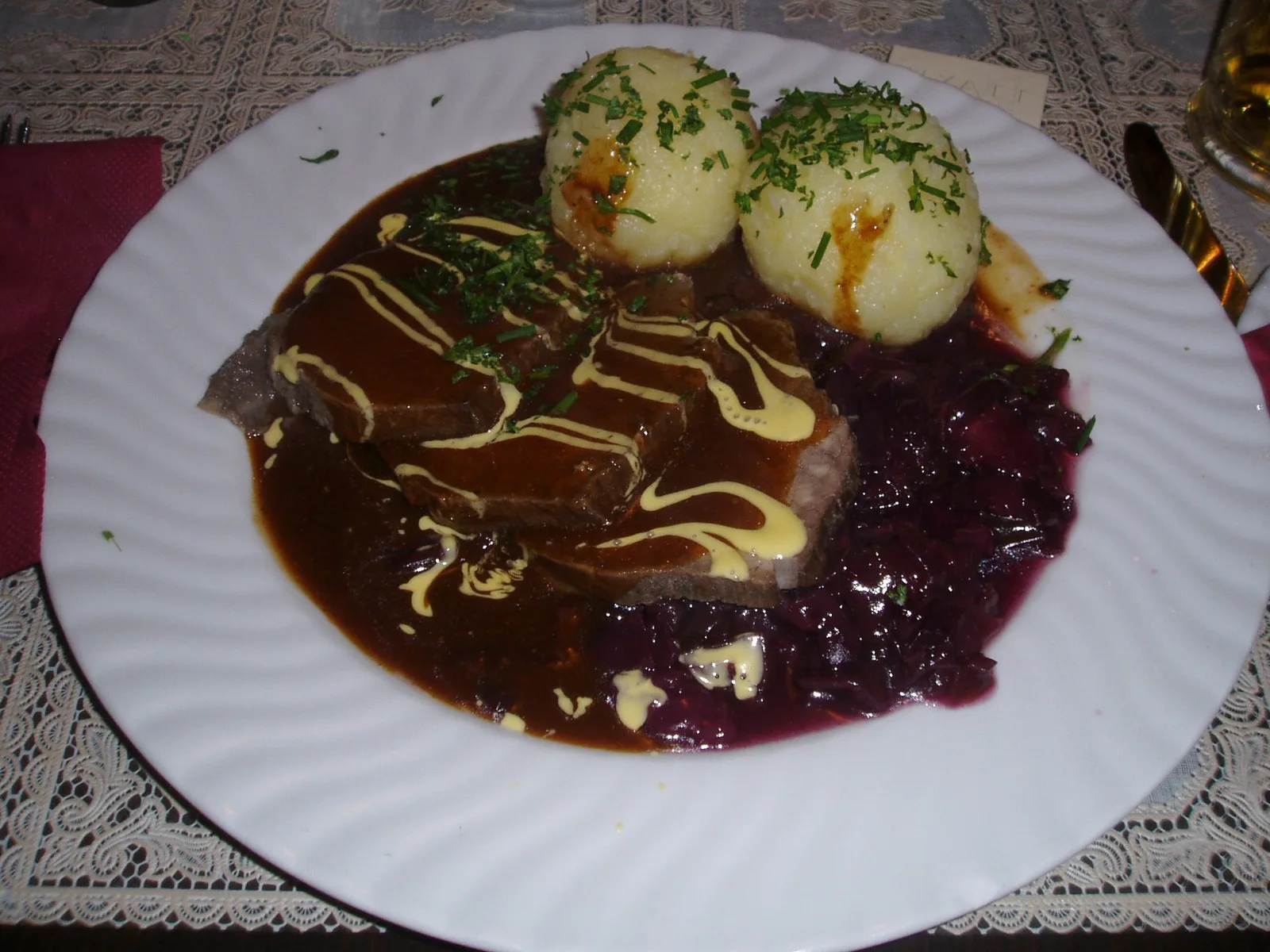
Sliced sauerbraten in dark sweet-sour gravy with potato dumplings and braised red cabbage on a white plate Germany flag Germany 3h 30m
Dinner •Rhineland Heritage

Sauerbraten

This sauerbraten recipe starts with a beef chuck roast steeped for three days in red wine vinegar, red wine and warm spices, then braised slowly until it slices like butter. The marinade becomes a dark, sweet-sour gravy thickened with crushed gingersnaps and studded with raisins, the Rhineland way. One serving is about 300 g, with gravy.

Comfort & Warmth

A slow-braised German pot roast in a sweet-sour vinegar gravy, sliced thick and served hot with potato dumplings and red cabbage.

Pairs Well With
Potato dumplings, braised red cabbage & a glass of Spätburgunder
High Protein
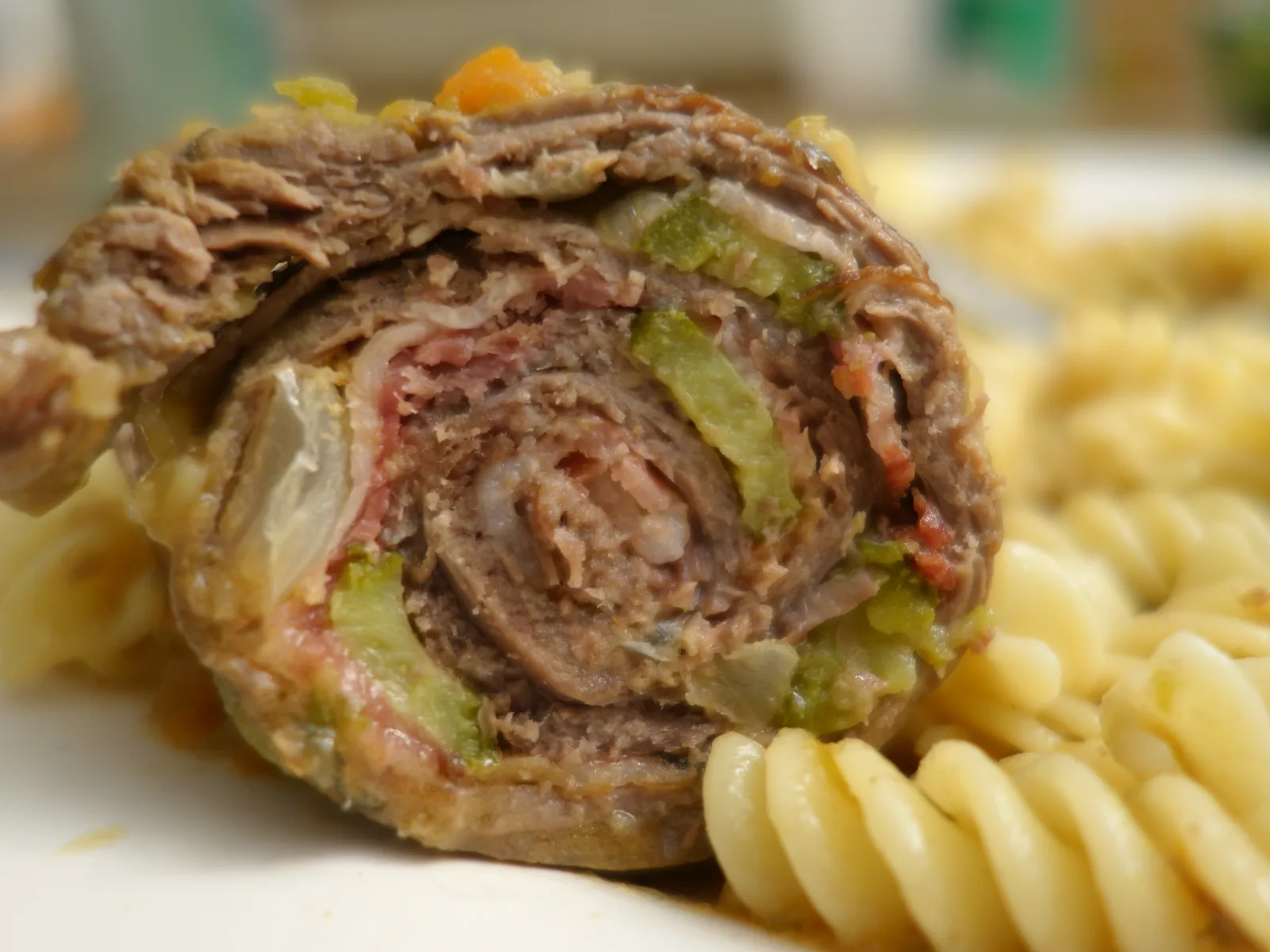
A sliced German beef roulade showing the spiral of beef, bacon and dill pickle, served with pasta Germany flag Germany 2h 10m
Dinner •German Sunday Heritage

Rouladen

This rouladen recipe spreads thin slices of top round with mustard, then rolls them around smoky bacon, dill pickles and onion into neat parcels. The rolls are browned, then braised slowly in red wine and beef stock until tender, and the braising liquid becomes a rich gravy. One serving is about 375 g — two rolls with gravy.

Comfort & Warmth

Thin beef rolls stuffed with bacon, dill pickle and onion, braised in red wine gravy and served hot with dumplings.

Pairs Well With
Potato dumplings, braised red cabbage & a German lager
High Protein
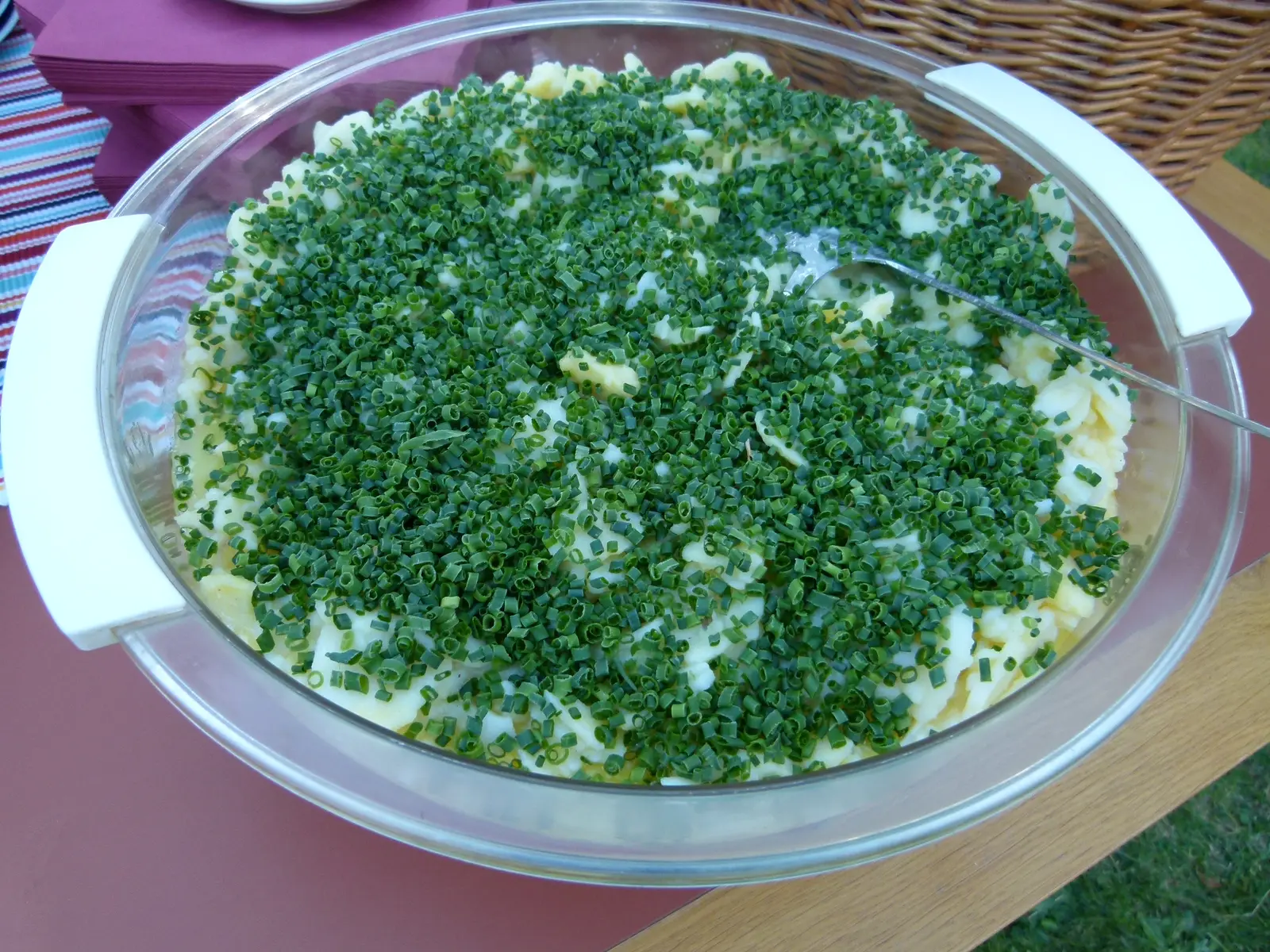
A glass bowl of warm Swabian potato salad topped with chopped chives Germany flag Germany 45m
Lunch •Swabian Heritage

German Potato Salad

This german potato salad recipe is the warm Swabian kind: waxy potatoes sliced while still hot, tossed with crisp bacon, soft onion and sliced egg, then dressed with hot beef stock, vinegar and mustard so every slice drinks up the tangy dressing. No mayonnaise anywhere — the potatoes stay light, glossy and warm. One serving is about 292 g.

Comfort & Warmth

Warm waxy potatoes in a bacon, mustard and vinegar dressing, served straight from the bowl while still steaming.

Pairs Well With
Grilled sausages, schnitzel & a cold German lager
Quick Prep (<30m)
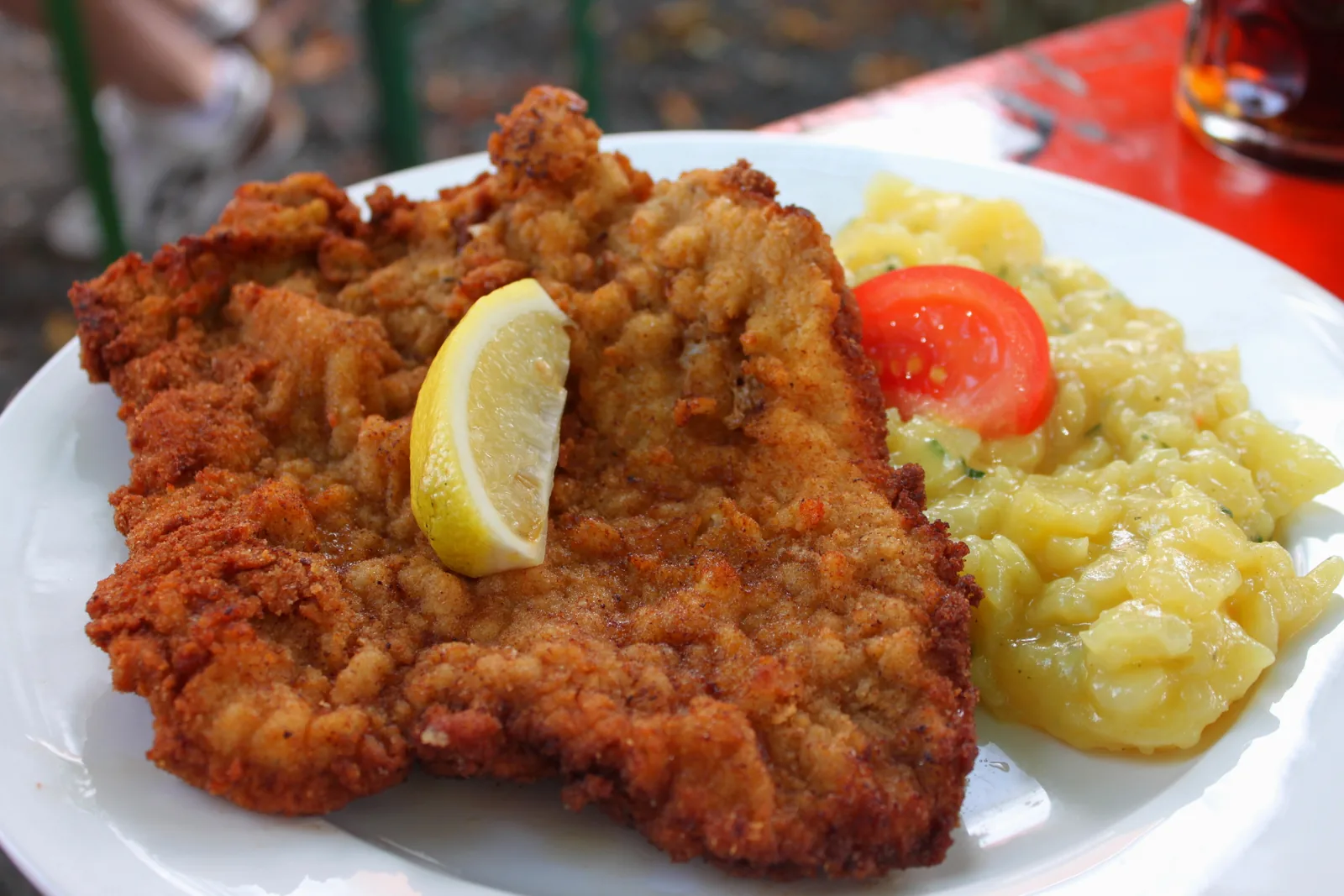
Golden breaded pork schnitzel with a lemon wedge and potato salad on a white plate Germany flag Germany 40m
Dinner •German Heritage

German Pork Schnitzel

German pork schnitzel is the everyday hero of German cooking: a pork cutlet pounded thin, coated in flour, egg and breadcrumbs, and fried in butter until it turns deep golden and crisp. This german schnitzel recipe follows the German way — real pork, a loose crumb, and a wedge of lemon on the side, with potato salad to mop up. One serving is about 200 g.

Classic Comfort

A golden, crisp pork cutlet with lemon and potato salad — a satisfying, protein-rich German dinner.

Pairs Well With
Warm potato salad, cucumber salad and a cold lager.
High Protein

The Dinner Gazette

Never wonder what’s for dinner again

One email a week with easy dinner ideas from around the world — ingredients, steps and nutrition, tested in our kitchen first.

Delivered every Thursday morning. Unsubscribe anytime.