
Curated recipes from 193 countries  •  New seasonal Mediterranean issue out now

Overview

Micronesian Fish Soup

Coconut Fish Soup, Micronesian Coconut Fish Soup

This micronesian fish soup recipe simmers chunks of fresh white fish and taro in a creamy coconut milk broth with tomato, onion, ginger and a bright finish of lime juice. It is the kind of everyday pot that island kitchens across the Federated States of Micronesia cook from the day's catch, with whatever root vegetables are on hand. One serving is about 575 g.

Across the Federated States of Micronesia — Yap, Chuuk, Pohnpei and Kosrae — the traditional diet has long rested on the same foundations: fish from the reef and lagoon, coconut, and root crops such as taro, yam and breadfruit. Coconut is the staple ingredient of the islands, used for its milk and flesh, and the day's catch is cooked simply so its flavour shows. This soup follows that pattern: fresh fish and taro simmered in coconut milk, brightened with lime — an everyday family pot, not a feast dish, and every island household makes its own version with whatever the sea and garden provide that day.

Pairs well with: Steamed white rice, with lime wedges and fresh coconut water

Provenance

Micronesia flag Micronesia

Micronesian Everyday Dish

Oceania & Pacific

Time Dedication

55m

20m prep • 35m cook

Batch Yield

4 Servings

476 kcal per serving

1 serving ≈ 575 g

Technical Skill

Easy

Easy (One Pot)

Meal Timing & Digestive Fit

Breakfast

Not Advised

Lunch

Hearty Midday Main

Dinner

Ideal Hearty Main

Snack & Tea

Inappropriate

Soups & Broths Occasions: Family dinners, rainy evenings, everyday island meals, light festive gatherings Cost: Low — about $3–4 per serving at home
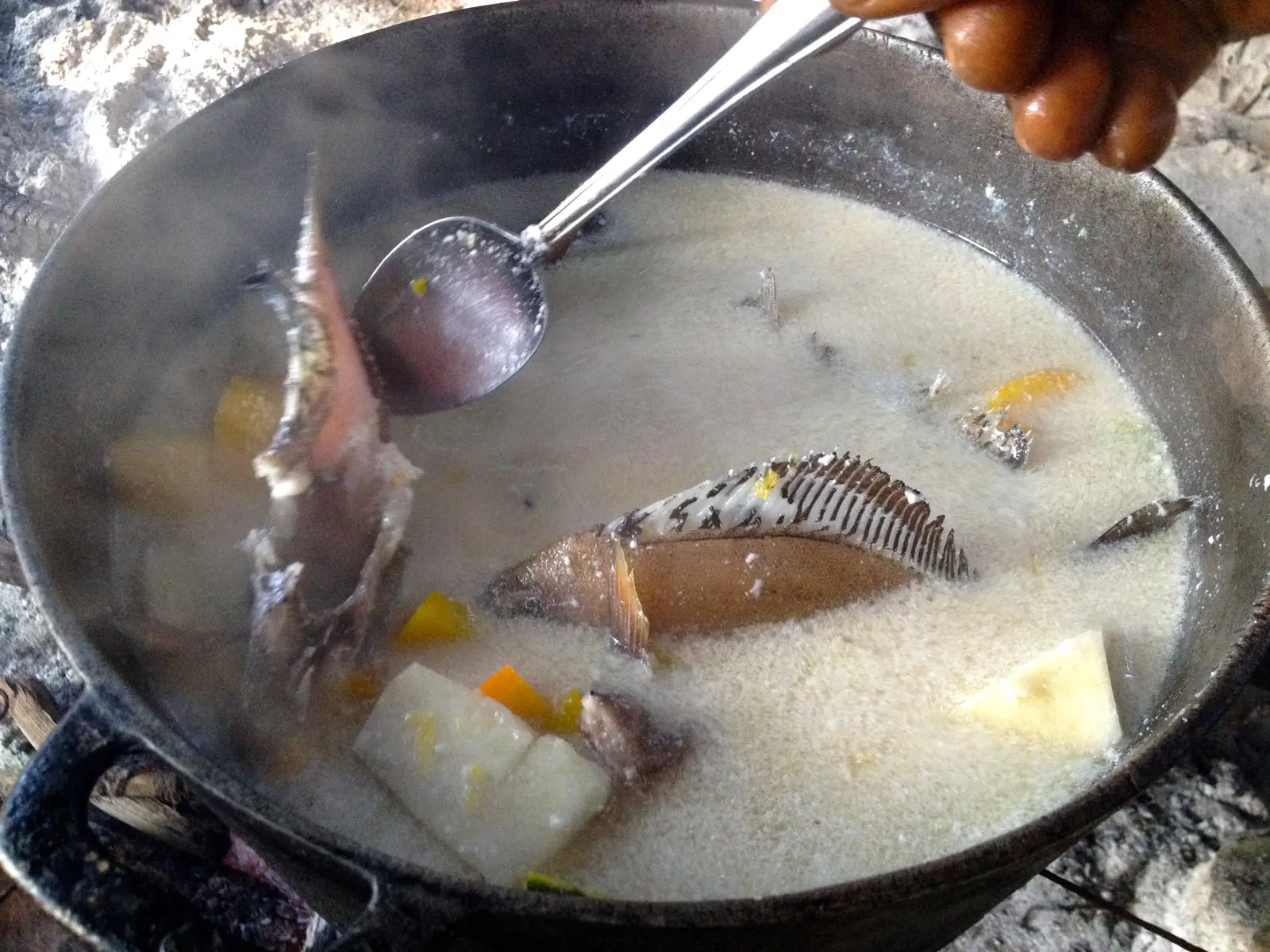
Micronesian fish soup — whole reef fish and root vegetables simmering in creamy coconut milk in a large pot over an open fire

Micronesian Everyday Dish

Photo: Dave O, CC BY-SA 2.0, via Wikimedia Commons

The Heritage Formulary

Measured Ingredients

Estimated cost: Low — about $3–4 per serving at home (USD)

A good Micronesian fish soup is judged by the fish: it must smell of the sea, never fishy, and the coconut milk should coat the chunks, not drown them — with the taro cooked until completely tender.

Execution Methodology & Culinary Technique

Step-by-Step Cooking Guide

Active 55m
P

Prep Stage: Fish, Taro & Aromatics

20 Mins • Knife Work

Cut the fish into large 4 cm chunks and keep it chilled. Peel and chunk the taro, chop the tomato and onion, and grate the ginger, chop the garlic and chilli, and squeeze the limes — everything should be ready before the pot goes on the heat, so the fish spends as little time as possible at room temperature.

Maestro Tip: Peel taro under running water or with gloves: raw taro can irritate bare skin, and it must always be cooked through before eating.

  1. 1

    Soften the Aromatics

    5 Mins Medium heat, about 175°C (350°F)

    Melt the coconut oil in a large pot over medium heat. Add the sliced onion and cook for 2–3 minutes until soft and translucent, then stir in the ginger, garlic and chilli and cook for 1 more minute until fragrant. Do not let the garlic brown — it turns bitter.

    If the garlic starts to colour, pull the pot off the heat for a few seconds before adding the liquids.

    Done when: Onion is soft and clear; the pot smells warmly of ginger and garlic.

  2. 2

    Simmer the Taro in Coconut Milk

    20 Mins Gentle simmer, 93°C (200°F)

    Pour in the coconut milk and water, then add the taro chunks and chopped tomato. Bring to a gentle simmer — small bubbles, never a rolling boil, or the coconut milk can split — then cover and cook for 18–20 minutes until the taro is completely tender when pierced with a knife.

    Keep the heat low and steady: a hard boil splits coconut milk into oil and curds, and the soup loses its creamy body.

    Done when: Taro is soft all the way through with no hard centre; the broth is creamy and flecked with tomato.

  3. 3

    Add the Fish

    8 Mins Gentle simmer, 93°C (200°F)

    Slide the fish chunks gently into the simmering broth, pushing them just under the surface. Cover and cook for 6–8 minutes, without stirring, until the fish is opaque all the way through and flakes easily with a fork. Check the thickest piece: it must reach 63°C (145°F) inside.

    Do not stir once the fish is in — the chunks break apart. Swirl the pot gently instead if the broth needs moving.

    Done when: Fish is opaque, flakes easily, and the thickest piece reads 63°C (145°F) on a thermometer.

  4. 4

    Finish with Lime and Herbs

    2 Mins Off the heat, cooling from 93°C (200°F)

    Take the pot off the heat. Stir in the fish sauce and the fresh lime juice, then taste and add the salt if needed. Ladle into warm bowls and scatter the spring onions and coriander over the top, with lime wedges on the side.

    Lime juice goes in last, off the heat — boiling it dulls the bright flavour and can curdle the coconut milk.

    Done when: Creamy first, bright and tangy second, with the fish in whole tender chunks.

Finishing Touches & Plating

Taste once more before serving — the balance should be creamy from the coconut milk, savoury from the fish sauce, and bright from the lime. Serve hot, in deep bowls, with steamed rice on the side.

Nutritional Physiology & Benefits

Nutrition

Energy

476

kcal / serving

Protein

31g

Complete AA

Carbs

32g

Complex

Fats

27g

Healthy

Per serving (4 servings · 1 serving ≈ 575 g)
Energy476 kcal
Protein31 g
Carbohydrates32 g
Fat27 g
Fibre7.1 g
Sugar7.0 g
Sodium560 mg
Per 100g
Energy83 kcal
Protein5.5 g
Carbohydrates5.5 g
Fat4.6 g
Fibre1.2 g
Sugar1.2 g
Sodium97 mg

Nutrition values are estimated — calculated from USDA FoodData Central values for the listed ingredients.

Vitamins & minerals: Vitamin C (lime, tomato, chilli), vitamin B12 and selenium (cod), potassium (coconut milk, taro, tomato), vitamin B6 (fish, taro).

Lean Protein, Filling Meal

Each serving carries about 31 g of protein for 476 kcal, and the taro adds slow, starchy energy — the kind of dinner that keeps you full through the evening without feeling heavy.

Vitamin C and Potassium

Lime, tomato and chilli supply vitamin C, while coconut milk, taro and tomato add potassium — everyday nutrients from whole foods, with nothing added.

Fibre from Taro and Vegetables

About 7 g of fibre per serving comes from the taro, tomato and onion — the root vegetables that have anchored Micronesian meals for generations.

Food Pairings

What to Eat With

To optimize nutrient absorption and elevate the sensory depth, pair with these authentic accompaniments:

Sides

Steamed White Rice

The classic island accompaniment: plain rice soaks up the coconut broth and turns the soup into a full, satisfying dinner.

Vegetables

Cucumber and Tomato Salad

Cool, crunchy cucumber and tomato echo the lime in the soup and give something crisp to eat between spoonfuls of the rich broth.

Drinks

Fresh Coconut Water

Cold coconut water matches the soup's tropical flavour and replaces fluid without adding sweetness or heaviness.

Full Menus

Chicken Kelaguen as a Starter

Start with a small plate of Micronesian chicken kelaguen — grilled chicken with lemon and coconut — then serve the fish soup as the main course: the two dishes share the same island flavours without repeating each other.

Complete menu

Start with a small plate of chicken kelaguen, serve the fish soup hot with steamed white rice and a cucumber and tomato salad, and finish with fresh coconut water — a complete Micronesian dinner.

Digestive Guardrails

What NOT to Combine

To prevent digestive distress, sluggishness, or palate clash, avoid pairing the dish with these elements:

Raw or Undercooked Taro

Raw taro contains calcium oxalate crystals that irritate the mouth and throat, so it must always be cooked until completely soft — never taste the taro before it is tender, and never serve it undercooked. This is general information, not medical advice.

Leaving Fish Soup Out

Fish soup is perishable: refrigerate leftovers within two hours, keep them at 4°C (39°F) or below, and eat within 3 days. Discard anything left at room temperature longer than that — do not taste-test to decide. This is general information, not medical advice.

General information only, not medical advice — consult a doctor for personal dietary decisions.

Who Should Eat It

Who Should Eat

  • General adultsA hearty, balanced dinner: high in protein with starchy taro for energy, and easy to make in one pot.
  • ChildrenGood for older children — the fish is mild and the taro is soft and filling. Use half the chilli, check carefully for bones, and keep portions small.
  • ElderlySoft fish and tender taro are easy to eat, and the soup is gentle and warming. Serve it hot and check for fish bones before serving.
  • Pregnant womenThe fish is cooked through to 63°C (145°F), which makes this soup suitable during pregnancy. Choose low-mercury fish such as cod and keep to the stated portion; ask your clinician if you are unsure.
  • Breastfeeding womenGenerally fine: the protein, iodine and omega-3s from the fish are valuable while breastfeeding. Keep the chilli mild if it upsets the baby; ask your clinician if you are unsure.
  • AthletesA strong recovery dinner: about 31 g of protein per serving with carbs from taro and rice to refill energy after training.
  • Weight gainA good choice as part of a bigger meal — add a generous serving of rice and use full-fat coconut milk as written.
  • Weight lossFilling for 476 kcal, thanks to the protein and fibre. Keep the coconut milk to the stated amount, go easy on the rice, and load up on the cucumber salad.

Health Conditions — Adjust or Avoid

Conditions

  • DiabetesThe taro and rice are the main carbs (about 32 g per serving of soup, before rice) — count them in your meal plan and keep the rice portion modest. Ask your clinician if you are unsure.
  • High blood pressureModerate in sodium (about 560 mg per serving, mostly from the fish sauce and salt). Use less fish sauce and skip extra salty sides; ask your clinician about your sodium target.
  • Kidney diseaseHigh in protein and potassium, which some kidney diets limit — keep the portion small and ask your clinician before making it a regular meal.
  • GoutFish is a source of purines, so eat this soup occasionally and in modest portions if you have gout; ask your clinician about your personal limit.
  • Stomach issuesThe lime juice, tomato and chilli can irritate a sensitive stomach; if yours is unsettled, use less lime, skip the chilli and keep the tomato modest. Ask your clinician if symptoms persist.
  • Cardiovascular diseaseThe fish is lean, but coconut milk is rich in saturated fat — keep to the stated 400 ml for four servings and balance the meal with vegetables. Ask your clinician about your fat intake.
  • Fatty liverFilling and high in protein, which suits most fatty-liver eating patterns, but the saturated fat in coconut milk means portions matter; ask your clinician for guidance.
  • Food allergiesContains fish (cod) and coconut (a tree nut for labelling purposes in some countries). Naturally gluten-free. Check the coconut milk and fish sauce labels if you have other allergies.
  • Special therapeutic dietsIf you follow a prescribed low-sodium, low-purine or low-saturated-fat diet, adjust the fish sauce, salt and coconut milk and check with your clinician first.

If you have a medical condition, consult your doctor before changing your diet.

Storage & Use

Storage & Use

How to store
Cool quickly, then store in a covered container in the fridge. Keep the lime wedges separate.
In the fridge
Up to 3 days at 4°C (39°F) or below.
In the freezer
Up to 2 months; the fish and taro soften a little on thawing.
How to reheat
Reheat gently on the stove until steaming and the soup reaches 74°C (165°F) throughout; do not boil hard or the coconut milk may split.
Freezing recommended
Yes — up to 2 months, though the fish and taro soften a little on thawing.
Signs it has spoiled
Sour or off smell, slimy fish, taro that has turned grey or mushy, or coconut milk that has separated and smells sour.

More recipes to explore

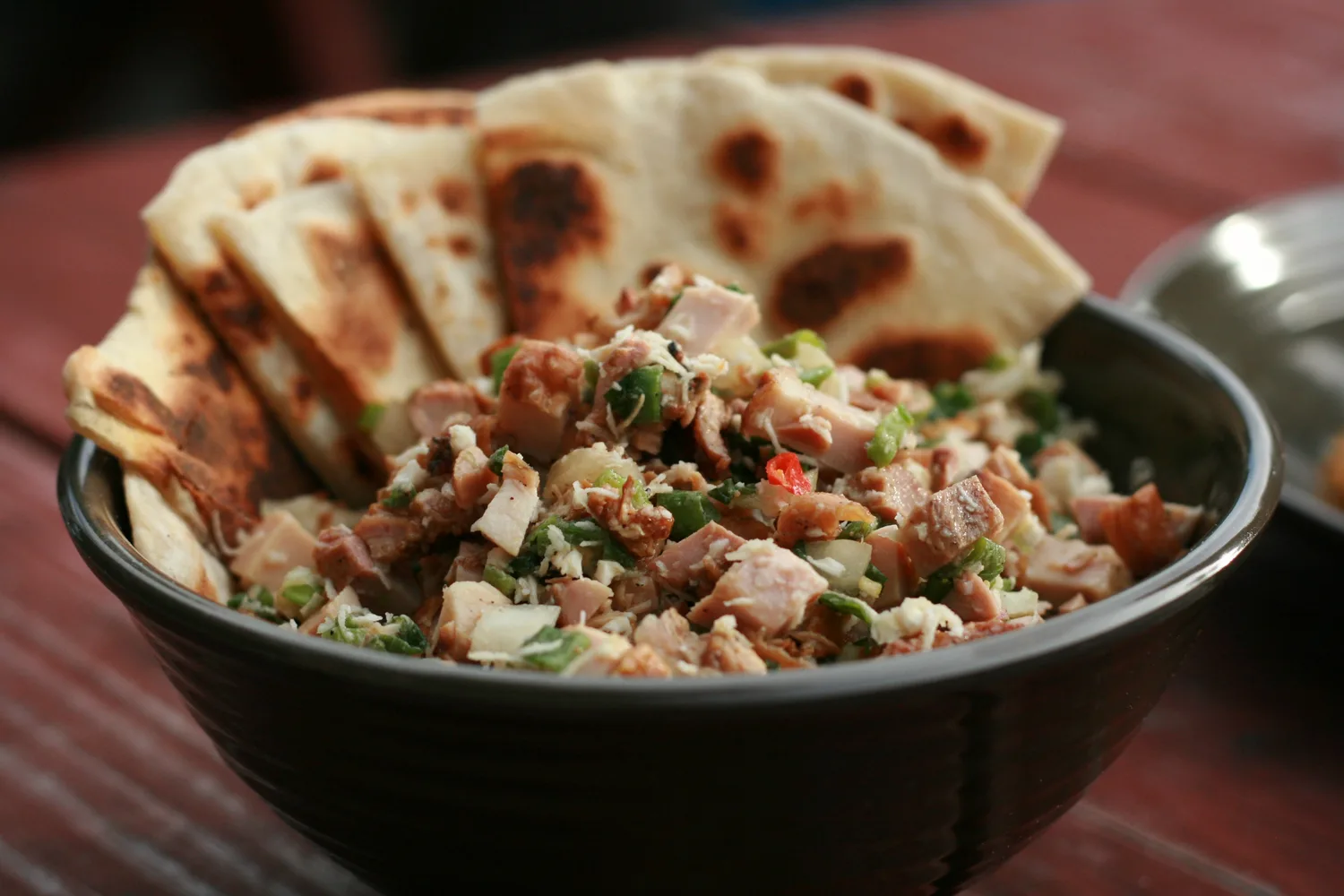
Micronesian chicken kelaguen — finely chopped grilled chicken with green onions, red chilli and grated coconut in a bowl, served with titiyas flatbread Micronesia flag Micronesia 1h 15m
Lunch •Chamorro Fiesta Classic

Micronesian Chicken Kelaguen

This chicken kelaguen recipe turns smoky grilled chicken into something bright and completely different: the meat is chopped fine, cured in fresh lemon juice with grated coconut, green onion and fiery bird's eye chilli, then served cold. It is the Chamorro classic of the Mariana Islands in Micronesia — tangy first, creamy second, with a slow warmth at the end. One serving is about 267 g.

Bright & Refreshing

Grilled chicken chopped fine and cured in lemon juice with coconut and chilli, served cold — high in protein and light on the stomach.

Pairs Well With
Warm titiyas or steamed rice, with red rice and finadene on the side
High Protein
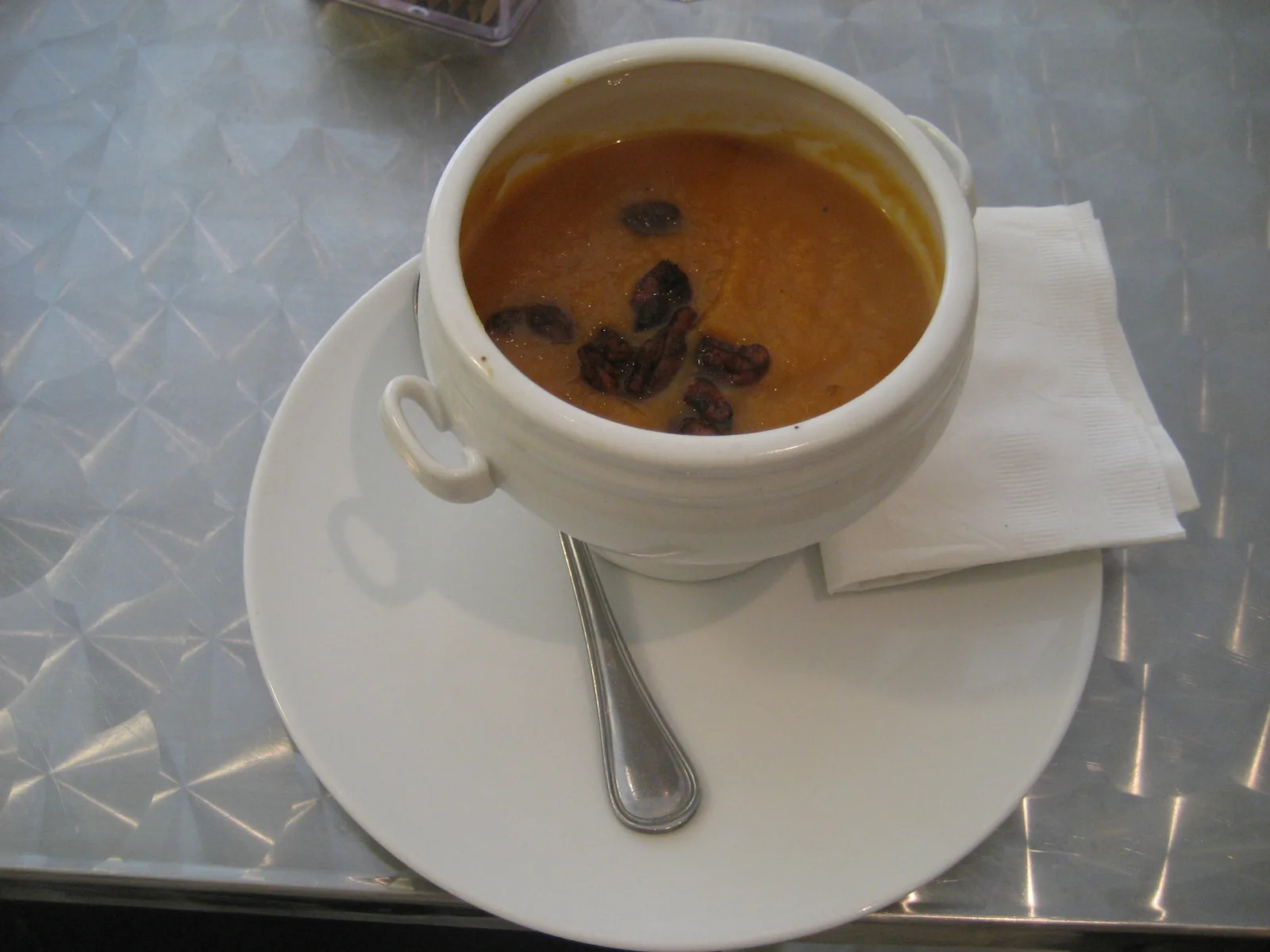
A bowl of smooth orange sweet potato soup topped with pecans Micronesia flag Micronesia 40m
Lunch •Micronesian Island Soup

Micronesian Sweet Potato Soup

This micronesian sweet potato soup recipe simmers sweet potatoes with onion, garlic and ginger, then blends them with coconut milk into a smooth, golden soup finished with lime and spring onion. One serving is about 460 g.

Comfort & Warmth

A smooth, naturally sweet soup that turns a handful of island staples into a warming lunch bowl.

Pairs Well With
Serve hot with a wedge of lime and a slice of crusty bread for dipping.
Soups & Broths
Bœuf bourguignon — French beef braised in red wine France flag France 4h
Dinner •Burgundy Terroir

Bœuf Bourguignon

Beef braised gently in red wine until the connective tissue melts into a velvet, gelatin-rich sauce — the classic Burgundy Sunday dinner.

Cellular Repair

Beef braised in red wine until spoon-tender, with mushrooms and pearl onions.

Pairs Well With
Parsnip Purée & Steamed French Haricots Verts
High Protein
Vietnamese braised pork belly with golden eggs in caramel sauce Vietnam flag Vietnam 1h 45m
Dinner •One Pot

Vietnamese Braised Pork and Eggs

Pork belly slowly braised in coconut water and caramel until meltingly tender, with golden eggs that soak up the sweet-savoury sauce — the Vietnamese family dish that tastes better the next day.

Comfort & Sustained Energy

Slow-braised pork belly and eggs in coconut water and caramel.

Pairs Well With
Steamed rice & pickled mustard greens
High Protein

The Dinner Gazette

Never wonder what’s for dinner again

One email a week with easy dinner ideas from around the world — ingredients, steps and nutrition, tested in our kitchen first.

Delivered every Thursday morning. Unsubscribe anytime.



