Curated recipes from 193 countries  •  New seasonal Mediterranean issue out now

Overview

Mongolian Buuz

Buuz, Mongolian Steamed Dumplings, Booz

This mongolian buuz recipe shapes seasoned beef and onion into small round dumplings, pinches each one closed with a little top knot, and steams them until the dough is tender and the filling runs juicy. Buuz are eaten hot, by hand, with no sauce on top. One serving is about 330 g.

Buuz grew out of Mongolia's nomadic food culture, where meat and flour were the foods a family could always carry and cook. They became the centrepiece of Tsagaan Sar, the Lunar New Year in late January or February, when families gather to make hundreds — sometimes thousands — of the little dumplings in the days before the holiday, freezing them outdoors in the winter cold. Each buuz is gathered into fine pleats and twisted into a small knot at the top, leaving a tiny opening; skilled makers traditionally aim for many fine pleats, and some say 33 pleats brings good luck.

Pairs well with: Mongolian milk tea, pickled vegetables, and a light clear broth

Provenance

Mongolia flag Mongolia

Mongolia's National Dish

East & South Asia

Time Dedication

1h 20m

60m prep • 20m cook

Batch Yield

4 Servings

632 kcal per serving

1 serving ≈ 330 g

Technical Skill

Intermediate

Medium (Folding)

Meal Timing & Digestive Fit

Breakfast

Not Advised

Lunch

Hearty Midday Main

Dinner

Ideal Hearty Main

Snack & Tea

Inappropriate

High Protein Occasions: Tsagaan Sar (Lunar New Year), family dinners, weekend cooking project, celebrations, casual gatherings Cost: Low — about $3–4 per serving at home
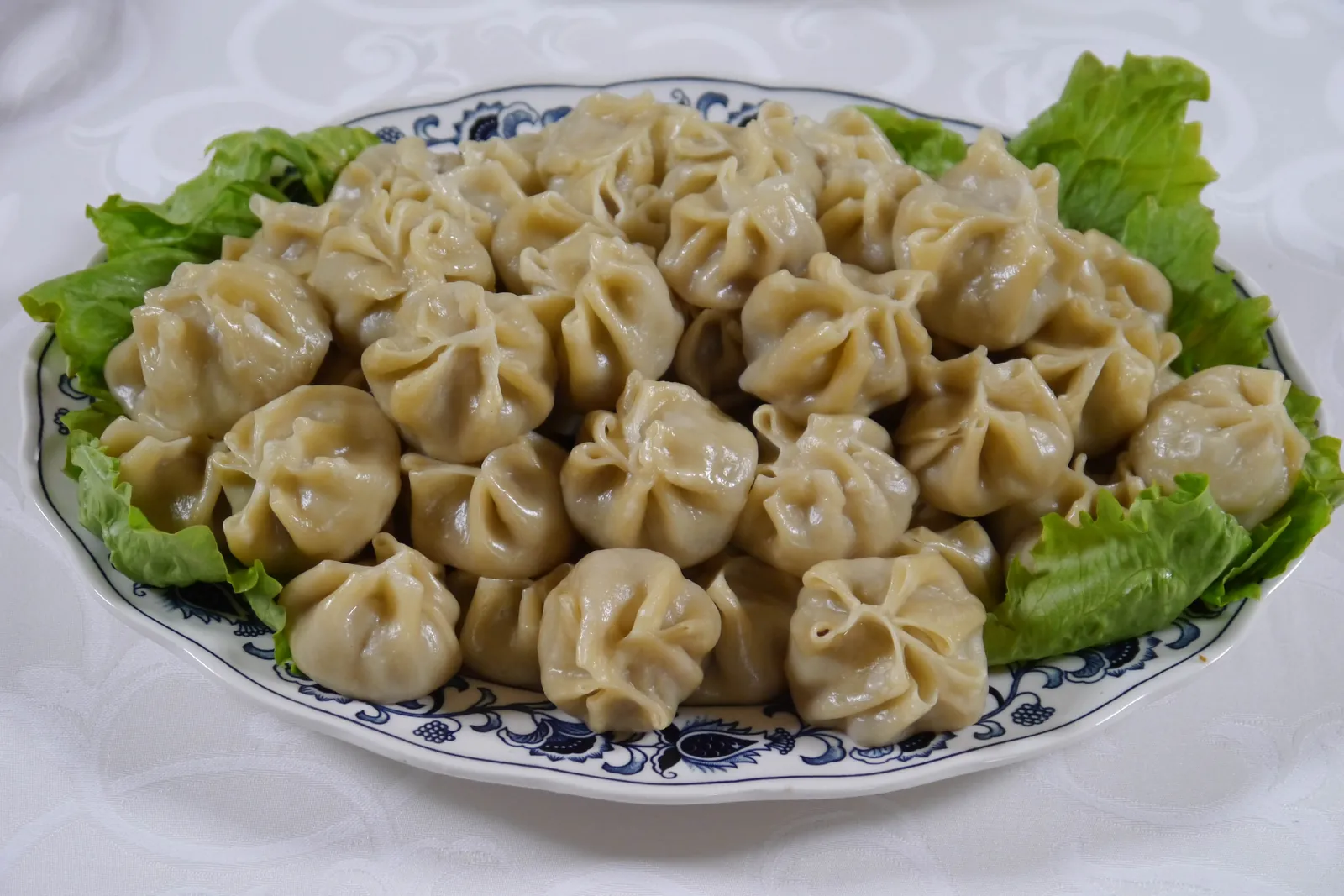
Mongolian buuz — small round top-knotted steamed beef dumplings piled on a plate with lettuce

Mongolia's National Dish

Photo: Mizu_Basyo, CC BY-SA 3.0, via Wikimedia Commons

The Heritage Formulary

Measured Ingredients

Estimated cost: Low — about $3–4 per serving at home (USD)

Good buuz have thin, tender dough, a juicy beef filling, a neat top knot, and arrive at the table steaming hot, eaten by hand.

Execution Methodology & Culinary Technique

Step-by-Step Cooking Guide

Active 1h 20m
P

Prep Stage: Dough and Beef Filling

60 Mins • Kneading, Resting & Filling

Knead the flour, salt and lukewarm water into a smooth, firm dough and rest it for 30 minutes. Meanwhile mix the ground beef with the finely diced onion, garlic, black pepper, caraway and salt, then stir in the cold water a spoonful at a time until the filling turns smooth and slightly sticky — that water turns to juice inside the dumpling as it steams.

Maestro Tip: Dice the onion as finely as you can — big pieces poke through the thin dough and the buuz burst.

  1. 1

    Make and Rest the Dough

    40 Mins Room temperature, about 22°C (72°F)

    Mix the flour with 3g of the salt, add the lukewarm water a little at a time, and knead for 8–10 minutes until the dough is smooth and firm. Cover with a damp cloth and rest for 30 minutes.

    A firm dough rolls thinner and holds its pleats — soft dough sags and the top knot will not hold.

    Done when: The dough is smooth, springs back when pressed, and no longer sticks to your hands.

  2. 2

    Mix the Beef and Onion Filling

    10 Mins Room temperature, about 22°C (72°F)

    Put the ground beef in a bowl with the diced onion, garlic, black pepper, caraway and the remaining 3g of salt. Mix with your hands until just combined, then stir in the cold water one spoonful at a time until the mixture looks smooth and slightly sticky. Do not overwork it — a loose mix stays juicy.

    The onion should be about two-fifths the weight of the meat — it melts into juice in the steamer and keeps the beef from drying out.

    Done when: The filling holds together when squeezed but still looks loose, not like a paste.

  3. 3

    Shape the Top-Knotted Buuz

    25 Mins Room temperature, about 22°C (72°F)

    Roll the dough out to about 2 mm thick and cut it into 8 cm rounds — you should get about 32. Place a heaped teaspoon of filling in the centre of each round, then gather the edge up around the filling in small pleats, pinching as you go, and twist the pleats together at the top to make a little knot, leaving a tiny opening. The finished buuz is small and round, about the size of a walnut, and sits flat on its base.

    Pinch the knot twice so no seam can open in the steam, and keep the finished buuz under a damp cloth while you shape the rest so they do not dry out.

    Done when: Each buuz is plump, round, and tightly knotted at the top, with the pleats standing up like a little crown.

  4. 4

    Steam Until Tender and Juicy

    20 Mins Boiling water, 100°C (212°F)

    Bring 500 ml of water to a boil in the bottom of a multi-tier steamer or a large pot with a steamer insert. Brush the steamer trays lightly with oil, set the buuz on them with space between each one, and steam with the lid on for 18–20 minutes.

    Do not lift the lid in the first 15 minutes — the rush of cool air can make the dough collapse and wrinkle.

    Done when: The dough is tender and slightly translucent, and the centre of the filling is steaming hot, at least 71°C (160°F) for ground meat.

  5. 5

    Serve Hot, Eaten by Hand

    5 Mins Serving temperature, above 63°C (145°F)

    Lift the buuz onto a warm platter and serve at once, eight per person, with nothing on top — no sauce, no sour cream. Pick one up by its knot, bite a small hole in the side to let the steam out, sip the juice, then eat the rest.

    Eat the first one carefully — bite the small hole first, because the juice inside is scalding.

    Done when: The buuz are glossy, hot, and soft to the touch; the filling juices run when one is bitten open.

Finishing Touches & Plating

Serve the buuz straight from the steamer, glossy and hot, with milk tea and pickled vegetables on the side — eat them by hand, knot first, and bite carefully: the juices inside are scalding.
Nutritional Physiology & Benefits

Nutrition

Energy

632

kcal / serving

Protein

36g

Complete AA

Carbs

82g

Complex

Fats

16g

Healthy

Per serving (4 servings · 1 serving ≈ 330 g)
Energy632 kcal
Protein36 g
Carbohydrates82 g
Fat16 g
Fibre4.0 g
Sugar2.4 g
Sodium668 mg
Per 100g
Energy191 kcal
Protein10.9 g
Carbohydrates24.9 g
Fat4.9 g
Fibre1.2 g
Sugar0.7 g
Sodium203 mg

Nutrition values are estimated — calculated from USDA FoodData Central values for the listed ingredients.

Vitamins & minerals: Iron and zinc (beef), vitamin B12 (beef), vitamin B6 (onion and garlic), folate (flour).

High in Protein

Beef and a wheat dough give about 36 g of protein a serving, and eight little dumplings keep you full for hours.

Steamed, Not Fried

Steaming keeps the filling juicy without any frying fat, and the dough stays light and tender.

Iron and B12 from Beef

Beef is a natural source of iron and vitamin B12, which the body uses to make red blood cells.

Food Pairings

What to Eat With

To optimize nutrient absorption and elevate the sensory depth, pair with these authentic accompaniments:

Drinks

Mongolian Milk Tea (Süütei Tsai)

Hot, lightly salted milk tea is the classic partner for buuz — the warm milk softens the richness of the beef and is how the dumplings are served at home and at Tsagaan Sar.

Vegetables

Pickled Vegetables

Sharp pickled cucumber, cabbage or carrot cuts through the fatty beef filling and refreshes the palate between dumplings.

Soups

Light Clear Broth

A small bowl of plain hot broth alongside the dumplings warms the meal up without adding another heavy dish.

Full Menus

As the Centre of a Tsagaan Sar Table

Buuz are made for a crowd — pile them high on a platter in the middle of the table and let everyone help themselves while they are still steaming.

Complete menu

Serve the buuz with Mongolian milk tea, pickled vegetables, and a light clear broth to finish.

Digestive Guardrails

What NOT to Combine

To prevent digestive distress, sluggishness, or palate clash, avoid pairing the dish with these elements:

A Sweet Chilli Sauce

A sweet sauce would clash with the simple beef, onion and caraway filling — buuz are eaten plain, with milk tea and pickles instead. This is general guidance, not medical advice.

Leaving Them Uncovered After Steaming

Steamed buuz dry out and toughen fast in open air — keep them covered in the steamer and serve them straight away, hot and glossy.

General information only, not medical advice — consult a doctor for personal dietary decisions.

Who Should Eat It

Who Should Eat

  • General adultsA generous, satisfying dinner — eight small dumplings with milk tea is a full plate.
  • ChildrenChildren love them; cut one open to check the filling is hot, and go light on the black pepper.
  • ElderlySoft steamed dough and a juicy filling are easy to eat; serve them hot and freshly steamed.
  • Pregnant womenFine when the beef is cooked right through — check the centre of a dumpling is steaming hot before eating.
  • Breastfeeding womenA filling, protein-rich meal that is easy to make in a big batch and reheat.
  • AthletesGood recovery food — beef and onion for protein, dough for carbohydrate, and a lot of calories in one plate.
  • Weight gainAn easy way to add calories: the dough and beef together make a very energy-dense meal.
  • Weight lossKeep it to five or six dumplings, skip second helpings, and fill the rest of the plate with pickled vegetables and salad.

Health Conditions — Adjust or Avoid

Conditions

  • DiabetesThe dough is the main carbohydrate — keep it to five or six dumplings and fill the plate with salad; ask your clinician about portion size.
  • High blood pressureGo easy on the salt in the filling, and skip salty milk tea; ask your clinician if you are on a sodium limit.
  • Kidney diseaseHigh in protein and sodium, so it is not a regular choice on a restricted diet — ask your clinician first.
  • GoutRed meat in a rich filling is high in purines; eat it only occasionally and in a small portion, and ask your clinician.
  • Stomach issuesSteamed dumplings are usually gentle, but raw onion and black pepper can irritate a sensitive stomach — take them with plain broth if needed, and ask your clinician.
  • Cardiovascular diseaseBeef fat is the concern here; choose lean beef and keep portions modest — ask your clinician.
  • Fatty liverA rich, fatty meal, so keep it occasional and modest in size; ask your clinician about frequency.
  • Food allergiesContains wheat (gluten) and caraway (a seed spice). No egg, milk, nuts, soy or seafood in the dumplings themselves.
  • Special therapeutic dietsNot suitable for gluten-free or low-protein diets without major changes — ask your clinician or dietitian before adapting it.

If you have a medical condition, consult your doctor before changing your diet.

Storage & Use

Storage & Use

How to store
Cool quickly; store in airtight containers, dumplings in a single layer if possible.
In the fridge
Cooked buuz 2 days; uncooked filled buuz 1 day.
In the freezer
Uncooked filled buuz 2 months; cooked buuz do not freeze well.
How to reheat
Steam again for 5–8 minutes until hot through; reheat to 74°C (165°F). Microwaving makes the dough rubbery.
Freezing recommended
Yes — freeze the filled, uncooked buuz on a tray, then bag them; steam from frozen for 25–30 minutes.
Signs it has spoiled
Sour smell, slimy dough, or grey filling.

More recipes to explore

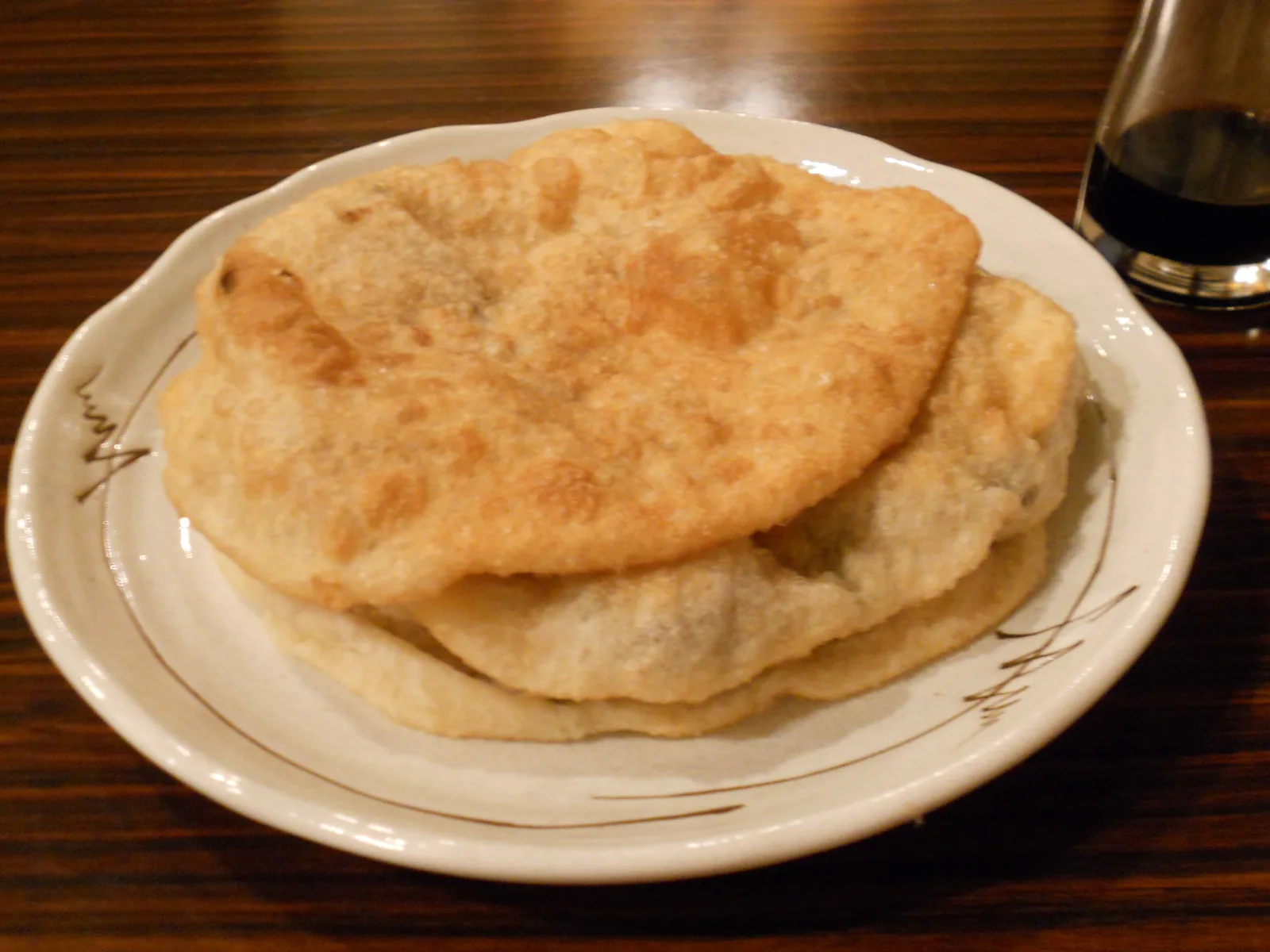
Golden round khuushuur — Mongolian fried meat pastries stacked on a white plate Mongolia flag Mongolia 1h 10m
Lunch •Naadam Festival Classic

Mongolian Khuushuur

This khuushuur recipe makes Mongolia's famous fried meat pastry: a thin wheat dough folded around seasoned ground beef, onion, garlic and caraway, then fried until golden and crisp. It is the signature food of the Naadam festival each July, when families and stadium stalls fry it by the thousands, and it is just as loved as an everyday lunch in Mongolian homes and cafes. One serving is about 320 g (three pastries).

Hearty & Satisfying

Golden fried pastry filled with seasoned ground beef, onion and caraway — Mongolia's Naadam festival lunch.

Pairs Well With
Cabbage salad, sour cream & milk tea
High Protein
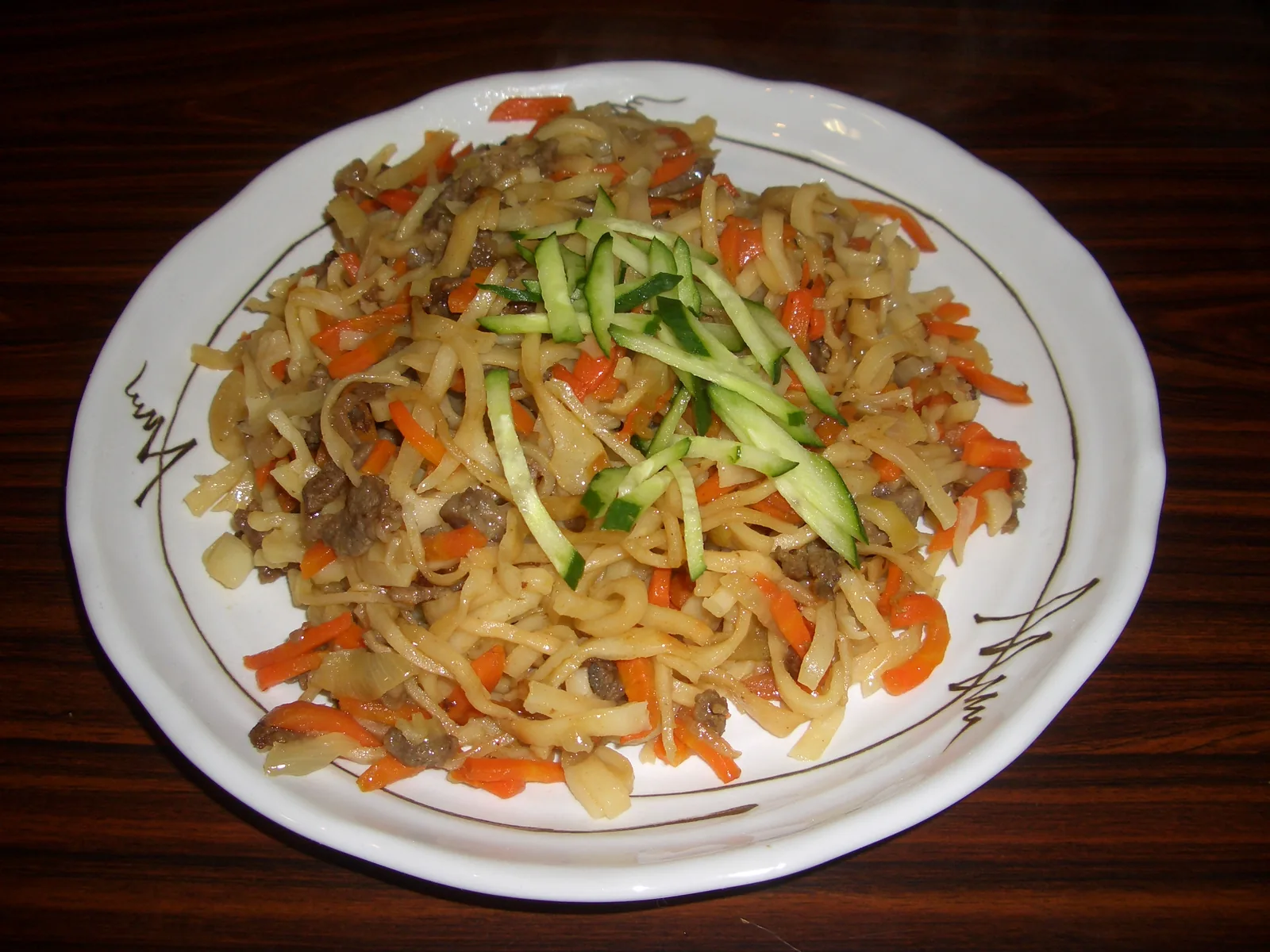
Tsuivan on a white plate — dry hand-cut noodles tossed with beef strips, carrot and cabbage, topped with julienned cucumber Mongolia flag Mongolia 1h 25m
Dinner •Mongolian Everyday Noodles

Tsuivan

This tsuivan recipe is Mongolia's everyday noodle dinner: a simple flour-and-water dough rolled out, oiled and cut by hand into short flat strips, then steamed over a pot of stir-fried beef, onion, carrot and cabbage until the water has almost gone and the noodles are dry, glossy and lightly browned. There is no broth and no tomato sauce — unlike the lagman soups of Kazakhstan and Kyrgyzstan, tsuivan is served dry on a plate, with the noodles tossed through the meat and vegetables. One serving is about 450 g.

Hearty & Comforting

Dry stir-fried hand-cut noodles with beef, carrot and cabbage, steamed over the meat and tossed until glossy — Mongolia's everyday noodle dinner.

Pairs Well With
Pickled cucumber, tomato salad & milk tea
Pasta & Noodles
Bœuf bourguignon — French beef braised in red wine France flag France 4h
Dinner •Burgundy Terroir

Bœuf Bourguignon

Beef braised gently in red wine until the connective tissue melts into a velvet, gelatin-rich sauce — the classic Burgundy Sunday dinner.

Cellular Repair

Beef braised in red wine until spoon-tender, with mushrooms and pearl onions.

Pairs Well With
Parsnip Purée & Steamed French Haricots Verts
High Protein
Vietnamese braised pork belly with golden eggs in caramel sauce Vietnam flag Vietnam 1h 45m
Dinner •One Pot

Vietnamese Braised Pork and Eggs

Pork belly slowly braised in coconut water and caramel until meltingly tender, with golden eggs that soak up the sweet-savoury sauce — the Vietnamese family dish that tastes better the next day.

Comfort & Sustained Energy

Slow-braised pork belly and eggs in coconut water and caramel.

Pairs Well With
Steamed rice & pickled mustard greens
High Protein

The Dinner Gazette

Never wonder what’s for dinner again

One email a week with easy dinner ideas from around the world — ingredients, steps and nutrition, tested in our kitchen first.

Delivered every Thursday morning. Unsubscribe anytime.