Curated recipes from 193 countries  •  New seasonal Mediterranean issue out now

Overview

Nasi Kandar

Nasi Kandaq, Penang Curry Rice, Mamak Curry Rice

This nasi kandar recipe builds the Penang mamak plate at home: steamed jasmine rice, a rich chicken curry simmered in coconut milk, turmeric cabbage, okra and a fried egg, finished with a crisp papadom and a ladle of mixed gravy — kuah campur — poured over everything. It is a loud, generous lunch, and the gravy is the point. One serving is about 645 g.

Nasi kandar was created by Tamil Muslim — mamak — traders in Penang, who carried rice in one basket and curries in another on a kandar, a shoulder pole, and sold plates to dock workers along the waterfront in the early 20th century. The name stuck even after the poles gave way to shop counters: pick your rice, point at the curries, and the server floods the plate with mixed gravy — kuah campur — and charges by what landed on it. Hameediyah, Penang's oldest nasi kandar restaurant, traces its start to a stall under a tree on Lebuh Campbell in 1907.

Pairs well with: Mixed curry gravy, papadom & teh tarik

Provenance

Malaysia flag Malaysia

Penang Hawker Classic

East & South Asia

Time Dedication

1h 20m

30m prep • 50m cook

Batch Yield

4 Servings

907 kcal per serving

1 serving ≈ 645 g

Technical Skill

Intermediate

Medium (Curry Plate)

Meal Timing & Digestive Fit

Breakfast

Not Advised

Lunch

Prime Metabolic Fit

Dinner

Ideal Hearty Main

Snack & Tea

Inappropriate

Occasions: Weekend lunches, family meals, hawker-style dinners, festive gatherings Cost: Low — about $4–5 per serving at home
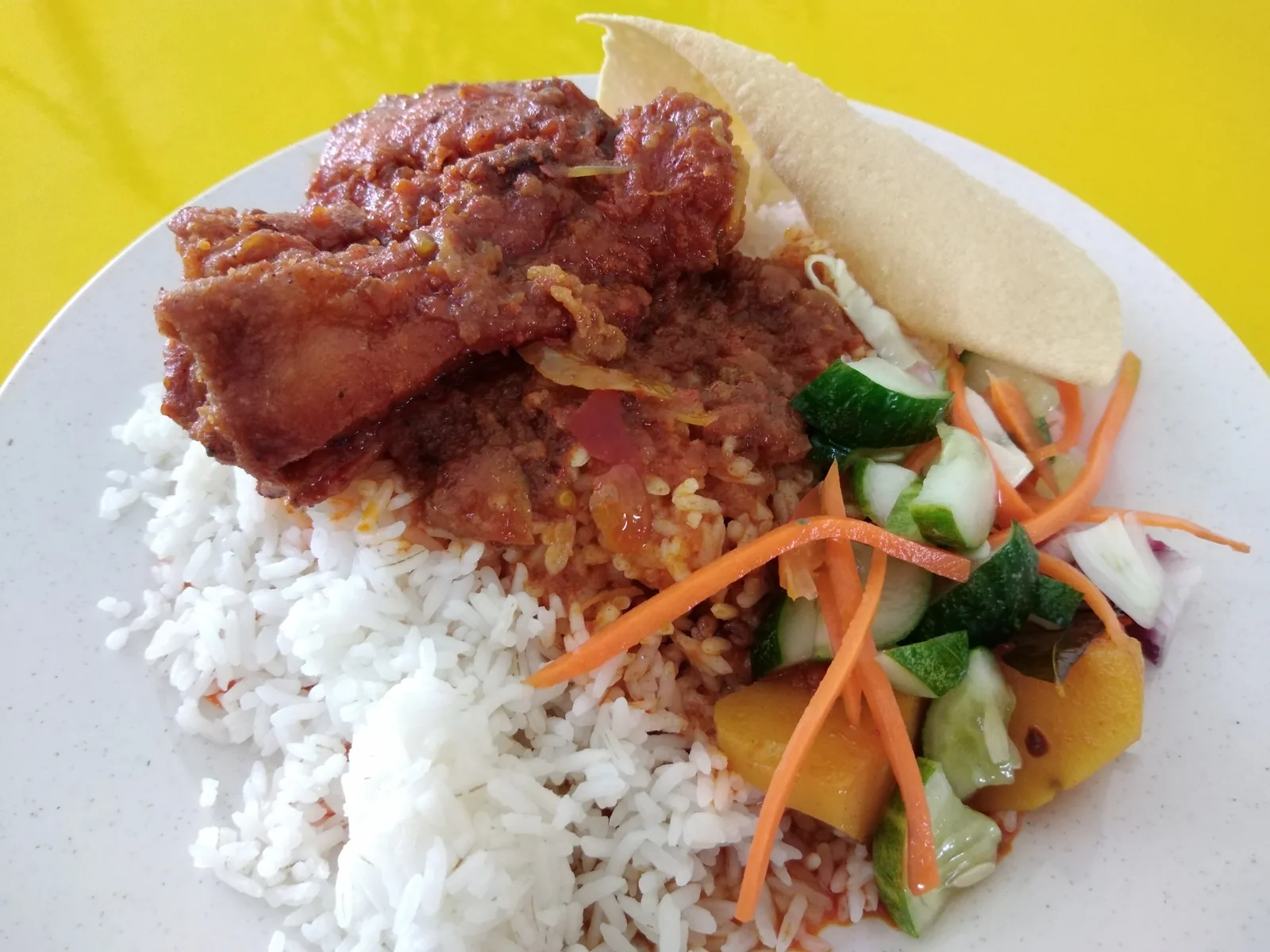
A plate of nasi kandar with white rice, red curry chicken, papadom and cucumber-carrot salad on a yellow table

Penang Hawker Classic

Photo: Wee Hong, CC BY-SA 4.0, via Wikimedia Commons

The Heritage Formulary

Measured Ingredients

Estimated cost: Low — about $4–5 per serving at home (USD)

A traditional Penang mamak plate: steamed rice with chicken curry, turmeric cabbage, okra, fried egg and papadom, flooded with mixed gravy.

Execution Methodology & Culinary Technique

Step-by-Step Cooking Guide

Active 1h 20m
P

Steam the rice and prep the curry base

30 minutes

Rinse the rice and start it steaming — it takes about 20 minutes and can cook while the curry simmers. Cut the chicken into chunks, dice the onion and tomato, mince the garlic, grate the ginger, and measure out all the spices into one small bowl so the curry comes together quickly. Shred the cabbage, julienne the carrot, halve the okra, and dissolve the tamarind paste in warm water.

Maestro Tip: Measure the spices into one bowl before you start cooking — curry moves fast once the oil is hot, and hunting for jars with wet hands is how spices burn.

  1. 1

    Steam the rice

    20 minutes Boiling (100°C / 212°F)

    Rinse the rice until the water runs clear, then steam or cook it with 480 g of water until tender and fluffy, about 20 minutes. Keep it covered and warm.

    Let the rice rest 5 minutes after cooking before fluffing — it finishes steaming in its own heat and the grains stay separate.

    Done when: Rice is fluffy, separate and steaming hot.

  2. 2

    Bloom the spices

    8 minutes Medium heat (180°C / 350°F)

    Heat 20 g of the oil in a heavy pot over medium heat. Add the mustard-seed-sized fenugreek, star anise, bay leaf, cinnamon and curry leaves and fry for 30 seconds until fragrant, then add the onion and cook for 4 minutes. Stir in the garlic and ginger for 1 minute, then the curry powder, turmeric, chilli powder, coriander, cumin and cardamom for 1 minute more.

    Spices burn in seconds — have the onion ready to go in the moment they smell fragrant, because the onion stops the burning.

    Done when: The pot smells deeply spiced and the onion is soft and golden.

  3. 3

    Simmer the chicken curry

    30 minutes Simmering (95°C / 203°F)

    Add the tomato and cook for 2 minutes, then add the chicken chunks and turn to coat. Pour in the coconut milk and the tamarind water, bring to a gentle simmer, cover and cook for 25 minutes until the chicken is tender and reaches 74°C (165°F) and the sauce has thickened.

    Keep the curry at a lazy simmer, not a rolling boil — hard boiling splits coconut milk into oil and curds.

    Done when: Chicken is tender, sauce is thick and rust-red, and a thermometer reads 74°C (165°F).

  4. 4

    Cook the cabbage and okra

    10 minutes Medium-high heat (200°C / 400°F)

    While the curry simmers, heat 10 g of oil in a wok, crackle the mustard seeds for 20 seconds, then stir-fry the cabbage and carrot with 2 g of the turmeric and a pinch of salt for 4 minutes until just wilted. In the same wok, flash-fry the okra in 5 g of oil with a pinch of salt for 3 minutes until bright green.

    Both vegetables should stay crisp — they are the fresh, crunchy contrast to the rich curry, not a second stew.

    Done when: Cabbage is bright yellow and still crisp; okra is bright green and tender-crisp.

  5. 5

    Fry the eggs and papadom

    5 minutes Medium-high heat (200°C / 400°F)

    Fry the eggs sunny-side up in the remaining oil until the whites are set and the edges are crisp. Fry the papadom in the hot oil for a few seconds each until puffed, then drain on paper.

    A runny yolk is the point — it melts into the rice and gravy when you break it.

    Done when: Eggs have set whites and runny yolks; papadom is puffed and crisp.

  6. 6

    Plate and flood with gravy

    5 minutes Serving hot (above 60°C / 140°F)

    Mound the rice on each plate, spoon the chicken curry beside it, add the cabbage, okra and a fried egg, and tuck a papadom on top. Ladle a spoonful of curry gravy — and a little of the cabbage cooking liquid if you like — over the rice. That flood of mixed gravy is kuah campur, and it is what makes the plate nasi kandar.

    Do not be shy with the gravy: a dry nasi kandar is a failed nasi kandar. The rice should be stained with curry by the last bite.

    Done when: Plates show white rice stained with red and yellow gravy, chicken curry, green okra, yellow cabbage and a fried egg.

Finishing Touches & Plating

Serve the plates hot with extra gravy on the side and a glass of teh tarik — the pull of the mixed gravy over the rice, the runny yolk and the crisp papadom are what make this plate worth building.

Nutritional Physiology & Benefits

Nutrition

Energy

907

kcal / serving

Protein

49g

Complete AA

Carbs

99g

Complex

Fats

35g

Healthy

Per serving (4 servings · 1 serving ≈ 645 g)
Energy907 kcal
Protein49 g
Carbohydrates99 g
Fat35 g
Fibre10.1 g
Sugar9.6 g
Sodium1228 mg
Per 100g
Energy141 kcal
Protein7.5 g
Carbohydrates15.4 g
Fat5.5 g
Fibre1.6 g
Sugar1.5 g
Sodium190 mg

Nutrition values are estimated — calculated from USDA FoodData Central values for the listed ingredients.

Vitamins & minerals: The chicken, eggs and coconut milk supply B vitamins, iron and zinc, the cabbage, okra, carrot and tomato add vitamin C, vitamin A and folate, and the turmeric and spices add plant compounds. All nutrition values are estimated.

A big, complete lunch

With about 49 g of protein and 99 g of carbohydrates per serving, one plate covers protein, energy and vegetables in a single meal.

Vegetables on the same plate

Cabbage, okra, carrot, tomato and onion add about 10 g of fibre per serving, along with vitamin C, vitamin A and folate.

Spices that do the work

Turmeric, cumin, coriander, ginger and fenugreek bring the flavour, so the curry needs no extra sugar or flavour enhancers.

Food Pairings

What to Eat With

To optimize nutrient absorption and elevate the sensory depth, pair with these authentic accompaniments:

Vegetables

Cucumber and pineapple acar

A sharp pickled cucumber and pineapple salad cuts through the rich coconut curry and resets the palate between bites.

Sides

Papadom and fried egg

The crisp papadom adds crunch against the soft rice, and the runny yolk melts into the gravy — both are part of the classic plate, not extras.

Drinks

Teh tarik

Malaysia's pulled milk tea is the traditional mamak-stall drink with nasi kandar — sweet, milky and strong enough to stand up to the spice.

Full Menus

Sambal belacan

A spoonful of fiery shrimp-paste sambal on the side lets each person turn the heat up to their own liking without changing the curry.

Complete menu

Serve the nasi kandar as the main plate with cucumber acar and sambal belacan on the side, and teh tarik to drink.

Digestive Guardrails

What NOT to Combine

To prevent digestive distress, sluggishness, or palate clash, avoid pairing the dish with these elements:

More salty, fried extras

The plate is already salty at about 1,228 mg of sodium per serving from the salt, papadom and curry. Adding salted fish, extra soy sauce or more fried snacks pushes sodium far higher, which is a concern for blood pressure. This is general information, not medical advice — ask a clinician about your own sodium limits.

Undercooked chicken

Chicken must reach 74°C (165°F) throughout — eating undercooked chicken risks salmonella and campylobacter infection. Check the thickest piece with a thermometer rather than guessing by colour. This is general information, not medical advice.

General information only, not medical advice — consult a doctor for personal dietary decisions.

Who Should Eat It

Who Should Eat

  • General adultsA large, satisfying lunch. One plate is a full meal — balance it with a light dinner, since it is rich and filling.
  • ChildrenSuitable for older children in smaller portions with the chilli powder halved. Skip the sambal and go easy on the spices for young children.
  • ElderlyRich, spicy and salty, so keep portions moderate — a smaller plate with extra cabbage is often enough. Serve the egg well cooked rather than runny for older diners.
  • Pregnant womenSafe when the chicken is fully cooked through — to 74°C (165°F) — and the eggs are cooked to your preference; runny yolks carry a small salmonella risk, so eat them well cooked if you are unsure. The salt means smaller portions are wiser; ask your clinician if you have pregnancy-related blood pressure concerns.
  • Breastfeeding womenA nourishing, energy-dense meal that fits well during breastfeeding. Drink water alongside it and keep portions moderate because of the salt and spice.
  • AthletesGood after a hard session: about 49 g of protein and 99 g of carbohydrates per serving help recovery. Add extra rice if you need more energy.
  • Weight gainA good choice — energy-dense, protein-rich and easy to eat in a large portion. Add a second egg and more rice to raise the calories further.
  • Weight lossA hard fit at about 907 calories per plate with high fat and salt. Take a smaller portion of rice, load it with cabbage and okra, and skip the second helping of gravy if you are counting calories.

Health Conditions — Adjust or Avoid

Conditions

  • DiabetesThe rice adds about 99 g of carbohydrates per serving, so portion size matters and blood sugar should be monitored. A smaller portion of rice with more chicken and vegetables helps; ask your clinician or dietitian for a portion that fits your plan.
  • High blood pressureAt about 1,228 mg of sodium per serving, this is a salty plate — the added salt and the papadom both add up. Go easy on the salt in the curry and keep portions moderate. Ask your clinician about your sodium limit.
  • Kidney diseaseThe dish is high in protein, potassium and sodium, all of which may need limiting in kidney disease. This dish may not fit a renal diet — ask your clinician or renal dietitian before eating it.
  • GoutChicken is moderate in purines and there is no organ meat here, but the plate is rich. People prone to gout should keep portions moderate and not eat it every day; ask your clinician for personal guidance.
  • Stomach issuesA spicy, oily curry with chilli, onion and tamarind can trigger reflux in sensitive stomachs. Eat a small portion, skip the sambal, and avoid it during a flare-up; ask your clinician if symptoms persist.
  • Cardiovascular diseaseThe coconut milk and fried egg add saturated fat, and the plate is salty. Occasional normal portions fit most heart-healthy patterns; ask your clinician about your sodium and portion limits.
  • Fatty liverA coconut-milk curry with white rice is a heavy choice for fatty liver. Keep it occasional and small, and fill the plate with cabbage and okra; ask your clinician for personal guidance.
  • Food allergiesContains egg and wheat (papadom is usually wheat-based). The curry itself is free of milk, nuts, fish and shellfish, but sambal belacan contains shrimp — check labels. Ask your clinician if you have a food allergy.
  • Special therapeutic dietsThe plate contains egg and gluten (papadom) and is high in sodium. A gluten-free cracker can replace the papadom, but the curry is not suited to most therapeutic diets — ask your clinician or dietitian before changing a therapeutic diet.

If you have a medical condition, consult your doctor before changing your diet.

Storage & Use

Storage & Use

How to store
Cool the curry, rice and vegetables quickly and store in separate airtight containers.
In the fridge
Curry 3–4 days; rice 3–4 days; vegetables 2 days. Keep the papadom dry at room temperature.
In the freezer
The chicken curry freezes well for up to 3 months; do not freeze the rice, vegetables or eggs.
How to reheat
Reheat the curry and rice gently with a splash of water until steaming hot throughout, to 74°C (165°F). Fry a fresh egg and papadom.
Freezing recommended
Yes for the chicken curry only, up to 3 months.
Signs it has spoiled
Sour or off smell, slimy texture on the chicken or vegetables, or mould on the rice.

More recipes to explore

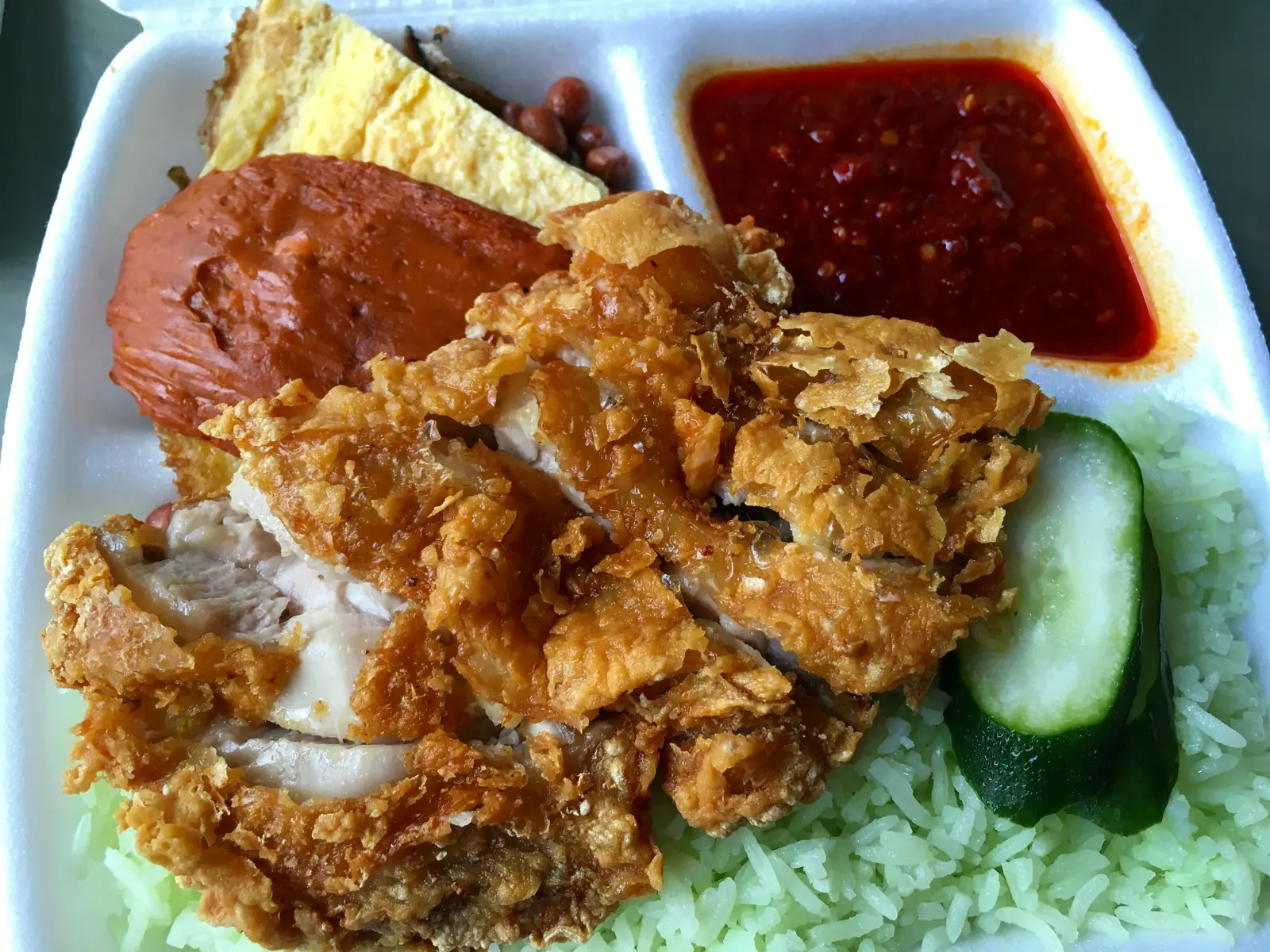
Nasi lemak — coconut rice with crispy fried chicken, red sambal, omelette, peanuts and cucumber in a takeaway box Malaysia flag Malaysia 1h 10m
Breakfast •Malaysian Heritage

Nasi Lemak

This nasi lemak recipe brings Malaysia's national breakfast to your own table: rice steamed in coconut milk with pandan, a dark, sweet-hot sambal, golden turmeric fried chicken, and the classic little pile of crispy anchovies, roasted peanuts, boiled egg and cool cucumber. One serving is about 465 g.

Hearty & Satisfying

A full Malaysian breakfast plate — fragrant coconut rice with sambal, crispy chicken, egg, anchovies, peanuts and cucumber.

Pairs Well With
A spoonful of hot sambal and cool cucumber slices, with teh tarik or iced lime tea.
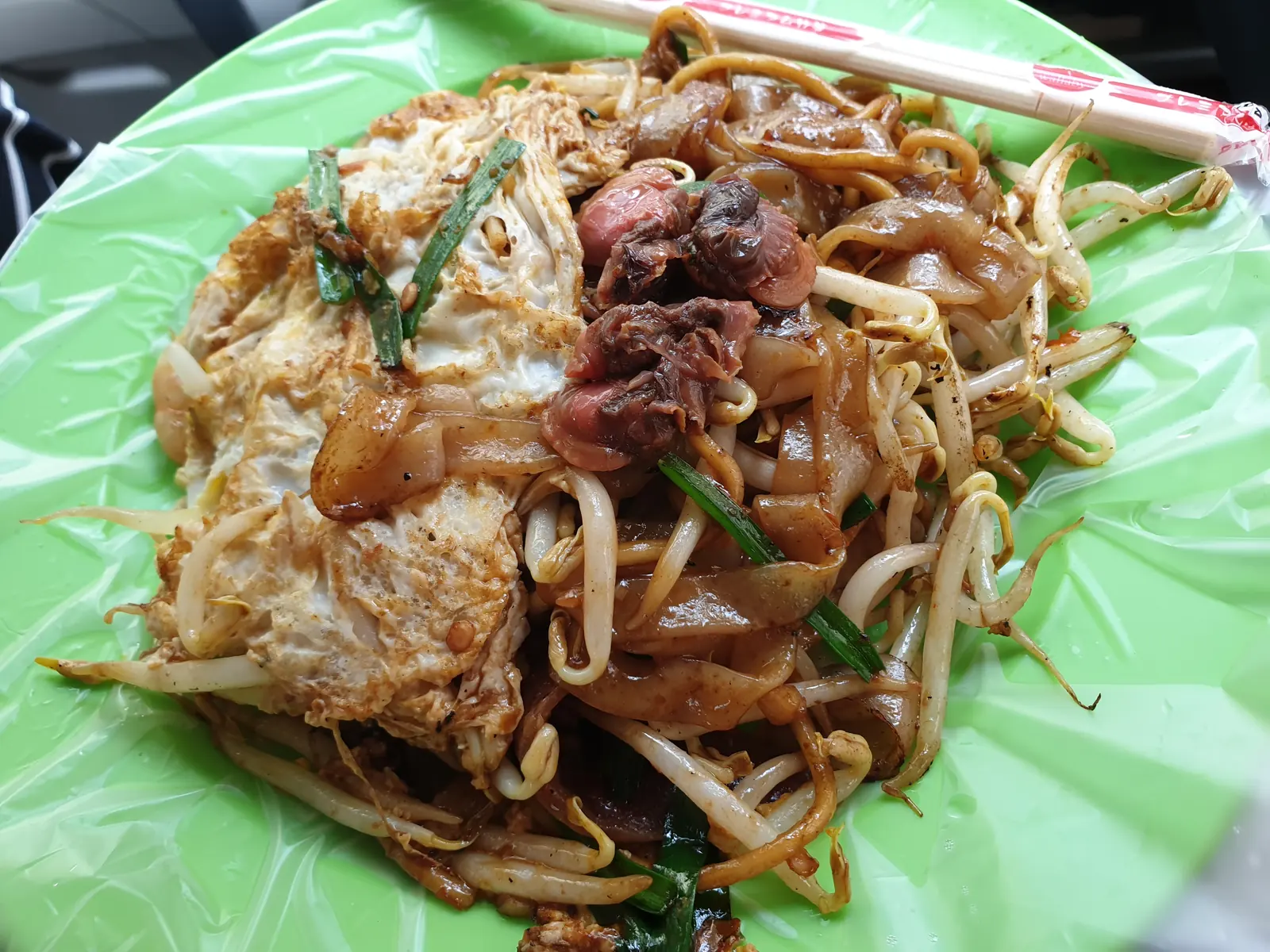
Char kway teow on a green plate — glossy flat rice noodles with fried egg, cockles, bean sprouts and garlic chives Malaysia flag Malaysia 25m
Dinner •Penang Street-Food Icon

Char Kway Teow

This char kway teow recipe tosses wide flat rice noodles in a blazing-hot wok with garlic, soy sauce, chilli paste, prawns, cockles, Chinese sausage, egg, bean sprouts and garlic chives, so the noodles pick up the smoky char called wok hei. Cook one plate at a time, exactly like a hawker stall, and eat it straight from the wok. One serving is about 475 g.

Smoky & Satisfying

Flat rice noodles seared over fierce heat with prawns, cockles, egg and bean sprouts — a fast, smoky Malaysian hawker dinner.

Pairs Well With
Pickled green chillies, cucumber slices, and iced lime tea or teh o ais
Pasta & Noodles • Quick Prep (<30m)
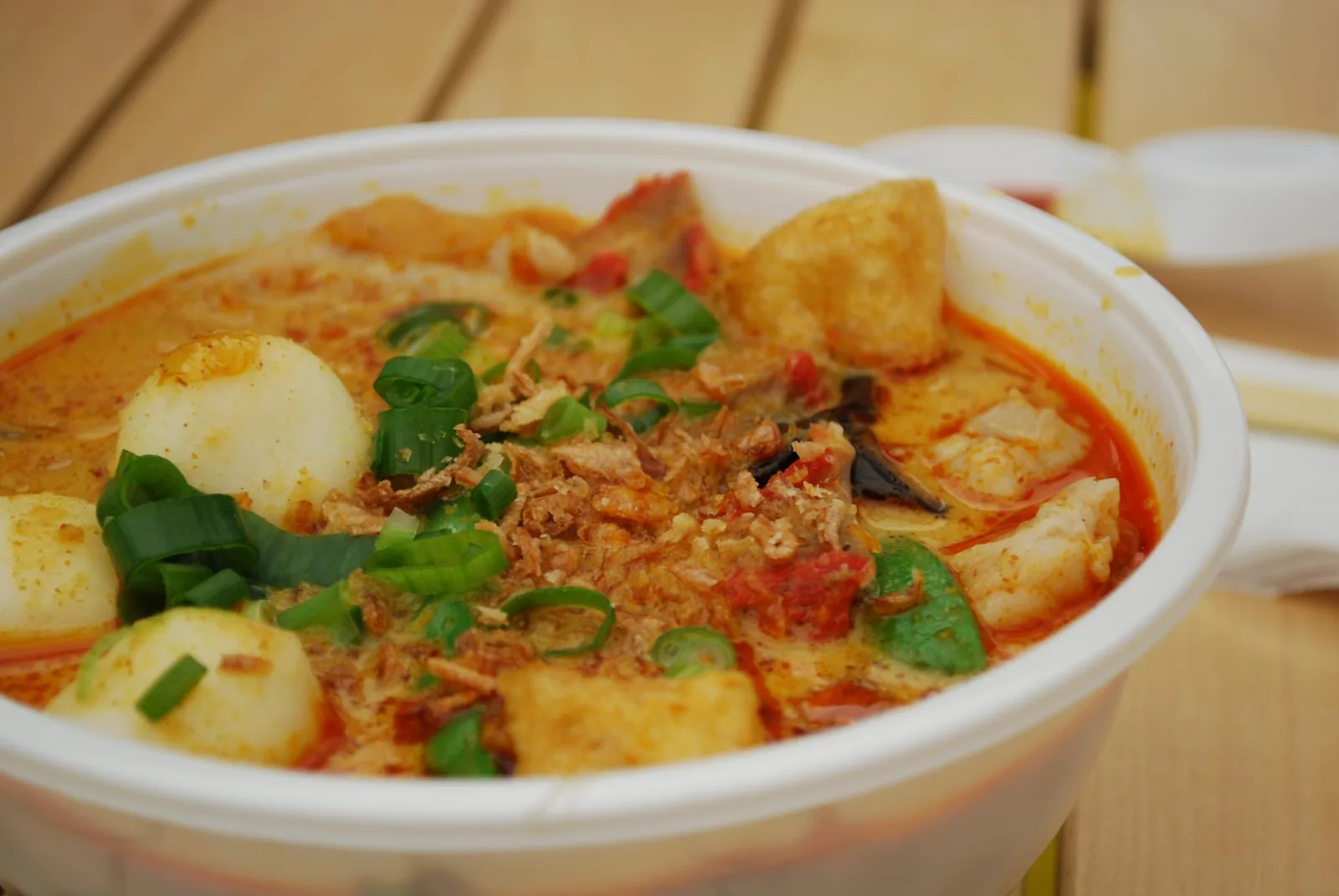
A white bowl of curry laksa in orange coconut curry broth with tofu puffs, fish balls, spring onions and fried shallots Malaysia flag Malaysia 50m
Lunch •Malaysian Hawker Classic

Curry Laksa

This curry laksa recipe simmers a spiced rempah paste with coconut milk and chicken stock into a rich orange broth, then pours it over rice vermicelli and egg noodles with shredded chicken, tofu puffs and crisp bean sprouts. One serving is about 703 g.

Comfort & Warmth

A rich, spiced coconut curry noodle soup with chicken, tofu puffs and bean sprouts.

Pairs Well With
Cool cucumber salad and a glass of iced lime tea
Soups & Broths • Pasta & Noodles
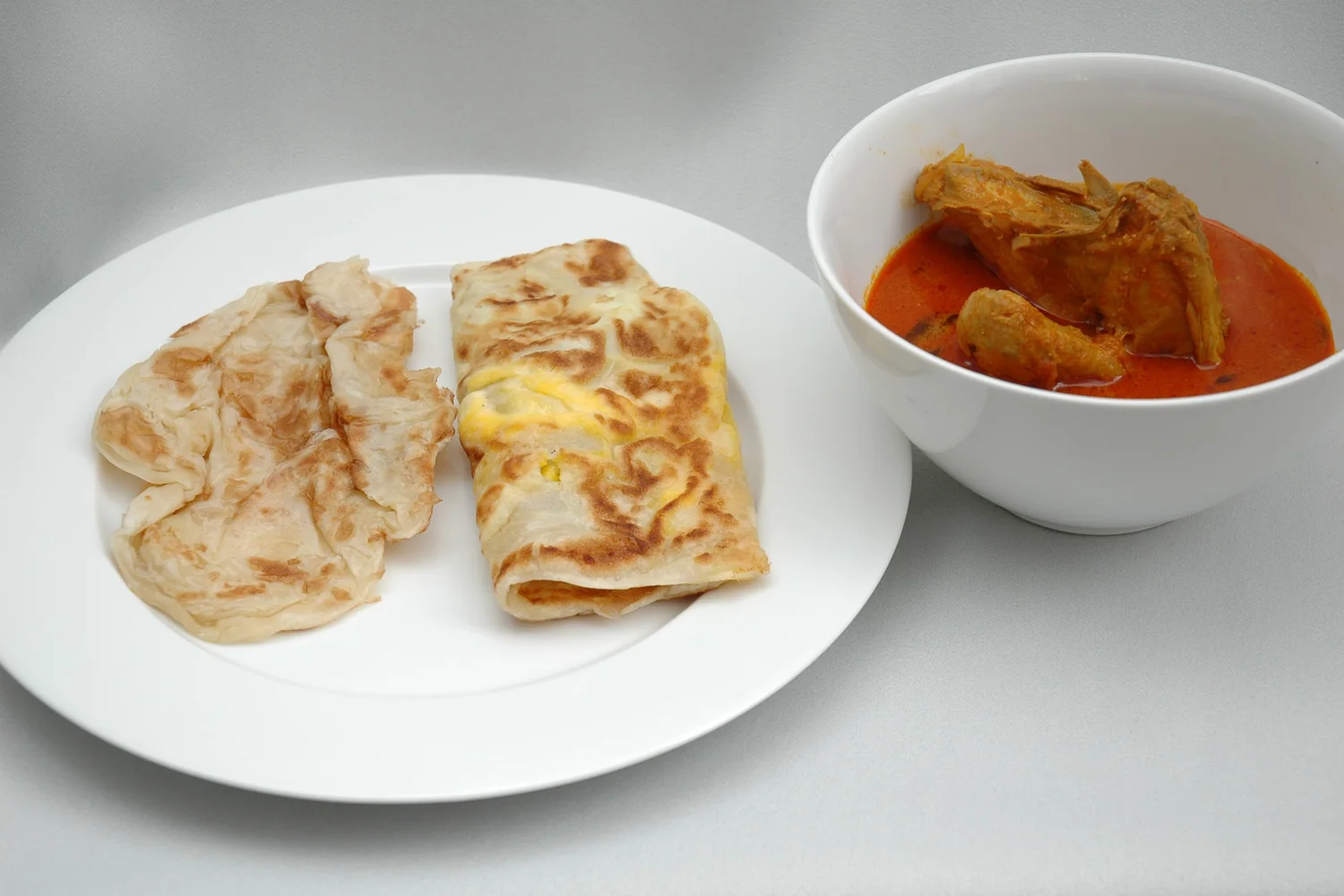
Roti prata and egg roti on a white plate with a bowl of chicken curry Malaysia flag Malaysia 1h 30m
Breakfast •Mamak Stall Heritage

Roti Canai

This roti canai recipe makes the flaky mamak flatbread the slow way: a soft dough rested until it stretches paper-thin, laminated with ghee, folded into squares and fried until the outside crisps and the inside stays soft and layered. It is served torn into pieces for dipping into a warm dhal curry with coconut milk, the way every mamak stall in Malaysia serves it for breakfast. One serving is about 374 g.

Comfort & Warmth

Flaky, laminated flatbread stretched paper-thin, folded and fried in ghee until crisp at the edges, torn and dipped into warm dhal curry.

Pairs Well With
Dhal curry & teh tarik

The Dinner Gazette

Never wonder what’s for dinner again

One email a week with easy dinner ideas from around the world — ingredients, steps and nutrition, tested in our kitchen first.

Delivered every Thursday morning. Unsubscribe anytime.