
Curated recipes from 193 countries  •  New seasonal Mediterranean issue out now

Overview

Ndole

Ndolé — Cameroonian Bitter Leaf and Peanut Stew

This ndole recipe is Cameroon's national stew: bitter leaves washed until gentle, then folded into a thick peanut cream with tender beef, shrimp and ground crayfish. One serving is about 475 g.

Ndole takes its name from the bitter leaf itself, and it comes from the Sawa people of Cameroon's coastal Littoral region, centred on Douala. What began as a coastal home stew — leaves, peanuts, whatever the day's catch or market brought — is now widely regarded as Cameroon's national dish, served at weddings, funerals and family gatherings across the country.

Pairs well with: Fried or boiled plantain, white rice and a cold drink

Provenance

Cameroon flag Cameroon

Sawa Heritage

African Heritage

Time Dedication

1h 35m

30m prep • 65m cook

Batch Yield

4 Servings

763 kcal per serving

1 serving ≈ 475 g

Technical Skill

Intermediate

Intermediate (Washing & Simmering)

Meal Timing & Digestive Fit

Breakfast

Not Advised

Lunch

Hearty Midday Main

Dinner

Ideal Hearty Main

Snack & Tea

Inappropriate

Occasions: Family celebrations, Sunday dinner, festive gatherings, welcoming guests Cost: Medium — about $4–5 per serving at home
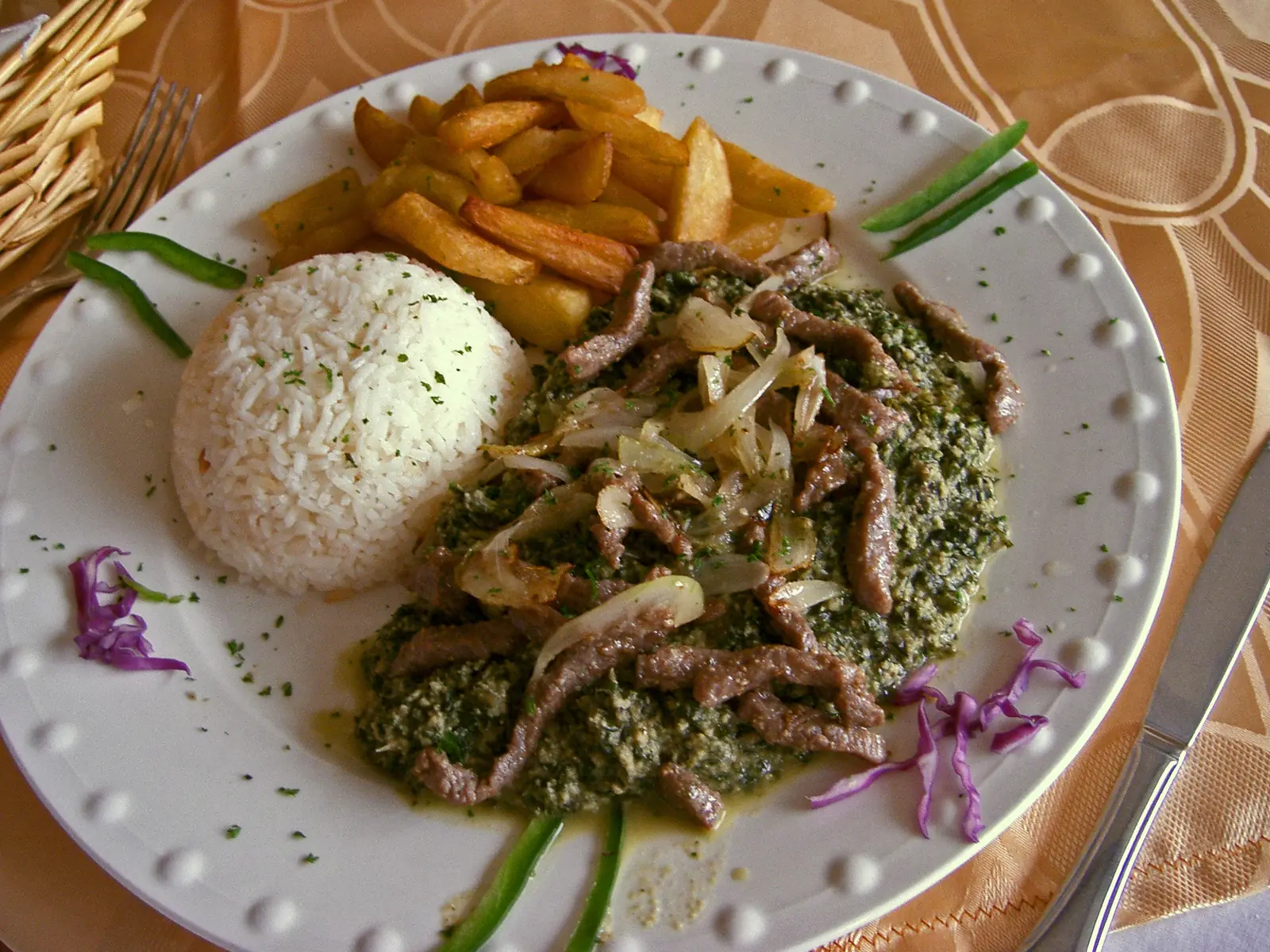
A plate of Cameroonian ndole — dark green bitter-leaf and peanut stew with beef strips — with white rice and fried plantain

Sawa Heritage

Photo: PRA, CC BY 3.0, via Wikimedia Commons

The Heritage Formulary

Measured Ingredients

Estimated cost: Medium — about $4–5 per serving at home (USD)

Good ndole is judged by its balance: the leaves still whisper bitter, the peanut cream answers rich, and neither shouts over the other.

Execution Methodology & Culinary Technique

Step-by-Step Cooking Guide

Active 1h 35m
P

Prep Stage: Wash the Leaves, Blend the Peanuts

30 Mins • Washing & Blending

This ndole recipe starts with the two jobs that decide everything: the bitter leaves and the peanut paste. Wash the leaves until the water runs almost clear and only a pleasant, grown-up bitterness is left, then squeeze them dry. Boil the peanuts until soft and blend them with half the onion, the garlic, ginger and chilli into a smooth, pourable cream — about the thickness of double cream.

Maestro Tip: Taste a leaf after each wash. Stop when the bitterness is a background note, not a slap — over-washing leaves you with plain spinach.

  1. 1

    Simmer the Beef

    35 Mins Gentle simmer, ~95°C (203°F)

    Put the beef in a pot with 500 ml of water, one crumbled bouillon cube and a pinch of salt. Bring to a gentle simmer, skim the foam, cover and cook for 35 minutes until the beef is tender but not falling apart. Lift the meat out and keep the broth — it is the base of the stew.

    Keep the simmer lazy. Hard boiling toughens stewing beef instead of softening it.

    Done when: A fork slides into the beef with a little resistance; the broth tastes meaty.

  2. 2

    Fry the Onion Base

    8 Mins Medium heat, ~160°C (320°F)

    Heat the oil in a wide pot and fry the remaining onion for 5 minutes until soft and golden at the edges. Stir in the ground crayfish and fry for 1 minute more — the kitchen should smell deeply savoury.

    Do not let the onion brown dark; golden is the target, bitter is the failure.

    Done when: The onion is soft, golden and sweet-smelling.

  3. 3

    Cook the Peanut Cream

    15 Mins Low simmer, ~90°C (194°F)

    Pour in the peanut paste and the reserved beef broth, stirring constantly so the paste does not catch on the bottom. Simmer for 15 minutes, stirring often, until the sauce thickens and the oil begins to separate at the edges. Season with the second bouillon cube and salt to taste.

    Stir from the bottom, not just the top — peanut paste scorches quietly and a burnt taste cannot be fixed.

    Done when: The sauce coats a spoon thickly and tastes rich, nutty and savoury.

  4. 4

    Fold in the Bitter Leaves

    10 Mins Low simmer, ~90°C (194°F)

    Return the beef to the pot and fold in the washed bitter leaves a handful at a time, stirring until each handful is coated in peanut cream before adding the next. Simmer for 10 minutes so the leaves soften into the sauce.

    Add the leaves in batches — a whole mound at once cools the pot and steams instead of simmering.

    Done when: The leaves are tender, dark green and evenly coated; the stew holds together on a spoon.

  5. 5

    Add the Shrimp and Rest

    5 Mins Low heat, then off the heat (~85°C / 185°F)

    Stir in the shrimp and the whole scotch bonnet and cook for 5 minutes, just until the shrimp turn pink and curl. Take the pot off the heat and rest for 5 minutes before serving — the sauce thickens slightly as it cools.

    Shrimp overcook in a blink. Pink and curled means done; grey and tight means too late.

    Done when: Shrimp are pink and just curled; the stew is thick, glossy and fragrant.

Finishing Touches & Plating

Serve the ndole in a wide bowl with the plantain or rice alongside, never on top — the stew is the star and the starch is its stage. A spoonful of the peanut sauce over the plantain is the proper way to finish a plate.

Nutritional Physiology & Benefits

Nutrition

Energy

763

kcal / serving

Protein

57g

Complete AA

Carbs

21g

Complex

Fats

54g

Healthy

Per serving (4 servings · 1 serving ≈ 475 g)
Energy763 kcal
Protein57 g
Carbohydrates21 g
Fat54 g
Fibre8.6 g
Sugar5.3 g
Sodium952 mg
Per 100g
Energy161 kcal
Protein11.9 g
Carbohydrates4.4 g
Fat11.3 g
Fibre1.8 g
Sugar1.1 g
Sodium200 mg

Nutrition values are estimated — calculated from USDA FoodData Central values for the listed ingredients.

Vitamins & minerals: Vitamin A and folate (bitter leaves), vitamin B12 and iron (beef), vitamin C (onion, chilli), zinc and selenium (shrimp).

Leafy Greens, Generously

Bitter leaves bring fibre, folate and vitamin A to the table, and the peanut cream makes the fat-soluble vitamins in the greens easier for the body to absorb.

Protein From Three Directions

Beef, shrimp and peanuts together supply a broad range of amino acids, so one bowl carries a substantial share of the day's protein.

Iron With a Helper

Beef supplies iron, and the onion and chilli in the stew add vitamin C, which helps the body absorb iron from plant foods in the same meal.

Food Pairings

What to Eat With

To optimize nutrient absorption and elevate the sensory depth, pair with these authentic accompaniments:

Sides

Fried Plantain

Sweet, caramelised plantain is the classic partner — its sweetness softens the leaves' bitterness and its soft flesh soaks up the peanut sauce.

Vegetables

Boiled Plantain or White Rice

A plain, starchy base gives the rich sauce something to sit on; boiled plantain keeps the meal gentle, rice keeps it filling.

Drinks

Cold Water or Ginger Drink

The stew is rich and salty, so a cold, unsweetened drink resets the palate between spoonfuls far better than anything sweet.

Full Menus

As a Celebration Main

Ndole is the dish for a full table — serve it in the middle with plantain, rice and a simple salad, and let everyone build their own plate.

Complete menu

Serve ndole in the middle of the table with fried plantain and white rice, a simple tomato and onion salad on the side, and cold water or ginger drink to finish.

Digestive Guardrails

What NOT to Combine

To prevent digestive distress, sluggishness, or palate clash, avoid pairing the dish with these elements:

A Second Heavy Peanut Dish

Ndole is already rich in fat from peanuts and oil; pairing it with another peanut sauce or fried food doubles the heaviness and can leave you sluggish. Keep the sides plain. This is general guidance, not medical advice.

Raw or Undercooked Peanuts

Peanuts that have not been boiled and simmered long enough can upset the stomach — the paste must cook a full 15 minutes in the pot. Never shortcut the simmer.

General information only, not medical advice — consult a doctor for personal dietary decisions.

Who Should Eat It

Who Should Eat

  • General adultsA complete, satisfying dinner — greens, protein and healthy fats in one bowl.
  • ChildrenSuitable from age 3+ with the chilli left whole or out, and the leaves washed well so the bitterness is mild.
  • ElderlyVery suitable — soft, warm and easy to chew; keep the salt and bouillon moderate.
  • Pregnant womenGenerally suitable; make sure the beef and shrimp are fully cooked through and keep the chilli mild.
  • Breastfeeding womenGenerally suitable; the iron, protein and folate support recovery — keep portions satisfying.
  • AthletesA strong recovery meal: about 57 g protein per serving with energy-dense peanuts for refuelling.
  • Weight gainA good choice — take a generous second helping and eat it with fried plantain.
  • Weight lossKeep the portion modest, favour the leaves and beef over extra peanut sauce, and choose boiled plantain over fried.

Health Conditions — Adjust or Avoid

Conditions

  • DiabetesThe stew itself is low in carbs — watch the plantain or rice portion instead, and ask your clinician about a suitable serving.
  • High blood pressureMost of the sodium comes from bouillon cubes, salt and crayfish; use one cube, season lightly and ask your clinician about portion size.
  • Kidney diseaseLimit the portion — the stew is high in potassium from the leaves and in protein; ask your clinician about portion size.
  • GoutEat occasionally and in smaller portions — beef, shrimp and crayfish are all high in purines.
  • Stomach issuesThe stew is usually gentle once the leaves are well washed, but skip the chilli and go easy on the oil if your stomach is sensitive.
  • Cardiovascular diseaseChoose lean beef, keep the oil to the recipe amount, and favour boiled plantain over fried.
  • Fatty liverKeep the portion modest and the peanut sauce light; load the plate with extra washed leaves.
  • Food allergiesContains peanut (the base of the dish — it cannot be made peanut-free) and shellfish (shrimp and crayfish). Not suitable for peanut or shellfish allergy.
  • Special therapeutic dietsIf you follow a prescribed low-sodium or low-purine diet, use less bouillon and a smaller beef and shrimp portion, and check with your clinician.

If you have a medical condition, consult your doctor before changing your diet.

Storage & Use

Storage & Use

How to store
Cool quickly and store in airtight containers in the fridge.
In the fridge
3–4 days.
In the freezer
Up to 3 months; the peanut sauce freezes well.
How to reheat
Reheat gently on the stove, stirring often, until it reaches 74°C (165°F) throughout; add a splash of water if it thickens.
Freezing recommended
Yes — freeze in single portions for up to 3 months.
Signs it has spoiled
Sour or rancid smell, a grey film on the surface, or slimy leaves.

More recipes to explore

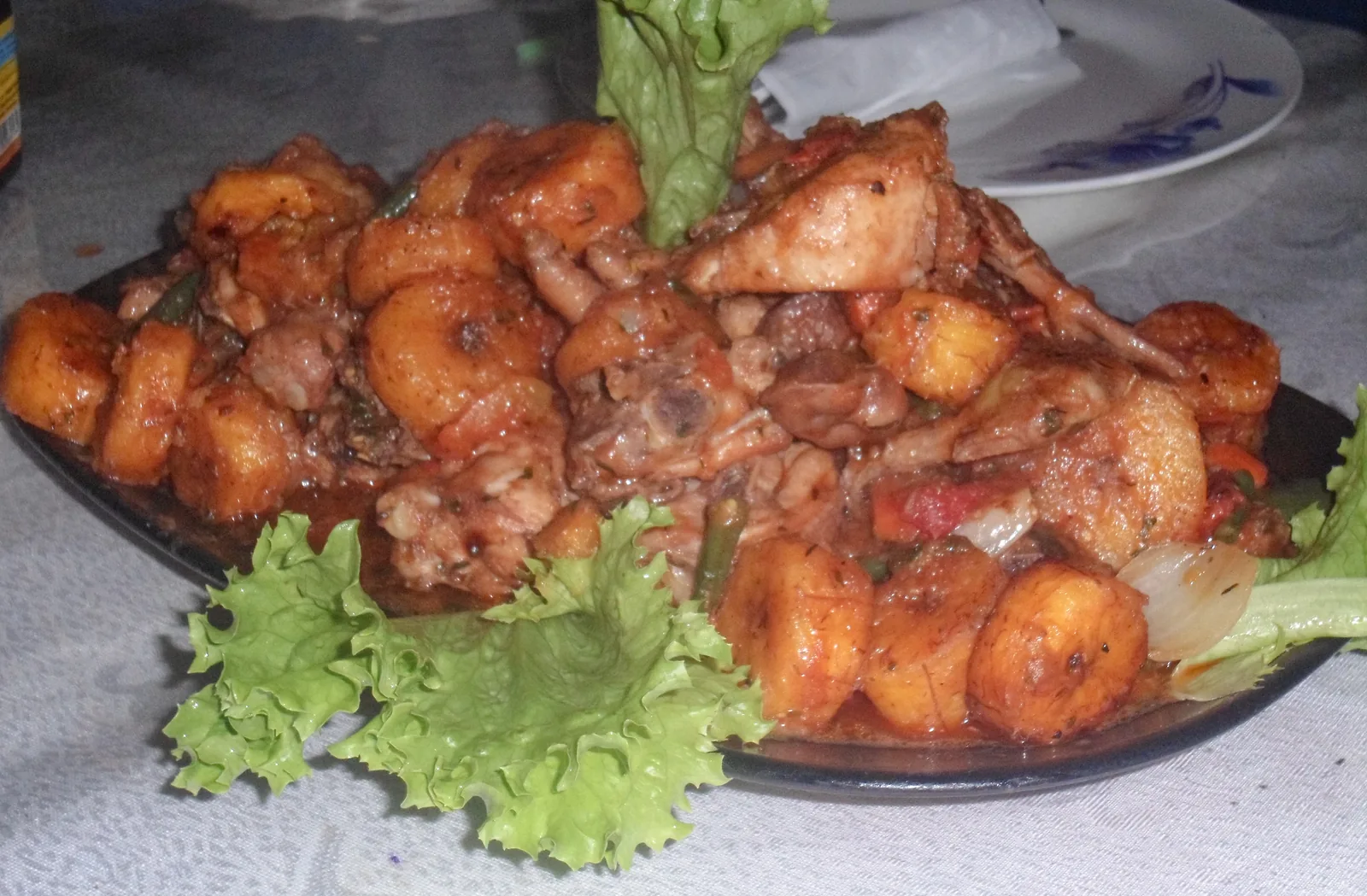
A platter of Cameroonian poulet DG — golden fried chicken and caramelised plantain rounds in tomato sauce with lettuce Cameroon flag Cameroon 1h 15m
Dinner •Douala Heritage

Poulet DG

This poulet dg recipe is Cameroon's celebration chicken: bone-in thighs fried golden, ripe plantains fried until caramelised, and everything tossed together in a tomato, carrot and green bean sauce. One serving is about 625 g.

Comfort & Warmth

Fried chicken and ripe plantain tossed in a tomato sauce with carrots, green beans and peppers.

Pairs Well With
White rice or boiled yam, with a cold drink
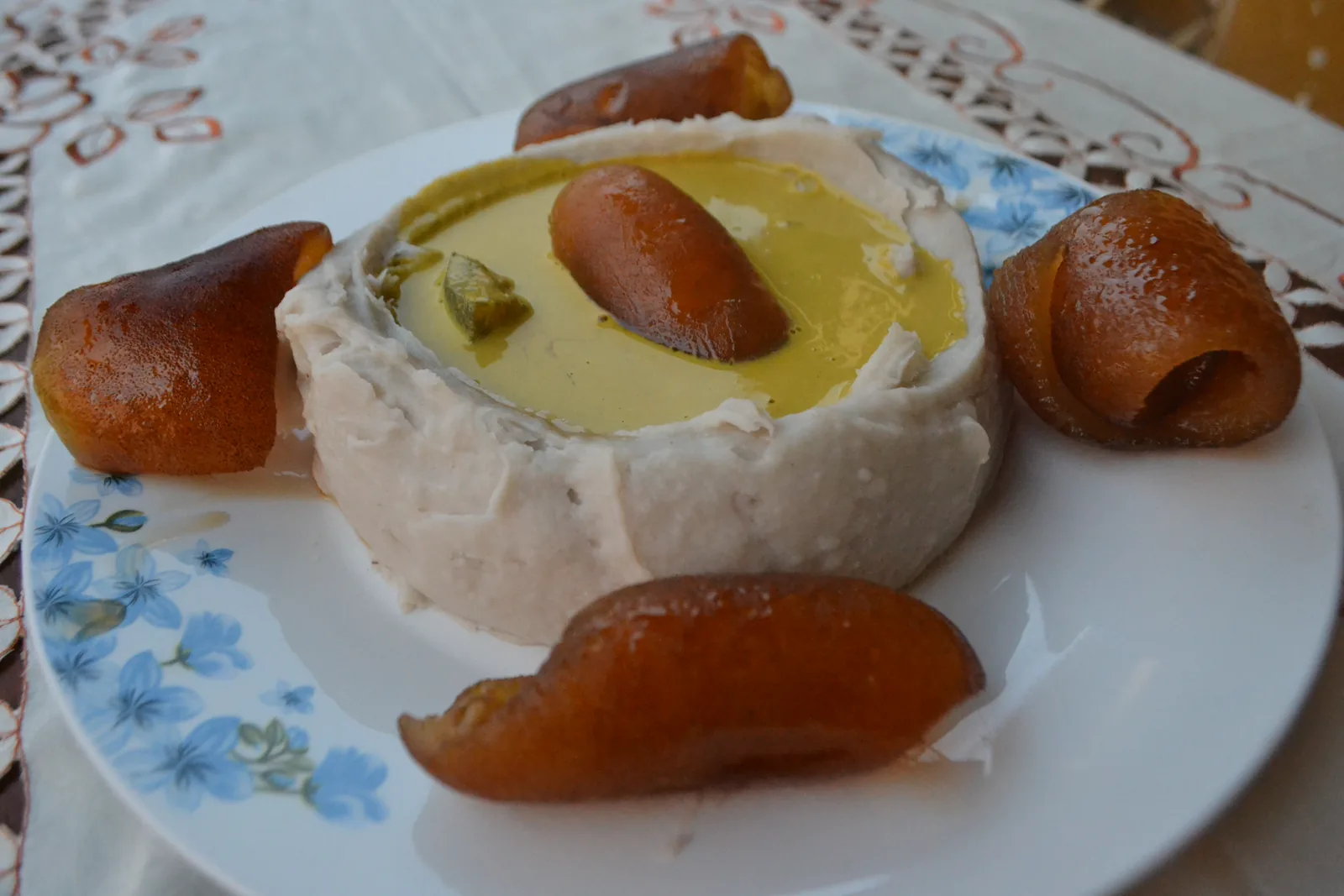
A mound of pounded cocoyam achu with a well of bright yellow soup and pieces of cow skin on a plate Cameroon flag Cameroon 1h 30m
Lunch •Bamenda Heritage

Achu Soup

This achu soup recipe is the Grassfields classic: cocoyam boiled and pounded into a smooth, stretchy mound, served with a bright yellow soup made by whisking red palm oil with limestone water, plus tender beef, tripe and cow skin. One serving is about 625 g.

Comfort & Warmth

Pounded cocoyam with a bright yellow palm-oil soup, beef, tripe and cow skin.

Pairs Well With
Pounded cocoyam, with the yellow soup in the well
Soups & Broths
Bœuf bourguignon — French beef braised in red wine France flag France 4h
Dinner •Burgundy Terroir

Bœuf Bourguignon

Beef braised gently in red wine until the connective tissue melts into a velvet, gelatin-rich sauce — the classic Burgundy Sunday dinner.

Cellular Repair

Beef braised in red wine until spoon-tender, with mushrooms and pearl onions.

Pairs Well With
Parsnip Purée & Steamed French Haricots Verts
High Protein
Vietnamese braised pork belly with golden eggs in caramel sauce Vietnam flag Vietnam 1h 45m
Dinner •One Pot

Vietnamese Braised Pork and Eggs

Pork belly slowly braised in coconut water and caramel until meltingly tender, with golden eggs that soak up the sweet-savoury sauce — the Vietnamese family dish that tastes better the next day.

Comfort & Sustained Energy

Slow-braised pork belly and eggs in coconut water and caramel.

Pairs Well With
Steamed rice & pickled mustard greens
High Protein

The Dinner Gazette

Never wonder what’s for dinner again

One email a week with easy dinner ideas from around the world — ingredients, steps and nutrition, tested in our kitchen first.

Delivered every Thursday morning. Unsubscribe anytime.



