Curated recipes from 193 countries  •  New seasonal Mediterranean issue out now

Overview

Achu Soup

Yellow Soup — Cameroonian Achu and Sauce Jaune

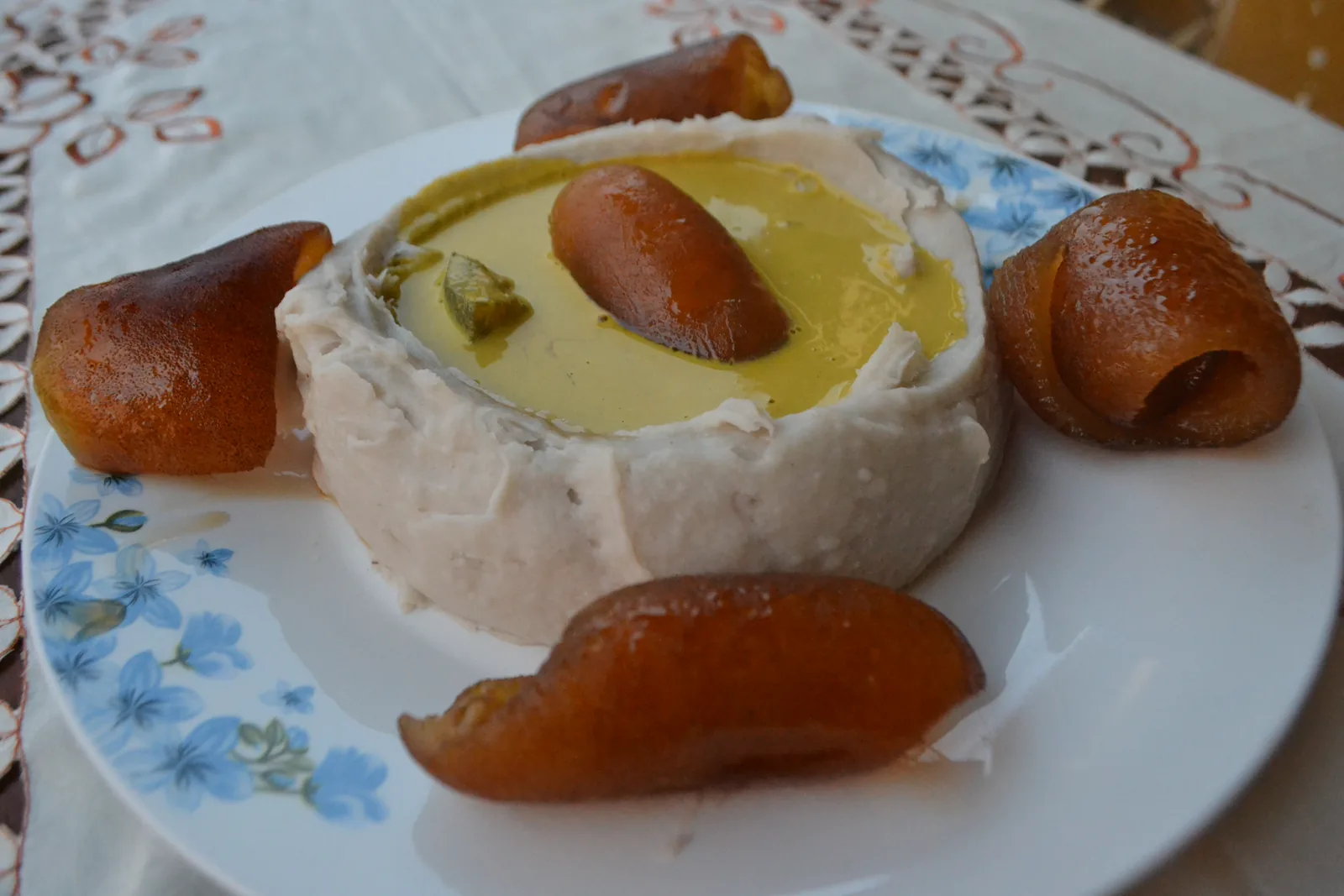
This achu soup recipe is the Grassfields classic: cocoyam boiled and pounded into a smooth, stretchy mound, served with a bright yellow soup made by whisking red palm oil with limestone water, plus tender beef, tripe and cow skin. One serving is about 625 g.

Achu belongs to the Grassfields peoples of Cameroon's North West region, above all the Bamenda area, where cocoyam has been a staple crop for generations. The yellow soup — sauce jaune, also called ndza nikki — gets its colour not from a spice but from a reaction: alkaline limestone water whisked into red palm oil turns it bright yellow and thickens it into a smooth sauce. It is the dish of ceremonies and homecomings, eaten by hand from a shared mound.

Pairs well with: Pounded cocoyam, with the yellow soup in the well

Provenance

Cameroon flag Cameroon

Bamenda Heritage

African Heritage

Time Dedication

1h 30m

20m prep • 70m cook

Batch Yield

4 Servings

930 kcal per serving

1 serving ≈ 625 g

Technical Skill

Advanced

Advanced (Pounding & Emulsion)

Meal Timing & Digestive Fit

Breakfast

Not Advised

Lunch

Prime Metabolic Fit

Dinner

Ideal Hearty Main

Snack & Tea

Inappropriate

Soups & Broths Occasions: Ceremonies, homecomings, Sunday lunch, family gatherings Cost: Medium — about $4–5 per serving at home
A mound of pounded cocoyam achu with a well of bright yellow soup and pieces of cow skin on a plate

Bamenda Heritage

Photo: Minette Lontsie, CC BY-SA 4.0, via Wikimedia Commons

The Heritage Formulary

Measured Ingredients

Estimated cost: Medium — about $4–5 per serving at home (USD)

Good achu is judged by two things: a paste so smooth it stretches, and a soup so yellow and glossy it looks lit from within.

Execution Methodology & Culinary Technique

Step-by-Step Cooking Guide

Active 1h 30m
P

Prep Stage: Two Pots on the Go

20 Mins • Cleaning & Peeling

Achu is a two-pot dish, so the prep is about getting both pots going. Clean the tripe and cow skin until they smell of nothing at all, peel the cocoyam, and set the meats to boil with onion, garlic, ginger and the bouillon. While the meats simmer, dissolve the limestone in warm water and strain it — the yellow soup depends on that cloudy liquid being grit-free.

Maestro Tip: Start the meats first: they take the longest, and the cocoyam can wait. A pot that is still boiling when the pounding starts is a pot that is too late.

  1. 1

    Boil the Meats for Stock

    45 Mins Gentle simmer, ~95°C (203°F)

    Put the beef, tripe and cow skin in a pot with the onion, garlic, ginger, chilli and crumbled bouillon, and cover with water. Simmer gently for 45 minutes until the beef is tender and the cow skin is soft and jelly-like. Lift the meats out and keep 500 ml of the strained stock — cool it until just warm, not hot.

    Skim the foam in the first 10 minutes; a clean stock makes a clean, bright yellow soup.

    Done when: Beef yields to a fork; cow skin is soft and wobbly; the stock tastes rich and savoury.

  2. 2

    Boil the Cocoyam

    40 Mins Rolling boil, 100°C (212°F)

    While the meats cook, boil the cocoyam chunks in a second pot of salted water for about 40 minutes until they are completely soft — a fork should slide through with no resistance at all. Drain well and let the steam rise off for 2 minutes so the pieces dry slightly.

    Undercooked cocoyam will not pound smooth. If in doubt, give it 5 more minutes — overcooked is fixable, undercooked is not.

    Done when: A fork passes through the thickest piece with no resistance.

  3. 3

    Pound the Achu

    15 Mins Hot, straight from the pot (~95°C / 203°F)

    Pound the hot cocoyam in a mortar with a pestle, turning and folding as you go, until it becomes a smooth, elastic, stretchy paste with no lumps. Add a spoonful of warm water only if it stiffens. Shape it into a mound on a plate and press a deep well into the centre with a wet spoon — the well holds the soup.

    Pound while the cocoyam is hot. Cold cocoyam sets hard and will never turn smooth.

    Done when: The paste is smooth, glossy and stretchy; it pulls in strings when lifted.

  4. 4

    Make the Yellow Soup

    10 Mins Warm, not hot — stock ~60°C (140°F), oil ~40°C (104°F)

    Warm the palm oil gently until liquid. In a blender or a wide bowl, combine the warm (not hot) stock with the strained limestone water, then add the palm oil in a slow stream while whisking or blending. The mixture thickens and turns a bright, glossy yellow — that is the alkali reacting with the oil. Stir in the achu spice, ground crayfish and salt to taste.

    Warm stock, not boiling: if the stock is too hot the emulsion splits and the oil floats free. If it splits, start again with a spoonful of fresh limestone water and whisk the split soup back in slowly.

    Done when: The soup is uniformly bright yellow, smooth and slightly thick, with no oil floating on top.

  5. 5

    Serve the Achu

    5 Mins Serve warm, ~60°C (140°F)

    Ladle the yellow soup into the well of the achu mound so it pools and runs gently over the sides. Arrange the beef, tripe and cow skin around the mound. Eat with the fingers, pinching off a piece of achu, dipping it in the soup and scooping up a piece of meat.

    Serve the soup in the well, not in a separate bowl — the well is the plate, and the soup soaking into the achu is the point.

    Done when: The well is full of glossy yellow soup; the meats are arranged and ready.

Finishing Touches & Plating

Eat achu the Grassfields way: with clean hands, pinching the warm cocoyam and dipping it into the yellow soup. The first bite should be mostly achu and soup, the second with a piece of cow skin — the jelly-soft skin against the smooth paste is the texture the dish is famous for.
Nutritional Physiology & Benefits

Nutrition

Energy

930

kcal / serving

Protein

43g

Complete AA

Carbs

85g

Complex

Fats

46g

Healthy

Per serving (4 servings · 1 serving ≈ 625 g)
Energy930 kcal
Protein43 g
Carbohydrates85 g
Fat46 g
Fibre13.4 g
Sugar2.5 g
Sodium732 mg
Per 100g
Energy149 kcal
Protein6.9 g
Carbohydrates13.6 g
Fat7.4 g
Fibre2.1 g
Sugar0.4 g
Sodium117 mg

Nutrition values are estimated — calculated from USDA FoodData Central values for the listed ingredients.

Vitamins & minerals: Vitamin A (red palm oil is rich in beta-carotene), vitamin B6 and potassium (cocoyam), vitamin B12 and iron (beef), zinc (tripe).

Slow Starch, Steady Energy

Cocoyam is a starchy root that digests slowly, so a plate of achu keeps you full for hours without the sharp rise and fall of a sugary meal.

Protein and Collagen

Beef, tripe and cow skin together supply protein and collagen-rich connective tissue, the traditional fuel for a long day of physical work.

Beta-Carotene From Palm Oil

Unrefined red palm oil is one of the richest natural sources of beta-carotene, which the body converts to vitamin A.

Food Pairings

What to Eat With

To optimize nutrient absorption and elevate the sensory depth, pair with these authentic accompaniments:

Sides

The Achu Mound Itself

The pounded cocoyam is not a side — it is half the dish. Its mild, stretchy paste is the vehicle that carries the yellow soup and the meat.

Vegetables

Steamed Bitter Leaves or Huckleberry

A small mound of steamed greens on the side adds a bitter, fresh note that balances the richness of the palm-oil soup.

Drinks

Water or Palm Wine

The soup is rich and salty, so plain water cleanses the palate; at celebrations, palm wine is the traditional accompaniment.

Full Menus

As a Ceremony Meal

Achu is the dish of Grassfields celebrations — serve it in the middle of the gathering, eaten by hand, with the meats arranged around the mound.

Complete menu

Serve the achu mound in the middle of the table with the yellow soup in its well, the meats arranged around it, steamed greens on the side, and water or palm wine to drink.

Digestive Guardrails

What NOT to Combine

To prevent digestive distress, sluggishness, or palate clash, avoid pairing the dish with these elements:

Too Much Limestone

Kanwa is a food-grade alkali used in a tiny amount — about a teaspoon for the whole pot. More than that leaves a soapy, bitter taste and can upset the stomach, so measure it, never estimate it. This is general guidance, not medical advice.

Boiling-Hot Stock in the Emulsion

Pouring boiling stock into the palm oil splits the emulsion and the soup turns greasy instead of golden. Let the stock cool until warm before whisking.

General information only, not medical advice — consult a doctor for personal dietary decisions.

Who Should Eat It

Who Should Eat

  • General adultsA complete, filling lunch — starchy cocoyam, protein-rich meats and a flavourful soup.
  • ChildrenChildren enjoy the soft achu, but keep the chilli out and serve a mild soup; the meats should be cut small.
  • ElderlyVery suitable — soft, warm and easy to chew; keep the cow skin soft and the soup mild.
  • Pregnant womenGenerally suitable; make sure all meats are fully cooked through and use only food-grade kanwa in the measured amount.
  • Breastfeeding womenGenerally suitable; the energy and protein support recovery — keep portions satisfying.
  • AthletesA strong refuelling meal: about 43 g protein per serving with slow starch for lasting energy.
  • Weight gainA good choice — take a generous mound of achu with plenty of soup and meat.
  • Weight lossKeep the achu mound modest and the soup light; favour the meats and add steamed greens.

Health Conditions — Adjust or Avoid

Conditions

  • DiabetesThe cocoyam is the main source of carbs — keep the mound modest and ask your clinician about a suitable serving.
  • High blood pressureMost of the sodium comes from the bouillon cube, salt and crayfish; use one cube, season lightly and ask your clinician about portion size.
  • Kidney diseaseLimit the portion — cocoyam and the meats are high in potassium and protein; ask your clinician about portion size.
  • GoutEat occasionally and in smaller portions — beef, tripe and crayfish are all high in purines.
  • Stomach issuesThe soup is usually gentle, but the palm oil is rich — eat a smaller portion and skip the chilli if your stomach is sensitive.
  • Cardiovascular diseaseKeep the portion modest — the soup is high in saturated fat from palm oil; load the plate with steamed greens.
  • Fatty liverKeep the portion modest and the soup light; favour the lean beef over extra cow skin.
  • Food allergiesContains shellfish (ground crayfish). Naturally gluten-free — just check the bouillon cube and spice blend labels if you have coeliac disease.
  • Special therapeutic dietsIf you follow a prescribed low-sodium or low-potassium diet, use less bouillon and a smaller cocoyam portion, and check with your clinician.

If you have a medical condition, consult your doctor before changing your diet.

Storage & Use

Storage & Use

How to store
Cool quickly and store the achu, soup and meats separately in airtight containers.
In the fridge
Achu 2 days; yellow soup 2 days; cooked meats 3 days.
In the freezer
Meats 2 months; achu and yellow soup do not freeze well — the paste goes grainy and the emulsion splits.
How to reheat
Warm the soup gently in a pan, stirring, until it reaches 74°C (165°F); steam the achu briefly to soften it again. Do not boil the soup.
Freezing recommended
Only the meats — do not freeze the achu or the yellow soup.
Signs it has spoiled
Sour smell, a split or rancid soup, or achu that has gone slimy or grey.

More recipes to explore

A plate of Cameroonian ndole — dark green bitter-leaf and peanut stew with beef strips — with white rice and fried plantain Cameroon flag Cameroon 1h 35m
Dinner •Sawa Heritage

Ndole

This ndole recipe is Cameroon's national stew: bitter leaves washed until gentle, then folded into a thick peanut cream with tender beef, shrimp and ground crayfish. One serving is about 475 g.

Comfort & Warmth

Washed bitter leaves simmered in a creamy peanut sauce with beef and shrimp.

Pairs Well With
Fried or boiled plantain, white rice and a cold drink
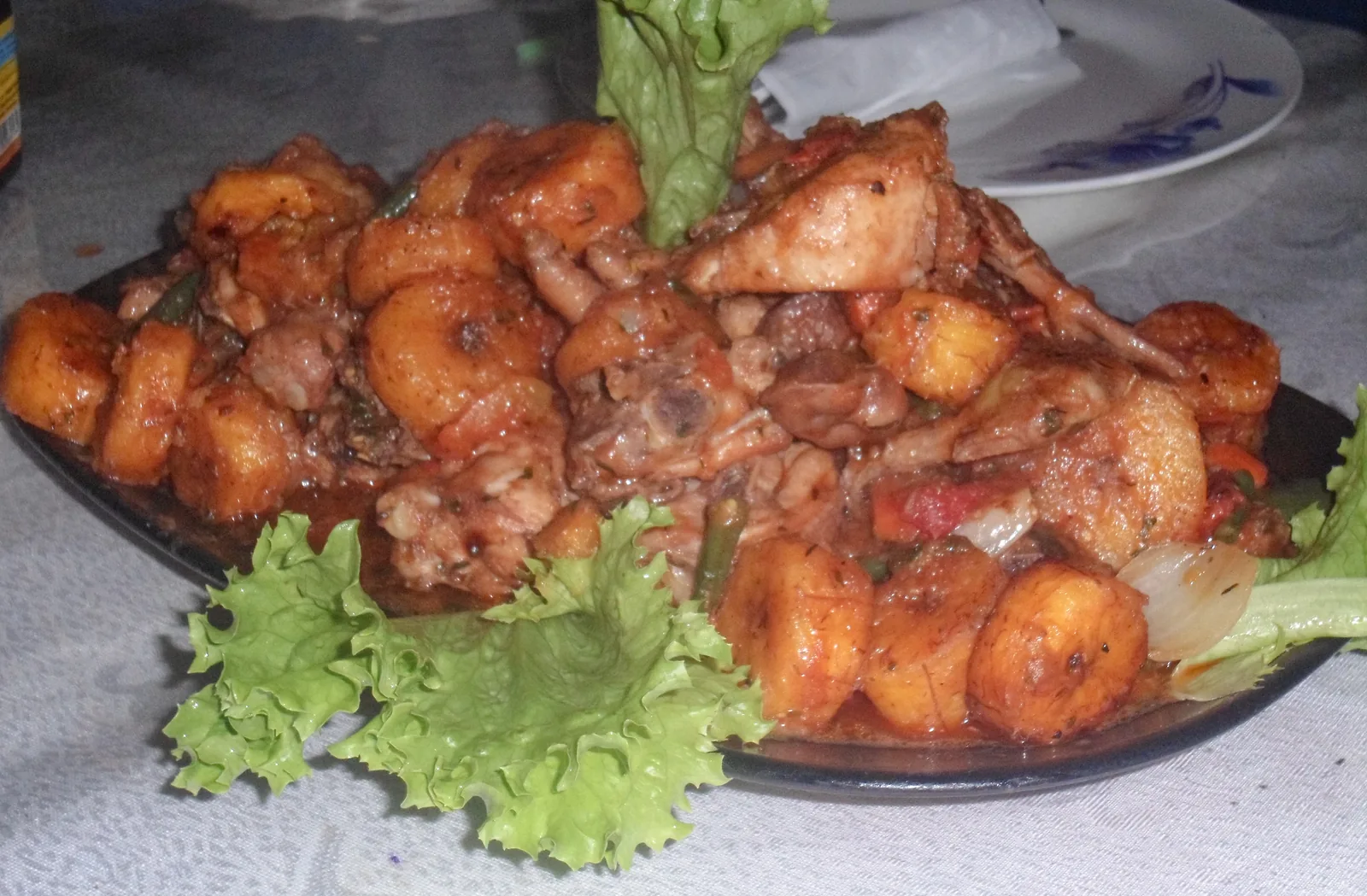
A platter of Cameroonian poulet DG — golden fried chicken and caramelised plantain rounds in tomato sauce with lettuce Cameroon flag Cameroon 1h 15m
Dinner •Douala Heritage

Poulet DG

This poulet dg recipe is Cameroon's celebration chicken: bone-in thighs fried golden, ripe plantains fried until caramelised, and everything tossed together in a tomato, carrot and green bean sauce. One serving is about 625 g.

Comfort & Warmth

Fried chicken and ripe plantain tossed in a tomato sauce with carrots, green beans and peppers.

Pairs Well With
White rice or boiled yam, with a cold drink
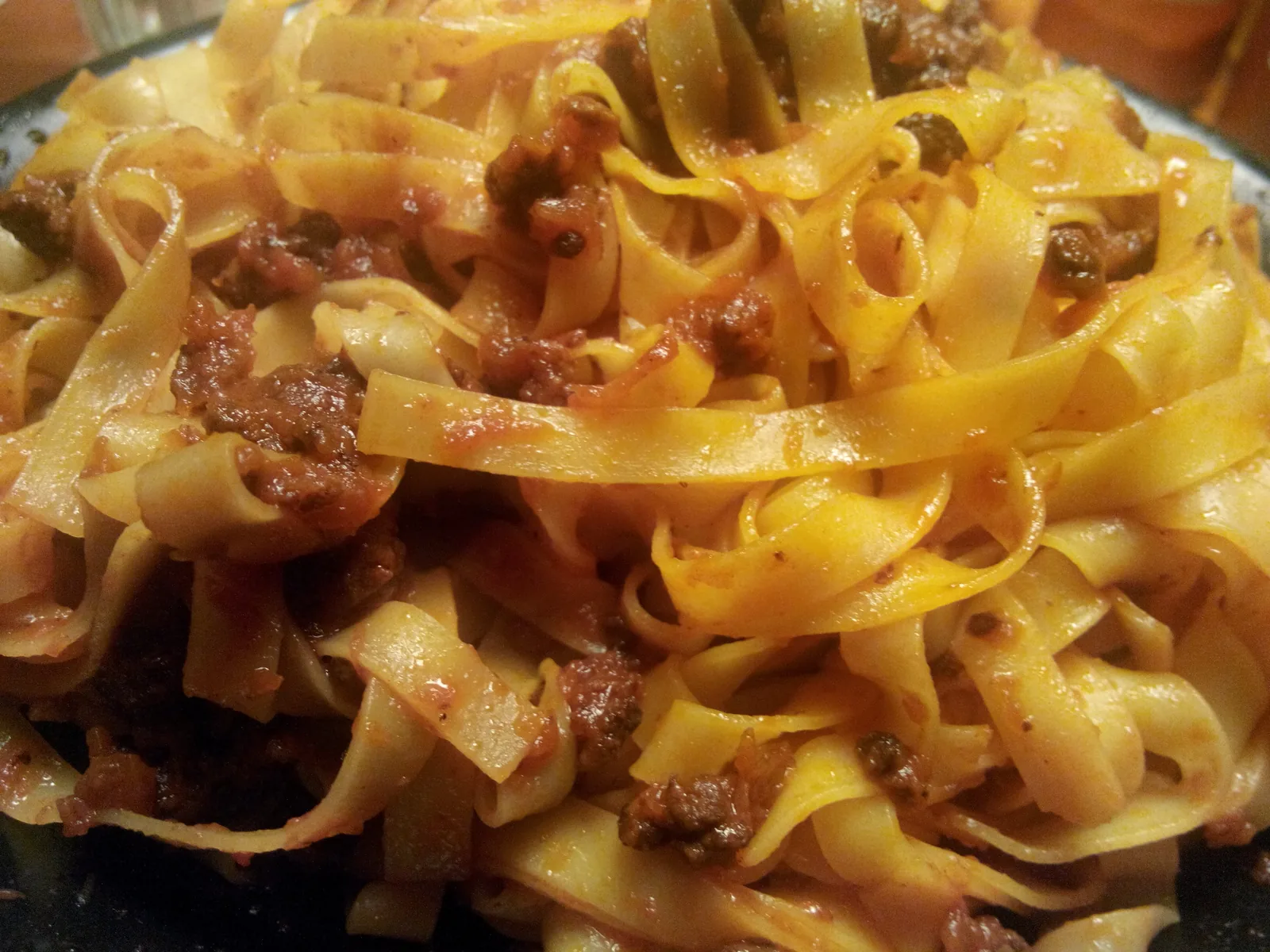
Tagliatelle al ragù Bolognese in a bowl with Parmigiano-Reggiano Italy flag Italy 4h 25m
Lunch •Emilia-Romagna

Tagliatelle al Ragù Bolognese

Slow-braised soffritto and coarse ground heritage meats layered over handmade egg yolk dough for mid-day stamina.

Lean Protein

Slow-simmered beef ragù tossed through fresh egg tagliatelle.

Pairs Well With
Bitter Radicchio & Aged Balsamico di Modena
Pasta & Noodles • High Protein
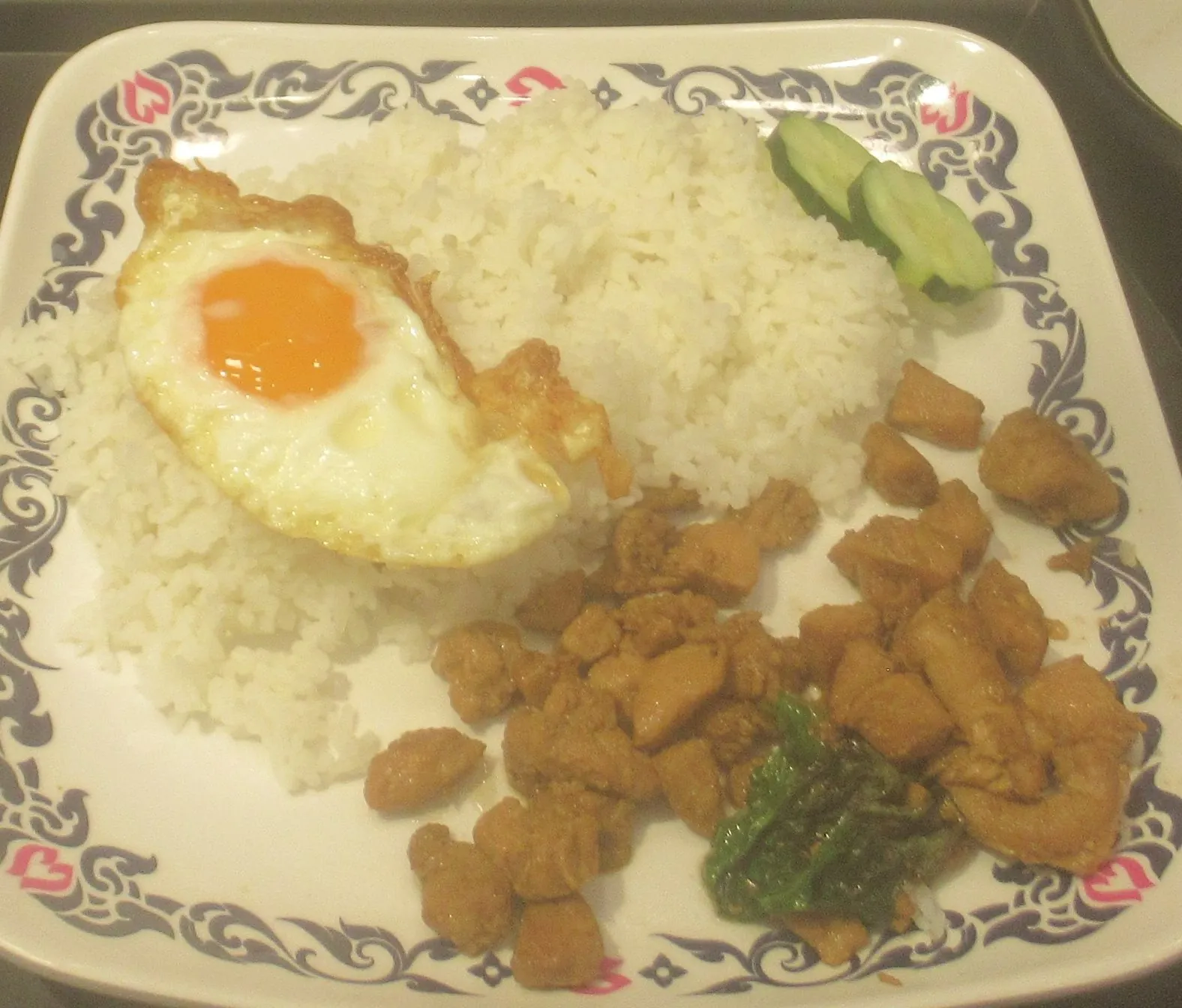
Pad kra pao gai — Thai holy basil chicken with fried egg and rice Thailand flag Thailand 30m
Lunch •Bangkok Street Flame

Pad Kra Pao Gai

High-heat wok flash of holy basil and crushed chillies over minced chicken, served over jasmine rice with a crispy-edged fried egg.

High Energy

Capsaicin brings the heat; holy basil adds a peppery, clove-like aroma.

Pairs Well With
Chilled Cucumber Salad & Fish Sauce Lime Dip
High Protein • Quick Prep (<30m)

The Dinner Gazette

Never wonder what’s for dinner again

One email a week with easy dinner ideas from around the world — ingredients, steps and nutrition, tested in our kitchen first.

Delivered every Thursday morning. Unsubscribe anytime.