
Curated recipes from 193 countries  •  New seasonal Mediterranean issue out now

Overview

Pad Kee Mao

Drunken Noodles

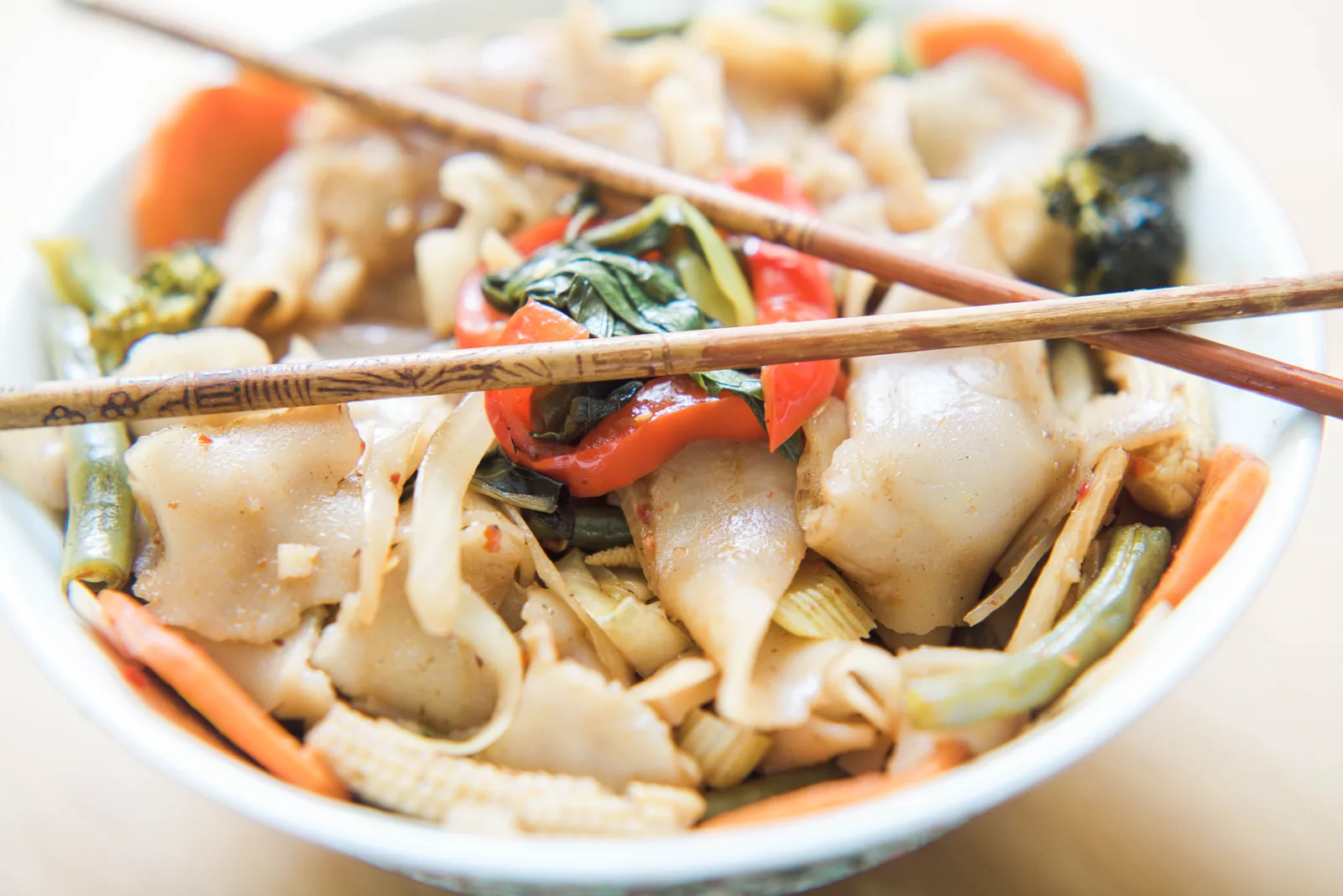
This pad kee mao recipe is Thai drunken noodles: wide, chewy flat rice noodles stir-fried in a blazing wok with chicken, garlic, bird's eye chillies and holy basil. What sets it apart from pad see ew is the heat — pad see ew is sweet and soy-dark, while pad kee mao is fiery, peppery and fragrant with basil, with no sweet sauce to hide behind. One serving is about 420 g.

Pad kee mao means 'drunken noodles' in Thai, and the name comes with a story: the dish is so hot that only a drunk person would dare eat it, or that it was the late-night food of revellers coming home from the bars. Whatever the tale, the dish itself is Bangkok street food through and through — wide flat noodles, garlic, chillies and holy basil thrown into a smoking wok. Unlike its sweet, dark cousin pad see ew, pad kee mao gets its character from fresh chilli heat and the peppery perfume of holy basil.

Pairs well with: A cold Thai iced tea, cucumber slices and a wedge of lime

Provenance

Thailand flag Thailand

Bangkok Street Food

East & South Asia

Time Dedication

32m

20m prep • 12m cook

Batch Yield

4 Servings

477 kcal per serving

1 serving ≈ 420 g

Technical Skill

Intermediate

Intermediate (Wok Stir-Fry)

Meal Timing & Digestive Fit

Breakfast

Not Advised

Lunch

Hearty Midday Main

Dinner

Ideal Hearty Main

Snack & Tea

Inappropriate

Pasta & Noodles Occasions: Family dinners, late-night meals, Thai-themed nights Cost: Low — about $3–4 per serving at home
A bowl of flat rice noodles stir-fried with chicken, red peppers, green beans and basil, with chopsticks resting on top

Bangkok Street Food

Photo: Karl Thomas Moore, CC BY-SA 4.0, via Wikimedia Commons

The Heritage Formulary

Measured Ingredients

Estimated cost: Low — about $3–4 per serving at home (USD)

A good pad kee mao is judged by the wok: smoky noodles, chicken cooked through, and basil that is still fragrant.

Execution Methodology & Culinary Technique

Step-by-Step Cooking Guide

Active 32m
P

Prep Stage: Slice Everything, Mix the Sauce

20 Mins • Slicing & Sauce

Stir-frying moves too fast to chop as you go, so everything is ready before the wok heats: chicken sliced thin, noodles separated, vegetables cut, and the soy sauce, oyster sauce, dark soy, fish sauce and sugar stirred together in one small bowl. The basil goes in last, off the heat, so its fragrance survives.

Maestro Tip: Put every bowl within arm's reach of the stove — once the wok is hot, there is no time to fetch anything.

  1. 1

    Mix the Sauce

    5 Mins Room temperature, 20°C (68°F)

    Stir the soy sauce, oyster sauce, dark soy sauce, fish sauce and sugar together in a small bowl until the sugar dissolves.

    Taste it — it should be salty, a little sweet and deeply savoury.

    Done when: The sugar has dissolved and the sauce is smooth.

  2. 2

    Heat the Wok

    3 Mins High heat, about 220°C (425°F)

    Heat the wok until it just starts to smoke, then add the oil and swirl it around the sides.

    A smoking-hot wok is what gives the noodles their smoky edge — a lukewarm wok steams them instead.

    Done when: The oil shimmers and a drop of water sizzles away at once.

  3. 3

    Fry the Garlic, Chilli and Chicken

    4 Mins High heat, about 220°C (425°F); chicken to 74°C (165°F)

    Add the garlic and chillies and stir for 15 seconds, then add the chicken and spread it out. Leave it to sear for 1 minute before stirring, then stir-fry until the chicken is just cooked through to 74°C (165°F). Push the egg in, scramble it, and mix it through.

    Let the chicken sit and sear — constant stirring stops it browning.

    Done when: The chicken is white through with no pink left.

  4. 4

    Add the Noodles and Vegetables

    3 Mins High heat, about 220°C (425°F)

    Add the noodles, Chinese broccoli stems, carrot, onion and bell pepper. Pour the sauce over everything and toss hard for 2 minutes until the noodles are coated and the stems are just tender.

    Toss with two spatulas and lift from the bottom so the noodles do not break.

    Done when: The noodles are glossy and dark, the vegetables still crisp.

  5. 5

    Finish with Basil

    2 Mins Off the heat; serve hot, 60°C (140°F) or hotter

    Take the wok off the heat, fold in the holy basil leaves and the broccoli leaves, and toss until the basil just wilts. Serve at once with lime wedges.

    Basil off the heat keeps its peppery perfume — cooked basil turns dull.

    Done when: The basil is wilted but still bright green.

Finishing Touches & Plating

Eat it straight from the wok while it is still steaming — the noodles should be smoky, chewy and hot enough to make your lips tingle, with the basil still fragrant on top.

Nutritional Physiology & Benefits

Nutrition

Energy

477

kcal / serving

Protein

38g

Complete AA

Carbs

53g

Complex

Fats

11g

Healthy

Per serving (4 servings · 1 serving ≈ 420 g)
Energy477 kcal
Protein38 g
Carbohydrates53 g
Fat11 g
Fibre4.0 g
Sugar7.1 g
Sodium1340 mg
Per 100g
Energy113 kcal
Protein9.1 g
Carbohydrates12.6 g
Fat2.6 g
Fibre0.9 g
Sugar1.7 g
Sodium319 mg

Nutrition values are estimated — calculated from USDA FoodData Central values for the listed ingredients.

Vitamins & minerals: Vitamin C and A (bell pepper, carrot), vitamin K (holy basil, Chinese broccoli), vitamin B6 (chicken), folate (Chinese broccoli).

High in Protein

Each serving gives about 36 g of protein from the chicken and egg, which makes this a filling dinner after a long day.

Vitamins from the Vegetables

Bell pepper, carrot and Chinese broccoli add vitamin C, vitamin A and folate to the plate.

Fresh Herbs on Top

Holy basil brings a peppery, clove-like fragrance and the greens add fibre without adding heaviness.

Food Pairings

What to Eat With

To optimize nutrient absorption and elevate the sensory depth, pair with these authentic accompaniments:

Drinks

Thai Iced Tea

Sweet, milky iced tea is the classic answer to the chilli heat — it cools the mouth between bites.

Cold Lager

A cold, light lager washes the chilli heat away and suits the smoky noodles.

Vegetables

Cucumber Slices

Cool, crisp cucumber is the simplest heat-breaker on the table and refreshes the palate.

Sides

Lime Wedges

A squeeze of lime brightens the salty sauce and cuts through the wok smoke.

Complete menu

Serve the noodles straight from the wok with cucumber slices, lime wedges and a glass of Thai iced tea.

Digestive Guardrails

What NOT to Combine

To prevent digestive distress, sluggishness, or palate clash, avoid pairing the dish with these elements:

Eating It Undercooked

Chicken must reach 74°C (165°F) inside; undercooked chicken is a food-safety risk. Use a thermometer, not guesswork. This is general guidance, not medical advice.

Piling On Extra Chilli Sauce

The dish is already hot from fresh chillies; extra hot sauce on top pushes the heat past enjoyable and can upset a sensitive stomach.

General information only, not medical advice — consult a doctor for personal dietary decisions.

Who Should Eat It

Who Should Eat

  • General adultsA bold, fiery dinner — smoky noodles, chicken and fresh basil.
  • ChildrenSuitable from age 8+ with far fewer chillies; serve the chillies on the side for younger children.
  • ElderlyGood in a small portion with fewer chillies; the noodles are soft and easy to chew.
  • Pregnant womenGenerally suitable if the chicken is fully cooked through to 74°C (165°F) and eaten freshly cooked.
  • Breastfeeding womenGenerally suitable; the protein supports recovery — keep the chilli moderate.
  • AthletesA good post-training dinner with protein and carbs from the noodles.
  • Weight gainA good choice — add an extra egg and a full portion of noodles.
  • Weight lossA good choice in a single serving — keep the noodles to one plate and load up on the vegetables.

Health Conditions — Adjust or Avoid

Conditions

  • DiabetesThe noodles and sugar add carbs; keep the portion to one plate and ask your clinician about portion size.
  • High blood pressureMost of the sodium is in the soy, oyster and fish sauces; use low-sodium soy sauce if you can. Ask your clinician about a suitable portion.
  • Kidney diseaseThe sauces make this a salty dish; keep the portion modest and balance the plate with cucumber. Ask your clinician about a suitable portion.
  • GoutChicken is moderately high in purines; keep portions modest and occasional. Ask your clinician about a suitable portion.
  • Stomach issuesFresh chillies can irritate a sensitive stomach; eat slowly and use fewer chillies. Ask your clinician if unsure.
  • Cardiovascular diseaseThe noodles and sauces are salty and starchy; keep it occasional and the portion to one serving. Ask your clinician about a suitable portion.
  • Fatty liverA rich, salty noodle dish; keep it occasional and load the plate with vegetables. Ask your clinician about a suitable portion.
  • Food allergiesContains wheat (soy sauce), egg, fish (fish sauce) and shellfish (oyster sauce); check every sauce label. Ask your clinician if you have a wheat, egg, fish or shellfish allergy.
  • Special therapeutic dietsNot suitable for a gluten-free diet as written; tamari and gluten-free oyster sauce can adapt it. Ask your clinician or dietitian before adapting it.

If you have a medical condition, consult your doctor before changing your diet.

Storage & Use

Storage & Use

How to store
Cool quickly and store in an airtight container; keep lime wedges separate.
In the fridge
2 days.
In the freezer
Not recommended — the noodles turn mushy when thawed.
How to reheat
Reheat in a hot wok or pan with a splash of water until steaming; reheat to 74°C (165°F).
Freezing recommended
No — best eaten fresh.
Signs it has spoiled
Sour smell, slimy noodles, or a dull, off colour.

More recipes to explore

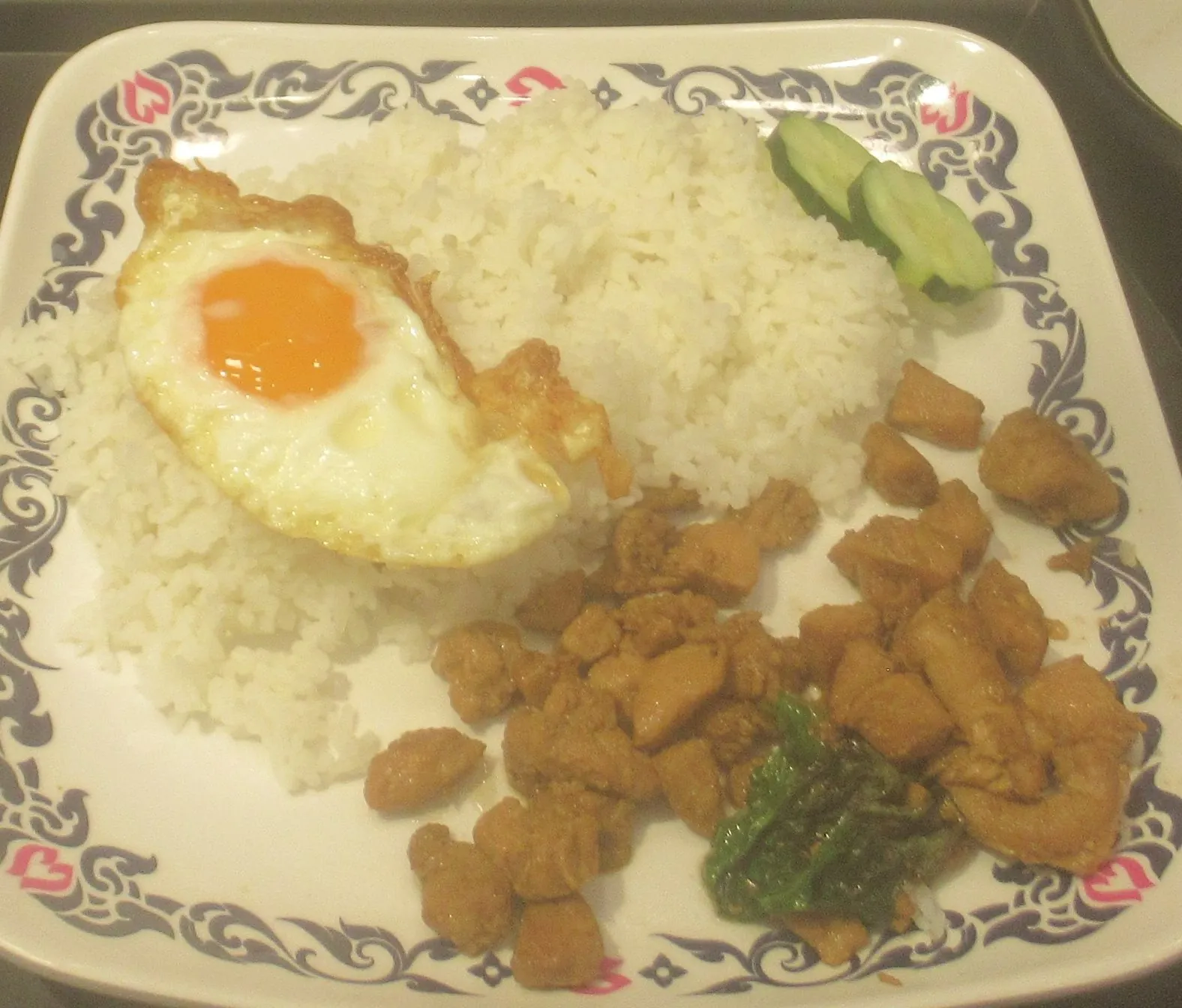
Pad kra pao gai — Thai holy basil chicken with fried egg and rice Thailand flag Thailand 30m
Lunch •Bangkok Street Flame

Pad Kra Pao Gai

High-heat wok flash of holy basil and crushed chillies over minced chicken, served over jasmine rice with a crispy-edged fried egg.

High Energy

Capsaicin brings the heat; holy basil adds a peppery, clove-like aroma.

Pairs Well With
Chilled Cucumber Salad & Fish Sauce Lime Dip
High Protein • Quick Prep (<30m)
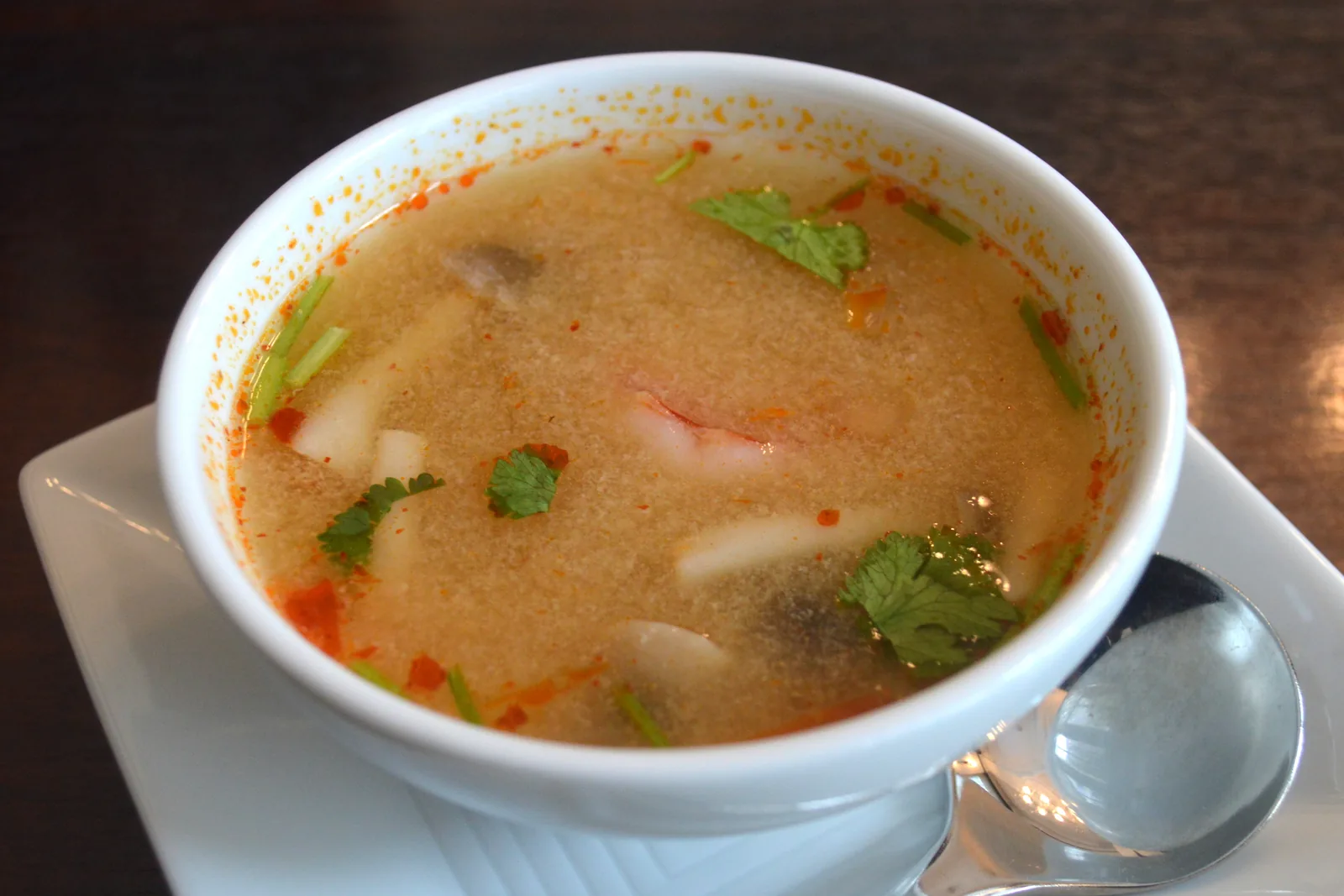
A white bowl of clear tom yum goong with a pink prawn, mushrooms and fresh cilantro Thailand flag Thailand 35m
Lunch •Central Thai Rivers

Tom Yum Goong

This tom yum goong recipe builds a clear, fiery-sour broth from lemongrass, galangal and makrut lime leaves, then finishes it with plump prawns, mushrooms and lime juice. One serving is about 460 g.

Comfort & Warmth

Hot, sour and fragrant prawn soup with lemongrass, galangal and lime.

Pairs Well With
Steamed jasmine rice and a cold Thai iced tea
Soups & Broths • High Protein
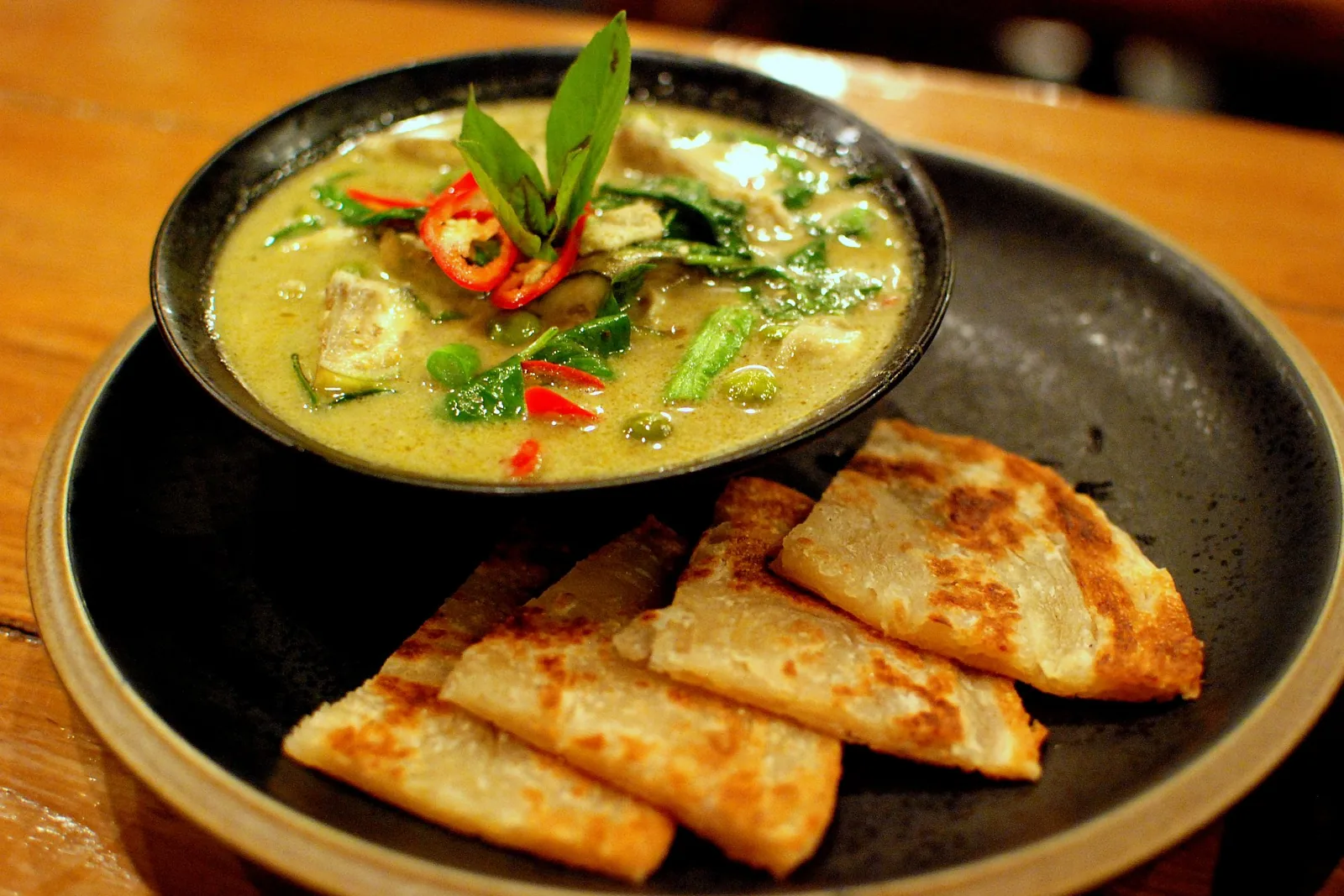
A black bowl of Thai green curry with chicken, Thai basil and red chilli, with roti on the side Thailand flag Thailand 40m
Dinner •Central Thai Classic

Thai Green Curry

This thai green curry recipe simmers chicken in coconut milk with green curry paste, Thai eggplant and bamboo shoots, finished with basil and a squeeze of lime. One serving is about 480 g, rice included.

Comfort & Warmth

Creamy coconut curry with green chillies, Thai basil and tender chicken.

Pairs Well With
Jasmine rice and a cucumber salad
High Protein
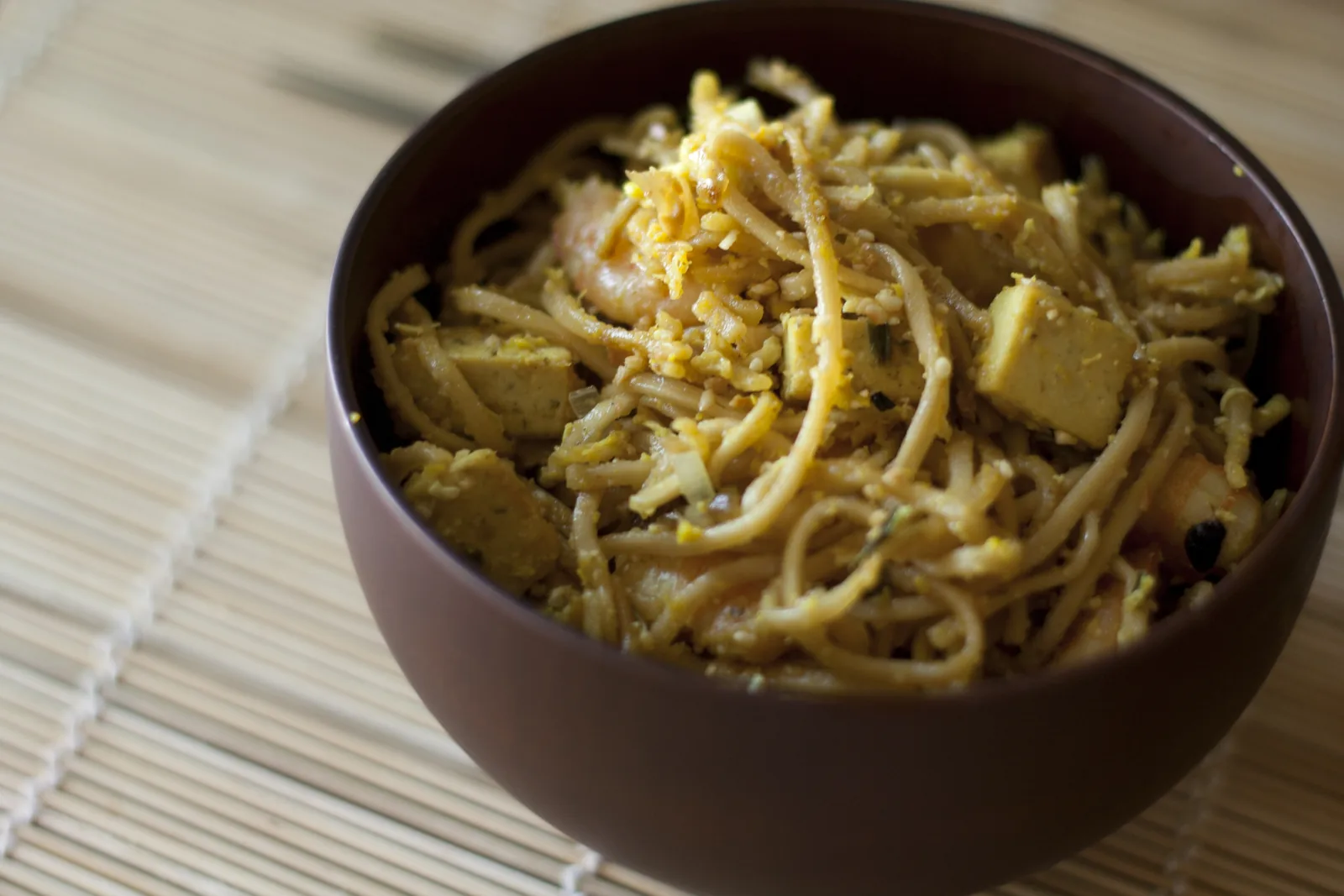
A dark bowl of pad thai with shrimp, tofu and egg, served on a bamboo mat Thailand flag Thailand 35m
Lunch •Thai Street-Food Classic

Pad Thai

This pad thai recipe stir-fries flat rice noodles with shrimp, egg and tofu in a tamarind, fish-sauce and palm-sugar glaze, finished with bean sprouts, peanuts and lime. One serving is about 350 g.

Street-Food Comfort

Stir-fried rice noodles in a sweet, sour and salty tamarind glaze, with shrimp, egg and tofu — the balance of flavours is the whole point.

Pairs Well With
Iced lime tea and a crisp cucumber salad
Pasta & Noodles

The Dinner Gazette

Never wonder what’s for dinner again

One email a week with easy dinner ideas from around the world — ingredients, steps and nutrition, tested in our kitchen first.

Delivered every Thursday morning. Unsubscribe anytime.