Curated recipes from 193 countries  •  New seasonal Mediterranean issue out now

Overview

Pad Thai

Phat Thai, Thai Stir-Fried Rice Noodles

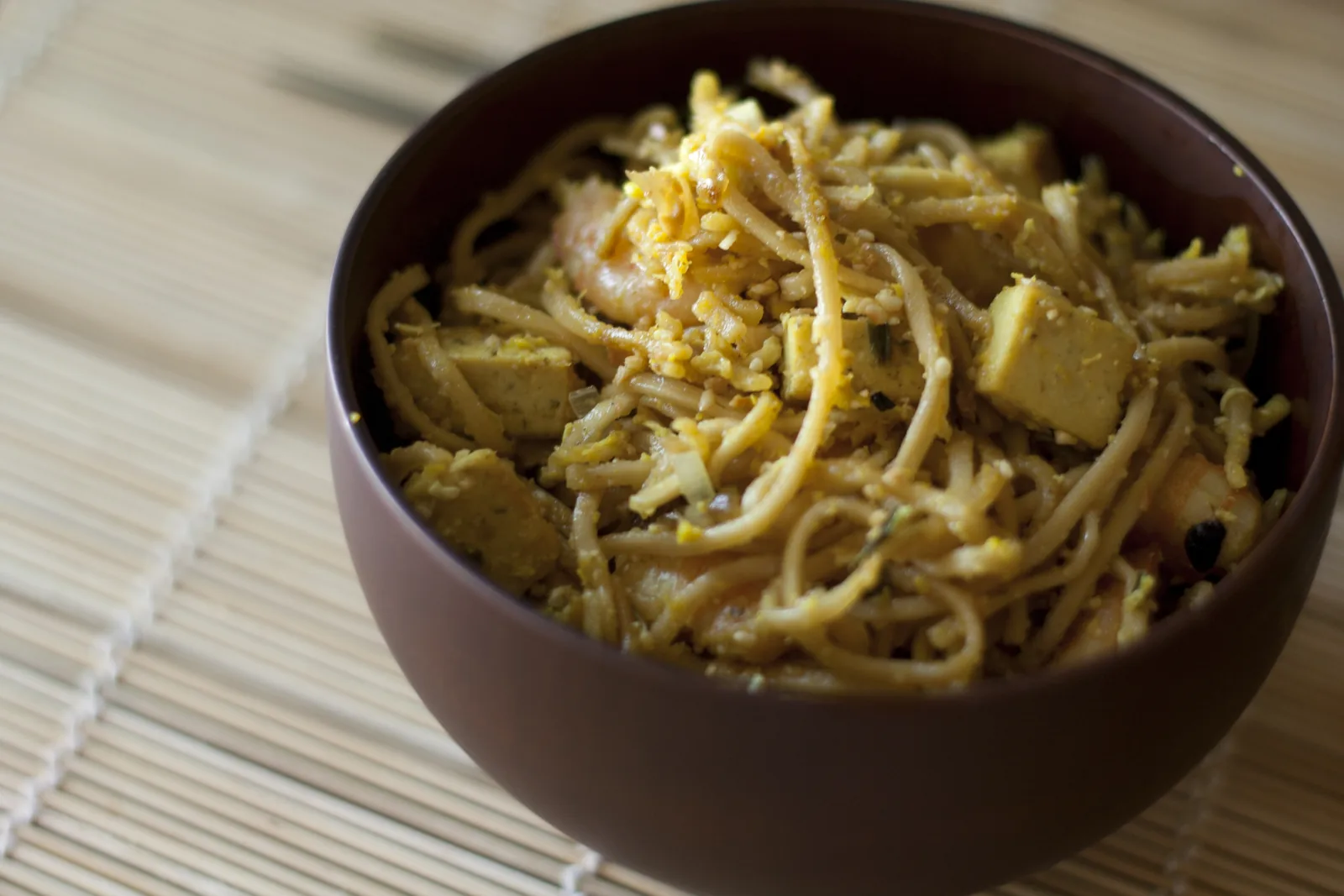
This pad thai recipe stir-fries flat rice noodles with shrimp, egg and tofu in a tamarind, fish-sauce and palm-sugar glaze, finished with bean sprouts, peanuts and lime. One serving is about 350 g.

Pad thai became Thailand's national noodle dish in the late 1930s and 1940s, when the government of Plaek Phibunsongkhram promoted rice noodles as a patriotic, affordable food and vendors gave the dish its name — phat thai, meaning Thai stir-fry. The formula has barely changed since: flat rice noodles, a glaze of tamarind, fish sauce and palm sugar, and toppings of shrimp, egg, tofu, bean sprouts and peanuts. It is now the dish most visitors ask for first in Thailand, and the balance of sweet, sour, salty and hot is what Thai cooks are judged on.

Pairs well with: Iced lime tea and a crisp cucumber salad

Provenance

Thailand flag Thailand

Thai Street-Food Classic

East & South Asia

Time Dedication

35m

20m prep • 15m cook

Batch Yield

4 Servings

531 kcal per serving

1 serving ≈ 350 g

Technical Skill

Intermediate

Intermediate (Wok)

Meal Timing & Digestive Fit

Breakfast

Not Advised

Lunch

Prime Metabolic Fit

Dinner

Ideal Hearty Main

Snack & Tea

Inappropriate

Pasta & Noodles Occasions: Weeknight dinners, Thai-themed meals, lunch with friends, street-food nights at home Cost: Low — about $3–4 per serving at home
A dark bowl of pad thai with shrimp, tofu and egg, served on a bamboo mat

Thai Street-Food Classic

Photo: Luca Nebuloni, CC BY 2.0, via Wikimedia Commons

The Heritage Formulary

Measured Ingredients

Estimated cost: Low — about $3–4 per serving at home (USD)

A good pad thai is judged by the noodles: glossy and separate, never sticky or broken, with the sauce clinging to every strand.

Execution Methodology & Culinary Technique

Step-by-Step Cooking Guide

Active 35m
P

Prep Stage: Soak the Noodles and Mix the Sauce

20 Mins • Soak + Sauce

Soak the rice noodles in warm water until they bend without snapping, then drain them — they finish cooking in the wok, so they must still be firm. While they soak, whisk the fish sauce, tamarind paste, palm sugar and lime juice into a sauce, and cut the shrimp, tofu, chives and peanuts. Everything must be ready before the wok gets hot, because pad thai cooks in minutes.

Maestro Tip: Under-soak the noodles on purpose — soft noodles in the wok turn to mush, and there is no way back.

  1. 1

    Soak the Noodles

    10 Mins Warm water, about 40°C (104°F)

    Put the rice noodles in a large bowl and cover with warm water. Soak for 8–10 minutes until they are pliable but still firm in the middle, then drain well and set aside.

    Test a strand by bending it — it should flex without snapping, and still feel firm when you bite it.

    Done when: The noodles bend easily but still have a firm, chalky centre.

  2. 2

    Mix the Pad Thai Sauce

    5 Mins Room temperature, about 20°C (68°F)

    Whisk the fish sauce, tamarind paste, palm sugar and lime juice in a small bowl until the sugar dissolves. Taste it: it should be clearly sweet, sour and salty all at once, with no single note winning.

    If the tamarind is very sour, add another teaspoon of palm sugar; if it is mild, add a squeeze more lime.

    Done when: The sauce tastes balanced — sweet, sour and salty in the same spoonful.

  3. 3

    Fry the Shrimp and Tofu

    5 Mins High heat, oil about 180°C (350°F)

    Heat the oil in a wok or large frying pan over high heat until it shimmers. Fry the tofu cubes for 2 minutes until golden, then add the shrimp and garlic and fry for 2 more minutes until the shrimp turn pink and opaque.

    Do not crowd the wok — shrimp steamed in their own juice turn rubbery instead of seared.

    Done when: The shrimp are pink and opaque all the way through, reading 63°C (145°F).

  4. 4

    Scramble the Egg and Add the Noodles

    5 Mins High heat, about 200°C (390°F)

    Push the shrimp and tofu to one side of the wok and pour the beaten eggs into the empty space. Scramble them for 30 seconds until just set, then add the drained noodles and the sauce, and toss everything together for 2 minutes.

    Break the egg into soft ribbons as you toss — big chunks of omelette are not what you want here.

    Done when: The noodles are coated in sauce and hot all the way through.

  5. 5

    Toss with Sprouts and Chives

    5 Mins High heat, about 200°C (390°F)

    Add half the bean sprouts, the garlic chives and the dried shrimp, and toss for 1 minute more — just long enough to heat the sprouts without wilting them. The noodles should be glossy and separate, never sticky or broken.

    If the noodles look dry, splash in a tablespoon of water; if they look wet, toss for another 30 seconds over high heat.

    Done when: The noodles are glossy, separate and tender, with the sprouts still crisp.

  6. 6

    Serve with Peanuts and Lime

    5 Mins Serve hot, about 70°C (158°F)

    Divide the noodles between four warm plates. Top each with the remaining bean sprouts, the crushed peanuts and the chilli flakes, and put the lime wedges on the side for squeezing at the table.

    Serve at once — pad thai left standing in the wok keeps cooking and the noodles clump together.

    Done when: The plate is steaming, the peanuts and sprouts sit visibly on top, and the lime is ready to squeeze.

Finishing Touches & Plating

Divide the noodles between warm plates, top with the remaining bean sprouts and crushed peanuts, and serve at once with lime wedges and chilli flakes on the side — a squeeze of lime at the table wakes the whole dish up.

Nutritional Physiology & Benefits

Nutrition

Energy

531

kcal / serving

Protein

28g

Complete AA

Carbs

69g

Complex

Fats

17g

Healthy

Per serving (4 servings · 1 serving ≈ 350 g)
Energy531 kcal
Protein28 g
Carbohydrates69 g
Fat17 g
Fibre4.1 g
Sugar16.6 g
Sodium808 mg
Per 100g
Energy152 kcal
Protein8 g
Carbohydrates19.8 g
Fat4.7 g
Fibre1.2 g
Sugar4.7 g
Sodium231 mg

Nutrition values are estimated — calculated from USDA FoodData Central values for the listed ingredients.

Vitamins & minerals: Vitamin C and folate (bean sprouts, lime), vitamin B12 and selenium (shrimp, egg), iron (tofu, egg), vitamin E (peanuts).

Balanced and Satisfying

Sweet, sour, salty and hot in one plate, with shrimp, egg and tofu for protein — a complete meal that does not need a side dish to feel finished.

High in Protein

Shrimp, egg, tofu and peanuts together give about 28 g of protein per serving, so one plate keeps you full for hours.

Fresh Vegetables in Every Bite

Bean sprouts, garlic chives and lime add crunch, vitamin C and freshness that lighten the rich, sweet-savoury sauce.

Food Pairings

What to Eat With

To optimize nutrient absorption and elevate the sensory depth, pair with these authentic accompaniments:

Vegetables

Cucumber Salad

Cool, crisp cucumber with a little vinegar and sugar cuts through the rich tamarind glaze and refreshes the palate between bites.

Drinks

Iced Lime Tea

Cold, sour and lightly sweet, it cools the chilli heat without fighting the tamarind and fish sauce.

Sides

Chicken Satay Skewers

A small, smoky skewer with peanut sauce adds a second, savoury layer to the meal and matches the peanuts already in the noodles.

Full Menus

As Part of a Thai Meal

Serve the pad thai beside a small green papaya salad and a clear soup — the classic Thai balance of hot, sour, salty and sweet across the table.

Complete menu

Serve the pad thai as the main plate with a crisp cucumber salad and iced lime tea on the side, and finish with fresh mango — the classic Bangkok street-stall lunch.

Digestive Guardrails

What NOT to Combine

To prevent digestive distress, sluggishness, or palate clash, avoid pairing the dish with these elements:

Very Sweet Drinks With the Meal

Pad thai is already sweet from the palm sugar; a sugary soda on top can leave you feeling heavy and thirsty. Plain water or unsweetened iced tea is a kinder match. This is general guidance, not medical advice.

Reheating the Noodles Again and Again

Rice noodles go mushy and the shrimp toughen with every reheat, and rice left at room temperature can grow Bacillus cereus. Eat the pad thai fresh, and reheat leftovers once only, until steaming hot at 74°C (165°F).

General information only, not medical advice — consult a doctor for personal dietary decisions.

Who Should Eat It

Who Should Eat

  • General adultsA complete, filling lunch — noodles, shrimp, egg and tofu in one plate. Use less palm sugar if you prefer it less sweet.
  • ChildrenSuitable from age 6+ with the chilli left out and the shrimp cut small; check for peanut, egg, soy and shellfish allergy first.
  • ElderlySoft noodles and tender shrimp are easy to eat; keep the chilli mild and the portion moderate because of the salt.
  • Pregnant womenGenerally suitable if the shrimp is cooked through until pink and opaque at 63°C (145°F) and the egg is fully set.
  • Breastfeeding womenGenerally suitable; the protein and energy support recovery — keep the chilli comfortable and drink water with the meal.
  • AthletesA strong post-training meal: plenty of carbohydrate and protein, plus salt and fluids. Eat it after, not just before, hard exercise.
  • Weight gainA good choice — the plate is energy-dense; add a chicken satay skewer or a second egg to build it up.
  • Weight lossA heavy choice at about 531 kcal — share the noodles, load up on bean sprouts and cucumber, and use half the peanuts.

Health Conditions — Adjust or Avoid

Conditions

  • DiabetesThe noodles and palm sugar raise blood sugar — keep the noodle portion modest and skip extra sugar in the sauce. Ask your clinician about portion size.
  • High blood pressureMost of the sodium sits in the fish sauce and dried shrimp; use less fish sauce and low-sodium soy sauce instead. Ask your clinician about a suitable portion.
  • Kidney diseaseLimit the fish sauce and the salty seasonings; the protein load is also high for one meal. Ask your clinician about portion size.
  • GoutEat occasionally and in smaller portions — shrimp and dried shrimp are moderately high in purines.
  • Stomach issuesChilli, tamarind and fish sauce can irritate a sensitive stomach — use a mild version with less chilli and tamarind, and a smaller portion.
  • Cardiovascular diseaseThe dish is moderate in fat, but the sodium is high; enjoy it occasionally and in a modest portion, with extra vegetables. Ask your clinician about frequency.
  • Fatty liverKeep the portion modest and favour the shrimp, sprouts and chives over the sweet sauce; save it for an occasional meal. Ask your clinician.
  • Food allergiesContains shellfish (shrimp, dried shrimp), egg, peanut, soy (in some fish sauces) and fish (fish sauce). Rice noodles are usually gluten-free, but check the label.
  • Special therapeutic dietsIf you follow a prescribed low-sodium or low-sugar diet, use less fish sauce and palm sugar and more lime, and check with your clinician.

If you have a medical condition, consult your doctor before changing your diet.

Storage & Use

Storage & Use

How to store
Cool quickly and store in an airtight container in the fridge; keep the lime wedges and peanuts separate.
In the fridge
Cooked pad thai 2 days; the noodles soften and clump.
In the freezer
Not recommended — rice noodles turn mushy when thawed.
How to reheat
Reheat once only in a hot wok or microwave until steaming throughout, to 74°C (165°F). Add a splash of water to loosen the noodles.
Freezing recommended
No — the noodles and bean sprouts do not freeze well.
Signs it has spoiled
Sour or off smell, slimy noodles, or shrimp that smell of ammonia.

More recipes to explore

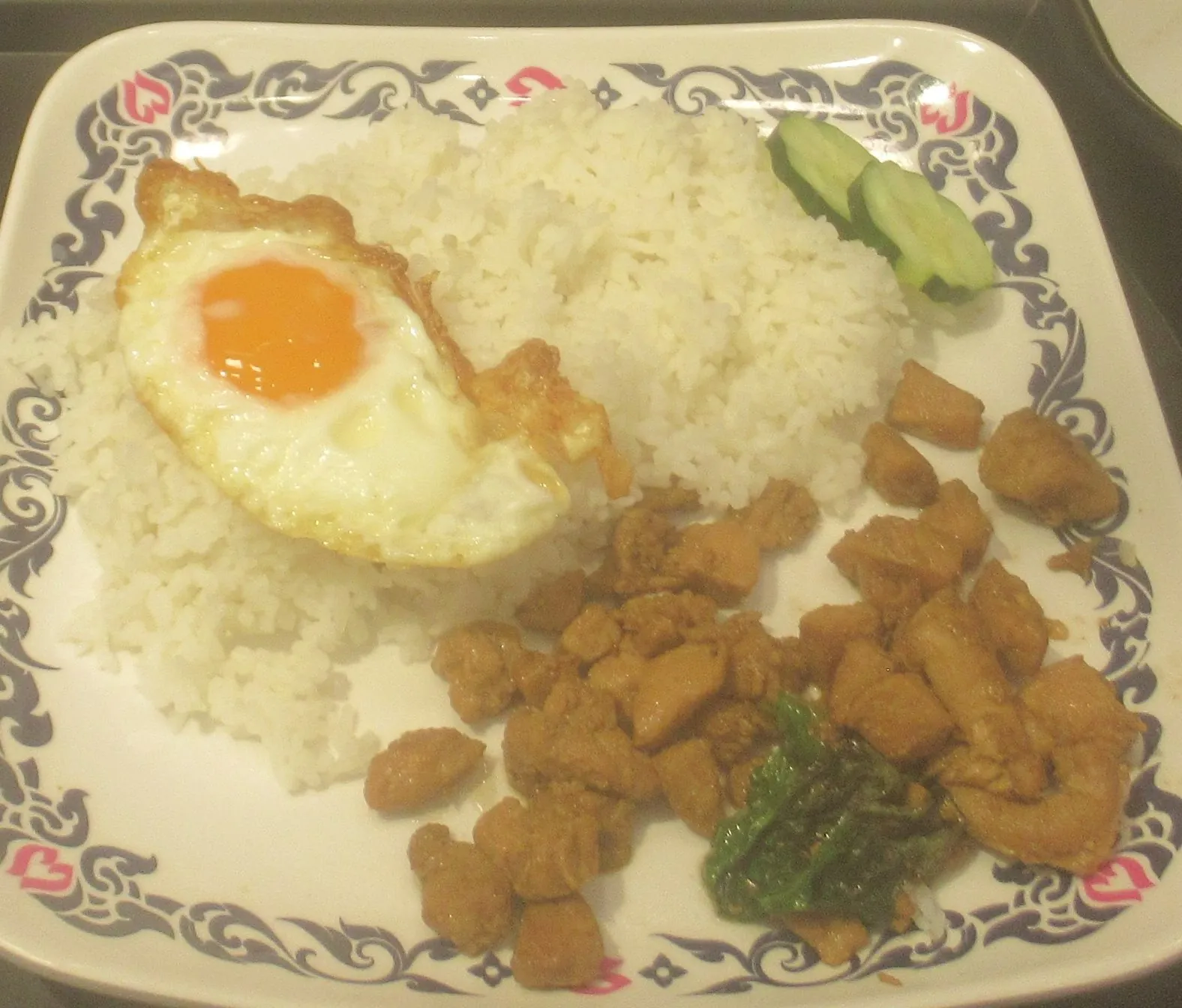
Pad kra pao gai — Thai holy basil chicken with fried egg and rice Thailand flag Thailand 30m
Lunch •Bangkok Street Flame

Pad Kra Pao Gai

High-heat wok flash of holy basil and crushed chillies over minced chicken, served over jasmine rice with a crispy-edged fried egg.

High Energy

Capsaicin brings the heat; holy basil adds a peppery, clove-like aroma.

Pairs Well With
Chilled Cucumber Salad & Fish Sauce Lime Dip
High Protein • Quick Prep (<30m)
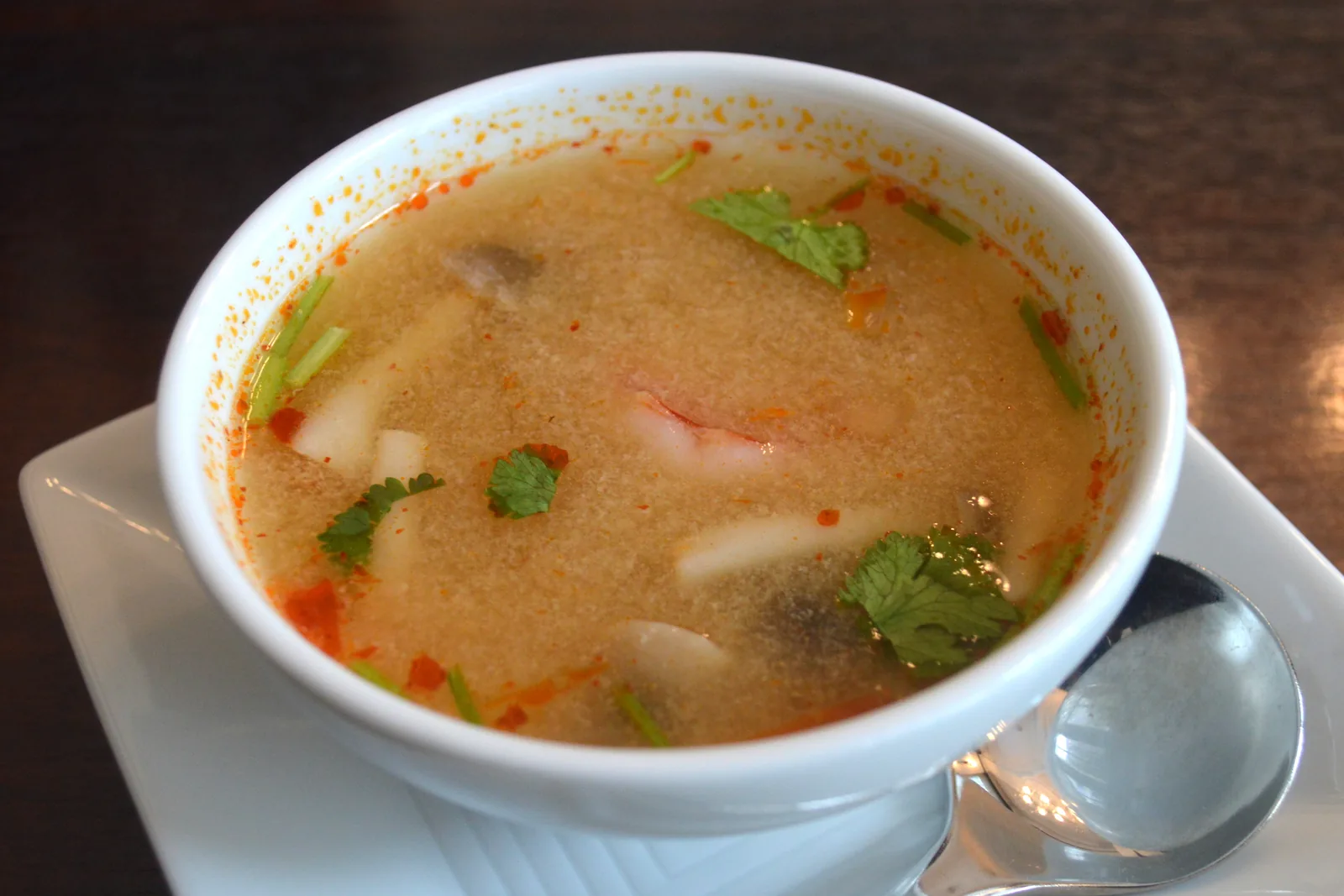
A white bowl of clear tom yum goong with a pink prawn, mushrooms and fresh cilantro Thailand flag Thailand 35m
Lunch •Central Thai Rivers

Tom Yum Goong

This tom yum goong recipe builds a clear, fiery-sour broth from lemongrass, galangal and makrut lime leaves, then finishes it with plump prawns, mushrooms and lime juice. One serving is about 460 g.

Comfort & Warmth

Hot, sour and fragrant prawn soup with lemongrass, galangal and lime.

Pairs Well With
Steamed jasmine rice and a cold Thai iced tea
Soups & Broths • High Protein
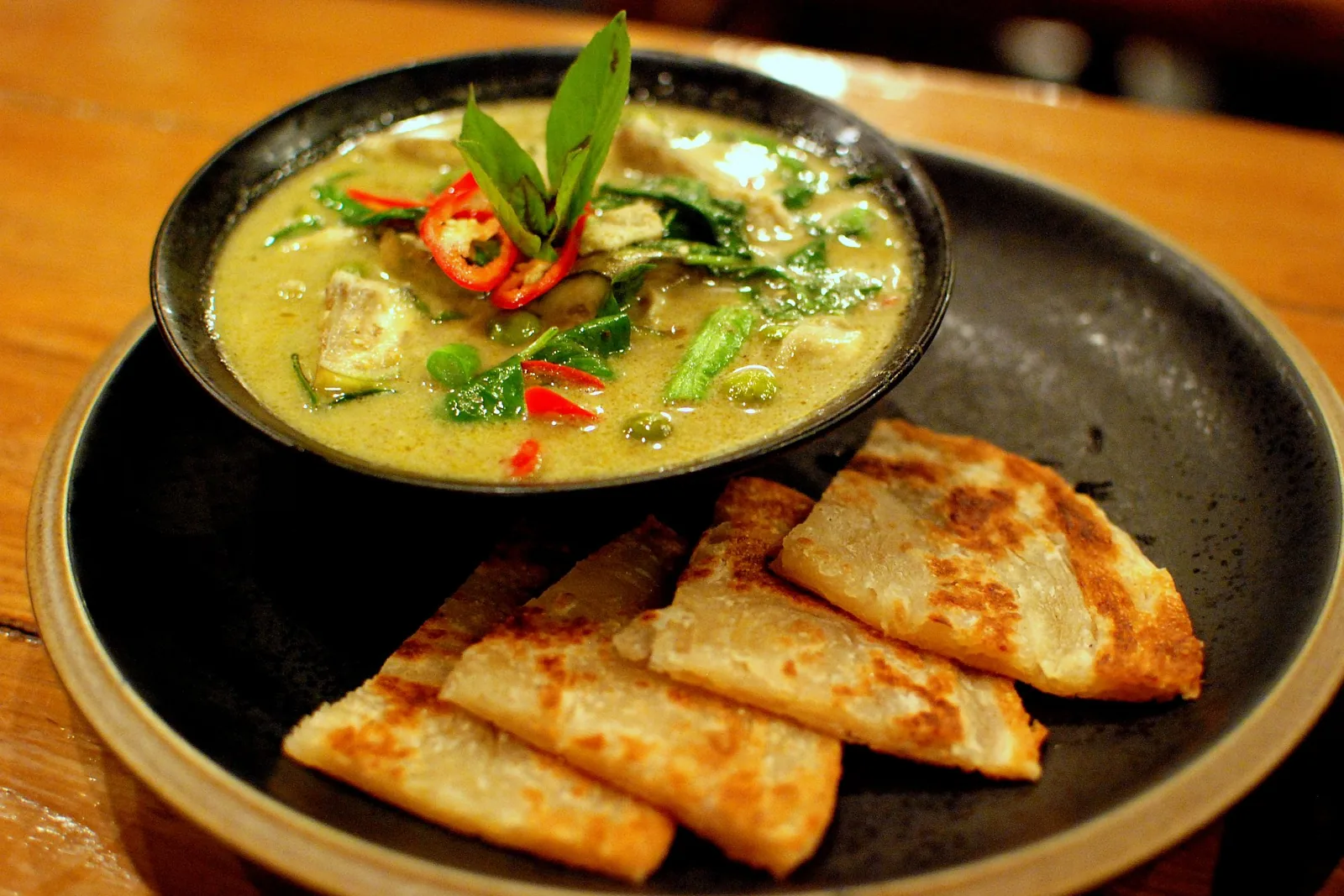
A black bowl of Thai green curry with chicken, Thai basil and red chilli, with roti on the side Thailand flag Thailand 40m
Dinner •Central Thai Classic

Thai Green Curry

This thai green curry recipe simmers chicken in coconut milk with green curry paste, Thai eggplant and bamboo shoots, finished with basil and a squeeze of lime. One serving is about 480 g, rice included.

Comfort & Warmth

Creamy coconut curry with green chillies, Thai basil and tender chicken.

Pairs Well With
Jasmine rice and a cucumber salad
High Protein
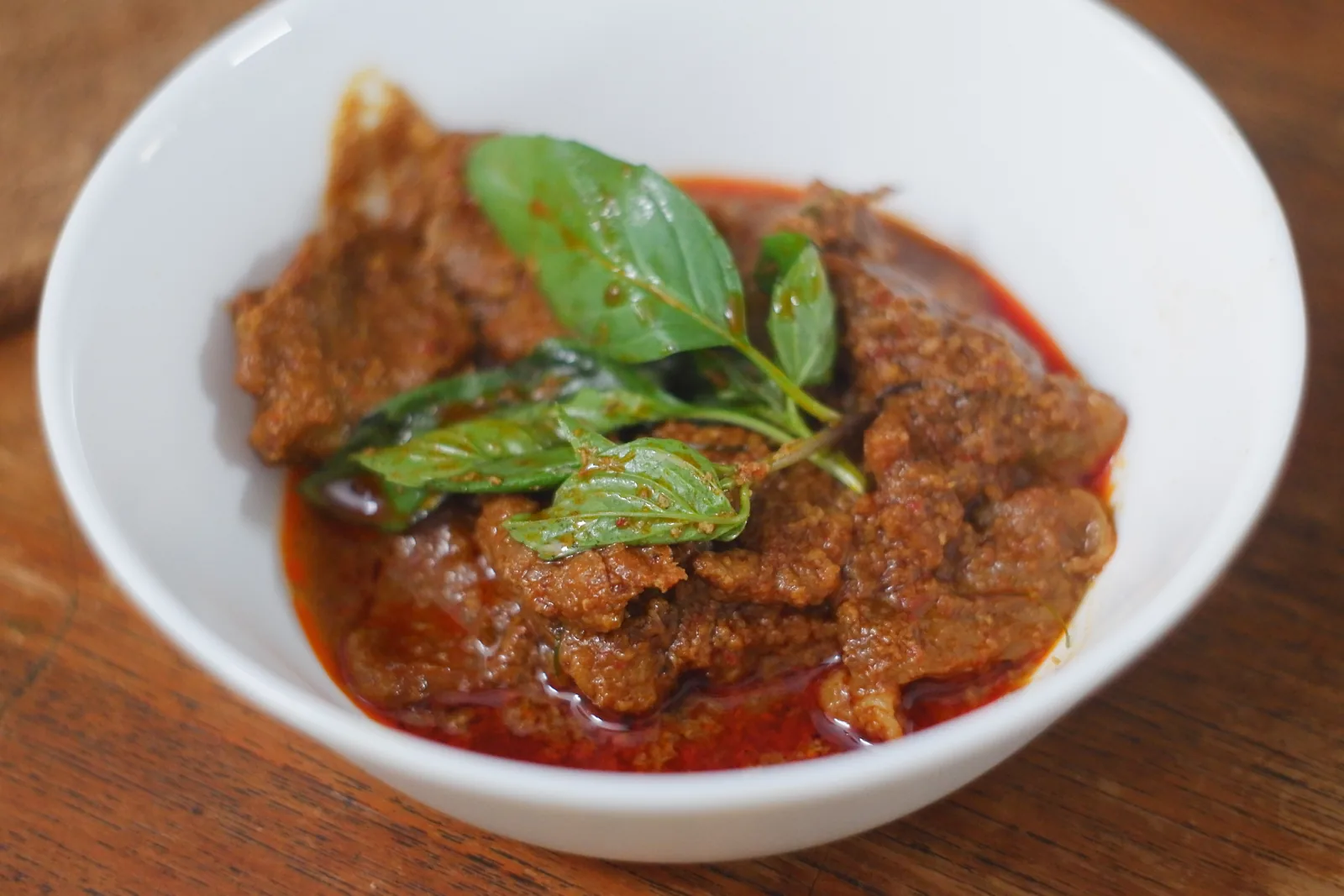
A white bowl of thick reddish panang curry topped with fresh Thai basil leaves Thailand flag Thailand 40m
Dinner •Central Thai Classic

Panang Curry

This panang curry recipe fries panang paste in thick coconut cream until the oil separates, then simmers chicken in it until the sauce is thick enough to coat a spoon. Peanut butter, palm sugar and fish sauce give it its nutty, sweet-salty balance, finished with makrut lime leaf, chili and Thai basil. One serving is about 455 g — curry with jasmine rice.

Comfort & Warmth

Thick, creamy coconut curry with chicken, peanuts and makrut lime — milder and richer than Thai green or red curry, and one of the most approachable Thai curries.

Pairs Well With
Steamed jasmine rice

The Dinner Gazette

Never wonder what’s for dinner again

One email a week with easy dinner ideas from around the world — ingredients, steps and nutrition, tested in our kitchen first.

Delivered every Thursday morning. Unsubscribe anytime.