Curated recipes from 193 countries  •  New seasonal Mediterranean issue out now

Overview

Pai Tee

Kuih Pie Tee, Nyonya Top Hats, Selat Popiah, Top Hat Cups

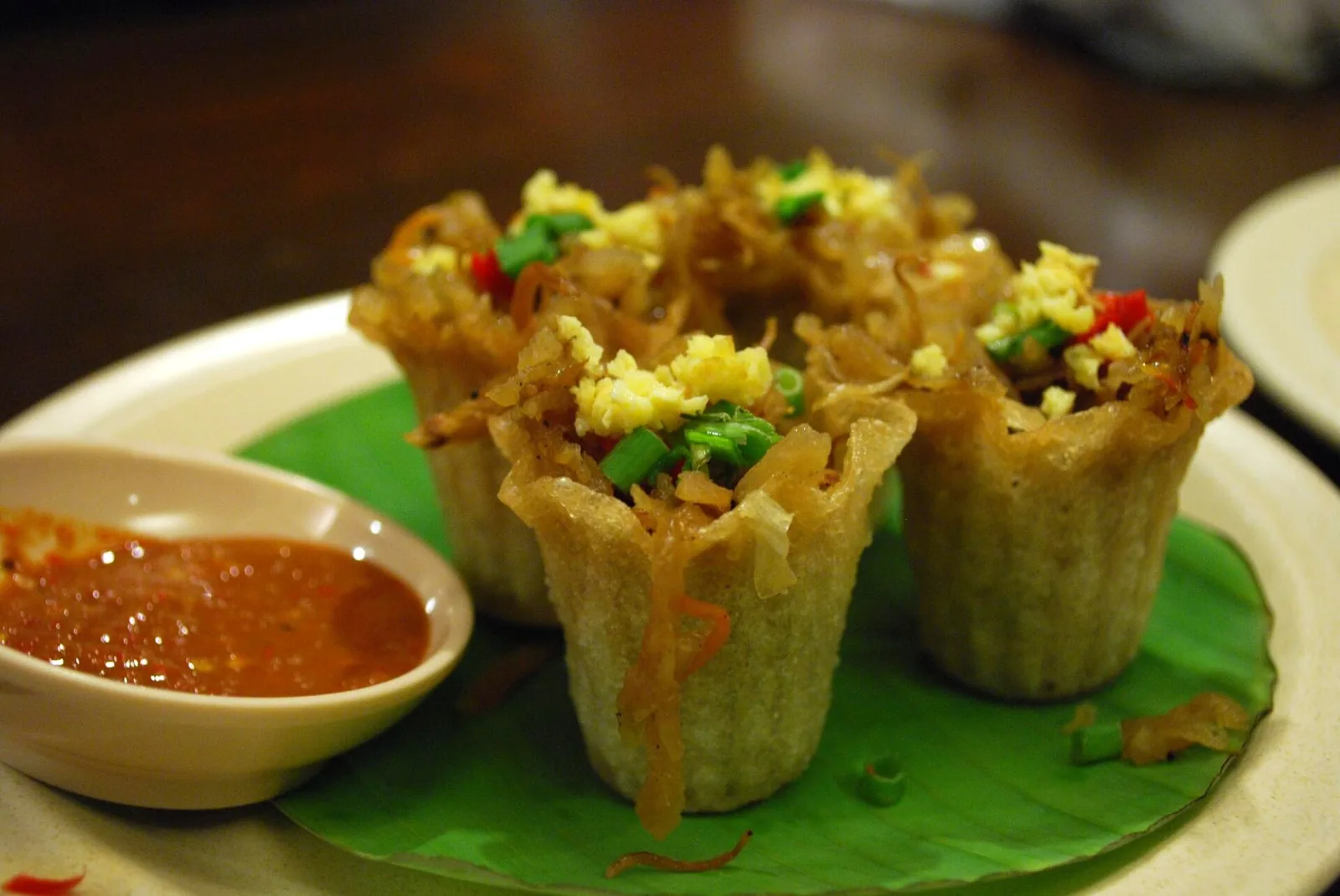
This pai tee recipe makes 24 crisp Nyonya top-hat cups: a thin rice-flour batter fried on a brass mould until lacy and golden, then filled with a warm, sweet-savoury stir-fry of jicama, carrot and French beans and topped with omelette strips, scallions and chilli. One serving is about 190 g — four filled cups — with sweet chilli sauce on the side.

Pai tee is a Peranakan, or Nyonya, snack from the Strait of Malacca, where Chinese immigrant families married Malay cooking and created a cuisine of their own. The name comes from the little brass mould: dipped in batter and fried, it makes a cup shaped like a top hat. The filling is the same sweet jicama stir-fry used for fresh popiah, and the cups are filled at the table, so they stay crisp. They are party food — made for birthdays, weddings and festive gatherings across Malaysia and Singapore.

Pairs well with: Sweet chilli sauce and hot tea

Provenance

Malaysia flag Malaysia

Nyonya Heritage Snack

East & South Asia

Time Dedication

1h 25m

45m prep • 40m cook

Batch Yield

6 Servings

387 kcal per serving

1 serving ≈ 190 g

Technical Skill

Advanced

Hard (Mould & Fry)

Meal Timing & Digestive Fit

Breakfast

Not Advised

Lunch

Inappropriate

Dinner

Inappropriate

Snack & Tea

Ideal Light Bite

Occasions: Parties, birthdays, festive gatherings, afternoon tea, potlucks Cost: Low — about $1–2 per serving at home
Golden pai tee top-hat cups filled with jicama and egg on a banana leaf with chilli sauce

Nyonya Heritage Snack

Photo: Alpha from Melbourne, Australia, CC BY-SA 2.0, via Wikimedia Commons

The Heritage Formulary

Measured Ingredients

Estimated cost: Low — about $1–2 per serving at home (USD)

A traditional Nyonya snack: lacy fried cups filled with a sweet-crisp jicama stir-fry, filled at the table so they stay crisp.

Execution Methodology & Culinary Technique

Step-by-Step Cooking Guide

Active 1h 25m
P

Make the batter and shred the filling

20 minutes, plus 30 minutes resting

Whisk the rice flour, plain flour and cornstarch with the salt and sugar, then whisk in the beaten egg and cold water until the batter is as thin as crepe batter. Strain it and rest for 30 minutes. Meanwhile peel and shred the jicama and carrot, slice the beans, shallots and chilli, and mince the garlic.

Maestro Tip: Strain the batter — even a small lump will clog the mould and make a thick, heavy cup.

  1. 1

    Make and rest the batter

    15 minutes Room temperature (21°C / 70°F)

    Whisk the flours and cornstarch with the salt and sugar, then whisk in the beaten egg and cold water until smooth and thin, like crepe batter. Strain through a fine sieve into a jug and rest for 30 minutes.

    The batter should coat the back of a spoon thinly and run off in a ribbon — add a spoon of water if it feels thick.

    Done when: The batter is smooth, lump-free and thin.

  2. 2

    Cook the jicama filling

    15 minutes Medium-high heat (200°C / 400°F)

    Heat the 15 ml of oil in a wok, soften the shallots for 2 minutes, add the garlic and cook for 30 seconds more. Add the jicama, carrot and beans, stir-fry for 5 minutes, then add the soy sauce, sugar, salt and white pepper and cook 3 minutes more until the vegetables are just tender and still crisp. Tip into a bowl.

    Do not overcook the filling — it should stay crisp, and it softens further in the warm cup.

    Done when: The filling is tender-crisp, glossy and well seasoned.

  3. 3

    Fry the omelette and cut strips

    8 minutes Medium heat (180°C / 350°F)

    Beat the 2 eggs with a pinch of salt. Fry in a lightly oiled non-stick pan over medium heat for about 2 minutes per side until just set, then slide out, roll up and cut into thin strips.

    Keep the omelette thin — a thick omelette overwhelms the little cups.

    Done when: The omelette is pale gold, thin and cut into neat strips.

  4. 4

    Heat the oil and the mould

    5 minutes Medium-high heat (180°C / 350°F)

    Heat the deep-frying oil to 180°C (350°F). Dip the pie tee mould into the hot oil for 30 seconds so it is fully heated — a cold mould will not hold the batter.

    Test the oil with a drop of batter: it should sizzle and rise at once without browning instantly.

    Done when: The oil is at 180°C and the mould is hot.

  5. 5

    Fry the cups

    25 minutes 180°C (350°F)

    Dip the hot mould into the batter up to, but not over, the rim, then plunge it straight into the oil and hold for a few seconds until the batter sets. Jiggle gently to release the cup, fry for 1–2 minutes until golden and crisp, then lift out and drain upside down on a rack. Reheat the mould and repeat for about 24 cups.

    Never let the batter go over the rim of the mould or the cup will not release. Work steadily — the cups fry fast.

    Done when: Each cup is golden, lacy at the edge, crisp, and holds its shape.

  6. 6

    Fill and serve

    10 minutes Room temperature (21°C / 70°F)

    Fill each cup just before serving with a spoonful of the warm jicama filling, top with omelette strips, scallions and a slice of chilli, and serve at once with the sweet chilli sauce on the side.

    Fill only as many as you will eat right away — the filling makes the cups soggy within minutes.

    Done when: The cups are crisp, generously filled and topped, and served immediately.

Finishing Touches & Plating

Serve the filled cups at once on a banana leaf or a platter, with the sweet chilli sauce in a small bowl on the side. Keep the spare cups and the filling separate until the moment they are eaten.

Nutritional Physiology & Benefits

Nutrition

Energy

387

kcal / serving

Protein

8g

Complete AA

Carbs

55g

Complex

Fats

15g

Healthy

Per serving (6 servings · 1 serving ≈ 190 g)
Energy387 kcal
Protein8 g
Carbohydrates55 g
Fat15 g
Fibre6.8 g
Sugar9.7 g
Sodium544 mg
Per 100g
Energy204 kcal
Protein4.1 g
Carbohydrates28.8 g
Fat8.1 g
Fibre3.6 g
Sugar5.1 g
Sodium286 mg

Nutrition values are estimated — calculated from USDA FoodData Central values for the listed ingredients.

Vitamins & minerals: Jicama, carrot and French beans supply vitamin C, vitamin A, vitamin K and folate, and the eggs add B vitamins. All nutrition values are estimated.

Vegetables in every bite

Jicama, carrot and French beans bring about 6.8 g of fibre per serving, along with vitamin C, vitamin A and folate.

Light for a fried snack

At about 387 calories and 7.8 g of protein per serving of four cups, pai tee is a satisfying snack without being heavy.

Jicama, the crisp root

Jicama is mostly water and fibre, so it adds crunch and sweetness to the filling for very few calories.

Food Pairings

What to Eat With

To optimize nutrient absorption and elevate the sensory depth, pair with these authentic accompaniments:

Drinks

Hot tea

Unsweetened hot tea — jasmine or oolong — cleanses the palate between the crisp, oily cups.

Vegetables

Cucumber and lettuce

Cool cucumber sticks and lettuce leaves alongside the cups add freshness and crunch to balance the fried shells.

Sides

Popiah or spring rolls

Fresh popiah share the same jicama filling, so the two snacks sit naturally together on a party table.

Full Menus

Sweet chilli sauce

The sweet, tangy sauce is the classic dip — its sweetness rounds out the savoury filling and its chilli lifts the whole bite.

Complete menu

Serve filled pai tee cups on a banana leaf with sweet chilli sauce, cucumber sticks, fresh popiah and hot jasmine tea.

Digestive Guardrails

What NOT to Combine

To prevent digestive distress, sluggishness, or palate clash, avoid pairing the dish with these elements:

Filling the cups too early

The warm filling softens the crisp shells within minutes, so cups filled ahead of time go soggy and lose their crunch. Fill only just before serving. This is general information, not medical advice.

Oil that is too cool

Frying below about 170°C (340°F) makes the cups soak up oil and turn greasy instead of crisp. Keep the oil at 180°C (350°F) and let it come back up to temperature between batches. This is general information, not medical advice.

General information only, not medical advice — consult a doctor for personal dietary decisions.

Who Should Eat It

Who Should Eat

  • General adultsA light, shareable snack. Four cups with tea make a satisfying afternoon bite.
  • ChildrenSuitable from about age 3 in small pieces — the cups are crisp and the filling is soft. Skip the chilli for young children and cut the cups into pieces.
  • ElderlyCrisp and easy to eat in small pieces, with soft filling. Serve two or three cups rather than four, and go easy on the chilli sauce.
  • Pregnant womenSafe in normal portions — the filling is vegetables and egg, and the cups are freshly fried. Keep portions moderate because the cups are fried and salty; ask your clinician if you have pregnancy-related blood pressure concerns.
  • Breastfeeding womenA light, vegetable-rich snack that fits well during breastfeeding. Drink water alongside it and keep portions moderate because of the salt.
  • AthletesA handy snack around training: about 54.7 g of carbohydrates per serving for quick energy. Add a protein-rich meal afterwards rather than relying on the cups alone.
  • Weight gainWorkable as a snack, but at about 387 calories for four cups it is easy to eat more. Add a protein-rich dish alongside to raise calories further.
  • Weight lossWorkable at about 387 calories a serving, but the cups are moreish. Take four cups, eat them slowly with tea, and stop there if you are counting calories.

Health Conditions — Adjust or Avoid

Conditions

  • DiabetesAbout 54.7 g of carbohydrates per serving, so portion size matters and blood sugar should be monitored. Four cups with the sweet chilli sauce on the side — not poured over — is easier to manage; ask your clinician or dietitian for a portion that fits your plan.
  • High blood pressureAt about 484 mg of sodium per serving, this is a moderately salty snack — the soy sauce and the chilli sauce both add up. Go easy on the sauces. Ask your clinician about your sodium limit.
  • Kidney diseaseThe snack is moderate in protein, potassium and sodium, which may need limiting in kidney disease. This dish may not fit a renal diet — ask your clinician or renal dietitian before eating it.
  • GoutThe filling is vegetables and egg with no meat or organ meats, so purines are low. People prone to gout can usually enjoy a normal portion; ask your clinician for personal guidance.
  • Stomach issuesFried food and chilli can trigger reflux in sensitive stomachs. Eat a small portion, skip the chilli, and avoid it during a flare-up; ask your clinician if symptoms persist.
  • Cardiovascular diseaseThe cups are deep-fried, so fat is moderate at about 15.4 g per serving. Occasional normal portions fit most heart-healthy patterns; ask your clinician about your fat and sodium limits.
  • Fatty liverA fried snack that is best kept occasional. Keep to four cups and load the plate with cucumber and lettuce; ask your clinician for personal guidance.
  • Food allergiesContains wheat (gluten), egg and soy. Not suitable for coeliac disease, wheat, egg or soy allergy. The cups are free of milk, nuts and shellfish as written.
  • Special therapeutic dietsA vegetarian snack that fits most therapeutic diets as an occasional dish, but it is not gluten-free, egg-free or soy-free. Ask your clinician or dietitian whether it fits your plan.

If you have a medical condition, consult your doctor before changing your diet.

Storage & Use

Storage & Use

How to store
Store unfilled cups and filling separately in airtight containers.
In the fridge
Filling: 2–3 days in the refrigerator. Unfilled cups: 2 days in an airtight tin at room temperature.
In the freezer
Unfilled cups freeze well for up to 1 month; the filling does not freeze well.
How to reheat
Re-crisp unfilled cups in a 180°C (350°F) oven for 3–4 minutes. Warm the filling gently in a pan. Fill only just before serving.
Freezing recommended
Cups only, up to 1 month; do not freeze filled cups or the filling.
Signs it has spoiled
Soft, stale-smelling cups, or filling that smells sour or looks slimy.

More recipes to explore

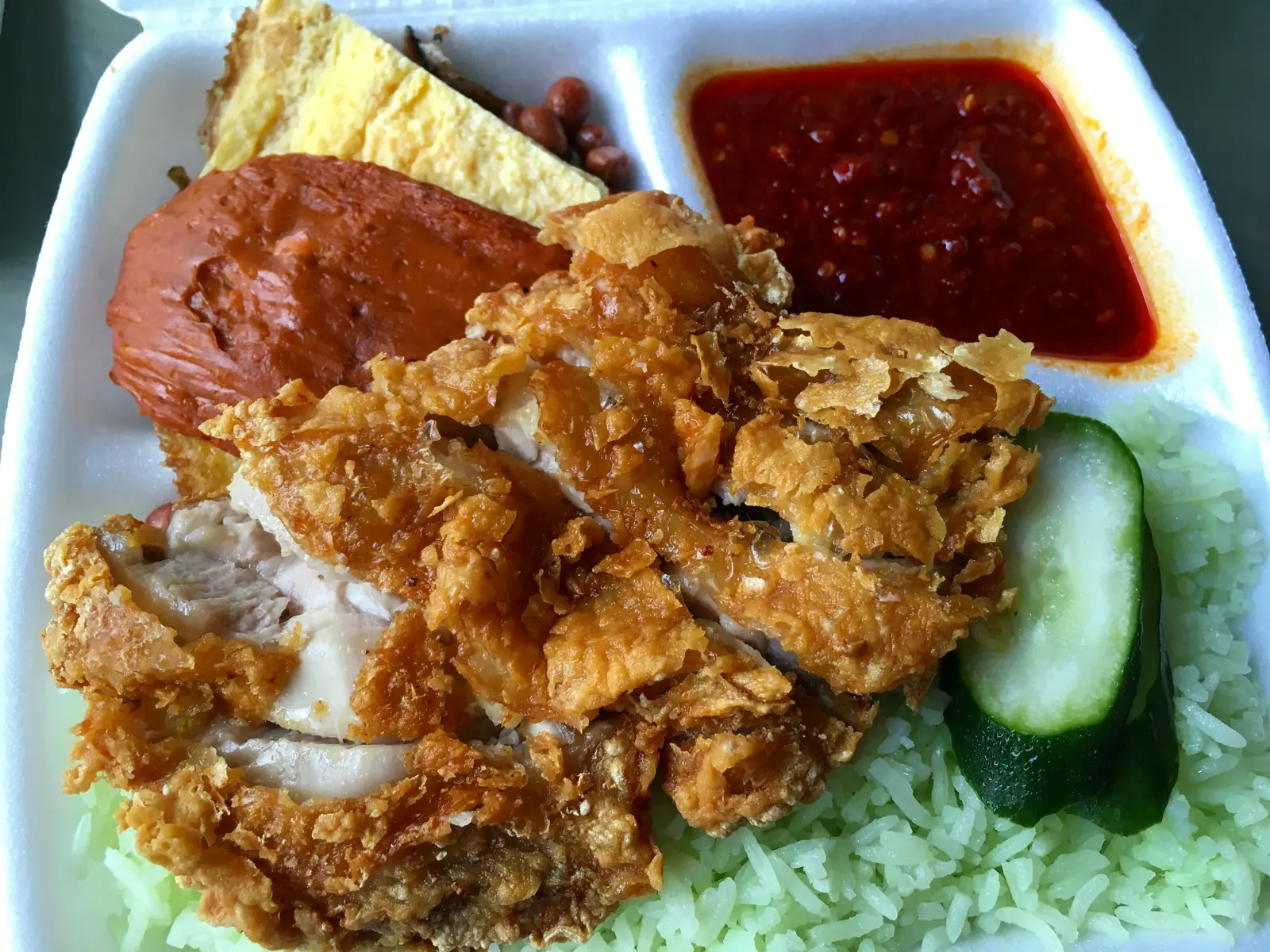
Nasi lemak — coconut rice with crispy fried chicken, red sambal, omelette, peanuts and cucumber in a takeaway box Malaysia flag Malaysia 1h 10m
Breakfast •Malaysian Heritage

Nasi Lemak

This nasi lemak recipe brings Malaysia's national breakfast to your own table: rice steamed in coconut milk with pandan, a dark, sweet-hot sambal, golden turmeric fried chicken, and the classic little pile of crispy anchovies, roasted peanuts, boiled egg and cool cucumber. One serving is about 465 g.

Hearty & Satisfying

A full Malaysian breakfast plate — fragrant coconut rice with sambal, crispy chicken, egg, anchovies, peanuts and cucumber.

Pairs Well With
A spoonful of hot sambal and cool cucumber slices, with teh tarik or iced lime tea.
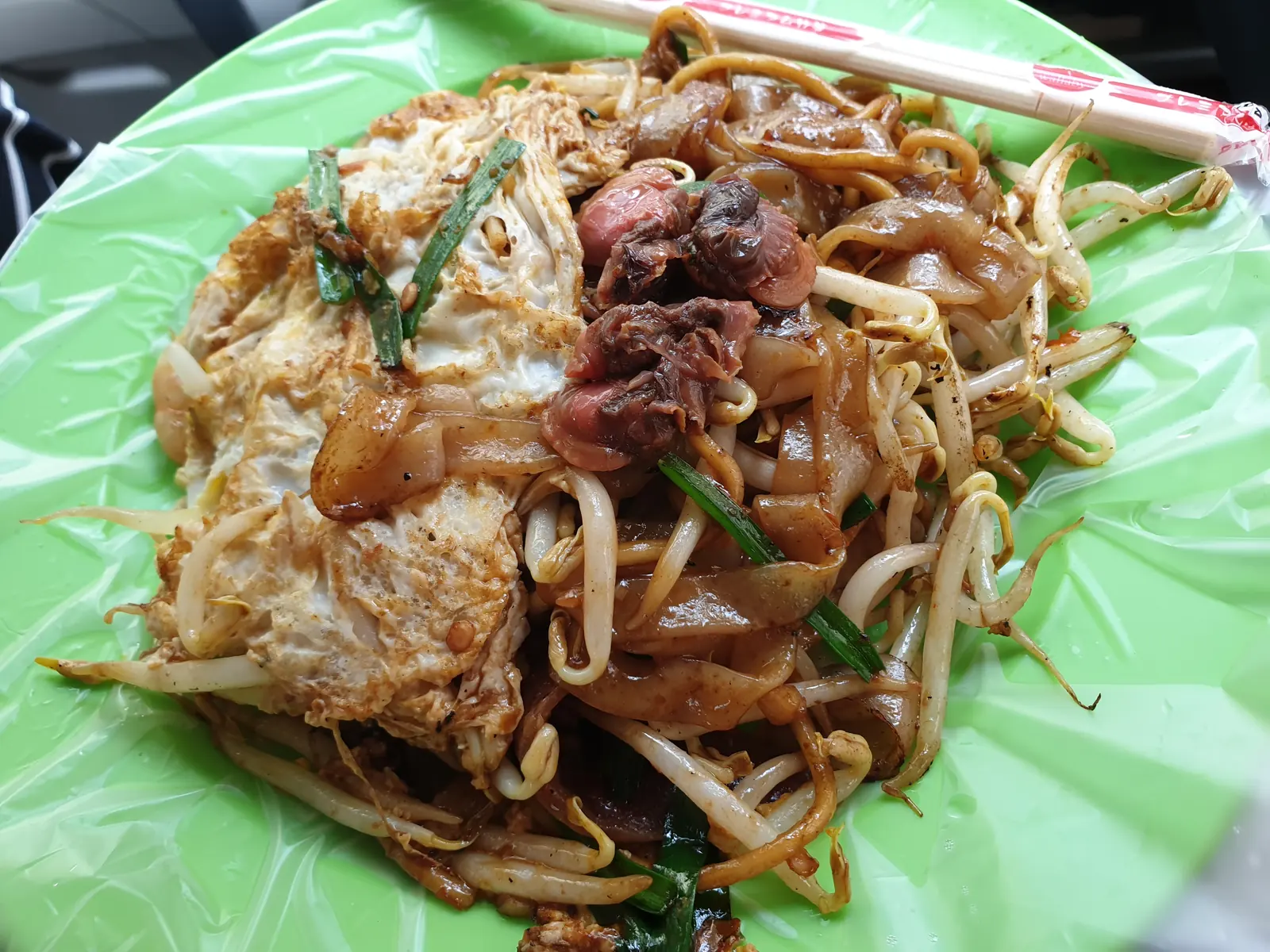
Char kway teow on a green plate — glossy flat rice noodles with fried egg, cockles, bean sprouts and garlic chives Malaysia flag Malaysia 25m
Dinner •Penang Street-Food Icon

Char Kway Teow

This char kway teow recipe tosses wide flat rice noodles in a blazing-hot wok with garlic, soy sauce, chilli paste, prawns, cockles, Chinese sausage, egg, bean sprouts and garlic chives, so the noodles pick up the smoky char called wok hei. Cook one plate at a time, exactly like a hawker stall, and eat it straight from the wok. One serving is about 475 g.

Smoky & Satisfying

Flat rice noodles seared over fierce heat with prawns, cockles, egg and bean sprouts — a fast, smoky Malaysian hawker dinner.

Pairs Well With
Pickled green chillies, cucumber slices, and iced lime tea or teh o ais
Pasta & Noodles • Quick Prep (<30m)
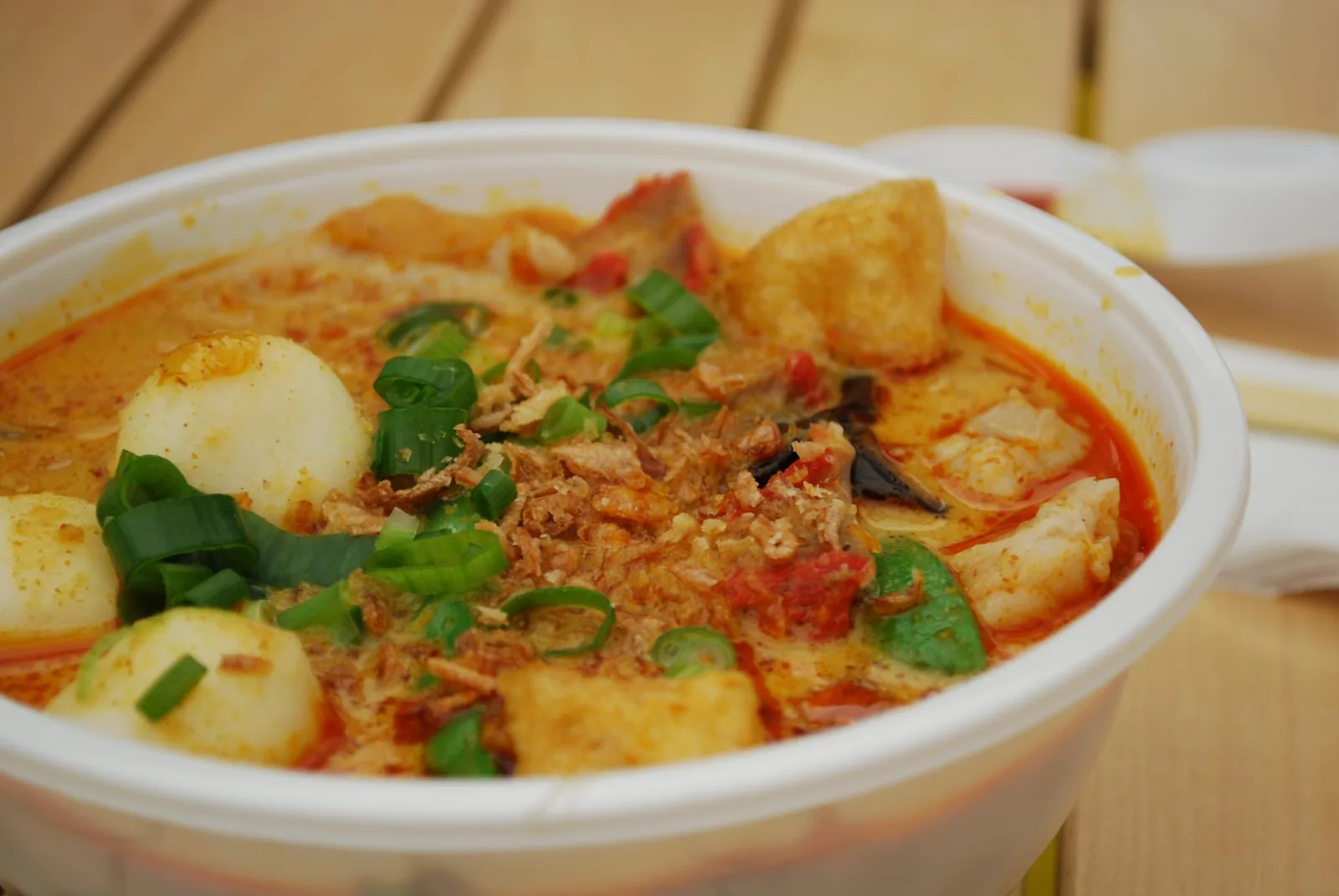
A white bowl of curry laksa in orange coconut curry broth with tofu puffs, fish balls, spring onions and fried shallots Malaysia flag Malaysia 50m
Lunch •Malaysian Hawker Classic

Curry Laksa

This curry laksa recipe simmers a spiced rempah paste with coconut milk and chicken stock into a rich orange broth, then pours it over rice vermicelli and egg noodles with shredded chicken, tofu puffs and crisp bean sprouts. One serving is about 703 g.

Comfort & Warmth

A rich, spiced coconut curry noodle soup with chicken, tofu puffs and bean sprouts.

Pairs Well With
Cool cucumber salad and a glass of iced lime tea
Soups & Broths • Pasta & Noodles
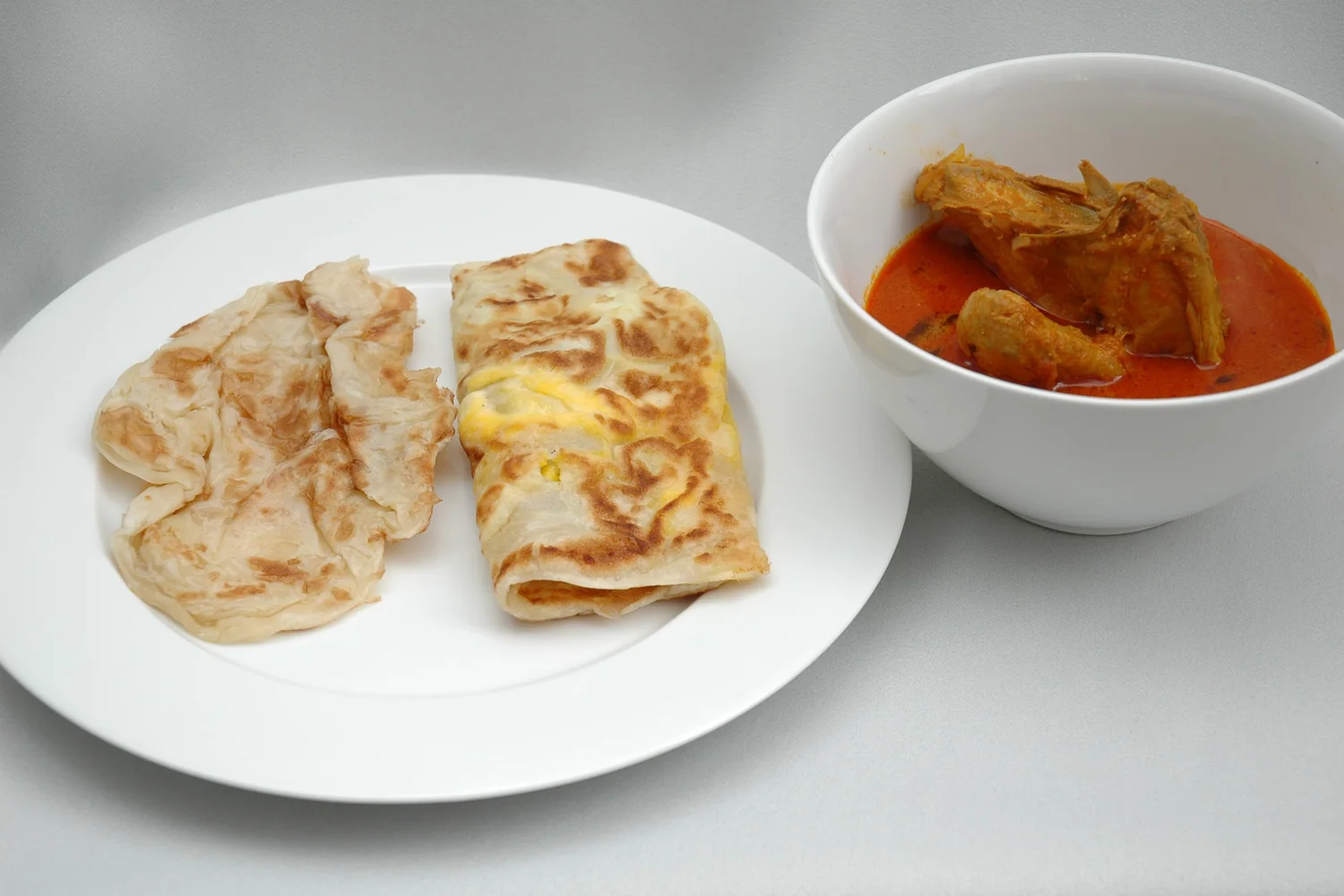
Roti prata and egg roti on a white plate with a bowl of chicken curry Malaysia flag Malaysia 1h 30m
Breakfast •Mamak Stall Heritage

Roti Canai

This roti canai recipe makes the flaky mamak flatbread the slow way: a soft dough rested until it stretches paper-thin, laminated with ghee, folded into squares and fried until the outside crisps and the inside stays soft and layered. It is served torn into pieces for dipping into a warm dhal curry with coconut milk, the way every mamak stall in Malaysia serves it for breakfast. One serving is about 374 g.

Comfort & Warmth

Flaky, laminated flatbread stretched paper-thin, folded and fried in ghee until crisp at the edges, torn and dipped into warm dhal curry.

Pairs Well With
Dhal curry & teh tarik

The Dinner Gazette

Never wonder what’s for dinner again

One email a week with easy dinner ideas from around the world — ingredients, steps and nutrition, tested in our kitchen first.

Delivered every Thursday morning. Unsubscribe anytime.