Curated recipes from 193 countries  •  New seasonal Mediterranean issue out now

Overview

Palak Paneer

Saag Paneer (in some regions, the same spinach-and-paneer dish)

Palak paneer is a mild North Indian curry of fresh spinach blended silky-smooth, simmered with onion, tomato, ginger and garam masala, then finished with soft cubes of paneer and a swirl of cream. One serving is about 295 g. It is gentle, savoury and filling, and it comes together in one pot in about 45 minutes.

Palak paneer is a classic of Punjabi cooking in northern India, where fresh spinach and paneer — a firm, fresh cheese that holds its shape in hot sauce — have long been paired. The name is plain: palak means spinach, and paneer comes from the Persian panir, a reminder of the Persian influence on north Indian kitchens. It travelled with Punjabi restaurants around the world and is now one of the most ordered vegetarian dishes in Indian restaurants everywhere.

Pairs well with: Serve hot with butter naan or steamed basmati rice and a spoonful of cucumber raita.

Provenance

India flag India

Punjabi Heritage

East & South Asia

Time Dedication

45m

15m prep • 30m cook

Batch Yield

4 Servings

381 kcal per serving

1 serving ≈ 295 g

Technical Skill

Intermediate

Medium (Blender & Pot)

Meal Timing & Digestive Fit

Breakfast

Not Advised

Lunch

Hearty Midday Main

Dinner

Ideal Hearty Main

Snack & Tea

Inappropriate

Occasions: Weeknight dinners, vegetarian gatherings, family meals, comfort food nights Cost: Low — about $3–4 per serving at home
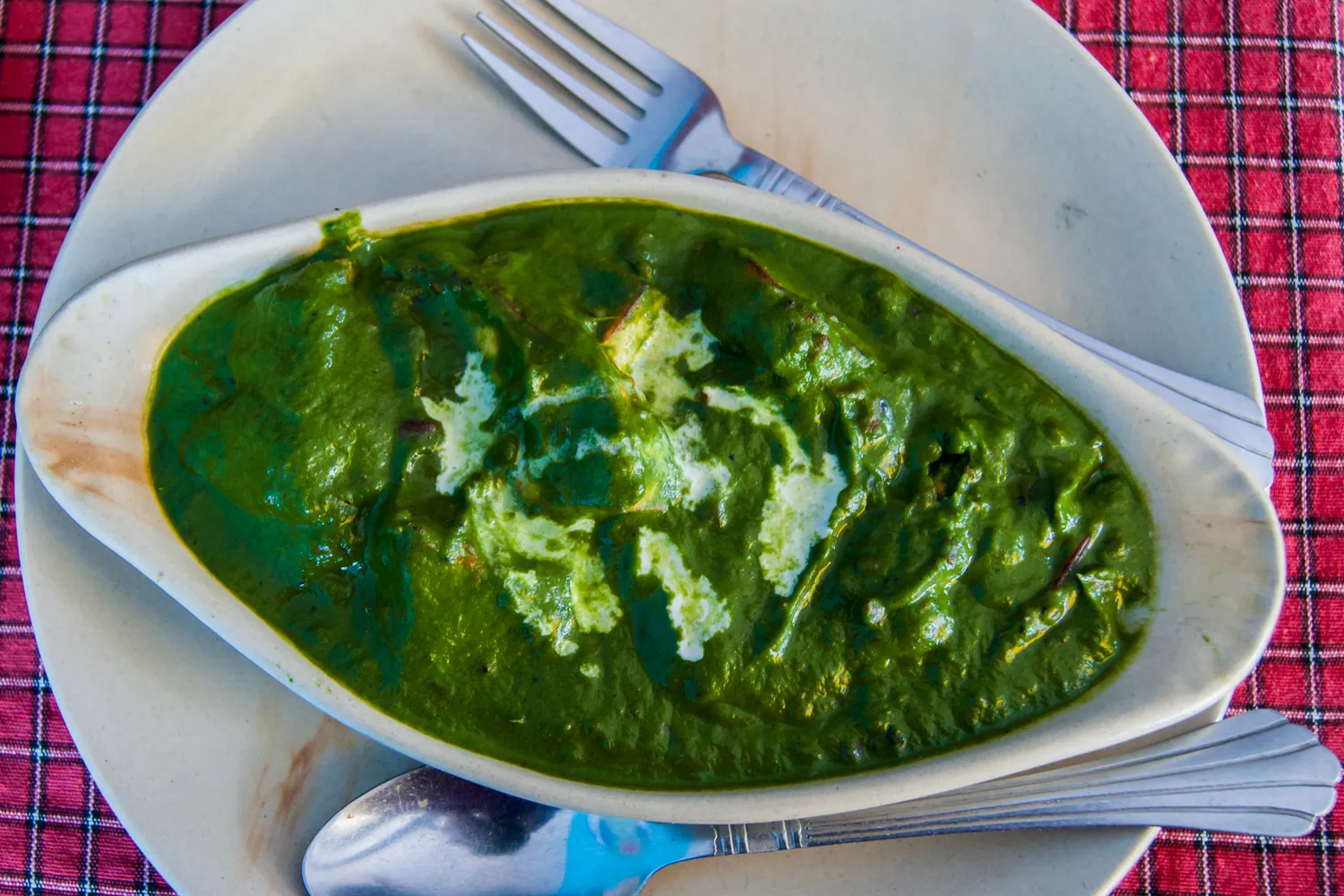
A bowl of palak paneer — vivid green spinach curry with soft paneer cubes and a swirl of cream

Punjabi Heritage

Photo: Akash128, CC BY-SA 4.0, via Wikimedia Commons

The Heritage Formulary

Measured Ingredients

Estimated cost: Low — about $3–4 per serving at home (USD)

Made with fresh spinach blended smooth and paneer folded in at the end so the cubes stay soft.

Execution Methodology & Culinary Technique

Step-by-Step Cooking Guide

Active 45m
P

Prep Stage: Spinach, Paneer & Aromatics

15 Mins • Washing & Chopping

Wash the spinach in two changes of water and pick out tough stems. Cube the paneer, finely chop the onion, tomato, garlic and chilli, grate the ginger, and soak the cashews in hot water for 10 minutes. Measure out the ghee, cream, spices and salt so everything is within reach before the pan gets hot.

Maestro Tip: Wash spinach thoroughly — grit hides between the leaves and no amount of cooking will fix a sandy sauce.

  1. 1

    Blanch the Spinach

    5 Mins Boiling water, 100°C (212°F)

    Bring a large pot of water to a rolling boil. Add the spinach in handfuls and cook for 2 minutes, just until wilted and bright green. Drain immediately and plunge into a bowl of cold water to stop the cooking and keep the colour vivid.

    Do not overcook the spinach — two minutes is enough, and longer blanching dulls the green.

    Done when: Leaves fully wilted, bright green, and cool enough to handle.

  2. 2

    Blend the Spinach Smooth

    3 Mins No heat — room temperature, about 20°C (68°F)

    Squeeze the cooled spinach gently to remove excess water, then put it in a blender with the drained cashews and 60 ml (1/4 cup) of the water. Blend for 1–2 minutes until completely smooth and creamy, scraping down the sides once.

    A truly smooth puree is what makes this dish silky — blend longer than you think you need to.

    Done when: A thick, smooth, vivid-green puree with no visible leaf pieces.

  3. 3

    Fry the Onion, Ginger & Garlic

    8 Mins Medium heat, about 175°C (350°F)

    Melt the ghee in a wide pan over medium heat. Add the cumin seeds and let them sizzle for 30 seconds until fragrant, then add the onion and cook for 5 minutes until soft and golden. Stir in the ginger, garlic and green chilli and cook for 1 minute more, then add the tomato and turmeric and cook for 2 minutes until the tomato softens and the oil begins to separate at the edges.

    Let the onion turn properly golden — pale onion makes a pale, flat-tasting sauce.

    Done when: Onion soft and golden, tomato broken down, and a thin sheen of ghee at the edges of the pan.

  4. 4

    Simmer the Spinach Sauce

    10 Mins Gentle simmer, about 95°C (200°F)

    Pour in the spinach puree and the remaining 60 ml (1/4 cup) of water, stirring well. Add the salt and simmer gently for 8–10 minutes, stirring now and then, until the sauce thickens enough to coat a spoon and the raw spinach taste is gone. Stir in the garam masala and the crushed kasuri methi.

    Keep the heat gentle — a hard boil can make the spinach sauce grainy and dull.

    Done when: Thick, glossy sauce that coats a spoon and tastes rounded, not raw or grassy.

  5. 5

    Add the Paneer & Cream

    5 Mins Low heat, until steaming hot, about 74°C (165°F)

    Gently fold in the paneer cubes and simmer for 3 minutes so they warm through and absorb the sauce. Turn the heat to low, stir in the cream, and warm for 1 minute more without boiling. Taste and adjust the salt.

    Fold, do not stir hard — paneer cubes break easily once they are warm.

    Done when: Paneer hot all the way through, cream fully mixed in, sauce steaming but not boiling.

  6. 6

    Rest & Serve

    2 Mins Off the heat — resting from about 74°C (165°F)

    Take the pan off the heat and let the curry rest for 2 minutes so the flavours settle. Serve hot in a warm bowl, with an extra drizzle of cream on top if you like.

    A short rest lets the sauce thicken slightly and the paneer soak up more flavour.

    Done when: Thick, creamy green curry with soft paneer cubes, served steaming hot.

Finishing Touches & Plating

Serve the palak paneer hot, with a drizzle of cream on top, alongside warm naan or basmati rice.
Nutritional Physiology & Benefits

Nutrition

Energy

381

kcal / serving

Protein

22g

Complete AA

Carbs

17g

Complex

Fats

28g

Healthy

Per serving (4 servings · 1 serving ≈ 295 g)
Energy381 kcal
Protein22 g
Carbohydrates17 g
Fat28 g
Fibre4.7 g
Sugar4.1 g
Sodium507 mg
Per 100g
Energy129 kcal
Protein7.4 g
Carbohydrates5.7 g
Fat9.4 g
Fibre1.6 g
Sugar1.4 g
Sodium172 mg

Nutrition values are estimated — calculated from USDA FoodData Central values for the listed ingredients.

Vitamins & minerals: Spinach supplies vitamin K, folate and vitamin A, paneer and cream add calcium, and the dish also provides iron, magnesium and vitamin C from the tomato and chilli. All nutrition values are estimated.

Iron & Folate from Spinach

Spinach is a good source of iron and folate, nutrients the body uses for red blood cells and normal cell growth.

Protein & Calcium from Paneer

Paneer provides about 22 g of protein per serving plus calcium from the milk it is made from, which supports muscles and bones as part of a balanced diet.

Fibre & Everyday Vegetables

With nearly 5 g of fibre per serving and a full portion of leafy greens, the dish adds vegetables and fibre to the meal in a form most people enjoy eating.

Food Pairings

What to Eat With

To optimize nutrient absorption and elevate the sensory depth, pair with these authentic accompaniments:

Sides

Butter Naan

Warm, soft naan is made for scooping up a thick spinach sauce, and its mild buttery flavour does not compete with the garam masala.

Steamed Basmati Rice

Fluffy basmati soaks up the sauce and stretches the meal, and its light fragrance pairs naturally with North Indian curries.

Sauces

Cucumber Raita

Cool yoghurt with cucumber and a pinch of salt cuts through the richness of the cream and ghee and refreshes the palate between bites.

Drinks

Mango Lassi

A cold mango lassi balances the warmth of the spices with sweetness and coolness, and its yoghurt base sits comfortably alongside the creamy curry.

Full Menus

Full Menu: Dal Tadka & Jeera Rice

Add a bowl of dal tadka and jeera rice to turn the curry into a complete North Indian thali-style dinner, with lentils adding extra protein and variety.

Complete menu

Serve palak paneer with butter naan, steamed basmati rice and cucumber raita, and finish with a mango lassi for a complete North Indian vegetarian dinner.

Digestive Guardrails

What NOT to Combine

To prevent digestive distress, sluggishness, or palate clash, avoid pairing the dish with these elements:

Very Salty Pickles & Extra Salt

Indian pickles are very high in salt, and this dish already contains salt plus naturally salty paneer. Piling on salty accompaniments can push the meal's sodium well above what most people need in one sitting. This is general information, not medical advice.

Very Hot Chilli Sauces

Extra-hot chilli sauces add capsaicin, which can irritate a sensitive stomach or worsen heartburn for people prone to it. The curry is deliberately mild, so keep fiery sauces on the side rather than in the pot. This is general information, not medical advice.

General information only, not medical advice — consult a doctor for personal dietary decisions.

Who Should Eat It

Who Should Eat

  • General adultsA balanced, satisfying vegetarian dinner as written.
  • ChildrenMild and creamy, so most children enjoy it; leave out the green chilli for younger children.
  • ElderlySoft paneer and a smooth sauce are easy to chew; serve warm and in a comfortable portion.
  • Pregnant womenGenerally fine when made with pasteurised milk paneer and cream and served piping hot; ask your clinician if you have dietary restrictions.
  • Breastfeeding womenA nourishing, protein-rich meal; no special restriction applies, but ask your clinician about any personal dietary concerns.
  • AthletesAbout 22 g of protein per serving supports recovery; pair with rice or naan for extra energy after training.
  • Weight gainEnergy-dense from paneer, cream and ghee; a generous serving with naan adds calories easily.
  • Weight lossUseful for its protein and fibre, but watch the portion: use low-fat paneer, halve the cream and ghee, and serve with salad instead of naan.

Health Conditions — Adjust or Avoid

Conditions

  • DiabetesCarbohydrates are moderate at about 17 g per serving, but the cream and ghee add fat that slows digestion. Pair with a small portion of rice and check your blood sugar as usual; ask your clinician about portion size.
  • High blood pressureSodium is about 507 mg per serving. Skip salty pickles and do not add extra salt at the table; ask your clinician if you follow a low-sodium diet.
  • Kidney diseasePaneer and spinach contribute protein, potassium and phosphorus, which some kidney diets limit. Portions matter here — ask your clinician or dietitian before eating it regularly.
  • GoutSpinach contains purines, though in moderate amounts, and the dish is meat-free. It is generally a lower-purine choice than meat curries, but ask your clinician if you have frequent flares.
  • Stomach issuesThe sauce is mild and low in chilli, which suits most sensitive stomachs, but the cream and ghee can feel heavy. Eat a smaller portion and avoid extra-hot accompaniments; ask your clinician if symptoms persist.
  • Cardiovascular diseaseSaturated fat comes from paneer, cream and ghee. Using low-fat paneer, replacing ghee with a little oil and halving the cream lowers it; ask your clinician about what fits your eating plan.
  • Fatty liverThe dish is vegetable-based, which is a good start, but the added fats add calories. A lighter version with less ghee and cream is a better fit; ask your clinician about portion and fat intake.
  • Food allergiesContains milk (paneer, cream, ghee) and tree nuts (cashews). Do not serve to anyone with a milk or cashew allergy; a tofu and coconut-cream version removes both, but check all labels.
  • Special therapeutic dietsNaturally vegetarian and gluten-free as written. For vegan, low-fat or renal diets, the paneer, cream and ghee need swapping — ask your clinician or dietitian to adapt it safely.

If you have a medical condition, consult your doctor before changing your diet.

Storage & Use

Storage & Use

How to store
Cool the curry within 2 hours and store in a covered container.
In the fridge
Keeps 3 days in the fridge at 4°C (40°F) or below.
In the freezer
Up to 2 months; the sauce freezes well but the paneer softens slightly.
How to reheat
Reheat gently on the hob, stirring, until steaming hot throughout, to 74°C (165°F); add a splash of water if it has thickened.
Freezing recommended
Yes — the sauce freezes well; paneer softens a little on thawing.
Signs it has spoiled
Sour smell, slimy surface, or any mould — discard if in doubt.

More recipes to explore

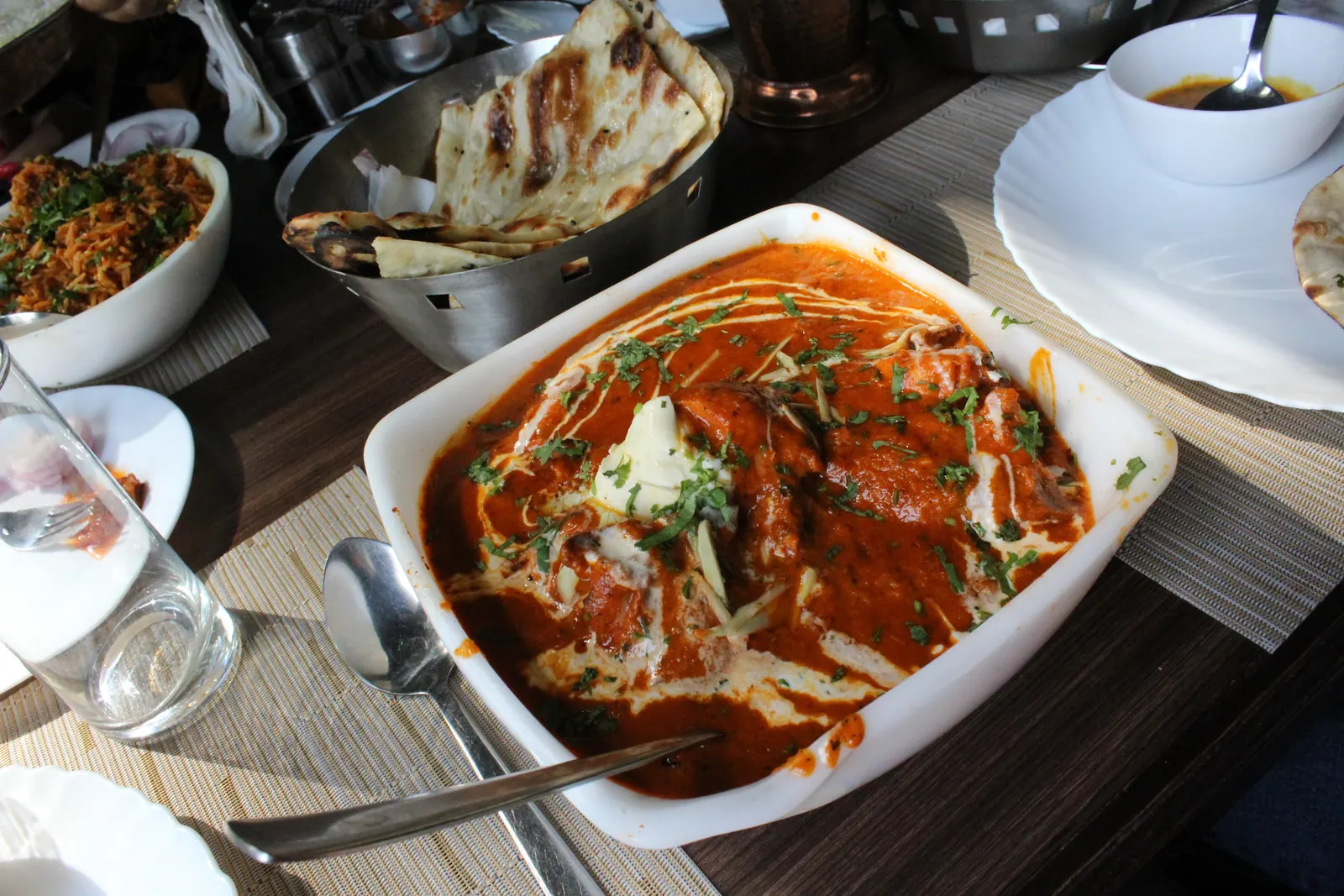
A bowl of creamy orange-red butter chicken with a swirl of cream, a pat of butter and fresh cilantro, with garlic naan behind it India flag India 1h 5m
Dinner •Delhi Heritage

Butter Chicken

Charred, yogurt-marinated chicken simmers in a velvety sauce of tomatoes, butter, cashews and cream, finished with dried fenugreek and a swirl of cream. This butter chicken recipe is mild rather than fiery, so the sweetness of the tomatoes and the richness of the butter come through in every spoonful. One serving is about 370 g.

Comfort & Warmth

Tandoori-style chicken folded into a silky tomato, butter and cream sauce — rich, mild and deeply satisfying.

Pairs Well With
Butter naan, basmati rice & cucumber raita
High Protein
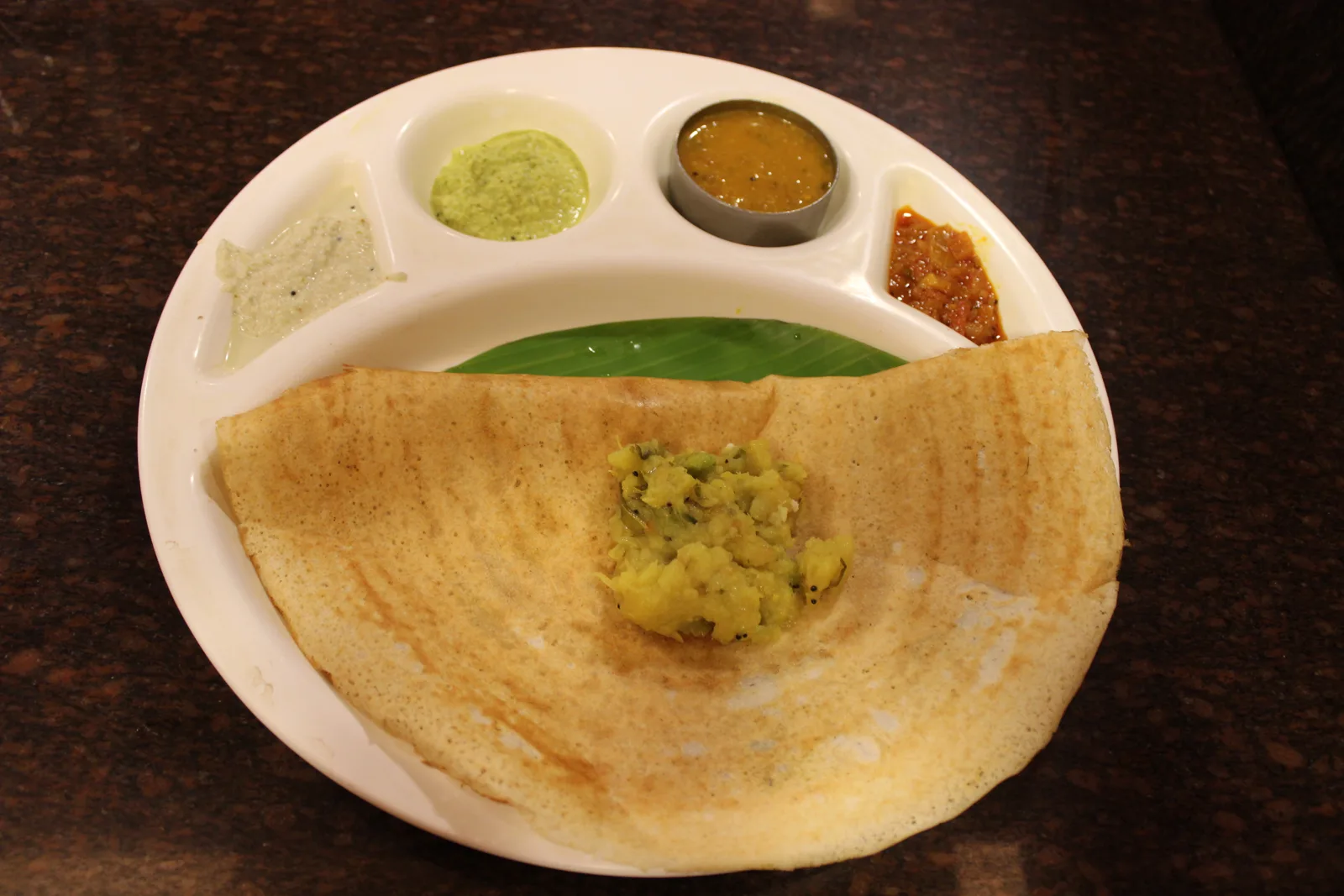
A golden folded masala dosa with spiced potato filling, served with coconut chutney, sambar and tomato chutney on a plate India flag India 1h 10m
Breakfast •South Indian Heritage

Masala Dosa

A masala dosa recipe for a golden, shatteringly crisp crepe made from a fermented rice and urad dal batter, folded around a soft, turmeric-yellow potato masala. One serving is about 285 g. The batter ferments for 8-12 hours overnight, so start the day before; the hands-on cooking takes about 70 minutes.

Hearty Breakfast

A filling breakfast built on a fermented rice and lentil batter with a warmly spiced potato centre.

Pairs Well With
Serve hot with coconut chutney and sambar for dipping.
Fermented / Gut Health
Bœuf bourguignon — French beef braised in red wine France flag France 4h
Dinner •Burgundy Terroir

Bœuf Bourguignon

Beef braised gently in red wine until the connective tissue melts into a velvet, gelatin-rich sauce — the classic Burgundy Sunday dinner.

Cellular Repair

Beef braised in red wine until spoon-tender, with mushrooms and pearl onions.

Pairs Well With
Parsnip Purée & Steamed French Haricots Verts
High Protein
Vietnamese braised pork belly with golden eggs in caramel sauce Vietnam flag Vietnam 1h 45m
Dinner •One Pot

Vietnamese Braised Pork and Eggs

Pork belly slowly braised in coconut water and caramel until meltingly tender, with golden eggs that soak up the sweet-savoury sauce — the Vietnamese family dish that tastes better the next day.

Comfort & Sustained Energy

Slow-braised pork belly and eggs in coconut water and caramel.

Pairs Well With
Steamed rice & pickled mustard greens
High Protein

The Dinner Gazette

Never wonder what’s for dinner again

One email a week with easy dinner ideas from around the world — ingredients, steps and nutrition, tested in our kitchen first.

Delivered every Thursday morning. Unsubscribe anytime.