Curated recipes from 193 countries  •  New seasonal Mediterranean issue out now

Overview

Palauan Ulkoy

Ulkoy, Shrimp and Squash Fritters

This palauan ulkoy recipe turns small shrimp and grated squash into crisp, golden fritters with a light, lacy edge. The squash keeps the inside soft and faintly sweet while the shrimp on top fry up crunchy, and a sharp vinegar-soy dip cuts through the richness. One serving is about 245 g — three fritters with dipping sauce — and the whole batch is ready in 40 minutes.

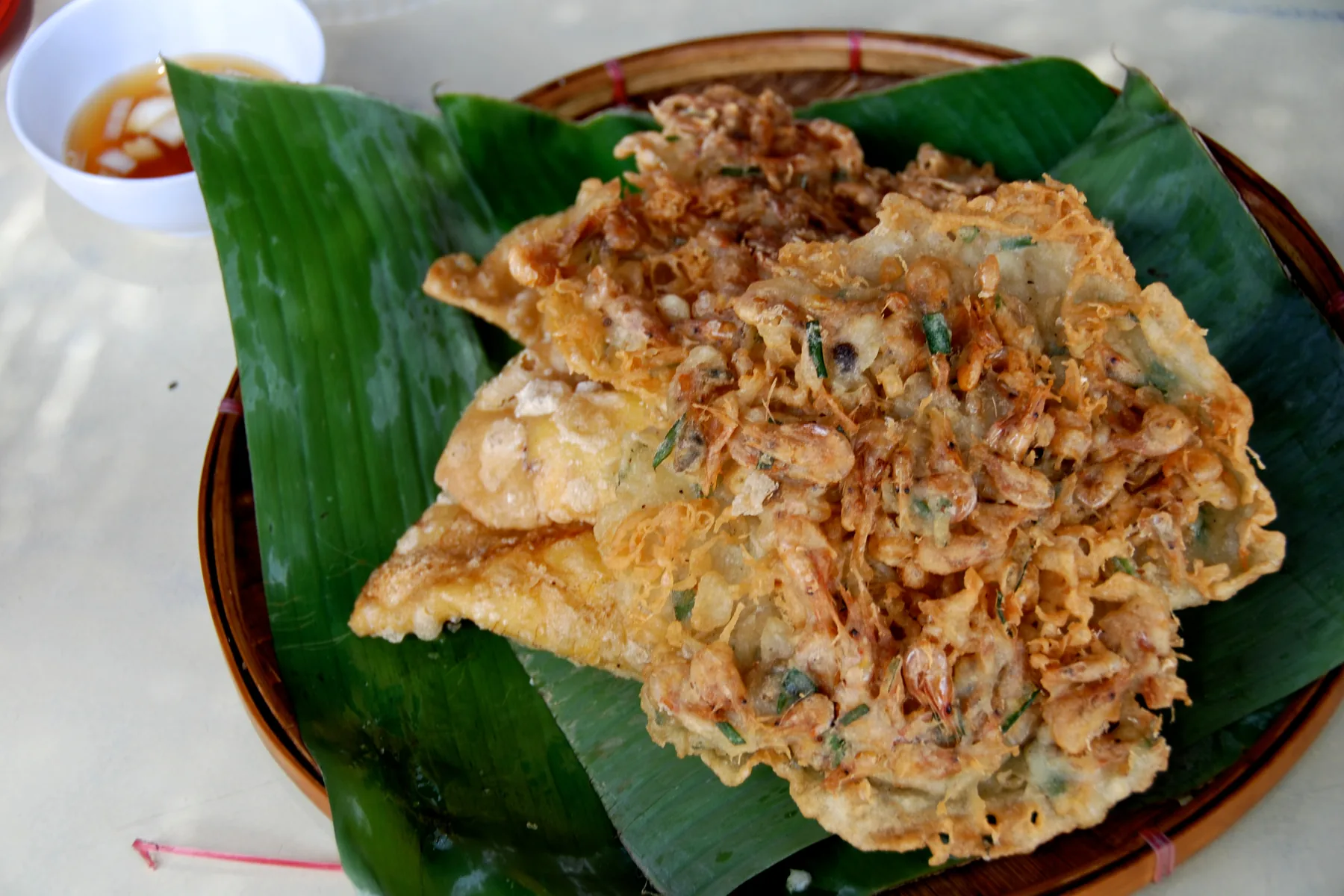
Ulkoy is listed by TasteAtlas among the best-known dishes of Palau, where the deep-fried shrimp and squash fritters are a national favourite and a treat for visitors, seasoned with a zesty Creole blend, salt, cayenne and parsley. The dish shares its roots with the Filipino ukoy, spelled with one letter difference: the name comes from the Hokkien word for a taro cake, and the fritter travelled with traders and migrants across the Philippine Sea to Palau, where local cooks made it their own with island squash and reef shrimp. The photograph shows the same fritters as they are made in Vigan in the Philippines, where they are called ukoy — the shared name and recipe are the story of the dish itself.

Pairs well with: Sharp vinegar-soy dipping sauce, lime wedges & a cold drink

Provenance

Palau flag Palau

Palau's Island Snack

Oceania & Pacific

Time Dedication

40m

25m prep • 15m cook

Batch Yield

4 Servings

371 kcal per serving

1 serving ≈ 245 g

Technical Skill

Intermediate

Medium (Deep-Frying)

Meal Timing & Digestive Fit

Breakfast

Not Advised

Lunch

Inappropriate

Dinner

Inappropriate

Snack & Tea

Ideal Light Bite

Occasions: Market snack, Party food, Beach picnic, Family gathering Cost: Low — about $2–3 per serving at home
Golden, crispy shrimp fritters served on a banana leaf in a woven basket, with a small bowl of dipping sauce — ukoy photographed in Vigan, Philippines, the same shrimp-fritter dish known as ulkoy in Palau

Palau's Island Snack

Photo: jojo nicdao, CC BY 2.0, via Wikimedia Commons

The Heritage Formulary

Measured Ingredients

Estimated cost: Low — about $2–3 per serving at home (USD)

Made with real shrimp and freshly grated squash, squeezed dry and fried in small batches so the crust stays crisp.

Execution Methodology & Culinary Technique

Step-by-Step Cooking Guide

Active 40m
P

Prep Stage: Grate the Squash & Mix the Batter

25 Mins • Grating, Mixing & Sauce

Peel the butternut squash, scoop out the seeds and grate it coarse, then squeeze handfuls in a clean cloth until no more water comes out — wet squash makes soggy fritters. Peel and devein the shrimp; chop most of them small and keep 12 small whole ones for the tops. Dice the onion, slice the spring onions, mince the garlic and chop the parsley. Whisk the flour, cornstarch and baking powder, stir in the egg and cold water a little at a time to make a thick batter, then fold in the squash, chopped shrimp, onion, spring onions, garlic, parsley, Creole seasoning, cayenne, salt and pepper. Rest the batter for 5 minutes. Stir the rice vinegar, soy sauce, garlic, chilli and sugar together in a small bowl for the dip.

Maestro Tip: Squeezing the squash dry is the one step you must not skip — a wet batter steams instead of crisping and the fritters fall apart in the oil.

  1. 1

    Grate & Squeeze the Squash

    10 Mins Room temperature, about 20°C (68°F) — no heat applied

    Peel the butternut squash, scoop out the seeds and grate it on the coarse side of a box grater. Take handfuls and squeeze them hard in a clean cloth or tea towel until no more water drips out. Peel and devein the shrimp, chop most of them into small pieces and set aside 12 small whole shrimp for the tops of the fritters.

    Grate the squash straight onto the cloth so you can gather it up and wring it out in one move.

    Done when: The squash feels damp, not wet — a squeezed handful holds its shape and no water drips.

  2. 2

    Mix the Batter

    10 Mins Room temperature, about 20°C (68°F) — no heat applied

    Whisk the flour, cornstarch and baking powder in a large bowl. Beat in the egg and cold water a little at a time until you have a thick batter that falls slowly from the spoon. Fold in the squeezed squash, chopped shrimp, onion, spring onions, garlic, parsley, Creole seasoning, cayenne, salt and pepper until everything is evenly coated. Rest the batter for 5 minutes so the flour hydrates.

    The batter should coat the squash rather than drown it — if it looks runny, whisk in a spoonful more flour.

    Done when: A spoonful of batter holds its shape on the spoon and the squash strands are evenly coated.

  3. 3

    Make the Dipping Sauce

    5 Mins Room temperature, about 20°C (68°F) — no heat applied

    Stir the rice vinegar, soy sauce, minced garlic, sliced red chilli and sugar together in a small bowl until the sugar dissolves. Taste it: it should be sharp first, salty second, with just a whisper of sweetness. Set aside while you fry.

    Make the dip first so it is ready the moment the fritters leave the oil — they wait for no one.

    Done when: The sugar has fully dissolved and the dip tastes sharp and bright.

  4. 4

    Heat the Oil

    5 Mins Medium-high heat, oil at 175°C (350°F)

    Pour the vegetable oil into a deep, heavy pot so it is at least 5 cm deep and heat it over medium-high heat to 175°C (350°F). Test with a drop of batter: it should sizzle at once and rise to the surface in a few seconds. Line a tray with paper towels.

    If you have no thermometer, a wooden chopstick dipped in the oil should bubble steadily around its tip at the right heat.

    Done when: The oil shimmers and a test drop of batter sizzles and rises immediately.

  5. 5

    Fry Until Deep Golden

    10 Mins Oil at 175°C (350°F)

    Drop heaped tablespoons of batter into the oil, 4 at a time, and press one whole shrimp onto the top of each fritter. Fry for about 2 minutes, flip once with tongs and fry 1 to 2 minutes more until deep golden and crisp at the edges. Lift out with a slotted spoon and drain on paper towels. Repeat with the remaining batter — 12 fritters in all — letting the oil come back to 175°C (350°F) between batches. The shrimp inside must reach at least 63°C (145°F).

    Do not crowd the pot — too many fritters at once drops the oil temperature and they come out greasy instead of crisp.

    Done when: Deep golden brown all over with lacy, crisp edges; the shrimp on top is pink and curled.

  6. 6

    Drain & Serve Hot

    5 Mins Serve hot, above 63°C (145°F)

    Drain the fritters on paper towels for a minute, then pile them on a platter lined with a banana leaf if you have one. Serve at once with the vinegar-soy dip and lime wedges, while the crust is still crackling.

    Fritters lose their crunch fast, so call everyone to the table before the last batch leaves the oil.

    Done when: Crisp to the bite, steaming inside, and the dip is on the table before the first fritter cools.

Finishing Touches & Plating

Serve the fritters piled high on a banana leaf with the vinegar-soy dip and lime wedges, while they are still crackling hot from the oil.

Nutritional Physiology & Benefits

Nutrition

Energy

371

kcal / serving

Protein

18g

Complete AA

Carbs

49g

Complex

Fats

12g

Healthy

Per serving (4 servings · 1 serving ≈ 245 g)
Energy371 kcal
Protein18 g
Carbohydrates49 g
Fat12 g
Fibre4.0 g
Sugar4.8 g
Sodium1024 mg
Per 100g
Energy151 kcal
Protein7.4 g
Carbohydrates19.9 g
Fat4.9 g
Fibre1.6 g
Sugar2 g
Sodium418 mg

Nutrition values are estimated — calculated from USDA FoodData Central values for the listed ingredients.

Vitamins & minerals: Vitamin A and vitamin C from the squash, vitamin B12, selenium and iodine from the shrimp, and iron from the egg and flour. Nutrition values are estimated.

Lean Protein from Shrimp

The shrimp gives each serving about 18.1 g of protein with only about 0.3 g of fat from the shrimp itself, so the fritters are filling without being heavy on protein-poor batter.

Squash for Fibre & Vitamin A

Butternut squash brings about 4.0 g of fibre per serving plus vitamin A and vitamin C, and its gentle sweetness balances the salty, savoury batter.

Fresh Herbs & Vegetables

Onion, spring onion, garlic and parsley add flavour and small amounts of vitamin C and iron without extra fat or sugar, so the seasoning comes from real food rather than the fryer.

Food Pairings

What to Eat With

To optimize nutrient absorption and elevate the sensory depth, pair with these authentic accompaniments:

Sauces

Vinegar-Soy Dipping Sauce

The sharp vinegar cuts through the fried crust and the soy adds salt and depth — the acid is what keeps a rich fritter from tasting greasy.

Vegetables

Cucumber & Tomato Salad

Cool, watery cucumber and tomato reset the palate between hot, crisp bites and add freshness without competing with the shrimp.

Drinks

Iced Calamansi or Lime Drink

A cold, tart citrus drink echoes the vinegar dip and washes down the fried richness, which is why sour drinks are the usual partner for fritters across the Pacific.

Full Menus

Steamed Rice & Grilled Fish

Add plain steamed rice and a piece of grilled reef fish and the snack becomes a full Palauan meal — the mild rice and fish let the spiced fritters stay the star.

Complete menu

Start with ulkoy, vinegar-soy dip and lime wedges, follow with grilled reef fish and steamed rice, and finish with fresh tropical fruit.

Digestive Guardrails

What NOT to Combine

To prevent digestive distress, sluggishness, or palate clash, avoid pairing the dish with these elements:

Eating Them Cold and Soggy

Fritters left standing go soft as the steam trapped inside softens the crust, so eat them hot or reheat them in a hot oven. This is general information, not medical advice.

Crowding the Pot

Too many fritters at once drops the oil temperature, so they soak up oil instead of crisping and can fall apart. Fry in small batches and let the oil recover between them. This is general information, not medical advice.

Heavy Creamy Dips

Thick mayonnaise-based dips coat the crisp crust, hide the shrimp flavour and add a lot of fat; the sharp vinegar dip works better with fried food. This is general information, not medical advice.

General information only, not medical advice — consult a doctor for personal dietary decisions.

Who Should Eat It

Who Should Eat

  • General adultsA classic island snack — hot, crisp and savoury, best shared straight from the oil.
  • ChildrenChildren usually love the crisp fritters; cut them in half for small hands and leave the chilli out of their portion of the dip.
  • ElderlySoft inside and easy to chew once the crust is bitten through, but fried food is heavy and the dip is salty — a small portion suits most older eaters.
  • Pregnant womenShrimp cooked through to at least 63°C (145°F) and served hot is fine in a modest portion; skip the raw chilli in the dip if it causes heartburn.
  • Breastfeeding womenA filling, protein-rich snack that suits breastfeeding; the chilli heat is mild and easy to leave out of the dip.
  • AthletesGood protein and quick energy after training, though the frying oil makes it a sometimes food rather than a daily one.
  • Weight gainEnergy-dense with protein and fried batter, so it suits people who need extra calories in a small portion.
  • Weight lossFried and fairly salty, so keep the portion small — three fritters — skip extra dip and pair it with salad.

Health Conditions — Adjust or Avoid

Conditions

  • DiabetesThe batter contains flour and the dip has a little sugar, so keep the portion modest and count the carbohydrates; ask your clinician about portions.
  • High blood pressureThis serving carries about 1024 mg of sodium, mostly from the Creole seasoning, soy sauce and salt, so people watching salt should eat a small portion and use less dip; ask your clinician about portions.
  • Kidney diseaseHigh in protein and sodium from the shrimp, seasoning and soy sauce; people with kidney disease should watch portions and ask their clinician before eating it regularly.
  • GoutShrimp is a shellfish and is moderate in purines, so a large fried portion may not suit people prone to gout; ask your clinician about portions.
  • Stomach issuesFried food, chilli and a sharp vinegar dip can irritate a sensitive stomach; eat a small portion and leave the chilli out of the dip. Ask your clinician if symptoms persist.
  • Cardiovascular diseaseFried in oil and fairly salty, so the dish is best kept as an occasional small portion eaten with salad; ask your clinician about portions.
  • Fatty liverFried batter adds fat and energy; keep portions modest and balance the plate with fresh vegetables. Ask your clinician about portions.
  • Food allergiesContains shellfish (shrimp), wheat (flour), egg and soy. People with a shellfish, wheat, egg or soy allergy must not eat this dish.
  • Special therapeutic dietsNot suitable as a low-sodium, low-fat or gluten-free therapeutic diet without changes (lower-salt seasoning, rice flour and an air-fried version); ask your clinician or dietitian before adapting it.

If you have a medical condition, consult your doctor before changing your diet.

Storage & Use

Storage & Use

How to store
Cool completely, then store in an airtight container lined with paper towel.
In the fridge
2 days.
In the freezer
Up to 1 month (freeze before frying is better than after).
How to reheat
Reheat in a hot oven at 200°C (400°F) for 6 to 8 minutes until crisp and steaming hot throughout, to 74°C (165°F); do not microwave — they go soggy.
Freezing recommended
Yes, up to 1 month; freeze the shaped raw fritters on a tray, then bag them and fry from frozen, adding 1 to 2 minutes.
Signs it has spoiled
Sour or fishy smell, slimy texture, or mould.

More recipes to explore

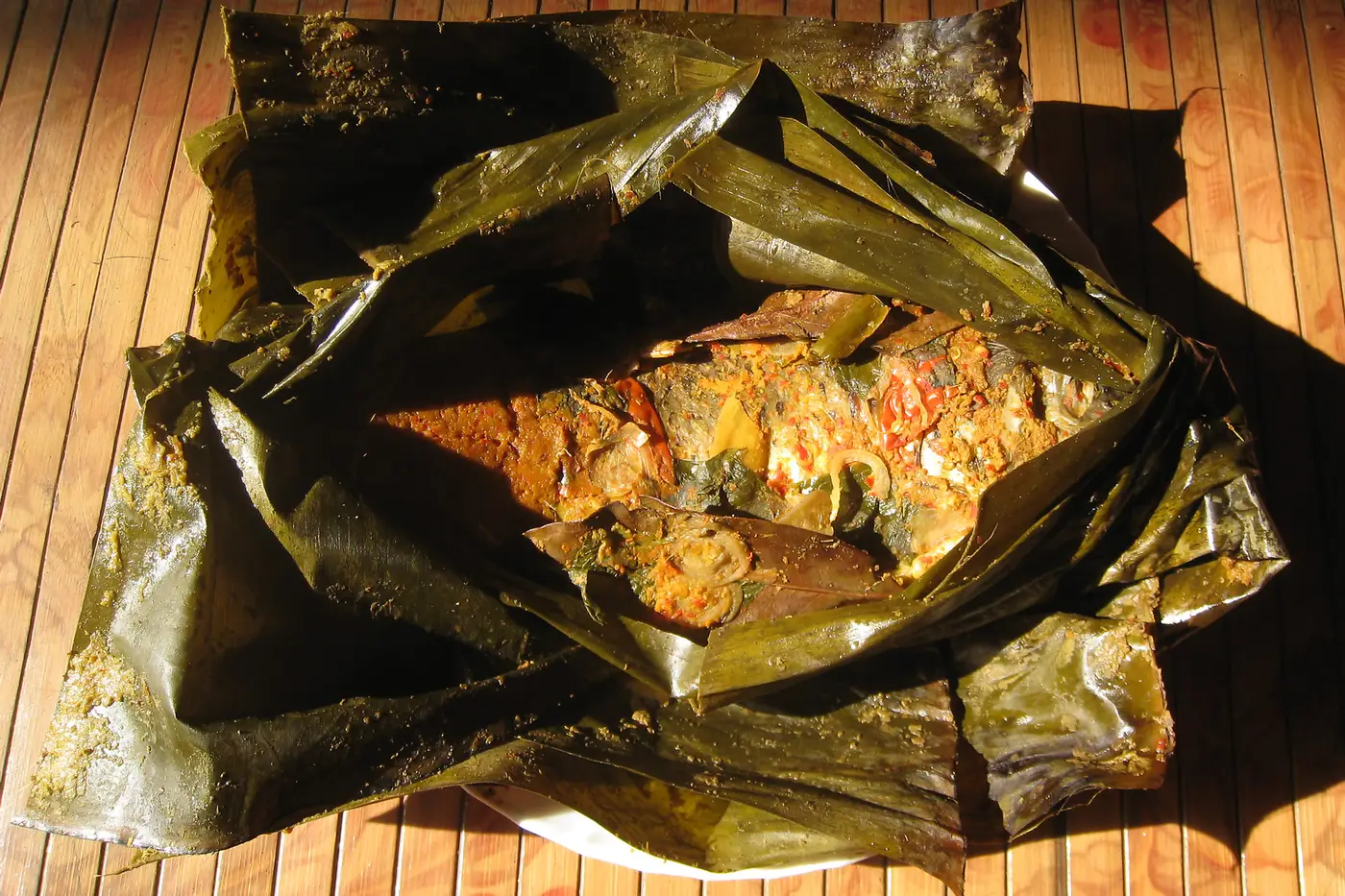
A whole fish cooked in an opened banana-leaf parcel, coated in spice paste Palau flag Palau 55m
Dinner •Koror's Banana-Leaf Grill

Palauan Grilled Fish

This palau grilled fish recipe glazes a whole red snapper with dark mushroom soy sauce, sesame oil, ginger, garlic and kaffir lime leaf, wraps it in a banana leaf and grills it in the parcel over coals. The fish steams in its own juices inside the leaf — soft and fragrant, with no crisp skin — and it is served with mashed taro enriched with coconut cream. One serving is about 350 g.

Smoky & Tender

A whole snapper glazed with dark soy, sesame and ginger, steamed inside a banana leaf over coals, served with mashed taro.

Pairs Well With
Mashed taro, lime wedges and a cucumber salad
High Protein
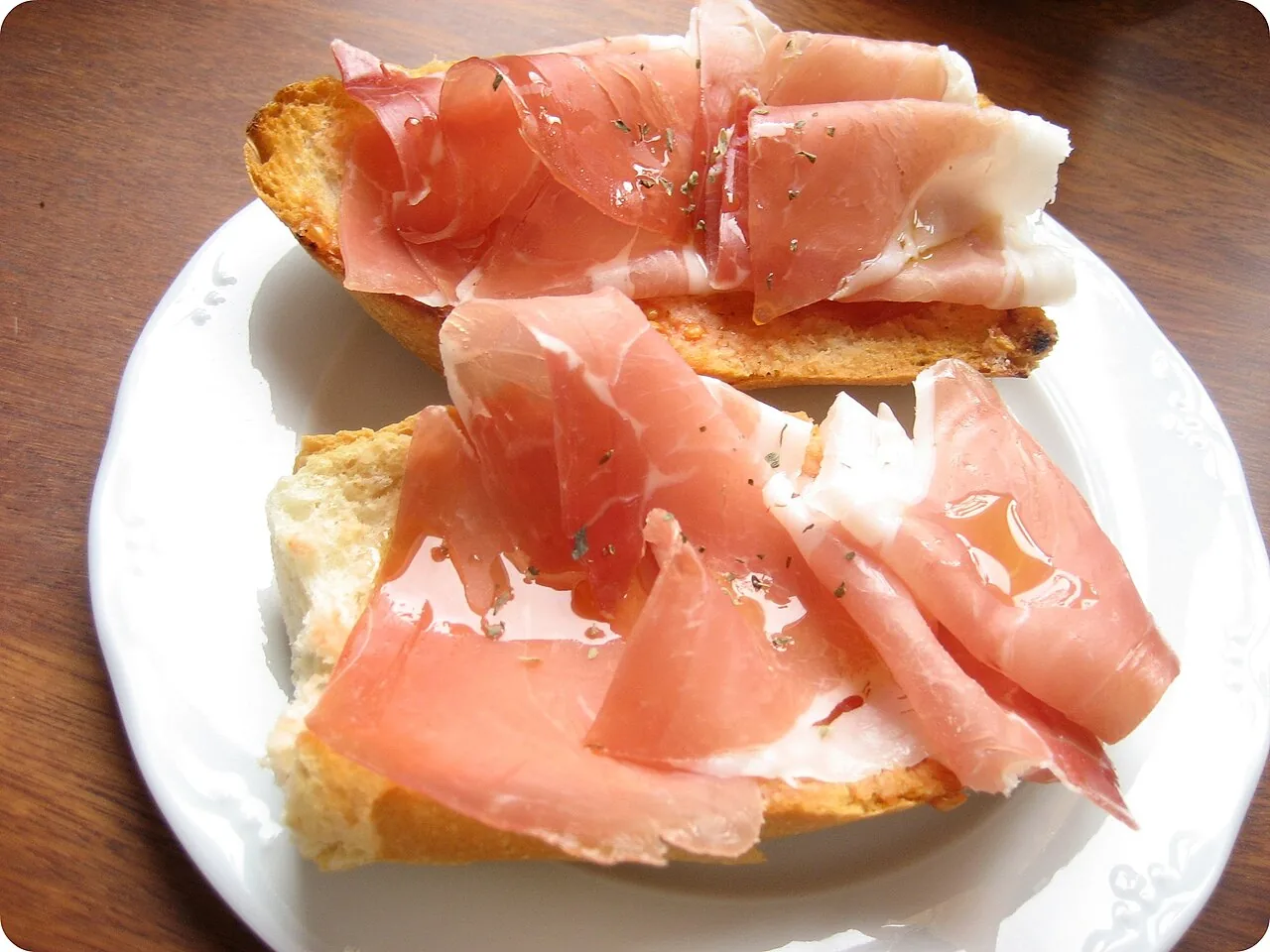
Pan con tomate with jamón ibérico on toasted bread Spain flag Spain 15m
Snack & Tea •Catalan Aperitivo

Pan con Tomate & Jamón Ibérico

Country bread rubbed with ripe Ramallet tomato, drizzled with cold-pressed Arbequina olive oil and topped with jamón ibérico.

Vascular Health

Toasted tomato bread with jamón ibérico, olive oil and olives.

Pairs Well With
Castelvetrano Olives & Sparkling Mineral Water
Quick Prep (<30m)
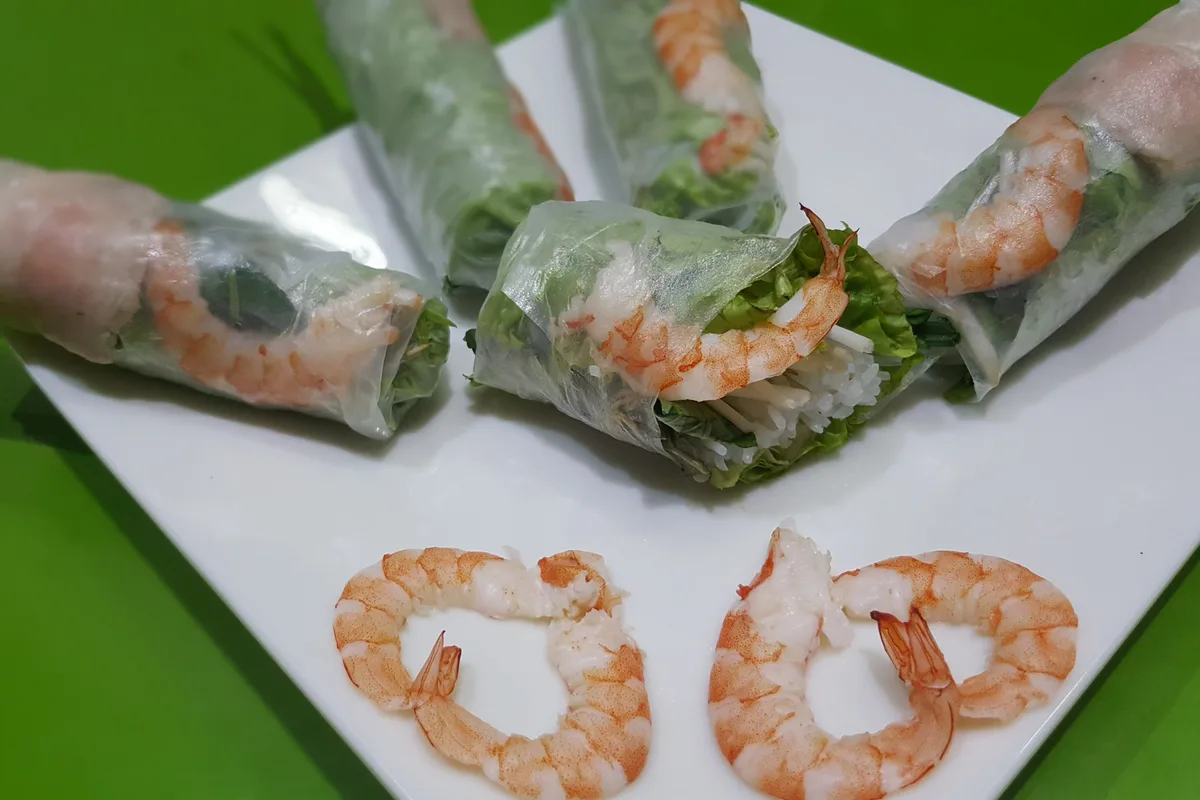
Gỏi cuốn — Vietnamese fresh spring rolls with prawn and pork Vietnam flag Vietnam 1h 5m
Snack & Tea •Saigon Refresh

Gỏi Cuốn Tôm Thịt

Fresh rice paper rolls filled with poached prawns, tender pork, rice vermicelli, lettuce, herbs and carrot, served with a peanut dipping sauce.

Light Digestion

Nothing is fried, so the rolls stay light and fresh — a cool, herb-filled snack for hot days.

Pairs Well With
Artisanal Peanut Dip & Fresh Lotus Root Water
High Protein
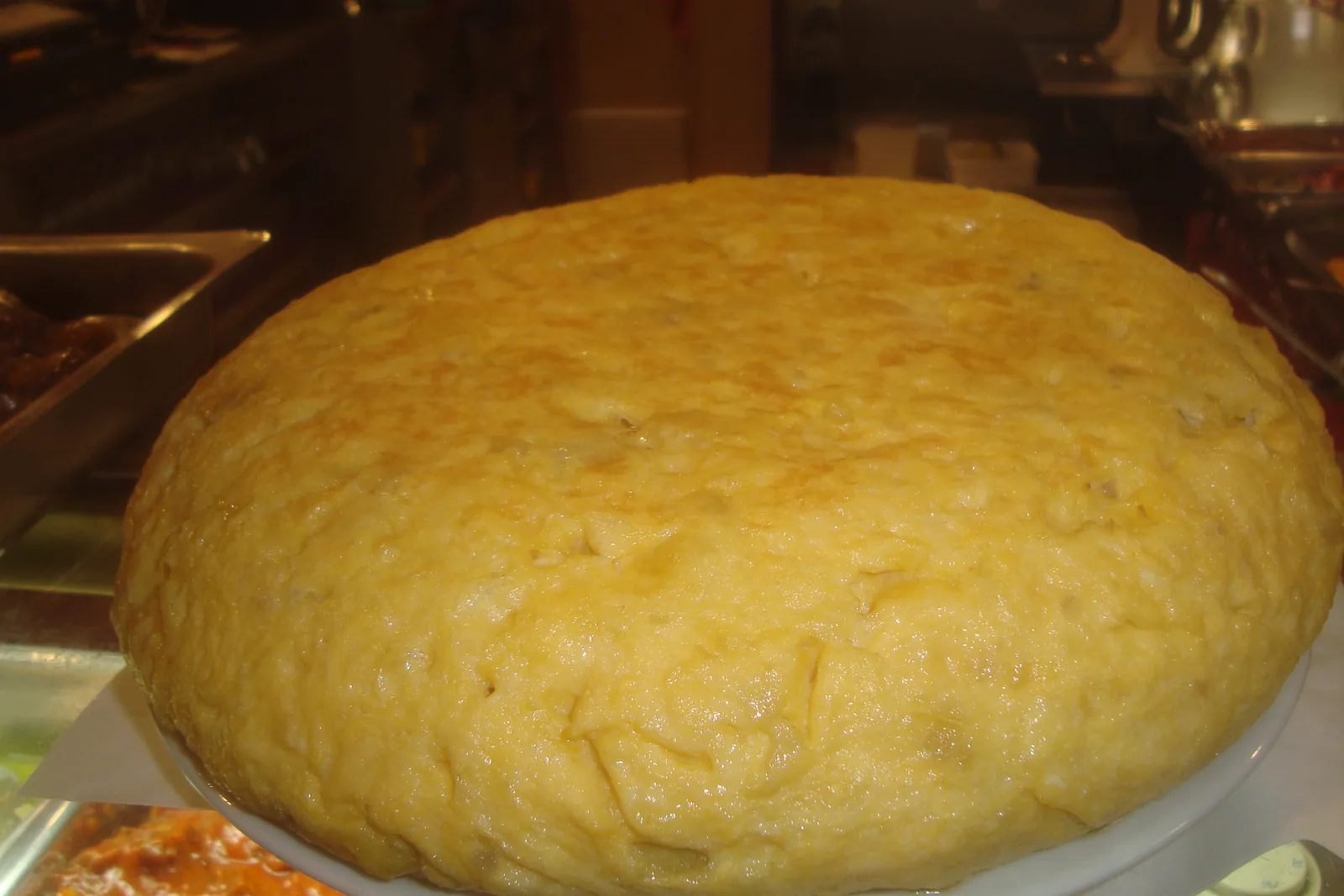
A whole golden tortilla española, a thick Spanish potato omelette, on a plate Spain flag Spain 55m
Snack & Tea •Navarre Bar Classic

Tortilla Española

This spanish tortilla recipe slowly cooks potatoes and onion in olive oil, folds them into beaten eggs, and turns out a thick, golden cake that is soft in the middle. One serving is about 220 g.

Comfort & Warmth

A thick, golden omelette of slow-cooked potatoes, onion and egg.

Pairs Well With
Pan con tomate and a glass of red wine

The Dinner Gazette

Never wonder what’s for dinner again

One email a week with easy dinner ideas from around the world — ingredients, steps and nutrition, tested in our kitchen first.

Delivered every Thursday morning. Unsubscribe anytime.