
Curated recipes from 193 countries  •  New seasonal Mediterranean issue out now

Overview

Pão de Queijo

Brazilian Cheese Bread, Brazilian Cheese Balls

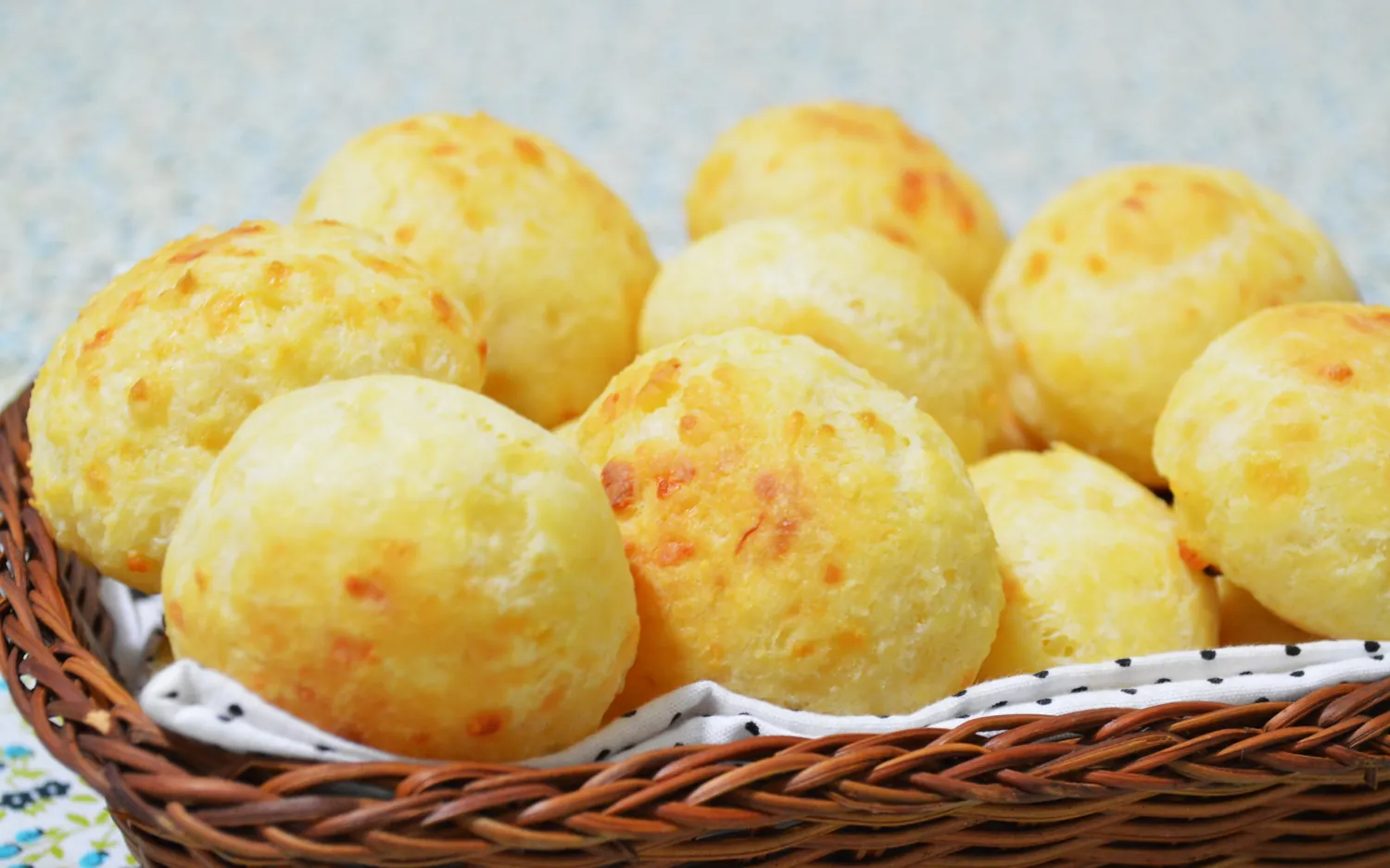
This pao de queijo recipe makes Brazil's famous cheese bread: small, golden rolls with a crisp shell and a soft, stretchy, chewy centre, made from tapioca starch, milk, oil, eggs and cheese. There is no wheat flour and no yeast — the rolls puff up on steam in a hot oven. One serving is 4 rolls, about 134 g.

Pão de queijo comes from Minas Gerais, the mining state of south-east Brazil, and its roots go back to colonial Brazil, when wheat flour was scarce and expensive. Cooks in the region used cassava starch instead — the native root the Indigenous peoples had processed for centuries — and the rolls were made on the farms where cheese was produced. The cheese in the dough was traditionally queijo Minas, the fresh, salty cheese of the region. The rolls stayed a regional food for a long time and became popular across Brazil in the 1950s, and today they are sold in bakeries and cafés all over the country, and around the world.

Pairs well with: Black coffee, fresh fruit, or a light soup

Provenance

Brazil flag Brazil

Minas Gerais Cheese Bread

Latin America & Caribbean

Time Dedication

45m

20m prep • 25m cook

Batch Yield

8 Servings

444 kcal per serving

1 serving ≈ 134 g

Technical Skill

Easy

Easy (One Bowl)

Meal Timing & Digestive Fit

Breakfast

Not Advised

Lunch

Inappropriate

Dinner

Inappropriate

Snack & Tea

Ideal Light Bite

Occasions: Afternoon coffee, breakfast, snacks, parties, lunchboxes Cost: Low — about $2–3 per serving at home
A basket of golden, round pão de queijo, Brazilian cheese bread rolls

Minas Gerais Cheese Bread

Photo: Murilo manzini, CC BY-SA 4.0, via Wikimedia Commons

The Heritage Formulary

Measured Ingredients

Estimated cost: Low — about $2–3 per serving at home (USD)

A good pão de queijo is judged by its centre: golden and lightly crisp outside, soft and stretchy inside, with the rolls holding their round shape.

Execution Methodology & Culinary Technique

Step-by-Step Cooking Guide

Active 45m
P

Prep Stage: Heat the Oven, Grate the Cheese

20 Mins • Weighing and Grating

Heat the oven to 180°C (350°F) and line a baking tray with parchment. Grate the cheeses, beat the eggs, and measure out the starch, milk, oil and salt. Everything goes fast once the milk is scalded, so have it all ready.

Maestro Tip: Grate the cheese yourself if you can — pre-grated cheese is coated to stop it clumping, and it melts less smoothly into the dough.

  1. 1

    Scald the Starch

    5 Mins Boiling milk, about 100°C (212°F)

    Put the milk, oil and salt in a small pan and bring to a gentle boil over medium heat, stirring once. As soon as it boils, take it off the heat and pour it all at once over the tapioca starch in the large bowl. Stir with a wooden spoon until the starch turns into a sticky, lumpy paste.

    Pour the boiling liquid over the starch all at once — this scalds the starch, and that scald is what gives the rolls their chewy texture. Stir right away so no dry pockets stay hidden.

    Done when: The starch has absorbed the liquid and turned into a thick, sticky paste with no dry powder left.

  2. 2

    Mix in the Eggs

    5 Mins Warm, about 40°C (104°F)

    Let the paste cool for 5 minutes until you can touch it comfortably. Add the beaten eggs a little at a time, mixing well after each addition, until the dough turns smooth, soft and slightly sticky. It will look loose at first, then come together.

    Let the paste cool before adding the eggs, or they will scramble. If the dough feels too wet, let it rest for 5 minutes — the starch keeps absorbing liquid.

    Done when: The dough is smooth, soft and slightly sticky, and it holds together when you lift the spoon.

  3. 3

    Knead in the Cheese

    5 Mins Room temperature, about 20°C (68°F)

    Add both grated cheeses and knead them into the dough with your hands for 2–3 minutes until the cheese is evenly mixed through and the dough is soft, smooth and no longer sticks much to your hands. If it is very sticky, wet your hands lightly with water.

    Do not add extra starch to fix stickiness — wet hands instead. Extra starch makes the rolls dense and dry.

    Done when: The dough is soft and smooth, with flecks of cheese throughout, and it can be rolled into a ball without falling apart.

  4. 4

    Shape the Rolls

    5 Mins Room temperature, about 20°C (68°F)

    Roll the dough into 32 balls about the size of a golf ball, roughly 33 g each, and place them on the lined tray with about 4 cm between them. They will puff up, so do not crowd the tray.

    Keep the balls the same size so they bake evenly. If the dough sticks to your hands, rub a drop of oil on your palms.

    Done when: The balls are even in size and well spaced on the tray.

  5. 5

    Bake Until Golden

    25 Mins 180°C (350°F)

    Bake in the middle of the oven for 20–25 minutes, until the rolls are puffed, golden, and lightly crisp on the outside. Do not open the oven door for the first 10 minutes. Let them cool on the tray for 5 minutes before eating — the centres are very hot.

    Take them out when they are golden, not pale — a pale roll is underbaked inside and will deflate as it cools. A few darker spots are normal and tasty.

    Done when: The rolls are puffed and golden all over, with a lightly crisp shell and a soft, stretchy centre when torn open.

Finishing Touches & Plating

Serve the rolls warm, straight from the oven, when the centres are still soft and stretchy. They are best within the first hour — after that they firm up, so warm leftovers briefly in a hot oven before eating.

Nutritional Physiology & Benefits

Nutrition

Energy

444

kcal / serving

Protein

10g

Complete AA

Carbs

58g

Complex

Fats

19g

Healthy

Per serving (8 servings · 1 serving ≈ 134 g)
Energy444 kcal
Protein10 g
Carbohydrates58 g
Fat19 g
Fibre0.6 g
Sugar1.9 g
Sodium520 mg
Per 100g
Energy332 kcal
Protein7.1 g
Carbohydrates43.2 g
Fat14.5 g
Fibre0.4 g
Sugar1.4 g
Sodium389 mg

Nutrition values are estimated — calculated from USDA FoodData Central values for the listed ingredients.

Vitamins & minerals: Calcium and phosphorus (cheese and milk), vitamin B12 (cheese and eggs). Nutrition values are estimated.

Quick Energy

About 58 g of carbohydrate per serving of 4 pieces gives quick, satisfying energy — a useful snack between meals or before exercise.

Calcium for Bones

Cheese and milk bring calcium and phosphorus, nutrients the body uses to build and maintain bones and teeth.

Naturally Gluten-Free

Made with tapioca starch instead of wheat flour, pão de queijo is naturally gluten-free — no wheat is used at all.

Food Pairings

What to Eat With

To optimize nutrient absorption and elevate the sensory depth, pair with these authentic accompaniments:

Drinks

Black Coffee

The classic partner: the rolls were made for coffee, and the bitter coffee balances the rich, salty cheese.

Sides

Fresh Fruit

Fresh fruit adds sweetness and juice that contrast with the salty, chewy rolls and make a complete breakfast.

Soups

Light Vegetable Soup

A light vegetable soup turns a handful of rolls into a simple lunch — the rolls are perfect for dunking.

More Pairings

Guava Paste or Jam

A small spoonful of guava paste or jam on a split roll is a classic sweet-salty Brazilian bite.

Complete menu

Serve the rolls warm as a snack with black coffee or tea, or as part of a Brazilian breakfast with fresh fruit and juice; they also go well beside a light soup.

Digestive Guardrails

What NOT to Combine

To prevent digestive distress, sluggishness, or palate clash, avoid pairing the dish with these elements:

Salty Snacks on the Side

These rolls are energy-dense and salty — about 520 mg of sodium per 4 pieces — so skip salty cured meats or salty snacks with them. This is general information, not medical advice.

Opening the Oven Door Early

Never open the oven door in the first 10 minutes of baking: the rolls puff up on steam, and a rush of cold air can make them collapse and go flat.

General information only, not medical advice — consult a doctor for personal dietary decisions.

Who Should Eat It

Who Should Eat

  • General adultsA warm, chewy snack — about 444 kcal for 4 pieces; best eaten fresh from the oven with coffee.
  • ChildrenA favourite with children — soft, cheesy and easy to eat; serve 2 pieces as a snack and watch for the hot, steamy centre.
  • ElderlyGood in a small portion — soft and easy to chew, though the cheese makes them rich; serve warm, not hot.
  • Pregnant womenGenerally suitable if the cheese and eggs are cooked right through; the cheese is baked, so it is safe.
  • Breastfeeding womenGenerally suitable as a snack; the milk, cheese and eggs add protein and calcium.
  • AthletesA handy carbohydrate-rich snack before training — about 58 g carbohydrate per 4 pieces; eat 1–2 hours before exercise.
  • Weight gainA good choice — energy-dense and easy to eat several of; 4 pieces give about 444 kcal.
  • Weight lossKeep it to 2 pieces and skip a second helping; the cheese and oil make them energy-dense at about 444 kcal for 4.

Health Conditions — Adjust or Avoid

Conditions

  • DiabetesOne serving of 4 pieces carries about 58 g of carbohydrate, mostly from the tapioca starch, so keep the portion small. Ask your clinician about your carbohydrate target.
  • High blood pressureOne serving carries about 520 mg of sodium, mainly from the cheese and salt, so keep it to 2 pieces and skip salty sides. Ask your clinician about your daily sodium limit.
  • Kidney diseaseCheese is high in protein and phosphorus, so keep the portion small if your clinician has advised limits, and ask about portion size.
  • GoutCheese is generally low in purines, so this is a milder choice than meat snacks; still keep the portion modest. Ask your clinician if gout flares are frequent.
  • Stomach issuesThe cheese and oil can feel heavy; eat slowly and keep the portion small if rich food bothers your stomach.
  • Cardiovascular diseaseCheese and oil add saturated fat, so enjoy occasionally and keep the portion modest. Ask your clinician about how often it fits your diet.
  • Fatty liverKeep the portion modest and occasional; the rolls are rich in fat and energy. Ask your clinician about frequency.
  • Food allergiesContains milk (cheese and milk) and egg. Do not serve to anyone with a milk or egg allergy; the rolls are not suitable for vegans.
  • Special therapeutic dietsIf you follow a prescribed low-sodium diet, use low-sodium cheese and half the salt, and check with your clinician.

If you have a medical condition, consult your doctor before changing your diet.

Storage & Use

Storage & Use

How to store
Cool completely and store in an airtight container.
In the fridge
2 days at 4°C (39°F) or below in an airtight container; warm in a hot oven for 5 minutes before eating.
In the freezer
Up to 3 months unbaked, as frozen dough balls; bake from frozen, adding 5 minutes.
How to reheat
Warm in an oven at 180°C (350°F) for 5 minutes; do not microwave — it makes them tough and rubbery.
Freezing recommended
Yes — freeze the shaped, unbaked balls on a tray, then bag them; bake from frozen when you want fresh rolls.
Signs it has spoiled
Sour smell, mould spots, or a hard, stale texture that does not soften on warming.

More recipes to explore

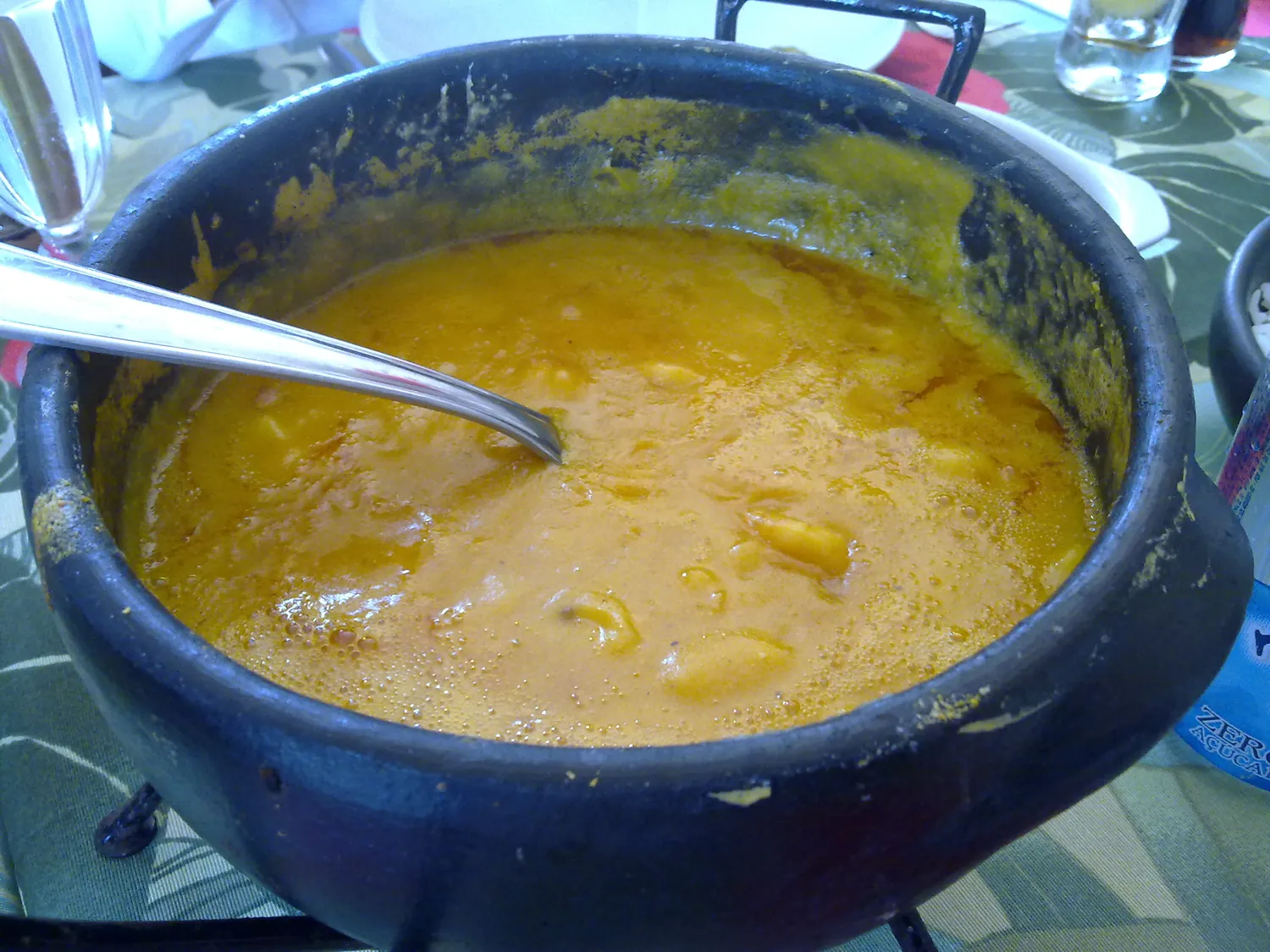
A black clay pot of golden-orange bobó de camarão, a thick cassava cream with shrimp, with a serving spoon Brazil flag Brazil 1h 5m
Dinner •Bahian Cassava Cream

Bobó de Camarão

This bobo de camarao recipe is Bahia's creamy shrimp dish: fresh shrimp folded into a thick purée of boiled cassava blended with coconut milk, coloured golden-orange with dendê oil and finished with lime and cilantro. Unlike a stew, the cassava is blended smooth, so the whole dish eats like a rich, spoonable cream. One serving is about 470 g.

Rich & Comforting

Shrimp folded into a thick, smooth cassava cream made with coconut milk and red palm oil, served hot with rice.

Pairs Well With
Steamed white rice, farofa and a crisp green salad
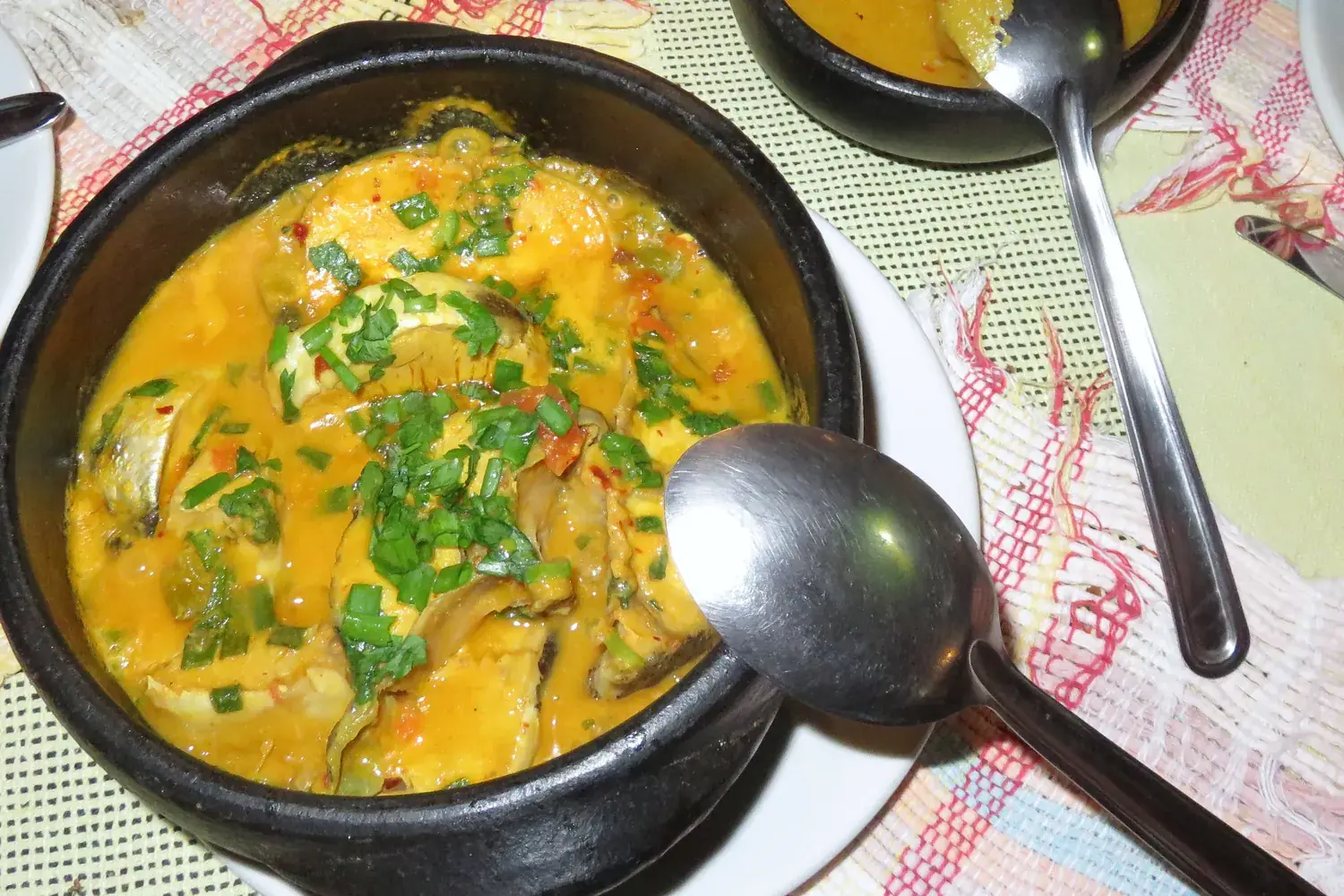
A black clay pot of moqueca baiana, fish chunks in a golden-orange coconut sauce with fresh herbs, beside rice and pirão Brazil flag Brazil 55m
Dinner •Bahian Fish Stew

Moqueca Baiana

This moqueca baiana recipe is Bahia's famous fish stew: thick fillets of white fish layered with onion, peppers and tomato, then simmered gently in coconut milk with dendê oil until the sauce turns golden-orange. The fish stays in whole, flaky pieces in a fragrant broth — a stew, not a purée. One serving is about 450 g.

Coastal & Aromatic

Firm white fish simmered in coconut milk and red palm oil with peppers and tomato, served hot in its clay pot.

Pairs Well With
Steamed white rice, pirão and farofa
Pan con tomate with jamón ibérico on toasted bread Spain flag Spain 15m
Snack & Tea •Catalan Aperitivo

Pan con Tomate & Jamón Ibérico

Country bread rubbed with ripe Ramallet tomato, drizzled with cold-pressed Arbequina olive oil and topped with jamón ibérico.

Vascular Health

Toasted tomato bread with jamón ibérico, olive oil and olives.

Pairs Well With
Castelvetrano Olives & Sparkling Mineral Water
Quick Prep (<30m)
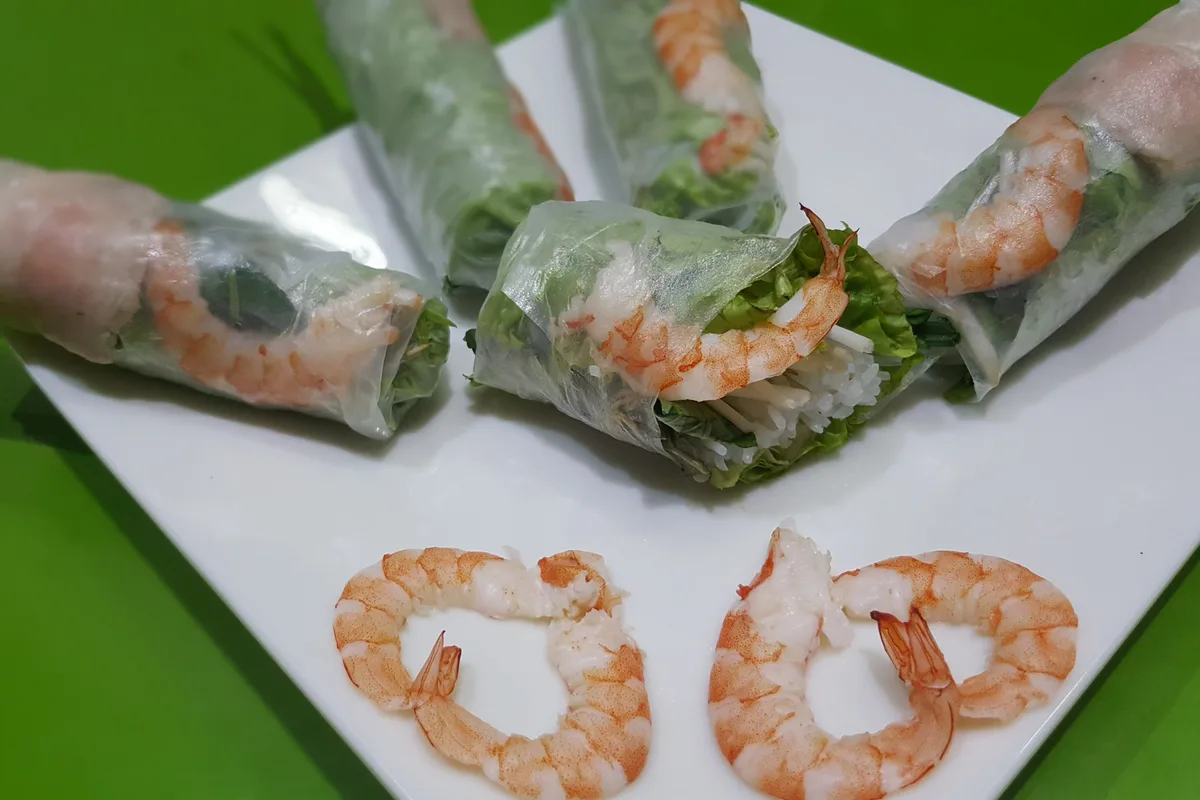
Gỏi cuốn — Vietnamese fresh spring rolls with prawn and pork Vietnam flag Vietnam 1h 5m
Snack & Tea •Saigon Refresh

Gỏi Cuốn Tôm Thịt

Fresh rice paper rolls filled with poached prawns, tender pork, rice vermicelli, lettuce, herbs and carrot, served with a peanut dipping sauce.

Light Digestion

Nothing is fried, so the rolls stay light and fresh — a cool, herb-filled snack for hot days.

Pairs Well With
Artisanal Peanut Dip & Fresh Lotus Root Water
High Protein

The Dinner Gazette

Never wonder what’s for dinner again

One email a week with easy dinner ideas from around the world — ingredients, steps and nutrition, tested in our kitchen first.

Delivered every Thursday morning. Unsubscribe anytime.