Curated recipes from 193 countries  •  New seasonal Mediterranean issue out now

Overview

Pebre

Pebre chileno, Chilean salsa, Chilean pebre sauce

This pebre recipe makes Chile's classic chopped salsa — ripe tomato, white onion and fresh coriander with green chili, garlic, olive oil and red wine vinegar. One serving is about 61 g, roughly 4 tablespoons, and carries about 39 calories. It takes 15 minutes, needs no cooking at all, and is ready as soon as the flavours have had a few minutes to settle.

Pebre sits on the table at almost every Chilean meal, from a weekday lunch to a full asado, usually in a small bowl next to the bread while the grill heats up. Its roots run back to the Mapuche kitchens of southern Chile, where a sauce of chili, garlic and coriander was pounded on stone — and that stone-ground cousin, chancho en piedra, is still made today. Pebre itself is the chopped version: knife work, not a mortar, with tomato and onion in clear pieces. It is loved enough to have its own contest — the Campeonato Mundial del Pebre, held at La Vega Central market in Santiago, where cooks compete for the best bowl in Chile.

Pairs well with: Crusty marraqueta bread, grilled meats, or empanadas

Provenance

Chile flag Chile

Chilean Table Classic

Latin America & Caribbean

Time Dedication

15m

15m prep • 0m cook

Batch Yield

8 Servings

39 kcal per serving

1 serving ≈ 61 g

Technical Skill

Easy

Easy (No Cooking)

Meal Timing & Digestive Fit

Breakfast

Not Advised

Lunch

Inappropriate

Dinner

Inappropriate

Snack & Tea

Ideal Light Bite

Quick Prep (<30m) Occasions: Barbecues, family lunches, empanada nights, everyday meals Cost: Low — about $1 per serving at home

A close-up of fresh pebre in a wooden bowl — finely chopped red tomato, white onion and green coriander with a spoon

Chilean Table Classic

Photo: Sebastian Ignacio Saavedra Meza, CC BY-SA 4.0, via Wikimedia Commons

The Heritage Formulary

Measured Ingredients

Estimated cost: Low — about $1 per serving at home (USD)
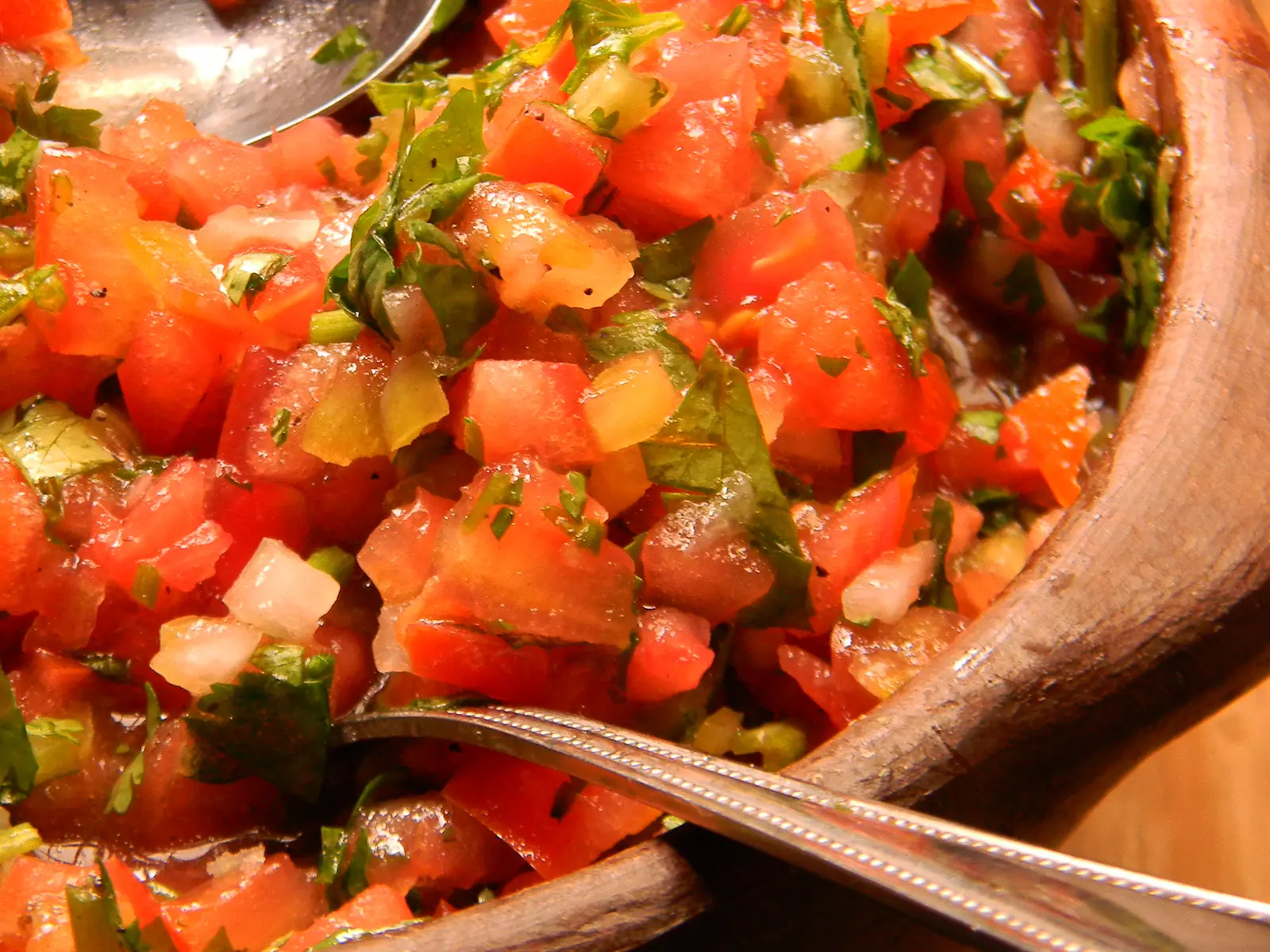
A good pebre is chopped, not blended — every piece of tomato, onion and coriander should still be visible, and the bowl should smell sharp and green.

Execution Methodology & Culinary Technique

Step-by-Step Cooking Guide

Active 15m
P

Prep Stage: Chop Everything Fine

15 Mins • Chopping & Mixing

Dice the onion first and put it to soak in cold water while you chop everything else — that ten-minute soak takes the harsh edge off the raw onion. Dice the tomatoes small but not mashed, chop the coriander fine, and mince the garlic and chili. Everything goes into one bowl; the only skill is the knife work.

Maestro Tip: Cut the tomato with a sharp knife, not a serrated one — a clean cut keeps the pieces firm instead of crushing them into juice.

  1. 1

    Dice and soften the onion

    3 Mins Cold water, about 20°C (68°F)

    Peel the onion and dice it as fine as you can. Tip it into a small bowl of cold water and leave it for 10 minutes while you chop the rest — this takes the harsh, eye-watering edge off the raw onion. Drain it well and pat it dry before it goes into the salsa.

    If you are short on time, a 5-minute soak still helps; do not skip it entirely or the raw onion will dominate the salsa.

    Done when: Onion pieces are small and even, and taste mild rather than fiery.

  2. 2

    Dice the tomato

    4 Mins No heat

    Core the tomatoes and dice them into pieces about 5 mm across — small enough to sit on bread, big enough to keep their shape. Put them in a medium bowl and press them very gently once or twice with the back of a spoon so a little juice comes out, but do not crush them.

    Peeling the tomatoes is traditional and gives a smoother salsa, but it is optional — the skin adds nothing bad, only a little texture.

    Done when: Even small dice with a little fresh juice in the bottom of the bowl.

  3. 3

    Chop the coriander, garlic and chili

    3 Mins No heat

    Wash the coriander, shake it dry and chop the leaves and thin stems fine. Mince the garlic, and halve the chili, scrape out the seeds if you want it mild, and dice it fine. Add the coriander, garlic and chili to the bowl with the drained onion.

    Use the thin coriander stems as well as the leaves — they carry just as much flavour and chop into the mix nicely.

    Done when: Everything chopped fine and evenly mixed, with green coriander clearly visible through the tomato.

  4. 4

    Dress and season

    3 Mins No heat

    Pour over the olive oil, red wine vinegar and lemon juice, then sprinkle in the salt, cumin and black pepper. Stir gently with a spoon, folding rather than mashing, so the tomato pieces stay whole. Taste and adjust the salt and vinegar — it should be bright and sharp, not flat.

    Add the vinegar a little at a time and taste as you go — different tomatoes need different amounts of sharpness.

    Done when: Salsa glistens with oil, tastes bright and sharp, and the tomato pieces are still whole.

  5. 5

    Rest and taste

    2 Mins Room temperature, about 20°C (68°F)

    Leave the pebre to sit for 10 minutes so the onion softens further and the flavours settle into each other, then taste once more and add a pinch more salt or a squeeze of lemon if it needs it. Serve at room temperature in a small bowl, with a spoon for serving.

    Pebre is at its best in the first few hours; after a day the coriander wilts and the tomato softens.

    Done when: The salsa tastes balanced — sharp, salty and fresh, with no single ingredient shouting.

Finishing Touches & Plating

Spoon the pebre into a small bowl and set it in the middle of the table with bread, while the grill is still going. It is best in the first few hours, while the tomato is bright and the coriander is fresh.

Nutritional Physiology & Benefits

Nutrition

Energy

39

kcal / serving

Protein

1g

Complete AA

Carbs

3g

Complex

Fats

3g

Healthy

Per serving (8 servings · 1 serving ≈ 61 g)
Energy39 kcal
Protein1 g
Carbohydrates3 g
Fat3 g
Fibre0.8 g
Sugar1.6 g
Sodium101 mg
Per 100g
Energy64 kcal
Protein1 g
Carbohydrates5.1 g
Fat4.7 g
Fibre1.4 g
Sugar2.6 g
Sodium165 mg

Nutrition values are estimated — calculated from USDA FoodData Central values for the listed ingredients.

Vitamins & minerals: Tomatoes provide vitamin C and lycopene, coriander adds vitamin K and folate, and olive oil supplies vitamin E. All nutrition values are estimated.

Big Flavour, Almost No Calories

With about 39 kcal, 0.6 g of protein and plenty of fresh vegetables per serving, pebre adds flavour for almost no energy at all.

Fresh Vitamins from Raw Vegetables

Tomatoes bring vitamin C and lycopene, and fresh coriander adds vitamin K and folate — all from raw, uncooked produce.

Ready in Fifteen Minutes

No cooking, no waiting for an oven: fifteen minutes of chopping and the salsa is on the table.

Food Pairings

What to Eat With

To optimize nutrient absorption and elevate the sensory depth, pair with these authentic accompaniments:

Sides

Marraqueta Bread

Warm marraqueta torn into pieces is the classic vehicle — the crust soaks up the tomato juice and the soft crumb carries the onion and coriander.

Grilled Meat and Choripan

Grilled meat and choripan are rich and fatty; the sharp, raw salsa cuts straight through that richness and resets the palate between bites.

Empanadas

A spoonful of pebre on a hot empanada de pino adds the fresh, sharp note the baked pastry needs.

Full Menus

Full Menu: Asado, Bread and Pebre

Grill meat or sausages, set out bread and a bowl of pebre, then fresh fruit — the salsa is the thread that ties the Chilean table together.

Complete menu

Serve pebre in a small bowl with marraqueta bread and grilled meat or choripan, then fresh fruit to finish — the salsa is the thread that ties the Chilean table together.

Digestive Guardrails

What NOT to Combine

To prevent digestive distress, sluggishness, or palate clash, avoid pairing the dish with these elements:

Blending It Smooth

A blender or food processor turns pebre into a smooth sauce — that is chancho en piedra, a different dish. Pebre must be chopped by hand so the tomato, onion and coriander stay in separate, visible pieces. This is general food information, not medical advice.

Using Soft, Overripe Tomatoes

Warm, overripe tomatoes collapse into juice and the salsa turns watery and flat. Use firm, ripe tomatoes and dice them small so they hold their shape. This is general food information, not medical advice.

General information only, not medical advice — consult a doctor for personal dietary decisions.

Who Should Eat It

Who Should Eat

  • General adultsA fresh, low-calorie condiment most adults can enjoy freely; a spoonful or two lifts grilled meat, fish or bread.
  • ChildrenThe raw onion and chili can be too sharp for small children — make a mild bowl for them with the chili left out.
  • ElderlySoft, easy to eat and light; keep the chili mild and the salt light if that suits them better.
  • Pregnant womenAll the ingredients are raw vegetables, oil and vinegar, so it is fine in normal amounts; wash the produce well, and ask your clinician if you are unsure about anything raw.
  • Breastfeeding womenA light, fresh salsa that adds flavour without heaviness; the chili heat does not pass into breast milk in any meaningful amount.
  • AthletesVery low in calories, so it adds flavour without using up an energy budget; pair it with a proper protein-rich main.
  • Weight gainAt about 39 kcal a serving it adds almost no energy — use it to make larger, richer meals more enjoyable.
  • Weight lossOne of the lightest condiments there is: big flavour for about 39 kcal, so it is an easy way to keep grilled food interesting.

Health Conditions — Adjust or Avoid

Conditions

  • DiabetesAbout 3.1 g of carbohydrate and 1.6 g of sugar per serving, mostly from the tomato and onion; a very light choice, and ask your clinician if you are unsure about portions.
  • High blood pressureAbout 101 mg of sodium per serving, mostly from the added salt; use less salt or none at all, and ask your clinician if you are on a low-sodium plan.
  • Kidney diseaseLow in protein and potassium per serving; the main thing to watch is the salt, and ask your clinician whether this portion suits your plan.
  • GoutVery low in purines; the chili and vinegar are the only things that might bother a sensitive stomach, and ask your clinician if you are unsure.
  • Stomach issuesRaw onion, chili and vinegar can sting a sensitive stomach — eat a small spoonful first, and ask your clinician if it keeps bothering you.
  • Cardiovascular diseaseLow in fat and sodium with fresh vegetables and olive oil; a heart-friendly condiment in normal amounts, and ask your clinician about the right portion for you.
  • Fatty liverAlmost no energy and no added sugar; a good way to flavour food without adding fat, and ask your clinician about the right portion for you.
  • Food allergiesContains no common allergens — no gluten, dairy, egg, nuts or seafood; if you have a food allergy, ask your clinician whether it is safe for you.
  • Special therapeutic dietsFollow your clinician's guidance on raw onion and chili if your diet restricts them; this is general information, not medical advice.

If you have a medical condition, consult your doctor before changing your diet.

Storage & Use

Storage & Use

How to store
Transfer to a clean jar or container with a tight lid and keep it cold.
In the fridge
Up to 2 days at 4°C (40°F) or below in a sealed container.
In the freezer
Not recommended — freezing ruins the texture of the raw tomato and coriander.
How to reheat
Do not reheat — pebre is served raw at room temperature; take it out of the fridge 15 minutes before serving.
Freezing recommended
No — pebre is a fresh salsa and does not freeze well.
Signs it has spoiled
Sour or off smell, slimy texture, or any mould — throw it away.

More recipes to explore

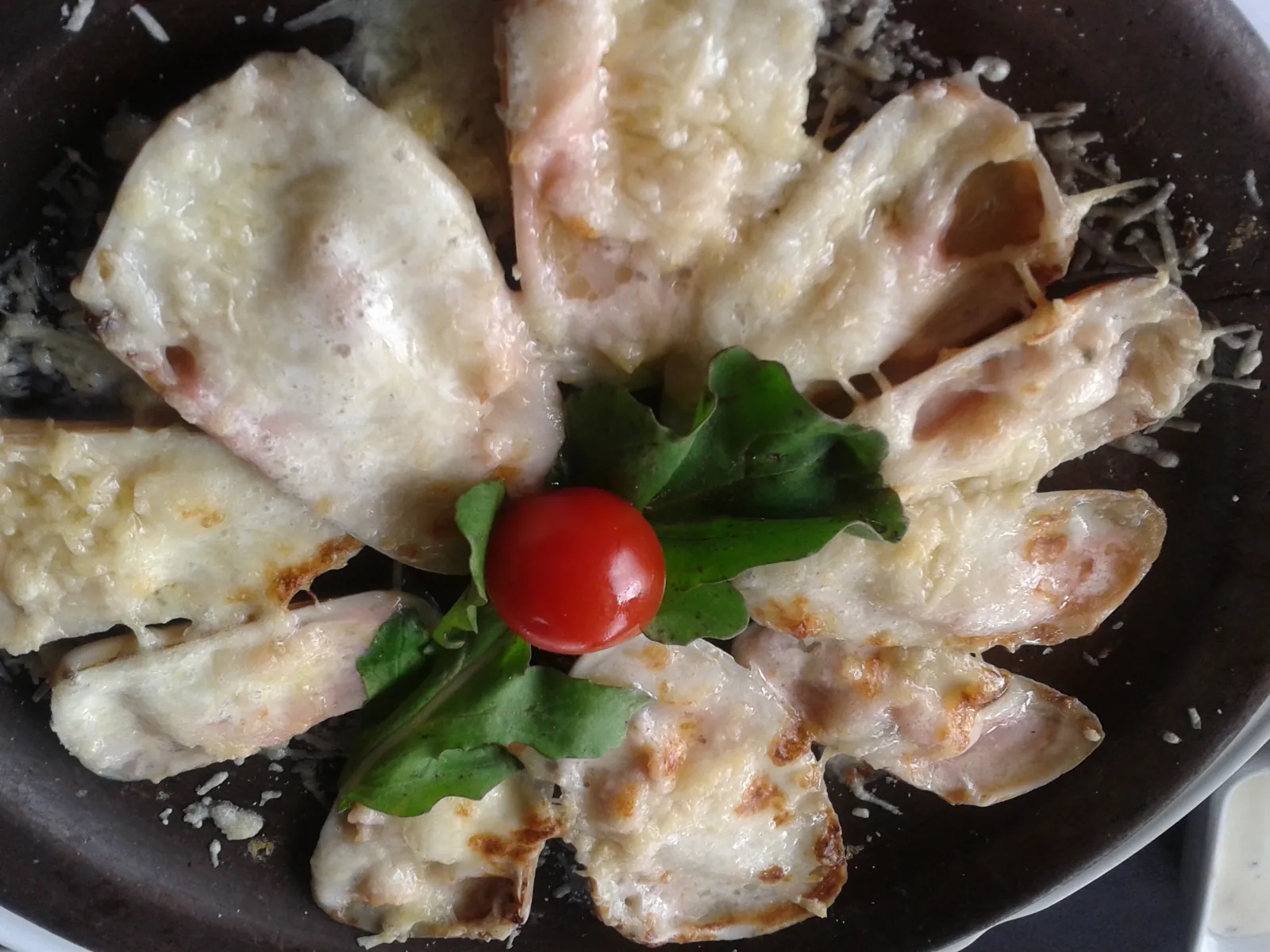
Machas a la parmesana — razor clams in their shells topped with melted golden Parmesan, garnished with greens and a cherry tomato Chile flag Chile 35m
Lunch •Valparaíso Coast Heritage

Machas a la Parmesana

This machas a la parmesana recipe bakes sweet Chilean razor clams in their own shells with garlic butter, a splash of dry white wine and a blanket of grated Parmesan that turns golden under the grill. It is the classic starter of the Valparaíso coast: briny, buttery and ready in minutes. One serving is about 200 g, six shells per person.

Coastal & Savory

Sweet razor clams baked in their shells with garlic butter, white wine and a golden Parmesan crust.

Pairs Well With
Crusty bread and lemon wedges, with a glass of dry white wine.
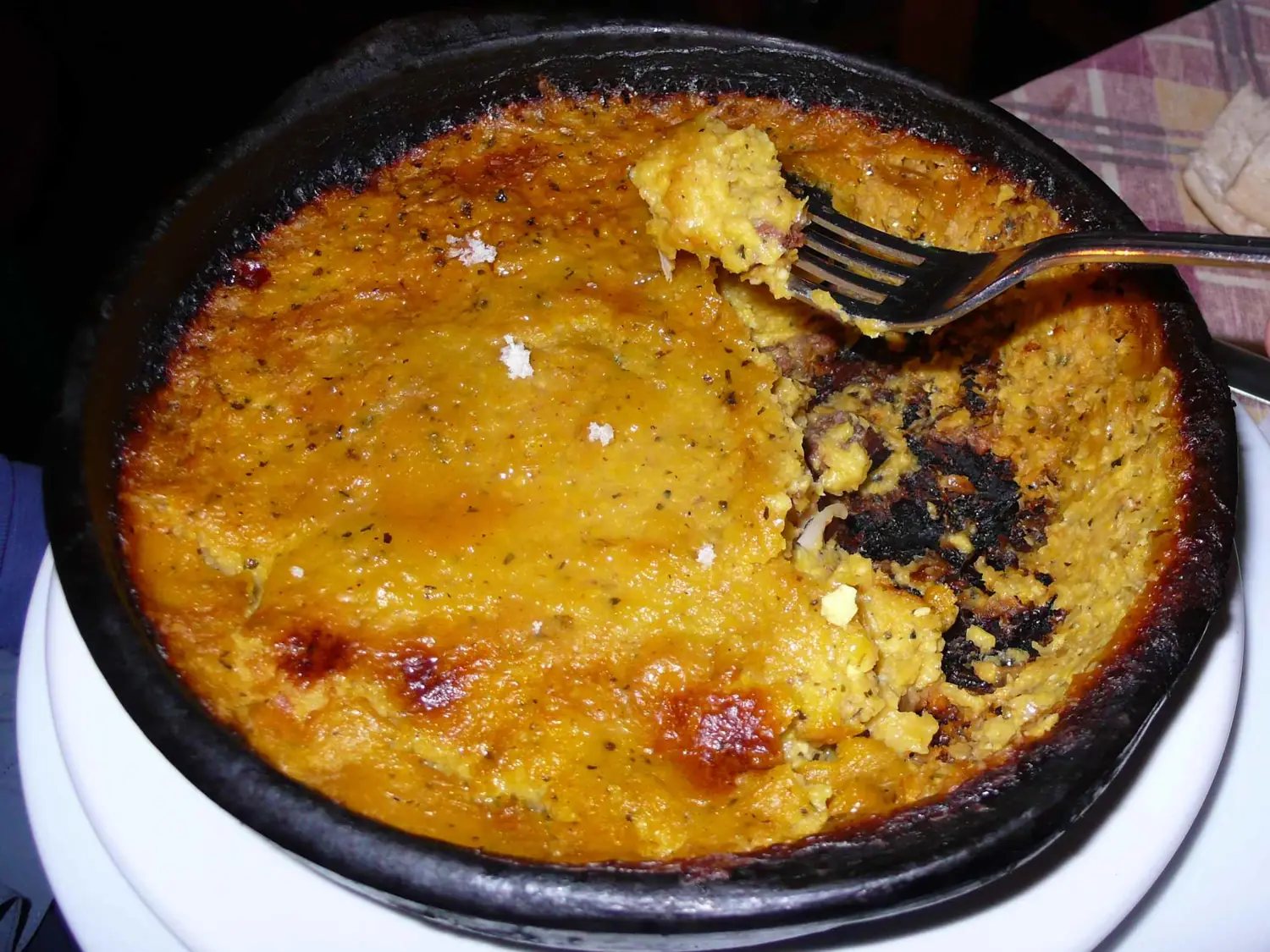
Pastel de choclo in a black clay dish, golden corn topping with a fork lifting a bite of the meat filling Chile flag Chile 1h 25m
Dinner •Chilean Countryside Heritage

Pastel de Choclo

This pastel de choclo recipe is Chile's beloved baked corn pie: a savoury filling of seasoned ground beef, chicken, hard-boiled egg, black olives and raisins, covered with a sweet, basil-flecked corn topping and baked until golden. Sweet meets savoury in every spoonful, and the clay dish it bakes in keeps it hot to the table. One serving is about 340 g.

Hearty & Satisfying

Sweet corn and basil topping over a savoury beef and chicken filling with egg, olives and raisins.

Pairs Well With
A fresh tomato salad and a glass of Chilean red wine.
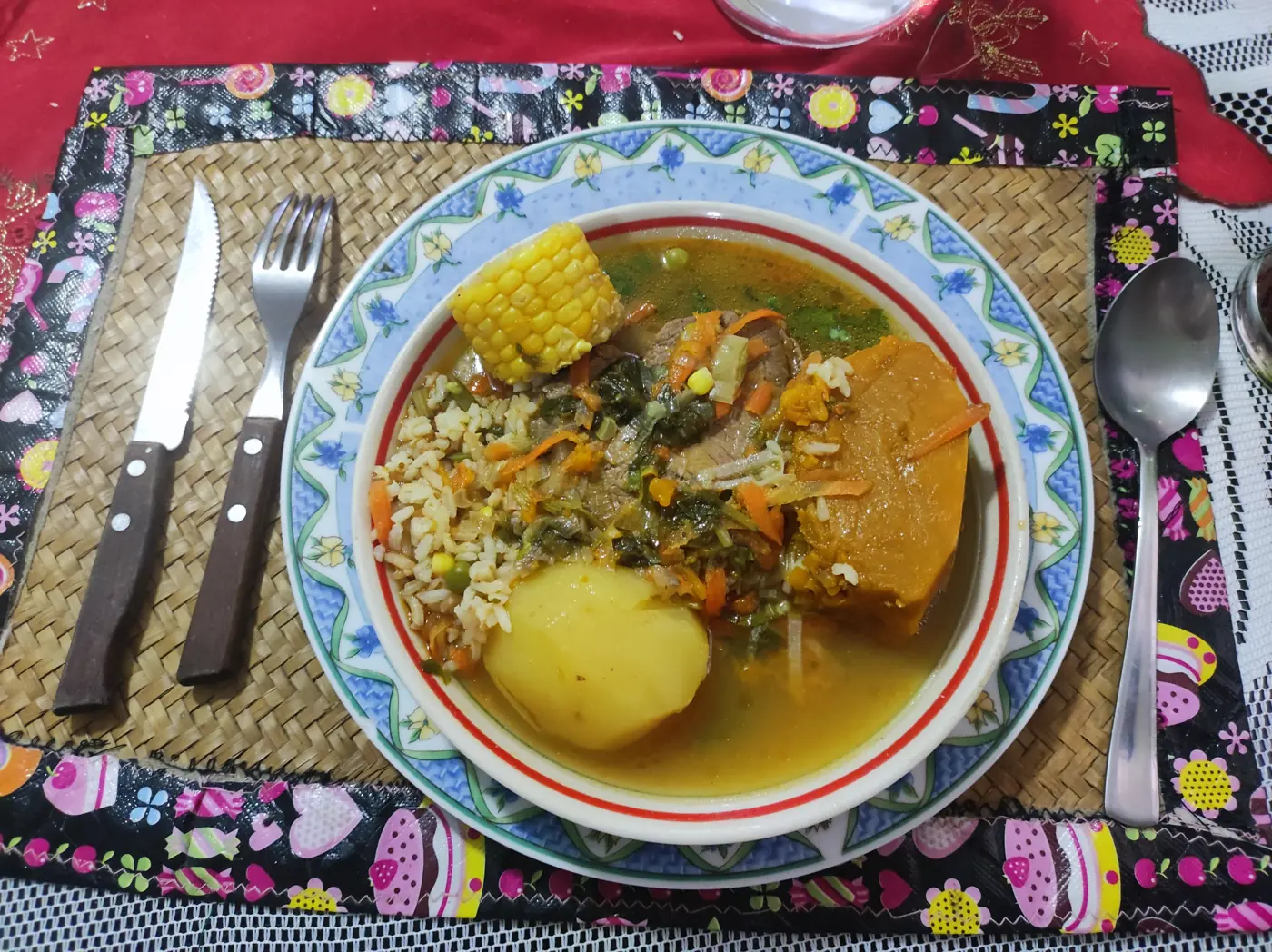
Cazuela chilena — a bowl of chicken soup with a whole potato, a piece of pumpkin, corn on the cob and rice in a golden broth Chile flag Chile 1h 20m
Lunch •Chilean Home Kitchen Heritage

Cazuela Chilena

This cazuela chilena recipe is Chile's home-cooked comfort soup, and its identity is unmistakable: a big piece of orange pumpkin, a chunk of corn on the cob, a potato and a scoop of rice, all simmered with chicken in a clear, savoury broth. The pumpkin sweetens the broth as it cooks, the corn stays sweet and firm, and the rice turns the soup into a full lunch. One serving is about 750 g, broth and all.

Comfort & Warmth

Chicken simmered with pumpkin, corn, potato and rice in a light, cilantro-scented broth.

Pairs Well With
Crusty bread and pebre salsa, with the rice spooned into the bowl.
Soups & Broths
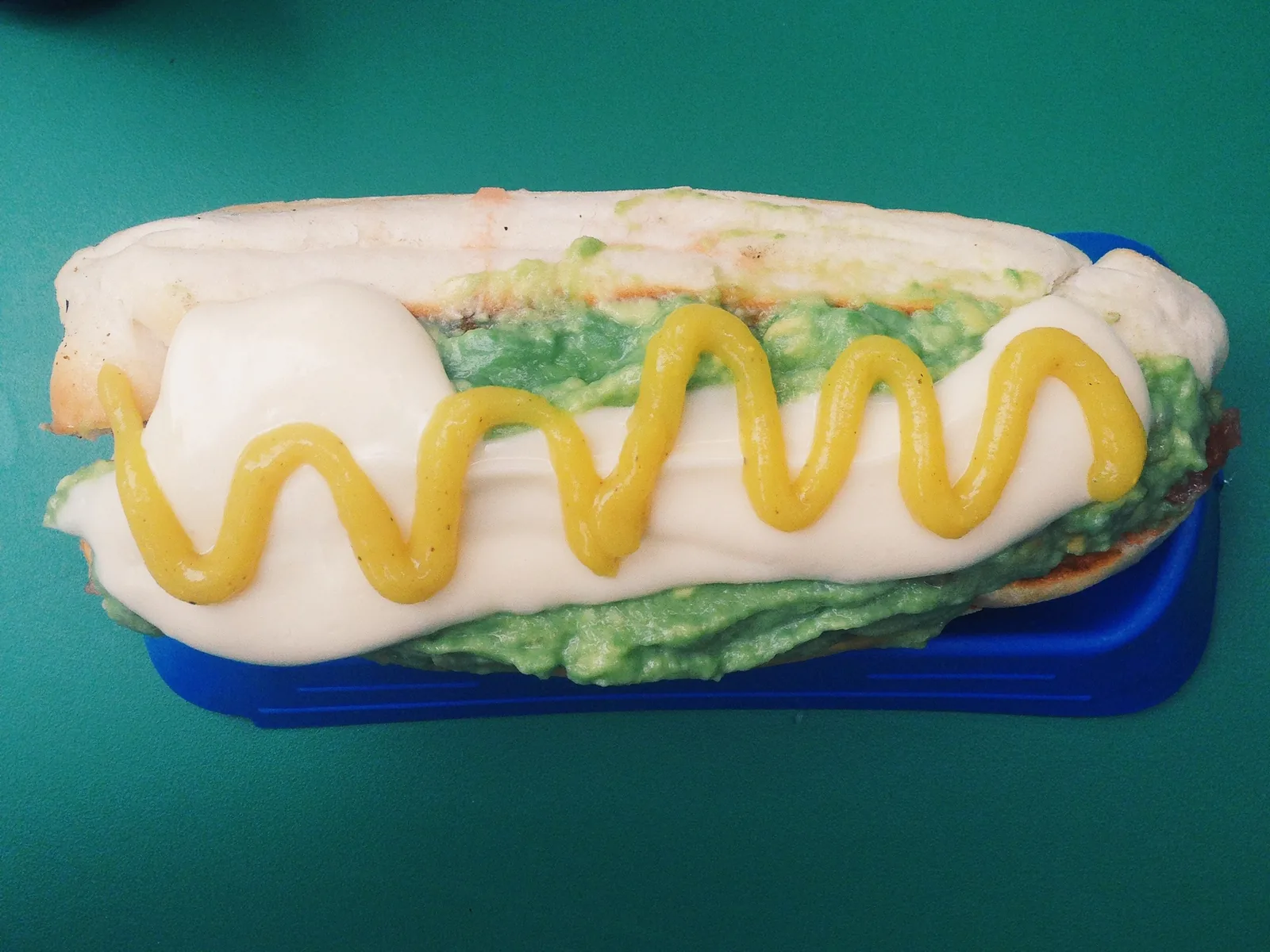
A completo chileno in a soft bun loaded with mashed avocado, mayonnaise and a mustard zigzag, with tomato peeking out at one end Chile flag Chile 25m
Snack & Tea •Chilean Street Food

Completo Chileno

A completo chileno is Chile's answer to the hot dog: a pork frankfurter in a soft bun, buried under diced tomato, a thick layer of mashed avocado and a generous ribbon of mayonnaise. It is salty, creamy and gloriously messy, and it is eaten standing up, with both hands and no cutlery. One serving is about 229 g.

Quick & Satisfying

A pork frankfurter in a soft bun, loaded with tomato, mashed avocado and mayonnaise.

Pairs Well With
Crispy fries, a cold lemonade or a lager

The Dinner Gazette

Never wonder what’s for dinner again

One email a week with easy dinner ideas from around the world — ingredients, steps and nutrition, tested in our kitchen first.

Delivered every Thursday morning. Unsubscribe anytime.