
Curated recipes from 193 countries  •  New seasonal Mediterranean issue out now

Overview

Pêches au Thon

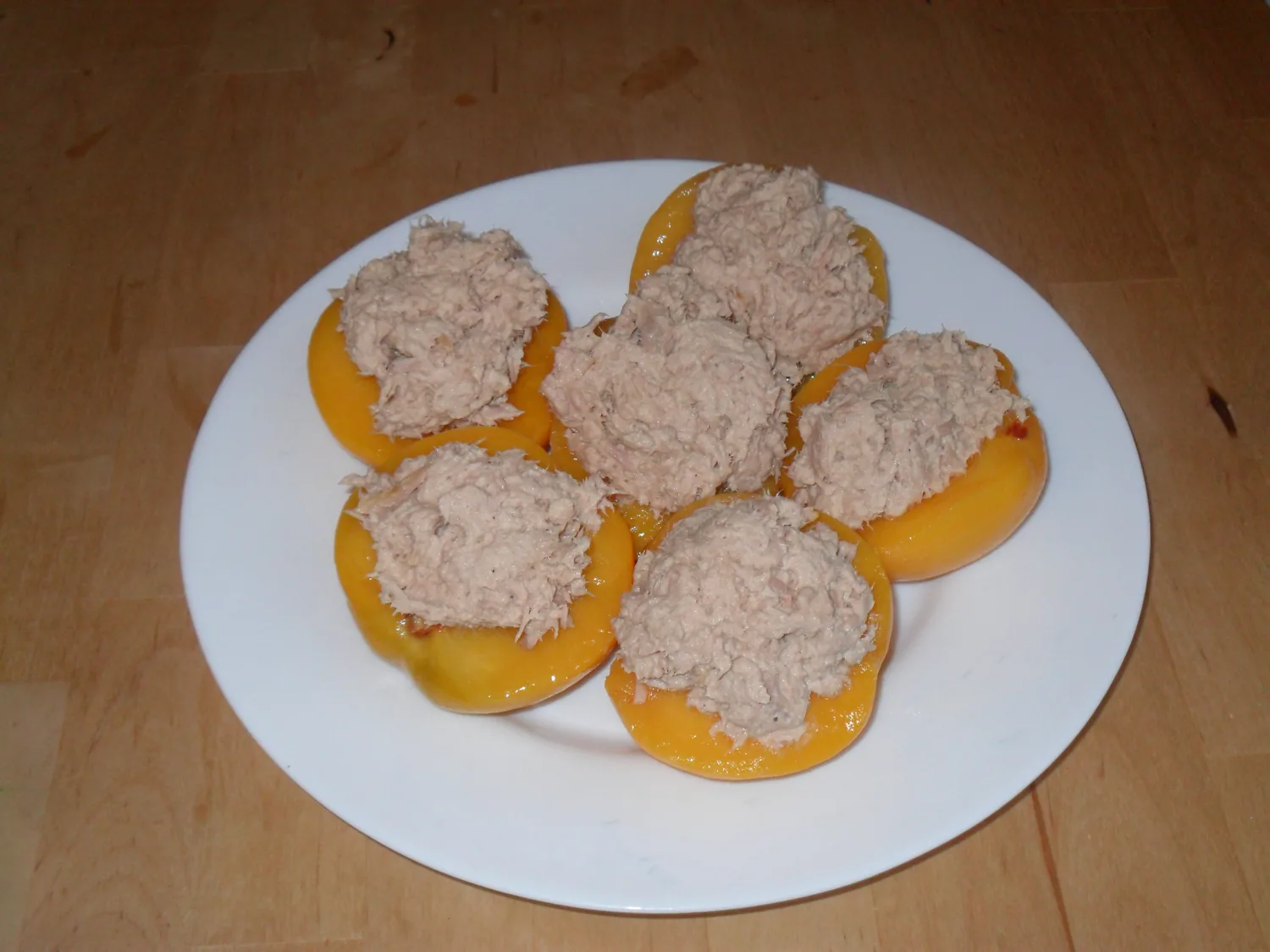
Tuna-Stuffed Peaches, Pêche au Thon

Pêches au thon are a Belgian classic: sweet canned peach halves filled with a creamy mix of tuna, mayonnaise, lemon and mustard, served cold on lettuce. The sweet-savoury contrast is the whole point — soft peach against salty, tangy tuna. This peches au thon recipe serves 4, one stuffed peach half each. One serving is about 158 g.

Pêches au thon is a Belgian bistro and home-cooking classic: tinned peaches and tinned tuna, two pantry staples, turned into a starter by a spoonful of mayonnaise. The dish is a study in sweet and savoury — the soft, sweet peach against the salty, creamy tuna — and it is served cold, which makes it a summer favourite in Belgium. There is no English Wikipedia article for it; the French one records the same simple formula.

Pairs well with: Crusty bread and a glass of dry white wine or sparkling water.

Provenance

Belgium flag Belgium

Belgian Bistro Starter

Nordic & European

Time Dedication

20m

20m prep • 0m cook

Batch Yield

4 Servings

194 kcal per serving

1 serving ≈ 158 g

Technical Skill

Easy

Easy (No-Cook)

Meal Timing & Digestive Fit

Breakfast

Not Advised

Lunch

Prime Metabolic Fit

Dinner

Ideal Hearty Main

Snack & Tea

Inappropriate

Occasions: Light lunches, summer starters, buffet tables, picnics Cost: Low — about $2–3 per serving at home
Tags: Fish Savory Salad
Peach halves filled with tuna and mayonnaise on a white plate

Belgian Bistro Starter

Photo: Oreo Priest, CC0, via Wikimedia Commons

The Heritage Formulary

Measured Ingredients

Estimated cost: Low — about $2–3 per serving at home (USD)

Made with canned peaches in juice, drained tuna, mayonnaise, lemon and mustard, served cold on lettuce.

Execution Methodology & Culinary Technique

Step-by-Step Cooking Guide

Active 20m
P

Prep Stage: Drain, Mix & Chill

20 Mins • Drain & Mix

Drain the peach halves and the tuna very well and pat the peaches dry — watery peaches make a watery filling. Flake the tuna into a bowl and mix it with the mayonnaise, lemon juice, mustard, half the chives, salt and pepper until creamy but still flaky. Wash and dry the lettuce leaves and halve the cherry tomatoes.

Maestro Tip: Pat the peach halves dry inside and out; any juice left in the hollow seeps into the filling and loosens it.

  1. 1

    Drain the Peaches and Tuna

    5 Mins • Drain Cold, about 4°C (39°F)

    Open the can of peaches, drain off all the juice and set the 4 halves cut-side up on paper towels. Pat them dry inside and out. Drain the tuna in a sieve, pressing gently with a fork to squeeze out as much water as you can.

    Wet tuna is the most common fault here — press it firmly in the sieve, or the filling turns sloppy.

    Done when: The peach halves are dry to the touch and the tuna is flaky, not wet.

  2. 2

    Mix the Tuna Filling

    5 Mins • Mix Cold, about 4°C (39°F)

    Put the drained tuna in a bowl and break it up with a fork. Add the mayonnaise, lemon juice, mustard, half the snipped chives, salt and pepper, and stir until the mixture is creamy but still has visible flakes of tuna. Taste and add a little more lemon or salt if needed.

    Stir, do not mash — the filling should be flaky and light, not a smooth paste.

    Done when: The filling is creamy, holds its shape on a spoon, and tastes bright and salty.

  3. 3

    Fill the Peach Halves

    5 Mins • Fill Cold, about 4°C (39°F)

    Spoon a generous mound of the tuna mixture into the hollow of each peach half, piling it up a little above the rim. You should use all of the filling across the 4 halves.

    Fill the peaches just before serving so the juice does not soften the filling.

    Done when: Each peach half carries a neat, generous dome of tuna filling.

  4. 4

    Plate and Garnish

    5 Mins • Plate Cold, about 4°C (39°F)

    Lay one lettuce leaf on each plate and set a filled peach half on it. Scatter the remaining chives over the tuna and place two cherry tomato halves beside each peach.

    The lettuce is not just decoration — it stops the peach sliding around the plate.

    Done when: Each plate holds one filled peach on lettuce, with chives and tomato beside it.

  5. 5

    Serve Cold

    2 Mins • Serve Serve cold, about 4°C (39°F)

    Serve at once, cold from the fridge, with crusty bread on the side. If you made the filling ahead, keep the peaches and the filling separate and fill them at the last minute.

    Serve cold — warm peaches turn soft and the mayonnaise loosens.

    Done when: The peaches are cold, the filling is firm and creamy, and the plate looks fresh.

Finishing Touches & Plating

Serve the peaches cold, one per person on a lettuce leaf with cherry tomatoes beside, and crusty bread on the side — the peach should be sweet and soft, the tuna filling creamy, salty and bright with lemon.

Nutritional Physiology & Benefits

Nutrition

Energy

194

kcal / serving

Protein

14g

Complete AA

Carbs

9g

Complex

Fats

12g

Healthy

Per serving (4 servings · 1 serving ≈ 158 g)
Energy194 kcal
Protein14 g
Carbohydrates9 g
Fat12 g
Fibre1.3 g
Sugar6.4 g
Sodium389 mg
Per 100g
Energy123 kcal
Protein8.7 g
Carbohydrates5.4 g
Fat7.4 g
Fibre0.8 g
Sugar4.1 g
Sodium246 mg

Nutrition values are estimated — calculated from USDA FoodData Central values for the listed ingredients.

Vitamins & minerals: Vitamin D, selenium and B12 (tuna), vitamin C (peach, lemon, tomato), vitamin K and folate (lettuce, chives).

High in Protein, Light in Calories

Tuna gives about 14 g of protein per serving for only 194 kcal, so the starter is filling without being heavy.

Omega-3 and Vitamin D

Tuna is a source of omega-3 fats, vitamin D, selenium and B12, nutrients that are hard to get from most light lunches.

No Cooking Needed

A cold starter made in 20 minutes from tins and a few fresh things — no oven, no hob, no washing up beyond a bowl.

Food Pairings

What to Eat With

To optimize nutrient absorption and elevate the sensory depth, pair with these authentic accompaniments:

Sides

Crusty Bread

A slice of crusty bread is the classic partner — it scoops up the filling and balances the soft peach.

Vegetables

Green Salad

A simple green salad with a light vinaigrette keeps the meal cool and fresh and stretches the starter into a light lunch.

Drinks

Dry White Wine

A dry white wine matches both the sweet peach and the salty tuna without overpowering either.

Sparkling Water with Lemon

Cold sparkling water with lemon cleanses the palate between the creamy filling and the sweet peach.

Complete menu

Serve one stuffed peach half on lettuce with crusty bread and a green salad as a light lunch, with a glass of dry white wine.

Digestive Guardrails

What NOT to Combine

To prevent digestive distress, sluggishness, or palate clash, avoid pairing the dish with these elements:

Leaving It Out in the Heat

Mayonnaise and tuna spoil quickly at room temperature, so keep the dish chilled and do not leave it out for more than 2 hours, or 1 hour on a hot day. This is general information, not medical advice.

Very Sweet Side Dishes

The peaches are already sweet, so sweet chutneys or sugary dressings on the side can make the whole plate cloying. Choose plain bread and a sharp green salad instead. This is general information, not medical advice.

General information only, not medical advice — consult a doctor for personal dietary decisions.

Who Should Eat It

Who Should Eat

  • General adultsA light starter at 194 kcal per serving with 13.7 g of protein — a good light lunch when paired with bread and salad.
  • ChildrenChildren often enjoy the sweet peach, but the tuna filling is salty and fishy, so offer a small taste first.
  • ElderlySoft, cool and easy to chew, with good protein — a gentle light lunch, but watch the salt.
  • Pregnant womenTuna provides protein and omega-3 during pregnancy, but keep to one serving and use light tuna, which is lower in mercury than white tuna; check with your clinician about fish intake.
  • Breastfeeding womenA light, protein-rich lunch that provides energy without heaviness; keep to one serving because of the salt.
  • AthletesHigh in protein and light in calories, so it works well as a light lunch around training; add bread for more carbohydrate.
  • Weight gainLight and low in calories, so it will not add much on its own — add bread and a bigger salad to make it a fuller meal.
  • Weight lossLow in calories and high in protein, so it fits a weight-loss lunch well — one serving with salad, and go easy on the bread.

Health Conditions — Adjust or Avoid

Conditions

  • DiabetesLow in carbohydrate and sugar for a fruit dish, but the peaches are sweet, so people with diabetes should keep to one half and check with their clinician.
  • High blood pressureCanned tuna and mayonnaise are salty at 389 mg of sodium per serving, so people with high blood pressure should keep to one serving and skip extra salt; check with your clinician.
  • Kidney diseaseTuna is high in potassium and phosphorus, so people with kidney disease should eat this rarely and in a small portion; ask your clinician.
  • GoutTuna is a fish, which is moderate in purines — people with gout should eat this only occasionally and in a small portion; ask your clinician.
  • Stomach issuesCold, soft and easy to digest, so it is usually gentle on the stomach; eat slowly and stop if the mayonnaise feels heavy.
  • Cardiovascular diseaseTuna brings omega-3 fats, but the mayonnaise adds saturated fat, so this is a light occasional lunch rather than a daily one for heart health; check with your clinician.
  • Fatty liverA light, low-fat starter is gentle on the liver in small amounts — keep to one serving; ask your clinician for guidance.
  • Food allergiesContains fish (tuna), egg (mayonnaise) and mustard. There is no milk, peanut, tree nut or wheat in this recipe. If you are allergic to fish, egg or mustard, do not eat this dish.
  • Special therapeutic dietsNot suitable for low-sodium or low-fat therapeutic diets; a version with yoghurt instead of mayonnaise is lighter but will not taste the same. Ask your clinician or dietitian before changing your diet.

If you have a medical condition, consult your doctor before changing your diet.

Storage & Use

Storage & Use

How to store
Cover tightly with cling film and keep in the fridge; store the filling and the peach halves separately if possible.
In the fridge
1 day in the fridge; the filled peaches soften and weep juice after that.
In the freezer
Not suitable — mayonnaise splits and peaches turn mushy when thawed.
How to reheat
Do not reheat — serve cold. If chilled, serve straight from the fridge at about 4°C (39°F).
Freezing recommended
No — make it fresh and eat it the same day.
Signs it has spoiled
Sour or fishy smell stronger than fresh tuna, slimy texture, or discoloured peach flesh.

More recipes to explore

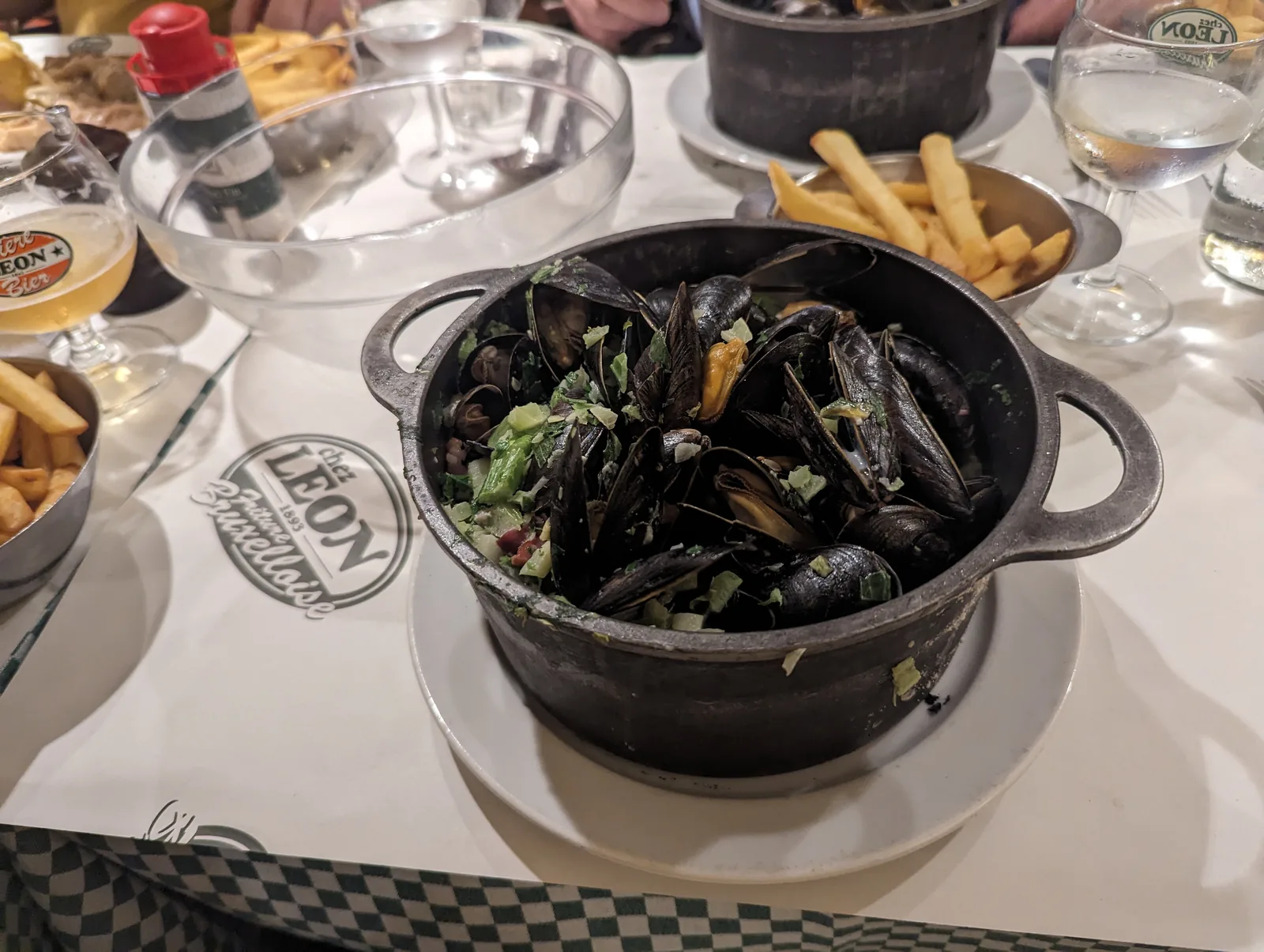
Moules-frites — a black pot of steamed mussels with herbs, served with golden fries at a Brussels brasserie Belgium flag Belgium 1h
Dinner •Brussels Brasserie Classic

Moules-Frites

This moules frites recipe makes the plate Belgium is proudest of: a black pot of mussels steamed open in white wine, shallots and cream, served with a heap of crisp, twice-cooked fries and a pot of mayonnaise. The mussels are sweet and briny, the broth is made for dipping, and the fries stay crisp if you keep them out of the pot. One serving is about 350 g.

Seaside Comfort

Sweet mussels steamed in white wine and cream, piled next to golden twice-cooked fries.

Pairs Well With
Crisp Belgian lager & mayonnaise
High Protein
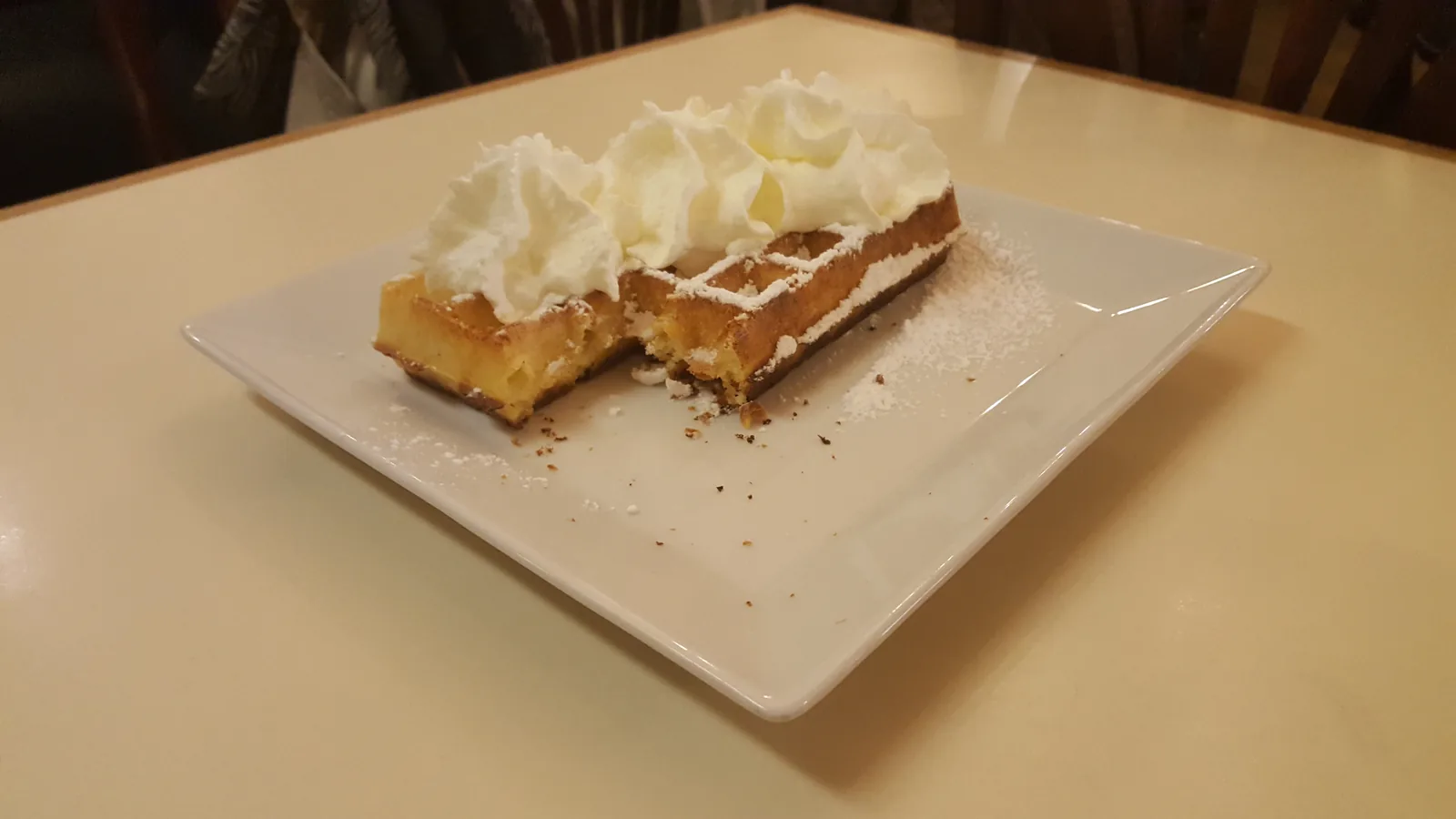
Belgian waffles — a golden Brussels waffle topped with whipped cream and icing sugar on a white plate Belgium flag Belgium 1h 35m
Breakfast •Brussels Bakery Classic

Belgian Waffles

This Belgian waffles recipe makes the light, yeasted kind: a risen batter cooked in a hot iron until the outside is crisp and golden and the inside stays soft and airy. The deep pockets hold butter, syrup or berries, and a dusting of icing sugar is all they really need. This recipe makes 8 waffles; one serving is 2 waffles, about 210 g. Nutrition is for the plain waffles, before toppings.

Weekend Breakfast Treat

Light, yeasted Brussels waffles with deep pockets, crisp outside and soft inside.

Pairs Well With
Strong coffee & fresh berries
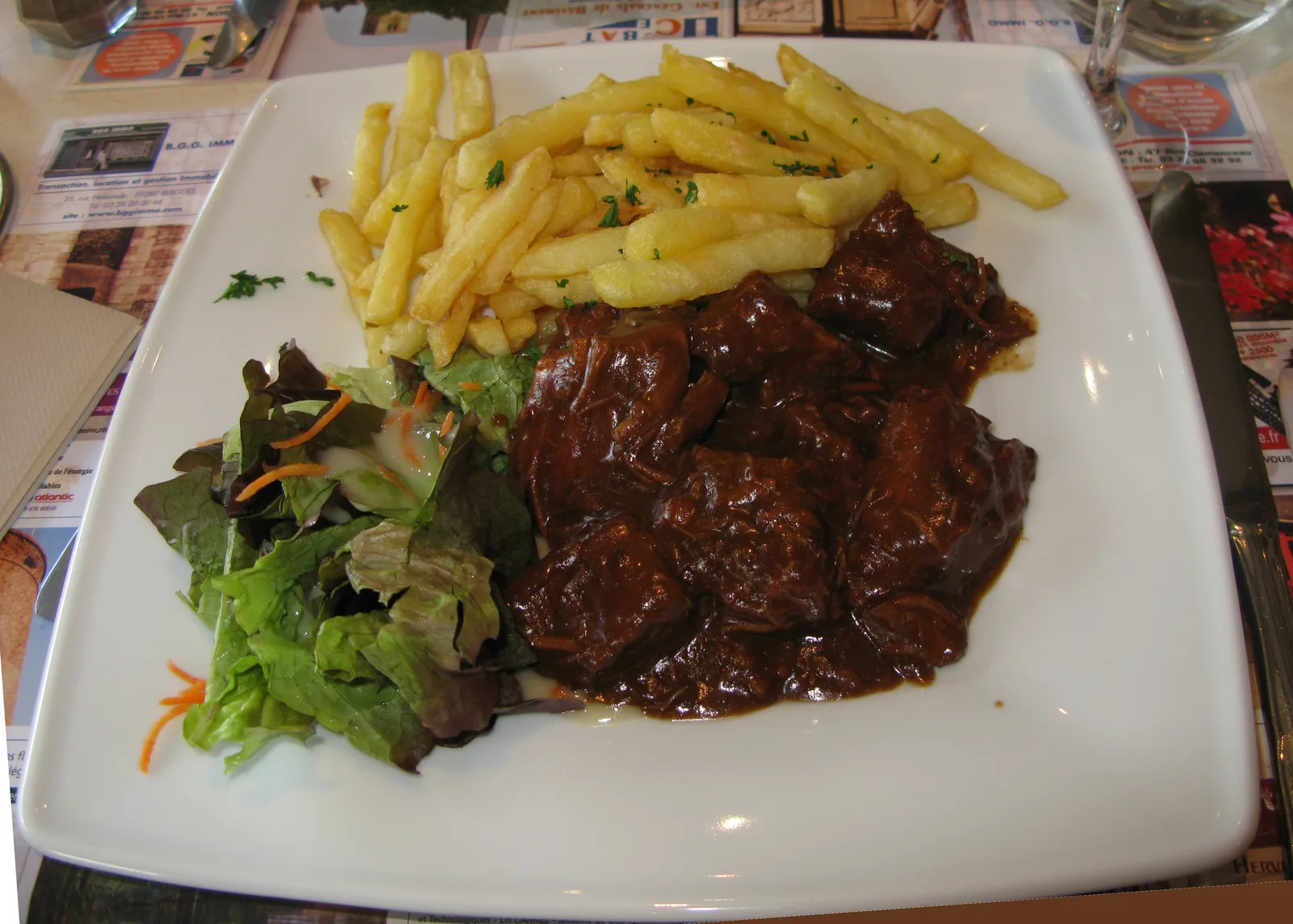
Carbonade flamande — dark beer-braised beef stew with fries and a small salad on a white plate Belgium flag Belgium 2h 55m
Dinner •Flemish Farmhouse Classic

Carbonade Flamande

This carbonade flamande recipe is Flanders' answer to the French beef stew: chunks of beef braised for hours in dark Belgian ale with sweet caramelised onions, thyme and bay, thickened the old way with slices of bread spread with mustard. The sauce turns dark, glossy and sweet-sour, and the beef goes spoon-tender. One serving is about 250 g, not counting the fries or potatoes served alongside.

Slow Sunday Comfort

Beef braised low and slow in dark Belgian ale with onions and mustard bread.

Pairs Well With
Dark Belgian ale & fries
High Protein
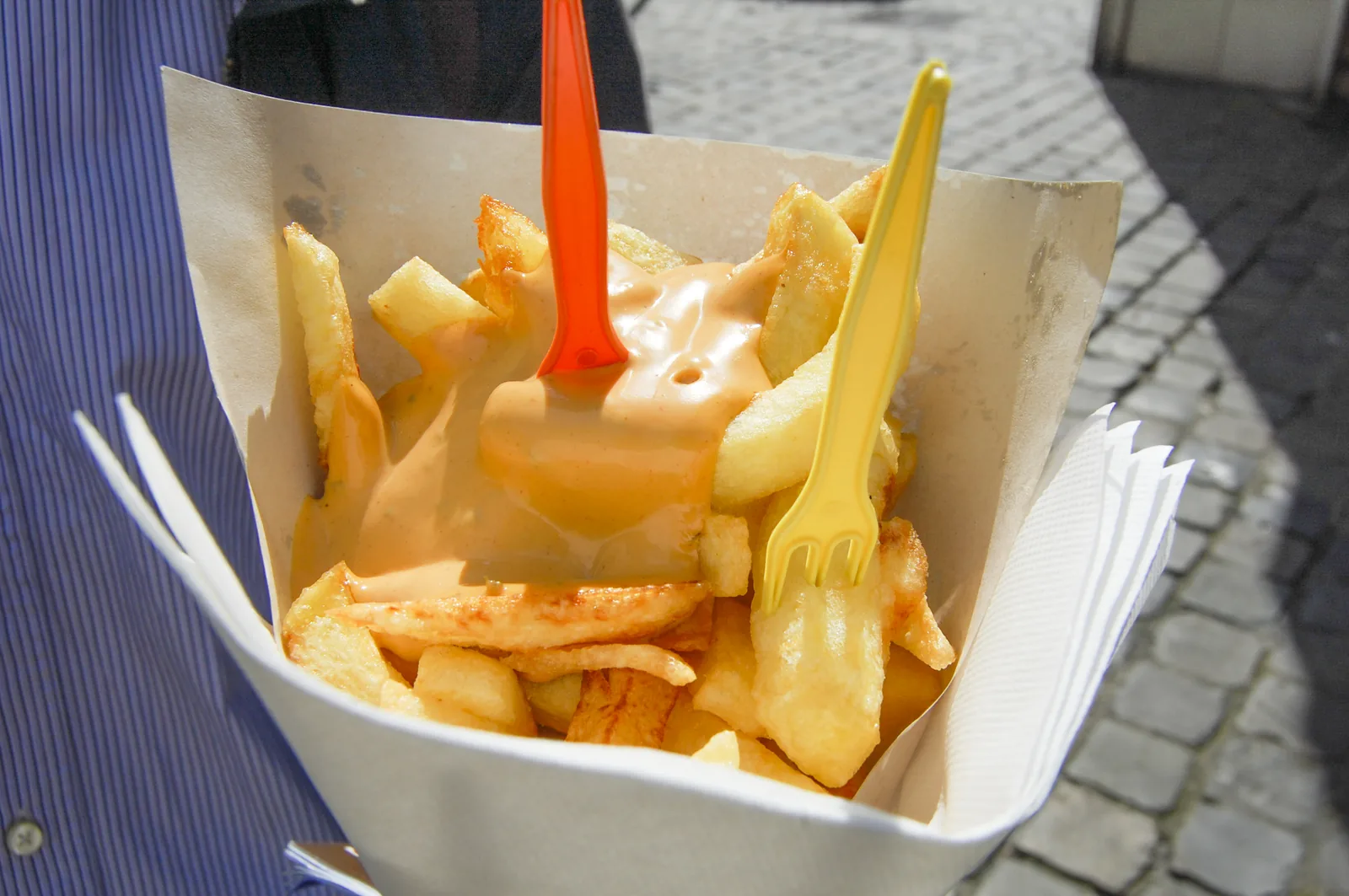
A paper cone of golden Belgian fries topped with andalouse sauce and two small plastic forks. Belgium flag Belgium 55m
Snack & Tea •Brussels Friterie Classic

Belgian Fries

Belgian fries are the real thing: thick batons of floury potato, fried twice — once gently to cook them through, once hot to shatter the outside — and served in a paper cone with andalouse sauce. One serving is about 253 g.

Crisp & Golden

Thick-cut potatoes fried twice in vegetable oil — crisp outside, fluffy inside, with andalouse sauce.

Pairs Well With
Serve hot in a paper cone with andalouse sauce and a cold lager.
Quick Prep (<30m)

The Dinner Gazette

Never wonder what’s for dinner again

One email a week with easy dinner ideas from around the world — ingredients, steps and nutrition, tested in our kitchen first.

Delivered every Thursday morning. Unsubscribe anytime.