Curated recipes from 193 countries  •  New seasonal Mediterranean issue out now

Overview

Plăcinte

Placinte, Moldovan Placinte, Placinte with Cheese and Greens

This placinte recipe rolls soft yeast dough into thin rounds, fills them with salty sheep cheese, wilted spinach, spring onion and dill, folds them into flat parcels and bakes them until golden and puffed. They are eaten warm, torn open at the table. One serving is about 325 g, two pastries.

Placinte are the everyday stuffed pastries of Moldova, sold in bakeries and at markets and made at home for family snacks. The name comes from the Latin placenta, a flat cake, and the same idea — thin dough folded around cheese, greens, potato or apple — runs through the whole region. The cheese-and-greens version, with branza, spinach and dill, is the one Moldovan families make most often.

Pairs well with: Sour cream, pickled cucumber & herbal tea

Provenance

Moldova flag Moldova

Moldovan Heritage

Nordic & European

Time Dedication

1h 5m

40m prep • 25m cook

Batch Yield

4 Servings

683 kcal per serving

1 serving ≈ 302 g

Technical Skill

Intermediate

Medium (Shaping Dough)

Meal Timing & Digestive Fit

Breakfast

Not Advised

Lunch

Inappropriate

Dinner

Inappropriate

Snack & Tea

Ideal Light Bite

Occasions: Afternoon snacks, market days, family gatherings, school lunchboxes Cost: Low — about $2–3 per serving at home
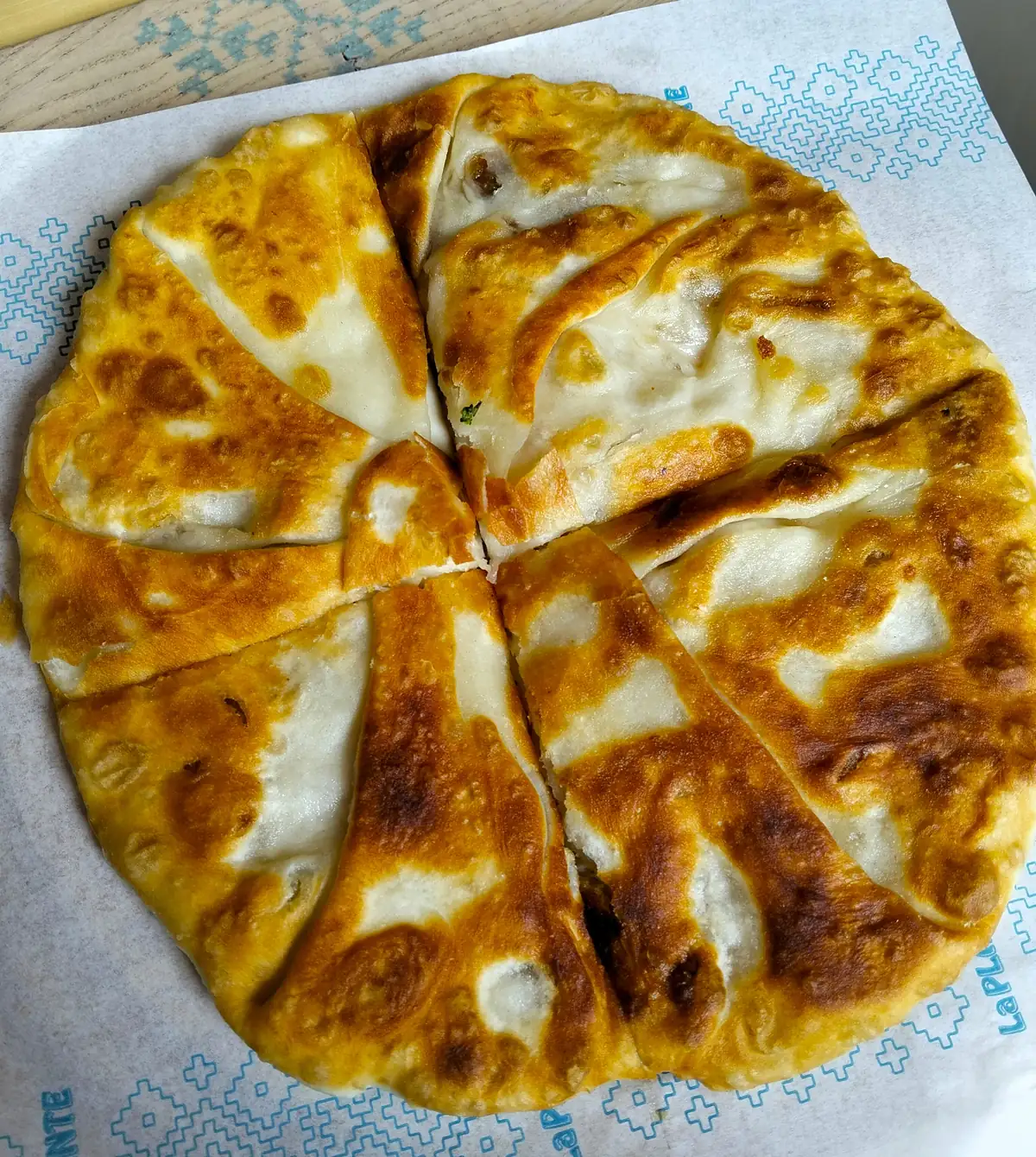
A golden round placinte flatbread cut into wedges on patterned paper

Moldovan Heritage

Photo: MOs810, CC BY 4.0, via Wikimedia Commons

The Heritage Formulary

Measured Ingredients

Estimated cost: Low — about $2–3 per serving at home (USD)
Made the Moldovan way: soft yeast dough rolled thin, filled with branza, spinach and dill, folded into flat parcels and baked until golden.

Execution Methodology & Culinary Technique

Step-by-Step Cooking Guide

Active 1h 5m
P

Prep Stage: Dough & Filling

40 Mins • Kneading & Rising

Mix the flour, yeast, salt, water and oil into a soft dough, knead until smooth and leave it to rise for 30 minutes. While it rises, wilt the spinach in a dry pan, squeeze it dry, and mix it with the crumbled cheese, spring onion, dill and beaten egg.

Maestro Tip: Squeeze the spinach really dry — wet filling makes the pastries burst in the oven.

  1. 1

    Make & Rise the Dough

    40 Mins Warm place, 25°C (77°F)

    Mix the flour, yeast and salt, add the lukewarm water and oil, and knead for 8 minutes until smooth and soft. Cover and leave in a warm place for 30 minutes until doubled.

    The dough should be soft and a little tacky, not stiff — add water a spoonful at a time if it feels dry.

    Done when: A smooth dough doubled in size.

  2. 2

    Make the Filling

    10 Mins Room temperature

    Wilt the spinach in a dry pan for 2 minutes, squeeze it dry in a cloth, then chop and mix with the crumbled cheese, spring onion, dill and beaten egg.

    Let the spinach cool before mixing, or the egg will start to set in the bowl.

    Done when: A thick, spoonable filling.

  3. 3

    Shape the Placinte

    10 Mins Room temperature

    Divide the dough into 8 pieces, roll each into a thin round, spoon filling into the centre, then gather the edges up and pinch them together and flatten gently into a round parcel.

    Roll the dough thin — thick dough stays doughy inside while the outside browns.

    Done when: Eight flat, sealed parcels.

  4. 4

    Bake Until Golden

    25 Mins 200°C (400°F)

    Place the parcels seam-side down on a lined baking tray, brush lightly with oil and bake for about 25 minutes until puffed and deep golden.

    Give them space on the tray so the hot air can crisp all sides.

    Done when: Puffed, deep-golden pastries that sound hollow when tapped.

  5. 5

    Rest Briefly

    5 Mins Room temperature

    Rest the placinte for 5 minutes on a wire rack so the steam escapes and the crust stays crisp.

    Cutting them straight from the oven lets the filling steam out and the base go soggy.

    Done when: Crisp pastries, cool enough to handle.

  6. 6

    Serve

    2 Mins Warm

    Serve two pastries per person, warm, with sour cream for dipping.

    Tear them open at the table — the cheese and spinach should be steaming inside.

    Done when: Warm, golden pastries with a steaming cheese and spinach filling.

Finishing Touches & Plating

Serve the placinte warm from the oven, torn open so the steam escapes, with sour cream for dipping — the contrast of the crisp golden crust and the salty, herby filling is the whole pleasure of them.

Nutritional Physiology & Benefits

Nutrition

Energy

683

kcal / serving

Protein

25g

Complete AA

Carbs

92g

Complex

Fats

24g

Healthy

Per serving (4 servings · 1 serving ≈ 302 g)
Energy683 kcal
Protein25 g
Carbohydrates92 g
Fat24 g
Fibre5.1 g
Sugar3.3 g
Sodium1244 mg
Per 100g
Energy226 kcal
Protein8.1 g
Carbohydrates30.5 g
Fat7.8 g
Fibre1.7 g
Sugar1.1 g
Sodium412 mg

Nutrition values are estimated — calculated from USDA FoodData Central values for the listed ingredients.

Vitamins & minerals: Spinach supplies vitamin A, folate and iron, the cheese adds calcium and protein, and the egg adds vitamin B12. All nutrition values are estimated.

Filling Snack Energy

About 683 kcal a serving with 92.0 g of carbohydrate makes two pastries a genuinely filling snack.

Protein & Calcium

The cheese and egg give about 24.6 g of protein per serving, and the cheese adds calcium.

Iron & Folate from Spinach

Spinach adds iron, folate and vitamin A to a pastry that would otherwise be all bread and cheese.

Food Pairings

What to Eat With

To optimize nutrient absorption and elevate the sensory depth, pair with these authentic accompaniments:

Sauces

Sour Cream

Cool sour cream is the classic dip — it softens the salt of the cheese and cools the hot filling.

Vegetables

Pickled Cucumber

Sharp pickled cucumber cuts through the rich cheese filling and refreshes the palate.

Drinks

Herbal Tea

A mild herbal tea is the traditional drink with placinte, especially in the afternoon.

Sides

Tomato Salad

A simple tomato salad with onion adds freshness next to the warm, salty pastries.

Complete menu

Serve the placinte warm with sour cream and pickled cucumber, a tomato salad on the side, and herbal tea to drink.

Digestive Guardrails

What NOT to Combine

To prevent digestive distress, sluggishness, or palate clash, avoid pairing the dish with these elements:

Very Salty Sides

One serving already carries about 1,240 mg of sodium from the cheese, so skip other salty foods with it. This is general food information, not medical advice.

Eating Them Cold & Soggy

Placinte are at their best warm and crisp; reheating them in a microwave makes the crust soft and chewy — use a hot oven instead. This is general food information, not medical advice.

General information only, not medical advice — consult a doctor for personal dietary decisions.

Who Should Eat It

Who Should Eat

  • General adultsA filling snack — about 705 kcal a serving, best eaten warm.
  • ChildrenChildren usually love the soft cheese filling; cut the pastries into wedges for small hands.
  • ElderlySoft inside and easy to chew; serve warm with sour cream.
  • Pregnant womenFine as a snack; make sure the pastries are baked right through until golden and steaming inside. Ask your clinician about portions.
  • Breastfeeding womenA filling, energy-rich snack; the cheese and egg supply protein and calcium.
  • AthletesA good carbohydrate snack — about 92.3 g of carbohydrate per serving; eat two pastries after training.
  • Weight gainA good choice for adding energy: the full portion with sour cream is calorie-dense.
  • Weight lossKeep to one pastry with a tomato salad instead of two.

Health Conditions — Adjust or Avoid

Conditions

  • DiabetesWhite flour and cheese make this a starchy, energy-dense snack — keep to one pastry. Ask your clinician about portions.
  • High blood pressureThe cheese makes these pastries salty — eat them occasionally and in a modest portion. Ask your clinician.
  • Kidney diseaseHigh in sodium and protein from the cheese; ask your clinician before eating them.
  • GoutCheese and spinach are moderate in purines; keep to one pastry. Ask your clinician.
  • Stomach issuesWarm bread and cheese are usually gentle; eat slowly if your stomach is sensitive. Ask your clinician.
  • Cardiovascular diseaseCheese adds saturated fat and sodium — a modest portion now and then is wiser. Ask your clinician.
  • Fatty liverAn energy-dense pastry; keep the portion small. Ask your clinician.
  • Food allergiesContains wheat, milk (cheese) and egg. Naturally free of pork and fish.
  • Special therapeutic dietsNot suitable for gluten-free or dairy-free diets without a full recipe change; ask your dietitian.

If you have a medical condition, consult your doctor before changing your diet.

Storage & Use

Storage & Use

How to store
Cool completely and store in an airtight container lined with kitchen paper.
In the fridge
Keeps 2 days in the fridge at 4°C (40°F) or below.
In the freezer
Up to 2 months; freeze in a single layer, then bag.
How to reheat
Reheat in a hot oven at 200°C (400°F) for 8 to 10 minutes until crisp and steaming hot throughout, to 74°C (165°F).
Freezing recommended
Yes — they re-crisp well in the oven.
Signs it has spoiled
Sour smell, mould on the crust, or a slimy filling.

More recipes to explore

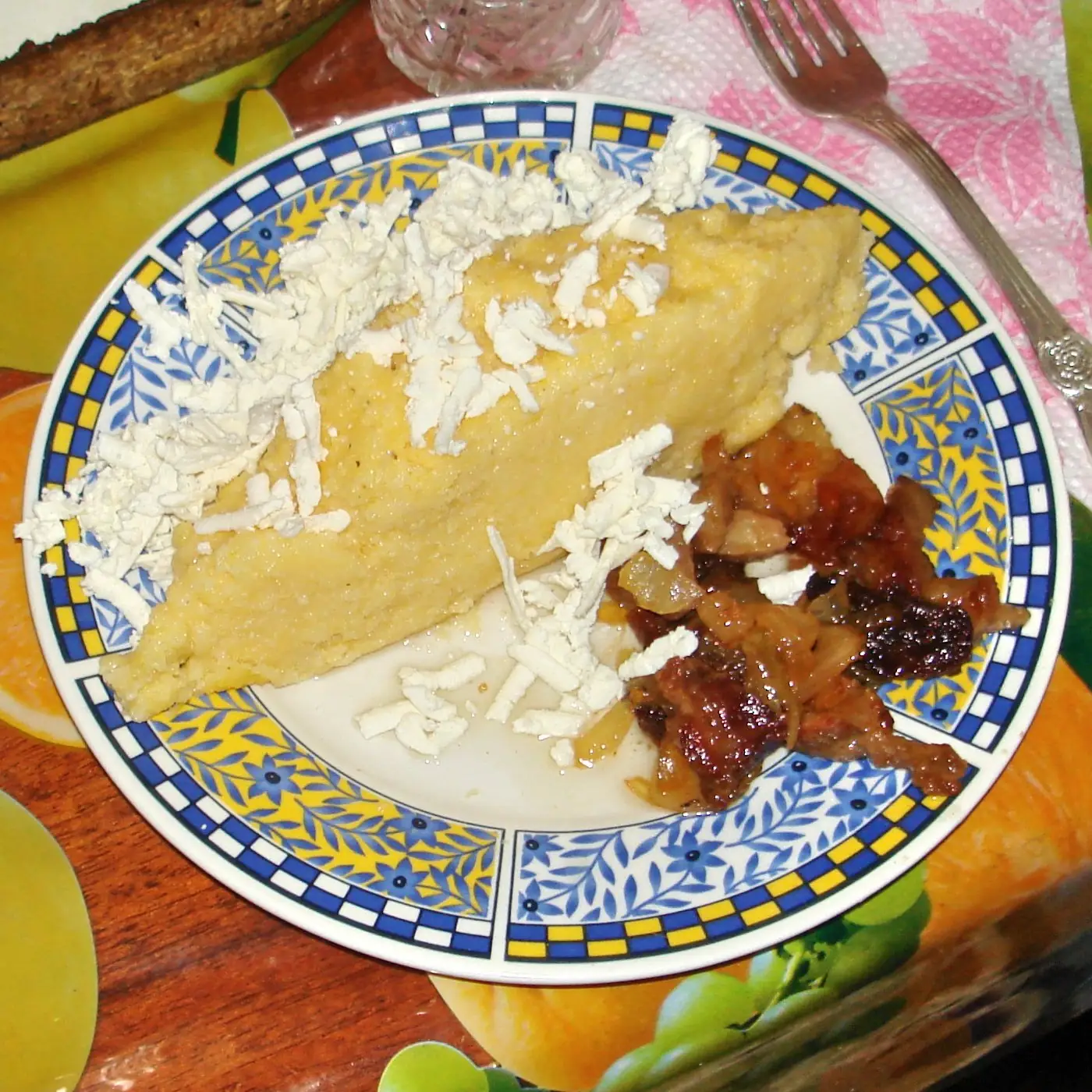
A wedge of mamaliga with crumbled white sheep cheese and pork cracklings on a plate Moldova flag Moldova 50m
Dinner •Moldovan Heritage

Mămăligă

This mamaliga recipe cooks yellow cornmeal slowly in water and milk until it turns soft, creamy and spoonable — never stiff — then serves it warm with crumbled sheep cheese, a spoonful of sour cream, a fried egg and crisp pork cracklings. One serving is about 550 g.

Comfort & Warmth

Soft, creamy cornmeal porridge served as a plate with sheep cheese, sour cream and a fried egg.

Pairs Well With
Sheep cheese, sour cream, fried egg & cracklings
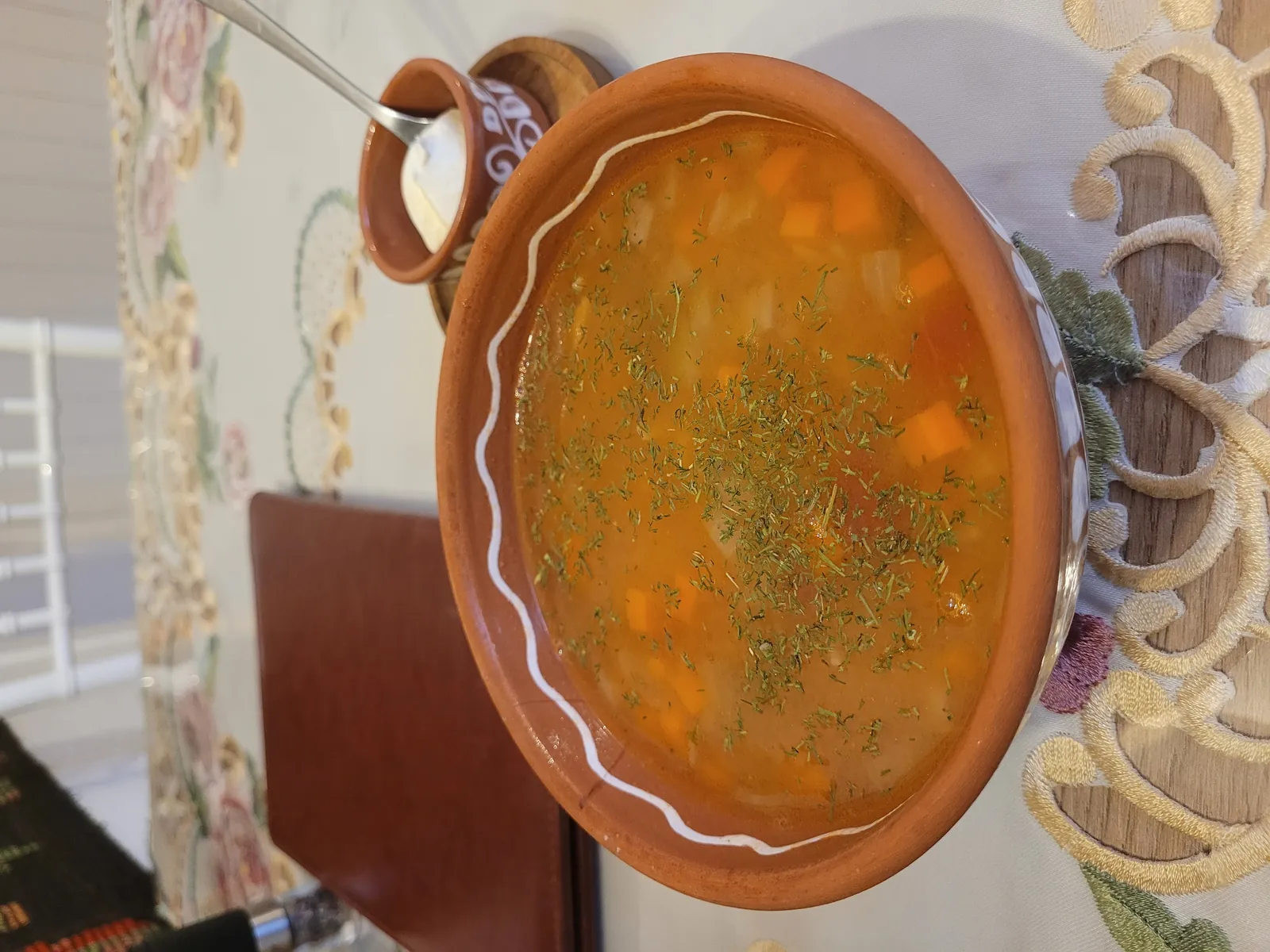
A clay bowl of golden zeama chicken soup with carrot and dill, with sour cream beside it Moldova flag Moldova 1h 35m
Lunch •Moldovan Heritage

Zeamă

This zeama recipe simmers chicken gently with carrot, onion and celery into a clear, golden broth, then adds thin homemade noodles and sours the whole pot with bors — a fermented wheat-bran liquid that gives the soup its signature gentle tang. Dill and a spoonful of sour cream finish each bowl. One serving is about 490 g.

Comfort & Warmth

A clear Moldovan chicken soup with homemade noodles, vegetables and dill, soured with bors.

Pairs Well With
Sour cream, dill & crusty bread
Soups & Broths
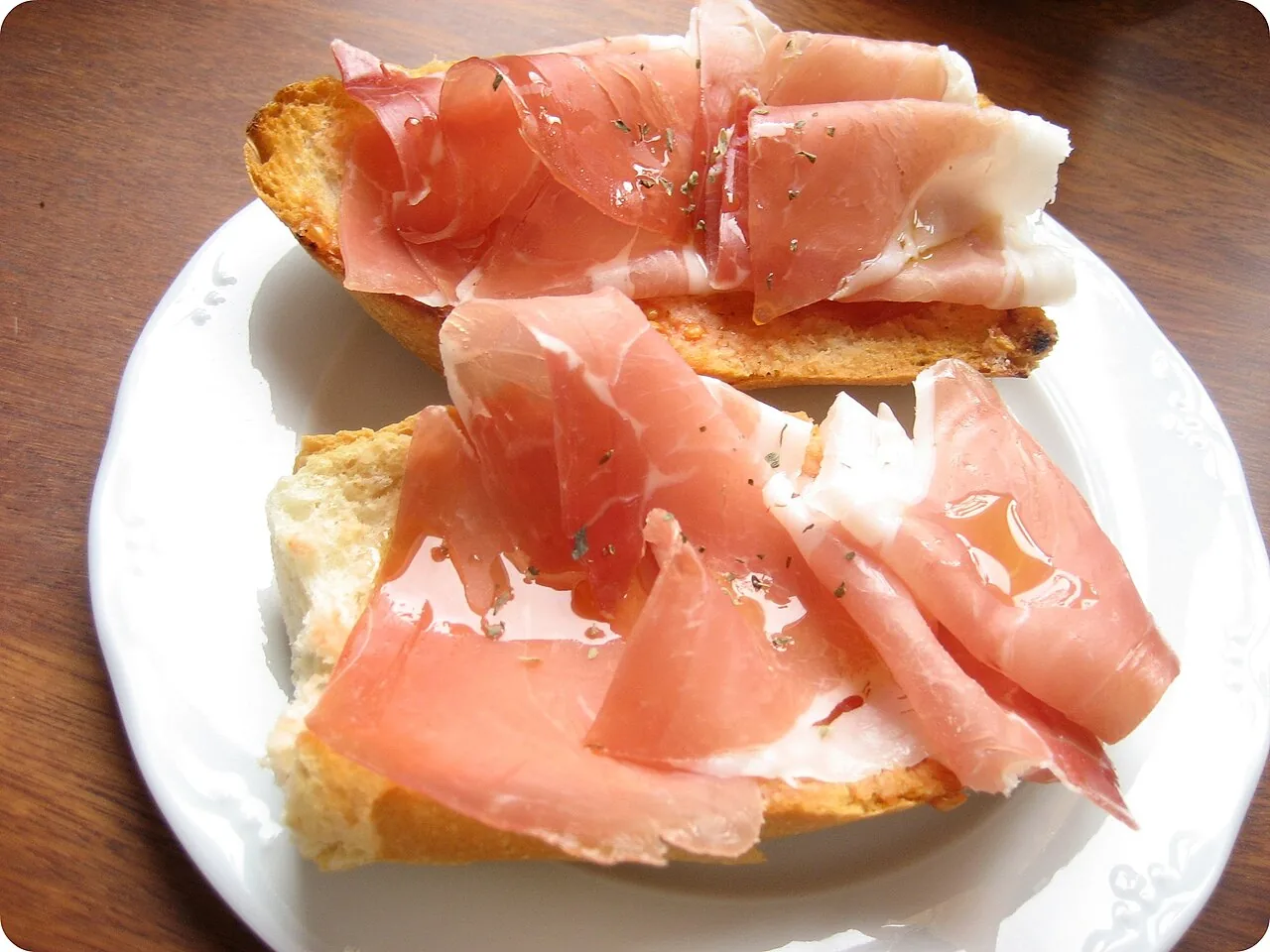
Pan con tomate with jamón ibérico on toasted bread Spain flag Spain 15m
Snack & Tea •Catalan Aperitivo

Pan con Tomate & Jamón Ibérico

Country bread rubbed with ripe Ramallet tomato, drizzled with cold-pressed Arbequina olive oil and topped with jamón ibérico.

Vascular Health

Toasted tomato bread with jamón ibérico, olive oil and olives.

Pairs Well With
Castelvetrano Olives & Sparkling Mineral Water
Quick Prep (<30m)
Gỏi cuốn — Vietnamese fresh spring rolls with prawn and pork Vietnam flag Vietnam 1h 5m
Snack & Tea •Saigon Refresh

Gỏi Cuốn Tôm Thịt

Fresh rice paper rolls filled with poached prawns, tender pork, rice vermicelli, lettuce, herbs and carrot, served with a peanut dipping sauce.

Light Digestion

Nothing is fried, so the rolls stay light and fresh — a cool, herb-filled snack for hot days.

Pairs Well With
Artisanal Peanut Dip & Fresh Lotus Root Water
High Protein

The Dinner Gazette

Never wonder what’s for dinner again

One email a week with easy dinner ideas from around the world — ingredients, steps and nutrition, tested in our kitchen first.

Delivered every Thursday morning. Unsubscribe anytime.