
Curated recipes from 193 countries  •  New seasonal Mediterranean issue out now

Overview

Pork Sinigang

Sinigang na Baboy — Filipino Sour Pork Soup

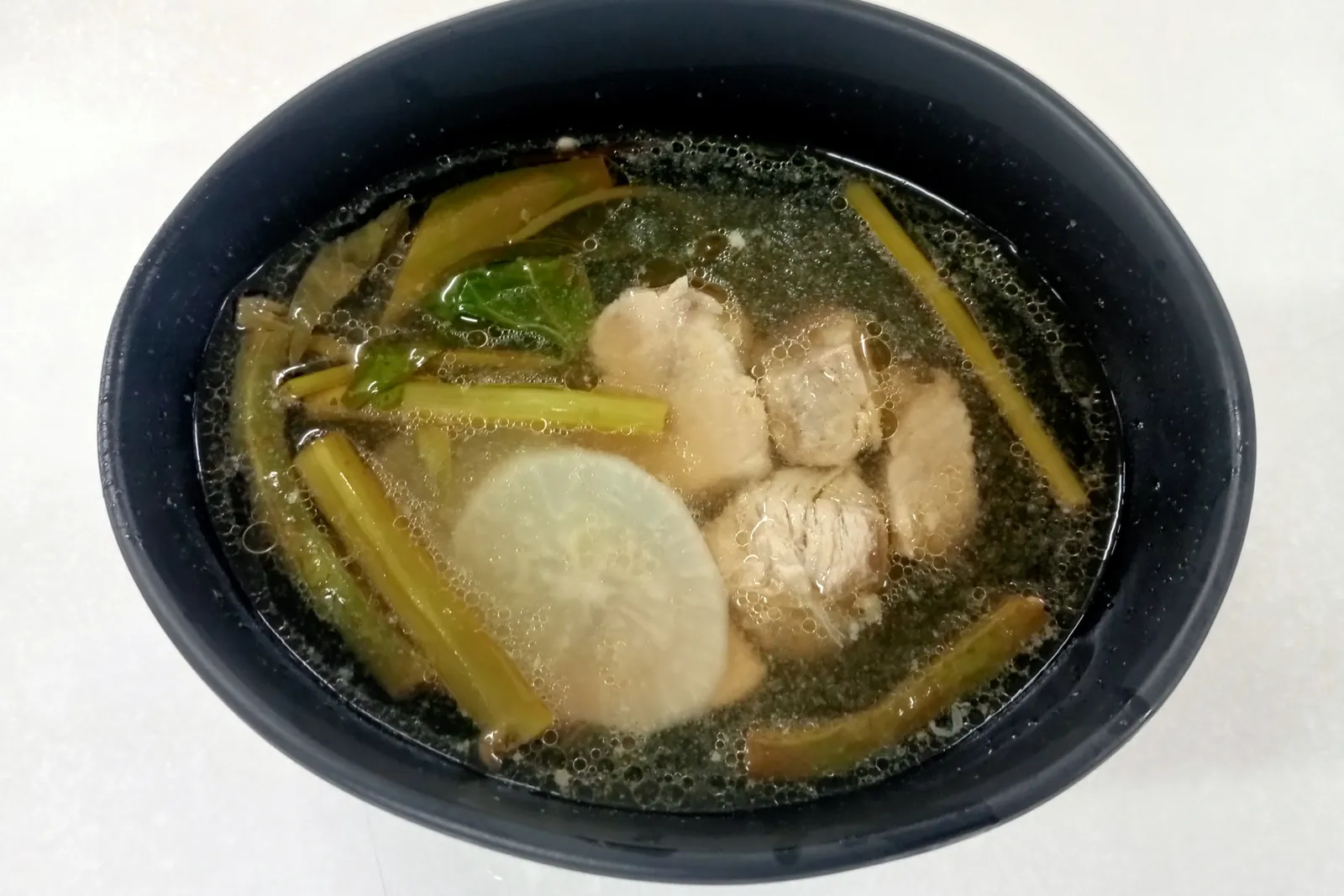
This pork sinigang recipe is the Filipino sour soup: pork shoulder simmered until tender in a tamarind-soured broth with tomato, daikon radish, yardlong beans, eggplant, okra and kangkong. One serving is about 500 g.

Sinigang is one of the oldest dishes in the Philippines — souring a broth with tamarind, calamansi or other local fruit predates Spanish colonisation, and the word comes from sigang, to stew. It is the dish Filipinos reach for on rainy days and when someone is unwell, and it was voted one of the world's best soups in a 2021 TasteAtlas ranking, a rare moment of global recognition for a home-cooked Filipino classic.

Pairs well with: Steamed Rice & Fish Sauce with Chilli

Provenance

Philippines flag Philippines

Filipino Heritage

East & South Asia

Time Dedication

1h 30m

20m prep • 70m cook

Batch Yield

4 Servings

478 kcal per serving

1 serving ≈ 500 g

Technical Skill

Intermediate

Easy (One Pot)

Meal Timing & Digestive Fit

Breakfast

Not Advised

Lunch

Hearty Midday Main

Dinner

Ideal Hearty Main

Snack & Tea

Inappropriate

Soups & BrothsHigh Protein Occasions: Family dinner, rainy days, comfort food, Sunday lunch Cost: Low — about $3–4 per serving at home
Pork sinigang — a bowl of sour pork soup with pork chunks, daikon radish, yardlong beans and leafy greens

Filipino Heritage

Photo: Ralff Nestor Nacor, CC BY-SA 4.0, via Wikimedia Commons

The Heritage Formulary

Measured Ingredients

Estimated cost: Low — about $3–4 per serving at home (USD)

A good sinigang is clear, bright and properly sour — the broth should make your mouth water, and the vegetables should still hold their shape.

Execution Methodology & Culinary Technique

Step-by-Step Cooking Guide

Active 1h 30m
P

Prep Stage: Cube, Chop & Wash

20 Mins

Cut the pork into large cubes and rinse. Quarter the tomatoes and onion, peel and slice the daikon, cut the yardlong beans into lengths, and wash the kangkong well — it grows in water and needs a good rinse. Stir the tamarind paste into a little warm water until smooth so it dissolves evenly in the pot.

Maestro Tip: Cut the vegetables in the order they go in: radish first, leafy greens last.

  1. 1

    Simmer the Pork

    45 Mins Gentle simmer, about 95°C (203°F)

    Put the pork, onion and water in a large pot and bring to a boil, then skim off the grey foam that rises in the first 10 minutes. Lower the heat to a gentle simmer, cover, and cook for 45 minutes until the pork is nearly tender.

    Skimming is not optional — the foam is what makes a cloudy, muddy broth.

    Done when: Pork yields to a fork but is not yet falling apart; broth is clear.

  2. 2

    Sour the Broth

    10 Mins Simmer, about 95°C (203°F)

    Stir in the tamarind paste and the quartered tomatoes, then simmer for 10 minutes. Taste the broth: it should be clearly sour with a savoury back note. Add the fish sauce a tablespoon at a time and salt to taste — the sourness and saltiness should balance each other, neither one shouting.

    Sour first, then salt. Salting before the tamarind is in makes it easy to overshoot.

    Done when: Broth tastes bright and sour, with the tomato softened and pale.

  3. 3

    Add the Hard Vegetables

    10 Mins Simmer, about 95°C (203°F)

    Add the daikon rounds, eggplant chunks and okra, and simmer for 10 minutes until the radish is tender enough for a fork to pass through. The vegetables should still hold their shape — mushy radish is the classic sinigang mistake.

    Radish takes the longest of the vegetables, so it goes in first; the beans follow after 5 minutes.

    Done when: Daikon tender but not collapsing; eggplant soft, okra bright green.

  4. 4

    Finish with Greens & Chilli

    5 Mins Simmer, about 95°C (203°F)

    Add the yardlong beans and the whole green chillies, simmer 3 minutes, then lay the kangkong leaves and tender stems on top and push them under the broth. Cook for just 2 more minutes — the leaves should wilt but stay bright green. Check the pork reaches 74°C (165°F) at its centre, then take the pot off the heat.

    Kangkong overcooks in seconds. Two minutes, no more, and serve straight away.

    Done when: Kangkong wilted and bright green; pork tender at 74°C (165°F); broth clear and sour.

  5. 5

    Serve Hot with Rice

    5 Mins Serve hot, about 70°C (158°F)

    Ladle the pork, vegetables and plenty of broth into deep bowls. Serve with steamed rice and a small dish of fish sauce with sliced chilli on the side so each person can season their own bowl.

    Sinigang is eaten with the broth spooned over rice — the rice is part of the dish, not an afterthought.

    Done when: Bowls steaming, broth sour and clear, vegetables bright.

Finishing Touches & Plating

Serve steaming hot in deep bowls with rice and a side of fish sauce and chilli. Eat it while the broth is hot — sinigang cools fast and the sourness dulls as it does.

Nutritional Physiology & Benefits

Nutrition

Energy

478

kcal / serving

Protein

35g

Complete AA

Carbs

24g

Complex

Fats

27g

Healthy

Per serving (4 servings · 1 serving ≈ 500 g)
Energy478 kcal
Protein35 g
Carbohydrates24 g
Fat27 g
Fibre5.7 g
Sugar12.6 g
Sodium968 mg
Per 100g
Energy96 kcal
Protein6.9 g
Carbohydrates4.9 g
Fat5.5 g
Fibre1.1 g
Sugar2.5 g
Sodium194 mg

Nutrition values are estimated — calculated from USDA FoodData Central values for the listed ingredients.

Vitamins & minerals: Vitamin C (tomato, kangkong, chilli), vitamin A (kangkong, tomato), folate (beans, kangkong), potassium (radish, eggplant), iron (pork). Nutrition is estimated.

Vegetable-Rich Soup

Radish, beans, eggplant, okra and kangkong bring fibre, vitamin C and folate — about 5.7 g of fibre per serving.

Lean-ish Protein

About 35 g of protein per serving from the pork shoulder, with the broth keeping the meal light and hydrating.

Light for a Pork Dish

Most of the bowl is broth and vegetables, so the meal feels generous without being heavy — about 478 kcal per serving.

Food Pairings

What to Eat With

To optimize nutrient absorption and elevate the sensory depth, pair with these authentic accompaniments:

Sides

Steamed Jasmine Rice

The rice soaks up the sour broth and tames its sharpness — in the Philippines the broth is spooned over the rice, not drunk alone.

Grilled Milkfish (Bangus)

A piece of smoky grilled fish alongside adds a second protein and a charred note that plays well against the sour soup.

Sauces

Fish Sauce with Chilli (Patis)

A small dish on the side lets each person add salt and heat to taste without over-seasoning the whole pot.

Drinks

Iced Calamansi Juice

Cool and citrusy, it refreshes the palate between spoonfuls of hot, sour broth.

Complete menu

Pork sinigang with steamed jasmine rice, fish sauce with chilli on the side, and grilled milkfish — a complete Filipino family dinner.

Digestive Guardrails

What NOT to Combine

To prevent digestive distress, sluggishness, or palate clash, avoid pairing the dish with these elements:

Cooling and Reheating Soup Repeatedly

Cool leftover soup within 2 hours and refrigerate; reheat only the portion you will eat, until steaming hot throughout (74°C / 165°F). Repeated cooling and reheating lets bacteria grow. This is general food-safety information, not medical advice.

Over-Salting with Fish Sauce

Fish sauce is very salty — most of this soup's sodium comes from it. Season gradually and taste as you go, and skip extra salty sides. This is general information, not medical advice.

General information only, not medical advice — consult a doctor for personal dietary decisions.

Who Should Eat It

Who Should Eat

  • General adultsA warming, vegetable-rich dinner for most adults — the sourness is the point, so expect a bright, tangy broth.
  • ChildrenChildren may find the sour broth strong; serve a milder bowl with less tamarind and no chilli.
  • ElderlyVery suitable — soft pork and tender vegetables in a warm broth; cut the pork small if needed.
  • Pregnant womenGenerally suitable when the pork is cooked through to 74°C (165°F); keep the fish sauce modest.
  • Breastfeeding womenGenerally suitable; the broth, vegetables and protein make a nourishing meal — keep portions satisfying.
  • AthletesA good post-training meal: about 35 g protein with rice for energy, plus a litre of hydrating broth.
  • Weight gainA good choice — take a generous bowl with extra pork and plenty of rice.
  • Weight lossA filling soup with lots of vegetables; keep the rice portion modest and favour the broth and vegetables over extra pork fat.

Health Conditions — Adjust or Avoid

Conditions

  • DiabetesThe soup itself is low in carbs, but the rice served with it is the main carb — keep the rice portion modest and ask your clinician about a suitable serving.
  • High blood pressureMost of the sodium comes from the fish sauce and salt; season lightly and ask your clinician about portion size.
  • Kidney diseaseThe dish is high in protein and the vegetables add potassium; keep the portion modest and ask your clinician about portion size.
  • GoutPork is moderate in purines; enjoy occasionally and keep portions modest, and favour the vegetables.
  • Stomach issuesThe sour tamarind broth can bother a sensitive stomach — eat a smaller portion and skip the chilli if your stomach is sensitive.
  • Cardiovascular diseaseThe broth is light, but the pork shoulder carries saturated fat; trim visible fat and keep the portion modest.
  • Fatty liverTrim the pork fat and favour the vegetables and broth; keep the portion modest.
  • Food allergiesContains fish (fish sauce). Naturally gluten-free — just check the tamarind paste label if you have coeliac disease.
  • Special therapeutic dietsIf you follow a prescribed low-sodium or low-potassium diet, use less fish sauce and a smaller portion, and check with your clinician.

If you have a medical condition, consult your doctor before changing your diet.

Storage & Use

Storage & Use

How to store
Cool within 2 hours, then store the soup in a sealed container in the fridge; store rice separately.
In the fridge
3 days, refrigerated.
In the freezer
Up to 2 months, but the vegetables soften on thawing.
How to reheat
Reheat only the portion you will eat, on the stove until steaming hot throughout, at least 74°C (165°F).
Freezing recommended
Possible but not ideal — the kangkong and okra go soft when frozen.
Signs it has spoiled
Sour smell sharper than the normal tamarind tang, slimy vegetables, or a cloudy film on the broth surface.

More recipes to explore

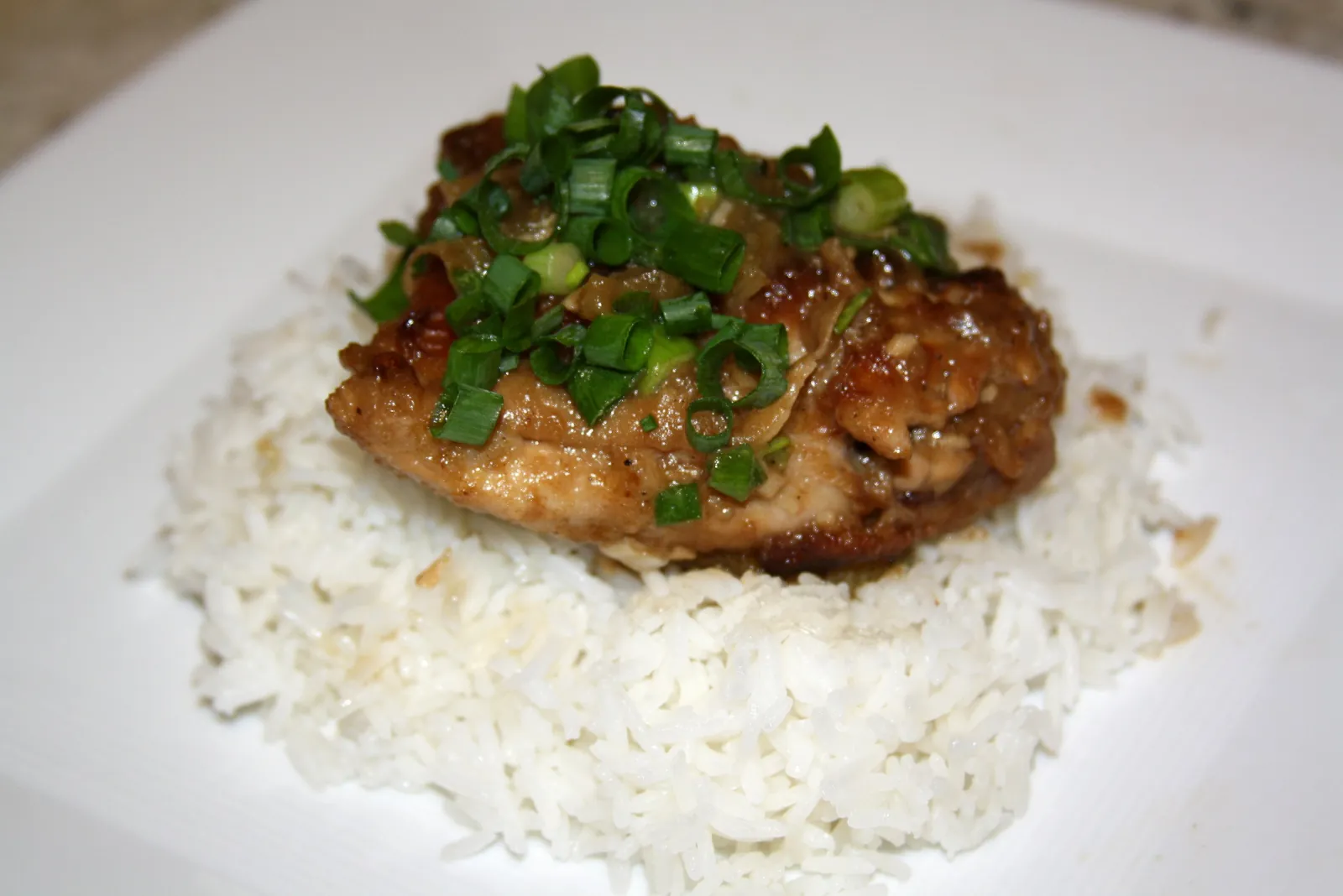
Chicken adobo — a glossy braised chicken thigh with green onions served over steamed white rice Philippines flag Philippines 1h 5m
Dinner •Filipino Heritage

Chicken Adobo

This chicken adobo recipe is the Filipino classic: bone-in chicken thighs simmered low and slow in cane vinegar, soy sauce, garlic, black peppercorns and bay leaves until the meat falls off the bone and the sauce turns dark and glossy. One serving is about 220 g.

Comfort & Warmth

Slow-braised chicken in a tangy vinegar and soy sauce, a hearty one-pot dinner that keeps well for days.

Pairs Well With
Steamed Jasmine Rice & Garlic Fried Rice
High Protein

Lumpia — a plate of golden fried Filipino spring rolls, crisp and freshly cooked Philippines flag Philippines 50m
Snack & Tea •Filipino Heritage

Lumpia

This lumpia recipe is the Filipino fried spring roll: ground pork and shrimp with carrot, water chestnut and green onion, rolled tight in thin wheat wrappers and fried until golden and shatteringly crisp. One serving is 5 rolls, about 305 g including the dip.

Party & Sharing

Crisp little fried rolls of pork and shrimp with a sweet-sour dip — the snack that disappears first at every Filipino gathering.

Pairs Well With
Sweet Chilli Dip & Vinegar with Garlic
Quick Prep (<30m)
Bœuf bourguignon — French beef braised in red wine France flag France 4h
Dinner •Burgundy Terroir

Bœuf Bourguignon

Beef braised gently in red wine until the connective tissue melts into a velvet, gelatin-rich sauce — the classic Burgundy Sunday dinner.

Cellular Repair

Beef braised in red wine until spoon-tender, with mushrooms and pearl onions.

Pairs Well With
Parsnip Purée & Steamed French Haricots Verts
High Protein
Vietnamese braised pork belly with golden eggs in caramel sauce Vietnam flag Vietnam 1h 45m
Dinner •One Pot

Vietnamese Braised Pork and Eggs

Pork belly slowly braised in coconut water and caramel until meltingly tender, with golden eggs that soak up the sweet-savoury sauce — the Vietnamese family dish that tastes better the next day.

Comfort & Sustained Energy

Slow-braised pork belly and eggs in coconut water and caramel.

Pairs Well With
Steamed rice & pickled mustard greens
High Protein

The Dinner Gazette

Never wonder what’s for dinner again

One email a week with easy dinner ideas from around the world — ingredients, steps and nutrition, tested in our kitchen first.

Delivered every Thursday morning. Unsubscribe anytime.



