
Curated recipes from 193 countries  •  New seasonal Mediterranean issue out now

Overview

Romazava

Madagascar Beef and Greens Stew

Romazava is Madagascar's national stew: chunks of beef simmered in a savoury tomato broth with onion, garlic and ginger, then finished with watercress, spinach and mustard greens wilted right into the pot. This romazava recipe makes a brothy, warming one-pot dinner that is ladled over steamed rice, with hot sakay chilli sauce on the side for anyone who wants heat. One serving is about 400 g.

Romazava is the national dish of Madagascar, built from greens, zebu or beef, tomatoes and onions, and always served with rice. Its defining green is bredes mafana, also called anamalaho, whose buds carry spilanthol — a compound that gives a tingling, citrusy, mouth-numbing buzz. Outside Madagascar, cooks substitute watercress, spinach and mustard greens, which is the version written here.

Pairs well with: Steamed white rice, with sakay chilli sauce and a tomato rougail on the side

Provenance

Madagascar flag Madagascar

Madagascar Heritage

African Heritage

Time Dedication

1h 55m

20m prep • 95m cook

Batch Yield

4 Servings

469 kcal per serving

1 serving ≈ 400 g

Technical Skill

Intermediate

Medium (One Pot)

Meal Timing & Digestive Fit

Breakfast

Not Advised

Lunch

Hearty Midday Main

Dinner

Ideal Hearty Main

Snack & Tea

Inappropriate

Soups & BrothsHigh Protein Occasions: Family dinners, Sunday lunch, celebrations, cold evenings Cost: Moderate — about $4–5 per serving at home
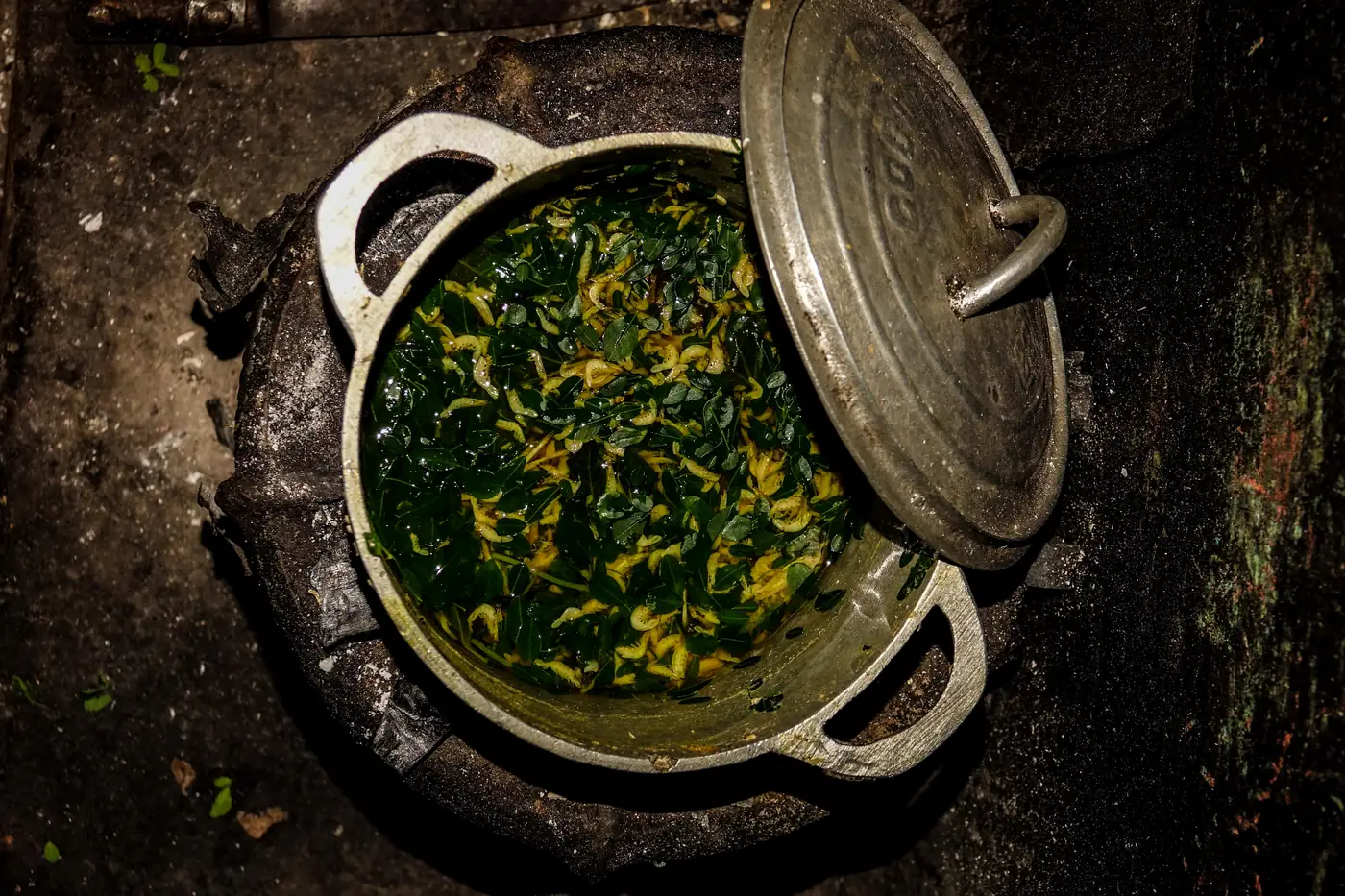
A pot of romazava, Madagascar's beef and greens stew, simmering on a stove with the lid half open

Madagascar Heritage

Photo: Crisufix, CC BY-SA 4.0, via Wikimedia Commons

The Heritage Formulary

Measured Ingredients

Estimated cost: Moderate — about $4–5 per serving at home (USD)

A good romazava is judged by the beef: fork-tender in a brothy, tomatoey pot, with the greens wilted in at the last minute so they stay bright.

Execution Methodology & Culinary Technique

Step-by-Step Cooking Guide

Active 1h 55m
P

Prep Stage: Cube, Chop & Rinse

20 Mins • Before Cooking

Cut the beef into even 3 cm cubes and season lightly. Chop the onion, mince the garlic, grate the ginger and chop the tomatoes. Rinse the watercress and spinach and trim the mustard greens so every green is ready to go in at once — the greens cook in minutes, so there is no time to wash them while the pot is on.

Maestro Tip: Cut the beef cubes the same size; uneven pieces mean some are tender while others are still tough.

  1. 1

    Brown the Beef

    10 Mins • Browning Medium-high heat, about 190°C (375°F)

    Heat the oil in a large heavy pot until it shimmers. Add the beef cubes in a single layer, without crowding, and brown them on all sides for about 10 minutes. Work in two batches if the pot is small — crowded beef steams instead of browning.

    Leave each cube alone until it releases from the pot; moving it too early tears off the browned crust.

    Done when: Deep brown on most sides, with browned bits stuck to the bottom of the pot.

  2. 2

    Soften the Aromatics

    5 Mins • Saute Medium heat, about 160°C (320°F)

    Lower the heat, add the onion and cook for 3 minutes until soft and translucent, scraping up the browned bits. Stir in the garlic, ginger and chilli and cook for 2 minutes more until fragrant.

    Keep the garlic moving — it burns in seconds once the pot is hot.

    Done when: Onion soft and sweet-smelling; garlic golden, never dark brown.

  3. 3

    Add Tomatoes and Simmer

    70 Mins • Gentle Simmer Gentle simmer, about 95°C (203°F)

    Add the chopped tomatoes with their juices and the 700 ml of water, scraping the bottom of the pot. Bring to a boil, then turn the heat down to the barest simmer, put the lid on slightly ajar and cook for 70 minutes, stirring now and then. Top up with a little boiling water if the level drops below the meat.

    A lazy simmer, not a rolling boil, is what makes chuck tender — hard boiling tightens the meat.

    Done when: Beef is fork-tender and hot through to at least 74°C (165°F); the broth tastes rich and tomatoey.

  4. 4

    Wilt the Greens

    10 Mins • Finishing Gentle simmer, about 95°C (203°F)

    Stir in the mustard greens first and cook for 3 minutes, then add the watercress and spinach in handfuls, pressing them down into the broth. Cook for 5–7 minutes more until all the greens are wilted and dark, then taste and add salt.

    Add the greens in batches and let each handful wilt before the next goes in, or the pot overflows.

    Done when: Greens fully wilted and glossy, beef still tender; broth brothy, not dry.

Finishing Touches & Plating

Take the pot off the heat and let it rest for 5 minutes so the broth settles. Ladle the romazava over steamed rice in wide bowls, making sure each serving gets beef, greens and plenty of broth.

Nutritional Physiology & Benefits

Nutrition

Energy

469

kcal / serving

Protein

33g

Complete AA

Carbs

13g

Complex

Fats

32g

Healthy

Per serving (4 servings · 1 serving ≈ 400 g)
Energy469 kcal
Protein33 g
Carbohydrates13 g
Fat32 g
Fibre3.8 g
Sugar5.0 g
Sodium627 mg
Per 100g
Energy117 kcal
Protein8.2 g
Carbohydrates3.2 g
Fat8 g
Fibre0.9 g
Sugar1.3 g
Sodium157 mg

Nutrition values are estimated — calculated from USDA FoodData Central values for the listed ingredients.

Vitamins & minerals: Vitamin K and folate (leafy greens), vitamin C (tomato and watercress), iron and zinc (beef), potassium (greens and tomato). Nutrition values are estimated.

Iron & Protein

One serving gives about 33 g of protein and a useful amount of iron from the beef — the iron is better absorbed thanks to the vitamin C in the tomato and greens.

Greens, Vitamin K & Folate

Watercress, spinach and mustard greens bring vitamin K, folate and potassium to a meat stew that would otherwise have almost no vegetables.

Slow, Steady Energy

Protein and fibre from the greens digest slowly, so the stew keeps you full for hours without the heaviness of a cream-based dish.

Food Pairings

What to Eat With

To optimize nutrient absorption and elevate the sensory depth, pair with these authentic accompaniments:

Sides

Steamed White Rice (Vary)

Rice is the non-negotiable partner: it soaks up the tomato broth, balances the greens' bitterness and turns the stew into a complete meal.

Vegetables

Tomato Rougail

A spoonful of chopped tomato, onion and chilli adds a fresh, sharp crunch that cuts through the rich beef broth.

Sauces

Sakay Chilli Sauce

A few drops of Madagascar's hot sakay sauce wake the whole bowl up — the heat suits the earthy greens and the fatty beef.

Drinks

Ginger Tea or Water

A warm, unsweetened drink clears the palate between spoonfuls of rich stew without adding sweetness.

Complete menu

Start with romazava ladled over steamed white rice, with tomato rougail and a little sakay on the side; finish with fresh fruit.

Digestive Guardrails

What NOT to Combine

To prevent digestive distress, sluggishness, or palate clash, avoid pairing the dish with these elements:

Undercooked Beef

Stew beef must be cooked until fork-tender and hot through to at least 74°C (165°F). Meat that is still tough has not simmered long enough — give it more time, never serve it pink in a stew. This is general food-safety information, not medical advice.

Very Salty Stock Cubes

The stew is already seasoned; crumbling in salty stock cubes or soy sauce on top can push the sodium far above the balance of the dish. Season with plain salt and taste as you go.

General information only, not medical advice — consult a doctor for personal dietary decisions.

Who Should Eat It

Who Should Eat

  • General adultsA complete, warming dinner — beef protein, leafy greens and a light tomato broth in one pot.
  • ChildrenSuitable for children; cut the beef small, leave the chilli out of their portion and serve with plenty of rice.
  • ElderlyA good choice — the beef is soft and easy to chew; keep the chilli mild and the greens well wilted.
  • Pregnant womenGenerally suitable when the beef is fully cooked and the salt is kept moderate.
  • Breastfeeding womenGenerally suitable; the protein and iron support recovery — drink water with the meal.
  • AthletesA strong training meal: about 33 g of protein per serving; add a bigger rice portion for extra energy.
  • Weight gainA good choice — the stew is rich and filling; add rice or a second helping for extra energy.
  • Weight lossA good choice — the greens and broth are filling for few calories; watch the rice portion and trim visible fat from the beef.

Health Conditions — Adjust or Avoid

Conditions

  • DiabetesThe stew itself is low in carbohydrate; keep the rice portion modest and ask your clinician about portion size.
  • High blood pressureMost of the sodium here comes from added salt — use the 1 tsp as written and skip salty stock cubes.
  • Kidney diseaseBeef is moderately high in protein and the greens add potassium; keep portions modest and ask your clinician.
  • GoutBeef contains purines; eat in moderate portions and less often if gout flares — ask your clinician.
  • Stomach issuesThe broth and soft greens are usually gentle, but chilli and ginger can irritate a sensitive stomach; leave the chilli out if needed.
  • Cardiovascular diseaseBeef chuck is fatty, so trim visible fat and keep portions moderate; the greens and tomato suit a heart-friendly pattern.
  • Fatty liverChoose a leaner cut or trim the fat, keep the oil to 1 tbsp and go easy on the rice.
  • Food allergiesContains no common allergens. Chilli is the only item some people react to — leave it out if unsure and ask your clinician.
  • Special therapeutic dietsIf you follow a prescribed low-sodium or low-protein diet, reduce the salt and keep the portion modest, and check with your clinician.

If you have a medical condition, consult your doctor before changing your diet.

Storage & Use

Storage & Use

How to store
Cool quickly and store in an airtight container.
In the fridge
Cooked romazava 3 days.
In the freezer
Up to 3 months in portions; the greens soften further on reheating.
How to reheat
Reheat gently in a pot with a splash of water until steaming hot, to 74°C (165°F).
Freezing recommended
Yes — the stew freezes well for up to 3 months.
Signs it has spoiled
Sour smell, slimy greens, or mould on the surface.

More recipes to explore

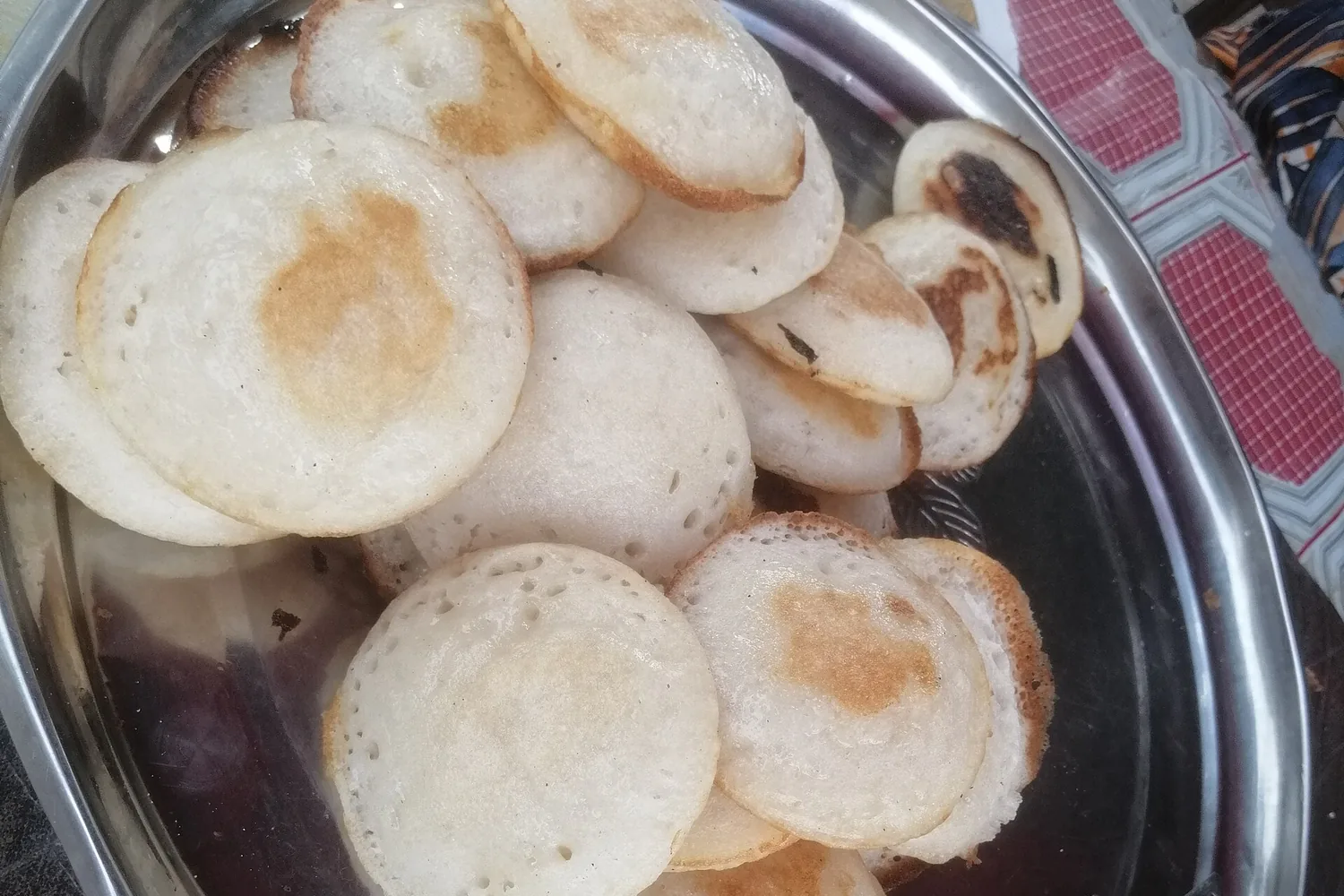
A metal tray piled with pale golden round mokary rice-coconut cakes Madagascar flag Madagascar 1h 45m
Breakfast •Madagascar Heritage

Madagascar Mokary

This madagascar mokary recipe turns rice flour, coconut milk, sugar and vanilla into 12 small, soft cakes with pale golden tops and a tender, slightly chewy crumb. A spoonful of cooked rice-flour paste (koba) and a one-hour rise give the batter its lift, then the cakes are cooked in small moulds or a greased pan until puffed and golden. One serving is about 210 g.

Sweet Breakfast & Morning Tea

Soft, lightly sweet rice-coconut cakes for breakfast or morning tea, made with rice flour and coconut milk and naturally gluten-free.

Pairs Well With
Serve warm, three cakes per person, with a cup of black tea or coffee and fresh fruit.
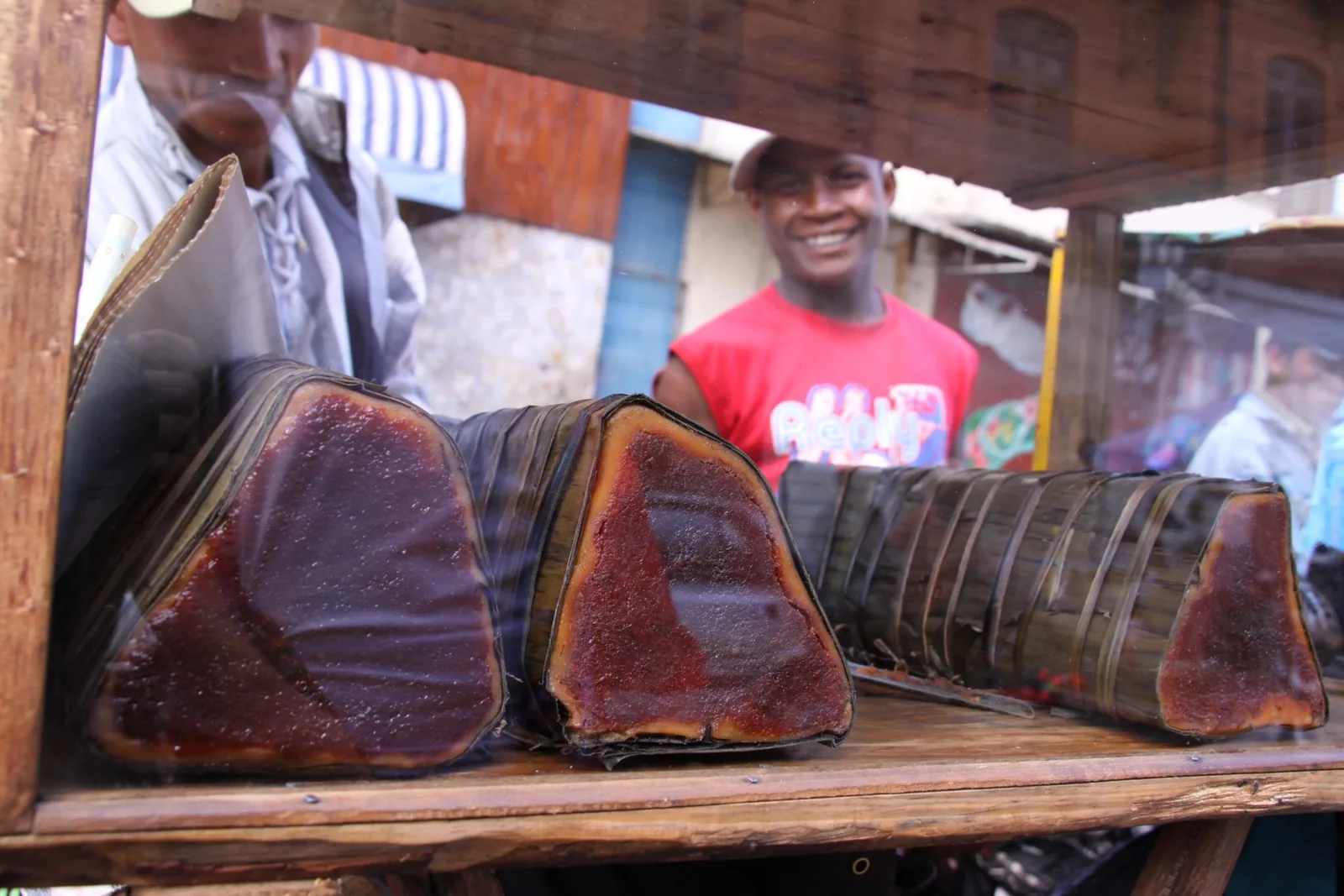
Dark brown koba rolls wrapped in banana leaves on a street vendor's stall in Antananarivo, Madagascar Madagascar flag Madagascar 50m
Snack & Tea •Madagascar Heritage

Koba Akondro

Koba akondro is Madagascar's beloved street snack: a batter of mashed ripe bananas, ground peanuts, honey and corn flour, wrapped in banana leaves and steamed until it sets into dense, dark, chewy cakes. This koba akondro recipe makes six little parcels that travel well, keep for days and taste of banana, peanut and caramel. One serving is about 140 g.

Comfort & Warmth

Ripe bananas, ground peanuts, honey and corn flour steamed in banana leaves into dense, dark, chewy cakes.

Pairs Well With
Hot black tea or coffee, with fresh mango or pineapple on the side
Bœuf bourguignon — French beef braised in red wine France flag France 4h
Dinner •Burgundy Terroir

Bœuf Bourguignon

Beef braised gently in red wine until the connective tissue melts into a velvet, gelatin-rich sauce — the classic Burgundy Sunday dinner.

Cellular Repair

Beef braised in red wine until spoon-tender, with mushrooms and pearl onions.

Pairs Well With
Parsnip Purée & Steamed French Haricots Verts
High Protein
Vietnamese braised pork belly with golden eggs in caramel sauce Vietnam flag Vietnam 1h 45m
Dinner •One Pot

Vietnamese Braised Pork and Eggs

Pork belly slowly braised in coconut water and caramel until meltingly tender, with golden eggs that soak up the sweet-savoury sauce — the Vietnamese family dish that tastes better the next day.

Comfort & Sustained Energy

Slow-braised pork belly and eggs in coconut water and caramel.

Pairs Well With
Steamed rice & pickled mustard greens
High Protein

The Dinner Gazette

Never wonder what’s for dinner again

One email a week with easy dinner ideas from around the world — ingredients, steps and nutrition, tested in our kitchen first.

Delivered every Thursday morning. Unsubscribe anytime.



