
Curated recipes from 193 countries  •  New seasonal Mediterranean issue out now

Overview

Koba Akondro

Malagasy Banana and Peanut Cake

Koba akondro is Madagascar's beloved street snack: a batter of mashed ripe bananas, ground peanuts, honey and corn flour, wrapped in banana leaves and steamed until it sets into dense, dark, chewy cakes. This koba akondro recipe makes six little parcels that travel well, keep for days and taste of banana, peanut and caramel. One serving is about 140 g.

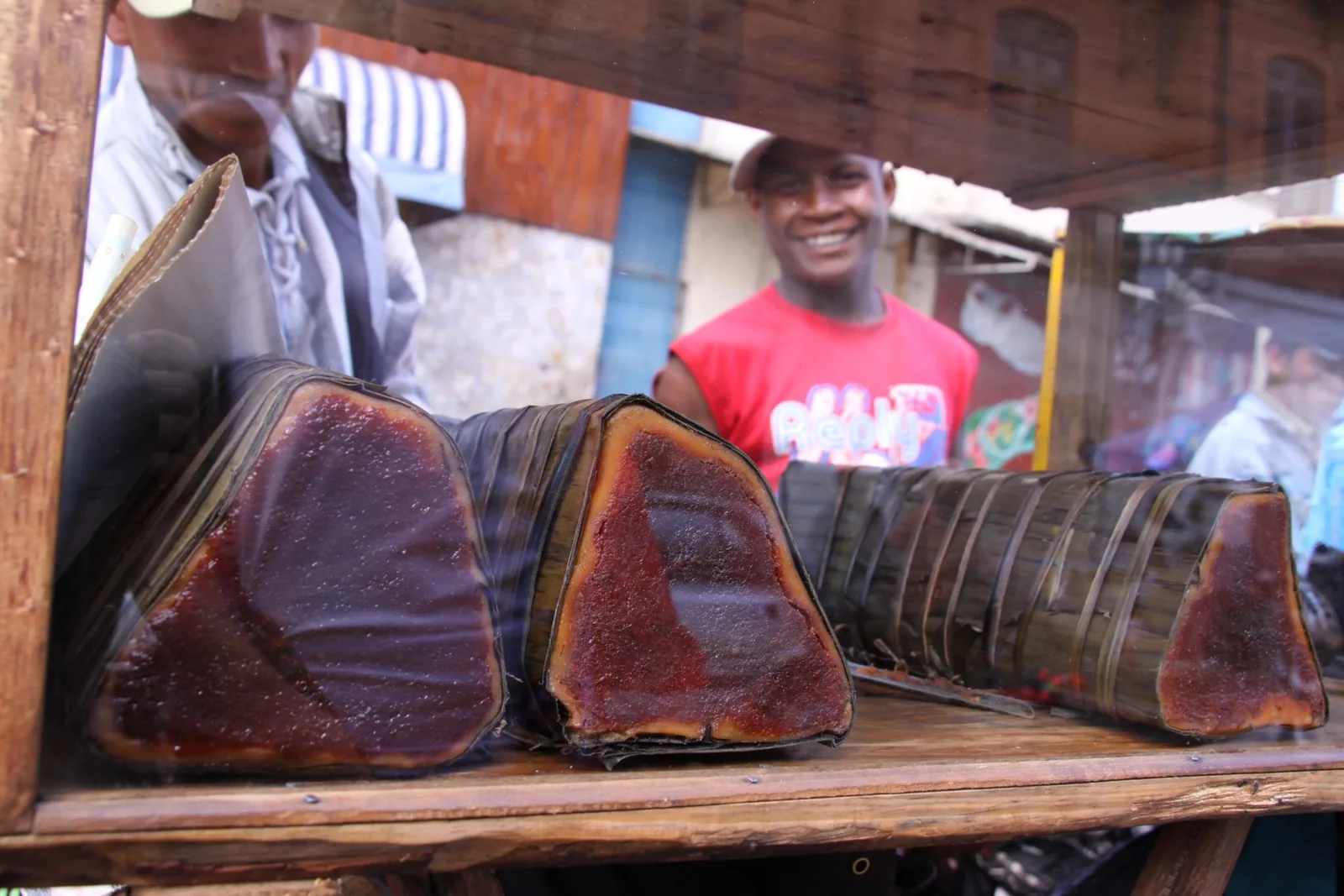
Koba is a traditional sweet of the Malagasy Highlands, made from ground peanuts, brown sugar and rice flour. Koba akondro is the banana variation: a batter of ground peanuts, mashed bananas, honey and corn flour wrapped in banana leaves and steamed or boiled until it sets. Vendors sell the dark, dense rolls in marketplaces and at petrol stations across Madagascar, slicing them to order.

Pairs well with: Hot black tea or coffee, with fresh mango or pineapple on the side

Provenance

Madagascar flag Madagascar

Madagascar Heritage

African Heritage

Time Dedication

50m

20m prep • 30m cook

Batch Yield

6 Servings

394 kcal per serving

1 serving ≈ 140 g

Technical Skill

Easy

Easy (Steamed)

Meal Timing & Digestive Fit

Breakfast

Not Advised

Lunch

Inappropriate

Dinner

Inappropriate

Snack & Tea

Ideal Light Bite

Occasions: Afternoon snack, market food, school lunchboxes, tea time, travel food Cost: Low — about $1–2 per cake at home
Dark brown koba rolls wrapped in banana leaves on a street vendor's stall in Antananarivo, Madagascar

Madagascar Heritage

Photo: Salym Fayad, CC BY-SA 2.0, via Wikimedia Commons

The Heritage Formulary

Measured Ingredients

Estimated cost: Low — about $1–2 per cake at home (USD)

A good koba akondro is judged by the slice: dense, dark and chewy, with the banana and peanut in balance and no raw flour in the middle.

Execution Methodology & Culinary Technique

Step-by-Step Cooking Guide

Active 50m
P

Prep Stage: Mash, Grind & Mix

20 Mins • Before Steaming

Mash the very ripe bananas in a large bowl until almost smooth. Grind the roasted peanuts in short pulses to a coarse, sandy meal — stop before it turns to butter. Stir the ground peanuts, corn flour, honey, brown sugar, vanilla and salt into the mashed banana until you have a thick, sticky, dark batter that holds its shape on a spoon.

Maestro Tip: The batter should be thick enough to mound, not pour. If it runs, add a spoonful more corn flour; if it is stiff and dry, add a spoonful of mashed banana.

  1. 1

    Mash the Bananas and Grind the Peanuts

    10 Mins • Prep Room temperature, about 20°C (68°F)

    Peel the 4 ripe bananas and mash them in a large bowl with a fork until almost smooth. Grind the 200 g of roasted peanuts in a food processor in short pulses until they form a coarse, sandy meal.

    Pulse, do not blend — 10 seconds of continuous blending turns peanuts into butter and the cake loses its crumb.

    Done when: Bananas soft and mostly smooth; peanuts like coarse sand, not paste.

  2. 2

    Mix the Batter

    5 Mins • Prep Room temperature, about 20°C (68°F)

    Stir the ground peanuts, 150 g corn flour, 60 g honey, 40 g brown sugar, vanilla and salt into the mashed banana. Mix until the batter is even, thick and sticky, with no dry flour showing.

    Taste a fingertip: it should be sweet and nutty with a little salt edge. Add a spoonful more honey if your bananas were not very ripe.

    Done when: Thick, dark, sticky batter that holds its shape on the spoon.

  3. 3

    Wrap the Cakes

    5 Mins • Prep Room temperature, about 20°C (68°F)

    Lay out the 6 softened banana-leaf rectangles. Spoon about 140 g of batter onto the centre of each, shape it into a log about 12 cm long, then fold the leaf over it and tuck the ends under, making a neat parcel. Tie with a strip of leaf or kitchen string if the parcel will not stay shut.

    Keep the parcels slim and even — fat parcels steam unevenly and stay raw in the middle.

    Done when: Six neat, tightly folded parcels, each about 140 g.

  4. 4

    Steam Until Set

    30 Mins • Steaming Boiling water, 100°C (212°F)

    Set a steamer basket over a pot of boiling water, lay the parcels in a single layer with a little space between them, cover with a tight lid and steam for 30 minutes. Check the water level halfway and top up with boiling water if it runs low.

    Do not lift the lid for the first 15 minutes — the parcels need steady steam to set.

    Done when: Parcels firm to the touch and hot through; a skewer pushed into the centre comes out clean with no wet batter.

  5. 5

    Cool and Slice

    5 Mins • Cooling Room temperature, about 20°C (68°F)

    Lift the parcels out and let them cool for 5 minutes so they firm up. Unwrap and slice each cake into thick rounds to serve.

    Slice with a wet knife — the cakes are sticky and a dry blade drags.

    Done when: Cakes hold their shape when sliced, dense and dark with a chewy, fudgy crumb.

Finishing Touches & Plating

Serve the koba akondro warm or at room temperature, unwrapped and sliced into thick rounds. A pot of hot black tea is the classic companion.

Nutritional Physiology & Benefits

Nutrition

Energy

394

kcal / serving

Protein

11g

Complete AA

Carbs

55g

Complex

Fats

18g

Healthy

Per serving (6 servings · 1 serving ≈ 140 g)
Energy394 kcal
Protein11 g
Carbohydrates55 g
Fat18 g
Fibre6.4 g
Sugar24.5 g
Sodium139 mg
Per 100g
Energy282 kcal
Protein7.9 g
Carbohydrates39 g
Fat12.6 g
Fibre4.6 g
Sugar17.5 g
Sodium100 mg

Nutrition values are estimated — calculated from USDA FoodData Central values for the listed ingredients.

Vitamins & minerals: Potassium and vitamin B6 (banana), vitamin E and magnesium (peanuts), iron (peanuts and corn flour). Nutrition values are estimated.

Banana Energy & Potassium

Ripe bananas bring quick energy, potassium and vitamin B6 — the reason this little cake works so well as a travel snack.

Peanut Protein

Ground peanuts give each cake about 11 g of protein, so the snack is far more filling than a plain sweet bun.

Fibre That Fills

Each cake carries about 6 g of fibre from the peanuts, banana and corn flour, which slows the sugar down and keeps you full.

Food Pairings

What to Eat With

To optimize nutrient absorption and elevate the sensory depth, pair with these authentic accompaniments:

Drinks

Hot Black Tea

Unsweetened black tea is the classic partner: its slight bitterness balances the honey sweetness and cuts the peanut richness.

Coconut Water

Cold coconut water refreshes the palate and suits the tropical sweetness of the banana and peanut.

Sides

Fresh Mango or Pineapple

A sharp, juicy fruit next to the dense, sweet cake gives the snack a fresh lift and keeps it from feeling heavy.

Plain Yoghurt

A spoonful of cool, tangy yoghurt against the warm, chewy cake is a lovely contrast, and the protein rounds the snack out.

Complete menu

Serve koba akondro sliced with hot black tea and fresh mango; it works as an afternoon snack or a sweet finish to a light lunch.

Digestive Guardrails

What NOT to Combine

To prevent digestive distress, sluggishness, or palate clash, avoid pairing the dish with these elements:

Peanut Allergy

Koba akondro is built on peanuts and must never be served to anyone with a peanut allergy — even a small amount can cause a severe reaction. There is no safe substitute that keeps this dish the same; choose a different snack instead. This is general food-safety information, not medical advice.

Too Many at Once

Each cake carries about 25 g of sugar, so one cake is a snack and three is a sugar load. Enjoy one, slowly, with tea — and be careful with teeth and blood sugar if you eat sweet snacks often.

General information only, not medical advice — consult a doctor for personal dietary decisions.

Who Should Eat It

Who Should Eat

  • General adultsA dense, sweet snack — best as one cake with tea, not as a meal on its own.
  • ChildrenChildren love it, but it is very sweet and sticky; one small piece for young children, and watch for peanut allergy.
  • ElderlyA good choice — soft, chewy and easy to eat; keep to one cake because it is sweet.
  • Pregnant womenGenerally suitable in a small portion; the cake is high in sugar, so keep it to half a cake and ask your clinician.
  • Breastfeeding womenGenerally suitable as an occasional snack; the peanuts add protein, but keep the portion small.
  • AthletesA handy portable snack: quick energy plus about 11 g of protein per cake — good before or after training.
  • Weight gainA good choice — dense, energy-rich and cheap; one or two cakes with tea add useful energy.
  • Weight lossA sweet, energy-dense snack — keep to one cake, or half a cake with fruit, and save it for an occasional treat.

Health Conditions — Adjust or Avoid

Conditions

  • DiabetesEach cake has about 25 g of sugar and 55 g of carbohydrate; keep to half a cake and ask your clinician about portion size.
  • High blood pressureSodium is low, but the sugar is high; one cake at a time is the sensible portion.
  • Kidney diseasePeanuts and banana add potassium and protein; keep portions small and ask your clinician.
  • GoutPeanuts contain moderate purines; one cake occasionally is usually fine, but ask your clinician if gout flares.
  • Stomach issuesSoft and chewy, usually gentle on the stomach, but very sweet foods can trouble some people; eat slowly.
  • Cardiovascular diseaseThe cake is high in sugar and saturated fat is low; keep it an occasional treat rather than a daily snack.
  • Fatty liverHigh in sugar and energy-dense; keep to an occasional half-cake and ask your clinician.
  • Food allergiesContains PEANUT — a major allergen. Do not serve to anyone with peanut allergy. Also contains corn flour; people with corn allergy should avoid it and ask their clinician.
  • Special therapeutic dietsIf you follow a prescribed low-sugar or low-carbohydrate diet, keep to a small piece and check with your clinician.

If you have a medical condition, consult your doctor before changing your diet.

Storage & Use

Storage & Use

How to store
Cool completely, then wrap each cake in its leaf or cling film and store in an airtight container.
In the fridge
Wrapped koba 4 days.
In the freezer
Up to 1 month in portions; thaw overnight in the fridge.
How to reheat
Steam for 5 minutes until warm through, to 74°C (165°F).
Freezing recommended
Yes, but the texture softens slightly after freezing.
Signs it has spoiled
Sour or fermented smell, sticky slime, or mould on the surface.

More recipes to explore

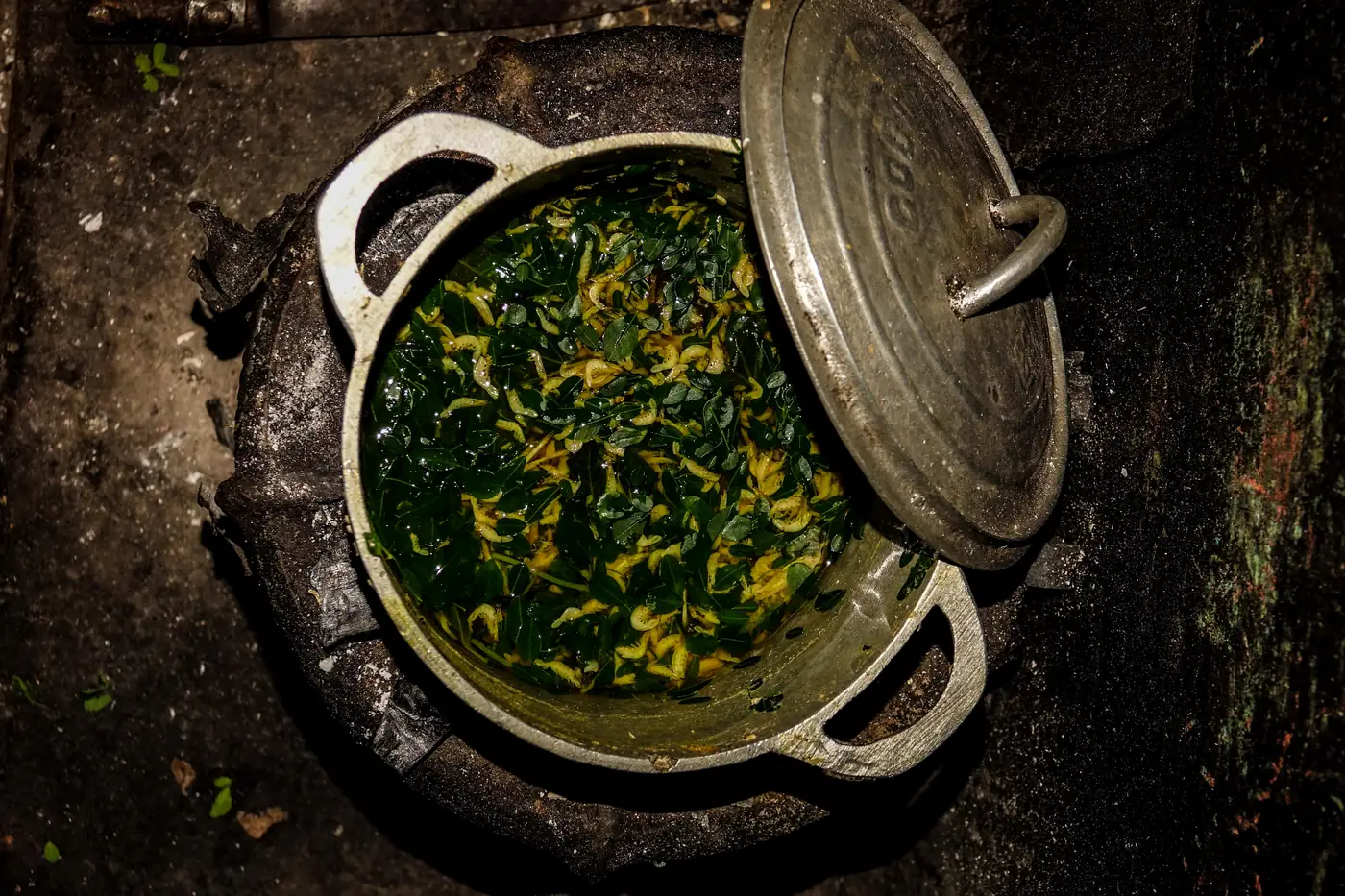
A pot of romazava, Madagascar's beef and greens stew, simmering on a stove with the lid half open Madagascar flag Madagascar 1h 55m
Dinner •Madagascar Heritage

Romazava

Romazava is Madagascar's national stew: chunks of beef simmered in a savoury tomato broth with onion, garlic and ginger, then finished with watercress, spinach and mustard greens wilted right into the pot. This romazava recipe makes a brothy, warming one-pot dinner that is ladled over steamed rice, with hot sakay chilli sauce on the side for anyone who wants heat. One serving is about 400 g.

Comfort & Warmth

Tender beef simmered with tomatoes, onion, garlic and ginger, finished with a generous pile of wilted greens and ladled over rice.

Pairs Well With
Steamed white rice, with sakay chilli sauce and a tomato rougail on the side
Soups & Broths • High Protein
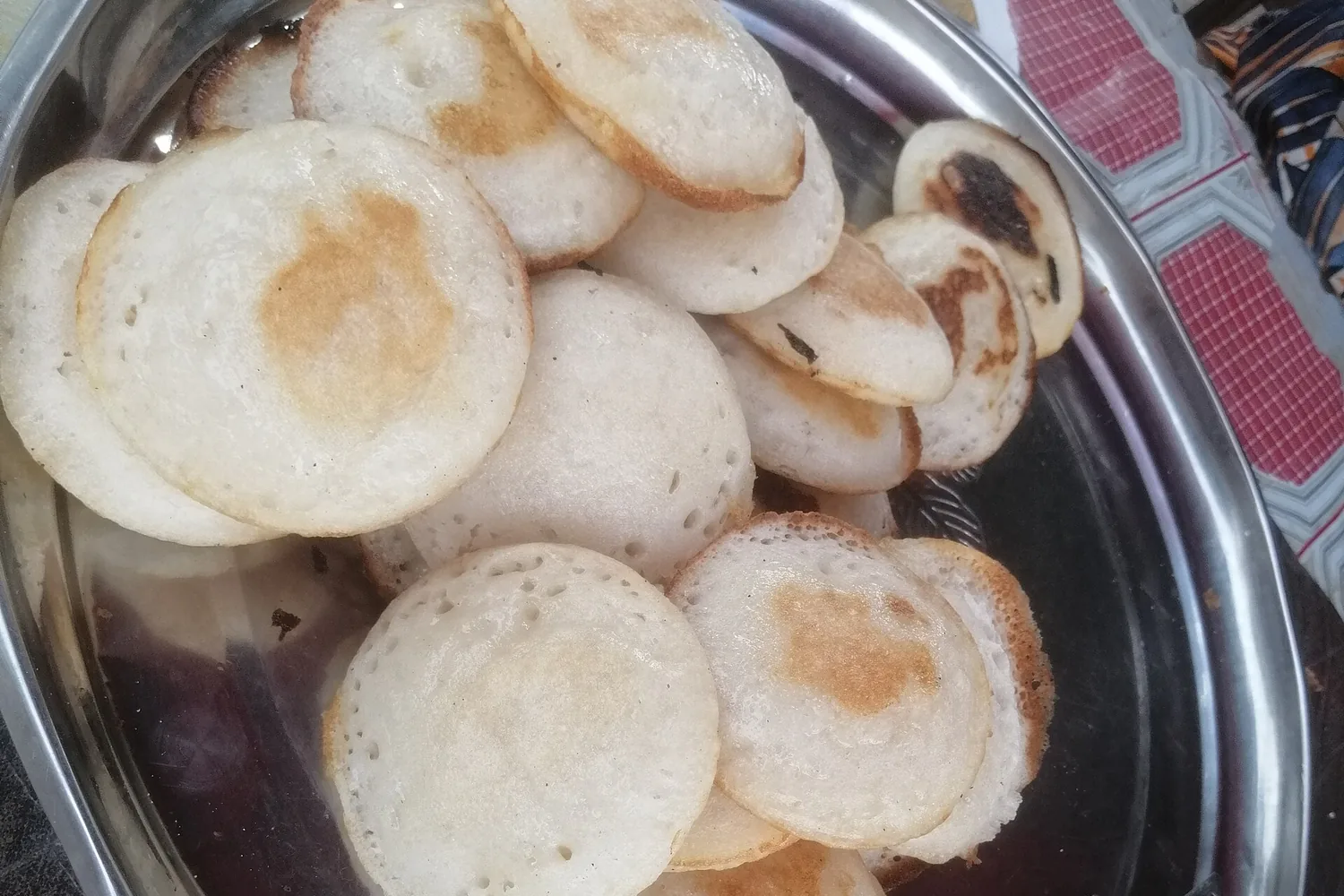
A metal tray piled with pale golden round mokary rice-coconut cakes Madagascar flag Madagascar 1h 45m
Breakfast •Madagascar Heritage

Madagascar Mokary

This madagascar mokary recipe turns rice flour, coconut milk, sugar and vanilla into 12 small, soft cakes with pale golden tops and a tender, slightly chewy crumb. A spoonful of cooked rice-flour paste (koba) and a one-hour rise give the batter its lift, then the cakes are cooked in small moulds or a greased pan until puffed and golden. One serving is about 210 g.

Sweet Breakfast & Morning Tea

Soft, lightly sweet rice-coconut cakes for breakfast or morning tea, made with rice flour and coconut milk and naturally gluten-free.

Pairs Well With
Serve warm, three cakes per person, with a cup of black tea or coffee and fresh fruit.
Pan con tomate with jamón ibérico on toasted bread Spain flag Spain 15m
Snack & Tea •Catalan Aperitivo

Pan con Tomate & Jamón Ibérico

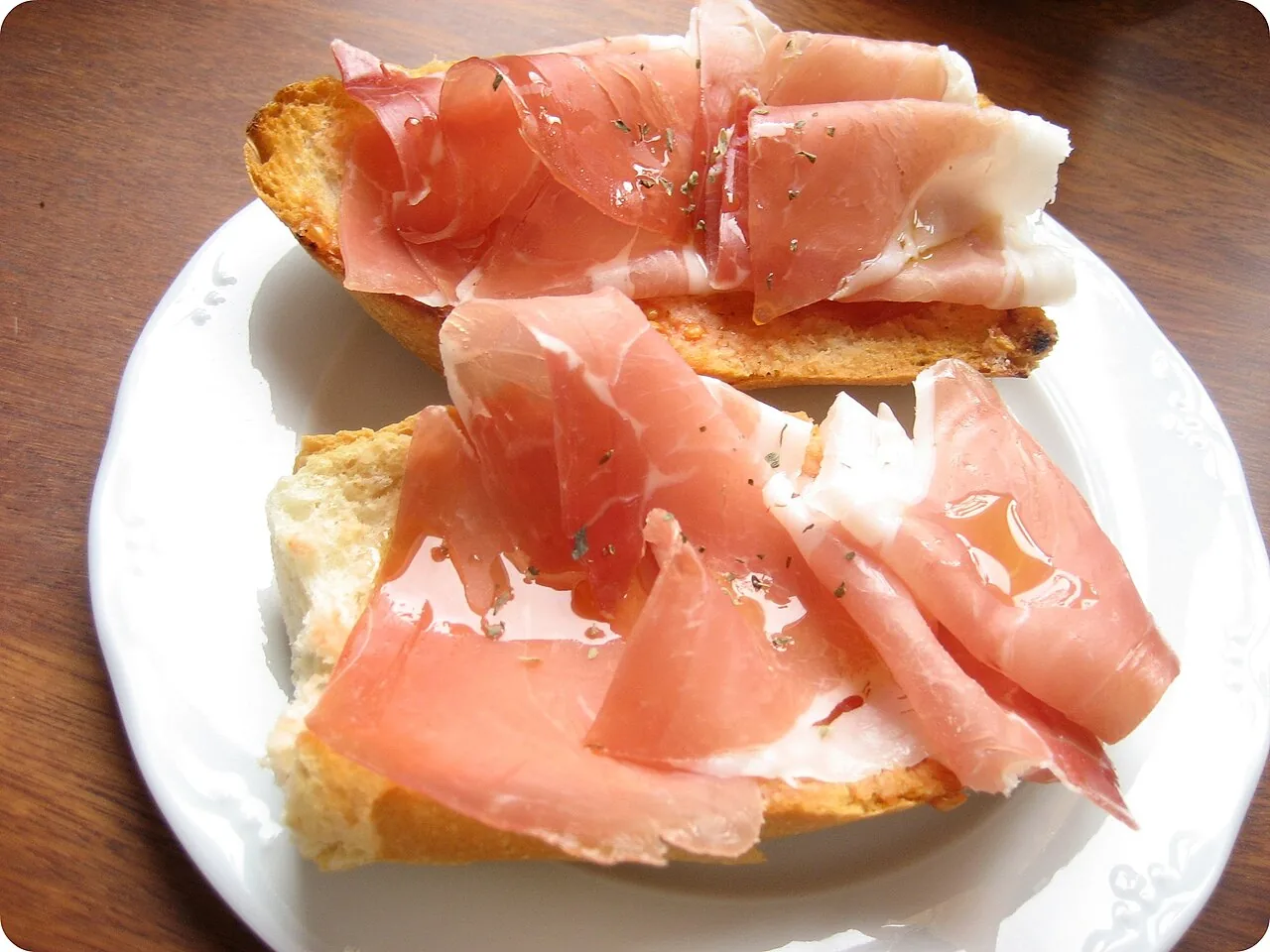
Country bread rubbed with ripe Ramallet tomato, drizzled with cold-pressed Arbequina olive oil and topped with jamón ibérico.

Vascular Health

Toasted tomato bread with jamón ibérico, olive oil and olives.

Pairs Well With
Castelvetrano Olives & Sparkling Mineral Water
Quick Prep (<30m)
Gỏi cuốn — Vietnamese fresh spring rolls with prawn and pork Vietnam flag Vietnam 1h 5m
Snack & Tea •Saigon Refresh

Gỏi Cuốn Tôm Thịt

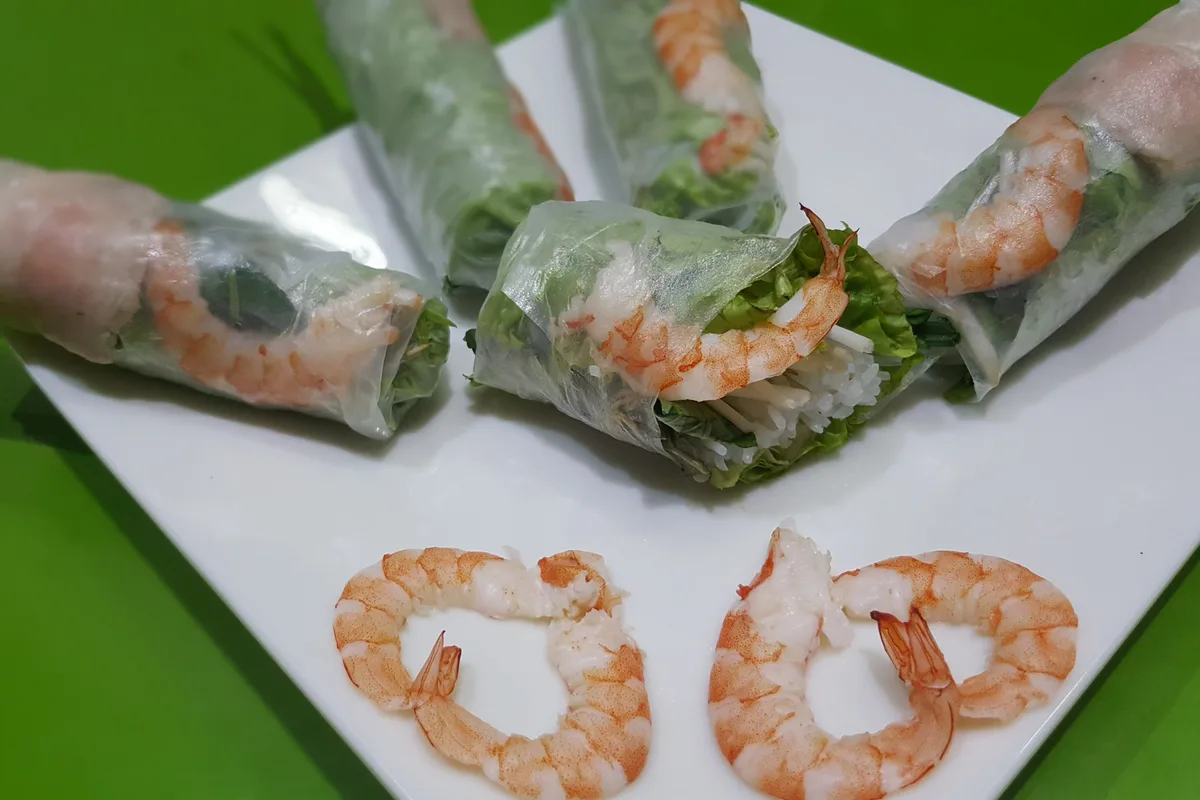
Fresh rice paper rolls filled with poached prawns, tender pork, rice vermicelli, lettuce, herbs and carrot, served with a peanut dipping sauce.

Light Digestion

Nothing is fried, so the rolls stay light and fresh — a cool, herb-filled snack for hot days.

Pairs Well With
Artisanal Peanut Dip & Fresh Lotus Root Water
High Protein

The Dinner Gazette

Never wonder what’s for dinner again

One email a week with easy dinner ideas from around the world — ingredients, steps and nutrition, tested in our kitchen first.

Delivered every Thursday morning. Unsubscribe anytime.