Curated recipes from 193 countries  •  New seasonal Mediterranean issue out now

Overview

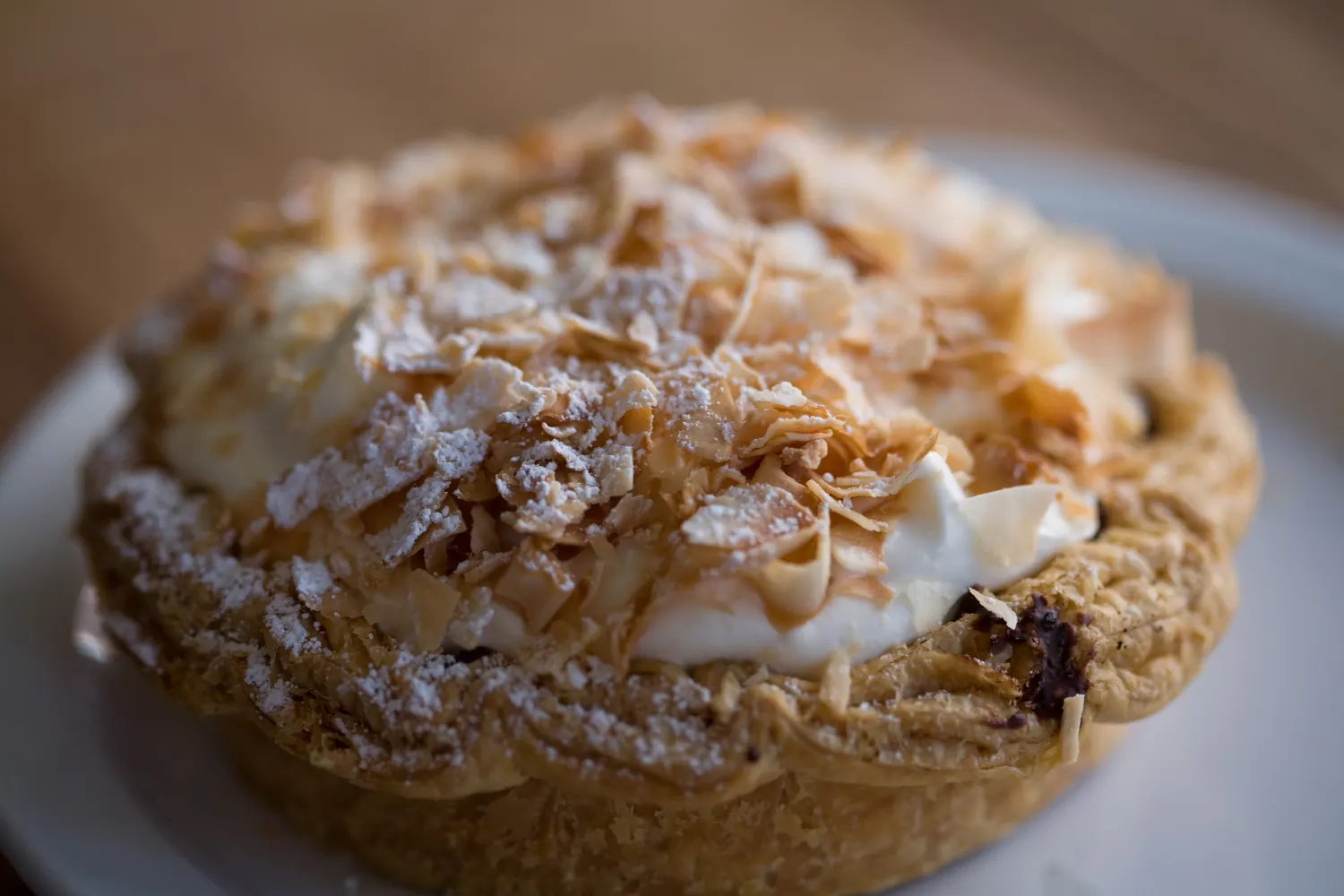
Seychelles Coconut Tart

Tarte Coco

This seychelles coconut tart recipe fills a crisp, buttery shortcrust shell with a creamy coconut custard, then crowns it with whipped cream and golden toasted coconut flakes. One serving is about 180 g.

The coconut tart is one of the Seychelles' classic Creole sweets: a French-style shortcrust shell, a legacy of the islands' French heritage, filled with coconut custard. Coconut is the islands' most famous crop — the coco de mer palm grows nowhere else on earth — and coconut tarts are a regular sight in Victoria's bakeries and at family gatherings, served with lemongrass tea.

Pairs well with: Lemongrass tea, sliced mango and banana, and a spoonful of whipped cream

Provenance

Seychelles flag Seychelles

Seychelles Creole Baking

African Heritage

Time Dedication

1h 35m

45m prep • 50m cook

Batch Yield

8 Servings

589 kcal per serving

1 serving ≈ 180 g

Technical Skill

Intermediate

Intermediate (Baking)

Meal Timing & Digestive Fit

Breakfast

Not Advised

Lunch

Inappropriate

Dinner

Inappropriate

Snack & Tea

Ideal Light Bite

Occasions: Sunday lunch, family gatherings, afternoon tea, festive meals Cost: Low — about $2–3 per serving at home
A Seychelles coconut tart topped with whipped cream, toasted coconut flakes and icing sugar

Seychelles Creole Baking

Photo: Charles Haynes, CC BY-SA 2.0, via Wikimedia Commons

The Heritage Formulary

Measured Ingredients

Estimated cost: Low — about $2–3 per serving at home (USD)

A good coconut tart is judged by its shell: crisp and golden, holding a custard that is set but still creamy in the middle.

Execution Methodology & Culinary Technique

Step-by-Step Cooking Guide

Active 1h 35m
P

Prep Stage: Make the Pastry and the Custard

45 Mins • Pastry and Chilling

Make the pastry first: rub the cold butter into the flour, sugar and salt until it looks like breadcrumbs, then bring it together with the egg yolk and cold water. Flatten into a disc, wrap, and chill for 30 minutes. While it chills, whisk the custard ingredients and toast the coconut flakes in a dry pan.

Maestro Tip: Keep everything cold — cold butter, cold water, cold hands. Warm pastry shrinks in the oven and turns tough.

  1. 1

    Line the Tin and Blind Bake

    15 Mins Oven 190°C (375°F)

    Roll the chilled pastry on a floured surface to about 3 mm thick and press it into a 23 cm tart tin, trimming the edges. Prick the base all over with a fork, line with baking paper, fill with baking beans, and bake for 15 minutes.

    Do not stretch the pastry to fit the tin — it shrinks back in the oven and pulls away from the sides.

    Done when: The edges are set and pale gold, and the base is dry to the touch.

  2. 2

    Bake the Shell Crisp

    10 Mins Oven 190°C (375°F)

    Lift out the paper and beans and bake the shell for 8–10 minutes more until the base is crisp and lightly golden all over.

    If the base puffs up, prick it again with a fork while it is still hot and it will settle flat.

    Done when: The base is golden and sounds hollow when tapped, with no pale, damp patches.

  3. 3

    Make the Coconut Custard

    10 Mins Stovetop, medium heat, ~80°C (175°F)

    Warm the coconut milk and whole milk in a pan until steaming, but not boiling. In a bowl, whisk the eggs, sugar, cornflour, vanilla and salt until smooth, then whisk in the hot milk a little at a time so the eggs do not curdle.

    Pour the hot milk in slowly, whisking all the time — a fast pour scrambles the eggs.

    Done when: The mixture is smooth, pale and free of lumps, with the cornflour fully whisked in.

  4. 4

    Thicken the Custard and Fill the Shell

    5 Mins Stovetop, low heat, ~80°C (175°F)

    Return the custard to the pan and cook gently, stirring, for 2–3 minutes until it thickens enough to coat the back of a spoon. Take it off the heat, stir in the desiccated coconut, and pour it into the hot tart shell.

    Do not let the custard boil — boiling makes it grainy and thin instead of smooth.

    Done when: The custard is thick, glossy and coats a spoon, and the coconut is evenly mixed through it.

  5. 5

    Bake and Cool the Tart

    20 Mins Oven 180°C (350°F)

    Bake the filled tart for 20 minutes until the filling is set at the edges with just a slight wobble in the centre, and the top is lightly golden. Cool in the tin for 15 minutes, then turn out onto a rack and cool completely, about 1 hour.

    A slight wobble is right — the custard firms up as it cools, and an over-baked tart turns rubbery.

    Done when: The edges are set and golden, the centre wobbles only slightly when the tin is nudged, and the shell is crisp.

  6. 6

    Top With Cream and Toasted Coconut

    10 Mins Serve chilled, ~5°C (40°F)

    Whip the cold double cream with the icing sugar until it holds soft peaks. Spread it over the cold tart, scatter the toasted coconut flakes over the top, and dust lightly with icing sugar if you like.

    Toast the flakes in a dry pan over medium heat for 30 seconds — they go from golden to burnt in a blink, so watch them.

    Done when: The cream holds soft peaks, the flakes are golden and crisp, and the tart is cold all the way through.

Finishing Touches & Plating

Slice the tart with a hot, dry knife, wipe the blade between cuts, and serve each slice with a spoonful of the whipped cream and a scattering of toasted coconut on the plate.
Nutritional Physiology & Benefits

Nutrition

Energy

589

kcal / serving

Protein

9g

Complete AA

Carbs

48g

Complex

Fats

42g

Healthy

Per serving (8 servings · 1 serving ≈ 180 g)
Energy589 kcal
Protein9 g
Carbohydrates48 g
Fat42 g
Fibre4.2 g
Sugar22.9 g
Sodium206 mg
Per 100g
Energy327 kcal
Protein4.9 g
Carbohydrates26.5 g
Fat23.3 g
Fibre2.4 g
Sugar12.7 g
Sodium115 mg

Nutrition values are estimated — calculated from USDA FoodData Central values for the listed ingredients.

Vitamins & minerals: Vitamin B12 and calcium (eggs, milk), manganese and copper (coconut), vitamin E (butter, coconut).

Real Coconut, Front and Centre

Coconut is the heart of the tart — its milk and flesh give the custard its flavour, and coconut provides fibre and minerals like manganese and copper.

Eggs and Milk Make It Satisfying

Eggs and milk in the custard give the slice about 9 g of protein, which makes it far more satisfying than a plain sugary cake.

A Short List of Real Ingredients

The tart is baked from a short list of ordinary ingredients — flour, butter, eggs, milk and coconut — with no artificial flavouring.

Food Pairings

What to Eat With

To optimize nutrient absorption and elevate the sensory depth, pair with these authentic accompaniments:

Drinks

Lemongrass Tea

Lemongrass tea is the Seychelles drink for a sweet tart — fragrant, unsweetened and hot, it cuts the richness of the custard.

Sweet Dessert Wine

A small glass of sweet dessert wine suits the tart's coconut sweetness for a festive finish, though tea is the everyday choice.

Sides

Sliced Mango and Banana

Sliced mango and banana are the islands' everyday fruits; their fresh acidity balances the rich coconut custard and cleans the palate.

More Pairings

Extra Whipped Cream

A spoonful of softly whipped cream on the side makes each bite lighter and lets the coconut flavour shine through.

Complete menu

Serve a slice of coconut tart after a Creole dinner of grilled fish and rice, with a pot of lemongrass tea and a bowl of sliced mango and banana on the table.

Digestive Guardrails

What NOT to Combine

To prevent digestive distress, sluggishness, or palate clash, avoid pairing the dish with these elements:

Another Heavy, Creamy Dessert on the Same Plate

A second heavy, creamy dessert on the same plate makes the meal very rich — the tart already carries butter, coconut milk and cream. Serve it with fresh fruit instead. This is general guidance, not medical advice.

Very Sweet Drinks With the Tart

Very sweet drinks add a lot of sugar to a dessert that is already sweet. Unsweetened tea or sparkling water are better matches.

General information only, not medical advice — consult a doctor for personal dietary decisions.

Who Should Eat It

Who Should Eat

  • General adultsA rich dessert for after dinner or with afternoon tea — one slice is plenty, as the coconut custard is generous.
  • ChildrenSuitable from age 3+; children love the sweet coconut topping, but keep the slice small because it is rich and sweet.
  • ElderlySuitable in a small slice — the custard is soft and easy to eat, though it is sweet and rich.
  • Pregnant womenGenerally suitable; the tart is baked through and the eggs are fully cooked, but keep the portion modest because of the sugar.
  • Breastfeeding womenGenerally suitable as an occasional treat; the eggs, milk and coconut give energy, but it is a sweet, rich dessert.
  • AthletesA good post-training treat — about 48 g of carbohydrate per slice for glycogen, best eaten after a proper meal rather than instead of one.
  • Weight gainA good choice — a full slice with a second spoonful of whipped cream adds energy easily.
  • Weight lossKeep it to a thin slice and skip the extra cream — the tart is rich, at about 589 kcal a slice.

Health Conditions — Adjust or Avoid

Conditions

  • DiabetesThe tart is high in sugar and refined flour, so keep the slice thin — about half a slice — and ask your clinician about portion size.
  • High blood pressureThe sodium is modest; the bigger concern is the sugar and saturated fat, so keep the portion small. Ask your clinician.
  • Kidney diseaseCoconut is high in potassium, so keep the portion modest and ask your clinician about portion size.
  • GoutThe tart itself is low in purines, but large servings of sweet, rich food still add up — eat in moderate portions.
  • Stomach issuesThe buttery pastry and rich custard can feel heavy on a sensitive stomach — eat a small slice, slowly, and skip the extra cream.
  • Cardiovascular diseaseButter, coconut milk and cream make this high in saturated fat, so this is an occasional treat rather than an everyday dessert. Ask your clinician.
  • Fatty liverAn occasional treat — the sugar and saturated fat are high, so keep the slice thin and do not take seconds. Ask your clinician.
  • Food allergiesContains wheat (gluten), egg, milk and coconut. Tree-nut-free, but coconut allergy is the key risk — do not serve to anyone with a coconut allergy.
  • Special therapeutic dietsIf you follow a prescribed low-sugar or low-saturated-fat diet, keep the slice thin or skip it, and check with your clinician.

If you have a medical condition, consult your doctor before changing your diet.

Storage & Use

Storage & Use

How to store
Cool completely, then store in an airtight container or covered with cling film; keep the cream topping chilled.
In the fridge
3–4 days.
In the freezer
Up to 1 month; freeze the tart without the cream topping, wrapped well.
How to reheat
Serve cold or at room temperature; do not reheat a cream-topped tart. A plain slice can be warmed gently in a 160°C (320°F) oven for 8 minutes.
Freezing recommended
Only if needed — the pastry softens on thawing, so it is best eaten fresh.
Signs it has spoiled
Sour smell from the cream or custard, weeping filling, or a soft, soggy pastry.

More recipes to explore

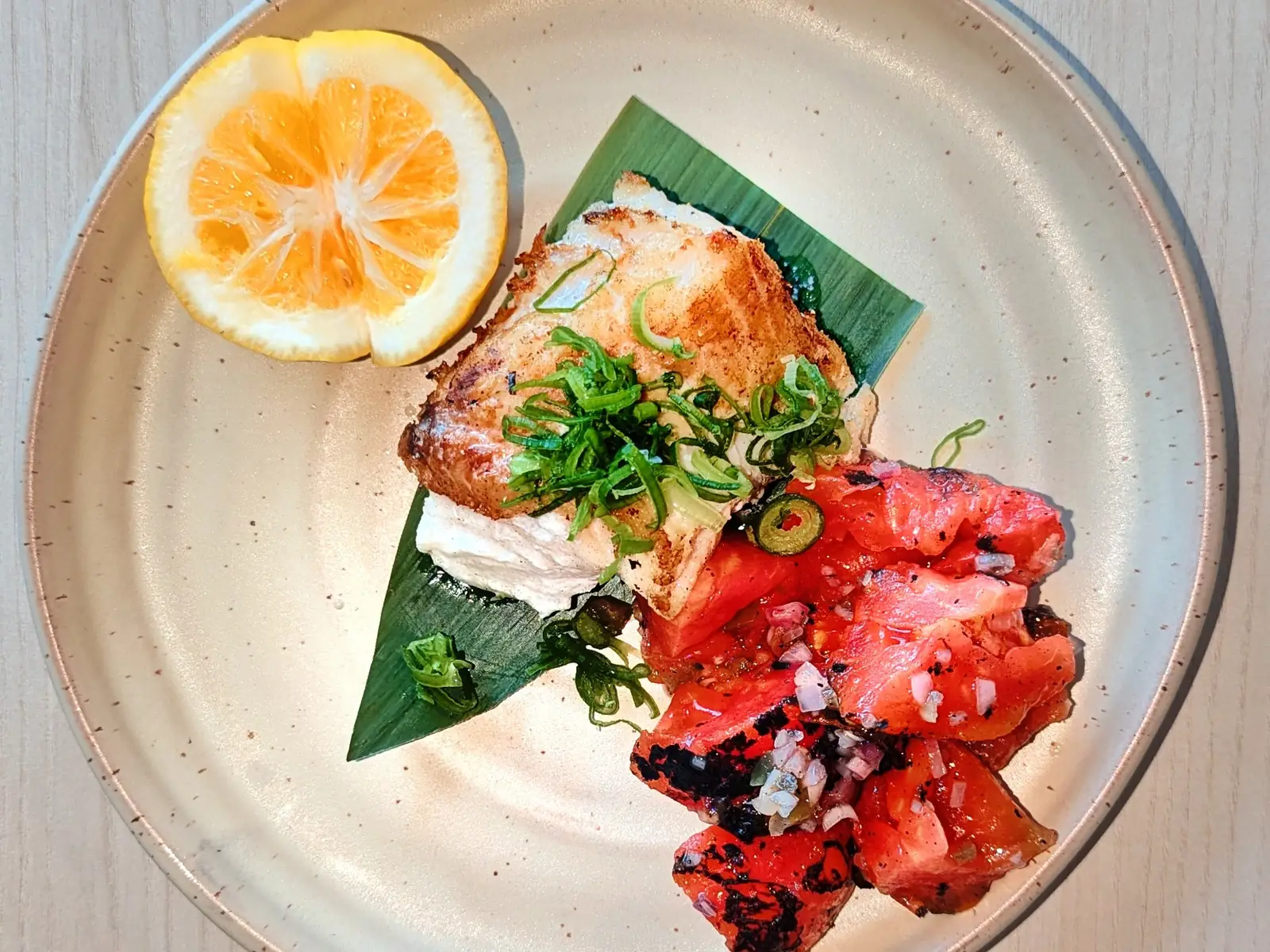
A grilled red snapper fillet topped with spring onions on a banana leaf, with grilled tomato salad and a lemon half Seychelles flag Seychelles 50m
Dinner •Mahé's Island Grill

Seychelles Grilled Red Snapper

This seychelles grilled fish recipe marinates red snapper fillets in lemon, garlic, ginger and thyme, grills them skin-side down until the flesh flakes, and serves them with a warm grilled tomato salad and steamed rice. One serving is about 445 g.

Light & Fresh

Red snapper fillets marinated in lemon, garlic and ginger, grilled until the skin crisps, and served with a warm tomato salad and rice.

Pairs Well With
Steamed rice, grilled tomato salad and lemon wedges
High Protein
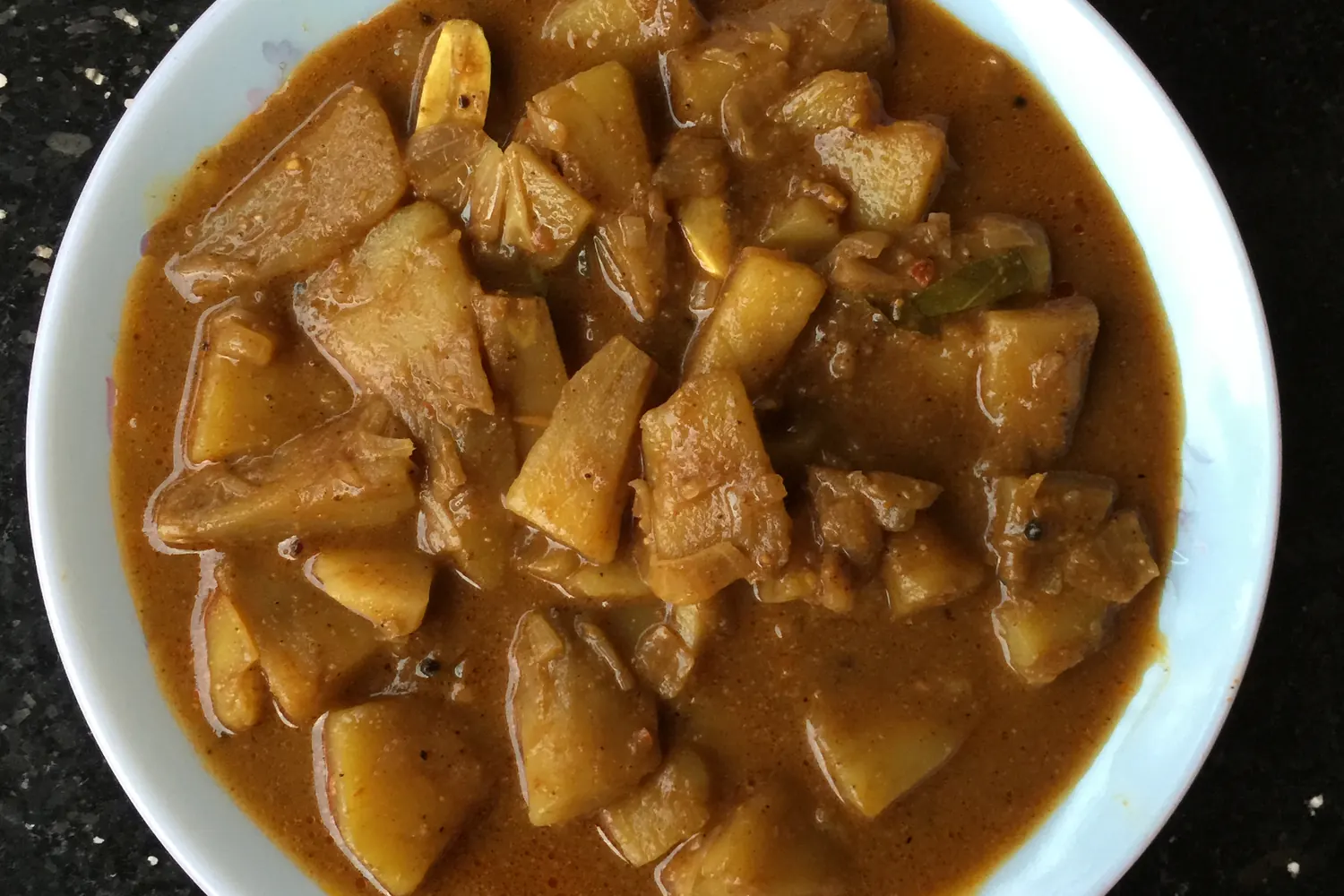
A bowl of Seychelles breadfruit curry, breadfruit chunks in a golden-brown coconut curry sauce Seychelles flag Seychelles 55m
Dinner •Mahé Creole Cooking

Seychelles Breadfruit Curry

This seychelles breadfruit curry recipe turns the islands' favourite starchy fruit into a rich Creole main: chunks of mature breadfruit simmered gently in coconut milk with onion, tomato, garlic, ginger and curry spices until tender, then finished with lime and fresh coriander. One serving is about 525 g, with rice.

Comfort & Warmth

Breadfruit simmered in coconut milk with curry spices, a filling Creole main served with rice.

Pairs Well With
Steamed white rice, a tomato and onion salad, and lime wedges
Pan con tomate with jamón ibérico on toasted bread Spain flag Spain 15m
Snack & Tea •Catalan Aperitivo

Pan con Tomate & Jamón Ibérico

Country bread rubbed with ripe Ramallet tomato, drizzled with cold-pressed Arbequina olive oil and topped with jamón ibérico.

Vascular Health

Toasted tomato bread with jamón ibérico, olive oil and olives.

Pairs Well With
Castelvetrano Olives & Sparkling Mineral Water
Quick Prep (<30m)
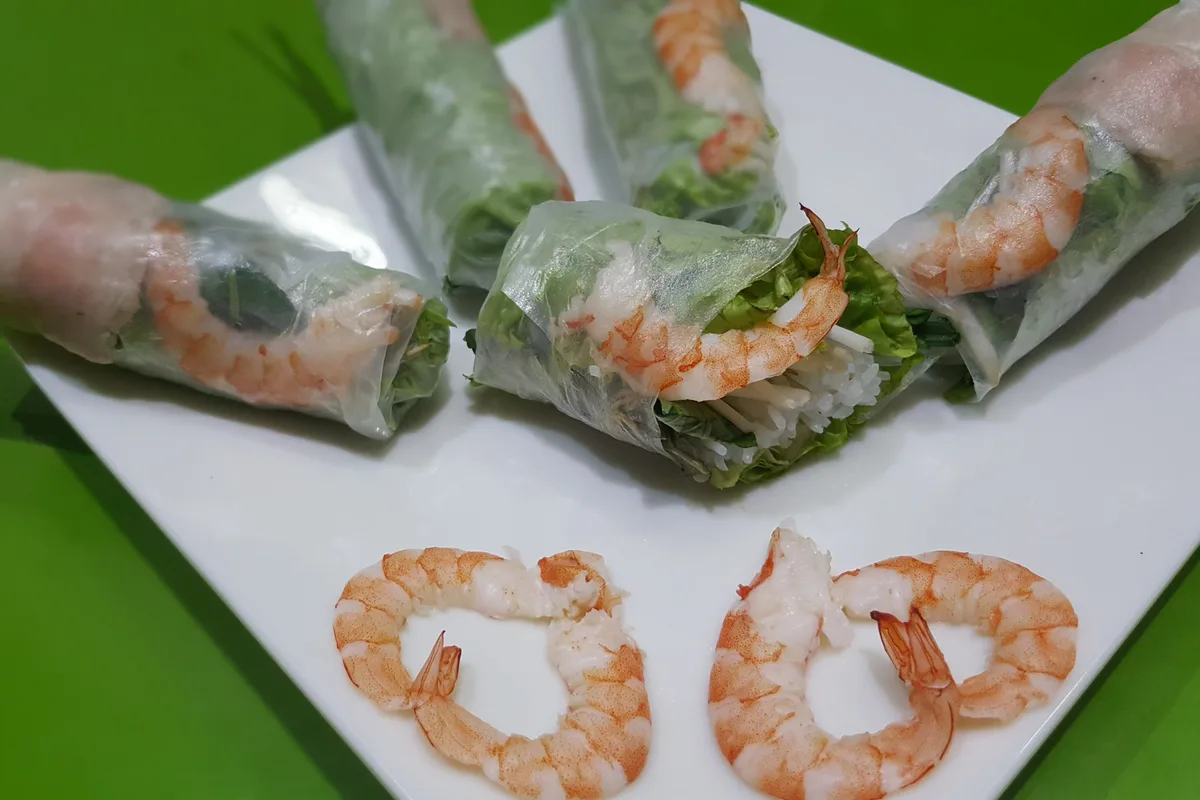
Gỏi cuốn — Vietnamese fresh spring rolls with prawn and pork Vietnam flag Vietnam 1h 5m
Snack & Tea •Saigon Refresh

Gỏi Cuốn Tôm Thịt

Fresh rice paper rolls filled with poached prawns, tender pork, rice vermicelli, lettuce, herbs and carrot, served with a peanut dipping sauce.

Light Digestion

Nothing is fried, so the rolls stay light and fresh — a cool, herb-filled snack for hot days.

Pairs Well With
Artisanal Peanut Dip & Fresh Lotus Root Water
High Protein

The Dinner Gazette

Never wonder what’s for dinner again

One email a week with easy dinner ideas from around the world — ingredients, steps and nutrition, tested in our kitchen first.

Delivered every Thursday morning. Unsubscribe anytime.