
Curated recipes from 193 countries  •  New seasonal Mediterranean issue out now

Overview

Shchi

Russian Cabbage Soup, Shchi with Beef and Sauerkraut

Shchi is Russia's everyday cabbage soup: tender beef simmered in a clear broth with sauerkraut, potatoes, carrots and dill, finished with a spoonful of sour cream. It is sour, savoury and deeply warming, and it tastes even better the next day. One serving is about 550 g.

Shchi has been cooked in Russia since at least the 9th century, when cabbage arrived from Byzantium and became a staple of the peasant diet. The soup was so central to daily life that a Russian saying held that where there is shchi, there is a home — and it was traditionally cooked in the morning and kept warm in the oven until dinner.

Pairs well with: Dark rye bread, sour cream & fresh dill

Provenance

Russia flag Russia

Russian Home Cooking

Nordic & European

Time Dedication

2h 15m

25m prep • 110m cook

Batch Yield

6 Servings

355 kcal per serving

1 serving ≈ 550 g

Technical Skill

Intermediate

Intermediate (Slow Simmer)

Meal Timing & Digestive Fit

Breakfast

Not Advised

Lunch

Prime Metabolic Fit

Dinner

Ideal Hearty Main

Snack & Tea

Inappropriate

Soups & Broths Occasions: Family lunches, cold winter days, make-ahead meals, next-day leftovers Cost: Low — about $2–3 per serving at home
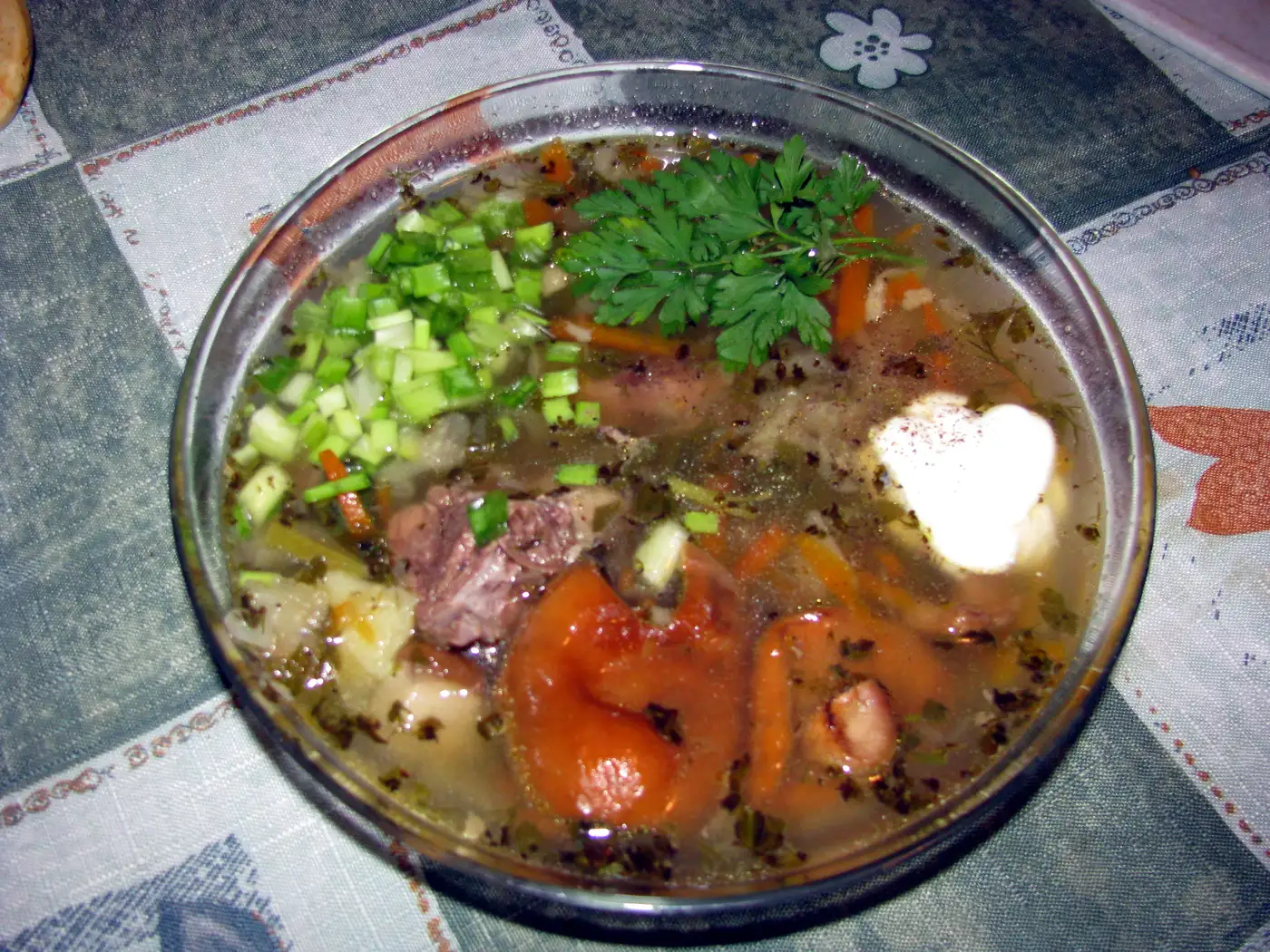
A bowl of shchi, Russian cabbage soup with beef, sour cream, parsley and spring onion

Russian Home Cooking

Photo: Шнапс, Public domain, via Wikimedia Commons

The Heritage Formulary

Measured Ingredients

Estimated cost: Low — about $2–3 per serving at home (USD)

A good shchi is judged by its balance: sour from the kraut, savoury from the beef, and never cloudy or greasy.

Execution Methodology & Culinary Technique

Step-by-Step Cooking Guide

Active 2h 15m
P

Prep Stage: Beef, Kraut & Vegetables

25 Mins • Knife Work

Rinse the beef and put it in a large pot with 2 litres of cold water. Drain and chop the sauerkraut, peel and chunk the potatoes, grate the carrots and chop the onion, garlic and dill so everything is ready before the pot goes on the heat.

Maestro Tip: Starting the beef in cold water, not hot, gives a clearer broth.

  1. 1

    Simmer the Beef

    60 Mins • Gentle Simmer Bare simmer, about 95°C (203°F)

    Bring the pot to a gentle simmer over medium heat and skim off the grey foam diligently for the first 15 minutes. Add the bay leaves and peppercorns, then keep the broth at the barest simmer, covered, for 60 minutes until the beef is tender.

    Never let the broth boil hard — a bare simmer keeps it clear and the meat tender.

    Done when: The beef yields easily to a fork and the broth is clear and golden.

  2. 2

    Add Sauerkraut & Potatoes

    30 Mins • Simmer Gentle simmer, about 95°C (203°F)

    Lift out the beef and set it aside to rest. Add the sauerkraut and potatoes to the broth and simmer for 25–30 minutes until the potatoes are soft and the kraut has lost its raw edge.

    If the kraut tastes sharply sour, rinse it briefly before adding; the soup should be pleasantly tart, not biting.

    Done when: Potatoes break apart with a spoon; kraut is tender.

  3. 3

    Fry the Vegetables

    10 Mins • Medium Heat Medium heat, about 160°C (320°F)

    While the soup simmers, heat the sunflower oil in a pan and fry the onion and carrot for 6–7 minutes until soft and sweet. Stir in the tomato paste and fry for 2 more minutes until it darkens a shade, then scrape everything into the pot.

    Frying the tomato paste removes its raw, tinny taste and deepens the colour.

    Done when: Onion is soft and golden; paste is brick-red and fragrant.

  4. 4

    Slice the Beef & Finish

    10 Mins • Simmer Gentle simmer, about 95°C (203°F)

    Slice the rested beef across the grain into thin pieces and return them to the pot. Stir in the garlic and half the dill, season with salt, and simmer 5 more minutes. Taste and adjust the salt — sauerkraut varies in saltiness.

    Season at the end: the kraut already brings salt, and the broth concentrates as it cooks.

    Done when: The soup tastes balanced — sour first, then savoury, with warmth from the pepper.

  5. 5

    Rest & Serve

    10 Mins • Off the Heat Off the heat, cooling from 95°C (203°F)

    Take the pot off the heat, remove the bay leaves, and let the shchi rest covered for 10 minutes. Ladle into deep bowls, add a spoonful of sour cream to each, and scatter the remaining dill on top.

    Shchi is famously better the next day — the flavours settle and deepen overnight.

    Done when: Sour cream melts into the surface in white ribbons; dill is bright green.

Finishing Touches & Plating

Serve each bowl with a spoonful of sour cream and a scatter of dill. Eat it with dark rye bread for dipping, and let the soup rest a day if you can — shchi is one of the few soups that genuinely improves overnight.

Nutritional Physiology & Benefits

Nutrition

Energy

355

kcal / serving

Protein

19g

Complete AA

Carbs

23g

Complex

Fats

22g

Healthy

Per serving (6 servings · 1 serving ≈ 550 g)
Energy355 kcal
Protein19 g
Carbohydrates23 g
Fat22 g
Fibre5.4 g
Sugar5.6 g
Sodium1143 mg
Per 100g
Energy65 kcal
Protein3.4 g
Carbohydrates4.2 g
Fat3.9 g
Fibre1 g
Sugar1 g
Sodium208 mg

Nutrition values are estimated — calculated from USDA FoodData Central values for the listed ingredients.

Vitamins & minerals: Vitamin C and K (sauerkraut, dill), vitamin A (carrots), B12 and iron (beef), potassium (potatoes), calcium (sour cream).

Fermented Cabbage

Sauerkraut brings lactic-acid tang and fibre, and fermented vegetables are a traditional source of dietary variety for the gut.

Steady, Filling Energy

Beef protein with potatoes and carrots gives a long, slow release of energy — the reason this soup has fed working families for centuries.

Warming & Hydrating

A hot, brothy soup with vegetables rehydrates and warms from the inside, which is exactly what cold weather calls for.

Food Pairings

What to Eat With

To optimize nutrient absorption and elevate the sensory depth, pair with these authentic accompaniments:

Sides

Dark Rye Bread

Dense, malty rye is the classic partner — its sour edge echoes the kraut and it soaks up the broth without falling apart.

Vegetables

Fresh Dill & Spring Onion

Raw herbs add a fresh, green lift that cuts through the richness of the beef and the sourness of the kraut.

Drinks

Hot Black Tea

Unsweetened hot tea after the soup extends the warmth and cleanses the palate without adding sweetness.

More Pairings

Sour Cream on the Side

A spoonful of sour cream softens the soup's acidity and adds a cool, creamy contrast to each mouthful.

Complete menu

Start with the shchi as the main bowl, with dark rye bread and a spoonful of sour cream; finish with hot black tea.

Digestive Guardrails

What NOT to Combine

To prevent digestive distress, sluggishness, or palate clash, avoid pairing the dish with these elements:

Very Salty Foods Alongside

Sauerkraut and the seasoned broth already carry a lot of salt, so skip salty pickles or cured meats with the same meal to keep the total sodium in check. This is general information, not medical advice.

Reheating Again and Again

Reheat only the portion you will eat, to 74°C (165°F), and do not reheat the whole pot repeatedly — each cycle dries the meat and dulls the flavour.

General information only, not medical advice — consult a doctor for personal dietary decisions.

Who Should Eat It

Who Should Eat

  • General adultsA complete, balanced lunch — protein, vegetables and broth in one bowl.
  • ChildrenSuitable from age 3+ with the sauerkraut rinsed to soften the sourness and the beef cut small; skip the peppercorns in their portion.
  • ElderlyExcellent — soft, warm and easy to chew; keep the salt moderate and the beef tender.
  • Pregnant womenGenerally suitable; the beef should be fully tender and the soup served hot; keep portions moderate because of the salt.
  • Breastfeeding womenGenerally suitable; the iron and protein support recovery — keep the salt moderate.
  • AthletesA solid post-training meal: about 19 g protein per serving with potatoes for glycogen.
  • Weight gainA good choice — add a second slice of rye bread and eat the full bowl.
  • Weight lossChoose mostly broth and vegetables, go easy on the potatoes, and use a light spoonful of sour cream.

Health Conditions — Adjust or Avoid

Conditions

  • DiabetesThe potatoes and carrots add up, so keep the potato portion modest and load up on the cabbage and broth; ask your clinician about portion size.
  • High blood pressureThe sauerkraut and salt make this a high-sodium soup — rinse the kraut, halve the added salt, and drink less of the broth; ask your clinician if you follow a low-sodium diet.
  • Kidney diseaseLimit the broth and the salt, and keep the portion modest; ask your clinician about portion size.
  • GoutEat occasionally and in smaller portions — beef and rich broth are higher in purines.
  • Stomach issuesUsually gentle, but the sauerkraut's acidity can bother a sensitive stomach; rinse the kraut well and skip the raw onion garnish.
  • Cardiovascular diseaseChoose a leaner cut of beef and skim the fat from the broth; the soup itself is rich in vegetables.
  • Fatty liverKeep the portion modest and favour the cabbage and broth over the potatoes; load up on dill and herbs.
  • Food allergiesContains milk (sour cream). Naturally gluten-free — just check the sour cream label if you have coeliac disease.
  • Special therapeutic dietsIf you follow a prescribed low-sodium diet, use rinsed kraut, no added salt, and a smaller portion, and check with your clinician.

If you have a medical condition, consult your doctor before changing your diet.

Storage & Use

Storage & Use

How to store
Cool quickly and store in airtight containers; keep the sour cream separate.
In the fridge
3–4 days; the flavour improves on day 2.
In the freezer
Up to 3 months (without the sour cream).
How to reheat
Reheat to a rolling boil, 100°C (212°F), or at least 74°C (165°F) throughout.
Freezing recommended
Yes — shchi freezes very well, up to 3 months.
Signs it has spoiled
Sour or off smell beyond the normal kraut tang, slimy surface, or mould.

More recipes to explore

Beef stroganoff, strips of beef in a creamy mushroom sauce with parsley, on a black plate Russia flag Russia 50m
Dinner •Russian Heritage

Beef Stroganoff

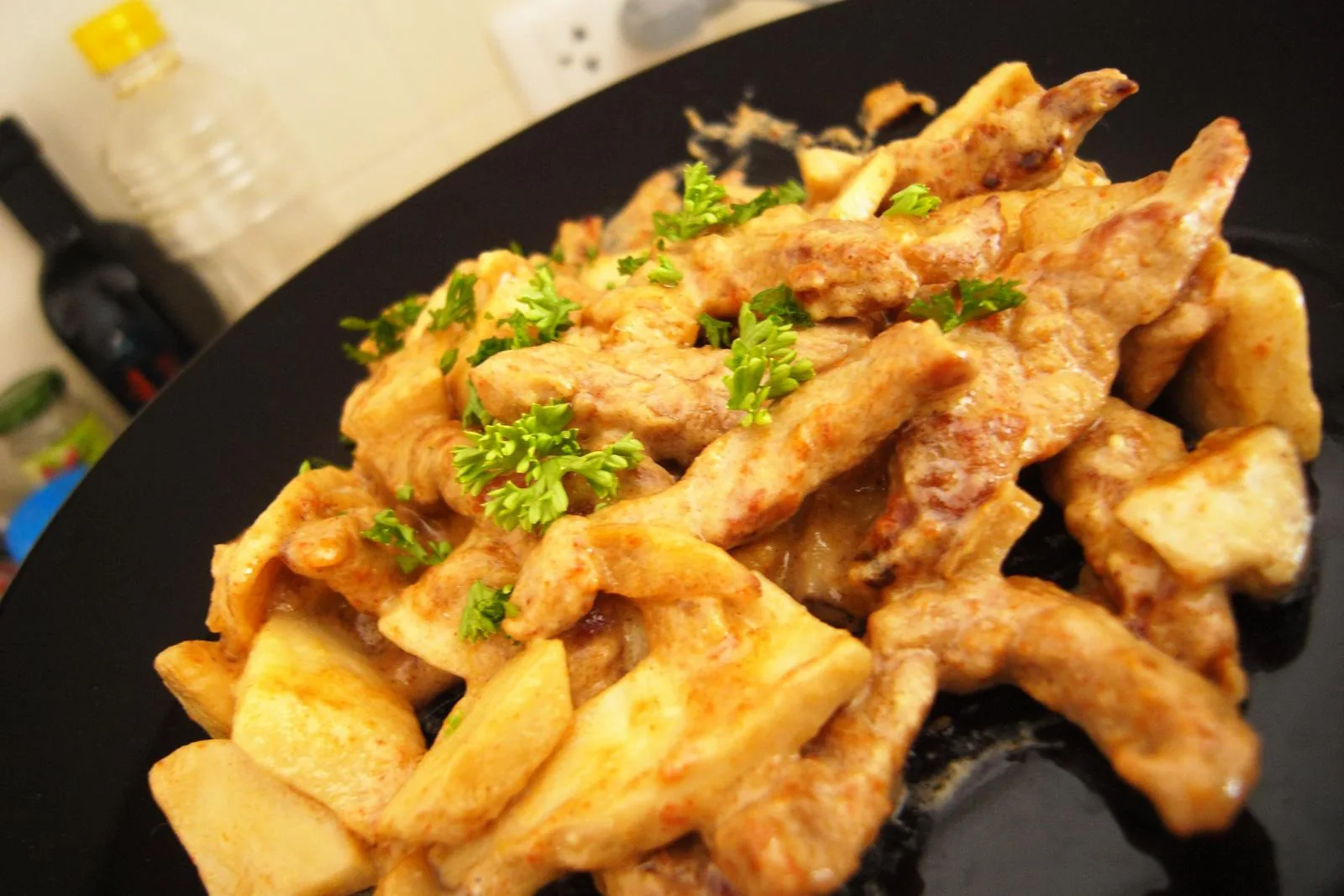
This beef stroganoff recipe sears strips of beef tenderloin until browned, simmers them with mushrooms and onion in a rich stock, and finishes the sauce with sour cream and mustard. It is the Russian classic that travelled the world, and it is best served over buttered egg noodles. One serving is about 370 g, sauce and noodles together.

Comfort & Warmth

Tender beef strips in a creamy mushroom sauce, served over egg noodles.

Pairs Well With
Buttered egg noodles and a crisp cucumber salad.
High Protein

A red plate of cooked Russian pelmeni dumplings with sour cream and chopped green onion, with radishes beside it Russia flag Russia 1h 25m
Dinner •Russian Heritage

Pelmeni

This pelmeni recipe wraps a juicy filling of minced beef and pork in thin wheat dough, pinched into little ear shapes, and boils the dumplings in a light beef broth. Unlike pierogi, which are filled with potato and cheese and fried in butter, pelmeni are meat dumplings served in their hot cooking broth with sour cream and dill. One serving is about 450 g, dumplings, broth and sour cream together.

Comfort & Warmth

Small meat dumplings in thin dough, boiled and served in hot broth with sour cream.

Pairs Well With
Sour cream and fresh dill, with a spoonful of the hot broth.
High Protein
Rolled Russian blini pancakes with berry sauce, icing sugar and mint on a white plate, with a teapot and cup Russia flag Russia 1h 40m
Breakfast •Russian Heritage

Blini

This blini recipe makes thin, golden pancakes from a yeasted batter, fried one by one in butter until lacy at the edges. Blini are Russia's celebration pancake, eaten at breakfast with sour cream, jam and honey, or rolled up with sweet fillings. One serving is about 300 g, six blini with toppings.

Comfort & Warmth

Golden yeasted pancakes, thin and lacy, served with sour cream, jam and honey.

Pairs Well With
Sour cream, strawberry jam and honey, with hot tea.
A spoonful of Olivier salad with diced ham, green peas, potato and egg in creamy mayonnaise over a white bowl Russia flag Russia 1h
Lunch •Russian Heritage

Olivier Salad

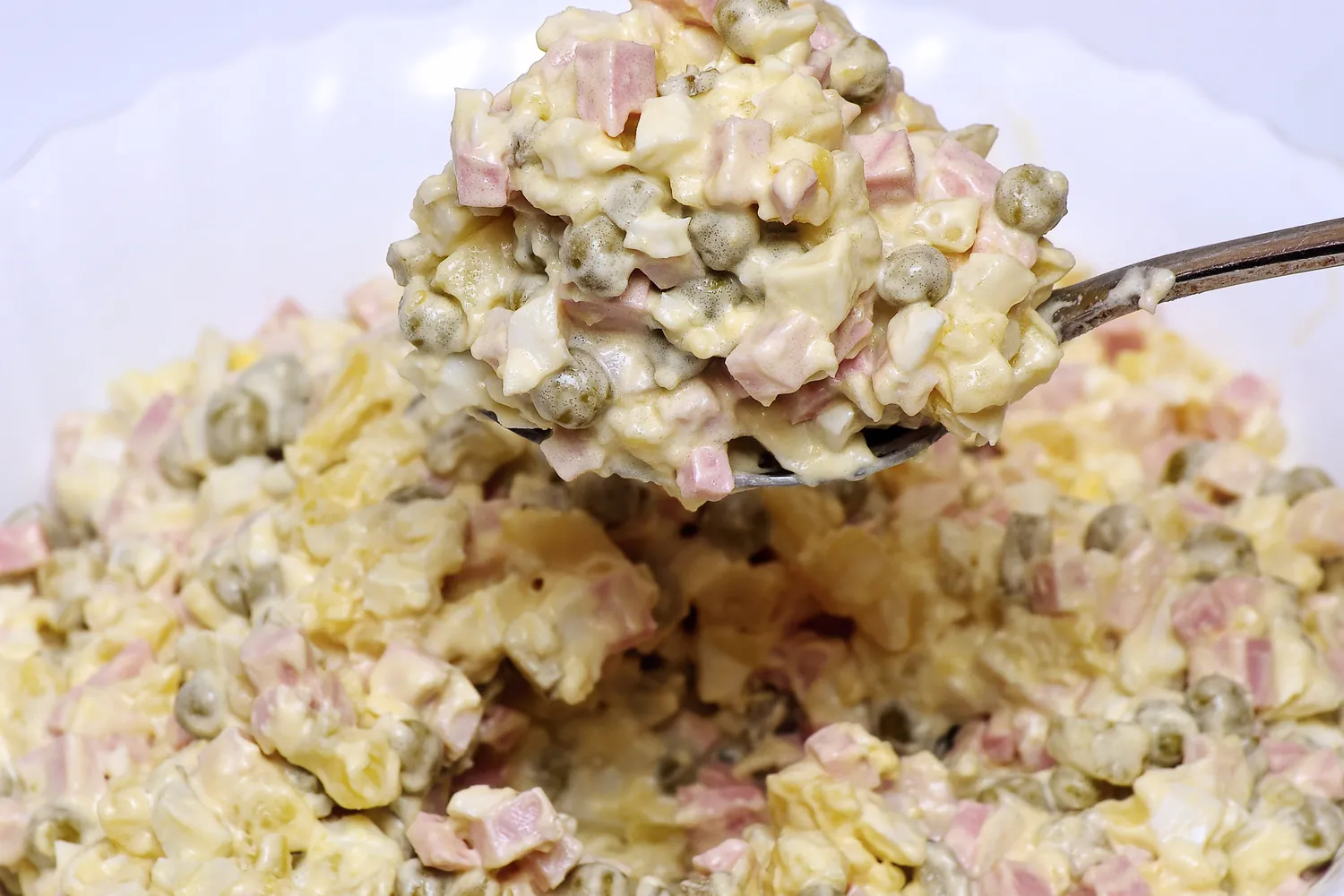
This olivier salad recipe dices waxy potatoes, carrots, peas, dill pickles, hard-boiled eggs and cooked ham into small even cubes, then folds them through creamy mayonnaise with a little mustard and fresh dill. It is the cold, make-ahead salad at the centre of Russian holiday tables. One serving is about 306 g.

Festive & Comforting

A creamy diced salad of potatoes, carrots, peas, pickles, egg and ham, dressed with mayonnaise.

Pairs Well With
Diced ham, pickles & creamy mayonnaise

The Dinner Gazette

Never wonder what’s for dinner again

One email a week with easy dinner ideas from around the world — ingredients, steps and nutrition, tested in our kitchen first.

Delivered every Thursday morning. Unsubscribe anytime.