
Curated recipes from 193 countries  •  New seasonal Mediterranean issue out now

Overview

Siew Yoke

Siu Yuk, Sio Bak, Chinese Roast Pork

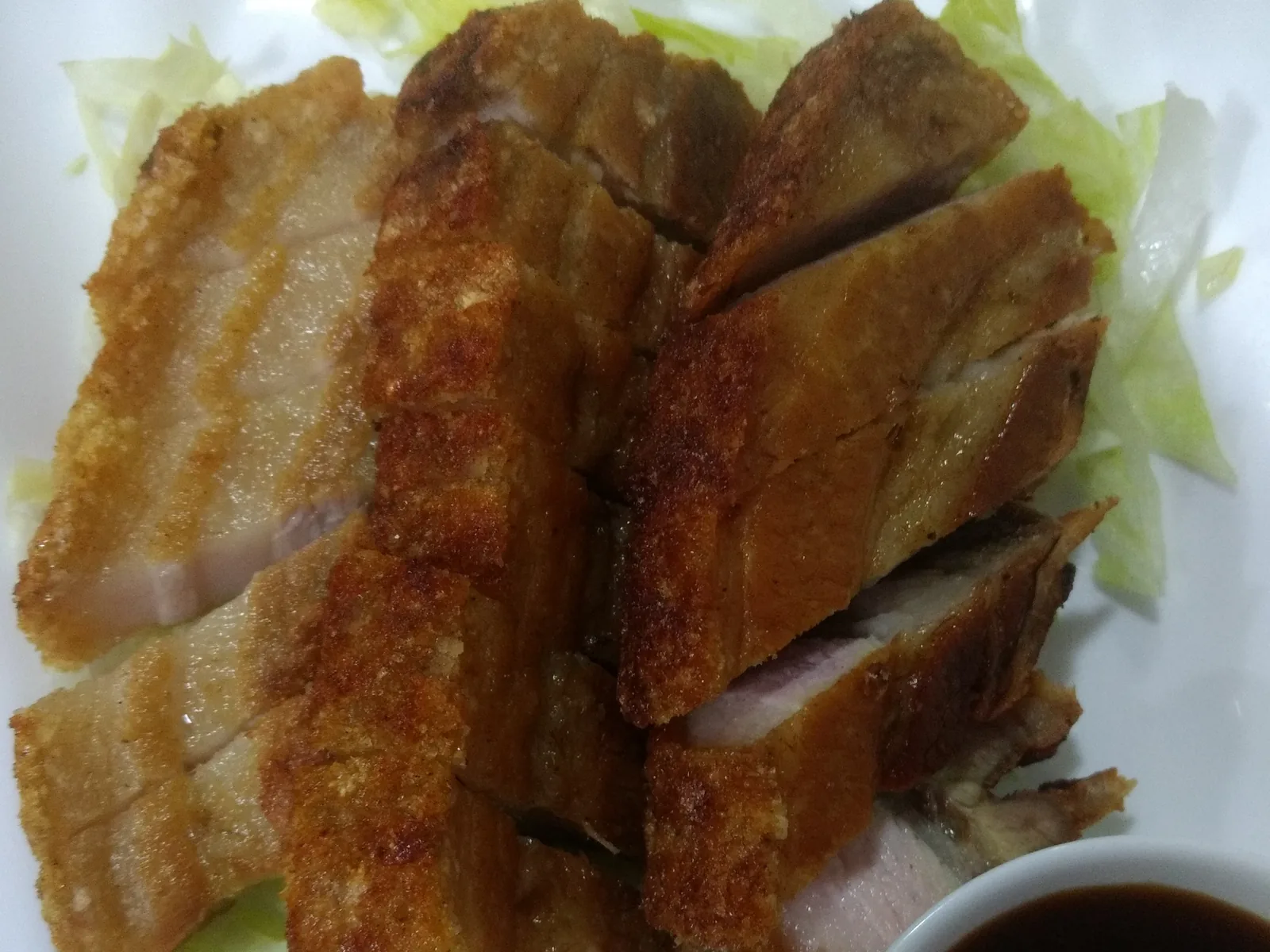
This siew yoke recipe rubs pork belly with five-spice and fermented bean curd, dries the skin overnight, then oven-roasts it under a salt crust until the crackling shatters. One serving is about 170 g. It is the roast pork of Malaysian Chinese coffee shops and festive tables, served with mustard and chili.

Siew yoke — siu yuk in Cantonese — is the crackling roast pork belly of the Cantonese siu mei tradition, carried to Malaysia by Chinese migrants and now a staple of Malaysian coffee shops and festive tables. The meat is rubbed with five-spice and fermented bean curd, the skin is dried hard and covered with a salt crust, then roasted in the oven until the skin blisters into shards. It is different from char siu, its barbecued cousin: siew yoke is roasted, not glazed, and the crackling is the point.

Pairs well with: Steamed rice, mustard and chili sauce, and stir-fried greens.

Provenance

Malaysia flag Malaysia

Malaysian Chinese Roast Classic

East & South Asia

Time Dedication

2h

30m prep • 90m cook

Batch Yield

4 Servings

993 kcal per serving

1 serving ≈ 170 g

Technical Skill

Advanced

Hard (Crackling Skin)

Meal Timing & Digestive Fit

Breakfast

Not Advised

Lunch

Hearty Midday Main

Dinner

Ideal Hearty Main

Snack & Tea

Inappropriate

High Protein Occasions: Chinese New Year, festive dinner, weekend roast, family gathering Cost: Medium — about $4–5 per serving at home
Siew Yoke — sliced crispy roast pork belly with golden crackling on a white plate

Malaysian Chinese Roast Classic

Photo: Francesc Fort, CC BY-SA 4.0, via Wikimedia Commons

The Heritage Formulary

Measured Ingredients

Estimated cost: Medium — about $4–5 per serving at home (USD)

Skin-on pork belly, five-spice and bean curd, salt-crusted and oven-roasted until the skin crackles.

Execution Methodology & Culinary Technique

Step-by-Step Cooking Guide

Active 2h
P

Prep Stage: Score, Rub & Dry Overnight

30 Mins • Scoring & Seasoning

Score the skin in a fine crosshatch without cutting into the meat, then rub the five-spice, bean curd, wine, sugar, garlic, ginger and fine salt into the meat only, keeping the skin clean. Brush the skin with vinegar, leave the pork uncovered in the fridge overnight so the skin dries paper-hard, and set out the mustard and chili for serving.

Maestro Tip: The skin must be scored shallowly — cuts that reach the meat let juices out and stop the skin from crisping.

  1. 1

    Score & Season the Belly

    15 Mins Room temperature, about 22°C (72°F)

    Score the skin in a fine crosshatch with a sharp knife, taking care not to cut into the meat. Mix the five-spice, mashed bean curd, Shaoxing wine, sugar, garlic, ginger and fine salt, and rub it all over the meat side only. Brush the skin with half the vinegar.

    Keep every trace of the rub off the skin — seasoning on the skin burns and stops the crackling from forming.

    Done when: Skin scored and clean, meat evenly coated.

  2. 2

    Roast Until Tender

    50 Mins 190°C (375°F)

    Heat the oven to 190°C (375°F). Set the pork skin-side up on a wire rack over a tray, pour a little water into the tray so the drippings do not smoke, and roast for 50 minutes until the meat is tender and the skin has started to dry and firm.

    Do not open the oven to peek — every opening drops the heat and slows the drying of the skin.

    Done when: Meat tender when pierced, skin dry and firm.

  3. 3

    Salt Crust & Vinegar

    10 Mins 190°C (375°F)

    Take the pork out, brush the skin again with the remaining vinegar, and spread the coarse salt over the skin in an even layer about 5 mm thick. Return the pork to the oven for 10 minutes so the salt crust sets and draws out the last moisture.

    Spread the salt gently — pressing it in can push it through the scores and make the meat too salty.

    Done when: Salt crust set hard and dry over the whole skin.

  4. 4

    Blister the Crackling

    10 Mins 250°C (480°F)

    Scrape the salt crust off the skin, brush the skin once more with vinegar, and turn the oven to its grill or broiler at 250°C (480°F). Roast for 10 minutes until the skin blisters into deep golden crackling. The pork should reach 74°C (165°F) inside.

    Watch it constantly at this heat — the skin goes from golden to burnt in a minute, and it pops loudly as it blisters.

    Done when: Skin blistered all over, deep golden and crackling when tapped.

  5. 5

    Rest, Slice & Serve

    5 Mins Serving temperature, about 60°C (140°F)

    Rest the pork for 5 minutes, then slice it into thick strips with a sharp knife, pressing straight down so the crackling does not shatter off the meat. Serve at once with steamed rice, mustard, chili sauce and greens.

    A sawing motion crushes the crackling; press the knife straight down in one firm cut.

    Done when: Slices hold together, crackling crisp on top, meat juicy inside.

Finishing Touches & Plating

Slice the pork while it is hot so the crackling stays crisp, and serve at once — crackling softens fast, especially near steaming rice.

Nutritional Physiology & Benefits

Nutrition

Energy

993

kcal / serving

Protein

24g

Complete AA

Carbs

6g

Complex

Fats

96g

Healthy

Per serving (4 servings · 1 serving ≈ 170 g)
Energy993 kcal
Protein24 g
Carbohydrates6 g
Fat96 g
Fibre0.5 g
Sugar3.2 g
Sodium750 mg
Per 100g
Energy584 kcal
Protein14.2 g
Carbohydrates3.5 g
Fat56.3 g
Fibre0.3 g
Sugar1.9 g
Sodium441 mg

Nutrition values are estimated — calculated from USDA FoodData Central values for the listed ingredients.

Vitamins & minerals: Provides B vitamins, zinc and selenium from the pork, with a little vitamin C from the chili sauce. Nutrition is estimated.

Serious Energy

About 993 kcal and 24 g of protein per serving makes this a very filling, festive dinner.

Simple Pantry Seasoning

Five-spice, bean curd, salt and vinegar — no sauces from a jar or packet.

Crisp Without Deep-Frying

The oven and a salt crust do the work, so the crackling comes without a pot of hot oil.

Food Pairings

What to Eat With

To optimize nutrient absorption and elevate the sensory depth, pair with these authentic accompaniments:

Sides

Steamed Rice

Plain rice soaks up the pork fat and balances the salt, making the rich pork go further.

Vegetables

Stir-Fried Greens

Bitter greens like choy sum cleanse the palate between bites of rich, fatty pork.

Sauces

Hot Mustard & Chili

Sharp mustard and chili cut through the fat and keep the crackling from feeling heavy.

Soups

Clear Soup

A light, clear soup before the pork settles the stomach and balances the rich main course.

Complete menu

Serve the pork with steamed rice, stir-fried greens and a clear soup, then fresh fruit to finish.

Digestive Guardrails

What NOT to Combine

To prevent digestive distress, sluggishness, or palate clash, avoid pairing the dish with these elements:

Another Salty, Fatty Main

Siew yoke is already very salty and fatty, so a second rich meat alongside can push salt and fat far higher than intended. This is general information, not medical advice.

Leaving Cooked Pork Out

Leaving cooked pork at room temperature for hours lets bacteria grow; refrigerate within 2 hours and reheat to 74°C (165°F).

General information only, not medical advice — consult a doctor for personal dietary decisions.

Who Should Eat It

Who Should Eat

  • General adultsA rich, salty main — one serving with rice and greens is plenty.
  • ChildrenThe crackling is hard and the dips are spicy, so serve children the soft meat with plain rice and skip the chili.
  • ElderlyThe meat is tender but very fatty and salty, and the crackling is hard to chew — a small portion of the soft meat is wiser.
  • Pregnant womenThe pork is cooked through, but it is very high in fat and salt; keep the portion small and ask your clinician.
  • Breastfeeding womenFine in a small portion; the protein is useful, but the fat and salt are high.
  • AthletesVery energy-dense with good protein, so it suits a heavy training day — pair it with rice and vegetables rather than eating it alone.
  • Weight gainEnergy-dense and rich, so it can help add calories — a full serving with rice works well.
  • Weight lossAbout 993 kcal and very high in fat per serving, so take a small portion, fill the plate with greens, and skip seconds.

Health Conditions — Adjust or Avoid

Conditions

  • DiabetesLow in carbohydrate (about 6 g per serving) but very high in fat and energy; keep the portion small and ask your clinician.
  • High blood pressureHigh in sodium (about 750 mg per serving) and fat; a small portion is wiser. Ask your clinician for personal advice.
  • Kidney diseaseHigh in sodium and protein; a small portion only, and ask your clinician.
  • GoutPork is moderately high in purines; a small portion is wiser — ask your clinician if you are unsure.
  • Stomach issuesVery fatty and roasted, which can trigger reflux or discomfort; a small portion with greens is gentler. Ask your clinician if symptoms persist.
  • Cardiovascular diseaseVery high in saturated fat; treat it as an occasional small portion rather than a regular meal. Ask your clinician.
  • Fatty liverThe saturated fat and energy density make large portions unhelpful; keep it occasional and small. Ask your clinician.
  • Food allergiesContains soy (fermented bean curd) and mustard. The chili sauce may contain chili and garlic. Ask your clinician about any allergy concern.
  • Special therapeutic dietsNot suitable for low-fat or low-sodium therapeutic diets; ask your clinician or dietitian before including it.

If you have a medical condition, consult your doctor before changing your diet.

Storage & Use

Storage & Use

How to store
Cool the pork completely, then store in a sealed container in the fridge.
In the fridge
Keeps 3 days in the fridge at 4°C (40°F) or below.
In the freezer
Freeze cooked pork for up to 1 month; thaw in the fridge, then re-crisp in a hot oven.
How to reheat
Reheat in the oven at 200°C (400°F) until the pork reaches 74°C (165°F) inside and the skin re-crisps.
Freezing recommended
Yes, but the crackling softens — re-crisp at 220°C (425°F) for 5 minutes.
Signs it has spoiled
Sour or off smell, slimy skin, or grey meat.

More recipes to explore

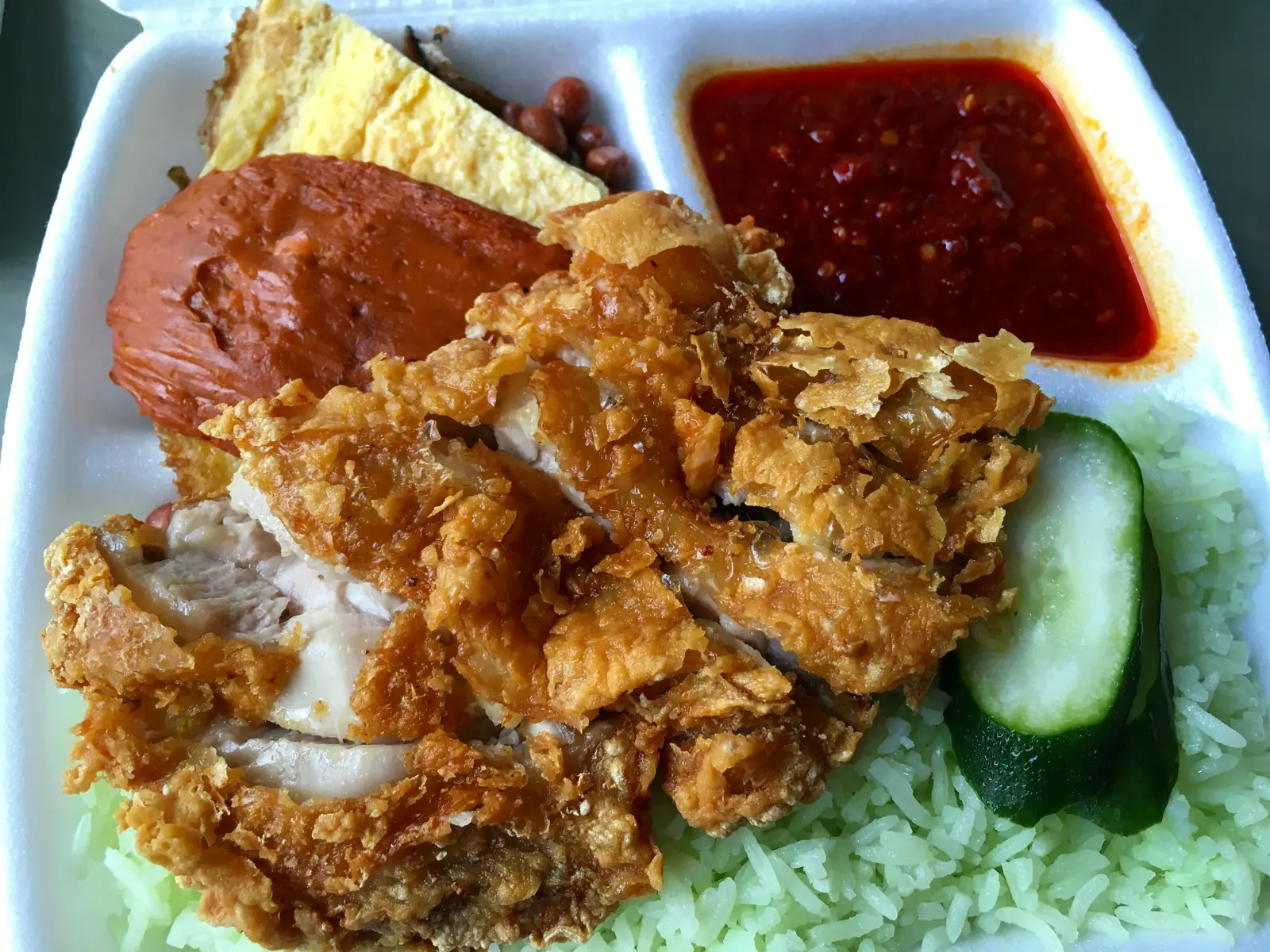
Nasi lemak — coconut rice with crispy fried chicken, red sambal, omelette, peanuts and cucumber in a takeaway box Malaysia flag Malaysia 1h 10m
Breakfast •Malaysian Heritage

Nasi Lemak

This nasi lemak recipe brings Malaysia's national breakfast to your own table: rice steamed in coconut milk with pandan, a dark, sweet-hot sambal, golden turmeric fried chicken, and the classic little pile of crispy anchovies, roasted peanuts, boiled egg and cool cucumber. One serving is about 465 g.

Hearty & Satisfying

A full Malaysian breakfast plate — fragrant coconut rice with sambal, crispy chicken, egg, anchovies, peanuts and cucumber.

Pairs Well With
A spoonful of hot sambal and cool cucumber slices, with teh tarik or iced lime tea.
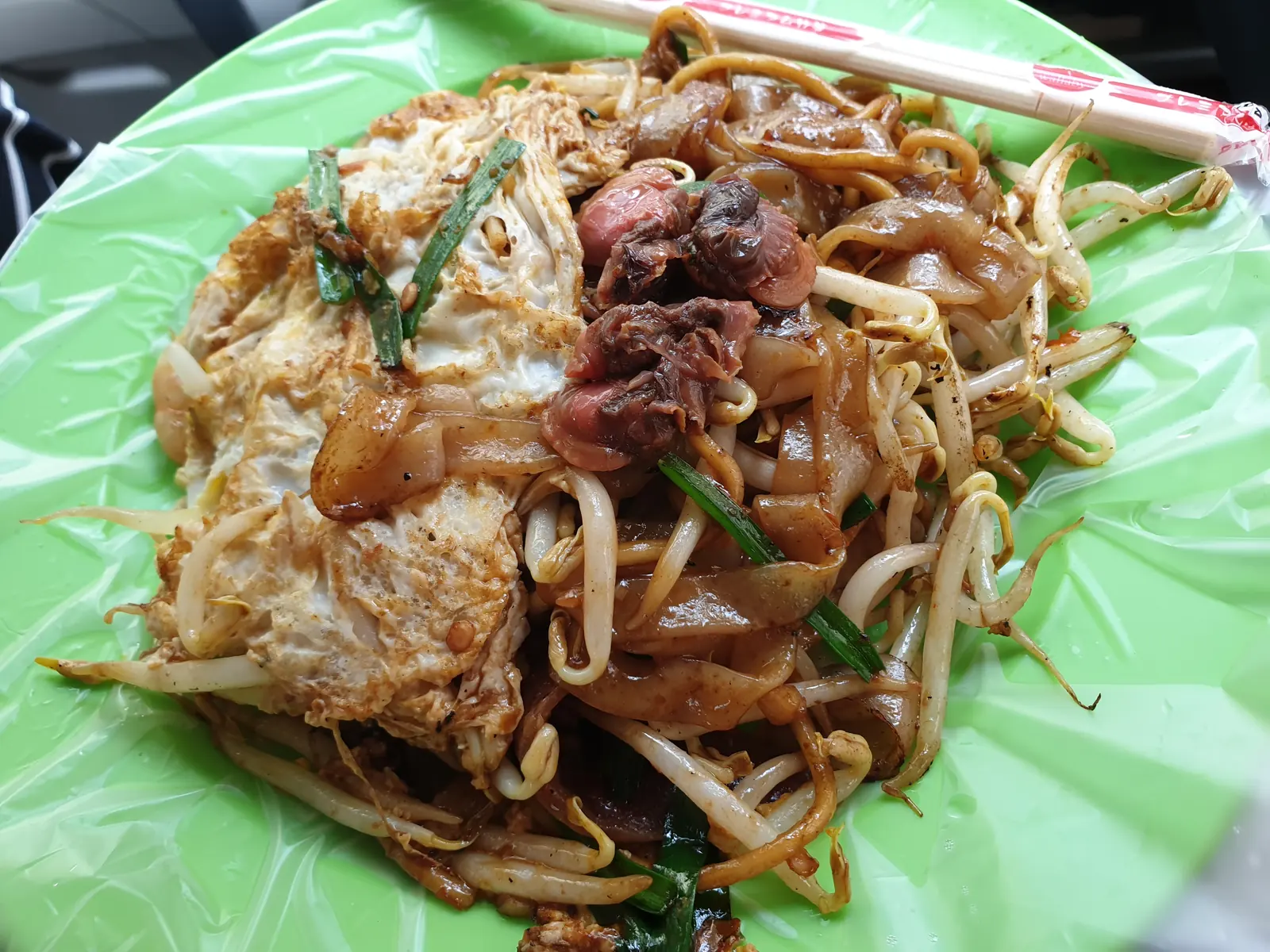
Char kway teow on a green plate — glossy flat rice noodles with fried egg, cockles, bean sprouts and garlic chives Malaysia flag Malaysia 25m
Dinner •Penang Street-Food Icon

Char Kway Teow

This char kway teow recipe tosses wide flat rice noodles in a blazing-hot wok with garlic, soy sauce, chilli paste, prawns, cockles, Chinese sausage, egg, bean sprouts and garlic chives, so the noodles pick up the smoky char called wok hei. Cook one plate at a time, exactly like a hawker stall, and eat it straight from the wok. One serving is about 475 g.

Smoky & Satisfying

Flat rice noodles seared over fierce heat with prawns, cockles, egg and bean sprouts — a fast, smoky Malaysian hawker dinner.

Pairs Well With
Pickled green chillies, cucumber slices, and iced lime tea or teh o ais
Pasta & Noodles • Quick Prep (<30m)
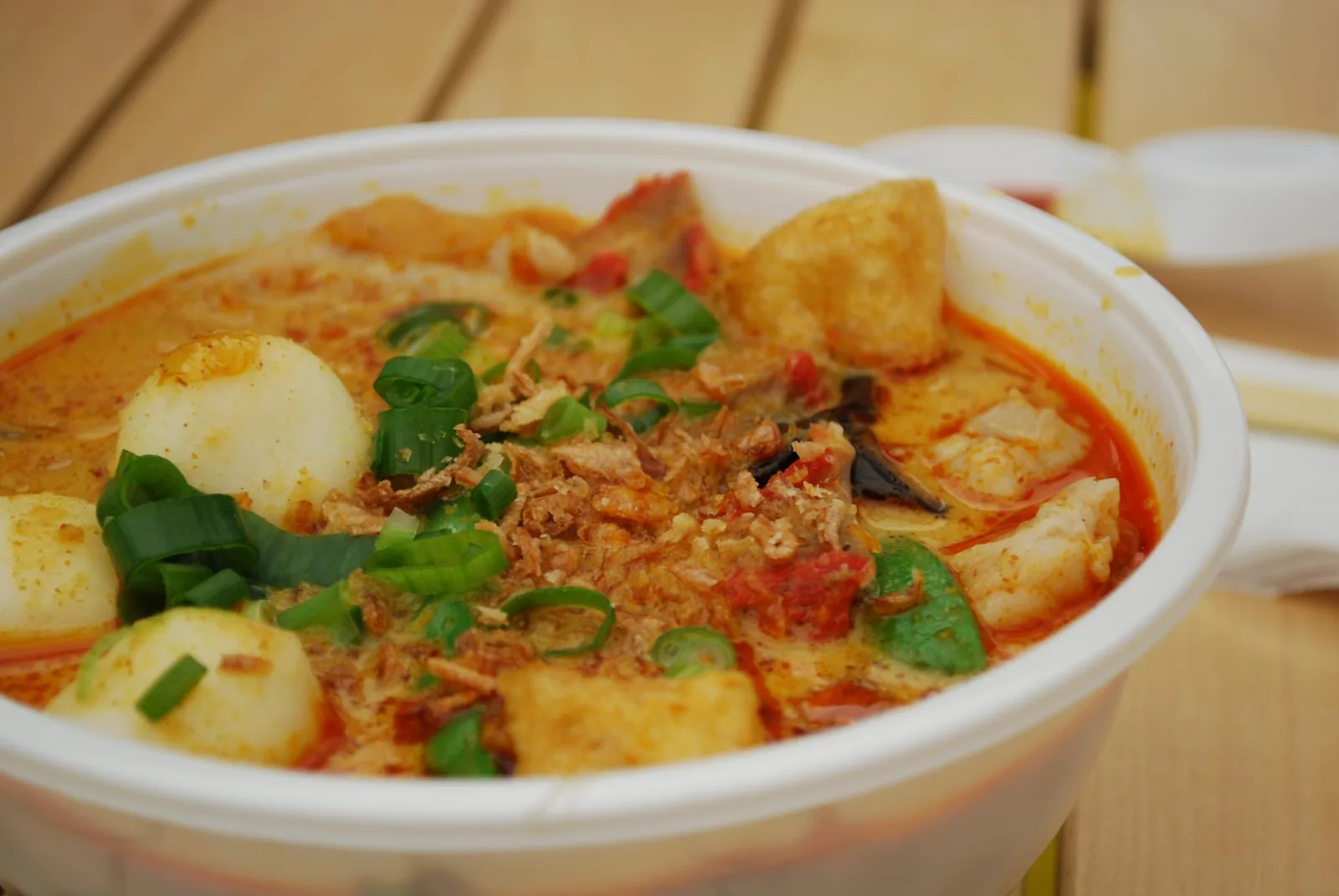
A white bowl of curry laksa in orange coconut curry broth with tofu puffs, fish balls, spring onions and fried shallots Malaysia flag Malaysia 50m
Lunch •Malaysian Hawker Classic

Curry Laksa

This curry laksa recipe simmers a spiced rempah paste with coconut milk and chicken stock into a rich orange broth, then pours it over rice vermicelli and egg noodles with shredded chicken, tofu puffs and crisp bean sprouts. One serving is about 703 g.

Comfort & Warmth

A rich, spiced coconut curry noodle soup with chicken, tofu puffs and bean sprouts.

Pairs Well With
Cool cucumber salad and a glass of iced lime tea
Soups & Broths • Pasta & Noodles
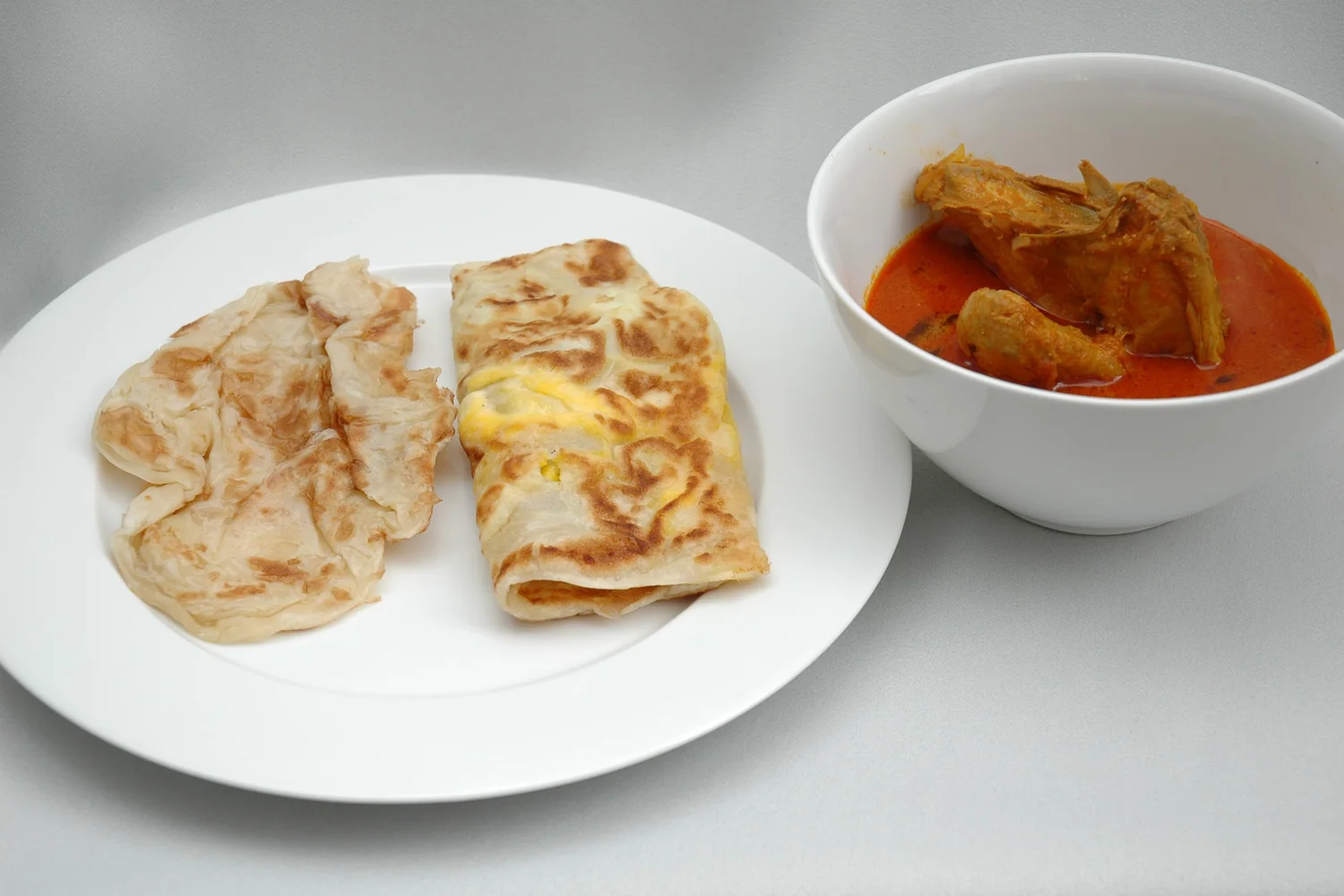
Roti prata and egg roti on a white plate with a bowl of chicken curry Malaysia flag Malaysia 1h 30m
Breakfast •Mamak Stall Heritage

Roti Canai

This roti canai recipe makes the flaky mamak flatbread the slow way: a soft dough rested until it stretches paper-thin, laminated with ghee, folded into squares and fried until the outside crisps and the inside stays soft and layered. It is served torn into pieces for dipping into a warm dhal curry with coconut milk, the way every mamak stall in Malaysia serves it for breakfast. One serving is about 374 g.

Comfort & Warmth

Flaky, laminated flatbread stretched paper-thin, folded and fried in ghee until crisp at the edges, torn and dipped into warm dhal curry.

Pairs Well With
Dhal curry & teh tarik

The Dinner Gazette

Never wonder what’s for dinner again

One email a week with easy dinner ideas from around the world — ingredients, steps and nutrition, tested in our kitchen first.

Delivered every Thursday morning. Unsubscribe anytime.