
Curated recipes from 193 countries  •  New seasonal Mediterranean issue out now

Overview

Sopa de Ajo

Sopa Castellana; Castilian Garlic Soup

Sopa de Ajo is the old soup of Castile: garlic fried gently in olive oil, smoked paprika bloomed in the same pan, day-old bread stirred in to thicken the broth, and eggs poached in the soup itself, with diced jamón for a salty, smoky depth. It was invented to use up stale bread, and it is still one of Spain's most comforting bowls. One serving is about 350 g.

Sopa de Ajo, also called sopa castellana, is the old soup of Castile on the high plains of central Spain, where winters are cold and bread was too precious to waste. Shepherds and farm workers made it from what they always had: stale bread, garlic, paprika, olive oil and water, with an egg poached in the pot when there was one to spare. The jamón came later, when there was a little meat to add, but the heart of the soup never changed — it is a bowl built to warm you up and use up yesterday's bread.

Pairs well with: A glass of red wine and a slice of crusty bread — or simply a spoon, straight from the bowl

Provenance

Spain flag Spain

Castilian Classic

Mediterranean & Italy

Time Dedication

40m

10m prep • 30m cook

Batch Yield

4 Servings

329 kcal per serving

1 serving ≈ 350 g

Technical Skill

Easy

Easy (One Pot)

Meal Timing & Digestive Fit

Breakfast

Not Advised

Lunch

Prime Metabolic Fit

Dinner

Ideal Hearty Main

Snack & Tea

Inappropriate

Soups & Broths Occasions: Cold evenings, winter lunches, using up stale bread, simple family meals Cost: Low — about $2–3 per serving at home
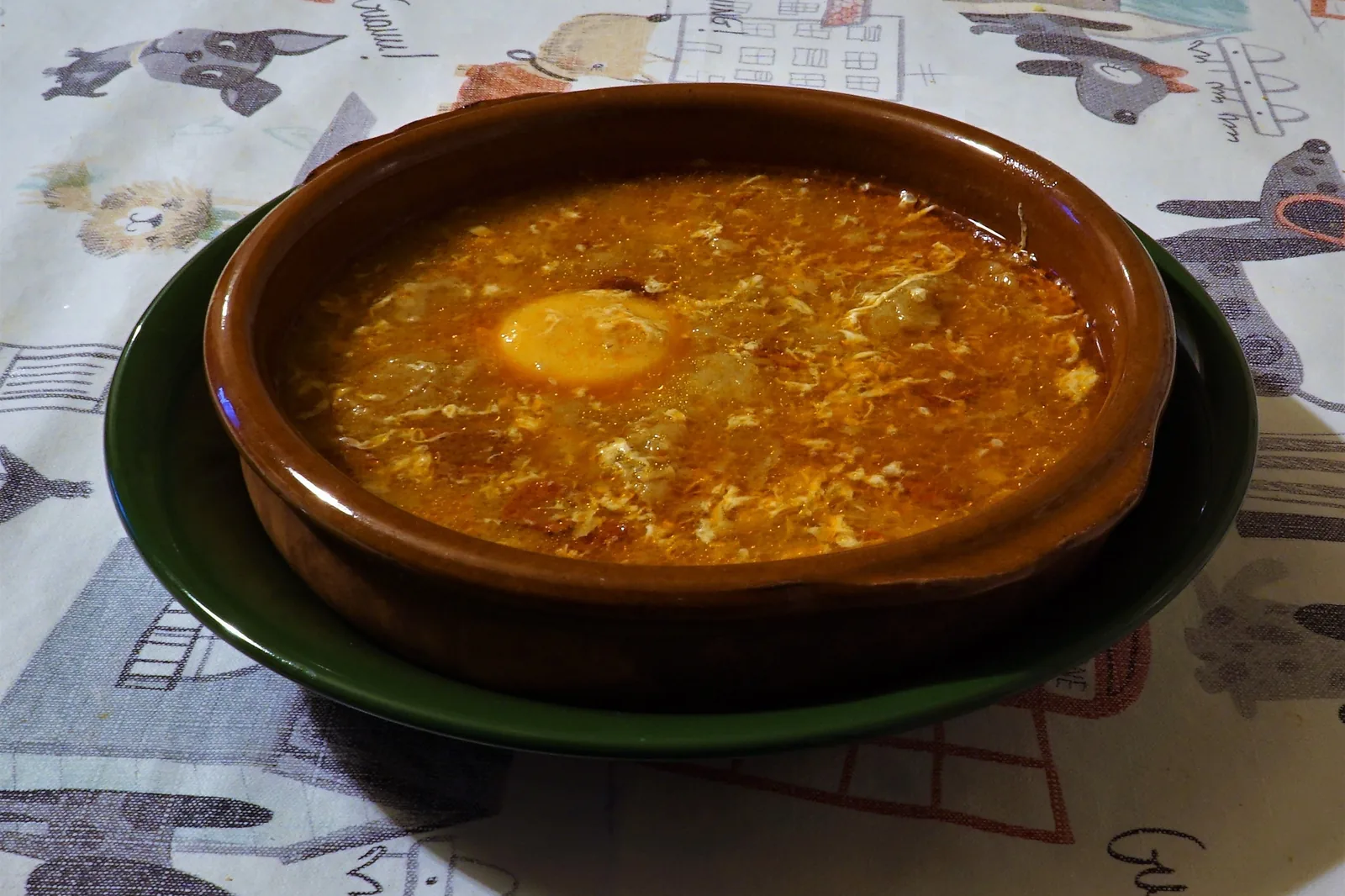
An earthenware bowl of sopa de ajo, a red paprika garlic soup with a poached egg in the centre

Castilian Classic

Photo: Coralma*, CC0, via Wikimedia Commons

The Heritage Formulary

Measured Ingredients

Estimated cost: Low — about $2–3 per serving at home (USD)

A good sopa de ajo is thick and rust-red, the bread melted into the broth, with a soft egg in every bowl and the yolk still runny.

Execution Methodology & Culinary Technique

Step-by-Step Cooking Guide

Active 40m
P

Prep Stage: Slice the Garlic, Tear the Bread

10 Mins • Prep

Slice the garlic thinly and evenly — thick pieces burn, thin ones turn golden and sweet. Tear the stale bread into rough pieces and dice the jamón small. Crack each egg into its own small cup so it slides into the soup cleanly later. Have the paprika measured and beside the pan: it goes in for seconds, not minutes, and there is no time to measure it once the garlic is frying.

Maestro Tip: Stale bread is not a compromise here — it is the point. Fresh bread turns to glue; day-old bread holds together and thickens the soup.

  1. 1

    Fry the Garlic and Jamón

    5 minutes Medium heat, about 160°C (320°F)

    Warm the olive oil in a wide pot or cazuela over medium heat. Add the sliced garlic and fry gently for 2 to 3 minutes until pale gold and fragrant, then add the diced jamón and fry for 2 more minutes.

    Garlic goes from golden to bitter in seconds — pull the pan off the heat the moment it colours.

    Done when: Garlic pale gold and fragrant; jamón just starting to crisp at the edges.

  2. 2

    Bloom the Paprika and Add the Bread

    3 minutes Medium heat, about 160°C (320°F)

    Take the pan off the heat, sprinkle in the paprika and stir for 20 seconds — off the heat, so it does not burn. Add the torn bread and stir until every piece is coated in the red, garlicky oil.

    Paprika burns fast and turns bitter; 20 seconds off the heat is enough to wake up its flavour.

    Done when: Bread coated brick-red; kitchen smelling of garlic and smoke.

  3. 3

    Add Water and Simmer

    15 minutes Gentle simmer, about 95°C (203°F)

    Pour in the water, scrape up everything stuck to the base, and bring to a gentle simmer. Cook for 15 minutes until the bread has softened into the broth and the soup is thick and rust-coloured. Season lightly with salt — the jamón is already salty — and pepper.

    The bread should melt into the soup, not sit in lumps: press any stubborn pieces against the side of the pot with a spoon.

    Done when: Soup thick, rust-red, bread dissolved into the broth.

  4. 4

    Poach the Eggs

    5 minutes Gentle simmer, about 95°C (203°F)

    Turn the heat down so the soup barely trembles. Slide the eggs in one at a time, spacing them around the pot, cover with a lid and cook for 4 to 5 minutes until the whites are set and the yolks are still soft. Do not stir.

    The eggs must reach 74°C (165°F) to be safe to eat; the whites should be fully set with no clear jelly left.

    Done when: Egg whites set and opaque; yolks soft and golden.

  5. 5

    Rest and Serve

    2 minutes Serving hot, about 74°C (165°F)

    Take the pot off the heat and rest for 2 minutes. Ladle into earthenware bowls, one egg per bowl, and spoon the broth and bread over the top.

    Serve it straight away — the eggs keep cooking in the hot soup, and the yolk should still run when you cut into it.

    Done when: Hot and steaming, one soft egg in every bowl.

Finishing Touches & Plating

Serve the soup in deep earthenware bowls, one poached egg in each, with the broth ladled over the bread. Break the yolk into the soup with your spoon — it turns the broth rich and golden, and that is the best part.

Nutritional Physiology & Benefits

Nutrition

Energy

329

kcal / serving

Protein

15g

Complete AA

Carbs

23g

Complex

Fats

20g

Healthy

Per serving (4 servings · 1 serving ≈ 350 g)
Energy329 kcal
Protein15 g
Carbohydrates23 g
Fat20 g
Fibre1.9 g
Sugar2.4 g
Sodium900 mg
Per 100g
Energy94 kcal
Protein4.3 g
Carbohydrates6.4 g
Fat5.8 g
Fibre0.5 g
Sugar0.7 g
Sodium257 mg

Nutrition values are estimated — calculated from USDA FoodData Central values for the listed ingredients.

Vitamins & minerals: Vitamin B6 and selenium (garlic, eggs), vitamin A (paprika), iron and vitamin B12 (jamón, eggs).

Protein and Steady Energy

Eggs and jamón give about 15 g of protein per serving, and the bread supplies steady energy — a small, simple bowl that genuinely fills you up.

Stale Bread, Clever Cooking

The whole soup is built from stale bread, garlic, paprika and water — proof that the humblest ingredients, cooked with care, make a complete meal.

Flavour from Garlic and Paprika

Garlic and smoked paprika bring the flavour here, not fat or sugar — the soup is warming and savoury with nothing added that it does not need.

Food Pairings

What to Eat With

To optimize nutrient absorption and elevate the sensory depth, pair with these authentic accompaniments:

Drinks

Red Wine

A glass of red wine from Castile matches the paprika's smokiness and the jamón's salt — the soup and the wine grew up in the same place.

Sides

Crusty Bread

More bread on the side is not greedy here: it is the right tool for soaking up the last of the paprika broth.

Vegetables

Green Salad

A sharp green salad with a vinegar dressing cuts through the soup's richness and gives the meal a fresh, crisp finish.

Full Menus

Soup, Bread and Wine

Soup as the main bowl, bread and salad beside it, red wine to drink — a complete Castilian lunch from a handful of ingredients.

Complete menu

Serve sopa de ajo as the main bowl with crusty bread and a green salad, followed by fresh fruit; a glass of red wine suits it in the evening.

Digestive Guardrails

What NOT to Combine

To prevent digestive distress, sluggishness, or palate clash, avoid pairing the dish with these elements:

Extra Salt at the Table

The soup is quite salty from the jamón, at about 900 mg of sodium per serving, so do not add extra salt at the table and keep it in mind if you eat other salty foods the same day. This is general information, not medical advice.

Undercooked Eggs

The eggs are poached in the soup and must be fully set in the white; undercooked eggs carry a risk of food poisoning, especially for children, older people and anyone pregnant. This is general information, not medical advice.

General information only, not medical advice — consult a doctor for personal dietary decisions.

Who Should Eat It

Who Should Eat

  • General adultsA warming, filling bowl that works as a whole lunch on its own, with bread, egg and jamón in one pot.
  • ChildrenChildren like the soft egg and bread, but the paprika and garlic are strong and the soup is salty — serve a small portion and check the egg is fully set.
  • ElderlySoft bread and egg are easy to eat, but the soup is salty and the garlic is strong; serve a modest portion, warm rather than piping hot.
  • Pregnant womenThe egg must be fully cooked through, and the soup is high in salt; a small, well-cooked portion is fine for most people — ask your clinician about your sodium intake.
  • Breastfeeding womenA nourishing, protein-rich bowl; keep portions moderate and drink water alongside, as the soup is salty.
  • AthletesGood recovery food: carbohydrate from the bread plus protein from the eggs and jamón.
  • Weight gainEasy to eat and energy-dense, so a full bowl with bread is a good way to add calories.
  • Weight lossAt about 329 kcal per serving it is not heavy, but the sodium is high at about 900 mg — enjoy it, and keep the rest of the day lighter on salt.

Health Conditions — Adjust or Avoid

Conditions

  • DiabetesThe bread raises blood sugar, so keep to one serving; ask your clinician about your carbohydrate target.
  • High blood pressureHigh in sodium at about 900 mg per serving from the jamón; use less jamón and no added salt, and ask your clinician about your daily sodium target.
  • Kidney diseaseJamón and eggs are high in potassium and phosphorus; keep servings modest and ask your clinician about your limits.
  • GoutJamón is a cured meat, moderately high in purines; a normal serving is usually fine, but ask your clinician if you have frequent flares.
  • Stomach issuesGarlic and paprika can irritate a sensitive stomach; the bread and egg make it gentle, but ask your clinician if symptoms persist.
  • Cardiovascular diseaseRich in saturated fat from the jamón and egg yolk; enjoy occasionally and keep the salt low, and ask your clinician about your sodium target.
  • Fatty liverModerate in fat with no added sugar, but high in salt; ask your clinician about your overall diet.
  • Food allergiesContains egg, gluten (bread) and pork (jamón); the soup is nut-free and dairy-free as written, but check your own triggers.
  • Special therapeutic dietsHigh in sodium and contains pork and gluten; for a lighter version leave out the jamón, and check the bread label with your clinician if you follow a prescribed diet.

If you have a medical condition, consult your doctor before changing your diet.

Storage & Use

Storage & Use

How to store
Cool completely, then store in airtight containers with a lid; store the eggs separately if any are left.
In the fridge
Keeps 3 days in the fridge at 4°C (40°F) or below.
In the freezer
Up to 2 months in freezer-safe containers without the eggs; thaw overnight in the fridge.
How to reheat
Reheat in a saucepan until steaming and bubbling, to 74°C (165°F); poach a fresh egg rather than reheating the old one.
Freezing recommended
Yes for the soup base, no for the poached eggs.
Signs it has spoiled
Sour smell, slimy texture, mould on the surface, or eggs that smell off.

More recipes to explore

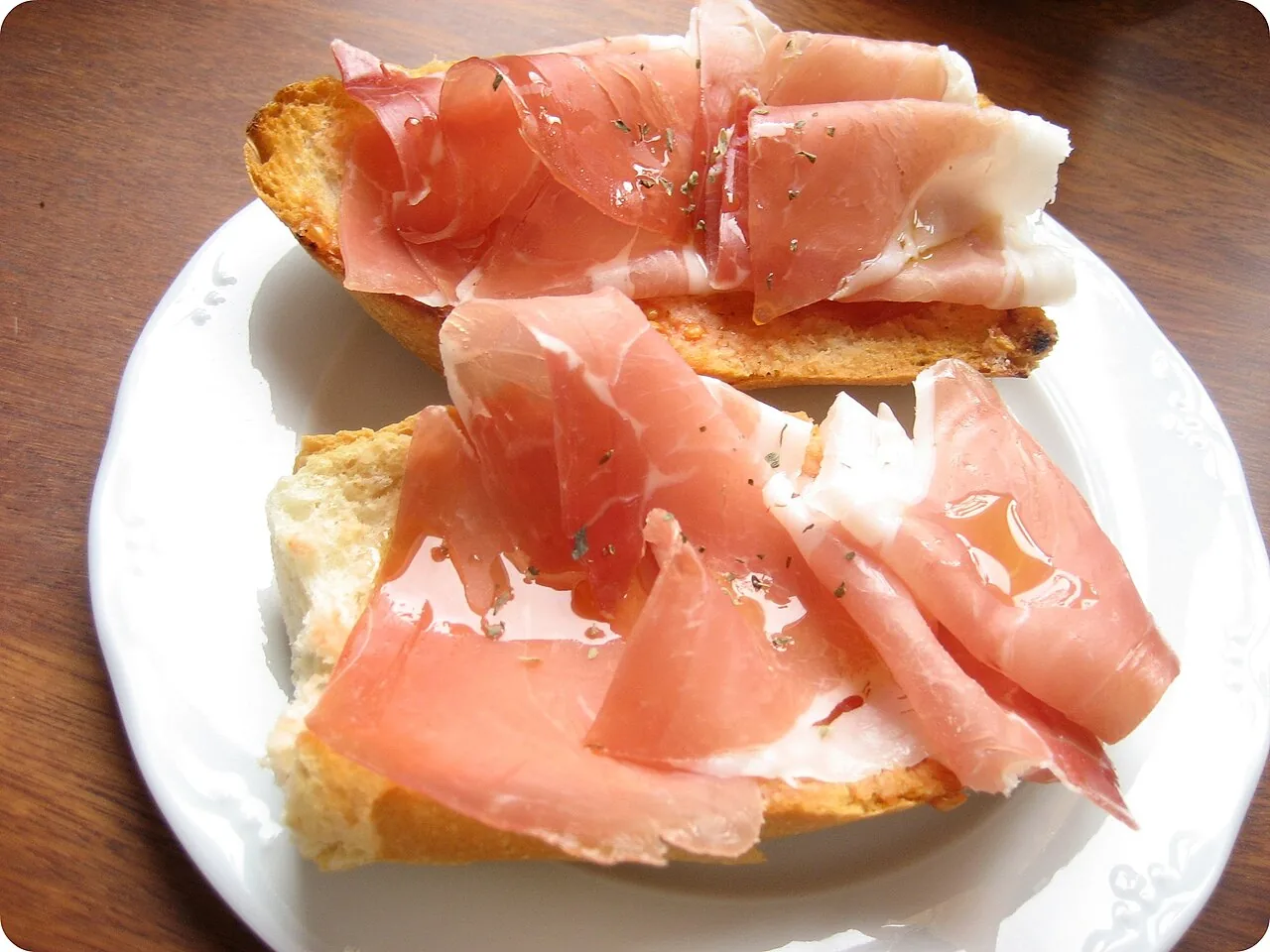
Pan con tomate with jamón ibérico on toasted bread Spain flag Spain 15m
Snack & Tea •Catalan Aperitivo

Pan con Tomate & Jamón Ibérico

Country bread rubbed with ripe Ramallet tomato, drizzled with cold-pressed Arbequina olive oil and topped with jamón ibérico.

Vascular Health

Toasted tomato bread with jamón ibérico, olive oil and olives.

Pairs Well With
Castelvetrano Olives & Sparkling Mineral Water
Quick Prep (<30m)
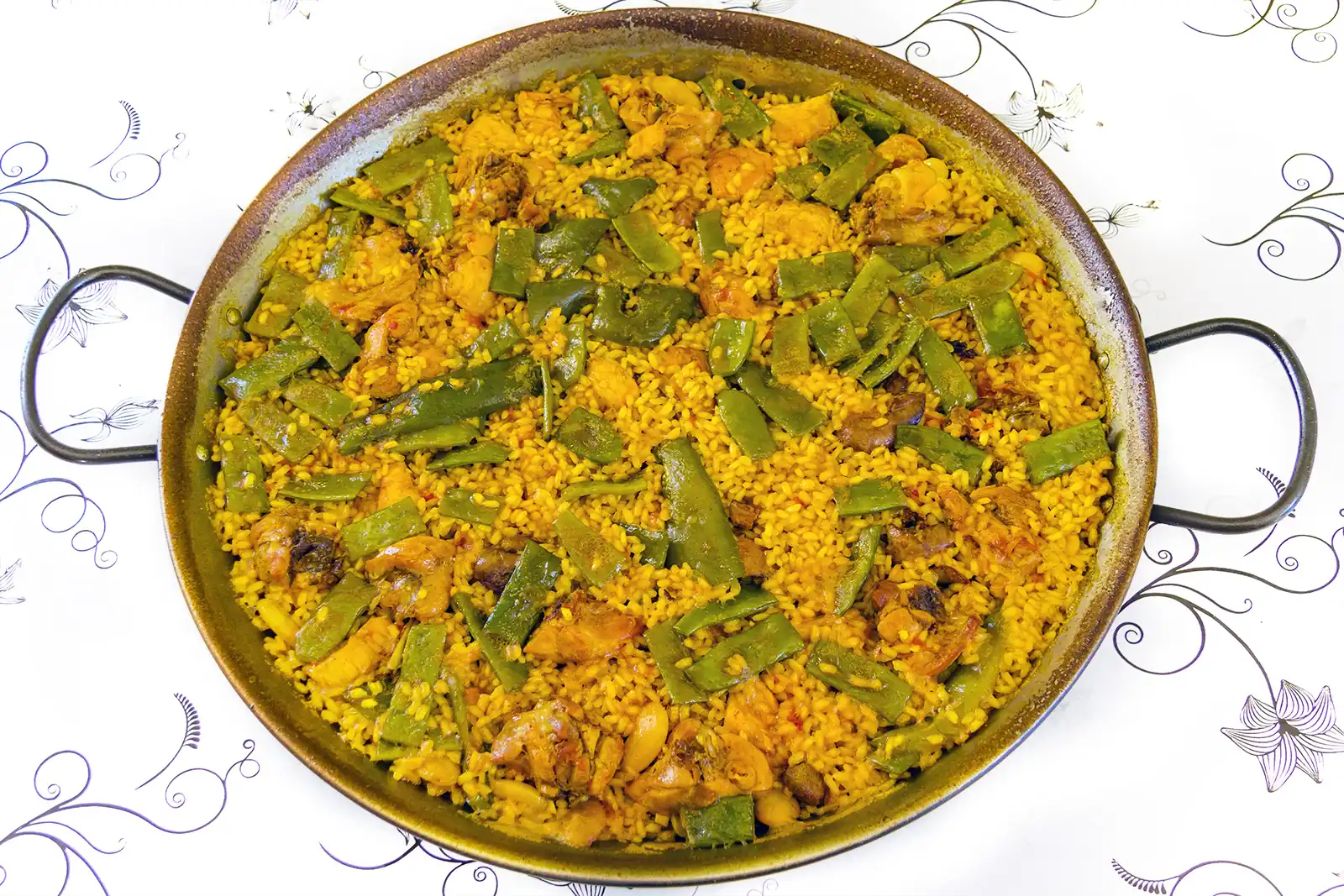
A wide paella pan of paella valenciana with saffron rice, green beans and chicken Spain flag Spain 1h 10m
Dinner •Valencia Rice Fields

Paella Valenciana

This paella valenciana recipe cooks Bomba rice in a wide, shallow pan with chicken, rabbit, green beans and garrofó beans, scented with saffron and rosemary. One serving is about 470 g.

Comfort & Warmth

Saffron rice cooked in a wide pan with chicken, rabbit and green beans.

Pairs Well With
A green salad and a glass of white wine
High Protein
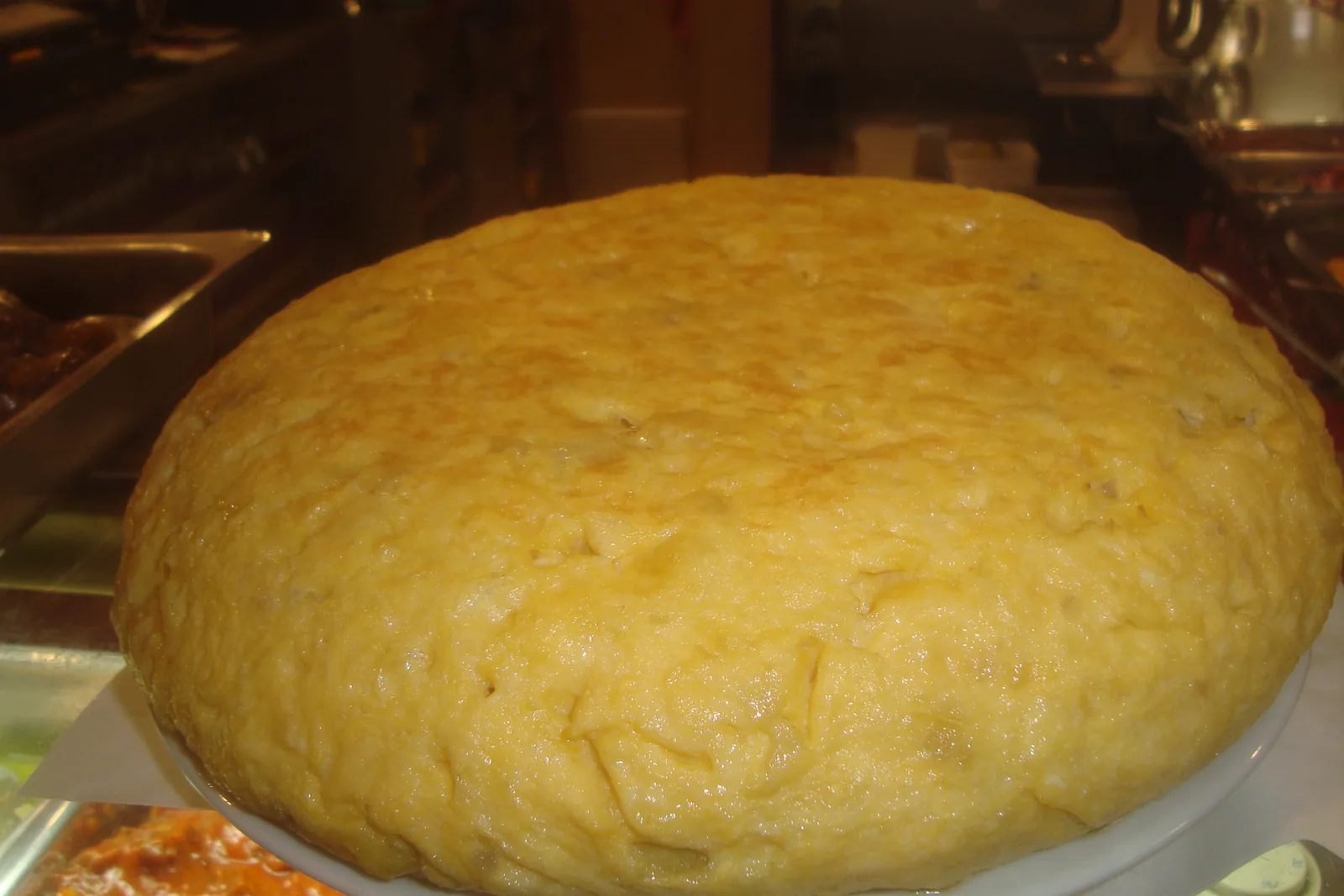
A whole golden tortilla española, a thick Spanish potato omelette, on a plate Spain flag Spain 55m
Snack & Tea •Navarre Bar Classic

Tortilla Española

This spanish tortilla recipe slowly cooks potatoes and onion in olive oil, folds them into beaten eggs, and turns out a thick, golden cake that is soft in the middle. One serving is about 220 g.

Comfort & Warmth

A thick, golden omelette of slow-cooked potatoes, onion and egg.

Pairs Well With
Pan con tomate and a glass of red wine
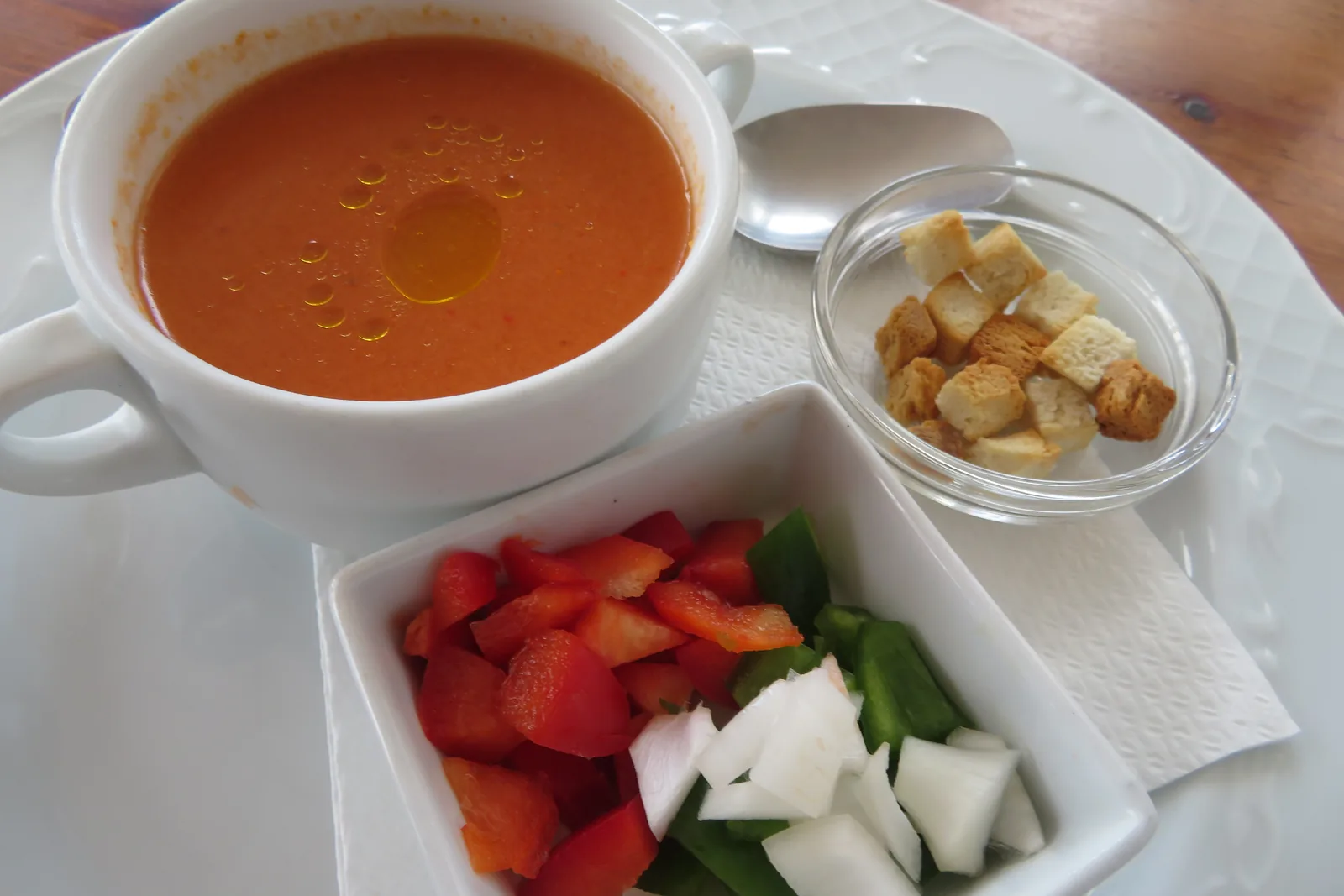
A cup of chilled orange-red gazpacho with olive oil, served with diced peppers and onion and a bowl of croutons Spain flag Spain 20m
Lunch •Andalusian Classic

Gazpacho

This gazpacho recipe is the Andalusian classic: ripe tomatoes, cucumber, green pepper, onion and garlic blended raw with bread, sherry vinegar and olive oil, then chilled until ice cold. One serving is about 395 g. It takes 20 minutes plus chilling, and there is no cooking at all.

Light & Refreshing

Chilled raw tomato soup blended with cucumber, pepper and olive oil, served cold with diced vegetables and croutons.

Pairs Well With
Croutons, diced vegetables & crusty bread
Soups & Broths • Quick Prep (<30m)

The Dinner Gazette

Never wonder what’s for dinner again

One email a week with easy dinner ideas from around the world — ingredients, steps and nutrition, tested in our kitchen first.

Delivered every Thursday morning. Unsubscribe anytime.