
Curated recipes from 193 countries  •  New seasonal Mediterranean issue out now

Overview

South Sudanese Fried Perch

Fried Nile Perch

This south sudanese fried perch recipe turns fresh Nile perch fillets into a crisp, golden dinner: a light flour and cornmeal crust, seasoned simply, fried until the flesh flakes at 63°C (145°F). It takes 35 minutes, serves 4, and needs no special equipment beyond a pan and hot oil. One serving is about 230 g.

The White Nile runs through South Sudan, and fishing has fed its people for generations — Nile perch, tilapia and catfish are the catch of the river, and frying is the quickest way to cook them. Fried perch is a standard dish of South Sudanese cooking, served in homes and at riverside markets alike: the fillets are seasoned simply, coated in flour or cornmeal, and fried golden while the day's aseeda or rice is still warm. It is the river on a plate — crisp outside, soft and flaky inside.

Pairs well with: Lemon wedges, aseeda or steamed rice, and a fresh tomato and onion salad

Provenance

South Sudan flag South Sudan

South Sudan Heritage

African Heritage

Time Dedication

35m

15m prep • 20m cook

Batch Yield

4 Servings

412 kcal per serving

1 serving ≈ 230 g

Technical Skill

Intermediate

Medium (Frying)

Meal Timing & Digestive Fit

Breakfast

Not Advised

Lunch

Hearty Midday Main

Dinner

Ideal Hearty Main

Snack & Tea

Inappropriate

High Protein Occasions: Everyday dinner, family meals, riverside meals, quick weeknight dinner Cost: Moderate — about $3–4 per serving at home
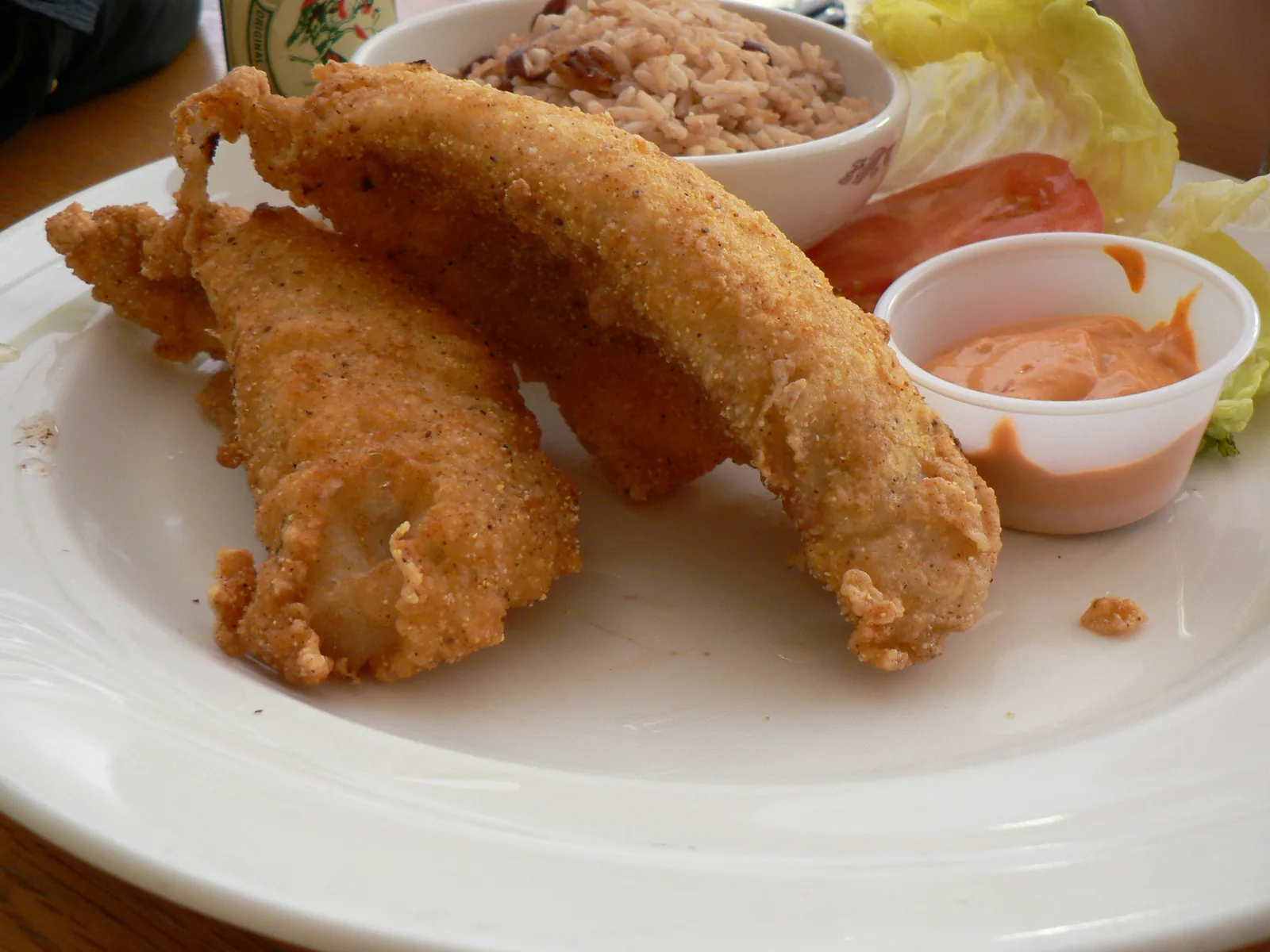
Golden fried perch fillets on a white plate with a small cup of dipping sauce

South Sudan Heritage

Photo: stu_spivack, CC BY-SA 2.0, via Wikimedia Commons

The Heritage Formulary

Measured Ingredients

Estimated cost: Moderate — about $3–4 per serving at home (USD)

A good fried perch has a thin, crisp, golden crust and flesh that is opaque, moist and flaking — never soggy or dry.

Execution Methodology & Culinary Technique

Step-by-Step Cooking Guide

Active 35m
P

Prep Stage: Fish Dry, Coating Mixed

15 Mins • One Bowl

Pat the perch fillets very dry — a wet fillet steams instead of crisping. Season them with half the salt. Mix the flour, cornmeal, remaining salt, pepper and paprika in a wide, shallow bowl, and cut the lemon into wedges. That is the whole prep; the frying itself is fast.

Maestro Tip: Dry fish is the whole secret of a crisp crust — press the paper towel down firmly on both sides.

  1. 1

    Coat the Fillets

    5 Mins • Dredging Room temperature, about 20°C (68°F)

    Press each fillet into the flour and cornmeal mixture, turning once so both sides are evenly coated. Shake off the excess — a thin, even coat crisps; a thick coat turns gummy. Set the coated fillets on a plate.

    Coat just before frying; a coating that sits too long absorbs moisture and goes soft.

    Done when: Each fillet is evenly dusted with a thin, dry coat.

  2. 2

    Heat the Oil

    5 Mins • Medium-High Heat Oil at 175–180°C (350°F)

    Heat the oil in a wide frying pan over medium-high heat until it shimmers. Drop in a pinch of coating: it should sizzle at once and turn golden in about 30 seconds. If it browns instantly, the oil is too hot; if it sinks quietly, it is too cool.

    A small test pinch of coating tells you the oil temperature better than guessing.

    Done when: Oil shimmers and the test pinch sizzles and browns in about 30 seconds.

  3. 3

    Fry the First Side

    5 Mins • Frying 175–180°C (350°F)

    Lay the fillets in the pan away from you so the oil does not splash, leaving space between them. Fry for about 4 minutes without moving them, until the underside is deep golden and crisp.

    Do not crowd the pan — fry in two batches if needed, or the oil cools and the crust goes soggy.

    Done when: The underside is deep golden and the edges look set and crisp.

  4. 4

    Flip and Finish

    5 Mins • Frying 175–180°C (350°F); fish cooked to 63°C (145°F) inside

    Turn each fillet once with a fish slice or tongs and fry the second side for about 4 minutes, until the crust is golden all over and the flesh flakes easily with a fork. Check the thickest part reaches 63°C (145°F).

    Turn once only — repeated turning breaks the crust and dries the fish.

    Done when: Golden crust all over; flesh opaque and flaking, 63°C (145°F) at the thickest part.

  5. 5

    Drain and Serve

    2 Mins • Resting Serve hot, above 60°C (140°F)

    Lift the fillets onto a wire rack or paper towels and rest for 2 minutes so the crust sets and excess oil drains away. Serve hot with lemon wedges to squeeze over the top.

    A wire rack keeps the underside crisp; paper towels alone can trap steam under the fish.

    Done when: Crust stays crisp to the touch; no oil pooling on the plate.

Finishing Touches & Plating

Serve the fried perch hot, straight from the pan, with lemon wedges, a tomato and onion salad, and aseeda or steamed rice on the side. Eat it while the crust is still crisp — fried fish waits for no one.

Nutritional Physiology & Benefits

Nutrition

Energy

412

kcal / serving

Protein

41g

Complete AA

Carbs

21g

Complex

Fats

18g

Healthy

Per serving (4 servings · 1 serving ≈ 230 g)
Energy412 kcal
Protein41 g
Carbohydrates21 g
Fat18 g
Fibre1.7 g
Sugar0.4 g
Sodium615 mg
Per 100g
Energy179 kcal
Protein18 g
Carbohydrates9 g
Fat7.6 g
Fibre0.7 g
Sugar0.2 g
Sodium268 mg

Nutrition values are estimated — calculated from USDA FoodData Central values for the listed ingredients.

Vitamins & minerals: Selenium, vitamin B12 and phosphorus (perch); vitamin C from the lemon. Nutrition values are estimated.

Lean, High Protein

A 230 g serving supplies about 41 g of protein with modest fat, making it a filling dinner that keeps you full.

Light on Carbohydrate

The thin coating adds only about 20 g of carbohydrate per serving, so the dish stays light compared with battered fish.

Quick, Simple Cooking

Season, coat, fry — the fish cooks in under 10 minutes, with no marinade and no special equipment.

Food Pairings

What to Eat With

To optimize nutrient absorption and elevate the sensory depth, pair with these authentic accompaniments:

Sides

Aseeda

A piece of soft sorghum aseeda soaks up the lemony juices and turns the fish into a full South Sudanese dinner.

Vegetables

Tomato and Onion Salad

Cool, sharp tomato and onion cut through the rich fried crust and cleanse the palate between bites.

Sauces

Lemon and Herb Dip

A little yoghurt or mayonnaise with lemon and chopped herbs adds cool creaminess against the hot, crisp fish.

Drinks

Hibiscus Tea or Water

A tart, cold drink balances the fried richness without competing with the fish.

Complete menu

Serve two golden fillets with lemon wedges, a tomato and onion salad, and a mound of aseeda or steamed rice, with hibiscus tea to drink.

Digestive Guardrails

What NOT to Combine

To prevent digestive distress, sluggishness, or palate clash, avoid pairing the dish with these elements:

Undercooked Fish

Fish must reach 63°C (145°F) at its thickest part; undercooked fish can carry harmful bacteria. Check that the flesh is opaque and flakes easily. This is general food-safety information, not medical advice.

Reusing Overheated Oil

Oil heated until it smokes breaks down and can form harmful compounds. Fry at 175–180°C (350°F), discard oil that has darkened or smells acrid, and do not eat deep-fried food every day.

General information only, not medical advice — consult a doctor for personal dietary decisions.

Who Should Eat It

Who Should Eat

  • General adultsA satisfying high-protein dinner; keep the portion to one fillet if the rest of the day was heavy.
  • ChildrenSuitable from age 2+; serve boneless pieces, well cooked, with the crust softened by lemon or dip.
  • ElderlyGood choice — soft, flaky fish is easy to chew; serve hot and check carefully for bones.
  • Pregnant womenGenerally suitable; eat the fish freshly cooked and hot, and avoid raw or undercooked fish.
  • Breastfeeding womenGenerally suitable; a good source of protein and B12 — eat it hot and freshly cooked.
  • AthletesExcellent after training: about 41 g of protein per serving with a light coating.
  • Weight gainA good choice — high protein and filling; add rice or aseeda if you need more energy.
  • Weight lossA good choice: lean protein and a light coating; keep to one fillet with a big salad.

Health Conditions — Adjust or Avoid

Conditions

  • DiabetesLow in carbohydrate, but the coating adds some — count about 20 g of carbs per serving and ask your clinician about portions.
  • High blood pressureThe coating is salty; use a light hand with the salt and skip extra salty dips.
  • Kidney diseaseFish is moderately high in potassium and the coating adds salt; keep portions modest and ask your clinician.
  • GoutPerch is low in purines compared with oily fish and shellfish, but keep portions moderate.
  • Stomach issuesFreshly fried, well-cooked fish is usually gentle; avoid it if frying upsets your stomach and choose grilled fish instead.
  • Cardiovascular diseaseLean fish is naturally low in saturated fat; keep the frying oil fresh and the portion to one fillet.
  • Fatty liverLow in fat for a fried dish, but the absorbed oil adds up — one fillet with salad is the lighter plate.
  • Food allergiesContains fish and wheat (the flour coating). For a gluten-free version, coat with cornmeal only. Ask your clinician about any fish allergy.
  • Special therapeutic dietsIf you follow a prescribed low-sodium diet, season lightly and skip salty dips — check with your clinician.

If you have a medical condition, consult your doctor before changing your diet.

Storage & Use

Storage & Use

How to store
Cool within 1 hour, then store in an airtight container in the fridge.
In the fridge
2 days, in an airtight container.
In the freezer
1 month, wrapped tightly (the crust softens on thawing).
How to reheat
Reheat in a hot oven at 200°C (400°F) for 8–10 minutes until hot all the way through, to 74°C (165°F); the microwave makes the crust soggy.
Freezing recommended
Possible, but the crust never crisps the same again — best eaten fresh.
Signs it has spoiled
Sour or ammonia smell, slimy surface, or grey flesh.

More recipes to explore

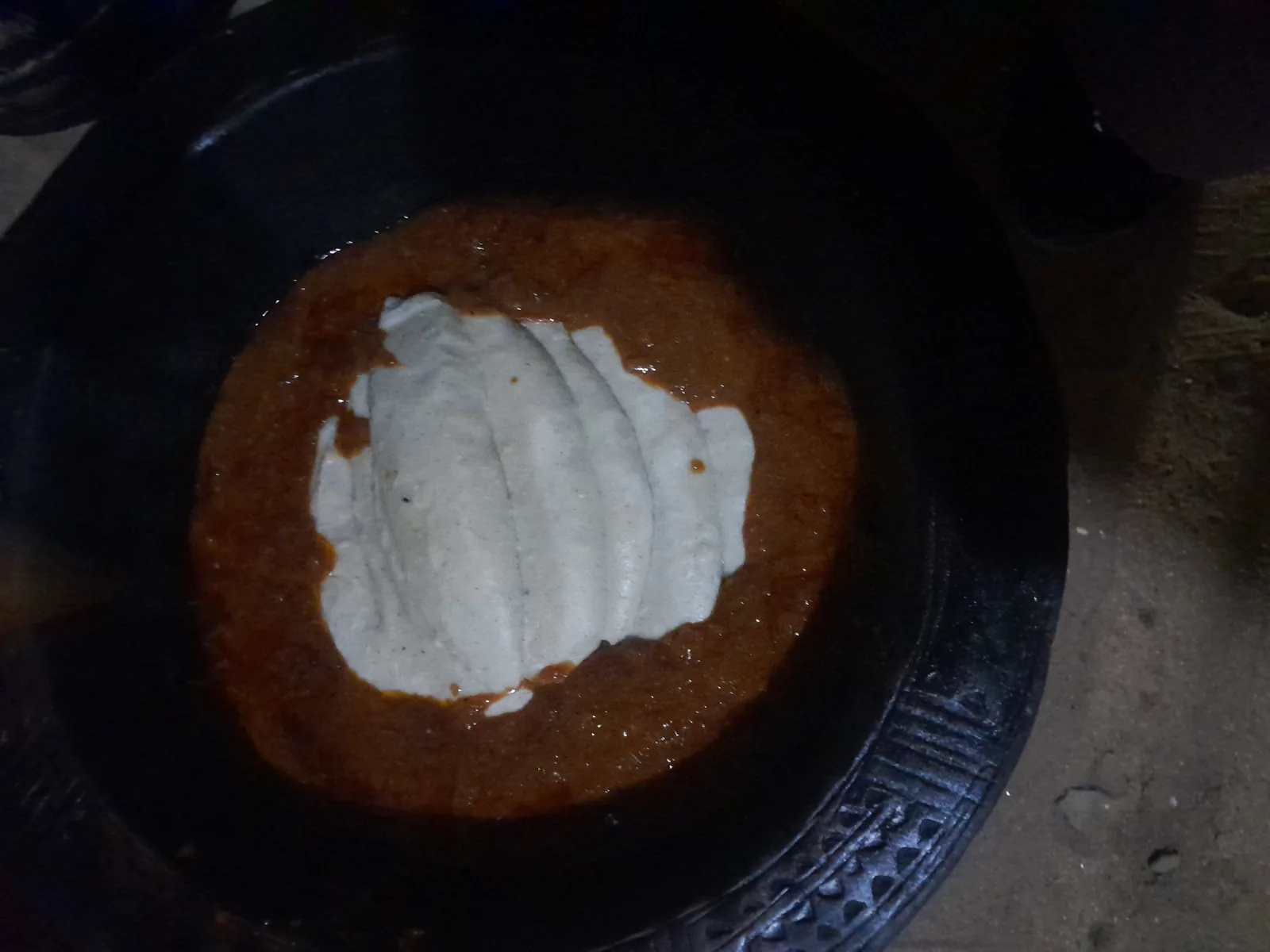
A white aseeda sorghum porridge dome in a dark bowl, surrounded by reddish-brown stew South Sudan flag South Sudan 30m
Dinner •South Sudan Heritage

South Sudanese Aseeda

This aseeda recipe makes a smooth, stiff sorghum porridge from just flour, water and salt, shaped into a dome and served with a rich mullah stew spooned around it. It takes 30 minutes and one pot, and the soft white mound is torn into pieces and used to scoop up the sauce. One serving is about 250 g.

Everyday Energy

Smooth, stiff sorghum porridge — the filling, gluten-free dome that carries every South Sudanese stew.

Pairs Well With
Mullah stew, such as tagalia (tomato and meat stew), or honey and melted butter
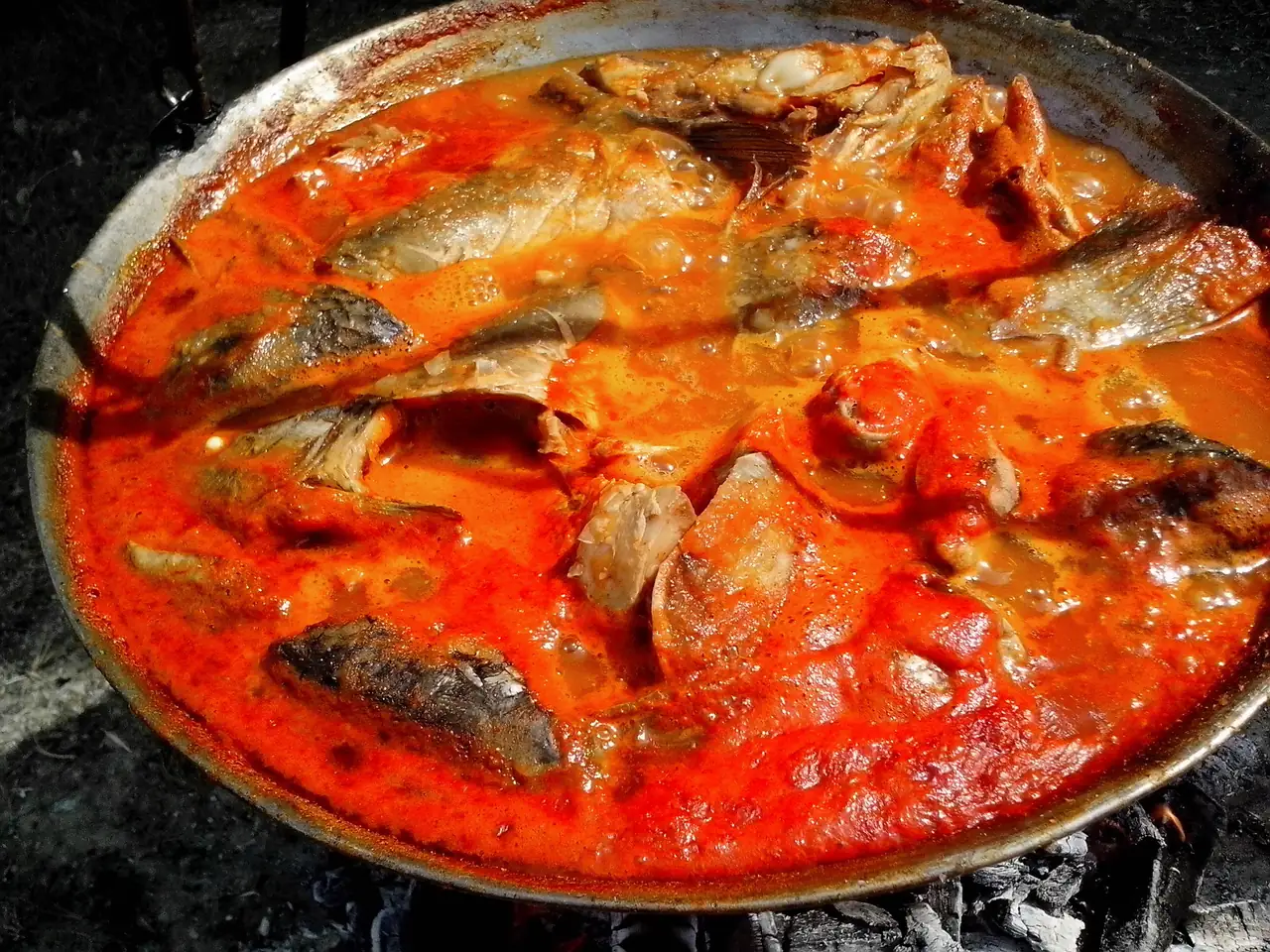
Pieces of fish simmering in a rich red tomato stew in a wide pan South Sudan flag South Sudan 55m
Dinner •South Sudan Heritage

South Sudanese Kajaik

This kajaik recipe is South Sudan's fish stew: freshwater fish simmered gently in a rich tomato broth with onion, okra, leafy greens and a spoonful of groundnut paste to thicken it. It takes 55 minutes and one pot, and it is served with aseeda, kisra or rice to soak up the broth. One serving is about 500 g.

Comfort & Warmth

Freshwater fish simmered in a rich tomato broth with okra, greens and a spoonful of groundnut paste.

Pairs Well With
Aseeda, kisra flatbread, or steamed white rice
Soups & Broths • High Protein
Bœuf bourguignon — French beef braised in red wine France flag France 4h
Dinner •Burgundy Terroir

Bœuf Bourguignon

Beef braised gently in red wine until the connective tissue melts into a velvet, gelatin-rich sauce — the classic Burgundy Sunday dinner.

Cellular Repair

Beef braised in red wine until spoon-tender, with mushrooms and pearl onions.

Pairs Well With
Parsnip Purée & Steamed French Haricots Verts
High Protein
Vietnamese braised pork belly with golden eggs in caramel sauce Vietnam flag Vietnam 1h 45m
Dinner •One Pot

Vietnamese Braised Pork and Eggs

Pork belly slowly braised in coconut water and caramel until meltingly tender, with golden eggs that soak up the sweet-savoury sauce — the Vietnamese family dish that tastes better the next day.

Comfort & Sustained Energy

Slow-braised pork belly and eggs in coconut water and caramel.

Pairs Well With
Steamed rice & pickled mustard greens
High Protein

The Dinner Gazette

Never wonder what’s for dinner again

One email a week with easy dinner ideas from around the world — ingredients, steps and nutrition, tested in our kitchen first.

Delivered every Thursday morning. Unsubscribe anytime.



