Curated recipes from 193 countries  •  New seasonal Mediterranean issue out now

Overview

Sudanese Gurasa

Goraasa, Sudanese Thick Flatbread

Gurasa is Sudan’s thick, soft flatbread — a yeasted wheat batter, poured like a pancake onto a hot griddle and cooked until golden outside and pillowy inside. It is the bread that stews are eaten with: torn into pieces and used to scoop up sauce, or served plain with tea. One flatbread is about 130 g.

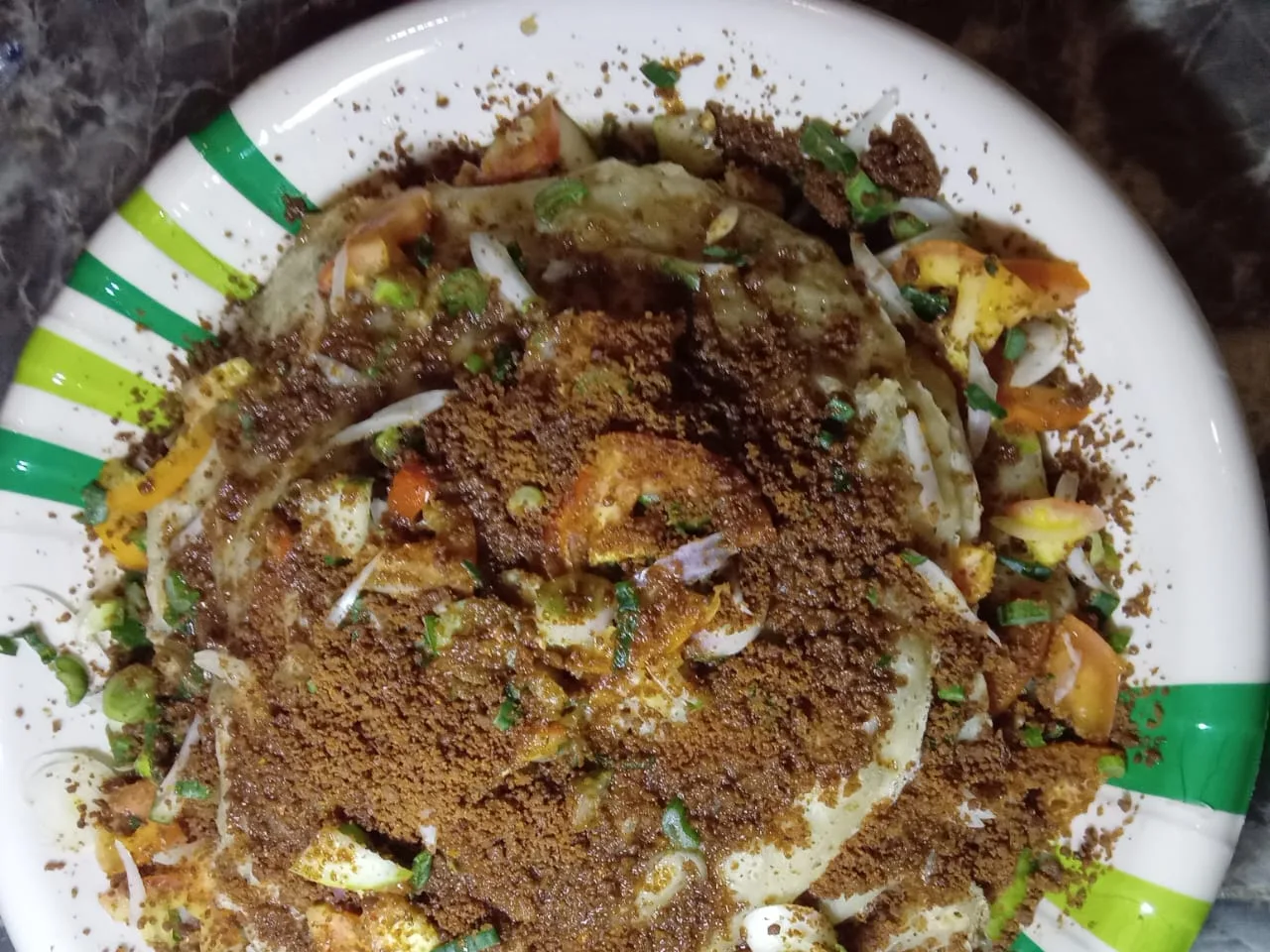
Gurasa — also spelled goraasa — is the thick, soft flatbread of northern Sudan, made from a yeasted wheat batter cooked on a griddle like a pancake. It is the bread that Sudanese stews are eaten with: torn into pieces and used to scoop up mullah, the rich meat stews that are the heart of Sudanese cooking. The same bread is known across the Sahel — Hausa cooks in northern Nigeria make gurasa the same way, often topped with vegetables and kuli-kuli, groundnut cake, as in the photograph. It is everyday bread, made fresh in the morning and eaten the same day.

Pairs well with: Mullah stew, okra stew, yoghurt with garlic and cumin, honey and tea

Provenance

Sudan flag Sudan

Sudanese Home Cooking

African Heritage

Time Dedication

1h 25m

55m prep • 30m cook

Batch Yield

8 Servings

271 kcal per serving

1 serving ≈ 130 g

Technical Skill

Easy

Easy (Griddle Bread)

Meal Timing & Digestive Fit

Breakfast

Not Advised

Lunch

Prime Metabolic Fit

Dinner

Ideal Hearty Main

Snack & Tea

Inappropriate

Occasions: Everyday lunches, family meals, with stews and tea Cost: Low — about $0.50 per serving at home
A plate of thick, soft gurasa flatbread topped with chopped vegetables and kuli-kuli crumble

Sudanese Home Cooking

Photo: Zahraswaty, CC BY-SA 4.0, via Wikimedia Commons

The Heritage Formulary

Measured Ingredients

Estimated cost: Low — about $0.50 per serving at home (USD)

Good gurasa is judged by the crumb: golden outside, soft and springy inside, thick enough to scoop with but never dry.

Execution Methodology & Culinary Technique

Step-by-Step Cooking Guide

Active 1h 25m
P

Prep Stage: Mix the Batter and Let It Rise

55 Mins • Mixing & Rising

Sift the two flours into a large bowl with the salt, sugar, yeast and baking powder, then whisk in the warm water a little at a time until the batter is smooth and thick like pancake batter, with no lumps. Stir in 1 tablespoon of the oil, cover the bowl with a clean cloth and leave it in a warm place for 40 minutes, until the batter has risen and is full of bubbles.

Maestro Tip: The water must be warm, not hot — hotter than about 45°C (113°F) kills the yeast and the batter will never rise.

  1. 1

    Mix the Dry Ingredients

    5 Mins Room temperature

    Sift the all-purpose flour and whole wheat flour into a large mixing bowl. Add the salt, sugar, yeast and baking powder and whisk everything together so the yeast and baking powder are evenly spread through the flour.

    Sifting is worth it: it breaks up lumps and lets air into the flour, which helps the batter rise.

    Done when: One even, lump-free flour mixture.

  2. 2

    Whisk in the Water

    5 Mins Warm water, about 40°C (104°F)

    Pour the warm water into the bowl a little at a time, whisking constantly, until the batter is smooth and thick — about the consistency of pancake batter, thick enough to coat a spoon but still pourable. Stir in 1 tablespoon of the oil.

    Add the water slowly: too much at once makes a thin batter and thin, floppy bread.

    Done when: A smooth, lump-free batter that falls from the whisk in a thick ribbon.

  3. 3

    Rest and Rise

    40 Mins Warm place, about 30°C (86°F)

    Cover the bowl with a clean cloth and leave it in a warm place for 40 minutes. The batter should rise noticeably and be covered in small bubbles when you lift the cloth.

    If your kitchen is cold, put the bowl in the oven with only the light on — the gentle warmth is enough.

    Done when: Batter risen and bubbly, smelling faintly yeasty.

  4. 4

    Heat the Griddle

    5 Mins Medium heat, ~180°C (350°F)

    Heat a large non-stick frying pan or flat griddle over medium heat. Brush it lightly with oil, sprinkle in a few drops of water and wipe it clean with a kitchen towel — the pan should be hot and just barely oiled.

    A pan that is too hot burns the outside before the inside cooks; medium heat is the whole secret.

    Done when: Pan hot, lightly oiled, a drop of water sizzling and vanishing on contact.

  5. 5

    Cook the Gurasa

    25 Mins Medium heat, ~180°C (350°F)

    Stir the batter once to knock out the biggest bubbles, then ladle about 150 ml into the pan and spread it gently into a round about 20 cm across, a little thicker than a normal pancake. Cook 2–3 minutes until bubbles appear on the surface and the bottom is golden, then flip and cook 1–2 minutes more until the second side is golden and the bread feels springy. Brush the pan with a little oil before each new flatbread. Makes about 8.

    Do not press the bread flat with the spatula — pressing squeezes out the air and makes it dense.

    Done when: Golden on both sides, soft and springy when pressed, smelling of fresh bread.

  6. 6

    Stack and Keep Warm

    5 Mins Serving temperature, above 63°C (145°F)

    Stack the finished gurasa on a plate and cover with a clean, slightly damp cloth so they stay soft while you cook the rest. Serve warm, torn into pieces, with stew for scooping.

    The damp cloth is the difference between soft, supple bread and bread that dries out in minutes.

    Done when: A warm stack of soft, golden flatbreads, ready to tear and scoop.

Finishing Touches & Plating

Taste one piece while it is still warm: it should be soft and springy, golden outside, with a gentle yeasty flavour. If it feels dry, brush the next ones with a little more oil in the pan and cover the stack sooner.
Nutritional Physiology & Benefits

Nutrition

Energy

271

kcal / serving

Protein

8g

Complete AA

Carbs

47g

Complex

Fats

6g

Healthy

Per serving (8 servings · 1 serving ≈ 130 g)
Energy271 kcal
Protein8 g
Carbohydrates47 g
Fat6 g
Fibre4.5 g
Sugar0.7 g
Sodium346 mg
Per 100g
Energy209 kcal
Protein6 g
Carbohydrates36.5 g
Fat4.8 g
Fibre3.5 g
Sugar0.5 g
Sodium266 mg

Nutrition values are estimated — calculated from USDA FoodData Central values for the listed ingredients.

Vitamins & minerals: B vitamins including thiamin and niacin (wheat flour, yeast), iron (whole wheat flour), magnesium (whole wheat flour).

Whole Wheat Fibre

Half whole wheat flour gives about 4.5 g of fibre per flatbread, which helps the bread feel satisfying rather than heavy.

Steady Energy

About 47 g of carbohydrate per flatbread, mostly from wheat, gives slow, steady energy — the reason gurasa is the base of a Sudanese lunch.

Simple, Honest Ingredients

Flour, water, yeast and salt — nothing else needed. No preservatives, no added fat beyond a little oil for the pan.

Food Pairings

What to Eat With

To optimize nutrient absorption and elevate the sensory depth, pair with these authentic accompaniments:

Sides

Mullah Stew

Gurasa exists for mullah: the thick, soft bread soaks up the stew’s sauce and turns a bowl of meat and vegetables into a complete meal.

Vegetables

Okra Stew

Okra stew is the classic partner — its silky, savoury sauce clings to the spongy bread in a way rice never manages.

More Pairings

Yoghurt, Garlic and Cumin

A spoon of yoghurt with crushed garlic, raw onion and ground cumin is the older generation’s way to eat gurasa: cool, sharp and savoury against the warm bread.

Drinks

Sweet Tea or Honey

For a sweet version, eat warm gurasa with honey or a little sugar and a cup of tea — the bread’s mild flavour takes sweetness beautifully.

Complete menu

Serve warm gurasa as the bread course with a mullah or okra stew, a tomato and onion salad, and sweet tea to finish.

Digestive Guardrails

What NOT to Combine

To prevent digestive distress, sluggishness, or palate clash, avoid pairing the dish with these elements:

Very Sweet Drinks with the Meal

Gurasa is already a carbohydrate-rich food, so a very sweet drink on top adds a lot of sugar to the meal. Water or unsweetened tea is the lighter choice. This is general nutrition information, not medical advice.

Storing Uncovered

Gurasa left uncovered dries out and turns tough within an hour — always keep the stack covered with a damp cloth, and reheat gently rather than eating it stale. This is general cooking guidance, not medical advice.

General information only, not medical advice — consult a doctor for personal dietary decisions.

Who Should Eat It

Who Should Eat

  • General adultsAn everyday staple — one flatbread with stew makes a filling, balanced lunch.
  • ChildrenVery suitable from age 1+; soft, easy to tear and chew, and free of chilli as written. Serve in small pieces.
  • ElderlyVery suitable — soft, easy to chew and easy to digest; serve warm with a light stew.
  • Pregnant womenGenerally suitable; eat it freshly made and warm. The bread itself is plain and gentle — the stew you serve it with matters more.
  • Breastfeeding womenGenerally suitable; a good source of steady energy, and the whole wheat adds fibre.
  • AthletesA practical carbohydrate source before or after training — two flatbreads with a protein-rich stew covers the energy side of the meal.
  • Weight gainA strong choice — two flatbreads with stew and a little oil make a generous, energy-rich lunch.
  • Weight lossKeep to one flatbread, favour the vegetable stew alongside it, and skip the honey or sugar topping.

Health Conditions — Adjust or Avoid

Conditions

  • DiabetesGurasa is carbohydrate-rich — about 47 g per flatbread — so count it in your meal plan and keep to the stated portion. Ask your clinician about portion size.
  • High blood pressureThe bread itself is low in sodium, but watch the salt in the stew you eat it with, and do not add extra salt to the batter.
  • Kidney diseasePlain bread is gentle, but the whole wheat adds potassium; keep the portion moderate and ask your clinician whether it fits your plan.
  • GoutPlain gurasa is low in purines and usually well tolerated; the stew you serve it with matters more than the bread.
  • Stomach issuesFresh, warm gurasa is gentle on the stomach; eat it plain or with a mild stew, and avoid very spicy toppings if your stomach is sensitive.
  • Cardiovascular diseasePlain and low in fat as written; keep to one flatbread and pair it with vegetables rather than a very rich stew.
  • Fatty liverKeep to one flatbread, choose a vegetable-based stew, and skip sweet toppings.
  • Food allergiesContains gluten (wheat) — not suitable for coeliac disease or wheat allergy. It contains no egg, milk, peanut or soy as written.
  • Special therapeutic dietsIf you follow a prescribed low-carbohydrate or gluten-free diet, this bread does not fit — a gluten-free flatbread is the alternative. Check with your clinician.

If you have a medical condition, consult your doctor before changing your diet.

Storage & Use

Storage & Use

How to store
Cool completely, then stack in a sealed container or wrap in a clean cloth inside a bag.
In the fridge
2–3 days.
In the freezer
Up to 2 months.
How to reheat
Warm in a dry pan over medium heat for 1 minute a side, or sprinkle with a little water and microwave briefly, until soft and heated through to 74°C (165°F) if reheating from the fridge.
Freezing recommended
Yes — freezes well for up to 2 months; thaw at room temperature, then warm in a pan.
Signs it has spoiled
Sour or yeasty smell, mould spots, or a hard, dry texture that does not soften on warming.

More recipes to explore

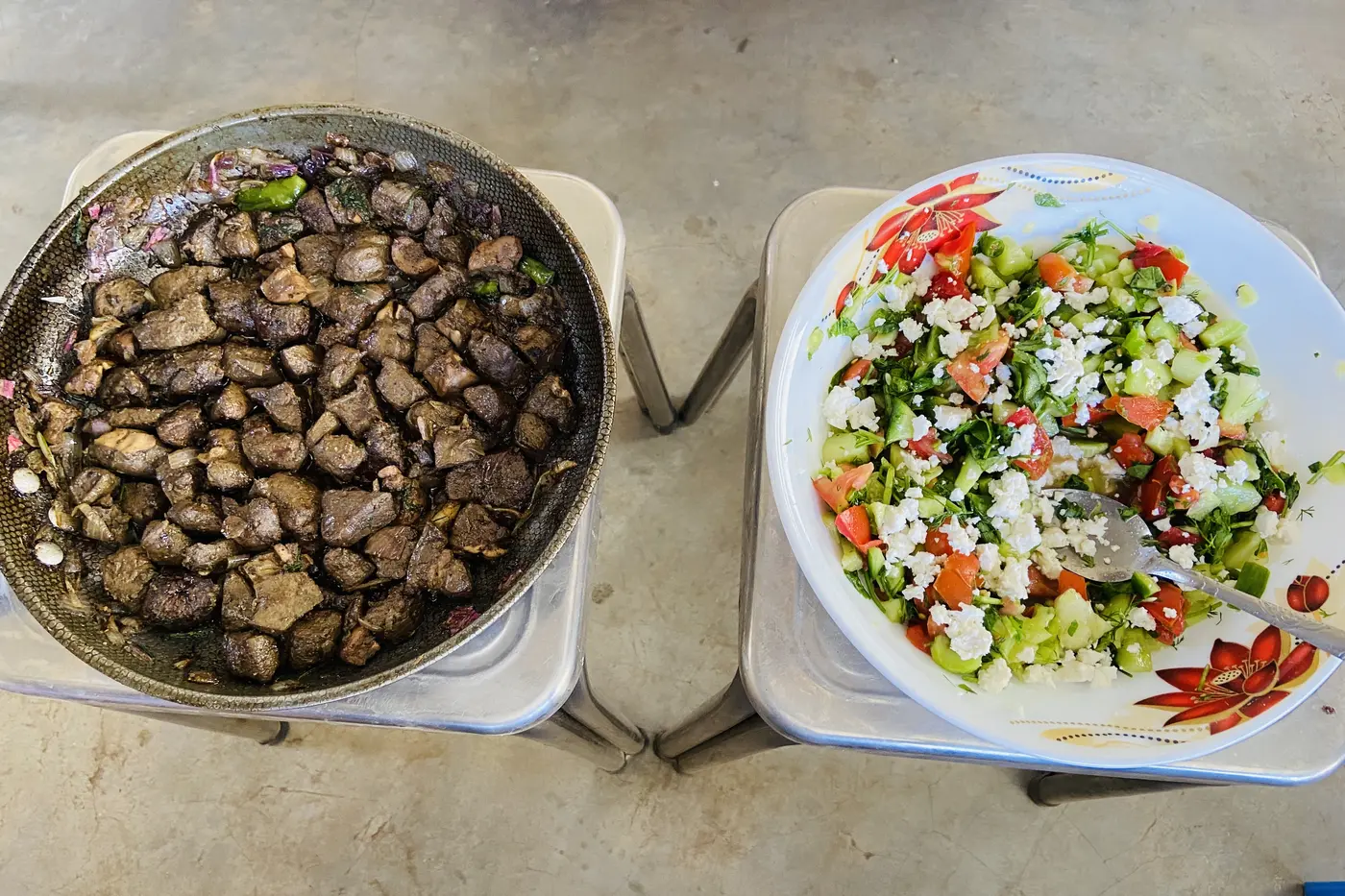
A pan of fried beef liver with onion and green chilli beside a bowl of tomato, cucumber and cheese salad Sudan flag Sudan 30m
Dinner •Sudanese Home Cooking

Sudanese Kebda

Sudanese kebda is beef liver cut into small pieces and fried fast in a hot pan with sliced onion, green chilli, garlic and a generous hand of cumin, then finished with lemon and fresh coriander. It cooks in minutes, smells wonderful, and is eaten scooped up with bread and a tomato and cucumber salad. One serving is about 160 g.

Iron & Energy

Pan-fried beef liver with onion, green chilli and cumin — rich in iron and protein, served with bread.

Pairs Well With
Warm flatbread, tomato and cucumber salad, mint tea
High Protein
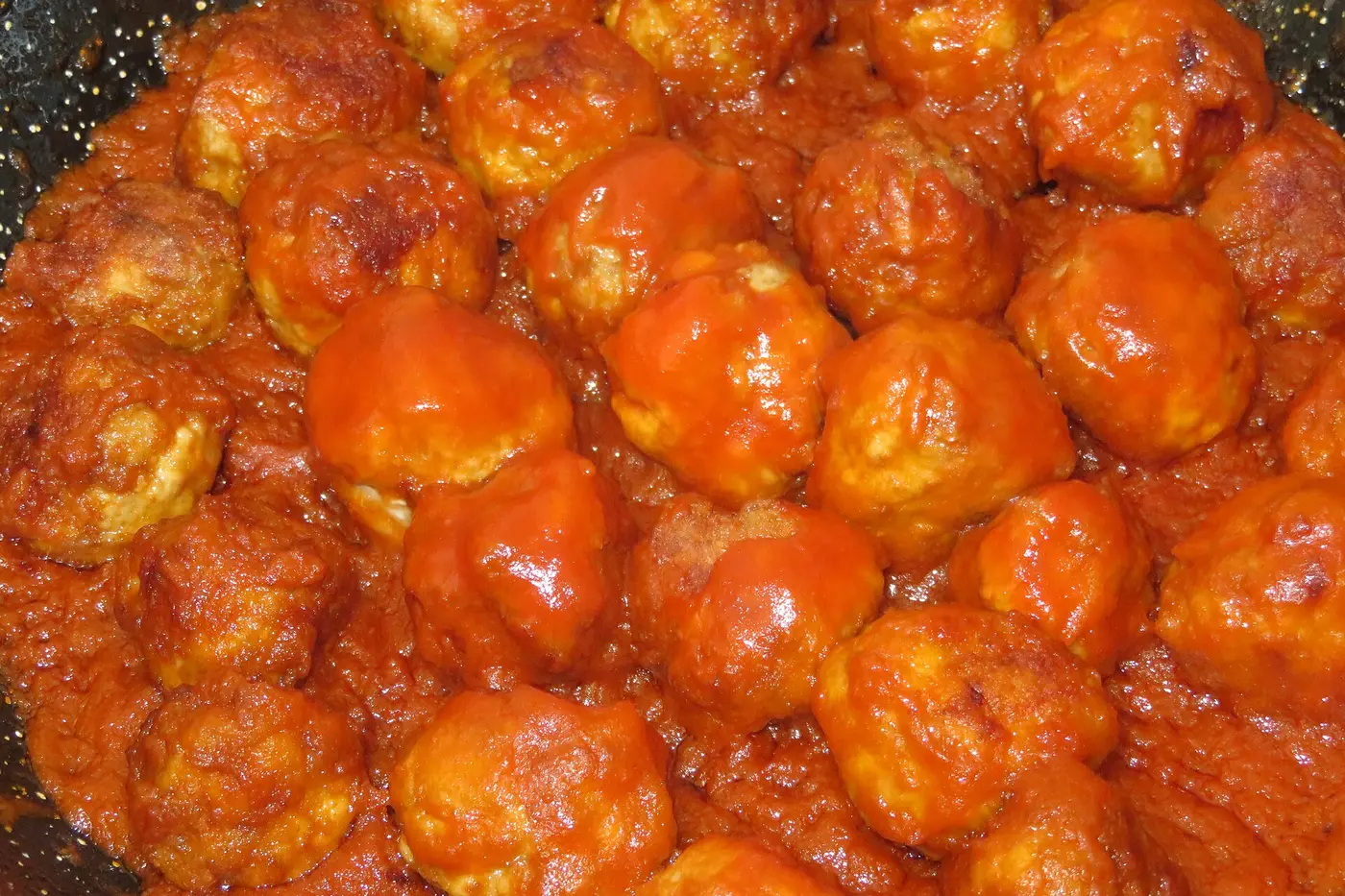
A pan of browned meatballs simmered in a rich red tomato sauce Sudan flag Sudan 1h 10m
Dinner •Sudanese Home Cooking

Sudanese Kofta

Sudanese kofta are oval meatballs of spiced minced beef mixed with half-cooked rice, fried until browned, then simmered in a thick tomato and onion sauce until they drink in its flavour. The rice inside keeps them tender, and the sauce is rich enough to need bread or rice beside it. One serving is about 360 g.

Strength & Recovery

Spiced beef meatballs with rice, fried and simmered in a rich tomato sauce, served with bread or rice.

Pairs Well With
Warm flatbread or steamed rice, tomato and onion salad, mint tea
High Protein
Tagliatelle al ragù Bolognese in a bowl with Parmigiano-Reggiano Italy flag Italy 4h 25m
Lunch •Emilia-Romagna

Tagliatelle al Ragù Bolognese

Slow-braised soffritto and coarse ground heritage meats layered over handmade egg yolk dough for mid-day stamina.

Lean Protein

Slow-simmered beef ragù tossed through fresh egg tagliatelle.

Pairs Well With
Bitter Radicchio & Aged Balsamico di Modena
Pasta & Noodles • High Protein
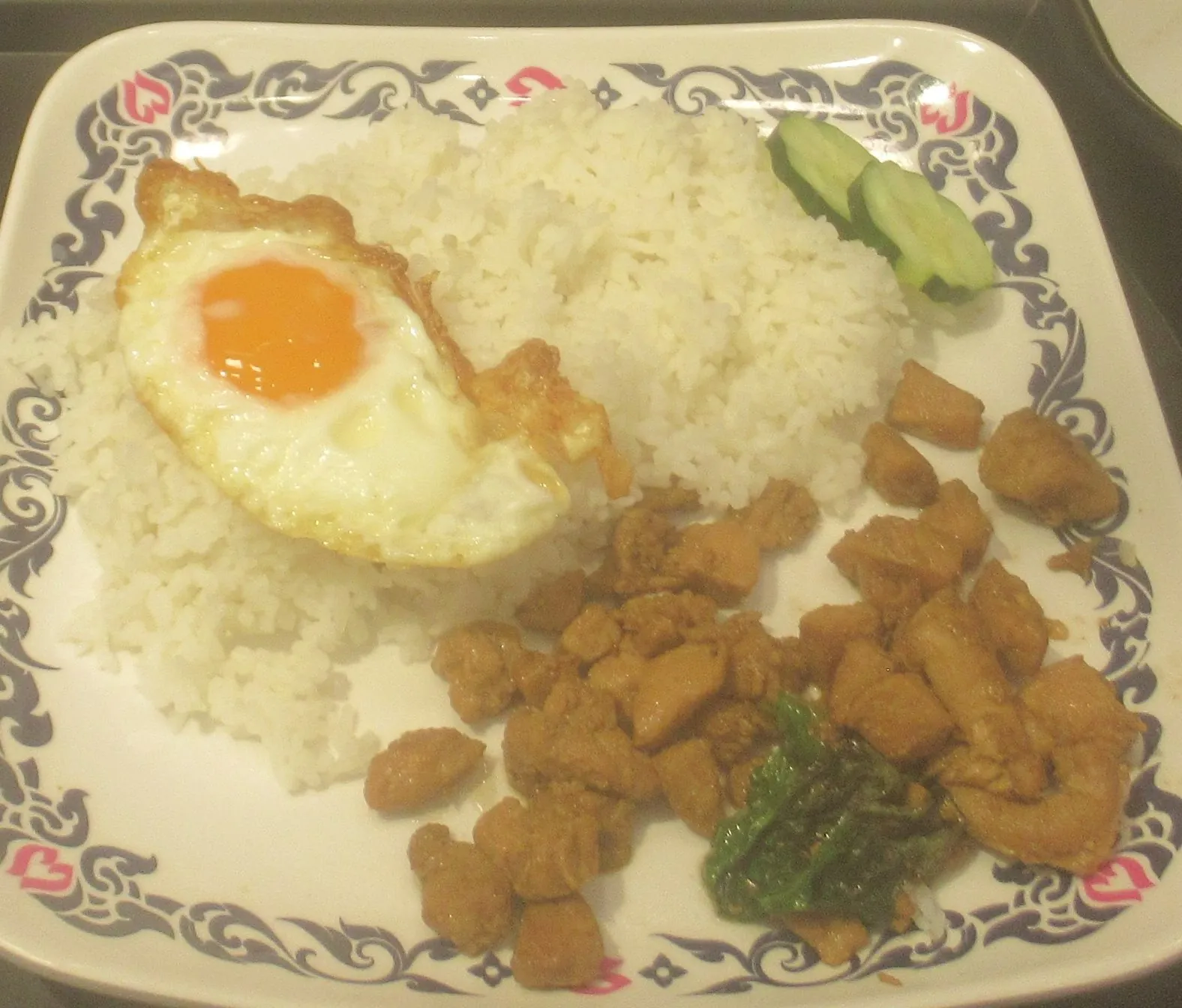
Pad kra pao gai — Thai holy basil chicken with fried egg and rice Thailand flag Thailand 30m
Lunch •Bangkok Street Flame

Pad Kra Pao Gai

High-heat wok flash of holy basil and crushed chillies over minced chicken, served over jasmine rice with a crispy-edged fried egg.

High Energy

Capsaicin brings the heat; holy basil adds a peppery, clove-like aroma.

Pairs Well With
Chilled Cucumber Salad & Fish Sauce Lime Dip
High Protein • Quick Prep (<30m)

The Dinner Gazette

Never wonder what’s for dinner again

One email a week with easy dinner ideas from around the world — ingredients, steps and nutrition, tested in our kitchen first.

Delivered every Thursday morning. Unsubscribe anytime.