Curated recipes from 193 countries  •  New seasonal Mediterranean issue out now

Overview

Suikerbrood

Fryske Sûkerbôle, Frisian Sugar Bread, Dutch Sugar Bread

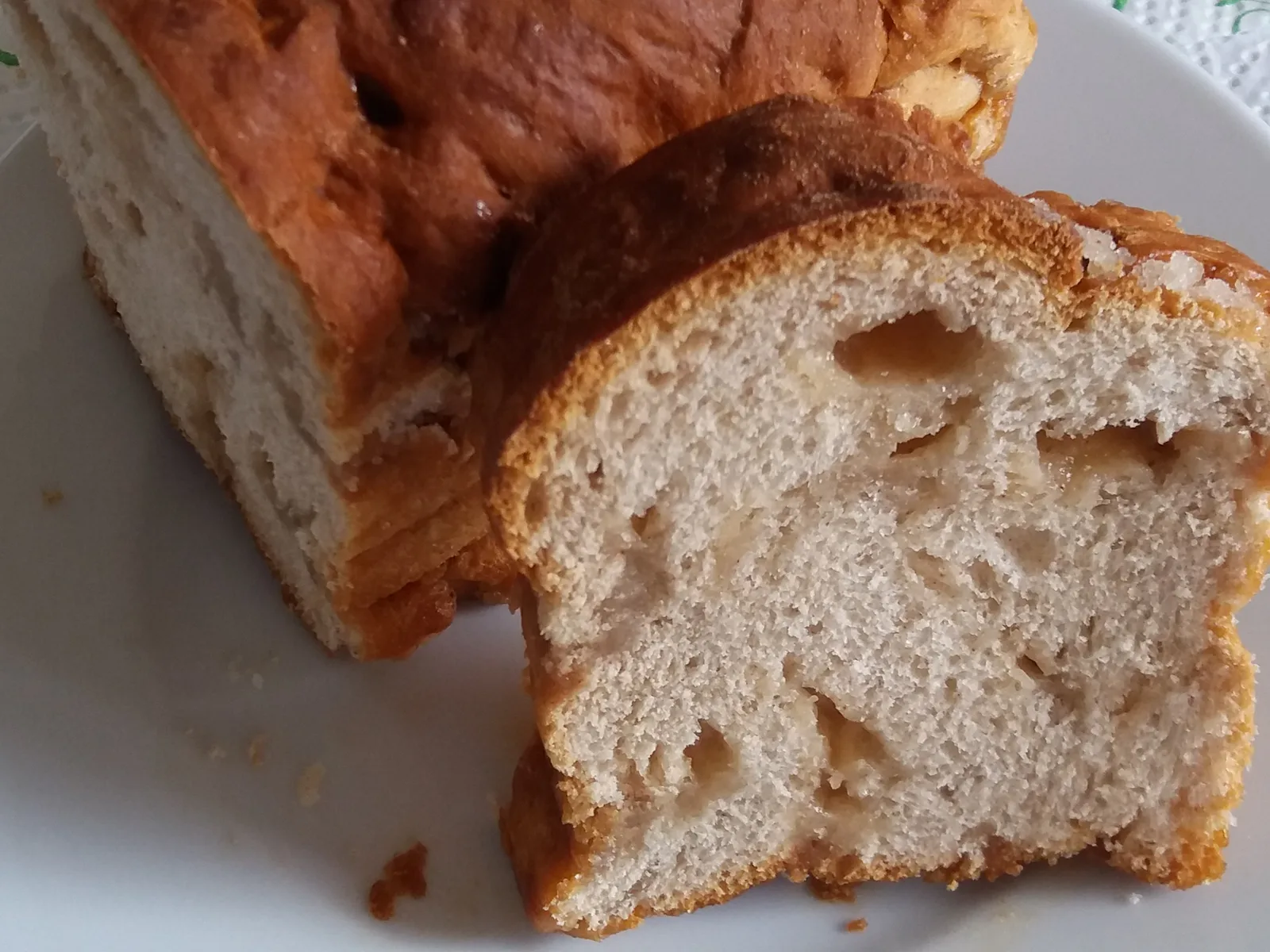
This suikerbrood recipe makes the Frisian sugar bread of the northern Netherlands: a soft white loaf folded with pearl sugar, cinnamon and a little ginger, baked until the sugar melts into sticky pockets inside the crumb. It is sweet, warmly spiced and best sliced thick with butter. One serving is about 83 g, one slice.

Suikerbrood, in Frisian sûkerbôle, is the sugar bread of Friesland, the northern Dutch province where it is a bakery staple. It is a yeast white bread made luxurious with lumps of nib or pearl sugar folded into the dough, usually flavoured with cinnamon and sometimes ginger, so the sugar melts into sticky pockets as it bakes. Frisian bakers use about twice as much sugar as other regional sugar loaves, which is what sets their version apart. Traditionally a suikerbrood was given as a present to new parents after the birth of a baby girl — cinnamon and ginger were thought to help the mother recover — while the parents of a boy received a raisin cake instead. It is a different loaf from the Belgian craquelin: the Frisian bread is an eggless bread dough spiced with cinnamon and ginger, while craquelin is an egg-rich brioche flavoured with lemon or orange zest.

Pairs well with: Salted butter and a cup of coffee or tea

Provenance

Netherlands flag Netherlands

Friesland Heritage

Nordic & European

Time Dedication

3h 5m

150m prep • 35m cook

Batch Yield

12 Servings

286 kcal per serving

1 serving ≈ 83 g

Technical Skill

Intermediate

Medium (Yeasted Loaf)

Meal Timing & Digestive Fit

Breakfast

Prime Morning Fit

Lunch

Inappropriate

Dinner

Inappropriate

Snack & Tea

Inappropriate

Occasions: Breakfast, new-baby gifts, holidays, Sunday mornings, coffee breaks Cost: Low — about $0.50–1 per serving at home
A golden suikerbrood loaf with a slice cut, showing a soft crumb with melted pearl-sugar pockets, on a white plate

Friesland Heritage

Photo: Hortensja Bukietowa, CC BY-SA 4.0, via Wikimedia Commons

The Heritage Formulary

Measured Ingredients

Estimated cost: Low — about $0.50–1 per serving at home (USD)

A good suikerbrood has a deep golden crust, a soft even crumb, and visible sticky pockets where the pearl sugar melted — never a dry loaf with the sugar dissolved away.

Execution Methodology & Culinary Technique

Step-by-Step Cooking Guide

Active 3h 5m
P

Prep Stage: Warm, Weigh & Toss

25 Mins • Warming & Weighing

Warm the milk until lukewarm, about 37°C (98°F), and sprinkle the yeast over it. Weigh the flour, sugar and butter, and leave the butter out until soft. Toss the 200 g pearl sugar with the cinnamon, ginger and ginger syrup so every lump is coated. Butter a 900 g loaf tin and line the base with baking paper.

Maestro Tip: Milk hotter than 43°C (110°F) kills the yeast — lukewarm on your wrist is the test.

  1. 1

    Mix and knead the dough

    15 Mins Room temperature, about 20°C (68°F)

    Tip the flour, caster sugar and salt into a large bowl and stir. Pour in the yeasty milk and mix to a shaggy dough, then knead in the soft butter a little at a time. Knead for 10 minutes by hand, or 7 minutes in a mixer with a dough hook, until the dough is smooth, soft and slightly tacky.

    Resist adding extra flour: a slightly sticky dough bakes into a soft loaf, a floured one bakes dry.

    Done when: Dough smooth and elastic, passing the windowpane test when stretched thin.

  2. 2

    First rise

    60 Mins Warm place, about 25°C (77°F)

    Shape the dough into a ball, put it in a lightly oiled bowl and cover with a clean cloth or cling film. Leave it in a warm place for about 1 hour until doubled in size.

    A cold kitchen slows the rise: put the bowl near, not on, a warm oven.

    Done when: Dough doubled, springing back slowly when poked.

  3. 3

    Fold in the pearl sugar

    10 Mins Room temperature, about 20°C (68°F)

    Tip the dough onto a lightly floured surface and press it into a rough rectangle. Scatter half the cinnamon-coated pearl sugar over it, fold the dough in thirds like a letter, then scatter the rest and fold again. Press the dough into the buttered loaf tin with the fold underneath.

    Work fast and gently: the sugar lumps tear the dough if you knead them in hard.

    Done when: Sugar lumps evenly spread through the dough, loaf sitting snug in the tin.

  4. 4

    Second rise

    45 Mins Warm place, about 25°C (77°F)

    Cover the tin loosely and leave it in a warm place for about 45 minutes until the dough has risen to just above the rim of the tin.

    If the sugar starts to weep sticky syrup on the surface, that is normal: it is the pearl sugar meeting the warm dough.

    Done when: Dough risen just above the rim, soft to the touch.

  5. 5

    Bake the loaf

    35 Mins 180°C (350°F)

    Heat the oven to 180°C (350°F). Bake the loaf on the middle shelf for 30 to 35 minutes until the top is deep golden brown and the loaf sounds hollow when tapped on the base. If the top darkens too fast, lay a sheet of foil loosely over it for the last 10 minutes.

    Check at 30 minutes: the sugar inside caramelises fast and a dark top can turn bitter.

    Done when: Top deep golden, base hollow-sounding, sugar pockets glistening in the cut face.

  6. 6

    Cool and slice

    15 Mins Room temperature, about 20°C (68°F)

    Turn the loaf out of the tin onto a wire rack and leave it for at least 15 minutes before slicing. Cut into 12 thick slices with a serrated knife, and serve warm or at room temperature with salted butter.

    Cutting while it is still hot tears the soft crumb and spills the melted sugar.

    Done when: Loaf holding its shape, slices showing sticky sugar pockets.

Finishing Touches & Plating

Serve the suikerbrood in thick slices with cold salted butter, which melts into the warm, sugary crumb. It is at its best the day it is baked.

Nutritional Physiology & Benefits

Nutrition

Energy

286

kcal / serving

Protein

5g

Complete AA

Carbs

55g

Complex

Fats

5g

Healthy

Per serving (12 servings · 1 serving ≈ 83 g)
Energy286 kcal
Protein5 g
Carbohydrates55 g
Fat5 g
Fibre1.7 g
Sugar22.2 g
Sodium269 mg
Per 100g
Energy343 kcal
Protein6.3 g
Carbohydrates65.7 g
Fat6.3 g
Fibre2 g
Sugar26.6 g
Sodium323 mg

Nutrition values are estimated — calculated from USDA FoodData Central values for the listed ingredients.

Vitamins & minerals: Milk and butter provide calcium and vitamin A; cinnamon and ginger add small amounts of iron and manganese. All nutrition values are estimated.

A Real Breakfast Loaf

A slice of this bread with butter is a complete breakfast on its own: about 286 kcal with 54 g of carbohydrate for steady morning energy.

Sugar Pockets, No Icing

The pearl sugar melts into pockets instead of dissolving, so the sweetness comes in bursts and the loaf needs no icing or filling.

Five Everyday Ingredients

The dough uses only flour, milk, butter, yeast and sugar: five everyday ingredients and one tin, with no special equipment.

Food Pairings

What to Eat With

To optimize nutrient absorption and elevate the sensory depth, pair with these authentic accompaniments:

Sides

Cold Salted Butter

Cold salted butter is the classic partner: it melts into the warm crumb and its salt balances the sweet, cinnamon-spiced sugar pockets.

Sharp Apple Slices

A few slices of sharp apple or a spoonful of apple compote add tartness that lifts the rich, sugary bread.

Drinks

Black Coffee

A cup of black coffee cuts the sweetness and suits the cinnamon; in Friesland the bread is eaten with coffee at breakfast.

Hot Tea

A pot of tea works the same way for anyone who finds coffee too bitter with such a sweet loaf.

Full Menus

Full Menu: Egg, Coffee, Suikerbrood

A thick slice of suikerbrood with butter, a boiled egg and coffee makes a full Frisian breakfast table.

Complete menu

A thick slice of suikerbrood with salted butter and a boiled egg, with black coffee — a full Frisian breakfast.

Digestive Guardrails

What NOT to Combine

To prevent digestive distress, sluggishness, or palate clash, avoid pairing the dish with these elements:

Using Fine Sugar Instead of Pearl Sugar

Fine granulated sugar melts away completely and the loaf loses its sugar pockets; only hard pearl sugar or crushed sugar cubes give the right result. This is general food information, not medical advice.

Milk That Is Too Hot

Milk hotter than 43°C (110°F) kills the yeast and the loaf never rises. Lukewarm on your wrist is the safe test. This is general food information, not medical advice.

Kneading the Sugar In Hard

Kneading the pearl sugar in hard tears the dough and pushes the lumps out of the surface, where they burn on the tin. Fold them in gently instead. This is general food information, not medical advice.

General information only, not medical advice — consult a doctor for personal dietary decisions.

Who Should Eat It

Who Should Eat

  • General adultsA sweet breakfast loaf for most adults; one thick slice with butter is plenty.
  • ChildrenChildren love the sweet, sticky pockets; cut a thinner slice and watch the sugar.
  • ElderlySoft and easy to chew with no hard crust pieces; one slice with tea is a gentle breakfast.
  • Pregnant womenOne slice carries about 54.7 g of carbohydrate and 22.2 g of sugar, so keep it to a single slice and skip extra jam. Ask your clinician if unsure.
  • Breastfeeding womenA quick energy-rich breakfast for nursing mothers; the sugar is high, so one slice is enough. Ask your clinician if unsure.
  • AthletesAbout 286 kcal and 54 g of carbohydrate per slice make it useful quick energy before training, not a recovery food.
  • Weight gainAn energy-dense slice at about 286 kcal; two slices with butter add up fast if you are trying to gain weight steadily.
  • Weight lossA very sweet slice at about 286 kcal, so keep it to one thin slice and save it for an occasional breakfast rather than every day.

Health Conditions — Adjust or Avoid

Conditions

  • DiabetesOne slice carries about 54.7 g of carbohydrate and 22.2 g of sugar; keep it to a single thin slice. Ask your clinician about portions.
  • High blood pressureSodium is about 269 mg per serving, mostly from the salt and butter; use unsalted butter to bring it down. Ask your clinician about portions.
  • Kidney diseaseMilk and butter are the main concern here; keep the portion to one slice and do not eat it every day. Ask your clinician.
  • GoutThe bread is low in purines, but its sugar means a small portion is still the wise choice. Ask your clinician.
  • Stomach issuesCinnamon and ginger can irritate a sensitive stomach in larger amounts; eat a small slice and avoid it on an empty stomach. Ask your clinician if unsure.
  • Cardiovascular diseaseHigh in sugar and refined flour, so this is a sometimes breakfast rather than a regular one. Ask your clinician about portions.
  • Fatty liverA sweet, refined-flour loaf; a thin slice with apple instead of butter lightens it. Ask your clinician about portions.
  • Food allergiesContains gluten (wheat flour) and milk (milk, butter). Do not serve it to anyone with a gluten or milk allergy.
  • Special therapeutic dietsNot gluten-free or dairy-free as written, and not low-sugar. A gluten-free flour blend works for the crumb, but the texture changes. Ask your clinician about any therapeutic diet.

If you have a medical condition, consult your doctor before changing your diet.

Storage & Use

Storage & Use

How to store
Keep the cooled loaf in a sealed bag or bread bin at room temperature, sliced as needed.
In the fridge
Not recommended — the fridge dries the crumb. Keep at room temperature for up to 3 days.
In the freezer
Freeze sliced, wrapped in cling film, for up to 2 months at -18°C (0°F); thaw at room temperature.
How to reheat
Warm slices in a low oven at 150°C (300°F) for 5 minutes, or toast lightly; the sugar pockets soften again.
Freezing recommended
Yes — it freezes well in slices and toasts straight from frozen.
Signs it has spoiled
Mould spots, a sour smell, or a hard, dry crumb — throw it away.

More recipes to explore

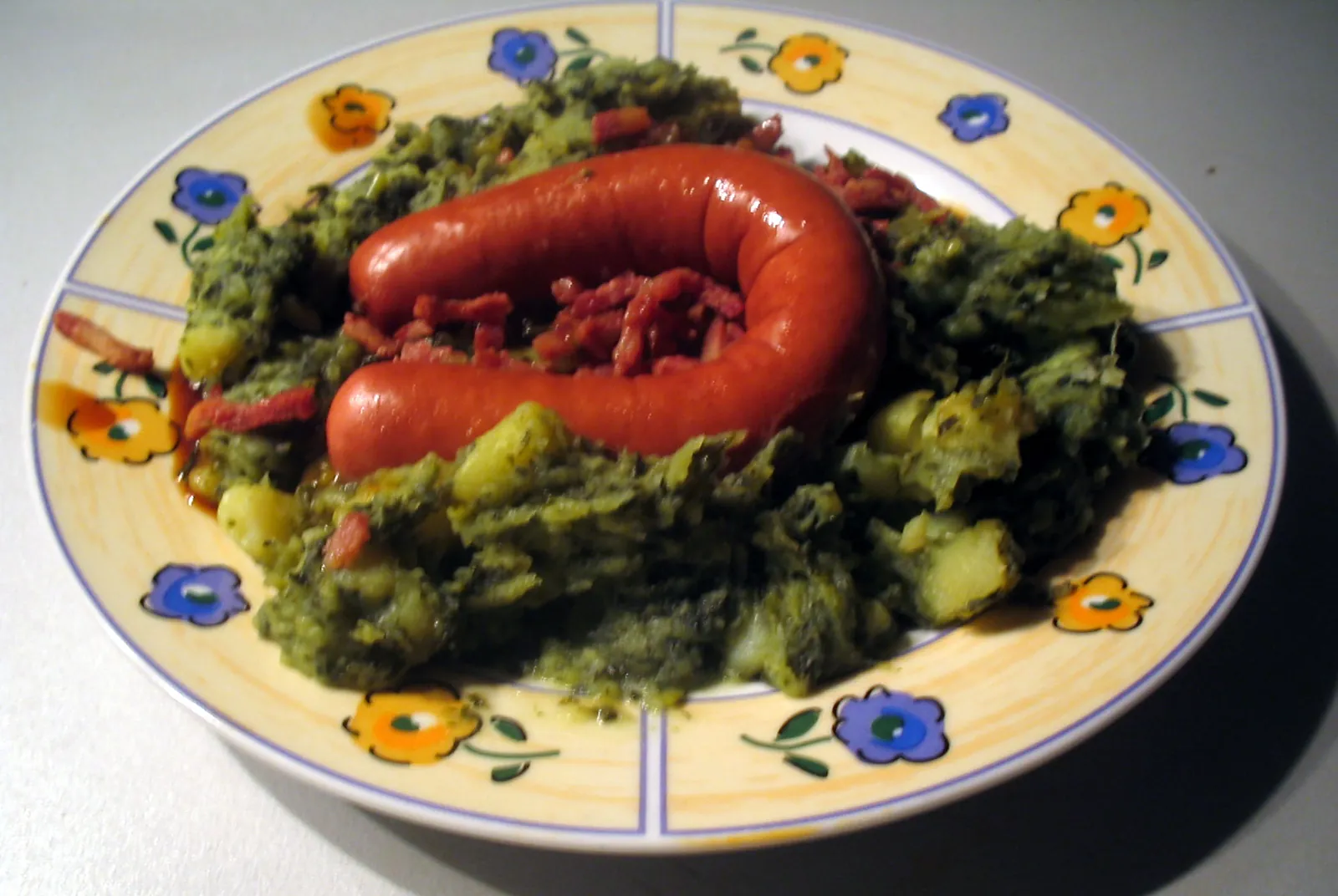
A plate of green boerenkool stamppot with a smoked sausage and bacon bits Netherlands flag Netherlands 45m
Dinner •Dutch Heritage

Stamppot

This stamppot recipe boils floury potatoes with curly kale, mashes them with butter and warm milk into a soft, green-flecked mash, and serves it with a smoked rookworst sausage, crisp bacon bits and mustard. One serving is about 480 g.

Comfort & Warmth

Floury potatoes mashed with kale, butter and milk, served with smoked sausage and bacon.

Pairs Well With
Smoked sausage, bacon bits & mustard
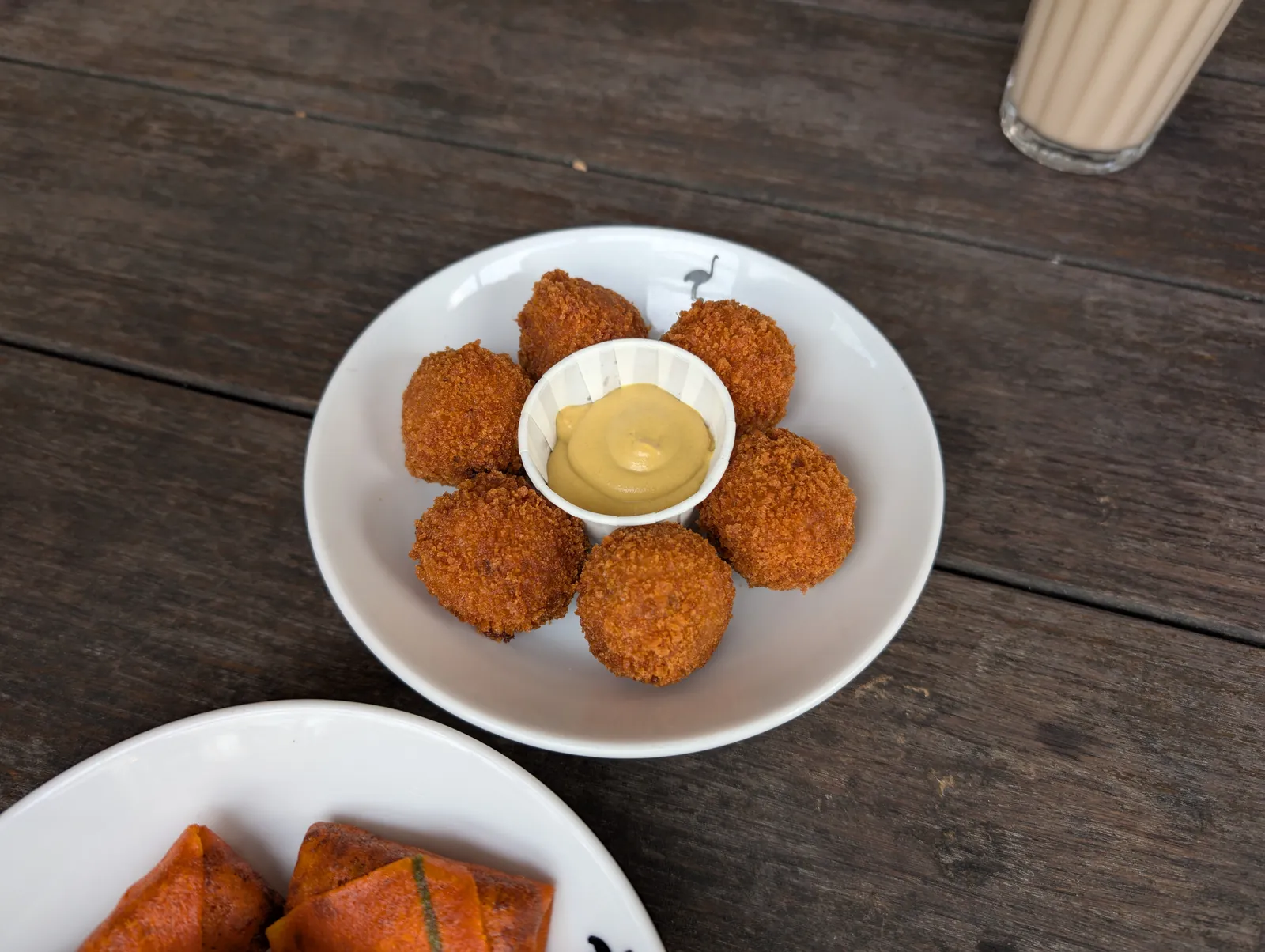
Six golden bitterballen with a small pot of mustard on a white plate Netherlands flag Netherlands 55m
Snack & Tea •Dutch Heritage

Bitterballen

This bitterballen recipe cooks beef slowly in stock until tender, binds it into a thick, creamy ragout with butter and flour, chills it firm, then rolls it into balls, crumbs them and fries them until the outside shatters and the inside turns molten. One serving is about 300 g, six bitterballen with mustard.

Comfort & Warmth

Crisp deep-fried balls of creamy beef ragout, served hot with mustard.

Pairs Well With
Dijon mustard & a cold beer
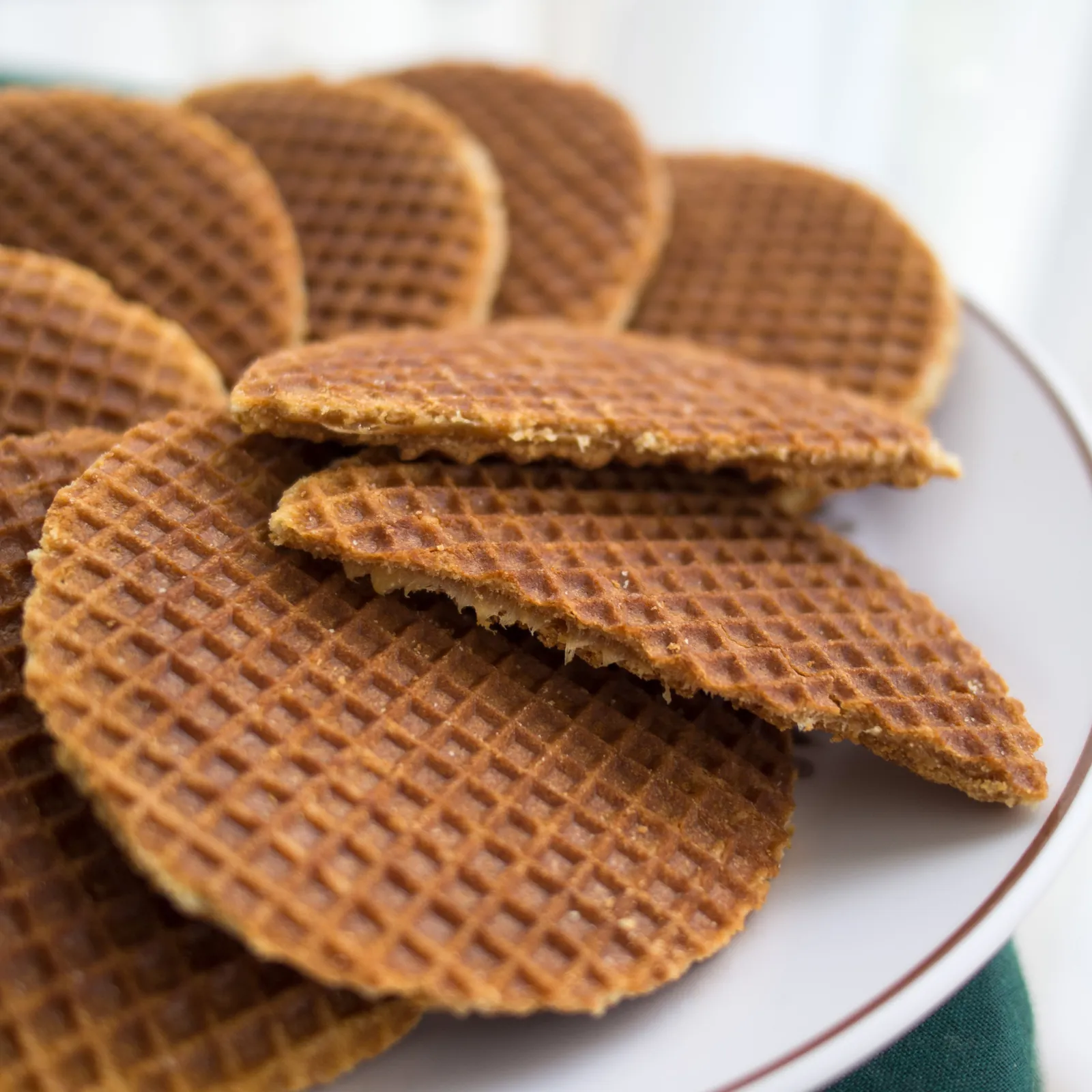
A plate of round golden stroopwafels showing their waffle pattern and syrup layer Netherlands flag Netherlands 1h
Snack & Tea •Dutch Heritage

Stroopwafels

This stroopwafels recipe bakes thin waffles in a hot iron, splits each one while it is still warm, and spreads it with a buttery caramel syrup spiced with cinnamon. The syrup softens the waffle just enough to make it chewy at the edges and crisp in the middle. One serving is about 155 g, three stroopwafels.

Comfort & Warmth

Thin, crisp waffle rounds split and filled with warm caramel syrup.

Pairs Well With
Coffee, tea & a glass of milk
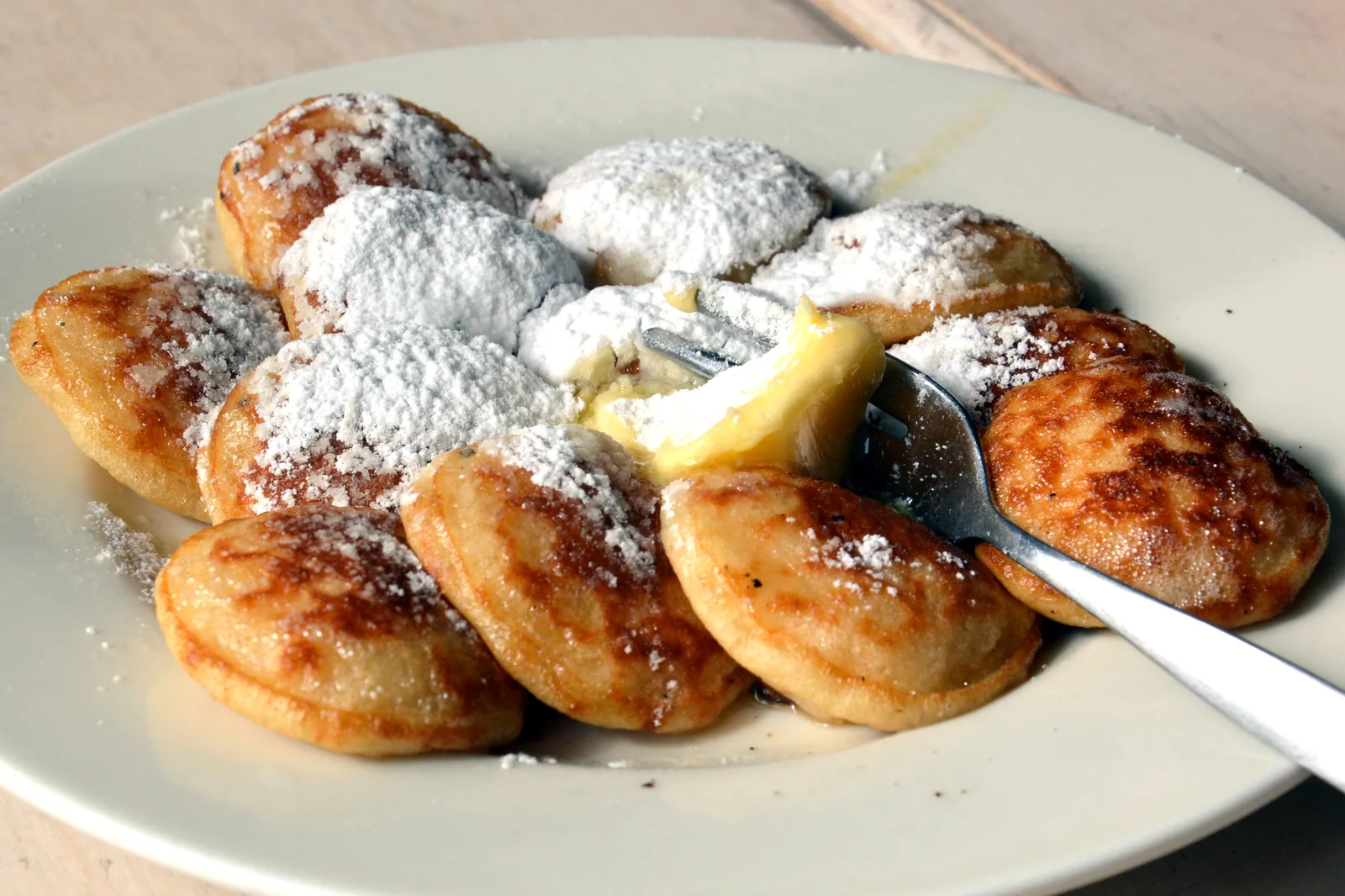
A plate of golden poffertjes dusted with powdered sugar, with melting butter and a fork. Netherlands flag Netherlands 1h 15m
Breakfast •Dutch Market Day Classic

Poffertjes

Poffertjes are the Netherlands' most beloved sweet snack: dozens of tiny, puffy yeast pancakes cooked in a dimpled pan, served hot with melting butter and a snowfall of powdered sugar. One serving is about 195 g, roughly 20 little pancakes.

Sweet Morning Treat

Tiny yeast-raised pancakes, golden outside and soft inside, served with butter and powdered sugar.

Pairs Well With
Serve hot with butter and powdered sugar, and a cup of coffee or hot chocolate.

The Dinner Gazette

Never wonder what’s for dinner again

One email a week with easy dinner ideas from around the world — ingredients, steps and nutrition, tested in our kitchen first.

Delivered every Thursday morning. Unsubscribe anytime.