
Curated recipes from 193 countries  •  New seasonal Mediterranean issue out now

Overview

Syrian Muhammara

Muhammara, Mhammara, Acuka

This muhammara recipe roasts red bell peppers until their skins blacken, then blends the sweet, smoky flesh with toasted walnuts, breadcrumbs, pomegranate molasses, garlic and Aleppo pepper flakes into a thick, rust-red dip. It is served at room temperature with warm pita bread as part of a mezze spread. One serving is about 102 g.

Muhammara comes from Aleppo, Syria, a city on the old Silk Road whose cooks were famous for balancing sweet, sour and heat. The dip is built on the city's red peppers, walnuts and pomegranate molasses, thickened with breadcrumbs — the 1981 Aleppo encyclopedia of Khayr al-Din al-Asadi described it as an appetizer of crumbled ka'ak bread, pomegranate molasses, walnuts, peppers and oil. From Aleppo it spread across the Levant and into western Turkey, where it is known as acuka and served as part of a mezze spread.

Pairs well with: Warm pita bread, olives & a mezze spread

Provenance

Syria flag Syria

Aleppo Heritage

Middle Eastern

Time Dedication

50m

20m prep • 30m cook

Batch Yield

8 Servings

245 kcal per serving

1 serving ≈ 102 g

Technical Skill

Intermediate

Medium (Roasting & Blending)

Meal Timing & Digestive Fit

Breakfast

Not Advised

Lunch

Inappropriate

Dinner

Inappropriate

Snack & Tea

Ideal Light Bite

Occasions: Mezze spreads, family lunches, picnics, grilled-meat dinners, Ramadan tables Cost: Low — about $2–3 per serving at home
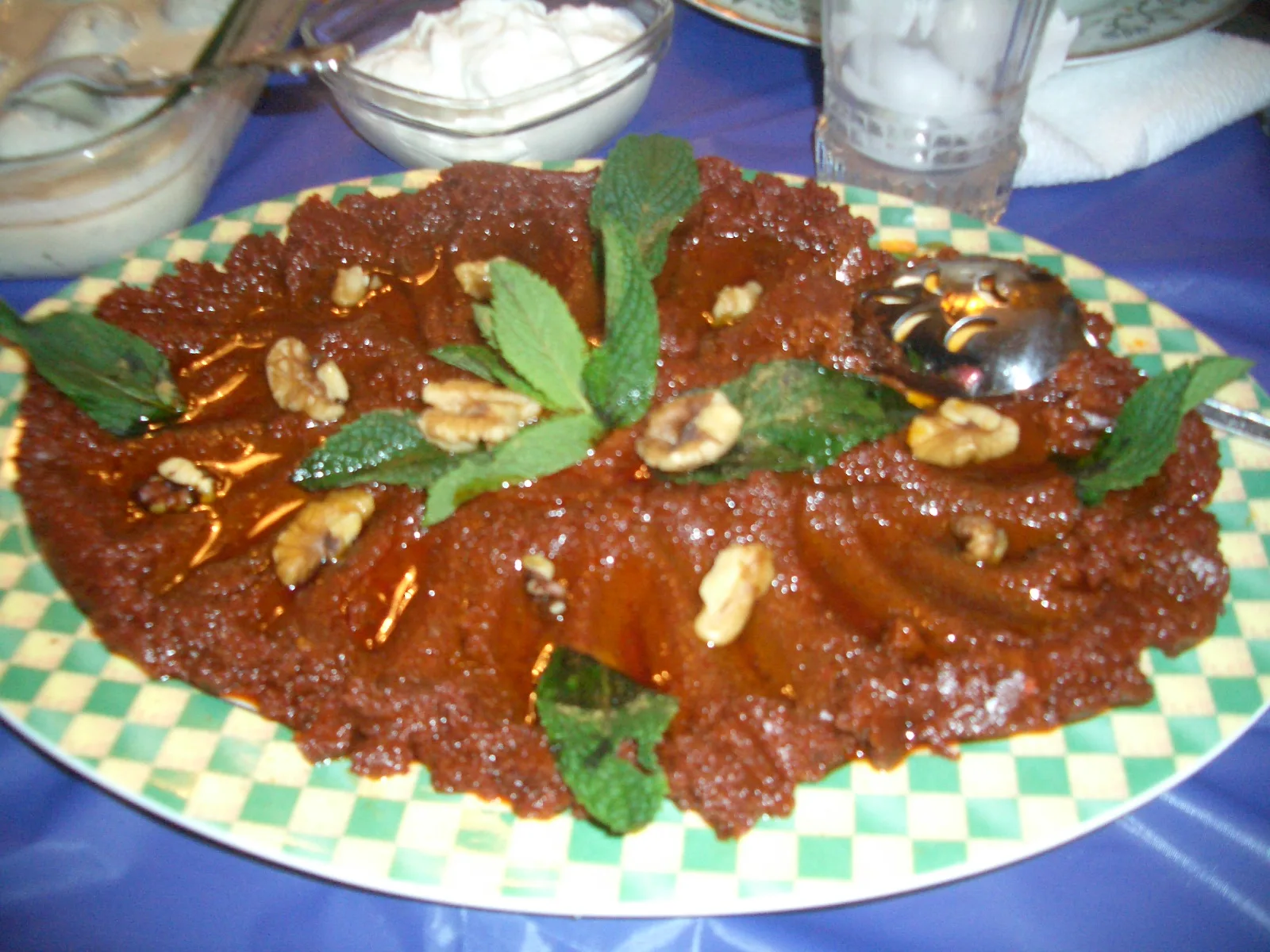
A plate of red muhammara dip garnished with walnut halves and fresh mint leaves, drizzled with olive oil

Aleppo Heritage

Photo: Bazel, Public domain, via Wikimedia Commons

The Heritage Formulary

Measured Ingredients

Estimated cost: Low — about $2–3 per serving at home (USD)

Made the Aleppo way: red peppers roasted until blackened and peeled by hand, walnuts toasted, and the dip blended thick and slightly chunky with pomegranate molasses.

Execution Methodology & Culinary Technique

Step-by-Step Cooking Guide

Active 50m
P

Prep Stage: Roast the Peppers

25 Mins • Roasting

Roast the peppers whole at 220°C (430°F) until their skins blacken and blister, then seal them in a bowl under a plate for 10 minutes — the steam loosens the skins so they peel off in sheets. While the peppers cool, toast the walnuts and breadcrumbs in a dry pan until fragrant.

Maestro Tip: Do not rinse the peeled peppers under water — you would wash away the smoky flavour the roasting built up.

  1. 1

    Roast the Peppers

    25 Mins 220°C (430°F)

    Put the whole red peppers on a baking tray and roast for about 25 minutes, turning once, until the skins are blackened and blistered all over and the flesh is soft and collapsing.

    Blackened skin is the point — it is where the smoky flavour comes from.

    Done when: Soft flesh under blackened, blistered skins.

  2. 2

    Steam & Peel

    10 Mins Room temperature

    Seal the hot peppers in a bowl under a plate for 10 minutes, then peel off the skins, pull out the cores and seeds, and keep the soft flesh. You should have about 480g of roasted pepper flesh.

    The steam does the peeling for you — the skins should slip off in sheets.

    Done when: Clean, smoky pepper flesh with no skin or seeds.

  3. 3

    Toast the Walnuts & Breadcrumbs

    5 Mins Medium heat, about 160°C (320°F)

    Toast the walnuts and breadcrumbs together in a dry frying pan over medium heat for about 5 minutes, shaking the pan often, until the walnuts smell nutty and the breadcrumbs turn pale gold. Set aside 15g of walnut halves for garnish.

    Watch the pan closely — walnuts go from toasted to burnt in under a minute.

    Done when: Fragrant walnuts and pale-gold breadcrumbs.

  4. 4

    Blend the Dip

    5 Mins Room temperature

    Put the roasted pepper flesh, toasted walnuts, breadcrumbs, olive oil, pomegranate molasses, garlic, lemon juice, cumin, Aleppo pepper flakes and salt in a food processor and pulse until thick and slightly chunky — not completely smooth.

    Pulse, do not run the processor continuously — a little texture is right for muhammara.

    Done when: A thick, rust-red dip with visible flecks of walnut.

  5. 5

    Taste & Rest

    10 Mins Room temperature

    Taste and adjust: a little more pomegranate molasses if it needs sweetness, a pinch more salt if it tastes flat, or a little more Aleppo pepper for heat. Leave the dip to rest for 10 minutes so the breadcrumbs absorb the moisture and the flavours settle.

    The dip thickens as it rests — if it feels too stiff, loosen it with a spoonful of water or olive oil.

    Done when: A spoonable dip that holds its shape on a spoon.

  6. 6

    Serve

    2 Mins Room temperature

    Spoon the muhammara onto a plate or into a shallow bowl, swirl the top with the back of a spoon, drizzle with a little olive oil, and scatter the reserved walnut halves and mint leaves over it. Serve at room temperature with warm pita bread.

    Muhammara is best at room temperature — the fridge dulls its flavour, so take it out 20 minutes before serving.

    Done when: A glossy red dip, garnished and ready to scoop.

Finishing Touches & Plating

Serve the muhammara at room temperature, swirled on a plate with a drizzle of olive oil, walnut halves and mint on top — it should taste smoky and sweet first, with the pomegranate tartness and Aleppo heat arriving a second later.

Nutritional Physiology & Benefits

Nutrition

Energy

245

kcal / serving

Protein

5g

Complete AA

Carbs

17g

Complex

Fats

19g

Healthy

Per serving (8 servings · 1 serving ≈ 102 g)
Energy245 kcal
Protein5 g
Carbohydrates17 g
Fat19 g
Fibre3.4 g
Sugar7.5 g
Sodium254 mg
Per 100g
Energy240 kcal
Protein4.7 g
Carbohydrates16.7 g
Fat18.3 g
Fibre3.3 g
Sugar7.3 g
Sodium249 mg

Nutrition values are estimated — calculated from USDA FoodData Central values for the listed ingredients.

Vitamins & minerals: Red peppers supply vitamin C and vitamin A, walnuts add vitamin E and magnesium, and garlic adds manganese and vitamin B6. All nutrition values are estimated.

Vitamin C & A from Peppers

Roasted red peppers are a strong source of vitamins C and A, and the dip is built on vegetables rather than cream or cheese.

Walnuts for Healthy Fats

Walnuts supply plant-based omega-3 fats and add the dip's satisfying, creamy crunch.

Fibre from Peppers & Walnuts

About 3.4 g of fibre a serving comes from the peppers, walnuts and breadcrumbs.

Food Pairings

What to Eat With

To optimize nutrient absorption and elevate the sensory depth, pair with these authentic accompaniments:

Sides

Warm Pita Bread

Soft, warm pita is the classic scoop — its mild flavour lets the smoky, sweet-tart dip shine.

Olives & Pickles

Salty olives and sharp pickles cut through the dip's richness and refresh the palate between scoops.

Grilled Halloumi

Salty, squeaky grilled halloumi pairs well with muhammara — the dip's acidity balances the cheese's salt.

Kebab & Grilled Meat

Muhammara is served as a sauce for kebabs and grilled meat across the Levant — its sweetness and acidity cut the fat.

Drinks

Mint Tea

Hot mint tea cools the Aleppo pepper heat and matches the mint garnish on the dip.

Complete menu

Serve the muhammara with warm pita bread, olives and pickles, grilled halloumi and a green salad, with mint tea to drink.

Digestive Guardrails

What NOT to Combine

To prevent digestive distress, sluggishness, or palate clash, avoid pairing the dish with these elements:

Rinsing the Peppers

Rinsing peeled peppers under water washes away the smoky flavour — peel them dry. This is general food information, not medical advice.

Blending It Completely Smooth

Muhammara should be thick and a little chunky; a totally smooth puree loses its character and the walnut crunch. This is general food information, not medical advice.

Skipping the Pomegranate Molasses

The molasses is what makes muhammara taste like muhammara — without its sweet-tart note the dip tastes like plain roasted pepper puree. This is general food information, not medical advice.

General information only, not medical advice — consult a doctor for personal dietary decisions.

Who Should Eat It

Who Should Eat

  • General adultsA versatile mezze dip — about 245 kcal a serving, best spread on warm pita or served with grilled meat.
  • ChildrenMild if the Aleppo pepper is halved; children usually like it spread on pita with cheese.
  • ElderlySoft and easy to eat; the roasted peppers are gentle and the dip needs no chewing effort beyond the walnuts.
  • Pregnant womenFine as a dip; all ingredients are cooked or pantry staples. Ask your clinician about portions.
  • Breastfeeding womenA flavourful addition to meals; the walnuts and olive oil add healthy fats.
  • AthletesA tasty way to add flavour and healthy fats to a meal; pair it with bread and grilled meat for a fuller meal.
  • Weight gainSpread it thickly on pita with halloumi or grilled meat for an easy energy boost.
  • Weight lossA good choice — big flavour for about 245 kcal; scoop it with cucumber and carrot sticks instead of bread to keep portions light.

Health Conditions — Adjust or Avoid

Conditions

  • DiabetesModerate in carbohydrate as written, with natural sugars from peppers and pomegranate molasses — watch portions and the bread you spread it on. Ask your clinician.
  • High blood pressureModest in sodium as written; skip added salt and choose low-sodium bread. Ask your clinician.
  • Kidney diseaseWalnuts and peppers add potassium and phosphorus; ask your clinician about portions.
  • GoutLow in purines as written — a gentle choice. Ask your clinician.
  • Stomach issuesRoasted peppers and chilli flakes can irritate a sensitive stomach; eat a small amount first. Ask your clinician.
  • Cardiovascular diseaseBuilt on vegetables, walnuts and olive oil, with no saturated fat from animal sources — a good choice as written. Ask your clinician.
  • Fatty liverVegetable- and nut-based with healthy fats; keep portions moderate. Ask your clinician.
  • Food allergiesContains tree nuts (walnuts) and wheat (breadcrumbs) — the two main allergens in this dish. Contains nightshade vegetables (peppers). Use gluten-free breadcrumbs for a gluten-free version.
  • Special therapeutic dietsSuitable for vegetarian and vegan diets; use gluten-free breadcrumbs for gluten-free diets.

If you have a medical condition, consult your doctor before changing your diet.

Storage & Use

Storage & Use

How to store
Spoon into a clean container, press cling film onto the surface and seal with a lid.
In the fridge
Keeps 5 days in the fridge at 4°C (40°F) or below.
In the freezer
Up to 3 months; freeze in small portions.
How to reheat
Serve at room temperature — no reheating needed; if frozen, thaw in the fridge overnight and bring to room temperature before serving. If reheating any leftover dip, heat to 74°C (165°F).
Freezing recommended
Yes — it freezes well in small tubs, though the texture softens slightly.
Signs it has spoiled
Mould on the surface, a sour or fizzy smell, or a sharp off taste.

More recipes to explore

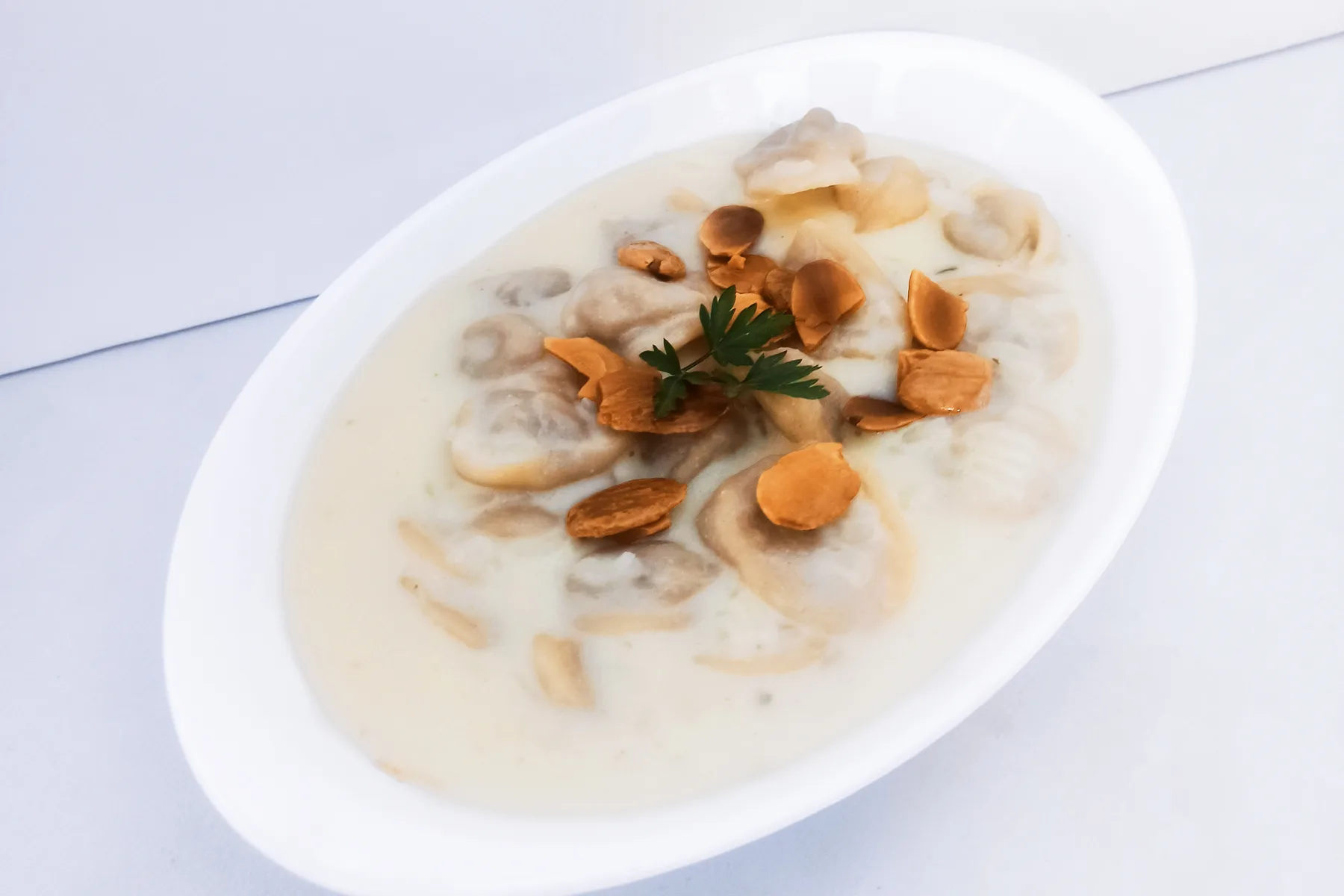
A white bowl of shish barak dumplings in creamy yogurt sauce, topped with toasted almonds and parsley Syria flag Syria 1h 55m
Dinner •Damascus Family Table

Shish Barak

This shish barak recipe folds spiced beef and pine nuts into little dough parcels, then simmers them gently in a tangy garlic yogurt sauce until they float to the top. One serving is about 450 g.

Comfort & Warmth

Tiny beef dumplings simmered in a warm garlic yogurt sauce, finished with toasted almonds and parsley.

Pairs Well With
Rice pilaf, warm flatbread and a cucumber salad
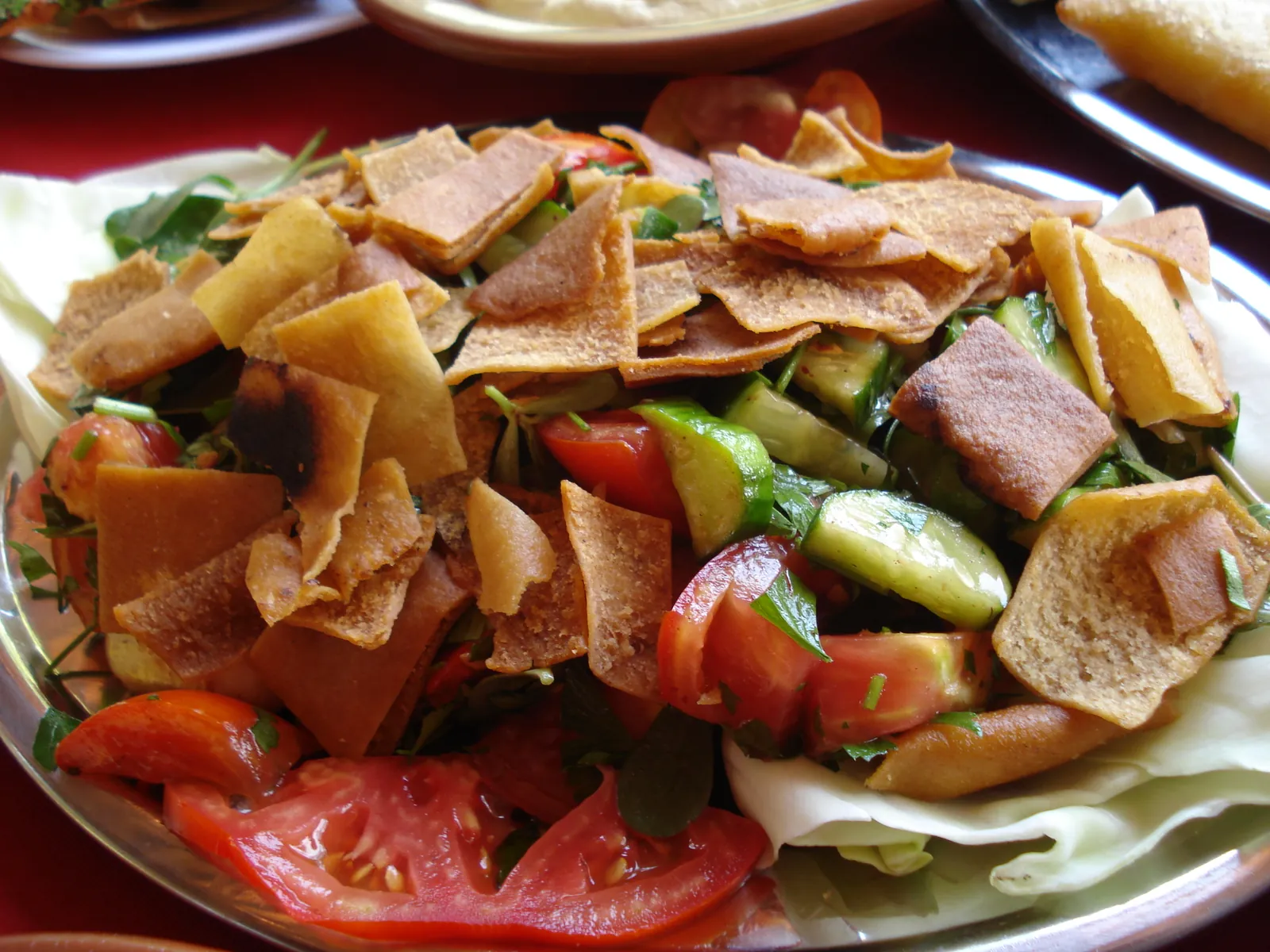
A plate of Syrian fattoush salad with crisp toasted pita chips, tomato wedges, cucumber, radish and fresh herbs Syria flag Syria 30m
Lunch •Syrian Heritage

Syrian Fattoush

This fattoush recipe turns toasted pita, ripe tomatoes, cucumber, radishes and fresh herbs into Syria's bright bread salad, dressed with lemon juice, olive oil, sumac and a spoonful of pomegranate molasses. The pita goes on at the last minute, so every bite keeps its crunch. One serving is about 288 g.

Fresh & Light

A crisp vegetable salad with toasted pita and a sour lemon-sumac dressing, light enough for a hot midday meal.

Pairs Well With
Grilled chicken skewers or a bowl of lentil soup, with warm pita on the side.
Quick Prep (<30m)
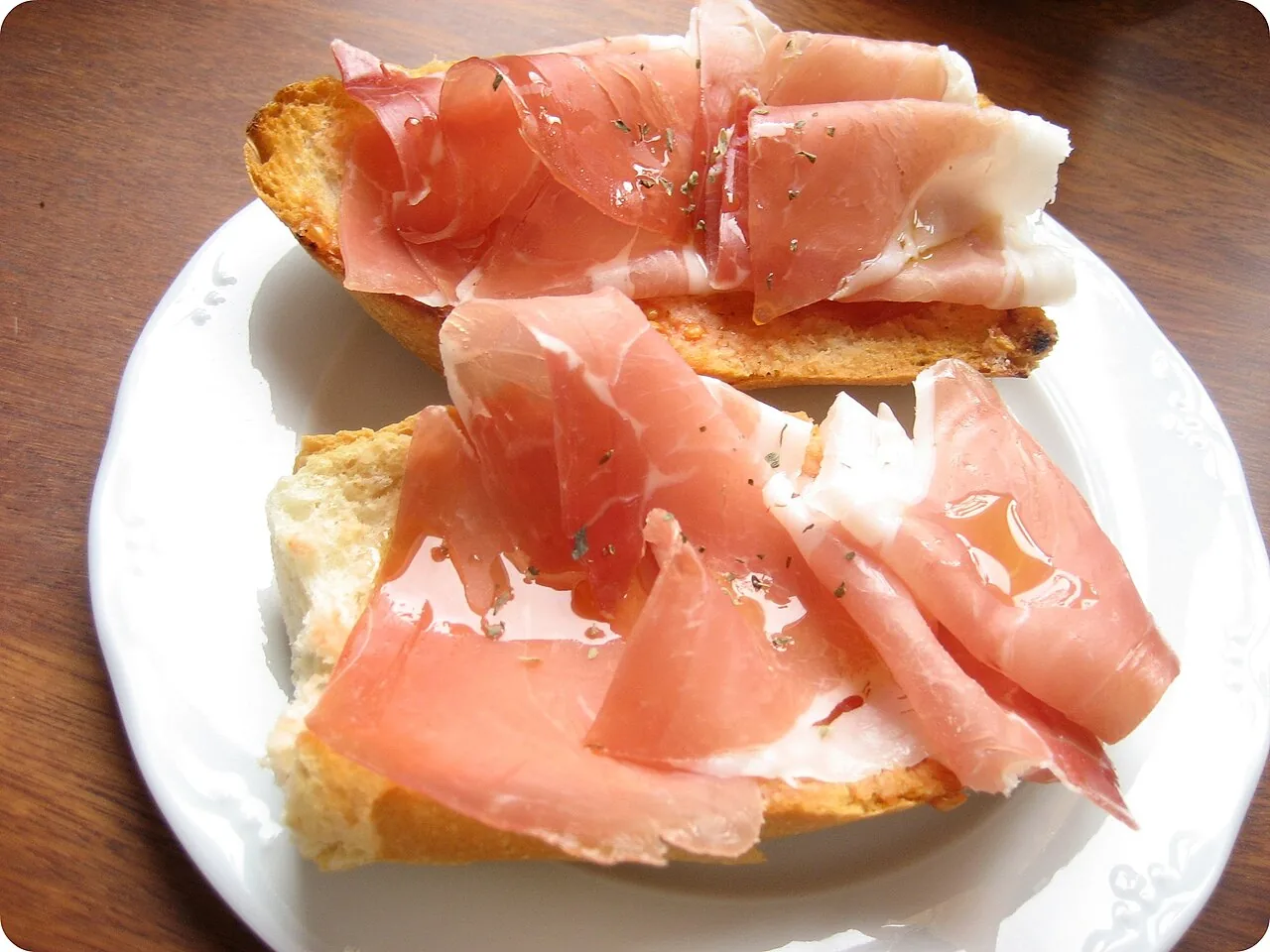
Pan con tomate with jamón ibérico on toasted bread Spain flag Spain 15m
Snack & Tea •Catalan Aperitivo

Pan con Tomate & Jamón Ibérico

Country bread rubbed with ripe Ramallet tomato, drizzled with cold-pressed Arbequina olive oil and topped with jamón ibérico.

Vascular Health

Toasted tomato bread with jamón ibérico, olive oil and olives.

Pairs Well With
Castelvetrano Olives & Sparkling Mineral Water
Quick Prep (<30m)
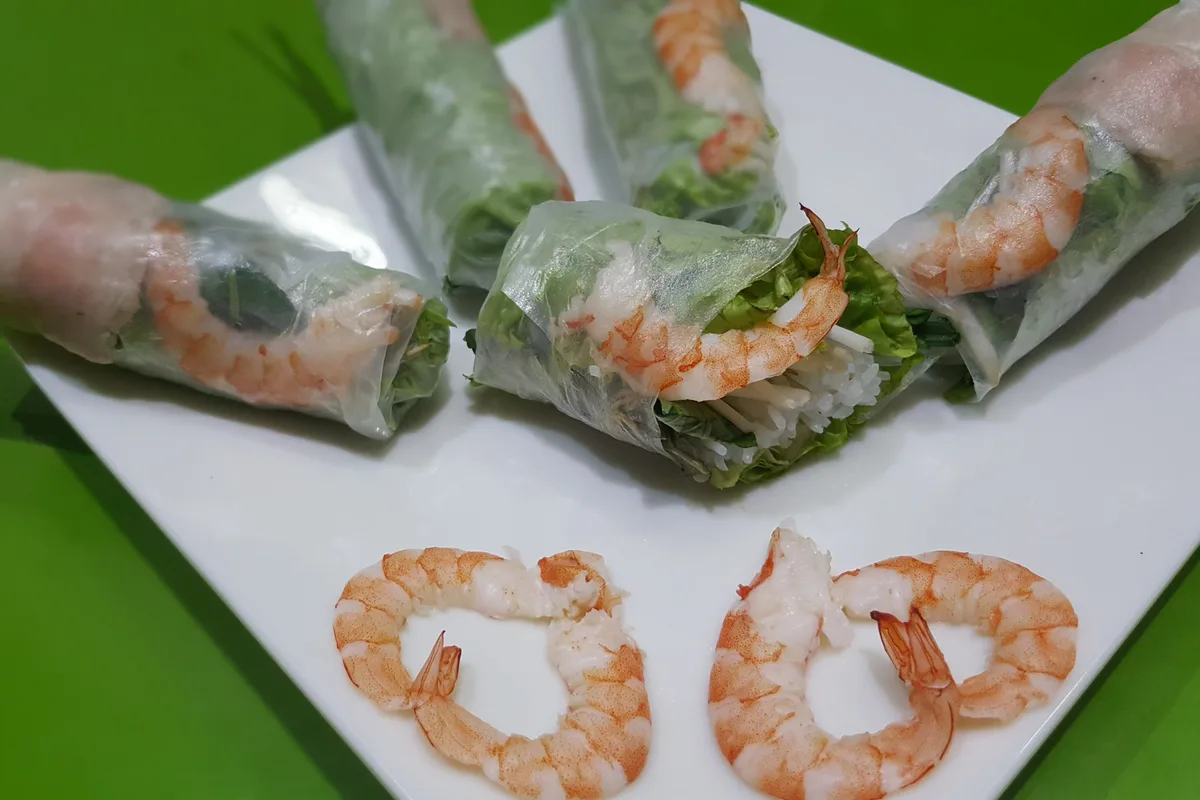
Gỏi cuốn — Vietnamese fresh spring rolls with prawn and pork Vietnam flag Vietnam 1h 5m
Snack & Tea •Saigon Refresh

Gỏi Cuốn Tôm Thịt

Fresh rice paper rolls filled with poached prawns, tender pork, rice vermicelli, lettuce, herbs and carrot, served with a peanut dipping sauce.

Light Digestion

Nothing is fried, so the rolls stay light and fresh — a cool, herb-filled snack for hot days.

Pairs Well With
Artisanal Peanut Dip & Fresh Lotus Root Water
High Protein

The Dinner Gazette

Never wonder what’s for dinner again

One email a week with easy dinner ideas from around the world — ingredients, steps and nutrition, tested in our kitchen first.

Delivered every Thursday morning. Unsubscribe anytime.