Curated recipes from 193 countries  •  New seasonal Mediterranean issue out now

Overview

Shish Barak

Shushbarak, Sheeshburak, Meat Dumplings in Yogurt Sauce

This shish barak recipe folds spiced beef and pine nuts into little dough parcels, then simmers them gently in a tangy garlic yogurt sauce until they float to the top. One serving is about 450 g.

Shish barak is one of the oldest dumplings of the Levant — the earliest known written version appears in Kitab al-Tibakha, a 15th-century Arabic cookbook from Damascus. Its name comes from joshpara, an older Central Asian dumpling, but the Levantine version took its own path: the little beef parcels are cooked in a warm yogurt sauce instead of broth. In Syria the dish is a family project, with everyone gathered around the table to fold dozens of tiny dumplings, and it is quite different from its steamed and fried cousins — Afghan mantu, Mongolian buuz and khuushuur, and Nepalese momo are steamed or fried and served with sauce on the side, while shish barak is simmered in the yogurt itself, which is what gives it its soft texture and tangy flavour.

Pairs well with: Rice pilaf, warm flatbread and a cucumber salad

Provenance

Syria flag Syria

Damascus Family Table

Middle Eastern

Time Dedication

1h 55m

75m prep • 40m cook

Batch Yield

4 Servings

706 kcal per serving

1 serving ≈ 450 g

Technical Skill

Advanced

Advanced (Hand-Folded)

Meal Timing & Digestive Fit

Breakfast

Not Advised

Lunch

Hearty Midday Main

Dinner

Ideal Hearty Main

Snack & Tea

Inappropriate

Occasions: Family gatherings, weekend cooking project, Ramadan dinners Cost: Low — about $3–4 per serving at home
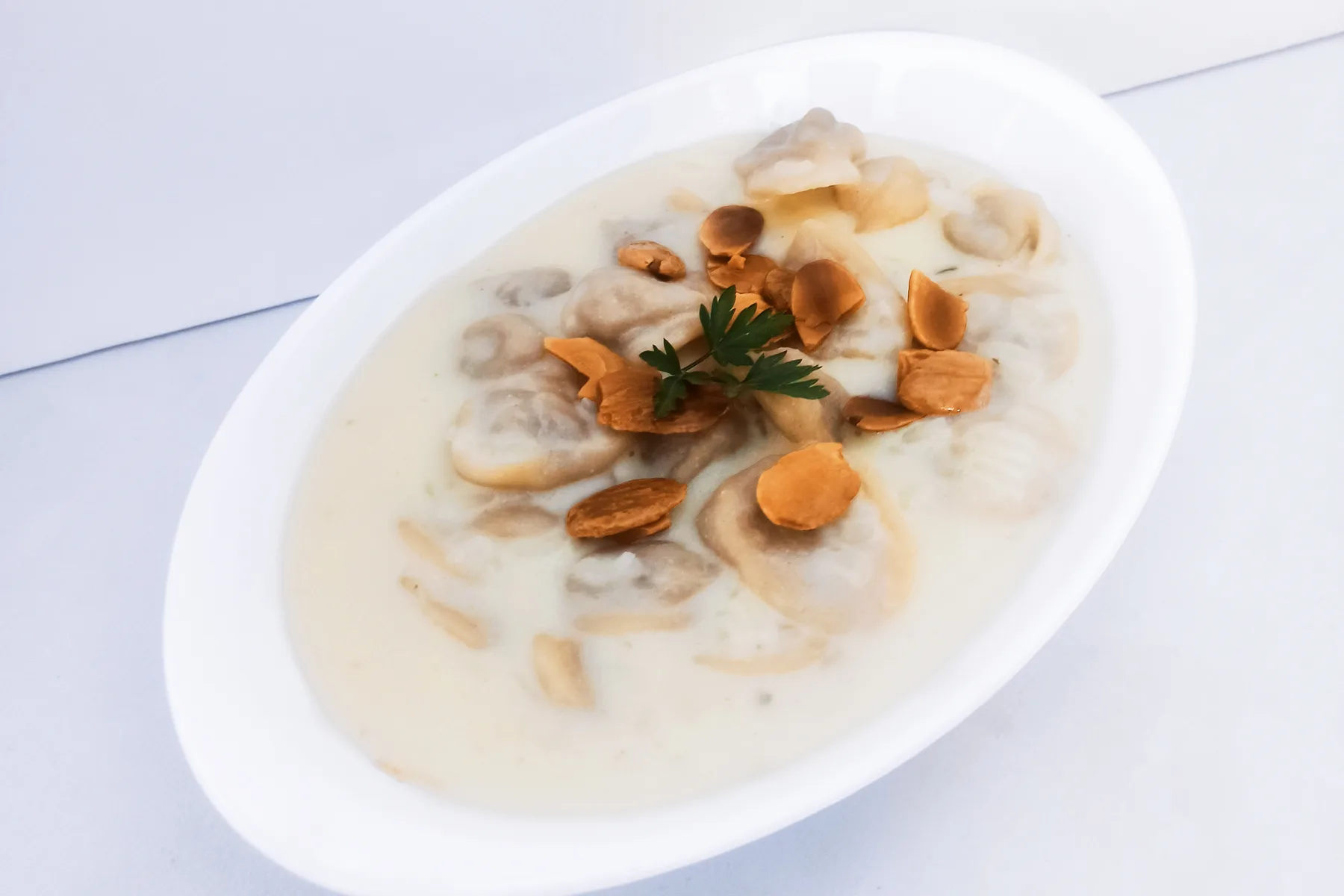
A white bowl of shish barak dumplings in creamy yogurt sauce, topped with toasted almonds and parsley

Damascus Family Table

Photo: Aseel zm, CC BY-SA 4.0, via Wikimedia Commons

The Heritage Formulary

Measured Ingredients

Estimated cost: Low — about $3–4 per serving at home (USD)

Good shish barak has thin, tender dough, a juicy spiced beef filling, and a smooth yogurt sauce that never splits.

Execution Methodology & Culinary Technique

Step-by-Step Cooking Guide

Active 1h 55m
P

Prep Stage: Make the Dough and the Beef Filling

75 Mins • Kneading & Folding

Knead the flour, water and a pinch of salt into a smooth, firm dough and rest it for 30 minutes. Meanwhile cook the beef with onion, olive oil and spices until browned and dry, then stir in the pine nuts and parsley and leave it to cool. Roll the dough out very thin, cut it into 4 cm circles, and fill and pinch each one into a little hat shape.

Maestro Tip: Roll the dough paper-thin — thick dough turns chewy once it simmers in the yogurt.

  1. 1

    Make and Rest the Dough

    40 Mins Room temperature, ~22°C (72°F)

    Mix the flour with 2 g of salt, then add the lukewarm water a little at a time, kneading for 8–10 minutes until the dough is smooth and firm. Cover and rest for 30 minutes.

    A firm dough rolls thinner and holds its shape — it should feel like a stiff earlobe.

    Done when: The dough is smooth, springs back when pressed, and no longer sticks.

  2. 2

    Cook the Beef Filling

    15 Mins Medium-high heat, ~190°C (375°F)

    Heat 10 ml of the olive oil in a pan, fry the onion for 3 minutes until soft, then add the beef, spices and 2 g of salt. Cook for 5–7 minutes, breaking the meat up, until browned and all liquid has evaporated. Stir in the pine nuts and 10 g of the parsley, then leave the filling to cool completely.

    The filling must be dry and cool — wet or hot filling tears the thin dough.

    Done when: The beef is browned, crumbly and dry; no pink remains and the meat reaches 71°C (160°F).

  3. 3

    Fill and Fold the Dumplings

    35 Mins Room temperature, ~22°C (72°F)

    Roll the rested dough out very thin, about 2 mm, and cut it into 4 cm circles. Place about half a teaspoon of cooled filling in the centre of each circle, fold it over into a half-moon and pinch the edges firmly shut, then bring the two corners together and pinch them to form a little hat shape. You should get about 40 dumplings.

    Keep the filling small — overfilled dumplings burst in the yogurt sauce.

    Done when: Each dumpling is sealed tight with no filling showing.

  4. 4

    Make the Garlic Yogurt Sauce

    15 Mins Medium-low heat, ~80°C (175°F)

    Whisk the cornstarch into the cold water until smooth, then whisk it into the yogurt in a large pot with the garlic, dried mint and the remaining 2 g of salt. Set the pot over medium-low heat and stir constantly with a wooden spoon until the sauce just reaches a gentle simmer — never let it boil hard, or it will split.

    Stir in one direction and do not stop — constant stirring is what keeps the yogurt smooth.

    Done when: The sauce is thick, glossy and smooth, steaming gently with no curds.

  5. 5

    Simmer the Dumplings in the Yogurt

    10 Mins Gentle simmer, ~85°C (185°F)

    Gently lower the dumplings into the simmering yogurt sauce, keeping them separate so they do not stick together. Simmer for 8–10 minutes, stirring very gently now and then, until the dumplings float to the top and the dough is tender. The beef inside must reach 71°C (160°F).

    This is what makes shish barak different from steamed dumplings like mantu, buuz and momo — the dumplings cook in the yogurt itself, soaking up its tang.

    Done when: The dumplings float, the dough is tender and slightly translucent, and the sauce coats a spoon.

  6. 6

    Serve with Almonds and Parsley

    5 Mins Serve hot, ~70°C (158°F)

    Ladle the hot dumplings and yogurt sauce into deep bowls, drizzle with the remaining 10 ml of olive oil, and scatter over the toasted almonds and the remaining parsley. Serve at once.

    Serve immediately — the dumplings keep soaking up sauce and the dough softens as it sits.

    Done when: The bowls are steaming, creamy white with golden almonds and green parsley on top.

Finishing Touches & Plating

Ladle the hot dumplings and yogurt sauce into deep bowls, scatter over the toasted almonds and parsley, and serve at once with rice pilaf or warm flatbread for scooping up the sauce.

Nutritional Physiology & Benefits

Nutrition

Energy

706

kcal / serving

Protein

35g

Complete AA

Carbs

77g

Complex

Fats

28g

Healthy

Per serving (4 servings · 1 serving ≈ 450 g)
Energy706 kcal
Protein35 g
Carbohydrates77 g
Fat28 g
Fibre4.0 g
Sugar11.0 g
Sodium737 mg
Per 100g
Energy157 kcal
Protein7.8 g
Carbohydrates17.1 g
Fat6.3 g
Fibre0.9 g
Sugar2.5 g
Sodium164 mg

Nutrition values are estimated — calculated from USDA FoodData Central values for the listed ingredients.

Vitamins & minerals: Iron and zinc (beef), calcium (yoghurt), vitamin E (almonds and pine nuts), vitamin K (parsley).

High in Protein

Beef, yoghurt and nuts together give about 35 g of protein per serving — a meal that genuinely fills you up.

Yoghurt, Not Cream

The sauce gets its richness from plain yoghurt, which also adds calcium, rather than from cream or butter.

Nuts and Herbs on Top

Toasted almonds and fresh parsley add crunch, healthy fats and a fresh finish to the warm, tangy sauce.

Food Pairings

What to Eat With

To optimize nutrient absorption and elevate the sensory depth, pair with these authentic accompaniments:

Sides

Rice Pilaf

Fluffy rice soaks up the warm yogurt sauce, and in Syria shish barak is very often served over a bed of it.

Warm Flatbread

Soft flatbread is for scooping — the yogurt sauce is far too good to leave in the bowl.

Vegetables

Cucumber and Tomato Salad

A crisp, sharp salad cuts through the rich beef and creamy sauce and keeps the plate feeling fresh.

Drinks

Mint Tea

Hot mint tea after a rich, warm bowl is the Levantine way to finish — it settles the stomach.

Full Menus

As Part of a Levantine Spread

Serve shish barak beside fattoush and hummus at a family gathering — the three dishes are a classic Levantine trio.

Complete menu

Serve the shish barak over rice pilaf with a cucumber and tomato salad and warm flatbread, and finish with hot mint tea.

Digestive Guardrails

What NOT to Combine

To prevent digestive distress, sluggishness, or palate clash, avoid pairing the dish with these elements:

Boiling the Yogurt Sauce Hard

A hard boil splits yogurt into grainy curds and whey. Keep the sauce at a gentle simmer and stir constantly. This is general guidance, not medical advice.

A Heavy Tomato Sauce on the Side

The yogurt sauce is the whole point of the dish — a strong tomato sauce would fight its tang and hide the delicate dumplings.

General information only, not medical advice — consult a doctor for personal dietary decisions.

Who Should Eat It

Who Should Eat

  • General adultsA complete, high-protein dinner — best shared at the table, made together.
  • ChildrenSuitable from age 3+; the dumplings are soft and the filling is mild. Skip the extra chilli and cut the dumplings in half for small children.
  • ElderlyVery suitable — soft, warm and easy to chew; serve the dumplings cut open if needed.
  • Pregnant womenGenerally suitable; the beef and yoghurt add iron and calcium. Make sure the beef filling is cooked right through.
  • Breastfeeding womenGenerally suitable; the protein and calcium support recovery — eat a satisfying portion.
  • AthletesAn excellent post-training meal: high in protein with slow carbs from the dough and rice.
  • Weight gainA good choice — take a generous second helping and plenty of rice pilaf.
  • Weight lossFilling for its calories — keep the dumpling portion modest and load up on salad.

Health Conditions — Adjust or Avoid

Conditions

  • DiabetesThe dough and rice are the main carb sources — keep the dumplings to about 10–12 per serving and ask your clinician about portion size.
  • High blood pressureMost of the sodium comes from added salt; use less salt in the sauce and ask your clinician about a suitable portion.
  • Kidney diseaseLimit the portion — the dish is rich in protein and potassium; ask your clinician about portion size.
  • GoutEat occasionally and in smaller portions — beef is moderately high in purines.
  • Stomach issuesUsually gentle, but onion, garlic and spices can irritate a sensitive stomach — use them sparingly.
  • Cardiovascular diseaseA reasonable choice — the sauce is yoghurt-based, not cream-based; keep the nuts to a small handful and ask your clinician if unsure.
  • Fatty liverKeep the portion modest and favour the salad over extra dumplings and rice.
  • Food allergiesContains wheat (dough), dairy (yoghurt) and tree nuts (pine nuts and almonds). Not suitable for coeliac disease, dairy allergy or nut allergy.
  • Special therapeutic dietsIf you follow a prescribed low-sodium diet, use less salt and check with your clinician.

If you have a medical condition, consult your doctor before changing your diet.

Storage & Use

Storage & Use

How to store
Cool quickly; store dumplings in their sauce in an airtight container.
In the fridge
2 days; the dough softens further on standing.
In the freezer
Uncooked filled dumplings 2 months; cooked dumplings in sauce do not freeze well.
How to reheat
Warm gently in a pan over low heat, stirring, until hot through; reheat to 74°C (165°F). Do not boil or the yogurt will split.
Freezing recommended
Yes — freeze the filled, uncooked dumplings on a tray, then bag them.
Signs it has spoiled
Sour smell beyond the yogurt tang, slimy dough, or mould.

More recipes to explore

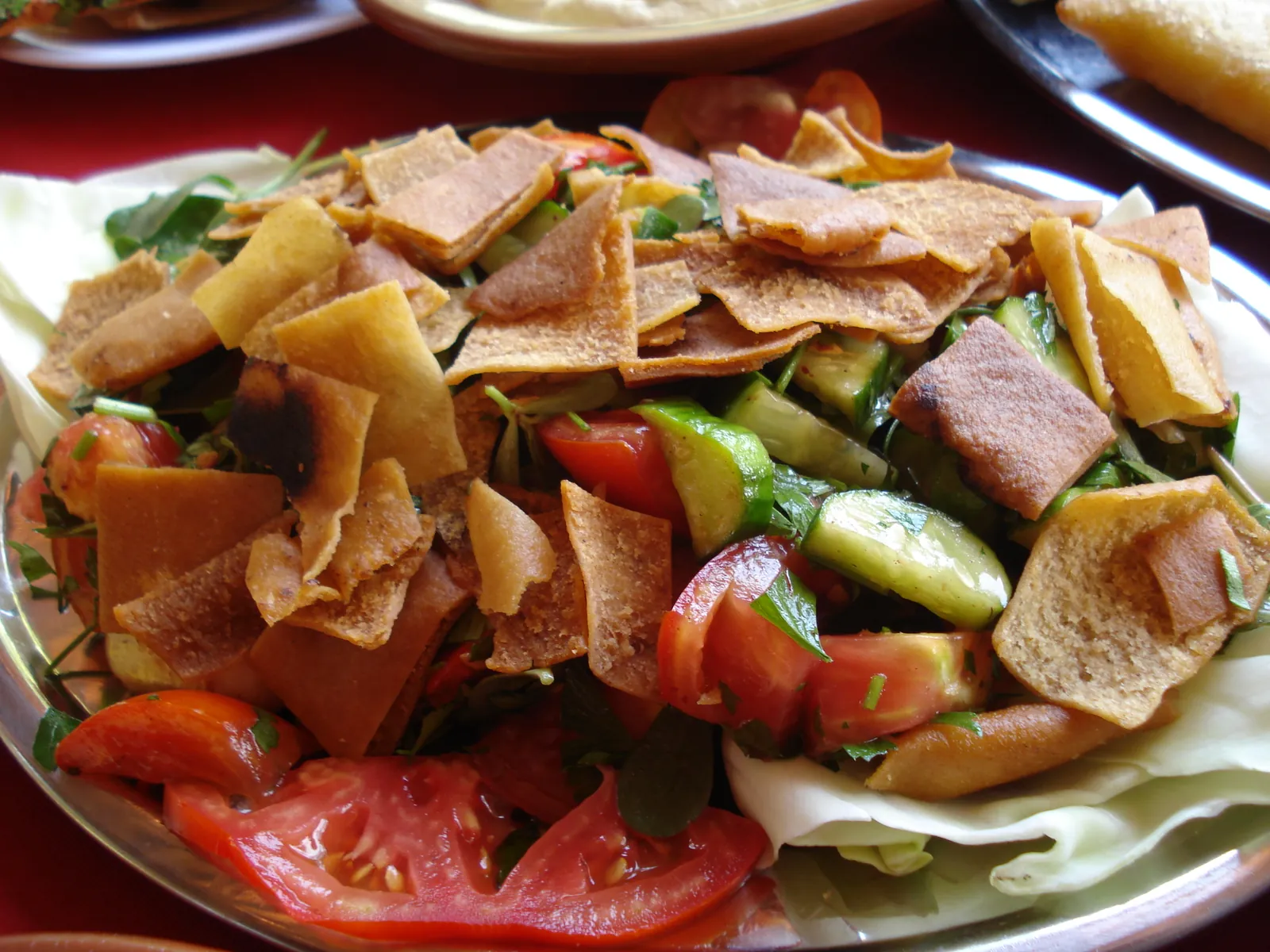
A plate of Syrian fattoush salad with crisp toasted pita chips, tomato wedges, cucumber, radish and fresh herbs Syria flag Syria 30m
Lunch •Syrian Heritage

Syrian Fattoush

This fattoush recipe turns toasted pita, ripe tomatoes, cucumber, radishes and fresh herbs into Syria's bright bread salad, dressed with lemon juice, olive oil, sumac and a spoonful of pomegranate molasses. The pita goes on at the last minute, so every bite keeps its crunch. One serving is about 288 g.

Fresh & Light

A crisp vegetable salad with toasted pita and a sour lemon-sumac dressing, light enough for a hot midday meal.

Pairs Well With
Grilled chicken skewers or a bowl of lentil soup, with warm pita on the side.
Quick Prep (<30m)
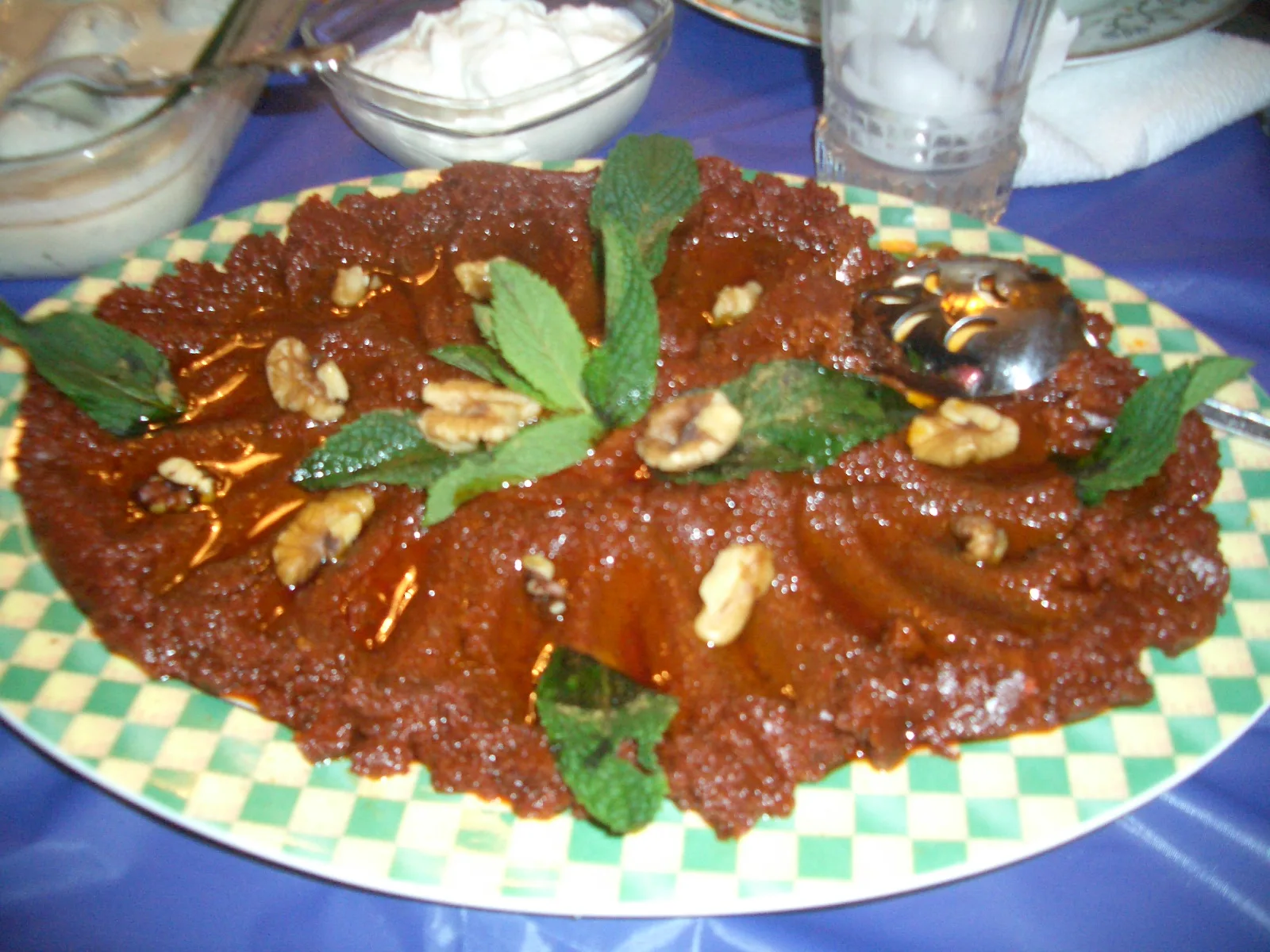
A plate of red muhammara dip garnished with walnut halves and fresh mint leaves, drizzled with olive oil Syria flag Syria 50m
Snack & Tea •Aleppo Heritage

Syrian Muhammara

This muhammara recipe roasts red bell peppers until their skins blacken, then blends the sweet, smoky flesh with toasted walnuts, breadcrumbs, pomegranate molasses, garlic and Aleppo pepper flakes into a thick, rust-red dip. It is served at room temperature with warm pita bread as part of a mezze spread. One serving is about 102 g.

Comfort & Warmth

A smoky roasted red pepper and walnut dip, sweetened with pomegranate molasses and warmed with Aleppo pepper.

Pairs Well With
Warm pita bread, olives & a mezze spread
Bœuf bourguignon — French beef braised in red wine France flag France 4h
Dinner •Burgundy Terroir

Bœuf Bourguignon

Beef braised gently in red wine until the connective tissue melts into a velvet, gelatin-rich sauce — the classic Burgundy Sunday dinner.

Cellular Repair

Beef braised in red wine until spoon-tender, with mushrooms and pearl onions.

Pairs Well With
Parsnip Purée & Steamed French Haricots Verts
High Protein
Vietnamese braised pork belly with golden eggs in caramel sauce Vietnam flag Vietnam 1h 45m
Dinner •One Pot

Vietnamese Braised Pork and Eggs

Pork belly slowly braised in coconut water and caramel until meltingly tender, with golden eggs that soak up the sweet-savoury sauce — the Vietnamese family dish that tastes better the next day.

Comfort & Sustained Energy

Slow-braised pork belly and eggs in coconut water and caramel.

Pairs Well With
Steamed rice & pickled mustard greens
High Protein

The Dinner Gazette

Never wonder what’s for dinner again

One email a week with easy dinner ideas from around the world — ingredients, steps and nutrition, tested in our kitchen first.

Delivered every Thursday morning. Unsubscribe anytime.