Curated recipes from 193 countries  •  New seasonal Mediterranean issue out now

Overview

Tanzanian Pilau

Swahili Chicken Pilau

This tanzanian pilau recipe is the Swahili coast's celebration rice: long-grain basmati steamed in one pot with tender chicken, dark sweet onions and five whole spices — black peppercorns, cloves, cardamom, cinnamon and cumin — bloomed in oil with garlic, ginger and green chilli. The chicken simmers in its own spiced broth first, so every grain of rice carries the flavour, and the pot is served with cool kachumbari and hot pilipili. One serving is about 325 g.

Pilau reached the Swahili coast of Tanzania with the Arab and Indian traders who sailed the monsoon winds to ports like Zanzibar and Dar es Salaam, bringing rice, cloves, cardamom and cumin with them. Zanzibar became known as the Spice Island, and its five coastal spices — whole black peppercorns, cloves, cardamom, cinnamon and cumin — became the heart of Tanzanian pilau masala. Over centuries the dish became the coast's celebration rice, cooked in one pot for weddings, Eid and family gatherings. Unlike biryani, where rice and meat are cooked separately and layered, in pilau the rice and meat cook together in the spiced broth, so every grain carries the flavour.

Pairs well with: Kachumbari, pilipili ya kukaanga & hot chai

Provenance

Tanzania flag Tanzania

Swahili Coast Heritage

African Heritage

Time Dedication

1h 20m

20m prep • 60m cook

Batch Yield

6 Servings

635 kcal per serving

1 serving ≈ 325 g

Technical Skill

Intermediate

Intermediate (One Pot)

Meal Timing & Digestive Fit

Breakfast

Not Advised

Lunch

Hearty Midday Main

Dinner

Ideal Hearty Main

Snack & Tea

Inappropriate

High Protein Occasions: Celebrations, family gatherings, Eid, Sunday lunch, parties Cost: Low — about $3–4 per serving at home
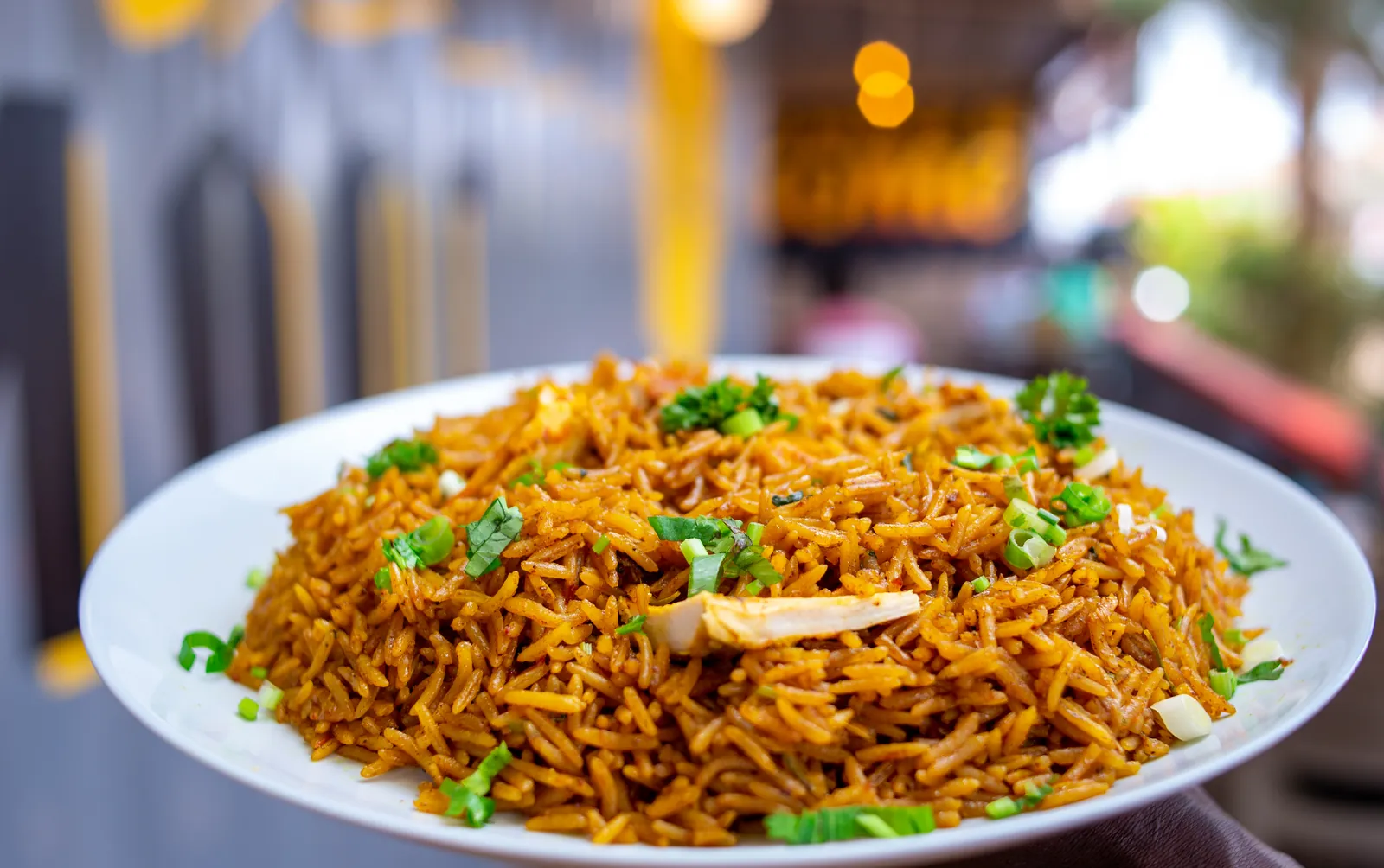
A plate of East African pilau rice with chicken, garnished with chopped herbs

Swahili Coast Heritage

Photo: Jameswasswa, CC BY-SA 4.0, via Wikimedia Commons

The Heritage Formulary

Measured Ingredients

Estimated cost: Low — about $3–4 per serving at home (USD)

A true Tanzanian pilau is judged by its grains: separate, fluffy and fragrant, with dark sweet onions and warm whole spice in every bite.

Execution Methodology & Culinary Technique

Step-by-Step Cooking Guide

Active 1h 20m
P

Prep Stage: Wash, Soak & Slice

20 Mins • Knife Work

Wash the basmati in several changes of cold water until the water runs clear, then soak it for 15 minutes and drain. Cut the chicken thighs into large even chunks, slice the onions thinly, mince the garlic, grate the ginger, and slit the chillies. Measure the oil, ghee, whole spices and salt so everything is within reach.

Maestro Tip: Washing the rice until the water runs clear is what keeps the grains separate instead of sticky.

  1. 1

    Brown the Chicken

    10 Mins Medium-high heat, ~190°C (375°F)

    Heat half the oil and the ghee in a heavy pot (sufuria) over medium-high heat. Add the chicken chunks in a single layer and brown them for 8–10 minutes, turning once, until golden on the outside. Lift the chicken out onto a plate; it will finish cooking later in the rice.

    Do not crowd the pot — brown in two batches if needed, so the chicken sears instead of steaming.

    Done when: Chicken is golden brown on the outside; the centre is still pink and will finish in the pot.

  2. 2

    Brown the Onions & Bloom the Spices

    10 Mins Medium heat, ~170°C (340°F)

    Add the remaining oil to the same pot. Fry the sliced onions, stirring often, for 6–8 minutes until they are deep golden brown — darker than you think, but not burnt. Add the garlic, ginger and all the whole pilau spices and stir for 30 seconds until the spices smell warm and fragrant.

    Dark, sweet onions are the soul of pilau colour and flavour — pale onions make pale, bland pilau.

    Done when: Onions are deep golden brown; the spices smell warm and toasty.

  3. 3

    Simmer the Chicken in Spiced Broth

    15 Mins Gentle simmer, ~95°C (203°F)

    Return the browned chicken to the pot with the slit green chillies, half the salt and 500ml of the hot water. Bring to a gentle simmer, cover, and cook for 15 minutes. The chicken must reach 74°C (165°F) at its thickest part before the rice goes in.

    This simmer is what makes the broth — the rice will cook in it, so taste it now and adjust the salt.

    Done when: Chicken is cooked through to 74°C (165°F) and the broth smells richly spiced.

  4. 4

    Add Rice & Steam

    20 Mins Low heat, gentle steam, ~95°C (203°F)

    Add the drained rice and stir once to distribute it evenly. Pour in the remaining 250ml hot water and the rest of the salt. Bring to a boil, then cover tightly, reduce to the lowest heat, and steam for 20 minutes without lifting the lid. The rice must be tender throughout and the chicken hot all the way through.

    Never lift the lid while the rice steams — the trapped steam is doing the cooking, and every peek lets it out.

    Done when: All liquid is absorbed; rice grains are separate, fluffy and tender.

  5. 5

    Rest & Fluff

    5 Mins Off the heat, lid on, residual heat ~90°C (194°F)

    Take the pot off the heat and leave it covered for 5 minutes. Then fluff the pilau gently with a fork, lifting from the bottom so the chicken is distributed through the rice. Scatter over the chopped coriander and serve hot.

    Resting lets the last steam finish the rice evenly; fluffing with a fork, not a spoon, keeps the grains separate.

    Done when: Grains are separate and fluffy; chicken is tender and hot throughout.

Finishing Touches & Plating

Serve the pilau hot from the pot, with kachumbari spooned over the top and a little chopped fresh coriander if you have it. The contrast of hot, fragrant rice and cool, sharp salad is the whole point.
Nutritional Physiology & Benefits

Nutrition

Energy

635

kcal / serving

Protein

30g

Complete AA

Carbs

73g

Complex

Fats

23g

Healthy

Per serving (6 servings · 1 serving ≈ 325 g)
Energy635 kcal
Protein30 g
Carbohydrates73 g
Fat23 g
Fibre2.8 g
Sugar2.4 g
Sodium625 mg
Per 100g
Energy195 kcal
Protein9.3 g
Carbohydrates22.6 g
Fat7 g
Fibre0.9 g
Sugar0.8 g
Sodium192 mg

Nutrition values are estimated — calculated from USDA FoodData Central values for the listed ingredients.

Vitamins & minerals: Vitamin B6 and niacin (chicken), vitamin C (onion and chilli), iron (chicken and spices), potassium (onion). Nutrition values are estimated.

One-Pot Complete Meal

Rice, chicken and spices cook together in a single pot, giving carbohydrate and protein in every serving with very little washing up.

Lean Protein and Iron

The chicken supplies lean protein, niacin and vitamin B6, while the onion and chilli add vitamin C that helps the body absorb iron from the meal.

Warming Whole Spices

Black pepper, cloves, cardamom, cinnamon and cumin give the dish its fragrance and a gentle warmth without heavy chilli heat.

Food Pairings

What to Eat With

To optimize nutrient absorption and elevate the sensory depth, pair with these authentic accompaniments:

Vegetables

Kachumbari

The cool tomato-onion salad is pilau's essential partner: its acidity and crunch cut through the rich, spiced rice, and its vitamin C helps the body absorb the iron from the chicken.

Sukuma Wiki

A small side of pan-fried collard greens adds fibre and a mild bitterness that balances the richness of the rice and chicken.

Sauces

Pilipili ya Kukaanga

A small spoon of fried chilli sauce on the side lets each person add heat to taste without changing the pot, keeping the pilau mild enough for everyone.

Drinks

Hot Chai

Spiced milky chai is the traditional finish to a pilau meal on the Swahili coast — warm, sweet and a natural match for the rice spices.

Complete menu

Serve the pilau as the main dish from the pot, with kachumbari and pilipili ya kukaanga on the side and sukuma wiki for greens; finish with hot chai.

Digestive Guardrails

What NOT to Combine

To prevent digestive distress, sluggishness, or palate clash, avoid pairing the dish with these elements:

Very Sweet Drinks With the Meal

Sugary sodas add a large dose of sugar to an already rich, starchy meal; water or hot chai is the better match. This is general information, not medical advice.

Stirring the Rice While It Steams

Stirring breaks the grains and releases starch, turning fluffy pilau into a sticky mass — stir once when the rice goes in, then leave the lid on.

General information only, not medical advice — consult a doctor for personal dietary decisions.

Who Should Eat It

Who Should Eat

  • General adultsA complete one-pot dinner — rice, chicken and warm spices in a single serving.
  • ChildrenSuitable from age 3+; the spices are warm, not hot, but keep the chilli on the side.
  • ElderlyGood — soft rice and tender chicken are easy to chew; keep the portion modest.
  • Pregnant womenGenerally suitable if the chicken is cooked through to 74°C (165°F); the rice is well steamed and the spices are mild.
  • Breastfeeding womenGenerally suitable; the protein and iron support recovery — keep portions moderate.
  • AthletesA strong post-training meal: about 30 g protein per serving with rice for glycogen.
  • Weight gainA good choice — a generous serving with extra chicken.
  • Weight lossKeep the rice portion modest, load up on kachumbari and greens, and skip seconds.

Health Conditions — Adjust or Avoid

Conditions

  • DiabetesHigh in carbohydrate from the rice, so keep the rice portion modest and add extra kachumbari; ask your clinician about portions.
  • High blood pressureKeep the added salt to the recipe amount and skip stock cubes; most sodium here is the salt. Ask your clinician about your daily sodium limit.
  • Kidney diseaseThe rice is high in potassium; keep the portion modest if your clinician has advised a low-potassium diet, and ask about portion size.
  • GoutChicken is moderate in purines; eat in modest portions and not every day if gout flares are frequent. Ask your clinician if flares are common.
  • Stomach issuesUsually gentle, but the whole spices and chilli can irritate a sensitive stomach; use half the spices and skip the chilli if needed.
  • Cardiovascular diseaseSkinless chicken and a measured amount of oil keep the fat moderate; the dish is steamed, not deep-fried. Ask your clinician about how often it fits your diet.
  • Fatty liverKeep the portion modest and fill the plate with kachumbari and greens. Ask your clinician about portion size.
  • Food allergiesContains no common allergens as written. Naturally gluten-free — just check any ready-made pilau masala for hidden wheat, and note the ghee if you avoid dairy.
  • Special therapeutic dietsIf you follow a prescribed low-sodium diet, use less salt and a smaller rice portion, and check with your clinician.

If you have a medical condition, consult your doctor before changing your diet.

Storage & Use

Storage & Use

How to store
Cool quickly and store in an airtight container.
In the fridge
Pilau 3 days.
In the freezer
Up to 2 months.
How to reheat
Reheat with a splash of water, covered, until steaming hot throughout, to 74°C (165°F).
Freezing recommended
Yes, up to 2 months; the rice softens slightly on thawing.
Signs it has spoiled
Sour or off smell, slimy rice, or mould.

More recipes to explore

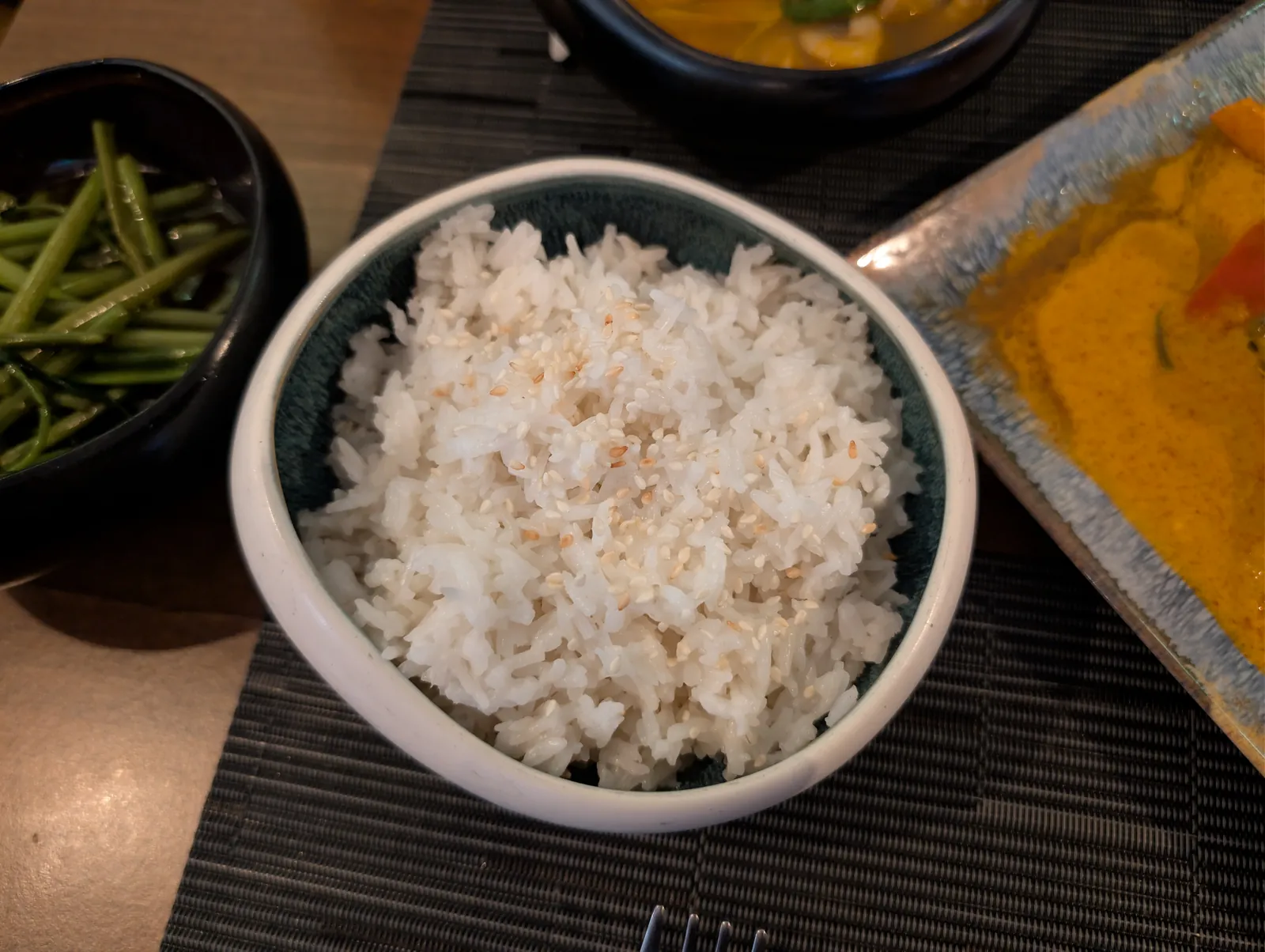
A bowl of white coconut rice with green beans and curry beside it Tanzania flag Tanzania 40m
Dinner •Swahili Coast Heritage

Tanzanian Wali wa Nazi

This wali wa nazi recipe is the Swahili coast's coconut rice: long-grain basmati steamed in rich, full-fat coconut milk with a little onion and whole cardamom, cinnamon and cloves, until the grains are separate, fragrant and faintly sweet. Wali means rice and nazi means coconut in Swahili, and the dish is the classic partner for curries and stews from Zanzibar to Dar es Salaam. One serving is about 200 g.

Comfort & Warmth

Basmati rice steamed in full-fat coconut milk with cardamom, cinnamon and cloves — the Swahili coast's classic coconut rice.

Pairs Well With
Chicken curry, kachumbari & hot chai
Two golden-brown vitumbua coconut rice cakes on foil Tanzania flag Tanzania 1h 20m
Snack & Tea •Swahili Coast Heritage

Tanzanian Vitumbua

This vitumbua recipe makes the soft, golden coconut rice cakes sold hot from street stalls across Tanzania and the Swahili coast, from Stone Town in Zanzibar to Dar es Salaam. Soaked rice is blended with coconut milk, sugar and cardamom, lightly fermented with yeast, then cooked in a pan with round wells until each cake is crisp on the outside and almost custardy in the middle. One serving is four cakes, about 140 g, and the recipe makes about 20 cakes.

Sweet Snack

Fermented rice and coconut milk fried in a wells pan into soft, golden, cardamom-scented cakes — the Swahili coast's street snack.

Pairs Well With
Masala chai, fresh fruit & honey
Quick Prep (<30m)
Bœuf bourguignon — French beef braised in red wine France flag France 4h
Dinner •Burgundy Terroir

Bœuf Bourguignon

Beef braised gently in red wine until the connective tissue melts into a velvet, gelatin-rich sauce — the classic Burgundy Sunday dinner.

Cellular Repair

Beef braised in red wine until spoon-tender, with mushrooms and pearl onions.

Pairs Well With
Parsnip Purée & Steamed French Haricots Verts
High Protein
Vietnamese braised pork belly with golden eggs in caramel sauce Vietnam flag Vietnam 1h 45m
Dinner •One Pot

Vietnamese Braised Pork and Eggs

Pork belly slowly braised in coconut water and caramel until meltingly tender, with golden eggs that soak up the sweet-savoury sauce — the Vietnamese family dish that tastes better the next day.

Comfort & Sustained Energy

Slow-braised pork belly and eggs in coconut water and caramel.

Pairs Well With
Steamed rice & pickled mustard greens
High Protein

The Dinner Gazette

Never wonder what’s for dinner again

One email a week with easy dinner ideas from around the world — ingredients, steps and nutrition, tested in our kitchen first.

Delivered every Thursday morning. Unsubscribe anytime.