Curated recipes from 193 countries  •  New seasonal Mediterranean issue out now

Overview

Togolese Ablo

Ablo, Abolo, Togolese steamed rice cakes

This ablo recipe soaks whole rice overnight, grinds it into a batter, cooks a third of it into a thick paste, then ferments the rest with yeast and steams it in moulds into soft, white, faintly sour cakes. Two cakes make a serving, and they are torn and dipped into stew. One serving is about 230 g.

Ablo, also written abolo, is the steamed rice cake of the coastal belt where Togo, Benin, Ghana and Ivory Coast meet. Rice is soaked, ground and left to rise, and the sourness that develops is what separates an ablo from a plain steamed dumpling. In Benin the cakes are steamed wrapped in banana leaves, which leaves a faintly grassy note; in Togo they are usually steamed in small moulds. Ablo plays the role bread plays elsewhere on the plate — the mild thing the sauce is for.

Pairs well with: A thick meat or fish stew, or grilled fish with a spoonful of pepper sauce.

Provenance

Togo flag Togo

Togolese Steamed Classic

African Heritage

Time Dedication

2h

30m prep • 90m cook

Batch Yield

4 Servings

443 kcal per serving

1 serving ≈ 230 g

Technical Skill

Intermediate

Medium (Fermented)

Meal Timing & Digestive Fit

Breakfast

Not Advised

Lunch

Prime Metabolic Fit

Dinner

Ideal Hearty Main

Snack & Tea

Inappropriate

Fermented / Gut Health Occasions: Lunches, party tables, everyday meals, snacks Cost: Very low — about $1 per serving at home
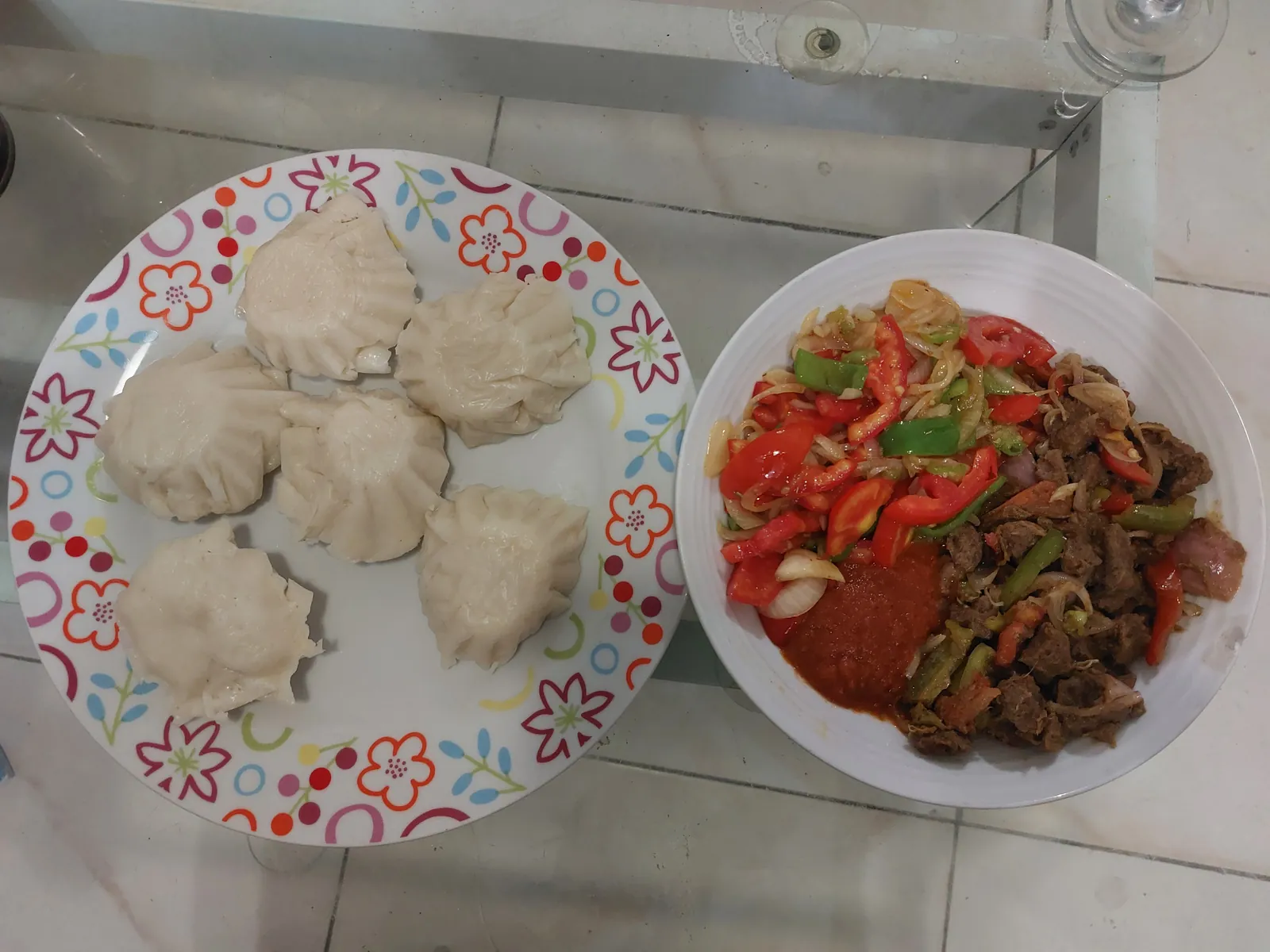
White steamed ablo rice cakes on a plate beside a bowl of meat and pepper stew

Togolese Steamed Classic

Photo: Adewi97, CC BY-SA 4.0, via Wikimedia Commons

The Heritage Formulary

Measured Ingredients

Estimated cost: Very low — about $1 per serving at home (USD)

A good ablo is judged by the crumb: white, light and springy, faintly sour and faintly sweet — never yellow, sticky or dense.

Execution Methodology & Culinary Technique

Step-by-Step Cooking Guide

Active 2h
P

Prep Stage: Soak the Rice Overnight

30 Mins • Soaking (Overnight)

The night before, rinse the rice and soak it in plenty of cold water. The next day, drain it, blend it with 250 ml of water until smooth, and lightly oil 8 small moulds or ramekins.

Maestro Tip: Use whole soaked rice, not rice flour — flour gives a sticky, yellow cake instead of the white, springy crumb ablo is known for.

  1. 1

    Blend the Soaked Rice

    10 Mins No heat, room temperature ~22°C (72°F)

    Drain the soaked rice and blend it with 250 ml of fresh water until completely smooth, with no gritty bits left. Pour the batter into a large bowl.

    Blend in two batches if your blender is small — a gritty batter makes a gritty cake.

    Done when: The batter is smooth and pours like thick cream.

  2. 2

    Cook a Third Into a Thick Paste

    5 Mins Medium heat, ~100°C (212°F)

    Scoop a third of the batter into a small pan with the remaining 250 ml of water. Cook over medium heat, stirring constantly, for about 3 minutes until it thickens into a smooth, stiff paste. Tip it back into the bowl and stir it into the rest of the batter.

    This cooked paste is what gives ablo its springy crumb — skip it and the cakes come out flat and dense.

    Done when: The paste is thick enough to hold a spoon upright for a second.

  3. 3

    Ferment the Batter

    30 Mins Warm place, ~30°C (86°F)

    Let the combined batter cool until it is just warm to the touch, then stir in the sugar and the yeast. Cover the bowl with a clean cloth and leave it in a warm place for 30 minutes until it is bubbly and has risen slightly.

    If the batter is still hot when the yeast goes in, the yeast dies and the cakes will not rise — cool it first, and check the yeast is frothy before you proceed.

    Done when: The surface is bubbly and the batter smells faintly sour and yeasty.

  4. 4

    Fill the Moulds and Rise Again

    30 Mins Warm place, ~30°C (86°F)

    Stir the baking powder and salt into the batter until just smooth. Fill each oiled mould three-quarters full and leave them in a warm place for 30 minutes to rise again.

    Do not fill the moulds to the top — the cakes rise by about a third as they steam, and an overfilled mould spills.

    Done when: The batter has risen to near the rim of each mould.

  5. 5

    Steam the Cakes

    25 Mins High heat, ~100°C (212°F)

    Bring a steamer of water to a rolling boil. Working in batches, set the moulds in the steamer, cover, and steam for 25 minutes without lifting the lid, until the cakes have risen and feel firm to the touch.

    A steamer that loses its head of steam mid-batch gives dense cakes — keep the water at a hard boil before the first batch goes in.

    Done when: The cakes are risen, white and springy, and a skewer comes out clean.

  6. 6

    Turn Out and Serve

    5 Mins Off the heat, cooling at ~30°C (86°F)

    Lift the moulds out, let the cakes stand for 2 minutes, then turn them out onto a plate. Serve warm or at room temperature with a thick stew or grilled fish.

    Run a thin knife around the edge of each mould if a cake sticks — do not force it out.

    Done when: The cakes hold their shape, feel light in the hand, and tear with a soft, airy crumb.

Finishing Touches & Plating

Serve two warm cakes per person with a bowl of stew for tearing and dipping — the cakes are the mild, slightly sweet partner to something rich and heavily seasoned.
Nutritional Physiology & Benefits

Nutrition

Energy

443

kcal / serving

Protein

8g

Complete AA

Carbs

97g

Complex

Fats

2g

Healthy

Per serving (4 servings · 1 serving ≈ 230 g)
Energy443 kcal
Protein8 g
Carbohydrates97 g
Fat2 g
Fibre1.9 g
Sugar15.1 g
Sodium454 mg
Per 100g
Energy193 kcal
Protein3.5 g
Carbohydrates42.1 g
Fat0.9 g
Fibre0.8 g
Sugar6.6 g
Sodium198 mg

Nutrition values are estimated — calculated from USDA FoodData Central values for the listed ingredients.

Vitamins & minerals: Rice supplies B vitamins and small amounts of iron and magnesium; fermentation adds a mild sourness but does not add vitamins in meaningful amounts. Nutrition is estimated.

Fermented, Easy to Digest

The short fermentation gives ablo its mild sourness and makes the rice easier to digest than an unfermented steamed cake.

Steady Energy From Rice

A serving carries about 97 g of carbs, mostly from rice — steady, slow-burning energy for an active day.

Naturally Gluten-Free

Made from rice alone, ablo contains no wheat or gluten, and it is steamed, not fried, so it stays light.

Food Pairings

What to Eat With

To optimize nutrient absorption and elevate the sensory depth, pair with these authentic accompaniments:

Sides

Gboma Dessi (Spinach Stew)

A thick, richly spiced leaf stew is the classic partner — the mild, faintly sweet cake is made for soaking up its sauce.

Grilled Fish

Grilled or fried fish with a spoonful of pepper sauce plays against the cake's softness and mildness, and the two belong on the same plate across the Togolese coast.

Sauces

Fried Tomato Sauce

A spoonful of fried tomato sauce gives the plain cakes brightness and a little heat without overpowering them.

Drinks

Palm Wine or Hibiscus Drink

A lightly sweet drink suits the faintly sweet cake; a cold hibiscus drink is the everyday, alcohol-free choice.

Complete menu

Serve two warm ablo cakes with a bowl of gboma dessi or grilled fish and fried tomato sauce, and a chilled hibiscus drink on the table.

Digestive Guardrails

What NOT to Combine

To prevent digestive distress, sluggishness, or palate clash, avoid pairing the dish with these elements:

A Very Sugary Sauce on Top

The cakes are already sweetened, so a sugary sauce would make the plate cloying and add a lot of sugar; a savoury stew is the right partner. This is general guidance, not medical advice.

Eating Them Ice Cold From the Fridge

Cold ablo turns firm and dense; bring it back to room temperature or steam it briefly before serving so the crumb softens again. This is general guidance, not medical advice.

General information only, not medical advice — consult a doctor for personal dietary decisions.

Who Should Eat It

Who Should Eat

  • General adultsA light lunch — two soft, mild cakes with a stew makes a satisfying meal.
  • ChildrenVery suitable — soft, mild and easy to eat; serve with a mild stew and keep pepper sauce on the side.
  • ElderlyVery suitable — soft, easy to chew, and easy to digest; serve warm, not cold.
  • Pregnant womenGenerally suitable; the cakes are steamed and mild. Ask your clinician if you are unsure about fermented foods.
  • Breastfeeding womenGenerally suitable; the rice gives steady energy and the cakes are easy on the stomach.
  • AthletesA useful carb source before or after training — about 97 g of carbs per serving; pair with a protein-rich stew.
  • Weight gainAn easy way to add energy — extra cakes with a rich stew add calories without much bulk.
  • Weight lossThe cakes are filling but carb-heavy; keep it to one cake with plenty of stew and vegetables. Ask your clinician about a portion that fits your plan.

Health Conditions — Adjust or Avoid

Conditions

  • DiabetesTwo cakes carry about 97 g of carbs, so keep the portion to one cake and pair it with a low-carb stew. Ask your clinician about portion size.
  • High blood pressureThe cakes themselves are low in sodium, but watch the salt in the stew you serve them with. Ask your clinician about a suitable portion.
  • Kidney diseaseRice is low in potassium, which helps; keep the sugar and the stew's salt in mind. Ask your clinician about portion size.
  • GoutThe cakes themselves are low in purines; the stew you pair them with matters more. Ask your clinician about how often it fits your diet.
  • Stomach issuesSteamed and fermented rice is usually gentle, but the sugar and the yeast can cause bloating for some people. Ask your clinician if symptoms persist.
  • Cardiovascular diseaseA light, low-fat, gluten-free starch that fits well; keep the accompanying stew light and the salt low. Ask your clinician about a suitable portion.
  • Fatty liverThe cakes are low in fat; the sugar is the thing to watch, so keep the portion modest. Ask your clinician about a suitable portion.
  • Food allergiesNaturally gluten-free and nut-free as written; contains yeast. Check the stew you serve it with for allergens.
  • Special therapeutic dietsFits a gluten-free and vegetarian diet; for a low-sugar diet, halve the sugar in the batter. Ask your clinician or dietitian before changing a prescribed diet.

If you have a medical condition, consult your doctor before changing your diet.

Storage & Use

Storage & Use

How to store
Cool completely, then store in an airtight container or wrapped in a clean cloth.
In the fridge
2–3 days.
In the freezer
Up to 1 month; freeze in a sealed bag.
How to reheat
Steam for 5 minutes, or microwave for 30 seconds, until soft and warm throughout; do not reheat more than once.
Freezing recommended
Only if needed — the cakes are best fresh, and freezing firms the crumb.
Signs it has spoiled
Sour smell beyond the usual mild tang, mould spots, or a hard, dry crumb that does not soften on steaming.

More recipes to explore

A plate of ayimolou, Togolese rice cooked with black-eyed peas, served with fried chicken, fried plantain and tomato sauce Togo flag Togo 1h 35m
Dinner •Lome One-Pot Classic

Ayimolou

This ayimolou recipe cooks black-eyed peas and long-grain rice together in a single pot, so the grains soak up the bean cooking liquid, tomato and onion while the peas stay whole and creamy inside. Fried chicken goes on top, and the plate is finished with fried plantain. One serving is about 420 g.

Hearty & Filling

Black-eyed peas and rice cooked together in one pot, served with fried chicken — a filling Togolese dinner built on beans, not just rice.

Pairs Well With
Fried plantain and a spoonful of fried tomato sauce (nugbagba) on the side.
High Protein
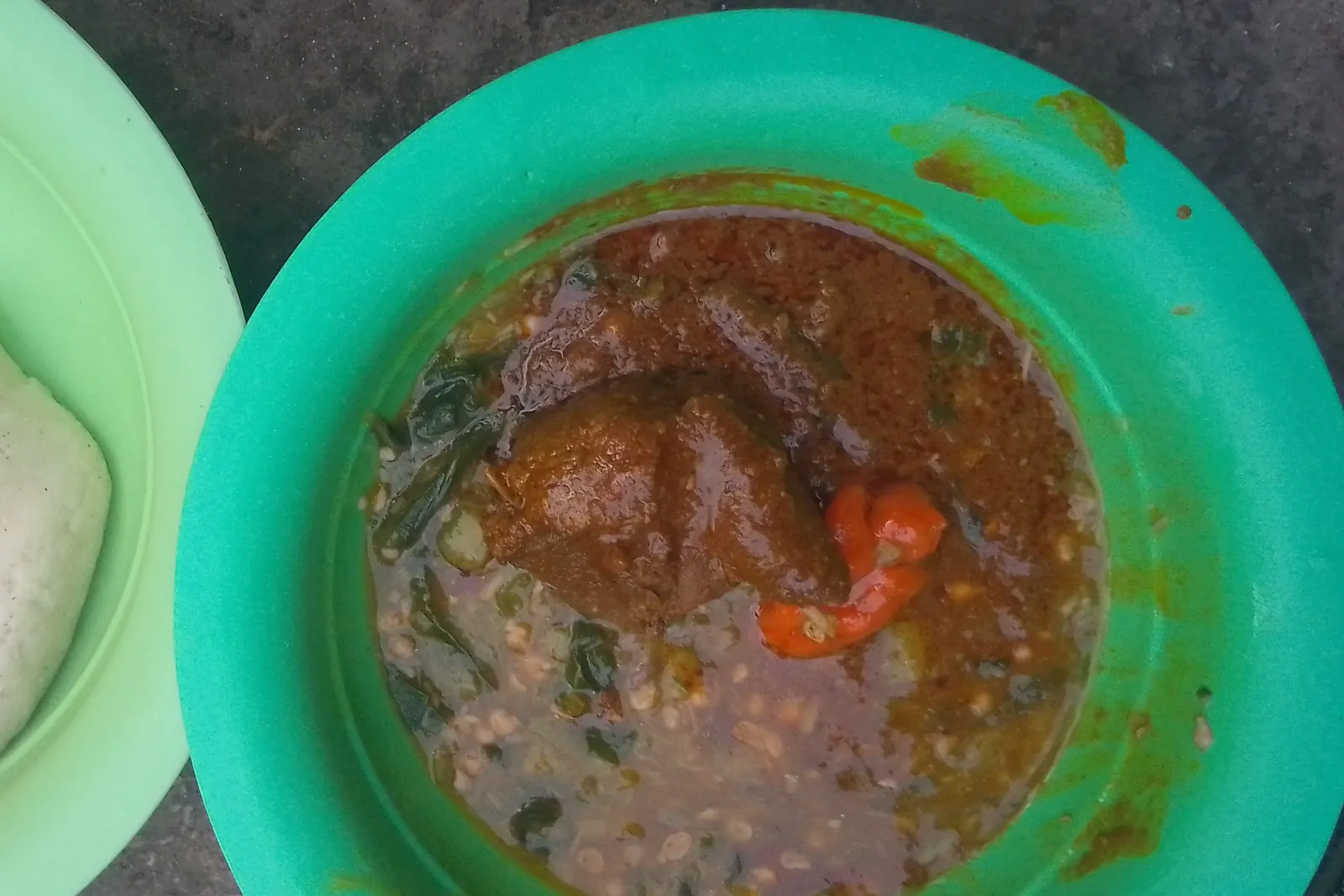
A bowl of gboma dessi, Togolese spinach stew with a piece of meat and red chilli, served beside maize paste Togo flag Togo 1h 50m
Dinner •Lome Leaf Stew

Gboma Dessi

This gboma dessi recipe starts with beef simmered until tender, then builds a tomato and onion sauce around it with gbotemi spice, ground pumpkin seeds and smoked mackerel, and finishes by folding in a full 700 g of fresh spinach until it wilts into the sauce. One serving is about 470 g.

Rich & Nourishing

Tender beef and smoked fish simmered with a mountain of spinach in a tomato sauce seasoned with gbotemi spice — a hearty Togolese stew.

Pairs Well With
Akoume (maize paste) or steamed white rice, to scoop up the sauce.
High Protein
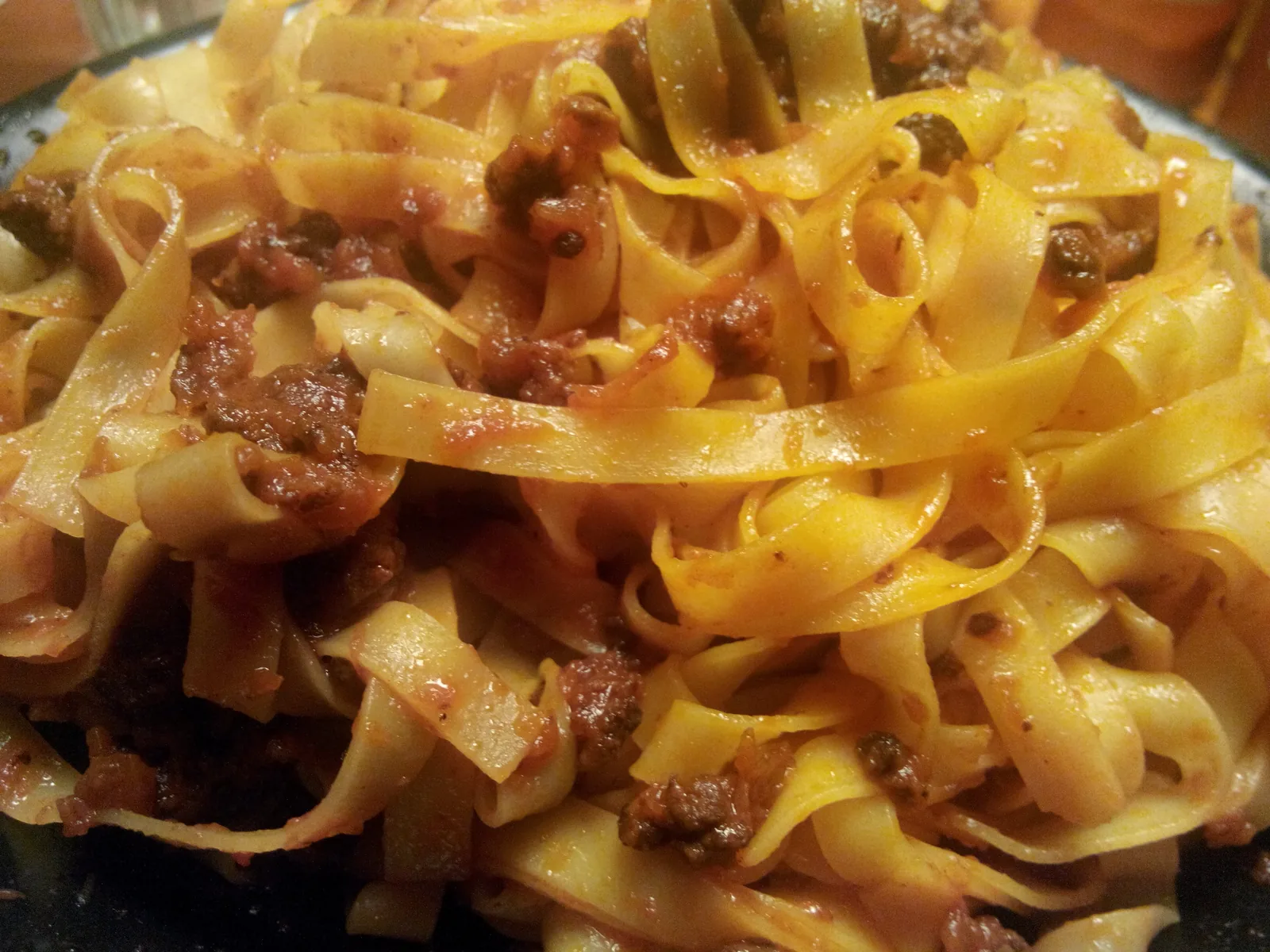
Tagliatelle al ragù Bolognese in a bowl with Parmigiano-Reggiano Italy flag Italy 4h 25m
Lunch •Emilia-Romagna

Tagliatelle al Ragù Bolognese

Slow-braised soffritto and coarse ground heritage meats layered over handmade egg yolk dough for mid-day stamina.

Lean Protein

Slow-simmered beef ragù tossed through fresh egg tagliatelle.

Pairs Well With
Bitter Radicchio & Aged Balsamico di Modena
Pasta & Noodles • High Protein
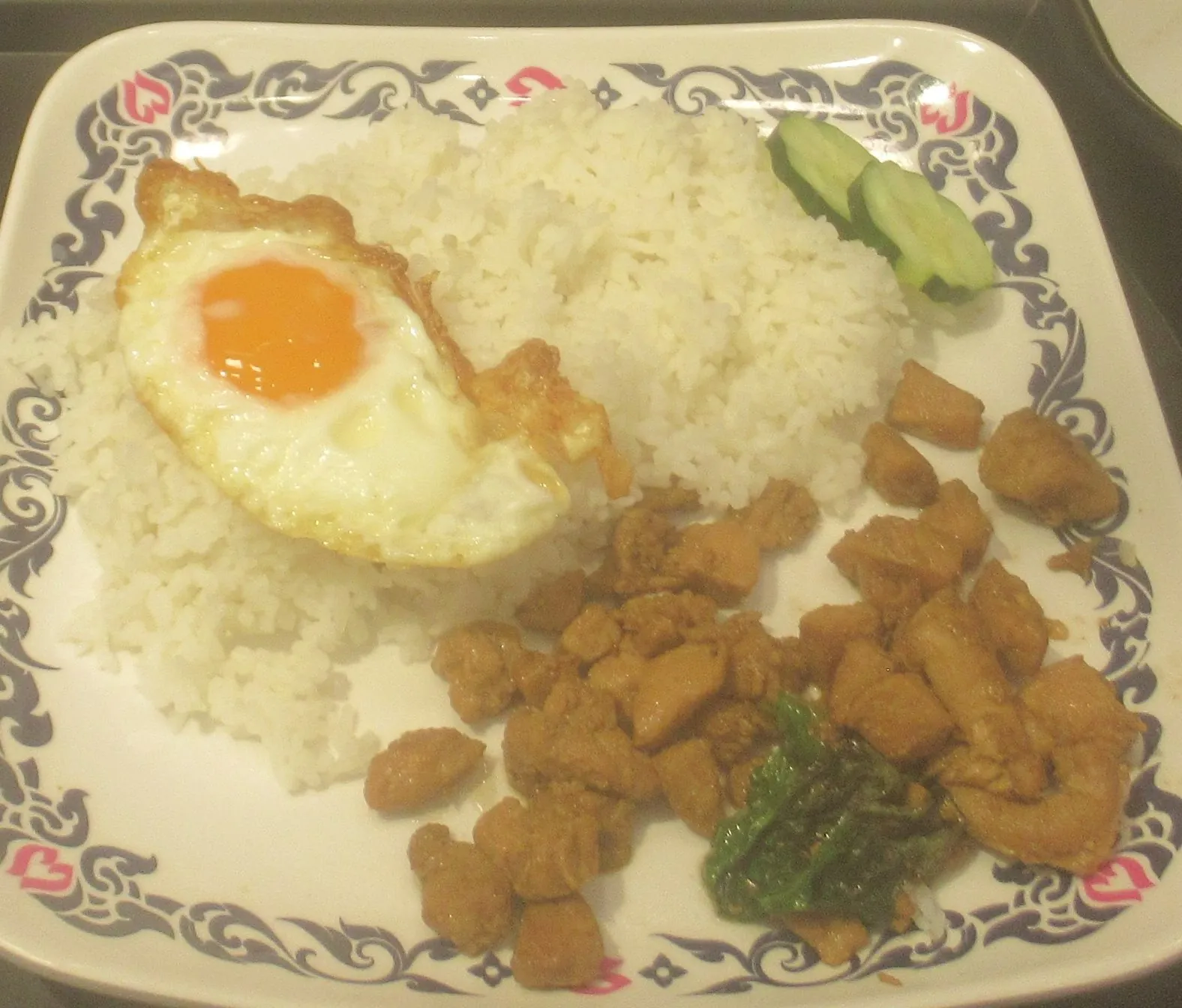
Pad kra pao gai — Thai holy basil chicken with fried egg and rice Thailand flag Thailand 30m
Lunch •Bangkok Street Flame

Pad Kra Pao Gai

High-heat wok flash of holy basil and crushed chillies over minced chicken, served over jasmine rice with a crispy-edged fried egg.

High Energy

Capsaicin brings the heat; holy basil adds a peppery, clove-like aroma.

Pairs Well With
Chilled Cucumber Salad & Fish Sauce Lime Dip
High Protein • Quick Prep (<30m)

The Dinner Gazette

Never wonder what’s for dinner again

One email a week with easy dinner ideas from around the world — ingredients, steps and nutrition, tested in our kitchen first.

Delivered every Thursday morning. Unsubscribe anytime.