Curated recipes from 193 countries  •  New seasonal Mediterranean issue out now

Overview

Tompouce

Tompoes, Dutch Cream Slice, Dutch Pink Pastry

This tompouce recipe builds the Dutch bakery icon layer by layer: two sheets of golden puff pastry, a thick vanilla pastry cream in the middle, and a glossy pink icing on top, finished with a rosette of whipped cream. The trick is patience — the cream must be fully cold before you build, or the icing slides off. One serving is about 160 g.

The tompouce is the Dutch cousin of the French millefeuille: layers of puff pastry and cream, given a Dutch identity with its glossy pink icing. It has become the pastry of the Dutch bakery counter, sold everywhere from high-street bakers to supermarkets, and on King's Day the icing turns orange for the national colour. Eating one neatly is famously difficult, which is part of its charm.

Pairs well with: Black coffee or tea, eaten with a fork.

Provenance

Netherlands flag Netherlands

Dutch Bakery Classic

Nordic & European

Time Dedication

1h 10m

45m prep • 25m cook

Batch Yield

8 Servings

478 kcal per serving

1 serving ≈ 160 g

Technical Skill

Intermediate

Medium (Pastry & Cream)

Meal Timing & Digestive Fit

Breakfast

Not Advised

Lunch

Inappropriate

Dinner

Inappropriate

Snack & Tea

Ideal Light Bite

Occasions: Afternoon tea, Birthday parties, King's Day, Bakery treats, Coffee breaks Cost: Low — about $1–2 per serving at home
A pink-iced tompouce with a swirl of whipped cream on top, showing the pale pastry cream layer between crisp pastry, on a blue plate

Dutch Bakery Classic

Photo: www.snack-nieuws.nl, CC BY 2.0, via Wikimedia Commons

The Heritage Formulary

Measured Ingredients

Estimated cost: Low — about $1–2 per serving at home (USD)

Made the bakery way: real pastry cream, properly baked puff pastry and a glossy pink icing that sets firm.

Execution Methodology & Culinary Technique

Step-by-Step Cooking Guide

Active 1h 10m
P

Prep Stage: Cook the Pastry Cream & Bake the Pastry

45 Mins • Cream & Pastry

Whisk the milk, sugar, cornflour, egg yolks and a pinch of salt, then cook gently until thick, stirring all the time, and stir in the butter and vanilla. Press cling film directly onto the surface and chill until completely cold. Meanwhile bake the two pricked puff pastry sheets at 200°C (400°F) until puffed and golden, then cool them flat.

Maestro Tip: The cream must be stone cold before you build: warm cream melts the icing and the whole slice slides apart.

  1. 1

    Cook the vanilla pastry cream

    10 Mins Gentle heat, about 85°C (185°F); do not boil

    Whisk the milk, 80 g sugar, cornflour, egg yolks and salt in a pan until smooth. Cook over medium heat, stirring constantly with a wooden spoon, for about 8 minutes until thick enough to coat the spoon and a line drawn through it holds. Take off the heat, stir in the butter and vanilla, then press cling film directly onto the surface so no skin forms. Chill for at least 1 hour until completely cold.

    Stir the corners of the pan, not just the middle: that is where the cream catches and turns lumpy.

    Done when: Thick, glossy cream that holds its shape on the spoon.

  2. 2

    Bake the puff pastry sheets

    20 Mins Oven at 200°C (400°F)

    Heat the oven to 200°C (400°F). Lay the two pastry sheets on lined baking trays, prick all over with a fork, and bake for 15 to 20 minutes until puffed, crisp and deep golden. Press the sheets gently flat with a second tray while they are still warm, then leave to cool completely. Trim each sheet into 8 neat rectangles.

    Pricking stops the pastry puffing into a balloon; pressing it flat while warm keeps the layers thin and crisp.

    Done when: Deep golden, crisp and flat, with visible flaky layers.

  3. 3

    Assemble the layers

    10 Mins Room temperature, about 22°C (72°F)

    Spread the cold pastry cream thickly over 8 pastry rectangles, right to the edges. Lay the remaining 8 rectangles on top and press down very gently. This tompouce recipe needs the cream cold and firm here, or the top slides off when you ice it.

    Use a palette knife and work from the centre outwards so the cream does not squeeze out of the sides.

    Done when: Neat sandwiches with the cream level with the pastry edges.

  4. 4

    Ice them pink

    10 Mins Room temperature, about 22°C (72°F)

    Whisk the icing sugar with the lemon juice and 2 tablespoons of cold water until smooth and glossy, then add the pink colouring drop by drop until you have the classic soft pink. Spoon the icing over the top of each slice and spread it to the edges with a palette knife. Leave for 15 minutes until the icing sets.

    The icing should flow slowly off the spoon: too thick and it tears the pastry, too thin and it runs off the sides.

    Done when: A smooth, glossy pink top that has set firm to the touch.

  5. 5

    Chill, whip and serve

    60 Mins Chill in the fridge at 4°C (40°F)

    Chill the iced slices in the fridge for at least 1 hour so the cream firms up and the slices cut cleanly. Just before serving, whip the cold heavy cream with the 15 g sugar to soft peaks and pipe or spoon a rosette onto each slice. Serve with coffee, and eat with a fork: a tompouce is famously messy to bite.

    Whip the cream only just before serving; cream whipped hours ahead weeps and slides off the icing.

    Done when: Firm, cold slices with a set pink top and a fresh cream rosette.

Finishing Touches & Plating

Serve cold from the fridge with black coffee, and warn your guests: the first bite always squirts a little cream out of the sides.


Nutritional Physiology & Benefits

Nutrition

Energy

478

kcal / serving

Protein

6g

Complete AA

Carbs

55g

Complex

Fats

27g

Healthy

Per serving (8 servings · 1 serving ≈ 160 g)
Energy478 kcal
Protein6 g
Carbohydrates55 g
Fat27 g
Fibre0.6 g
Sugar35.2 g
Sodium208 mg
Per 100g
Energy299 kcal
Protein3.7 g
Carbohydrates34.2 g
Fat16.8 g
Fibre0.4 g
Sugar22 g
Sodium130 mg

Nutrition values are estimated — calculated from USDA FoodData Central values for the listed ingredients.

Vitamins & minerals: Provides calcium from the milk and cream, plus small amounts of vitamin A, vitamin B12 and riboflavin from the eggs and dairy.

Real Vanilla Cream

The filling is a proper pastry cream made from milk, egg yolks and vanilla, not a whipped topping from a tub.

No Frying, No Heavy Batter

The pastry is baked, so this tompouce recipe gets its richness from butter and cream rather than deep frying.

A Proper Afternoon Lift

About 478 kcal a serving with 54.8 g of carbohydrate makes it a substantial snack, best enjoyed as a treat rather than an everyday habit.

Food Pairings

What to Eat With

To optimize nutrient absorption and elevate the sensory depth, pair with these authentic accompaniments:

Drinks

Black Coffee

Bitter coffee cuts the sweetness of the icing and the richness of the cream, which is why Dutch bakeries always serve the two together.

Tea with Lemon

Unsweetened tea with lemon refreshes the palate between bites of the sweet, creamy pastry.

Full Menus

A Light Lunch First

A tompouce is rich, so it works best after something light, like a bowl of soup or an open sandwich, rather than after a heavy meal.

More Pairings

Fresh Raspberries

A few sharp raspberries on the side echo the pink icing and cut through the cream with a little acidity.

Complete menu

A light soup or open sandwich for lunch, then a tompouce with black coffee as the sweet finish.

Digestive Guardrails

What NOT to Combine

To prevent digestive distress, sluggishness, or palate clash, avoid pairing the dish with these elements:

Building with Warm Cream

Warm pastry cream melts the icing, softens the pastry and makes the slices slide apart. Chill the cream until completely cold before assembling. This is general food-safety information, not medical advice.

Storing It at Room Temperature

The pastry cream and whipped cream are dairy and spoil quickly at warm temperatures. Keep the finished tompouces in the fridge and eat them the same day. This is general food-safety information, not medical advice.

General information only, not medical advice — consult a doctor for personal dietary decisions.

Who Should Eat It

Who Should Eat

  • General adultsA rich bakery treat — enjoy it as an occasional snack, not an everyday one, given the sugar and fat.
  • ChildrenChildren love the pink icing; a half portion is plenty, and the sugar means it is best as a weekend treat rather than a daily snack.
  • ElderlySoft and easy to eat, but very sweet and rich — a half portion with unsweetened tea is enough.
  • Pregnant womenGenerally suitable; the eggs in the cream are cooked and the dairy is pasteurised, but it is high in sugar, so keep the portion modest — ask your clinician.
  • Breastfeeding womenGenerally suitable as an occasional treat; the sugar and fat are high, so a small portion is wise.
  • AthletesThe 54.8 g of carbohydrate a serving gives quick energy, but it is mostly sugar with little protein — better as a treat than a recovery meal.
  • Weight gainA good choice for extra calories — the sugar, cream and pastry add energy easily.
  • Weight lossAt 478 kcal a serving with 35.2 g of sugar, this is a treat: take a half portion and skip the cream rosette.

Health Conditions — Adjust or Avoid

Conditions

  • DiabetesAbout 54.8 g of carbohydrate a serving, mostly sugars — keep the portion small and pair it with unsweetened tea; ask your clinician.
  • High blood pressureAt about 208 mg of sodium a serving, the sodium is modest — the bigger issue is the sugar and fat; ask your clinician if you are watching your diet.
  • Kidney diseaseHigh in sugar and fat with dairy protein — eat rarely and in small portions; ask your clinician.
  • GoutEat occasionally and in small portions — the sugar is the main concern; ask your clinician.
  • Stomach issuesRich cream and pastry can feel heavy and trigger reflux — eat a small portion and avoid eating late at night; ask your clinician if symptoms persist.
  • Cardiovascular diseaseHigh in saturated fat and sugar, so this is an occasional dish — keep the portion small; ask your clinician.
  • Fatty liverHigh in sugar and fat, which is the opposite of a liver-friendly pattern — keep it rare and the portion small; ask your clinician.
  • Food allergiesContains wheat (gluten), milk, egg and butter. Not suitable for gluten-free, dairy-free or egg-free diets as written.
  • Special therapeutic dietsHigh in sugar and fat, so it fits very few therapeutic diets — ask your clinician or dietitian before eating it regularly.

If you have a medical condition, consult your doctor before changing your diet.

Storage & Use

Storage & Use

How to store
Store in a single layer in an airtight container in the fridge; do not stack, or the icing sticks.
In the fridge
1 day; the pastry softens after that.
In the freezer
Do not freeze: the cream weeps and the pastry turns soggy on thawing.
How to reheat
Do not reheat; serve cold from the fridge.
Freezing recommended
No — this pastry is best eaten the day it is made.
Signs it has spoiled
Sour smell from the cream, icing that has gone sticky and wet, or pastry that smells stale.

More recipes to explore

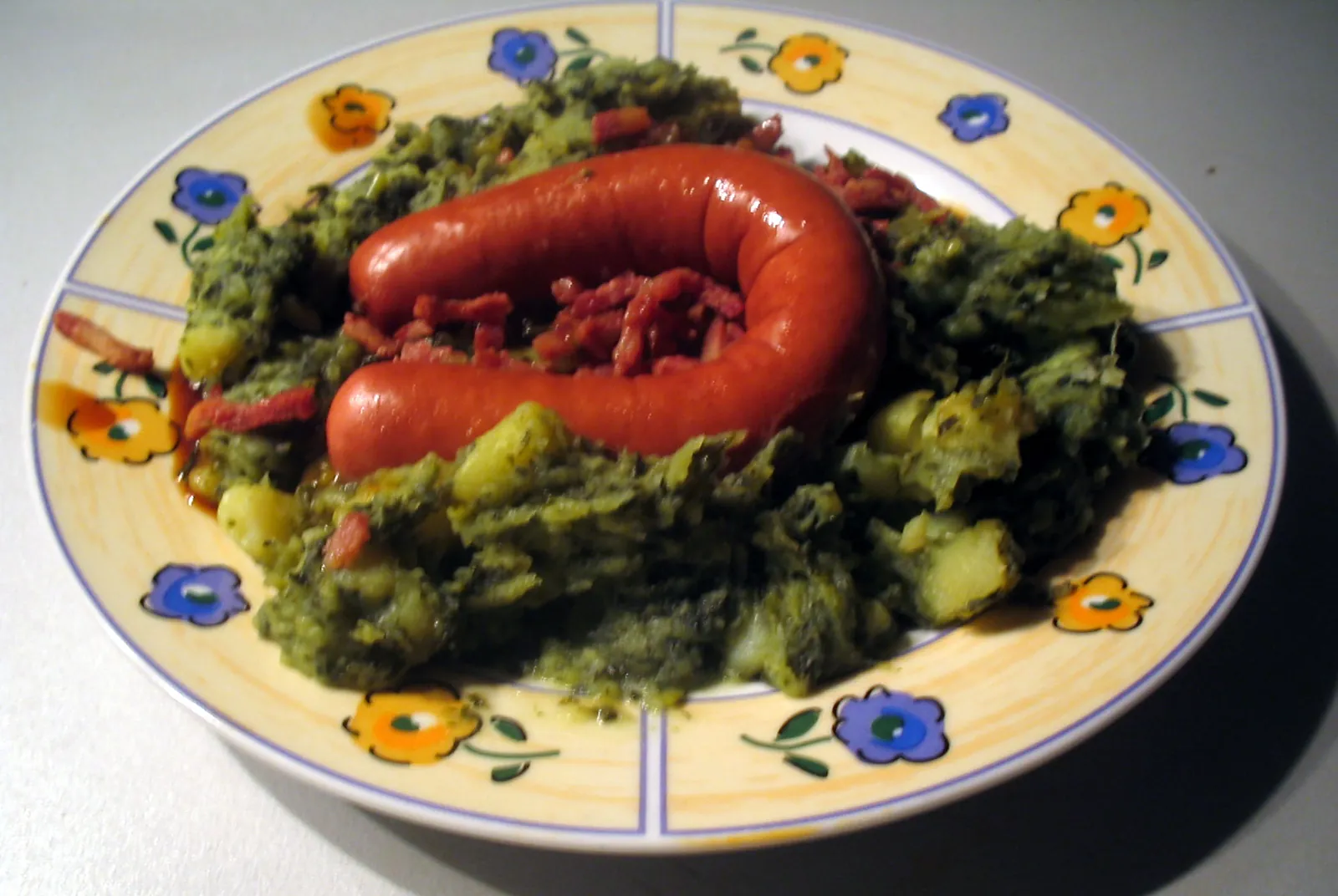
A plate of green boerenkool stamppot with a smoked sausage and bacon bits Netherlands flag Netherlands 45m
Dinner •Dutch Heritage

Stamppot

This stamppot recipe boils floury potatoes with curly kale, mashes them with butter and warm milk into a soft, green-flecked mash, and serves it with a smoked rookworst sausage, crisp bacon bits and mustard. One serving is about 480 g.

Comfort & Warmth

Floury potatoes mashed with kale, butter and milk, served with smoked sausage and bacon.

Pairs Well With
Smoked sausage, bacon bits & mustard
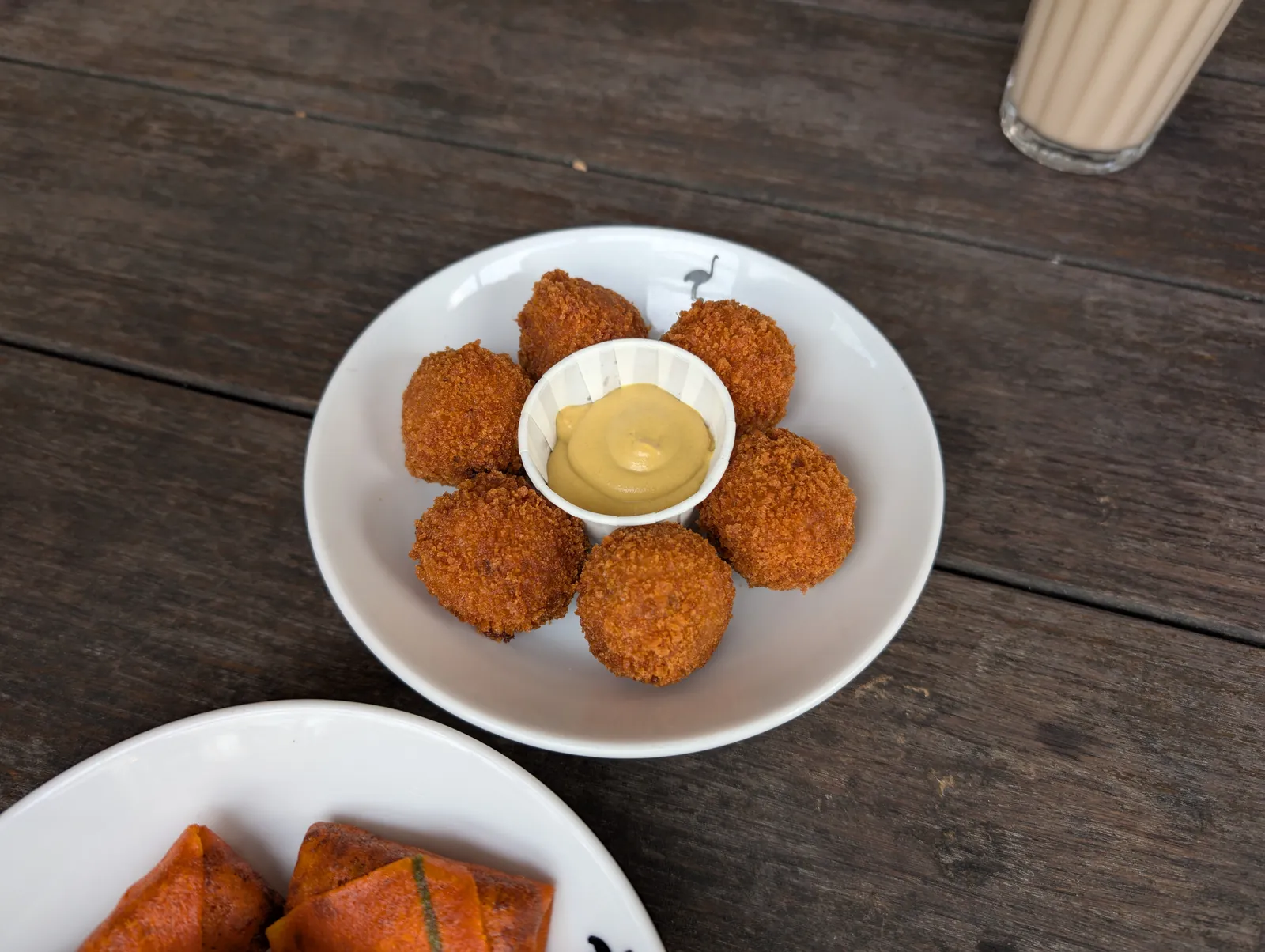
Six golden bitterballen with a small pot of mustard on a white plate Netherlands flag Netherlands 55m
Snack & Tea •Dutch Heritage

Bitterballen

This bitterballen recipe cooks beef slowly in stock until tender, binds it into a thick, creamy ragout with butter and flour, chills it firm, then rolls it into balls, crumbs them and fries them until the outside shatters and the inside turns molten. One serving is about 300 g, six bitterballen with mustard.

Comfort & Warmth

Crisp deep-fried balls of creamy beef ragout, served hot with mustard.

Pairs Well With
Dijon mustard & a cold beer
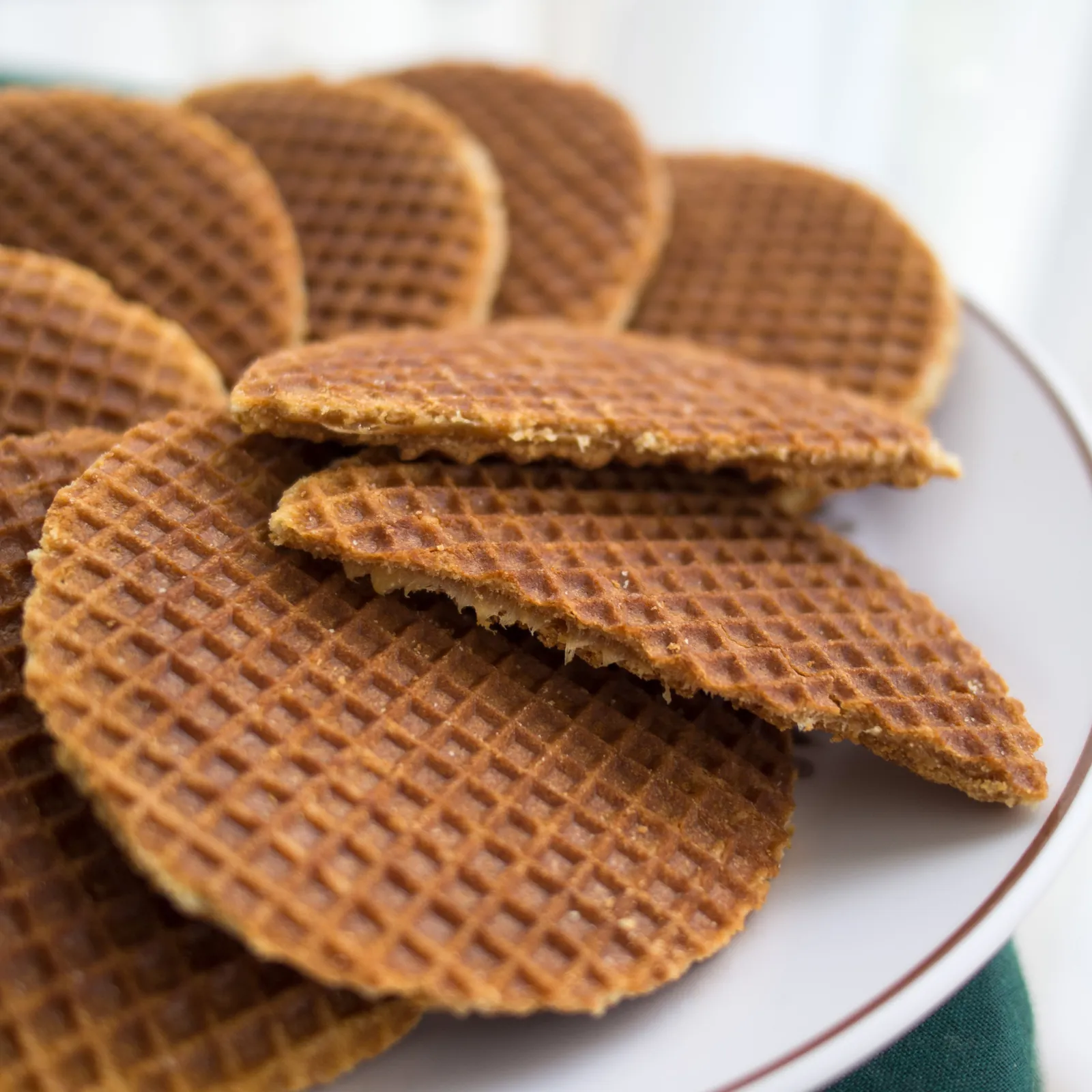
A plate of round golden stroopwafels showing their waffle pattern and syrup layer Netherlands flag Netherlands 1h
Snack & Tea •Dutch Heritage

Stroopwafels

This stroopwafels recipe bakes thin waffles in a hot iron, splits each one while it is still warm, and spreads it with a buttery caramel syrup spiced with cinnamon. The syrup softens the waffle just enough to make it chewy at the edges and crisp in the middle. One serving is about 155 g, three stroopwafels.

Comfort & Warmth

Thin, crisp waffle rounds split and filled with warm caramel syrup.

Pairs Well With
Coffee, tea & a glass of milk
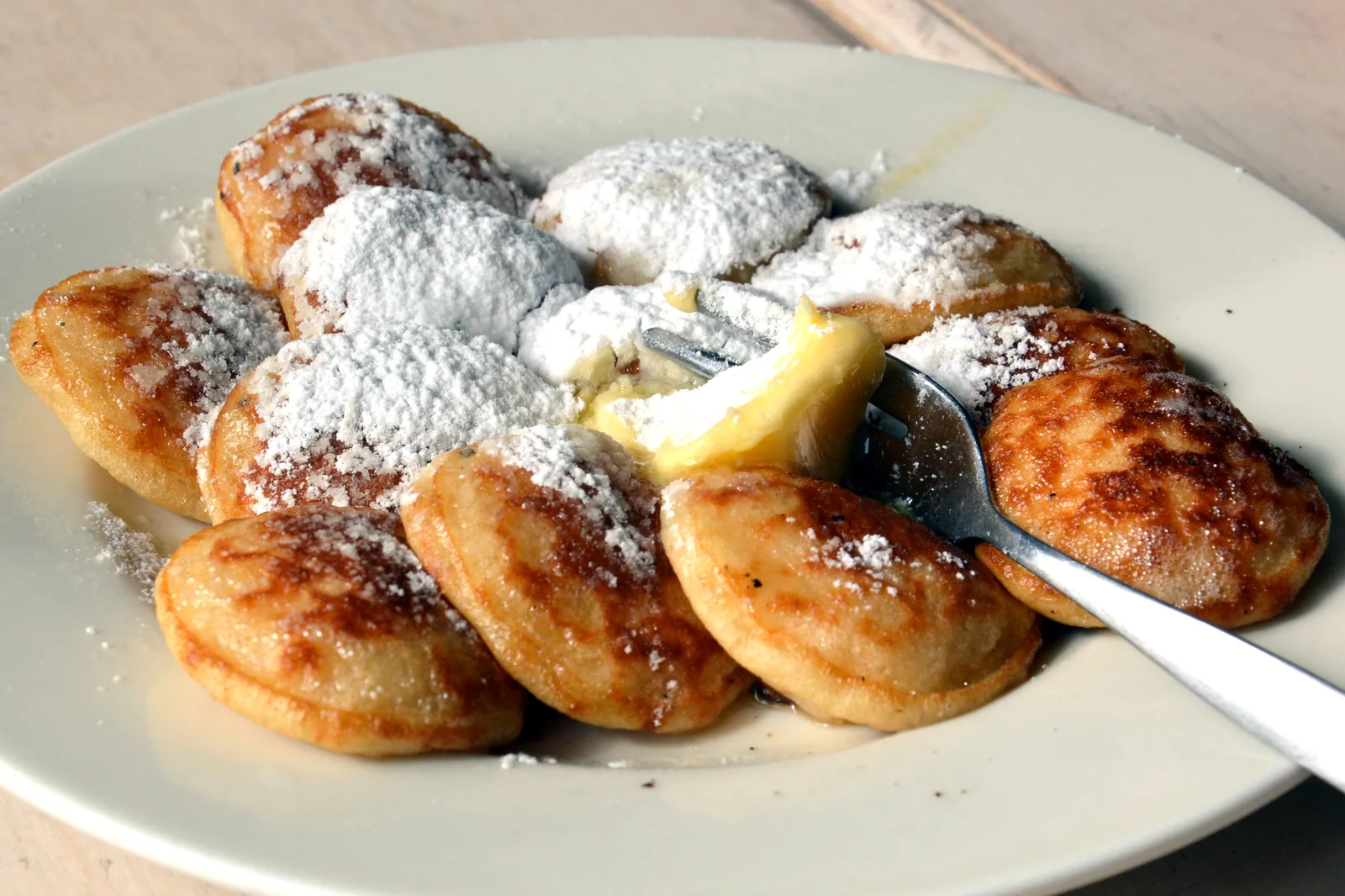
A plate of golden poffertjes dusted with powdered sugar, with melting butter and a fork. Netherlands flag Netherlands 1h 15m
Breakfast •Dutch Market Day Classic

Poffertjes

Poffertjes are the Netherlands' most beloved sweet snack: dozens of tiny, puffy yeast pancakes cooked in a dimpled pan, served hot with melting butter and a snowfall of powdered sugar. One serving is about 195 g, roughly 20 little pancakes.

Sweet Morning Treat

Tiny yeast-raised pancakes, golden outside and soft inside, served with butter and powdered sugar.

Pairs Well With
Serve hot with butter and powdered sugar, and a cup of coffee or hot chocolate.

The Dinner Gazette

Never wonder what’s for dinner again

One email a week with easy dinner ideas from around the world — ingredients, steps and nutrition, tested in our kitchen first.

Delivered every Thursday morning. Unsubscribe anytime.