
Curated recipes from 193 countries  •  New seasonal Mediterranean issue out now

Overview

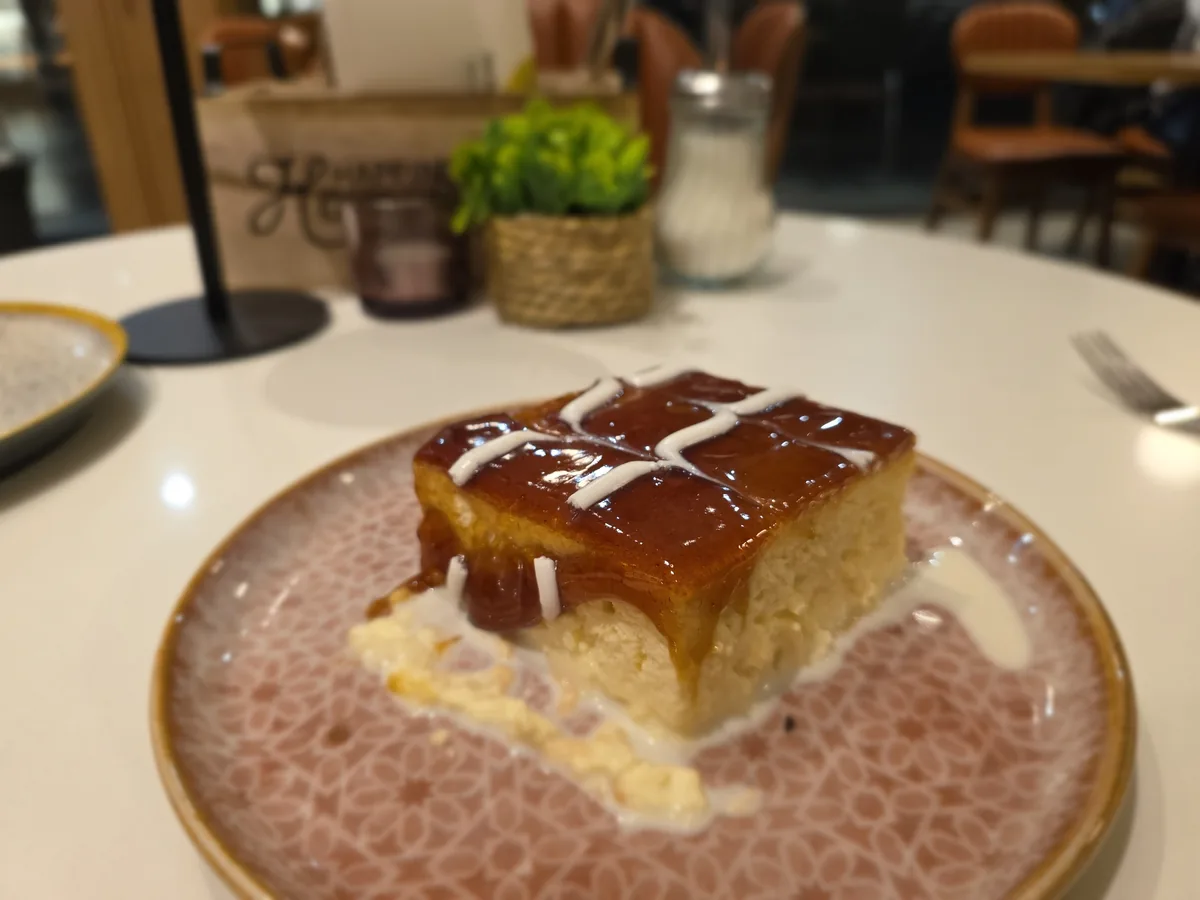
Tres Leches Cake

Pastel de Tres Leches

This tres leches cake recipe bakes a light, airy sponge, then soaks it in evaporated milk, sweetened condensed milk and whole milk until every bite is moist but never soggy. Whipped cream and a dulce de leche drizzle finish it. One serving is about 220 g.

Tres leches — 'three milks' — is the celebration cake of Mexico and much of Latin America, where a plain sponge is transformed by a soak of evaporated, condensed and whole milk. Food historians trace its spread to the 19th and early 20th centuries, when canned milk became widely available and printed recipes began circulating; Nestlé's promotion of sweetened condensed milk in Latin America in the 1930s and 1940s helped make it a household standard. Today it is the cake of birthdays and family gatherings across Mexico.

Pairs well with: Fresh strawberries or mango and a cup of coffee or horchata

Provenance

Mexico flag Mexico

Mexican Celebration Classic

Latin America & Caribbean

Time Dedication

1h

25m prep • 35m cook

Batch Yield

8 Servings

575 kcal per serving

1 serving ≈ 220 g

Technical Skill

Intermediate

Intermediate (Bake & Soak)

Meal Timing & Digestive Fit

Breakfast

Not Advised

Lunch

Inappropriate

Dinner

Inappropriate

Snack & Tea

Ideal Light Bite

Occasions: Birthdays, family gatherings, celebrations, weekend dessert Cost: Low — about $1–2 per serving at home
A slice of tres leches cake with a caramel dulce de leche topping and cream drizzle, with milk pooling on the plate

Mexican Celebration Classic

Photo: Struppig taucher, CC BY 4.0, via Wikimedia Commons

The Heritage Formulary

Measured Ingredients

Estimated cost: Low — about $1–2 per serving at home (USD)

A proper tres leches is moist all the way through, never swimming in milk on the plate.

Execution Methodology & Culinary Technique

Step-by-Step Cooking Guide

Active 1h
P

Prep Stage: Separate, Sift and Whisk

25 Mins active • Baking Prep

Heat the oven to 180°C (350°F) and butter a 23 × 33 cm (9 × 13 in) baking dish. Sift the flour, baking powder and salt together. Separate the eggs: whisk the yolks with 100 g of the sugar and the vanilla until pale and thick, then fold in the flour and melted butter. In a clean bowl, whisk the whites with the remaining 50 g of sugar to stiff peaks and fold them in gently, in three parts. Whisk the three milks together in a jug for the soak.

Maestro Tip: A spotless, grease-free bowl is essential for the whites — any fat stops them rising.

  1. 1

    Bake the sponge

    35 Mins 180°C (350°F)

    Pour the batter into the dish, smooth the top and bake for 30–35 minutes, until golden and a skewer comes out clean. The sponge should spring back when pressed lightly.

    Do not open the oven in the first 20 minutes or the sponge may sink.

    Done when: Golden top, skewer clean, sponge springs back.

  2. 2

    Cool and poke

    15 Mins Room temperature

    Let the cake cool in its dish for 15 minutes, then pierce it all over with a fork or skewer, about every 2 cm, pushing right to the bottom. The holes are what let the milk soak in evenly.

    Poke generously — a cake with too few holes soaks unevenly and dries out on top.

    Done when: Holes evenly spaced across the whole surface.

  3. 3

    Pour the three milks

    5 Mins Room temperature

    Slowly pour the milk mixture over the warm cake, a ladle at a time, letting each addition absorb before adding more. Tilt the dish so the milk reaches the corners. Cover and chill for at least 4 hours, ideally overnight.

    Pour slowly — flooding it all at once leaves the top swimming and the bottom dry.

    Done when: No milk pooling on top; the cake looks damp all over.

  4. 4

    Whip the cream

    5 Mins Cold

    Whip the cold cream with the 25 g of sugar until soft peaks form — it should hold its shape but still look silky, not grainy. Spread it over the chilled cake in an even layer.

    Chill the bowl and beaters for 10 minutes first; warm cream whips slowly and can turn to butter.

    Done when: Soft peaks that hold their shape on the spoon.

  5. 5

    Drizzle and slice

    5 Mins Cold

    Drizzle the warmed dulce de leche over the cream in thin lines. Slice into 8 squares with a hot, dry knife, wiping the blade between cuts, and serve cold straight from the dish.

    A hot knife cuts cleanly through cream without dragging it.

    Done when: Clean slices with visible moist crumb and a little milk at the base.

Finishing Touches & Plating

Serve cold, straight from the fridge, with the dulce de leche drizzle on top and fresh fruit on the side. The cake is at its best the day after baking, once the milk has soaked right through.

Nutritional Physiology & Benefits

Nutrition

Energy

575

kcal / serving

Protein

15g

Complete AA

Carbs

73g

Complex

Fats

26g

Healthy

Per serving (8 servings · 1 serving ≈ 220 g)
Energy575 kcal
Protein15 g
Carbohydrates73 g
Fat26 g
Fibre0.7 g
Sugar53.3 g
Sodium377 mg
Per 100g
Energy262 kcal
Protein6.7 g
Carbohydrates33.1 g
Fat11.6 g
Fibre0.3 g
Sugar24.2 g
Sodium171 mg

Nutrition values are estimated — calculated from USDA FoodData Central values for the listed ingredients.

Vitamins & minerals: Calcium (milk, cream), vitamin A (butter, eggs, cream), vitamin B12 and riboflavin (milk, eggs).

Calcium in every slice

The three milks and cream supply calcium, which the body uses to maintain bones and teeth.

Quick energy

About 73 g of carbohydrate per serving gives readily available energy — the reason this cake is a celebration food, not an everyday one.

Real eggs, real milk

The sponge is built on eggs and milk rather than shortening or syrup, so the protein and B vitamins come from whole foods.

Food Pairings

What to Eat With

To optimize nutrient absorption and elevate the sensory depth, pair with these authentic accompaniments:

Drinks

Black coffee

Coffee's bitterness cuts through the sweet milk soak and keeps the cake from feeling heavy.

Horchata

The cinnamon-rice drink echoes the cake's milky sweetness while staying light and refreshing.

Sides

Fresh strawberries

The fruit's acidity and juice balance the rich cream and add a fresh contrast to each bite.

More Pairings

Mango slices

Ripe mango adds a tropical, slightly tart note that lifts the dulce de leche topping.

Complete menu

Serve after a light Mexican meal — tacos or grilled chicken with rice — with coffee and fresh strawberries to finish.

Digestive Guardrails

What NOT to Combine

To prevent digestive distress, sluggishness, or palate clash, avoid pairing the dish with these elements:

Do not leave it out in the heat

This is a chilled milk cake — milk and cream spoil quickly at room temperature, so keep it refrigerated and serve it cold. This is general food-safety guidance, not medical advice.

Skip the extra sugar on top

The cake is already very sweet from the condensed milk; adding more syrup or sweet toppings pushes the sugar load higher without improving the flavour.

General information only, not medical advice — consult a doctor for personal dietary decisions.

Who Should Eat It

Who Should Eat

  • General adultsA rich celebration cake — enjoy a modest slice after a meal, not as a daily snack.
  • ChildrenChildren usually love it; serve a small slice and keep it cold, as the milk spoils fast at room temperature.
  • ElderlySoft and easy to eat, but very sweet — a small slice is plenty, especially with a cup of coffee or tea.
  • Pregnant womenGenerally fine as an occasional treat; the cake is high in sugar, so keep the portion small.
  • Breastfeeding womenA small slice is fine; the milk and eggs add calcium and protein, but watch the sugar.
  • AthletesUseful quick energy after training, with about 15 g of protein per serving — best as a treat, not a recovery staple.
  • Weight gainA good choice for adding calories: energy-dense, easy to eat and rich in milk, cream and sugar.
  • Weight lossA small slice only — at about 576 calories and 53 g of sugar per serving, it is an occasional treat, not a regular dessert.

Health Conditions — Adjust or Avoid

Conditions

  • DiabetesVery high in sugar (about 53 g per serving) — keep to a small slice and ask your clinician about portion size.
  • High blood pressureThe condensed milk and salt add sodium and sugar; a small portion is the sensible choice. Ask your clinician about a suitable portion.
  • Kidney diseaseHigh in sugar and fairly rich; a small occasional portion is best. Ask your clinician if you are unsure.
  • GoutA sweet dairy dessert with little purine load, but the sugar is high — enjoy rarely and in small amounts.
  • Stomach issuesThe cold milk and cream are usually gentle on the stomach, but very rich food can feel heavy — eat a small slice.
  • Cardiovascular diseaseHigh in saturated fat and sugar, so keep it occasional and small. Ask your clinician about how often it fits your eating plan.
  • Fatty liverVery high in sugar, which matters for fatty liver — a small slice on special occasions only. Ask your clinician for guidance.
  • Food allergiesContains milk, egg and wheat (gluten). Do not serve to anyone with a milk, egg or wheat allergy.
  • Special therapeutic dietsNot suitable for a low-sugar or dairy-free therapeutic diet; a clinician or dietitian can suggest an adapted version.

If you have a medical condition, consult your doctor before changing your diet.

Storage & Use

Storage & Use

How to store
Keep covered in the baking dish in the fridge; the milk soak means it must stay cold.
In the fridge
3 days.
In the freezer
Not recommended — the milk soak turns icy and the cream separates on thawing.
How to reheat
Do not reheat — serve cold, straight from the fridge.
Freezing recommended
No — the texture does not survive freezing.
Signs it has spoiled
Sour smell, slimy cream, or any mould on the surface.

More recipes to explore

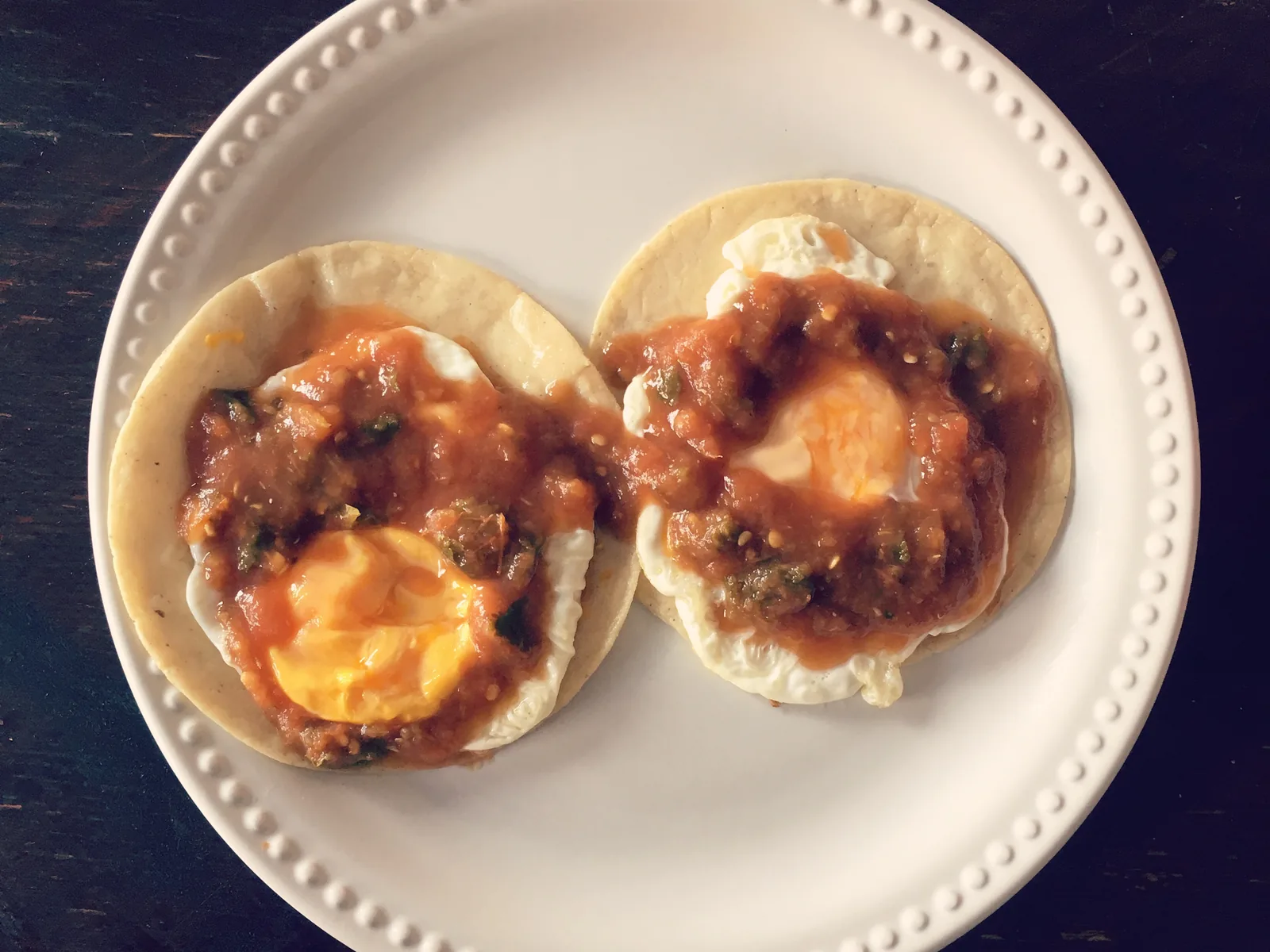
Huevos rancheros with fried eggs, salsa and tortillas Mexico flag Mexico 35m
Breakfast •Oaxaca Countryside

Huevos Rancheros Tradicional

Nixtamalized heirloom corn tortillas, pasture eggs, and charred tomato salsa bursting with fat-soluble carotenoids.

High Energy

Fried eggs, salsa roja and refried beans on warm corn tortillas.

Pairs Well With
Crushed Hass Avocado & Epazote Beans
High Protein • Quick Prep (<30m)
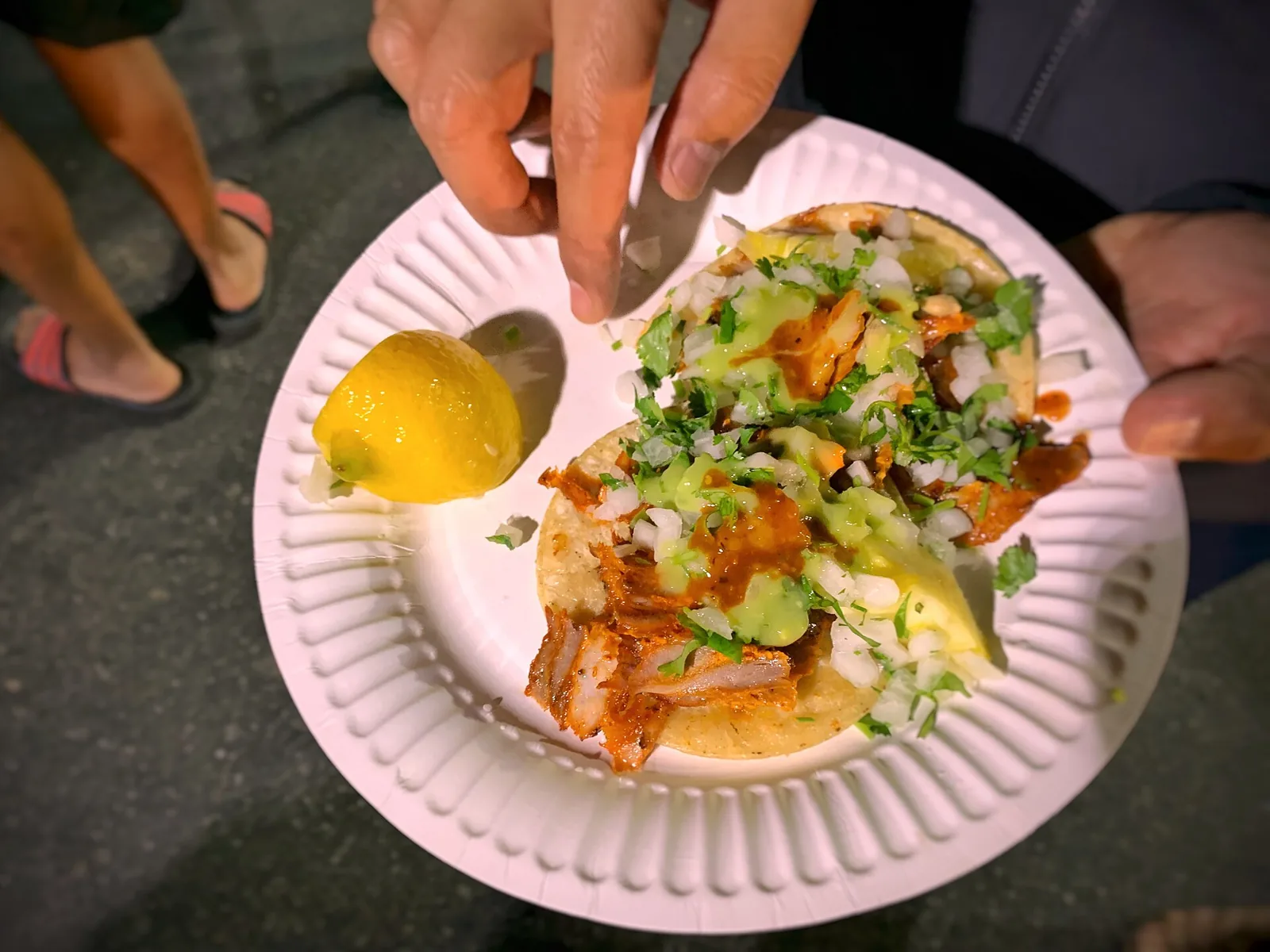
Two tacos al pastor with pork, pineapple, onion and cilantro on a paper plate with a lime wedge Mexico flag Mexico 45m
Lunch •Mexico City Street Food

Tacos al Pastor

This tacos al pastor recipe marinates pork shoulder in achiote and dried chillies, grills it until charred at the edges, and piles it onto warm corn tortillas with pineapple, onion and cilantro. One serving is about 312 g — two tacos.

Bold & Satisfying

Achiote-marinated pork, charred pineapple and onion on warm corn tortillas.

Pairs Well With
Salsa verde, lime wedges and an ice-cold Mexican lager
High Protein
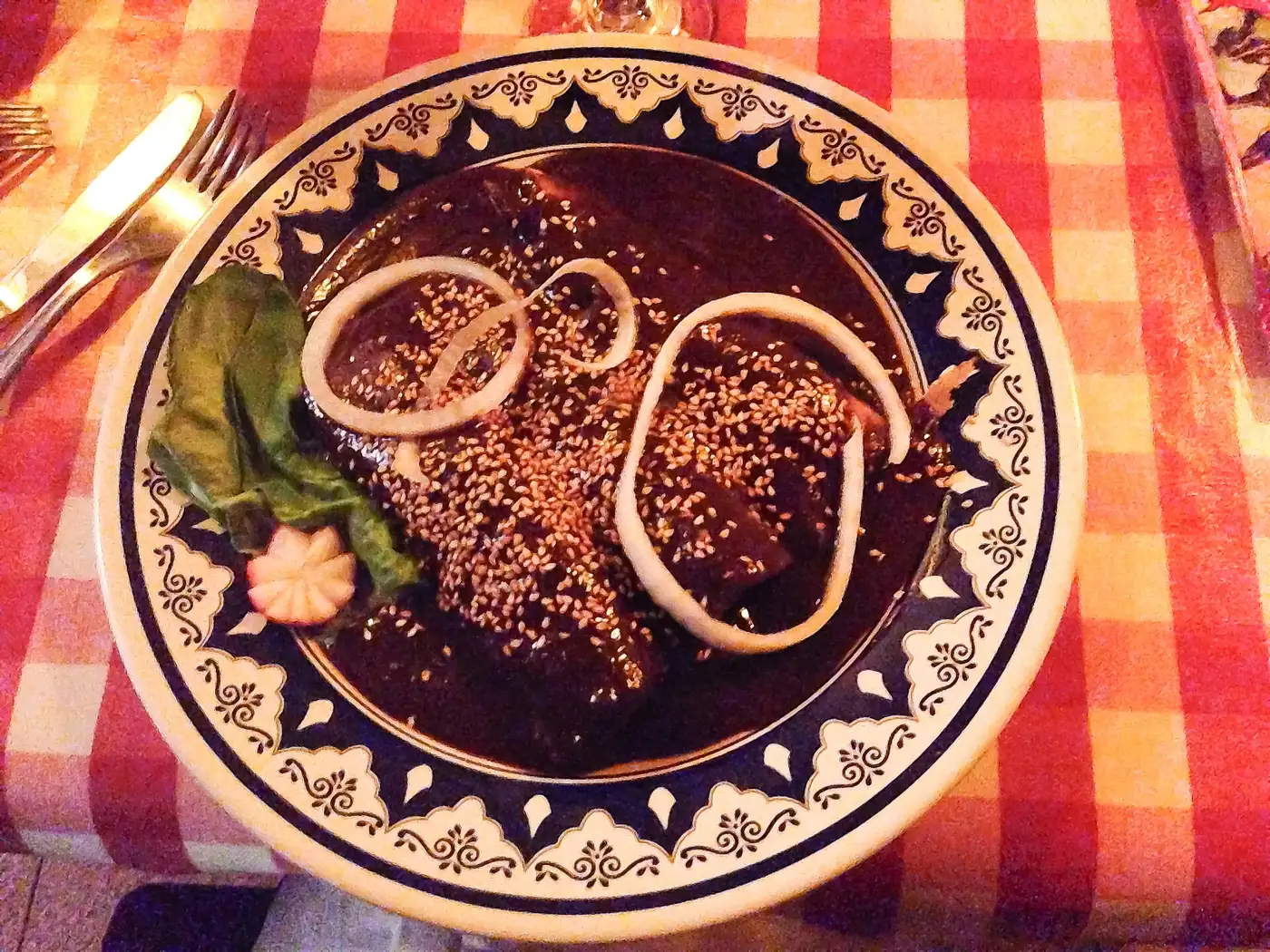
Chicken covered in dark mole poblano sauce with sesame seeds and onion rings on a patterned plate Mexico flag Mexico 2h 40m
Dinner •Puebla Celebration Dish

Mole Poblano

This mole poblano recipe builds the dark Puebla sauce the slow way — chillies toasted and soaked, nuts and seeds fried, chocolate melted in at the end — and serves it over tender chicken. One serving is about 300 g.

Rich & Festive

Dark, complex sauce of chillies, nuts, seeds and chocolate over tender chicken.

Pairs Well With
Mexican red rice, warm tortillas and a cold hibiscus agua fresca
High Protein
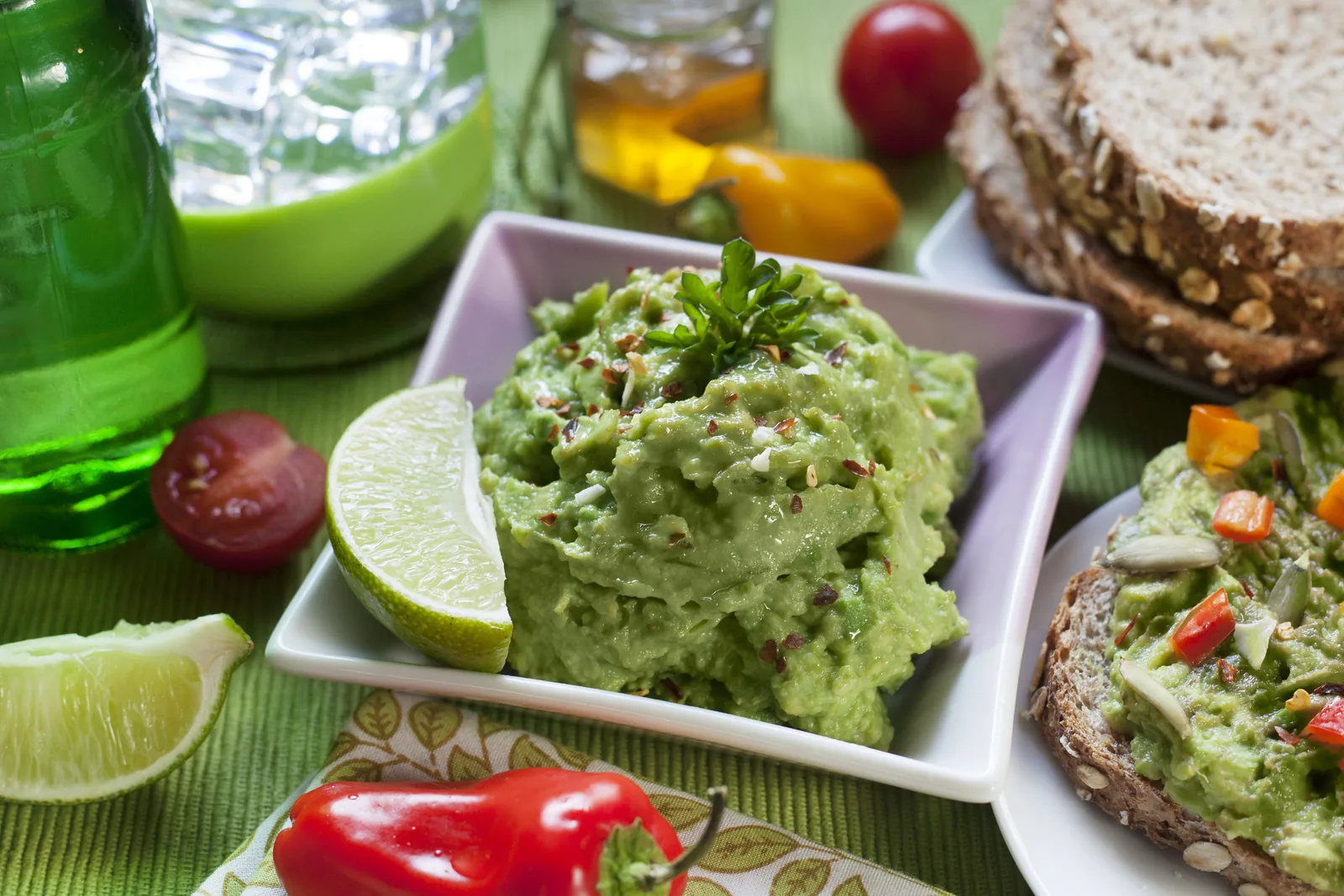
A square bowl of bright green guacamole with a lime wedge, surrounded by tomatoes, peppers and bread Mexico flag Mexico 15m
Snack & Tea •Mexican Classic

Guacamole

This guacamole recipe is the Mexican classic done the simple way: ripe Hass avocados mashed with tomato, red onion, jalapeño, lime and coriander, seasoned and served straight away. One serving is about 208 g, with tortilla chips for scooping. It takes 15 minutes and no cooking at all.

Fresh & Creamy

Mashed avocado with tomato, onion, lime and chilli, made fresh in 15 minutes and served with tortilla chips.

Pairs Well With
Tortilla chips, lime wedges & cold beer

The Dinner Gazette

Never wonder what’s for dinner again

One email a week with easy dinner ideas from around the world — ingredients, steps and nutrition, tested in our kitchen first.

Delivered every Thursday morning. Unsubscribe anytime.