
Curated recipes from 193 countries  •  New seasonal Mediterranean issue out now

Overview

Tuvaluan Tuna Curry

Tuvalu Tuna, Tuvalu Coconut Tuna

Tuvaluan tuna curry is the small Pacific nation's everyday fish curry: chunks of fresh tuna simmered in coconut milk with curry powder, onion, garlic, ginger and red chilli, seasoned with soy sauce and finished with cucumber and spring onion cooked in the sauce. What sets it apart from the Maldives' mas riha is its build — a single spoonful of imported curry powder and a splash of soy sauce instead of a ground spice paste with curry leaves and pandan — and the cucumber simmered right in the curry. One serving is about 350 g.

Tuvalu is a small Polynesian island nation in the Pacific where tuna, coconut and root crops are the foundations of the kitchen, and the tuna curry is a home-cooking favourite. Fresh-caught tuna is simmered in coconut milk with imported curry powder and soy sauce — two pantry staples that arrived with Indian and Asian influence in Oceania — while cucumber and spring onion cook in the sauce. It is usually served with steamed rice or coconut rice, and sometimes with boiled pulaka, the swamp taro that is Tuvalu's national dish.

Pairs well with: Steamed rice or coconut rice, with boiled taro on the side.

Provenance

Tuvalu flag Tuvalu

Tuvalu Island Classic

Oceania & Pacific

Time Dedication

40m

15m prep • 25m cook

Batch Yield

4 Servings

473 kcal per serving

1 serving ≈ 350 g

Technical Skill

Easy

Easy (One Pot)

Meal Timing & Digestive Fit

Breakfast

Not Advised

Lunch

Hearty Midday Main

Dinner

Ideal Hearty Main

Snack & Tea

Inappropriate

High Protein Occasions: Family dinners, island-style suppers, seafood nights, quick weeknight cooking Cost: Medium — about $4–5 per serving at home
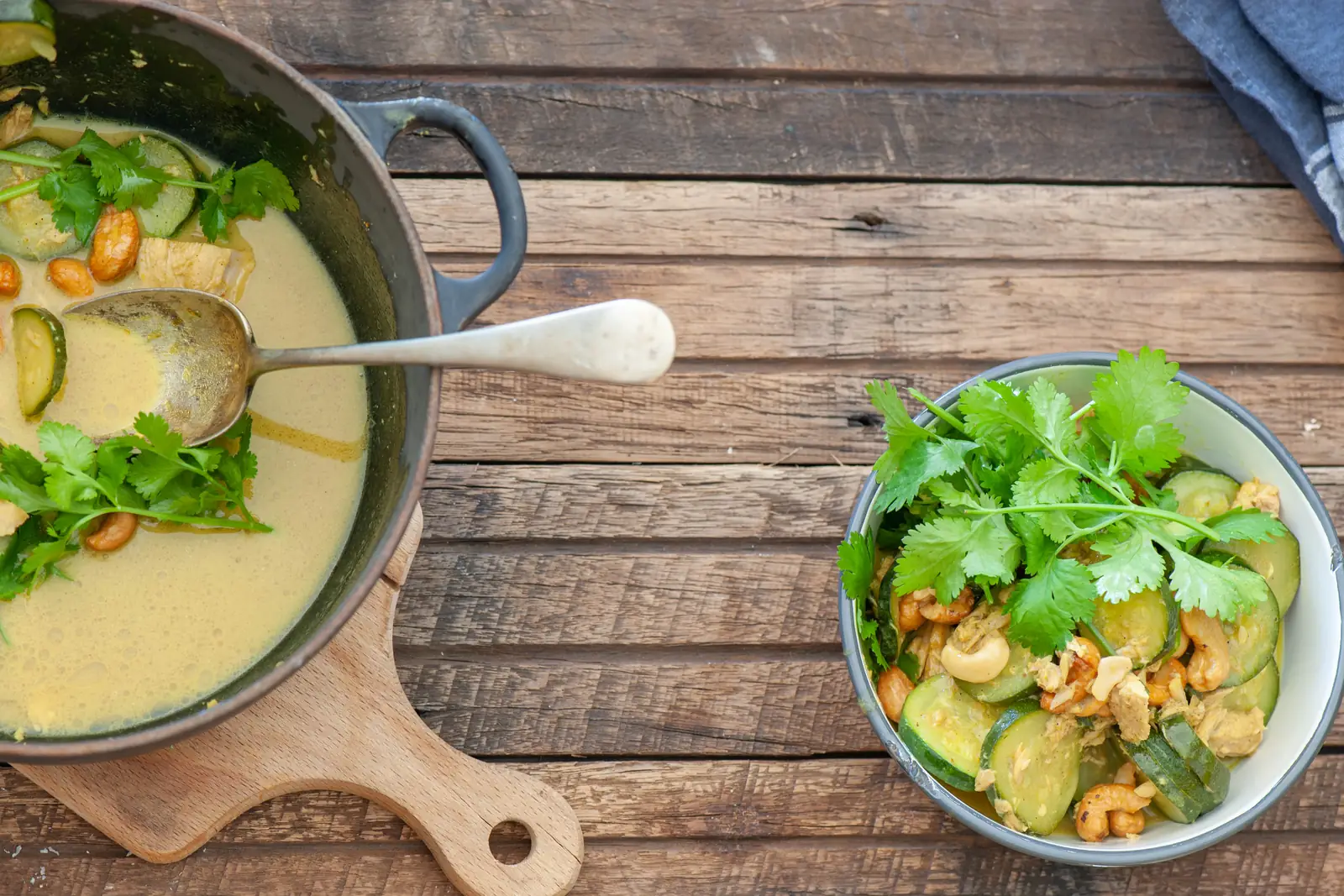
A pot and a bowl of creamy tuna curry with sliced green vegetables, cashews and fresh coriander on a wooden table

Tuvalu Island Classic

Photo: jules:stonesoup, CC BY 2.0, via Flickr

The Heritage Formulary

Measured Ingredients

Estimated cost: Medium — about $4–5 per serving at home (USD)

A simple island curry: fresh tuna, full-fat coconut milk and curry powder, cooked gently and seasoned with soy sauce.

Execution Methodology & Culinary Technique

Step-by-Step Cooking Guide

Active 40m
P

Prep Stage: Tuna Cubed, Vegetables Sliced, Seasonings Measured

15 Mins • Cutting, Slicing & Measuring

Cut the tuna into 3 cm cubes and pat dry, then slice the onion, chop the garlic and ginger, and slice the red chillies. Peel the cucumber, halve it lengthwise, scoop out the seeds and slice it into half-moons, and slice the spring onions. Measure out the curry powder, soy sauce, lime juice, salt and coconut milk so everything is within reach before the pan gets hot.

Maestro Tip: Cut the tuna into even cubes so every piece cooks in the same time — uneven pieces mean some dry out while others are still raw in the middle.

  1. 1

    Soften the Onion, Garlic and Ginger

    5 Mins • Frying Medium heat, about 175°C (350°F)

    Warm the vegetable oil in a wide, heavy pot over medium heat until it shimmers. Add the sliced onion and cook, stirring often, for about 4 minutes until soft and translucent. Add the garlic, ginger and red chillies and cook for 1 minute more, until fragrant.

    Do not let the garlic brown — browned garlic turns bitter and will flavour the whole sauce.

    Done when: Onion soft and translucent; garlic and ginger fragrant.

  2. 2

    Bloom the Curry Powder

    2 Mins • Frying the Spices Medium-low heat, about 160°C (320°F)

    Turn the heat down a little and sprinkle in the curry powder. Stir it into the onion for 1 to 2 minutes until it smells warm and toasty and darkens a shade. This short fry wakes up the spices so the sauce tastes deep instead of raw and dusty.

    If the powder starts to stick, add a splash of water — never turn the heat up to rush it, or the spices will scorch.

    Done when: Spices fragrant and a shade darker, coating the onion.

  3. 3

    Simmer the Coconut Milk Sauce

    5 Mins • Simmering Gentle simmer, about 95°C (200°F)

    Pour in the coconut milk and the soy sauce, scraping the bottom of the pot to lift any spices that have stuck. Add half the salt, bring to a gentle simmer and cook for about 5 minutes until the sauce has thickened slightly and the raw spice edge has mellowed. Taste and add the remaining salt only if it needs it.

    Keep the simmer gentle — a hard boil can make the coconut milk split and turn oily.

    Done when: Sauce slightly thickened and smooth, tasting rounded rather than raw.

  4. 4

    Add the Cucumber and Tuna

    8 Mins • Poaching the Fish Gentle simmer, about 90°C (195°F); fish cooked through to at least 63°C (145°F)

    Stir in the cucumber half-moons, then slide the tuna cubes into the sauce in a single layer and spoon a little sauce over them. Simmer gently for 6 to 8 minutes without stirring — the fish cooks in the hot sauce and stirring would break the cubes apart. The tuna is done when it flakes easily and is opaque all the way through, reaching at least 63°C (145°F) at the centre.

    Do not overcook — tuna dries out fast. Start checking at 6 minutes; the pieces should still look moist inside.

    Done when: Tuna flakes easily with a fork, opaque throughout, still moist; cucumber just tender.

  5. 5

    Finish with Lime and Spring Onion

    5 Mins • Resting Off the heat, cooling from about 90°C (195°F)

    Take the pot off the heat and stir in the lime juice. Scatter the spring onions over the top, cover and rest for 5 minutes so the flavours settle and the sauce thickens a little more before serving.

    Add the lime off the heat — boiling lime juice turns it bitter instead of bright.

    Done when: Sauce settled and slightly thickened; spring onions still bright green.

Finishing Touches & Plating

Spoon the curry into wide bowls over steamed rice or coconut rice, with the sauce ladled generously over the top. A final squeeze of lime and the fresh spring onions finish it the way Tuvaluan home cooks serve it.

Nutritional Physiology & Benefits

Nutrition

Energy

473

kcal / serving

Protein

39g

Complete AA

Carbs

14g

Complex

Fats

29g

Healthy

Per serving (4 servings · 1 serving ≈ 350 g)
Energy473 kcal
Protein39 g
Carbohydrates14 g
Fat29 g
Fibre3.7 g
Sugar5.3 g
Sodium863 mg
Per 100g
Energy135 kcal
Protein11.2 g
Carbohydrates3.9 g
Fat8.1 g
Fibre1 g
Sugar1.5 g
Sodium247 mg

Nutrition values are estimated — calculated from USDA FoodData Central values for the listed ingredients.

Vitamins & minerals: Provides vitamin D, selenium and vitamin B12 from the tuna, plus vitamin C from the lime juice, chillies and cucumber.

Serious Protein in One Bowl

About 39.2 g of protein per serving from the fresh tuna — enough to make one bowl a complete, satisfying dinner on its own.

Omega-3 Fats from Fresh Tuna

Tuna is a natural source of long-chain omega-3 fatty acids (EPA and DHA), the fats found in oily fish that form part of a balanced diet.

Vegetables Simmered in the Sauce

Cucumber, onion and spring onion cook right in the curry, adding fibre and vitamin C to a dish that is mostly fish and sauce.

Food Pairings

What to Eat With

To optimize nutrient absorption and elevate the sensory depth, pair with these authentic accompaniments:

Sides

Steamed Coconut Rice

The island way to serve it — rice cooked in half coconut milk and half water soaks up the curry sauce and echoes the coconut flavour of the dish.

Boiled Taro or Pulaka

Tuvalu's staple root crop, boiled until soft, is mild and starchy — it steadies the chilli heat and gives the meal the hearty base island cooks rely on.

Vegetables

Cucumber and Tomato Salad

Cool, crisp cucumber and tomato with a little lime cut through the richness of the coconut milk and refresh the palate between bites.

Drinks

Chilled Coconut Water

The natural island drink — cold, lightly sweet coconut water cools the chilli heat and matches the coconut in the curry without adding heaviness.

Complete menu

Start with a crisp cucumber and tomato salad, serve the curry over steamed coconut rice with boiled taro on the side, and finish with chilled coconut water — a complete Tuvaluan dinner.

Digestive Guardrails

What NOT to Combine

To prevent digestive distress, sluggishness, or palate clash, avoid pairing the dish with these elements:

Extra Salty Sauces on Top

The curry is already seasoned with soy sauce at about 863 mg of sodium per serving — pouring more soy sauce or fish sauce over it pushes the salt far higher and drowns the coconut and lime flavours. Season with a little extra lime instead. This is a cooking note, not medical advice.

Leaving the Curry Standing for Hours

Fish in coconut milk spoils quickly at warm room temperature, so do not leave the pot out on the table for hours after cooking — cool it within 2 hours and refrigerate what is left. This is a food-safety note, not medical advice.

General information only, not medical advice — consult a doctor for personal dietary decisions.

Who Should Eat It

Who Should Eat

  • General adultsA rich, satisfying dinner — one 350 g serving is a full meal for most adults.
  • ChildrenSuitable for older children if you use one chilli with the seeds removed; the fish is soft and easy to eat, and the cucumber is mild.
  • ElderlySoft, flaky tuna in a gentle sauce is easy to chew and digest; keep the chilli mild and the portion modest.
  • Pregnant womenFresh tuna is nutritious, but tuna carries more mercury than most fish — keep portions modest and vary your fish through the week. Ask your clinician about how often to eat tuna.
  • Breastfeeding womenA nourishing, protein-rich meal; the same mercury caution as in pregnancy applies, so vary your fish. Ask your clinician if unsure.
  • AthletesAbout 39.2 g of protein per serving supports recovery after training; pair with a generous portion of rice for the carbohydrate to match.
  • Weight gainAt 473 kcal with healthy fats from coconut and tuna, this is an energy-dense meal that helps add calories without a huge volume of food.
  • Weight lossThe protein is filling, but the coconut milk is rich — take a smaller portion of sauce, load up on the cucumber salad, and skip the second helping of rice.

Health Conditions — Adjust or Avoid

Conditions

  • DiabetesOnly about 13.7 g of carbohydrate per serving from the curry itself, so the curry is low in carbs — watch the rice portion instead, as that is where most of the carbohydrate comes from. Ask your clinician about portion size.
  • High blood pressureAbout 863 mg of sodium per serving is on the higher side because of the soy sauce — use low-sodium soy sauce and skip the extra salt. Ask your clinician about your daily sodium target.
  • Kidney diseaseTuna is high in protein and the sauce adds potassium from coconut milk, so portion size matters — a half serving with more rice and salad is a gentler option. Ask your clinician before making this a regular meal.
  • GoutTuna is a purine-rich fish, so this curry can raise uric acid — people prone to gout flares should eat it only occasionally and in a modest portion. Ask your clinician about how often tuna suits you.
  • Stomach issuesChilli, spices and rich coconut milk can irritate a sensitive stomach — use one mild chilli, skip the seeds, and eat a smaller portion with plain rice. If symptoms persist, ask your clinician.
  • Cardiovascular diseaseTuna brings omega-3 fats, but full-fat coconut milk is high in saturated fat — enjoy this as an occasional dish, use light coconut milk, and keep the portion modest. Ask your clinician about saturated fat in your diet.
  • Fatty liverThe coconut milk makes this a high-fat dish, so it is best as an occasional meal rather than a weekly staple; light coconut milk and a smaller portion help. Ask your clinician about dietary fat.
  • Food allergiesContains fish (tuna) and soy (soy sauce, which also usually contains wheat). The recipe is free of dairy, egg, peanut and tree nuts as written, but check your coconut milk and spice labels for traces. If you have a fish or soy allergy, do not eat this dish.
  • Special therapeutic dietsLow in carbohydrate before rice is added, and gluten-free if tamari replaces the soy sauce. For any prescribed therapeutic diet, check the ingredients against your plan and ask your clinician.

If you have a medical condition, consult your doctor before changing your diet.

Storage & Use

Storage & Use

How to store
Cool within 2 hours, then store the curry in a sealed container with the sauce covering the fish.
In the fridge
2 days in a sealed container.
In the freezer
1 month, in a single sealed container.
How to reheat
Reheat gently in a covered pan over low heat until steaming hot all the way through, to 74°C (165°F); do not boil hard or the sauce may split and the tuna dry out.
Freezing recommended
Yes for up to 1 month, though the sauce may separate slightly — stir gently while reheating to bring it back together.
Signs it has spoiled
Sour or off smell, slimy fish, or a sauce that has separated and will not come back together with gentle stirring.

More recipes to explore

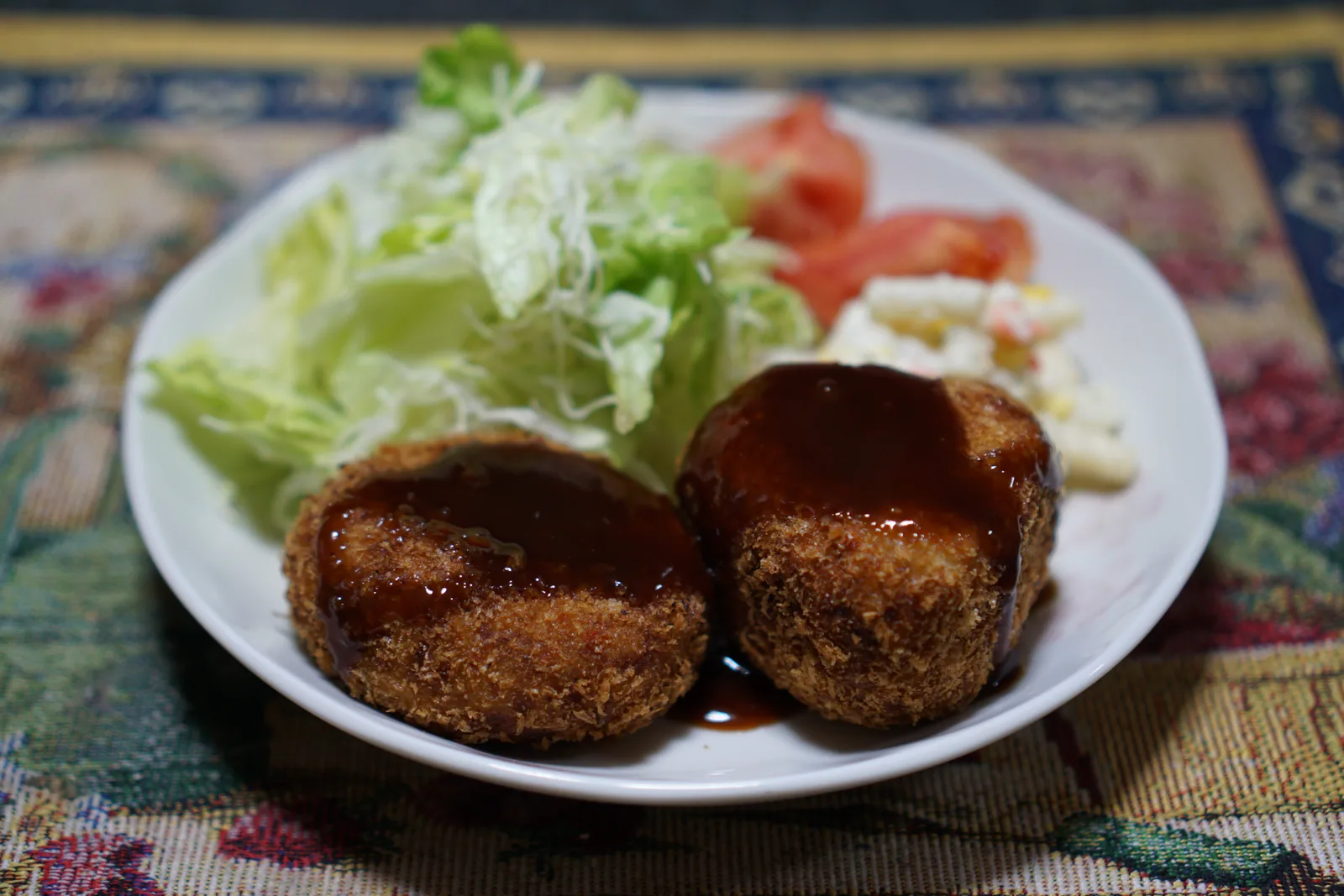
Two golden breadcrumb-coated fried croquettes with shredded cabbage salad on a white plate Tuvalu flag Tuvalu 45m
Snack & Tea •Tuvalu Island Snack

Tuvaluan Tuna Taro Patties

This tuna taro patties recipe comes from Tuvalu, where mashed cooked taro is mixed with drained tuna, grated ginger, green onion and lemon juice, bound with egg, coated in breadcrumbs and pan-fried until crisp and golden. The patties are soft and savoury inside with a crunchy crust, and the Pacific Community's cookbook serves them with a salad. One serving is about 212 g — three patties.

Crisp & Satisfying

Mashed taro and tuna, seasoned with ginger and lemon, breadcrumb-coated and pan-fried golden — a crisp Tuvaluan snack.

Pairs Well With
A crisp cabbage and tomato salad with lemon wedges, or sauteed greens.
High Protein

Bœuf bourguignon — French beef braised in red wine France flag France 4h
Dinner •Burgundy Terroir

Bœuf Bourguignon

Beef braised gently in red wine until the connective tissue melts into a velvet, gelatin-rich sauce — the classic Burgundy Sunday dinner.

Cellular Repair

Beef braised in red wine until spoon-tender, with mushrooms and pearl onions.

Pairs Well With
Parsnip Purée & Steamed French Haricots Verts
High Protein
Vietnamese braised pork belly with golden eggs in caramel sauce Vietnam flag Vietnam 1h 45m
Dinner •One Pot

Vietnamese Braised Pork and Eggs

Pork belly slowly braised in coconut water and caramel until meltingly tender, with golden eggs that soak up the sweet-savoury sauce — the Vietnamese family dish that tastes better the next day.

Comfort & Sustained Energy

Slow-braised pork belly and eggs in coconut water and caramel.

Pairs Well With
Steamed rice & pickled mustard greens
High Protein
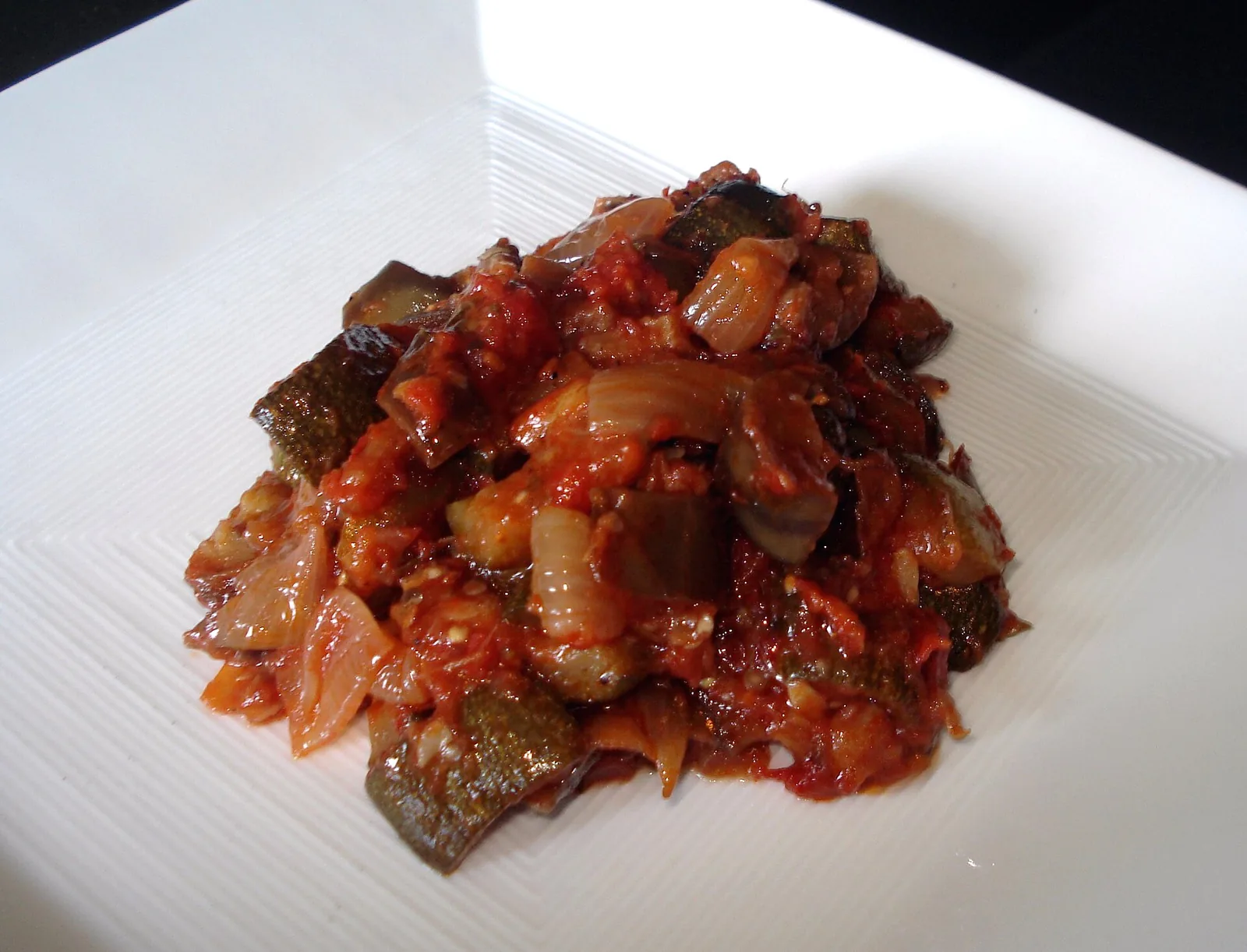
A mound of classic ratatouille with eggplant, zucchini, tomato and onion on a white plate France flag France 1h 15m
Dinner •Nice Provençal

Ratatouille

This ratatouille recipe cooks eggplant, zucchini, peppers and tomatoes separately first, so each vegetable keeps its own texture, then brings them together for a slow, fragrant simmer. One serving is about 400 g.

Light & Vegetable-Rich

Slow-simmered summer vegetables in olive oil — light, fragrant and full of fibre.

Pairs Well With
Crusty sourdough bread, grilled fish or a fried egg

The Dinner Gazette

Never wonder what’s for dinner again

One email a week with easy dinner ideas from around the world — ingredients, steps and nutrition, tested in our kitchen first.

Delivered every Thursday morning. Unsubscribe anytime.