
Curated recipes from 193 countries  •  New seasonal Mediterranean issue out now

Overview

Ukrainian Salo

Salo with Garlic and Rye Bread, Cured Pork Fat, Ukrainian Lard

Salo is Ukraine's most iconic snack: pork back fat cured in salt with garlic and black pepper until firm and silky, then sliced paper-thin and eaten on dark rye bread with pickles. It is intensely savoury, rich and satisfying in small amounts — a little goes a long way. One serving is about 140 g.

Salo has been a staple of Ukrainian tables for centuries, since salt-cured pork fat was one of the few foods that kept through the long winter without refrigeration. It became a symbol of Ukrainian hospitality and humour — guests are still welcomed with salo on rye bread — and the saying goes that salo is not just food, but a state of mind.

Pairs well with: Dark rye bread, garlic & dill pickles

Provenance

Ukraine flag Ukraine

Ukrainian Table Classic

Nordic & European

Time Dedication

20m

20m prep • 0m cook

Batch Yield

4 Servings

722 kcal per serving

1 serving ≈ 140 g

Technical Skill

Easy

Easy (No Cooking)

Meal Timing & Digestive Fit

Breakfast

Not Advised

Lunch

Inappropriate

Dinner

Inappropriate

Snack & Tea

Ideal Light Bite

High Protein Occasions: Winter snacks, festive tables, borscht suppers, hospitality platters Cost: Low — about $1–2 per serving at home
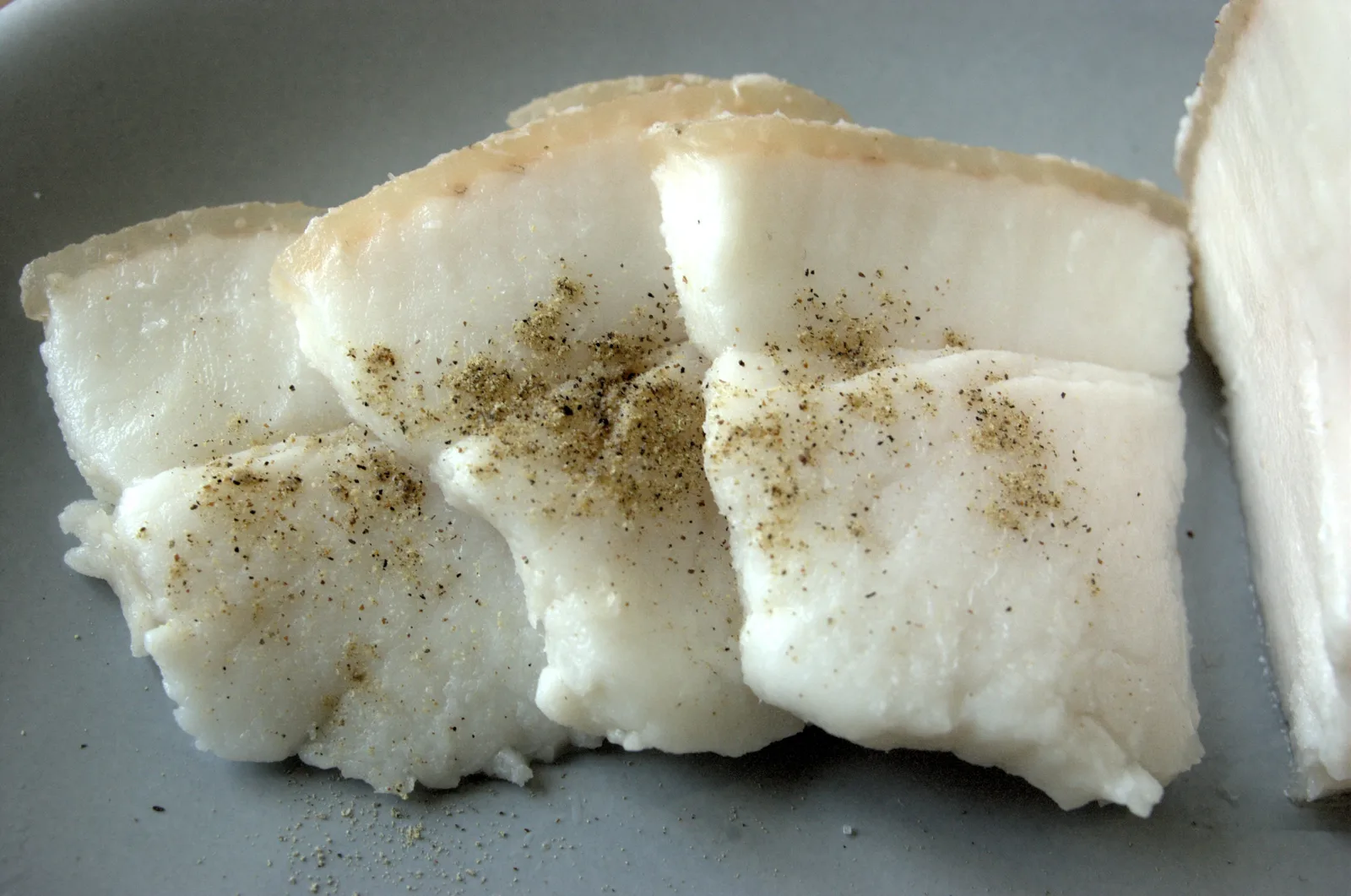
Thin slices of cured pork back fat dusted with black pepper on a grey plate

Ukrainian Table Classic

Photo: Roland Geider (Ogre), Public domain, via Wikimedia Commons

The Heritage Formulary

Measured Ingredients

Estimated cost: Low — about $1–2 per serving at home (USD)

Good salo is snow-white, firm and silky, sliced paper-thin and eaten cold — never thick, yellowed or warm.

Execution Methodology & Culinary Technique

Step-by-Step Cooking Guide

Active 20m
P

Prep Stage: Salt, Garlic & Pepper Cure

20 Mins • Rub & Wrap

Mix the salt with the crushed cure garlic and coarse pepper, then rub the mixture thickly over every side of the dry back fat, working it into the scored skin. Wrap the piece tightly in baking paper, then in foil, and set it in a dish in the fridge.

Maestro Tip: The fat must be completely dry before salting, or the cure will not take evenly.

  1. 1

    Rub the Cure In

    10 Mins Room temperature, about 20°C (68°F)

    Rub the salt, garlic and pepper mixture over all sides of the pork back fat, pressing it into the scored skin and the cut faces. Wrap tightly in baking paper, then foil, and place in a dish to catch any liquid.

    Use the full 30 g of salt — a timid cure leaves the fat soft and bland.

    Done when: Every surface is coated; no bare fat shows.

  2. 2

    Cure in the Fridge

    5 Days • Chilled Fridge, 2–4°C (36–39°F)

    Leave the wrapped fat in the fridge for 5 days, turning it once a day. The salt draws out moisture and firms the fat; a little liquid will collect in the dish, which is normal. The fat is ready when it feels firm and slightly springy all the way through, like a ripe cheese.

    Five days is the minimum for a 300 g piece — a thicker piece needs a day or two more.

    Done when: The fat is firm and springy throughout, with no soft spots.

  3. 3

    Brush Off & Chill Firm

    5 Mins Fridge, 2–4°C (36–39°F)

    Unwrap the salo and brush off all the excess salt, garlic and pepper with a dry cloth or soft brush — do not rinse it. Wrap it cleanly and chill for at least 2 hours so it slices thinly and cleanly.

    Cold salo slices far more thinly than room-temperature salo; never serve it warm.

    Done when: The surface is clean and dry; the fat is cold and firm.

  4. 4

    Slice Thin & Serve

    5 Mins Served cold, 2–4°C (36–39°F)

    With a long, sharp knife, cut the salo into paper-thin slices, about 2–3 mm thick, cutting across the fat so each slice shows the skin edge. Lay 4–5 slices on each plate with a thick slice of rye bread, a few pickle rounds and a clove of sliced fresh garlic.

    Thin slices are the whole secret — thick chunks taste greasy, thin slices taste silky.

    Done when: Slices are translucent at the edges and bend without breaking.

Finishing Touches & Plating

Serve the salo well chilled, sliced thin, with rye bread, pickles and fresh garlic on the side. Eat a little at a time — a few thin slices with bread is a full serving, and the pickles' acidity is there to cut the richness.

Nutritional Physiology & Benefits

Nutrition

Energy

722

kcal / serving

Protein

6g

Complete AA

Carbs

21g

Complex

Fats

68g

Healthy

Per serving (4 servings · 1 serving ≈ 140 g)
Energy722 kcal
Protein6 g
Carbohydrates21 g
Fat68 g
Fibre2.7 g
Sugar0.6 g
Sodium980 mg
Per 100g
Energy516 kcal
Protein4.3 g
Carbohydrates15.1 g
Fat48.5 g
Fibre1.9 g
Sugar0.4 g
Sodium700 mg

Nutrition values are estimated — calculated from USDA FoodData Central values for the listed ingredients.

Vitamins & minerals: B vitamins (pork fat), vitamin C (pickles, garlic), small amounts of vitamin D (pork fat) and potassium (rye bread).

Dense, Long-Lasting Energy

Pork fat is almost pure energy, which is why a small serving kept people working through cold winters — it is fuel, not a light snack.

Simple, Preserved Food

Salt curing is one of the oldest preservation methods: salt, garlic and time, with nothing artificial added.

Garlic & Pickles on the Side

Fresh garlic and sharp pickles bring flavour and acidity that balance the fat, so a small amount feels satisfying.

Food Pairings

What to Eat With

To optimize nutrient absorption and elevate the sensory depth, pair with these authentic accompaniments:

Sides

Dark Rye Bread

Dense rye is the essential partner — its sour, malty crumb carries the silky fat and stops it feeling greasy.

Vegetables

Dill Pickles & Fresh Garlic

Sharp, salty pickles and raw garlic cut straight through the richness; without acidity, salo is heavy.

Drinks

Hot Black Tea

Unsweetened hot tea after salo cleanses the palate and warms the stomach — the traditional way to finish.

Soups

A Bowl of Borscht

Salo on rye is the classic companion to a bowl of borscht — the soup's acidity and heat balance the cold, rich fat.

Complete menu

Serve thin slices of salo on rye bread with pickles and garlic as a snack before a bowl of borscht, finishing with hot black tea.

Digestive Guardrails

What NOT to Combine

To prevent digestive distress, sluggishness, or palate clash, avoid pairing the dish with these elements:

Large Portions, Daily

Salo is very high in saturated fat and salt, so keep it an occasional snack in thin slices rather than a daily habit. This is general information, not medical advice.

Eating It Warm or at Room Temperature

Warm salo turns soft and greasy and its texture is unpleasant; always serve it well chilled, sliced thin.

General information only, not medical advice — consult a doctor for personal dietary decisions.

Who Should Eat It

Who Should Eat

  • General adultsAn occasional rich snack — a few thin slices with bread, not a full meal.
  • ChildrenNot recommended for young children — very salty and very fatty; keep it for adults.
  • ElderlyNot ideal — the salt and saturated fat are heavy; a single thin slice at most, and only occasionally.
  • Pregnant womenEat only occasionally and in a small amount; the salt load is high and the fat is almost entirely saturated.
  • Breastfeeding womenEat only occasionally and in a small amount; the salt load is high.
  • AthletesA dense energy food, but almost all fat — useful only in tiny amounts in extreme cold, not as a training food.
  • Weight gainA fast way to add calories, but the saturated fat and salt make it a poor choice for regular weight gain.
  • Weight lossBest avoided — the energy density is extreme and the fat is almost entirely saturated.

Health Conditions — Adjust or Avoid

Conditions

  • DiabetesThe bread and the small amount of sugar in pickles are minor, but the fat load is high; keep the portion tiny and occasional.
  • High blood pressureHigh in sodium by design — this is one of the saltiest foods on the site; if you watch sodium, skip it or take a single thin slice; ask your clinician.
  • Kidney diseaseVery high in sodium and saturated fat; not a suitable regular food; ask your clinician.
  • GoutEat rarely and in a very small amount — pork fat is high in purines and saturated fat.
  • Stomach issuesThe raw garlic and pickles can irritate a sensitive stomach; skip the garlic and keep the portion tiny.
  • Cardiovascular diseaseVery high in saturated fat and sodium; an occasional single thin slice at most, not a regular snack.
  • Fatty liverVery high in saturated fat; best avoided, or a single thin slice on a rare occasion.
  • Food allergiesContains no common allergens in the salo itself; the rye bread contains wheat (gluten) — serve with gluten-free bread if needed.
  • Special therapeutic dietsIf you follow a prescribed low-sodium or low-fat diet, this dish does not fit it; check with your clinician before eating it.

If you have a medical condition, consult your doctor before changing your diet.

Storage & Use

Storage & Use

How to store
Keep the cured piece wrapped tightly in baking paper and foil in the fridge.
In the fridge
Up to 4 weeks wrapped; sliced salo 3–4 days.
In the freezer
Up to 3 months wrapped; thaw overnight in the fridge.
How to reheat
Not reheated — served cold.
Freezing recommended
Yes — salo freezes well for up to 3 months.
Signs it has spoiled
Yellowed fat, rancid or sour smell, sticky surface, or mould on the skin.

More recipes to explore

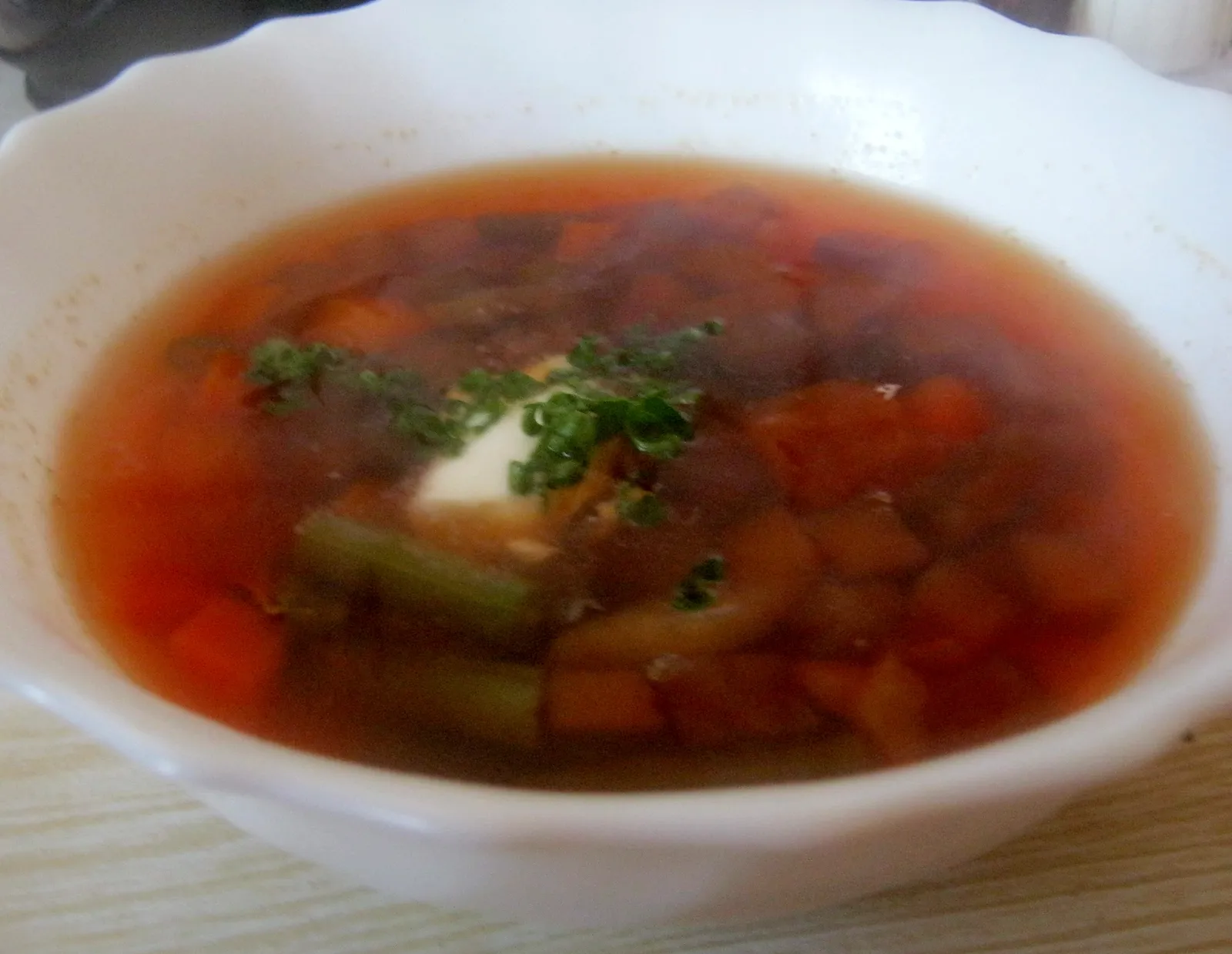
A bowl of hot red Ukrainian borscht with sour cream and chopped dill Ukraine flag Ukraine 2h
Dinner •Ukrainian Heritage Classic

Ukrainian Borscht

Ukrainian borscht is a hot ruby-red beet soup simmered in beef broth with cabbage, potatoes and carrots, served steaming with a spoonful of sour cream and a shower of dill. One serving is about 500 g.

Comfort & Warmth

Hot beet soup in beef broth with cabbage, potatoes and a spoonful of sour cream.

Pairs Well With
Dark rye bread and a spoonful of sour cream with fresh dill
Soups & Broths
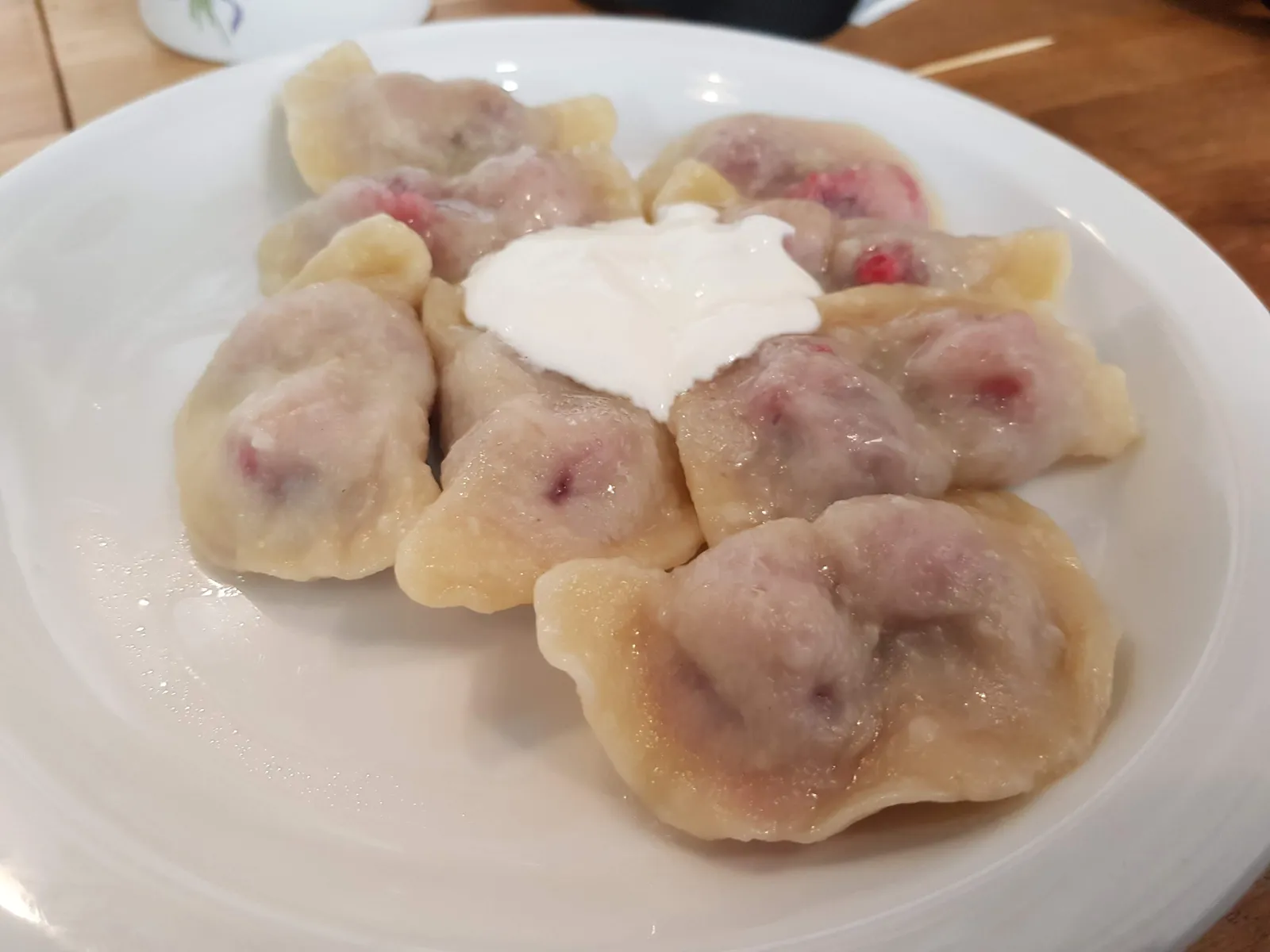
A plate of sour cherry varenyky with sour cream, cherries showing through the dough Ukraine flag Ukraine 1h
Dinner •Ukrainian Family Classic

Varenyky

Varenyky are Ukraine's beloved dumplings — soft dough folded around sour cherries and a little sugar, boiled until they float, then tossed in butter and served with sour cream. Sweet, tart and deeply comforting. One serving is about 300 g.

Sweet Comfort

Soft dough dumplings filled with sour cherries, served with butter and sour cream.

Pairs Well With
Melted butter, sour cream and a dusting of sugar
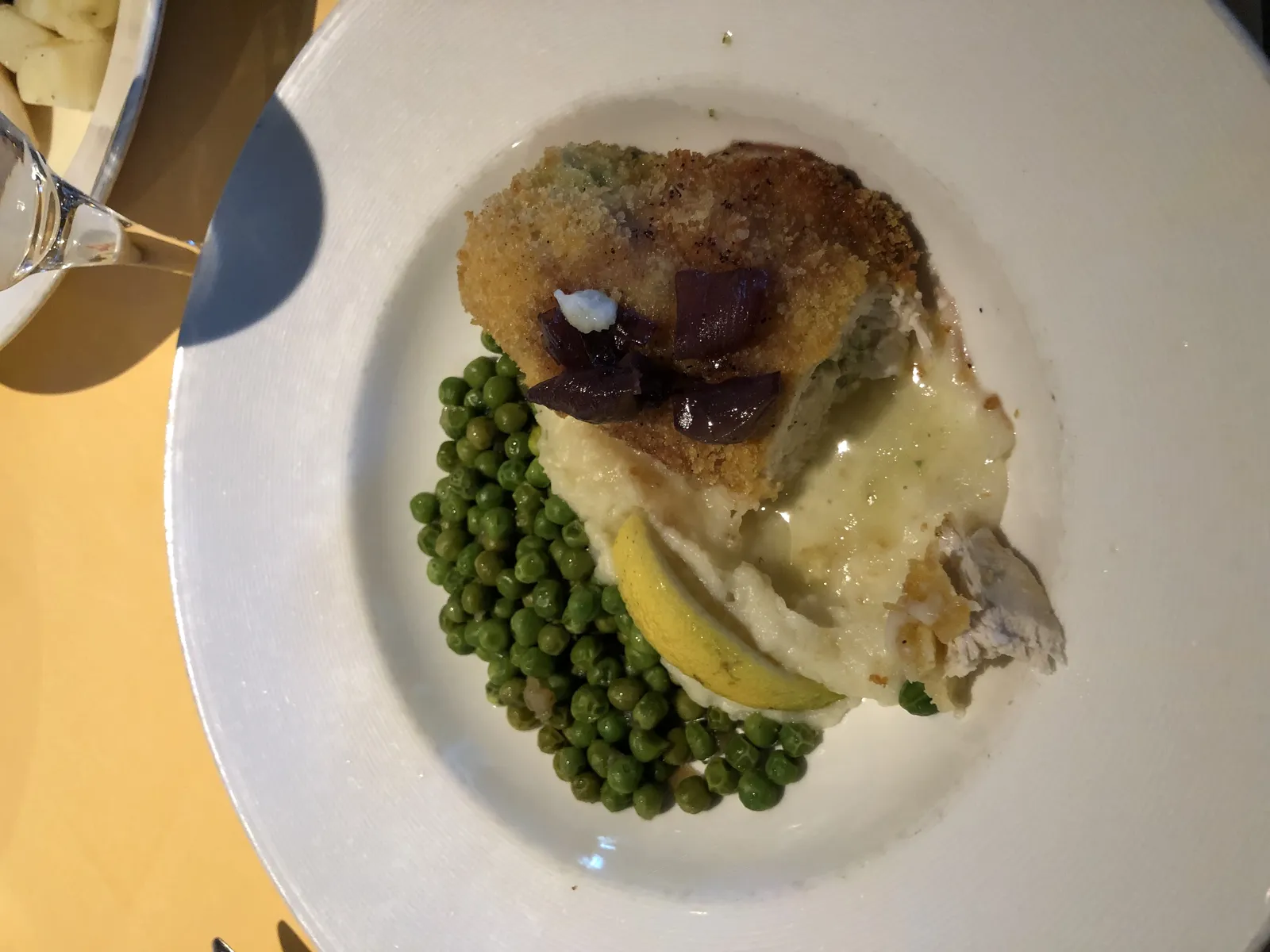
A golden breaded chicken Kyiv cut open with herb butter running out, served with peas Ukraine flag Ukraine 50m
Dinner •Kyiv Restaurant Classic

Chicken Kyiv

Chicken Kyiv is Ukraine's famous cutlet: a chicken breast pounded flat, rolled around a cold log of herb butter, breaded and fried until crisp — then cut open so the butter runs out in a golden stream. One serving is about 250 g.

High Protein & Indulgent

Crisp breaded chicken breast with a molten herb-butter centre.

Pairs Well With
Buttery mashed potatoes and green peas with lemon
High Protein
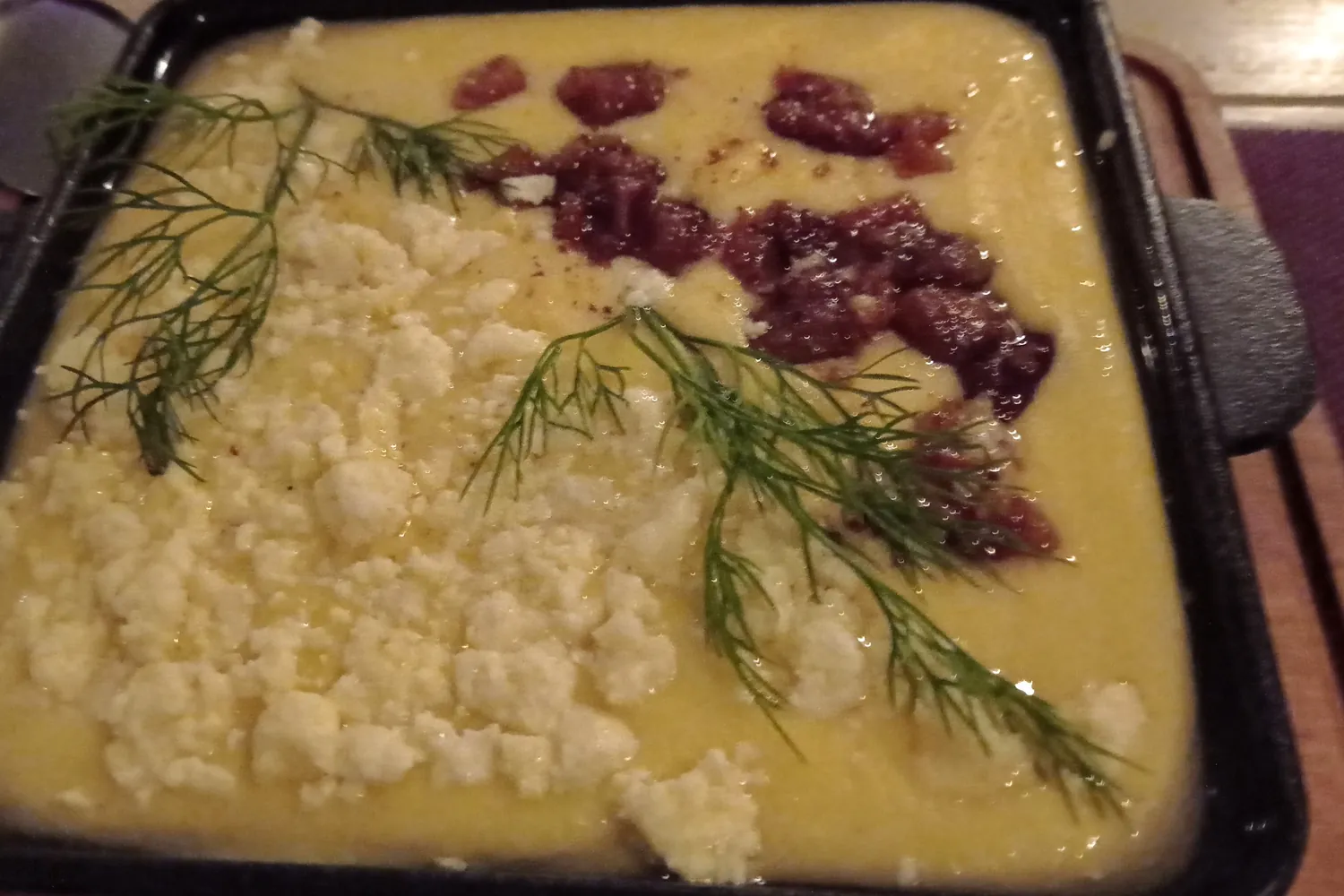
Golden banosh cornmeal porridge in a black dish, topped with crumbled white bryndza cheese, dark pork cracklings and fresh dill Ukraine flag Ukraine 50m
Dinner •Hutsul Heritage

Banosh

This banosh recipe cooks fine cornmeal slowly in sour cream and milk — never just water — until it turns thick, glossy and tangy, then tops it with crumbled bryndza cheese and crisp pork cracklings. It is the Hutsul shepherds' dish of the Carpathian Mountains. One serving is about 344 g.

Comfort & Warmth

Cornmeal simmered in sour cream and milk until thick and creamy, topped with salty bryndza and crisp pork cracklings.

Pairs Well With
Bryndza cheese, pork cracklings & fresh dill

The Dinner Gazette

Never wonder what’s for dinner again

One email a week with easy dinner ideas from around the world — ingredients, steps and nutrition, tested in our kitchen first.

Delivered every Thursday morning. Unsubscribe anytime.