
Curated recipes from 193 countries  •  New seasonal Mediterranean issue out now

Overview

Uruguayan Pumpkin Soup

Sopa de Zapallo, Uruguayan Sopa de Zapallo, Cream of Pumpkin Soup

This uruguayan pumpkin soup recipe turns sweet zapallo pumpkin, onion and carrot into a silky cream soup, finished with milk, cream and a pinch of nutmeg. One serving is about 520 g. It is the smooth, golden soup Uruguayans ladle out at family lunches on cold days, with crisp croutons and chopped parsley on top.

Zapallo — the squash family that includes pumpkin — is one of the oldest foods of the Americas, grown in the region long before European ships arrived, and it is still a staple of home cooking across the Rio de la Plata. In Uruguay the creamy blended version, sopa de zapallo, is a winter classic: a smooth, golden soup ladled out at family lunches, usually with cream, croutons and parsley on top. Every household seasons it a little differently — some add carrot, some a pinch of nutmeg — but the silky texture is the point.

Pairs well with: Crusty bread, a green salad and a glass of water

Provenance

Uruguay flag Uruguay

Uruguayan Heritage

Latin America & Caribbean

Time Dedication

50m

15m prep • 35m cook

Batch Yield

4 Servings

290 kcal per serving

1 serving ≈ 520 g

Technical Skill

Easy

Easy (One Pot)

Meal Timing & Digestive Fit

Breakfast

Not Advised

Lunch

Prime Metabolic Fit

Dinner

Ideal Hearty Main

Snack & Tea

Inappropriate

Soups & Broths Occasions: Winter lunches, family meals, rainy days, light suppers Cost: Low — about $2–3 per serving at home
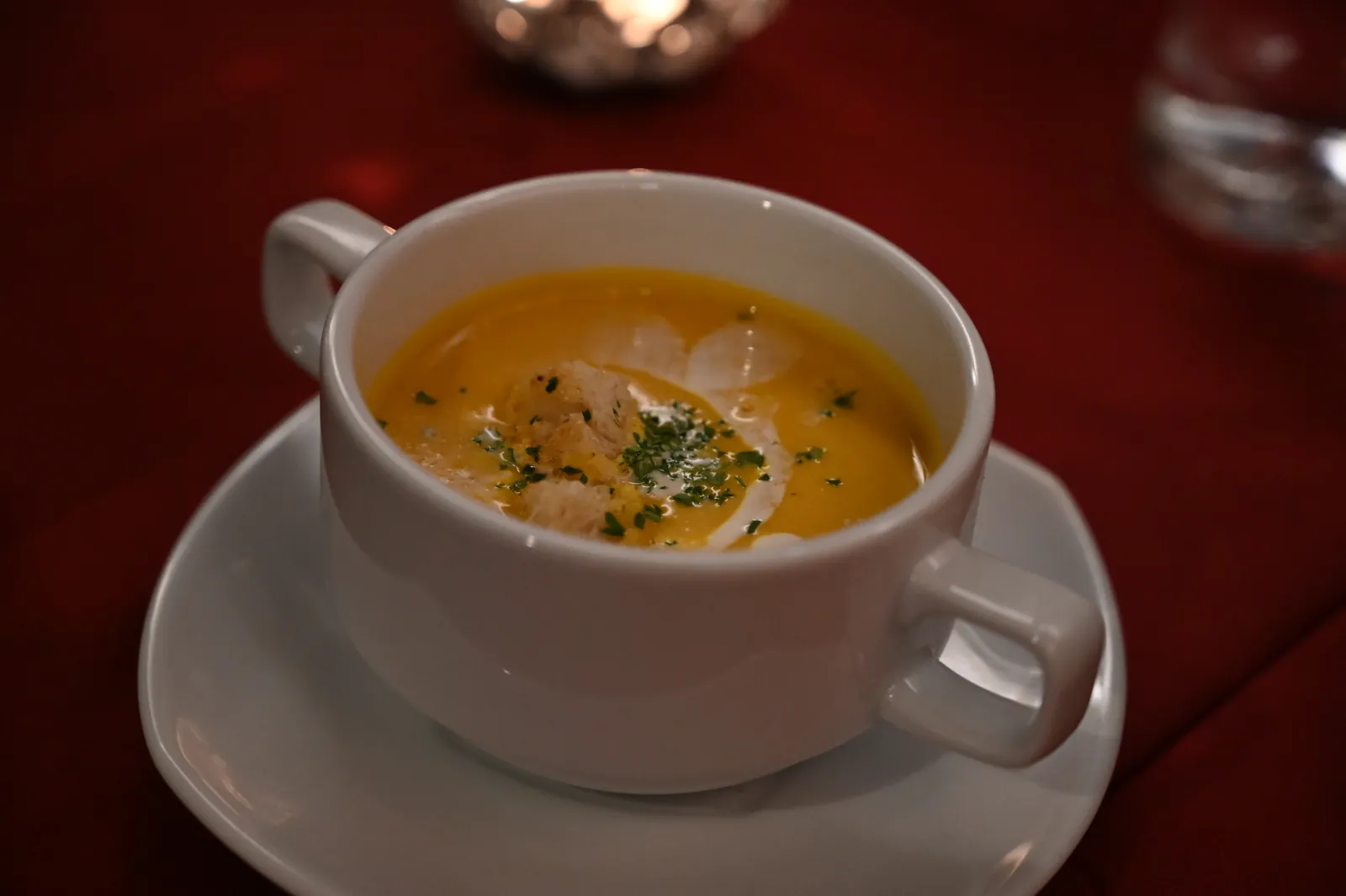
A white double-handled soup cup of creamy orange pumpkin soup with a swirl of cream, chopped herbs and croutons on a red tablecloth

Uruguayan Heritage

Photo: PattayaPatrol, CC BY-SA 4.0, via Wikimedia Commons

The Heritage Formulary

Measured Ingredients

Estimated cost: Low — about $2–3 per serving at home (USD)

A true sopa de zapallo is blended completely smooth, with the cream stirred in off the boil so it never splits.

Execution Methodology & Culinary Technique

Step-by-Step Cooking Guide

Active 50m
P

Prep Stage: Pumpkin, Onion and Carrot

15 Mins • Peeling & Chopping

Peel the pumpkin, scoop out the seeds and cut the flesh into 3 cm cubes. Chop the onion finely, peel the carrot and cut it into thin rounds, and slice the garlic. Cut the bread into 1 cm cubes for the croutons and chop the parsley. Measure the stock, milk and cream so everything is ready when the pot is hot.

Maestro Tip: Cut the pumpkin into even cubes — small pieces cook faster and blend smoother than big chunks.

  1. 1

    Soften the Onion, Carrot and Garlic

    8 Mins Medium heat, about 160°C (320°F)

    Warm the olive oil in a large pot over medium heat. Add the onion, carrot and garlic with a pinch of salt and cook for about 8 minutes, stirring often, until the onion is soft and clear and the carrot has started to give. Do not let anything brown — colour here would dull the soup.

    A pinch of salt at this stage draws the moisture out and stops the onion from browning.

    Done when: The onion is soft and translucent and the carrot bends easily.

  2. 2

    Simmer the Pumpkin

    25 Mins Gentle simmer, about 95°C (203°F)

    Add the pumpkin cubes and the vegetable stock, raise the heat until it just bubbles, then turn it down to a gentle simmer. Put the lid on ajar and cook for about 25 minutes, until the pumpkin falls apart when pressed with a spoon.

    Keep it at a lazy simmer, not a rolling boil — hard boiling makes the pumpkin watery and the soup thin.

    Done when: A cube of pumpkin crushes to a soft puree with no effort.

  3. 3

    Blend Until Silky

    5 Mins No heat

    Take the pot off the heat and let it stand for 5 minutes. Blend with a stick blender right in the pot, moving it slowly, until the soup is completely smooth and glossy — about 2 minutes. If you use a jug blender, fill it only halfway at a time and hold the lid down with a folded tea towel, because hot soup steams and pushes the lid up.

    Blend longer than you think — 30 seconds past smooth is what makes it feel like velvet.

    Done when: The soup runs off a spoon in a smooth ribbon with no lumps at all.

  4. 4

    Stir in the Milk and Cream

    5 Mins Low heat, about 70°C (158°F) — do not boil

    Return the pot to low heat and stir in the milk and most of the cream, saving a spoonful for the bowls. Warm it through for about 5 minutes, stirring now and then, until it is steaming. Taste and add the salt, pepper and nutmeg — the nutmeg should be a whisper, not a flavour you can name.

    Never let the soup boil once the milk and cream are in — boiling can make the cream split into little flecks.

    Done when: The soup is steaming, smooth and pale gold, with no flecks of cream.

  5. 5

    Serve with Croutons and Parsley

    2 Mins Serve hot, about 70°C (158°F)

    While the soup warms, toast the bread cubes in a dry pan over medium heat until golden and crisp. Ladle the soup into warm bowls, swirl in the saved cream, and scatter the croutons and chopped parsley over the top. Serve at once, while the croutons are still crunchy.

    Warm the bowls with hot water first — the soup stays hot to the last spoonful.

    Done when: A hot, silky bowl with a cream swirl, green parsley and crisp golden croutons.

Finishing Touches & Plating

A last swirl of cream, a scatter of parsley and hot crisp croutons — serve the soup steaming, with crusty bread on the side.

Nutritional Physiology & Benefits

Nutrition

Energy

290

kcal / serving

Protein

7g

Complete AA

Carbs

32g

Complex

Fats

16g

Healthy

Per serving (4 servings · 1 serving ≈ 520 g)
Energy290 kcal
Protein7 g
Carbohydrates32 g
Fat16 g
Fibre3.2 g
Sugar14.0 g
Sodium755 mg
Per 100g
Energy56 kcal
Protein1.3 g
Carbohydrates6.1 g
Fat3.2 g
Fibre0.6 g
Sugar2.7 g
Sodium145 mg

Nutrition values are estimated — calculated from USDA FoodData Central values for the listed ingredients.

Vitamins & minerals: Vitamin A (as beta-carotene) from the pumpkin and carrot, vitamin C from the pumpkin and parsley, potassium from the pumpkin, and calcium from the milk and cream. Nutrition is estimated.

Pumpkin for Vitamin A

Pumpkin and carrot are rich in beta-carotene, which the body turns into vitamin A — one bowl covers a large share of the day's need.

Fibre That Fills You Up

With about 3.2 g of fibre per bowl from pumpkin, carrot and onion, the soup is filling for about 290 kcal.

Lighter Than It Tastes

At about 290 kcal a bowl, this creamy soup is lighter than most cream soups — the silkiness comes mostly from the blended pumpkin, not from fat.

Food Pairings

What to Eat With

To optimize nutrient absorption and elevate the sensory depth, pair with these authentic accompaniments:

Sides

Crusty Bread

A thick slice of crusty bread is made for this soup — it soaks up the last golden spoonfuls and turns a light lunch into a full meal.

Grilled Cheese Sandwich

A golden grilled cheese sandwich is the classic partner — salty, melty cheese against sweet pumpkin soup is a combination Uruguayans love on cold days.

Vegetables

Mixed Green Salad

A sharp green salad with a lemon dressing cuts through the soup's richness and adds a fresh crunch beside the soft, warm bowl.

Drinks

Sparkling Water with Lemon

Cold sparkling water with a squeeze of lemon refreshes the palate between spoonfuls and keeps the meal light.

Complete menu

Start with this pumpkin soup and crusty bread, follow with grilled chicken and salad, and finish with fresh fruit — a simple Uruguayan family lunch.

Digestive Guardrails

What NOT to Combine

To prevent digestive distress, sluggishness, or palate clash, avoid pairing the dish with these elements:

Boiling the Soup After Adding Cream

Once the milk and cream go in, a hard boil can split the cream into little flecks and thin the soup — keep it to a gentle steam. This is general information, not medical advice.

Blending a Full Jug of Hot Soup

Hot soup makes steam that can push a blender lid off and spray burning soup — blend in small batches and hold the lid down with a tea towel. This is general information, not medical advice.

Serving It with a Very Spicy Main

Chilli heat overwhelms the soup's gentle sweetness, so the pumpkin flavour disappears — keep spicy dishes for another meal. This is general information, not medical advice.

General information only, not medical advice — consult a doctor for personal dietary decisions.

Who Should Eat It

Who Should Eat

  • General adultsA warming, balanced lunch — about 290 kcal a bowl with fibre and vitamin A.
  • ChildrenA good choice — sweet, smooth and mild; let it cool to a safe temperature and skip the pepper for small children.
  • ElderlyEasy to eat and digest, and the soft texture suits smaller appetites; serve hot but not scalding.
  • Pregnant womenSuitable — pumpkin, carrot and milk are all fine in pregnancy; serve piping hot and fresh.
  • Breastfeeding womenSuitable — a nourishing, hydrating bowl; no ingredient here is a concern while breastfeeding.
  • AthletesA useful recovery lunch — fluid, potassium and carbohydrate from the pumpkin, with a little protein from the milk.
  • Weight gainAbout 290 kcal a bowl — add a grilled cheese sandwich or a second bowl if you need more energy.
  • Weight lossA filling choice at about 290 kcal — the fibre and the big bowl make it easy to feel full; go light on the croutons.

Health Conditions — Adjust or Avoid

Conditions

  • DiabetesPumpkin and carrot carry natural sugars — about 14.0 g of sugar per bowl — so keep to one bowl and ask your clinician about your portion.
  • High blood pressureAbout 755 mg of sodium per bowl from the stock and salt — use unsalted stock and less salt, and ask your clinician.
  • Kidney diseasePumpkin is high in potassium and the soup carries fluid and sodium — ask your clinician whether it fits your plan.
  • GoutPumpkin soup is low in purines and usually fine — keep the portion to one bowl and ask your clinician.
  • Stomach issuesSmooth, mild and easy to digest — a gentle choice for a sensitive stomach; skip the pepper if it bothers you, and ask your clinician if symptoms persist.
  • Cardiovascular diseaseMostly vegetables with olive oil — a heart-friendly bowl; keep the cream modest and ask your clinician.
  • Fatty liverA vegetable-based soup that fits well — keep the cream and croutons light, and ask your clinician.
  • Food allergiesContains milk, cream and wheat (croutons). Free from egg, peanut, tree nut, fish, soy and shellfish. Skip the croutons for a gluten-free bowl.
  • Special therapeutic dietsAsk your clinician or dietitian before changing your diet — this soup can be made dairy-free with oat milk and no cream.

If you have a medical condition, consult your doctor before changing your diet.

Storage & Use

Storage & Use

How to store
Cool quickly, then store in a sealed container.
In the fridge
Keeps 3 days in the fridge, without the croutons — add those fresh when serving.
In the freezer
Freezes well for up to 3 months, without the cream swirl and croutons; the cream may separate slightly on thawing.
How to reheat
Reheat gently on the stove, stirring often, until steaming all the way through — at least 74°C (165°F). Do not boil.
Freezing recommended
Yes — freeze the plain soup before adding the cream, then stir the cream in when reheating.
Signs it has spoiled
Sour smell, a fizzy or off taste, or mould on the surface — throw it out.

More recipes to explore

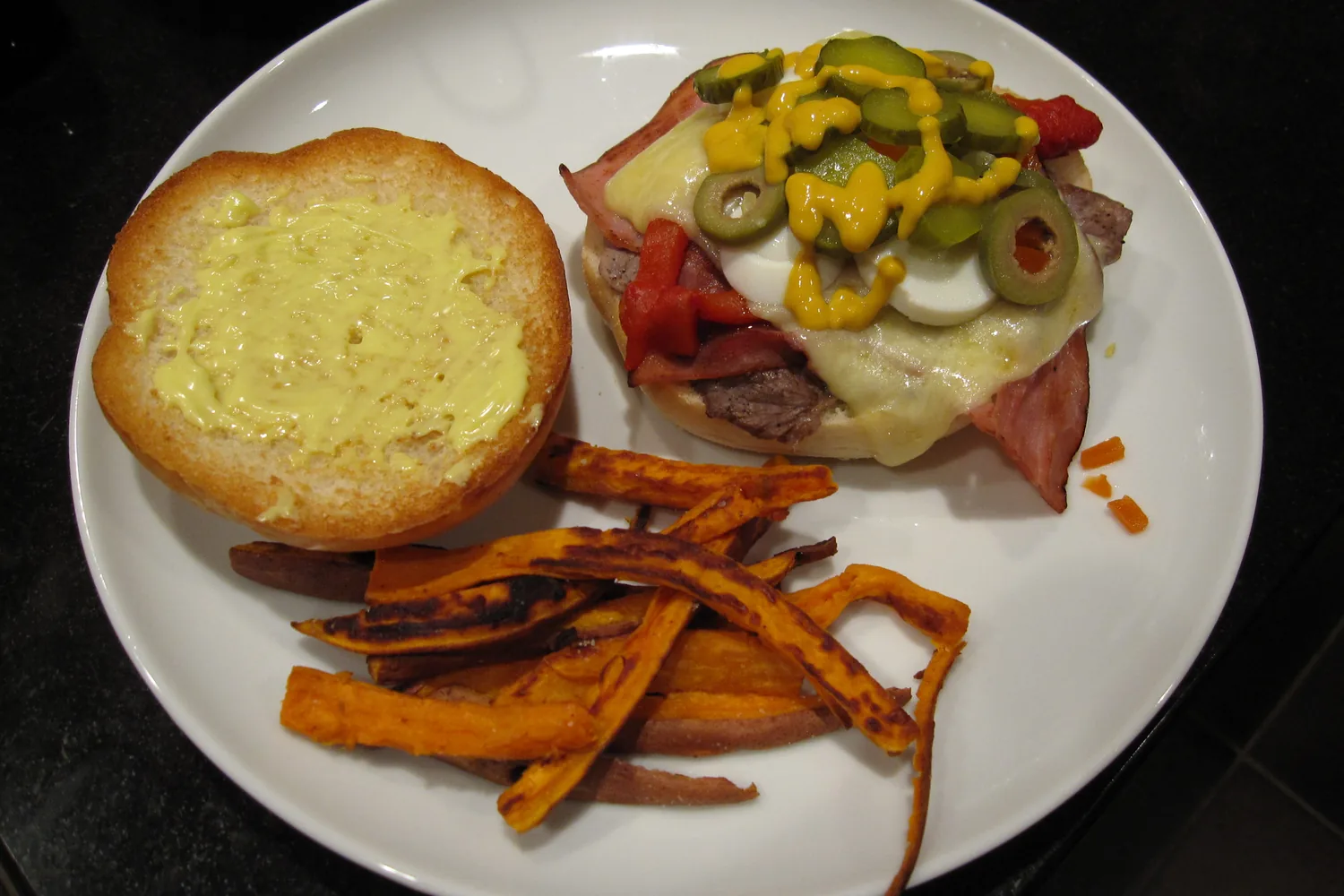
An open chivito sandwich on a white plate: a bun topped with grilled steak, ham, melted mozzarella, sliced hard-boiled egg, green olives, pickles and mustard, with sweet potato fries beside it Uruguay flag Uruguay 35m
Lunch •Punta del Este Classic

Chivito

This chivito recipe builds Uruguay's national sandwich: a thin grilled steak layered with ham, crisp bacon, melted mozzarella and a fried egg, finished with tomato, lettuce, green olives, mayonnaise and mustard in a soft toasted roll. One serving is about 445 g. It is a big, messy, deeply satisfying lunch that comes together in about 35 minutes.

Comfort & Warmth

A towering Uruguayan sandwich of grilled steak, ham, bacon, melted mozzarella and a fried egg in a soft roll.

Pairs Well With
French fries and a cold lager or a glass of Uruguayan tannat
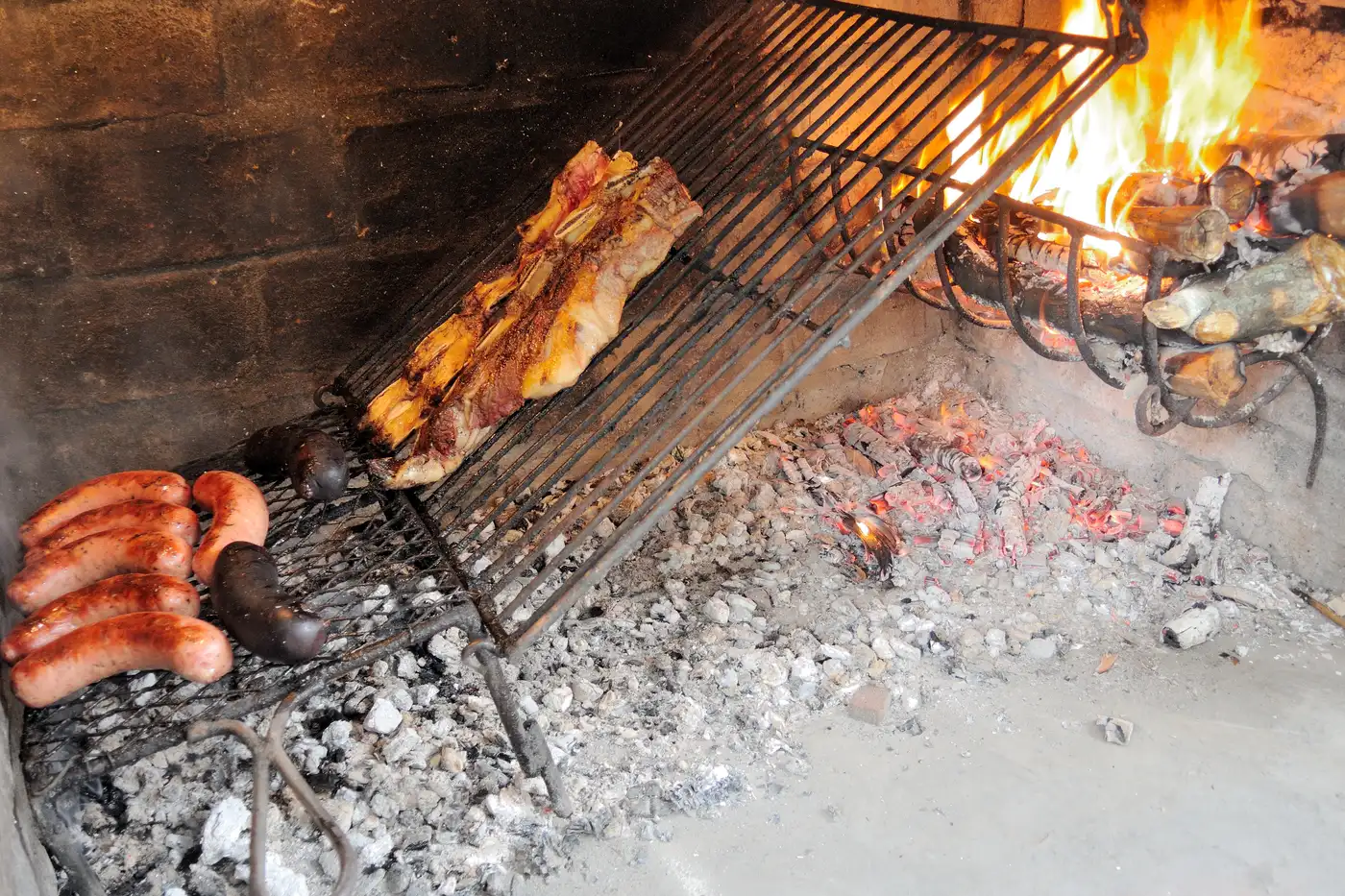
Beef short ribs, chorizo and morcilla grilling over wood embers on a Uruguayan parrilla Uruguay flag Uruguay 2h
Dinner •Montevideo Parrilla Heritage

Uruguayan Asado

Uruguayan asado is a mixed grill cooked slowly over wood embers on the parrilla, the iron grill that stands at the centre of Uruguayan family life. Beef short ribs, flank and skirt steak go on first, followed by chorizo and morcilla, all seasoned with nothing but coarse salt, and the meal is served piece by piece as each cut is ready, with chimichurri and salsa criolla on the table. One serving is about 425 g.

High-Protein & Satisfying

A slow mixed grill of beef cuts, chorizo and morcilla over wood embers, served with chimichurri and salsa criolla — the heart of the Uruguayan Sunday asado.

Pairs Well With
Salsa criolla & ensalada rusa
High Protein
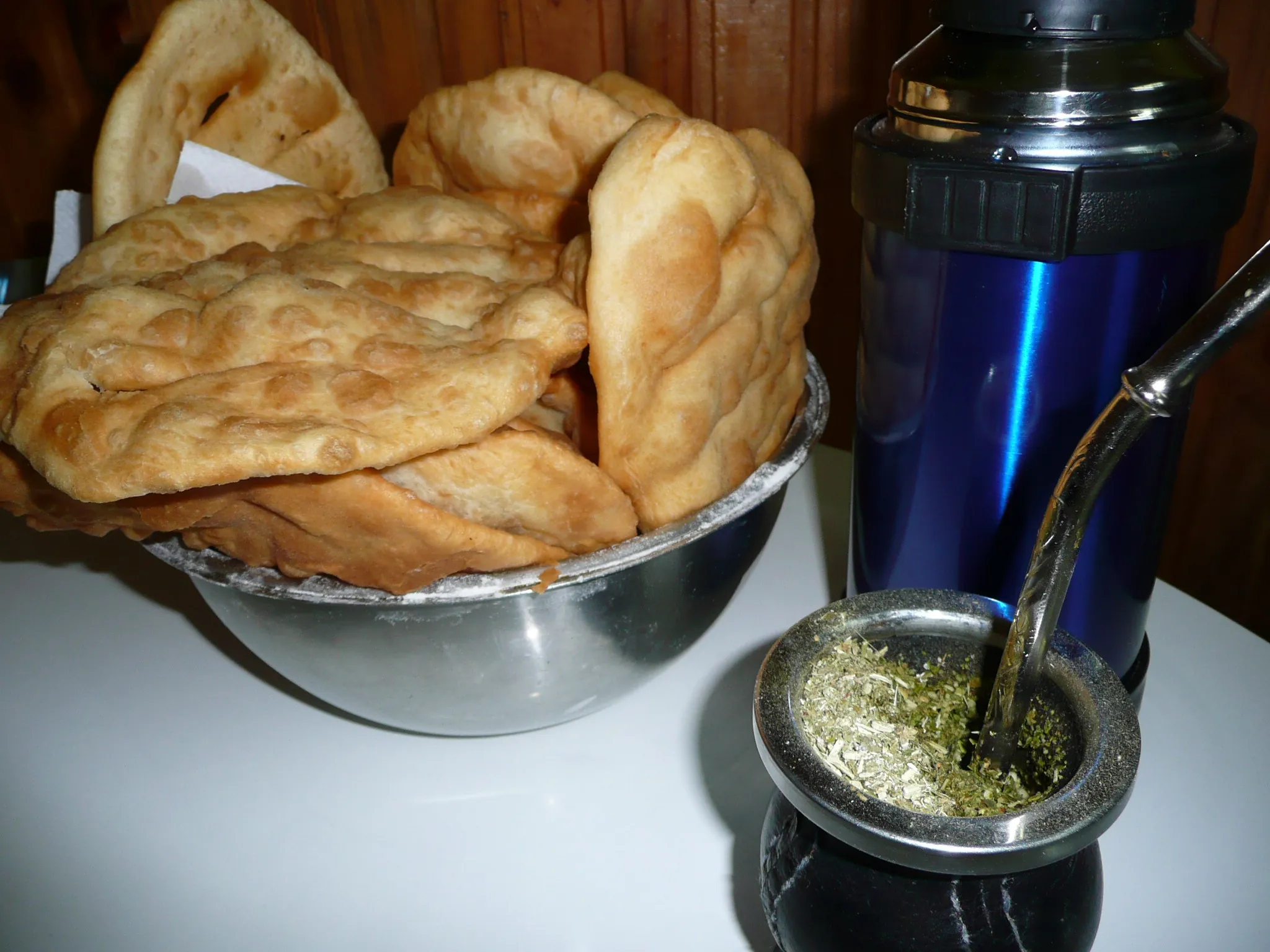
A bowl of golden torta fritas beside a mate gourd with a metal straw and a blue thermos Uruguay flag Uruguay 40m
Snack & Tea •Uruguay's Rainy-Day Snack

Torta Fritas

Torta fritas are Uruguay's beloved rainy-day snack: thin rounds of wheat-flour dough, fried until puffed and golden, then eaten plain, dusted with sugar or spread with dulce de leche. When the clouds roll in over Montevideo, home kitchens and street stalls start frying, and the smell of hot dough means it is time for mate. One serving is about 170 g.

Comfort & Warmth

Golden discs of fried wheat dough, crisp outside and soft inside, made for grey rainy afternoons with a hot mate.

Pairs Well With
Hot mate, dulce de leche and a dusting of sugar
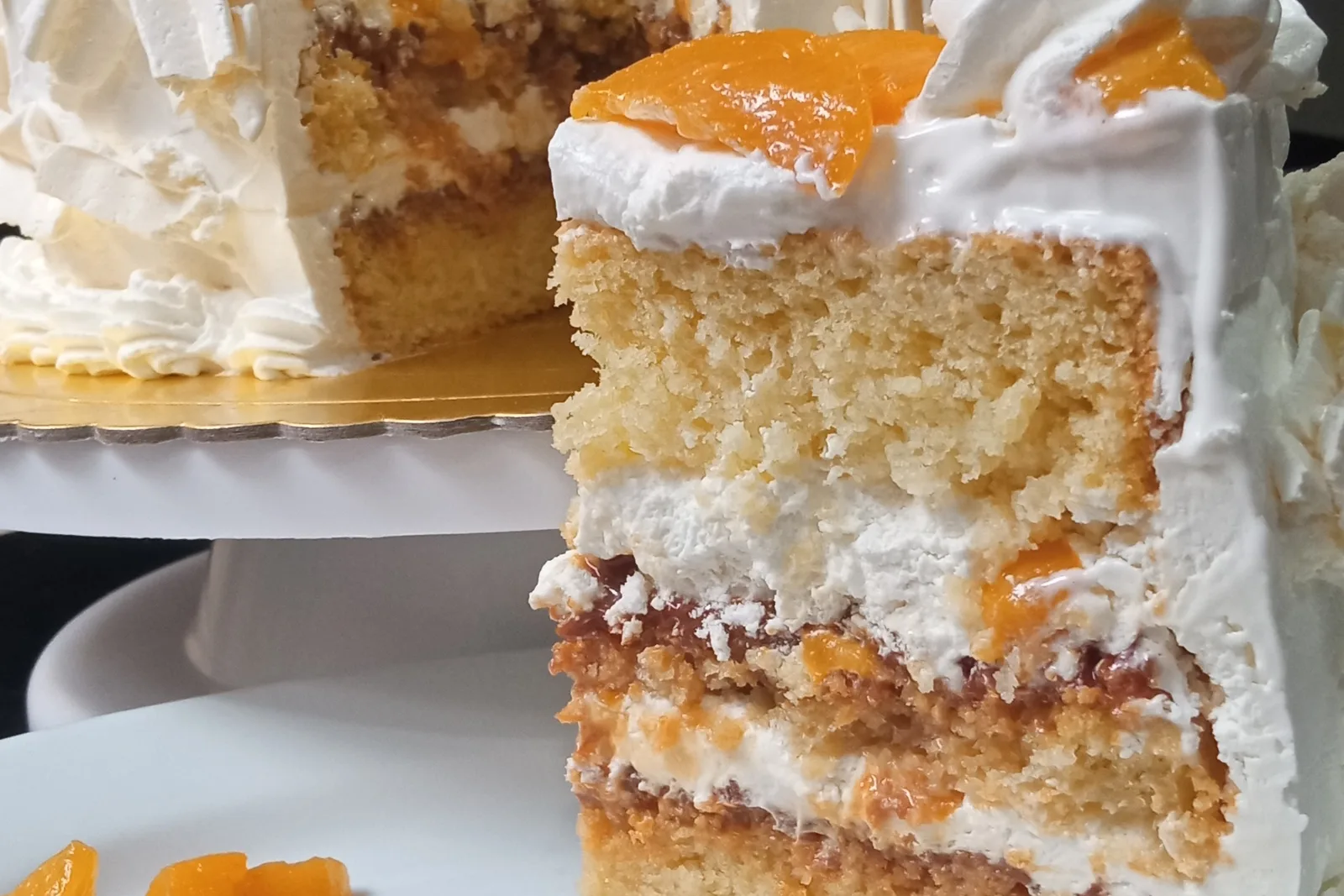
A slice of chaja cake with sponge, whipped cream, dulce de leche and peach layers, with the whole meringue-topped cake behind it Uruguay flag Uruguay 2h 45m
Snack & Tea •Paysandú Heritage

Chaja

This chaja recipe builds Uruguay's most original dessert layer by layer: a soft sponge cake soaked in peach syrup, crisp meringue, sweet whipped cream, peaches in syrup and dulce de leche, finished with crushed meringue all over the outside. It was created in Paysandú in 1927 and named after the chaja bird, whose soft white plumage the cake is said to resemble. One serving is about 195 g.

Celebration & Sharing

A cloud-light Uruguayan layer cake of sponge, crisp meringue, whipped cream, peaches and dulce de leche — Paysandú's most original dessert.

Pairs Well With
A slice of chaja with coffee or mate, at a birthday or Sunday table

The Dinner Gazette

Never wonder what’s for dinner again

One email a week with easy dinner ideas from around the world — ingredients, steps and nutrition, tested in our kitchen first.

Delivered every Thursday morning. Unsubscribe anytime.