
Curated recipes from 193 countries  •  New seasonal Mediterranean issue out now

Overview

Verivorst

Verivorst, Estonian Blood Sausage, Verivorstid

This verivorst recipe stuffs fresh pig's blood, cooked pearl barley, pork fat and marjoram into hog casings, then bakes the sausages until the skins crisp and the filling sets. Verivorst is Estonia's Christmas sausage, made after the late-autumn slaughter and eaten with sauerkraut and lingonberry jam. One serving is about 307 g.

Verivorst belongs to the late-autumn slaughter season, when Estonian farm families used every part of the pig and nothing was wasted. Blood, barley, pork fat and marjoram were mixed and stuffed into casings, then the sausages were kept for the Christmas table, baked until their skins turned crisp and dark. The dish is still the centrepiece of Christmas dinner across Estonia, eaten with sauerkraut, boiled potatoes and lingonberry jam, and shops stock dozens of varieties through December.

Pairs well with: Sauerkraut, lingonberry jam & boiled potatoes

Provenance

Estonia flag Estonia

Estonian Heritage

Nordic & European

Time Dedication

2h 30m

90m prep • 60m cook

Batch Yield

6 Servings

518 kcal per serving

1 serving ≈ 307 g

Technical Skill

Advanced

Hard (Sausage Making)

Meal Timing & Digestive Fit

Breakfast

Not Advised

Lunch

Hearty Midday Main

Dinner

Ideal Hearty Main

Snack & Tea

Inappropriate

High Protein Occasions: Christmas dinner, winter gatherings, festive tables Cost: Low — about $3–4 per serving at home
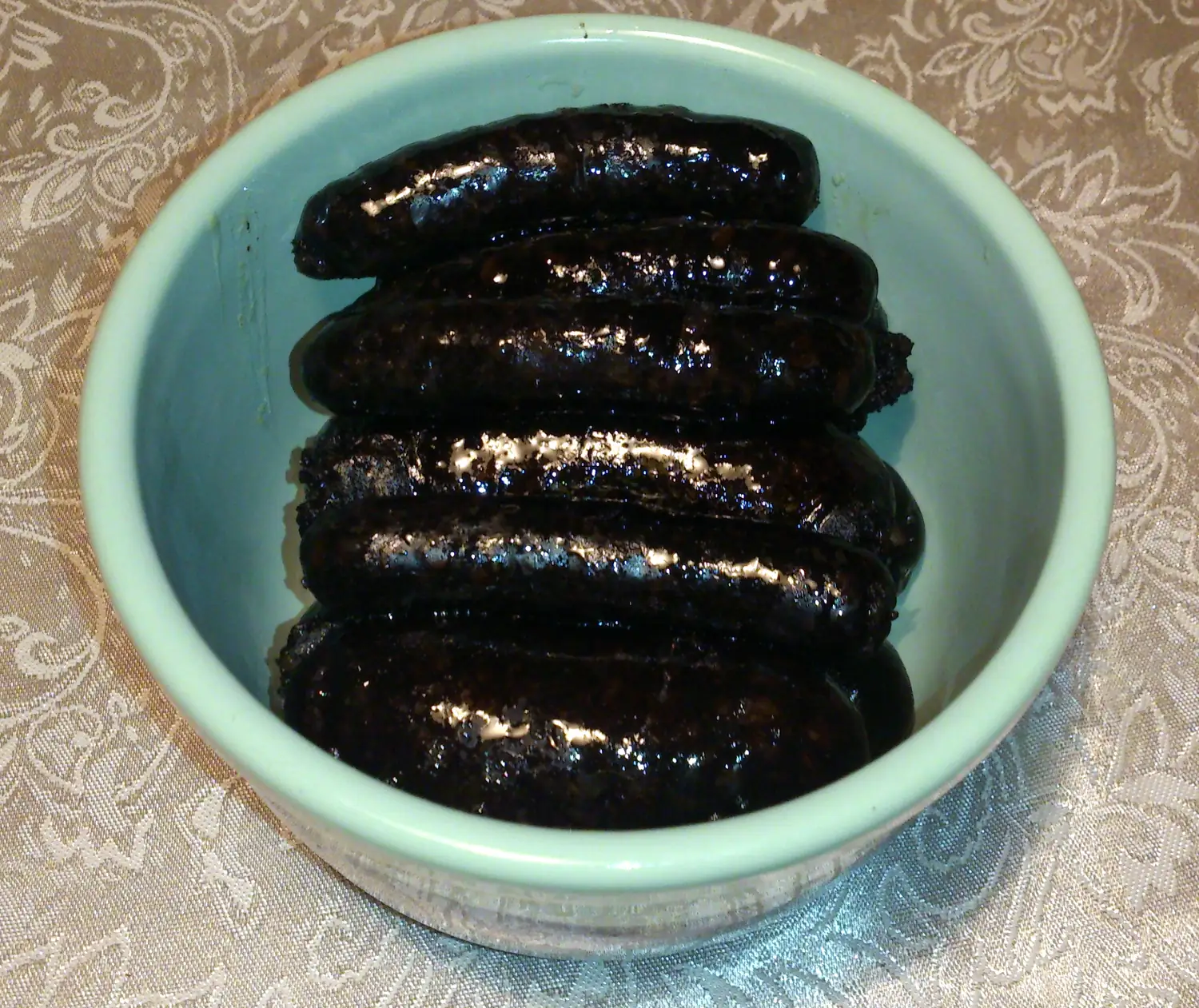
A bowl of dark, glossy verivorst blood sausages, freshly baked and glistening

Estonian Heritage

Photo: Pikk de Päkk, CC BY-SA 3.0, via Wikimedia Commons

The Heritage Formulary

Measured Ingredients

Estimated cost: Low — about $3–4 per serving at home (USD)

Made the traditional way: cold blood mixed with cooled barley and fatback, stuffed loosely, poached gently, then baked until the skins crisp.

Execution Methodology & Culinary Technique

Step-by-Step Cooking Guide

Active 2h 30m
P

Prep Stage: Cook the Barley & Mix the Filling

90 Mins • Barley, Blood & Stuffing

Boil the pearl barley until tender, drain and cool it completely — warm barley would start cooking the blood. Strain the cold blood, then mix it with the cooled barley, diced fatback, onion, marjoram and salt. Rinse and soak the hog casings while the barley cools, and set up the sausage stuffer before the blood comes out of the fridge.

Maestro Tip: Everything must be cold when the blood goes in — warm filling makes the blood set early and the sausages turn grainy.

  1. 1

    Cook & Cool the Barley

    30 Mins Boil, ~100°C (212°F)

    Boil the rinsed barley in 600 ml water for about 25 minutes until tender, then drain and spread it on a tray to cool completely. The grains should be soft but still separate.

    Cooling fully matters more than speed — warm barley cooks the blood on contact.

    Done when: Soft, separate grains at room temperature, no steam left in them.

  2. 2

    Mix the Filling

    15 Mins No heat

    Strain the cold blood into a large bowl, then stir in the cooled barley, diced fatback, onion, marjoram and salt. Mix gently but well, and fry a small spoonful in a pan to check the seasoning before stuffing.

    The test patty is the only safe way to taste the seasoning — never taste raw filling.

    Done when: An even, dark mixture that holds together on a spoon, seasoned to your taste.

  3. 3

    Stuff the Casings

    30 Mins No heat

    Slide a soaked casing onto the stuffer nozzle and fill it loosely — the barley swells as it cooks, so a tightly stuffed sausage will burst. Twist into links about 15 cm long and prick any air pockets with a clean needle.

    Stuff loosely on purpose: a sausage that looks a little flat now will be plump and whole after baking.

    Done when: Loose, even links with no air pockets and no splits in the casing.

  4. 4

    Poach Gently

    15 Mins Gentle simmer, ~85°C (185°F)

    Lower the links into a large pot of water just below a simmer and poach for 15 minutes. The water must never boil — boiling bursts the casings. Lift them out carefully with tongs.

    If you see the water start to bubble, pull the pot off the heat at once.

    Done when: Firm links that hold their shape, with clear juices when pricked.

  5. 5

    Bake Until Crisp

    30 Mins 200°C (400°F)

    Heat the oven to 200°C (400°F). Lay the poached sausages in a roasting pan, brush lightly with a little pork fat or oil, and bake for 25 to 30 minutes, turning once, until the skins are dark and crisp. Check the centre of the thickest link reaches 71°C (160°F).

    Turning once gives an even crisp skin all round instead of a pale underside.

    Done when: Dark, crisp, glistening skins; the centre hot right through at 71°C (160°F).

  6. 6

    Rest & Serve

    10 Mins No heat

    Rest the sausages for 10 minutes before serving so the filling sets and the skins stay crisp. Serve two links per person with sauerkraut, boiled potatoes and lingonberry jam.

    Cutting into them too soon lets the soft filling spill out onto the plate.

    Done when: Crisp outside, moist and crumbly inside, steaming hot.

Finishing Touches & Plating

Serve the verivorst hot from the oven with warm sauerkraut, boiled potatoes and a spoonful of lingonberry jam, and let the crisp skins crack open at the table.

Nutritional Physiology & Benefits

Nutrition

Energy

518

kcal / serving

Protein

22g

Complete AA

Carbs

42g

Complex

Fats

30g

Healthy

Per serving (6 servings · 1 serving ≈ 307 g)
Energy518 kcal
Protein22 g
Carbohydrates42 g
Fat30 g
Fibre8.6 g
Sugar1.5 g
Sodium700 mg
Per 100g
Energy169 kcal
Protein7 g
Carbohydrates13.6 g
Fat9.7 g
Fibre2.8 g
Sugar0.5 g
Sodium228 mg

Nutrition values are estimated — calculated from USDA FoodData Central values for the listed ingredients.

Vitamins & minerals: Pig's blood and pork are rich in iron and vitamin B12, barley adds fibre and manganese, and the onion adds small amounts of folate. All nutrition values are estimated.

Iron-Rich

Blood is one of the richest natural sources of iron, and one serving supplies a large share of the day's iron along with vitamin B12.

Fibre from Barley

About 8.6 g of fibre per serving comes from the pearl barley, which supports normal digestion and slows the meal down.

High Protein

About 21.5 g of protein per serving comes from the blood, pork fat and barley, making this a genuinely filling winter dish.

Food Pairings

What to Eat With

To optimize nutrient absorption and elevate the sensory depth, pair with these authentic accompaniments:

Sides

Sauerkraut (Mulgikapsad)

Warm, lightly sweet-sour sauerkraut is the classic partner — its acidity cuts through the rich, fatty sausage and refreshes the palate between bites.

Lingonberry Jam

Tart lingonberry jam is the traditional sweet-sour note with blood sausage, and its sharpness balances the earthy, iron-rich filling.

Boiled Potatoes

Plain boiled potatoes soak up the juices and give the plate a mild, starchy base that lets the sausage stay the star.

Drinks

Black Tea or Light Beer

Hot black tea or a light lager cleanses the palate after a rich, fatty sausage, and both are traditional on Estonian Christmas tables.

Complete menu

Start with rosolje, serve the verivorst hot with mulgikapsad sauerkraut, boiled potatoes and lingonberry jam, and finish with black tea.

Digestive Guardrails

What NOT to Combine

To prevent digestive distress, sluggishness, or palate clash, avoid pairing the dish with these elements:

Extra Fatty Sides

Verivorst is already rich in fat, so pairing it with more fatty food such as fried pork or buttered bread pushes one serving far higher in saturated fat without adding flavour. This is general food information, not medical advice.

Very Salty Sides

One serving carries about 700 mg sodium, so pairing the sausages with other very salty foods such as cured meats can push one meal far above a comfortable sodium level. This is general food information, not medical advice.

General information only, not medical advice — consult a doctor for personal dietary decisions.

Who Should Eat It

Who Should Eat

  • General adultsA satisfying dinner — about 21.5 g protein per serving, best eaten hot and in the stated 307 g portion.
  • ChildrenChildren often find blood sausage strange at first; offer a small piece with lingonberry jam, and never press a child who does not want it.
  • ElderlySoft inside once the skin is cut, but the dish is rich and salty — serve one link and keep the sauerkraut light on salt.
  • Pregnant womenOnly eat verivorst when it is freshly made from a trusted source and cooked right through to 71°C (160°F); blood sausage carries a higher food-safety risk than plain meat. Ask your clinician first.
  • Breastfeeding womenA comforting, energy-rich dinner; the protein and B vitamins support recovery, but one serving is enough. Because fresh blood is highly perishable, buy from a butcher you trust and cook the sausages the same day.
  • AthletesIron- and protein-rich, so it suits hard training days — pair with potatoes and sauerkraut rather than extra fat.
  • Weight gainEnergy-dense and easy to eat in large amounts, so it suits weight gain when served with potatoes and sauerkraut.
  • Weight lossRich and fatty at 518 kcal a serving; keep to one link, skip extra fat, and fill half the plate with sauerkraut.

Health Conditions — Adjust or Avoid

Conditions

  • DiabetesBarley is the main carbohydrate here, so keep the serving to the stated 307 g and skip sweet jam. Ask your clinician about portions.
  • High blood pressureOne serving carries about 700 mg sodium, so keep other salty foods out of the same meal and do not add extra salt at the table. Ask your clinician about portions.
  • Kidney diseaseBlood sausage is high in iron and protein, which matters for some kidney diets; portions should stay modest. Ask your clinician about portions.
  • GoutBlood and pork are high in purines, so this is a dish to eat rarely and in a small portion if gout is a concern. Ask your clinician about portions.
  • Stomach issuesA rich, fatty sausage can be heavy on a sensitive stomach; eat slowly, take one link, and skip extra fat. Ask your clinician about portions.
  • Cardiovascular diseaseThe pork fatback makes this a high-fat dish, so one modest serving with a big plate of sauerkraut is a better balance than a second helping. Ask your clinician about portions.
  • Fatty liverThe dish is rich in fat and energy-dense, so keep portions modest and avoid eating it late at night. Ask your clinician about portions.
  • Food allergiesContains pork (blood, fatback, casings). People with pork allergy should not eat it. The barley contains gluten. Ask your clinician about safe alternatives.
  • Special therapeutic dietsNot suitable for a low-fat or low-iron therapeutic diet as written; a version without the blood and fat changes the dish entirely and should be discussed with a clinician.

If you have a medical condition, consult your doctor before changing your diet.

Storage & Use

Storage & Use

How to store
Cool quickly and store links in an airtight container in a single layer.
In the fridge
Fresh verivorst keeps 2 days in the fridge at 4°C (40°F) or below; cooked links keep 3 days.
In the freezer
Up to 3 months; wrap each link tightly in foil, then bag. Freeze raw links before poaching for the best texture.
How to reheat
Reheat in the oven at 180°C (350°F) for 15 minutes until crisp and steaming hot throughout, to 74°C (165°F).
Freezing recommended
Yes — raw links freeze well and bake up crisp from thawed.
Signs it has spoiled
Sour or ammonia smell, slimy casing, or grey-green discolouration. Fresh blood is highly perishable — when in doubt, throw it out.

More recipes to explore

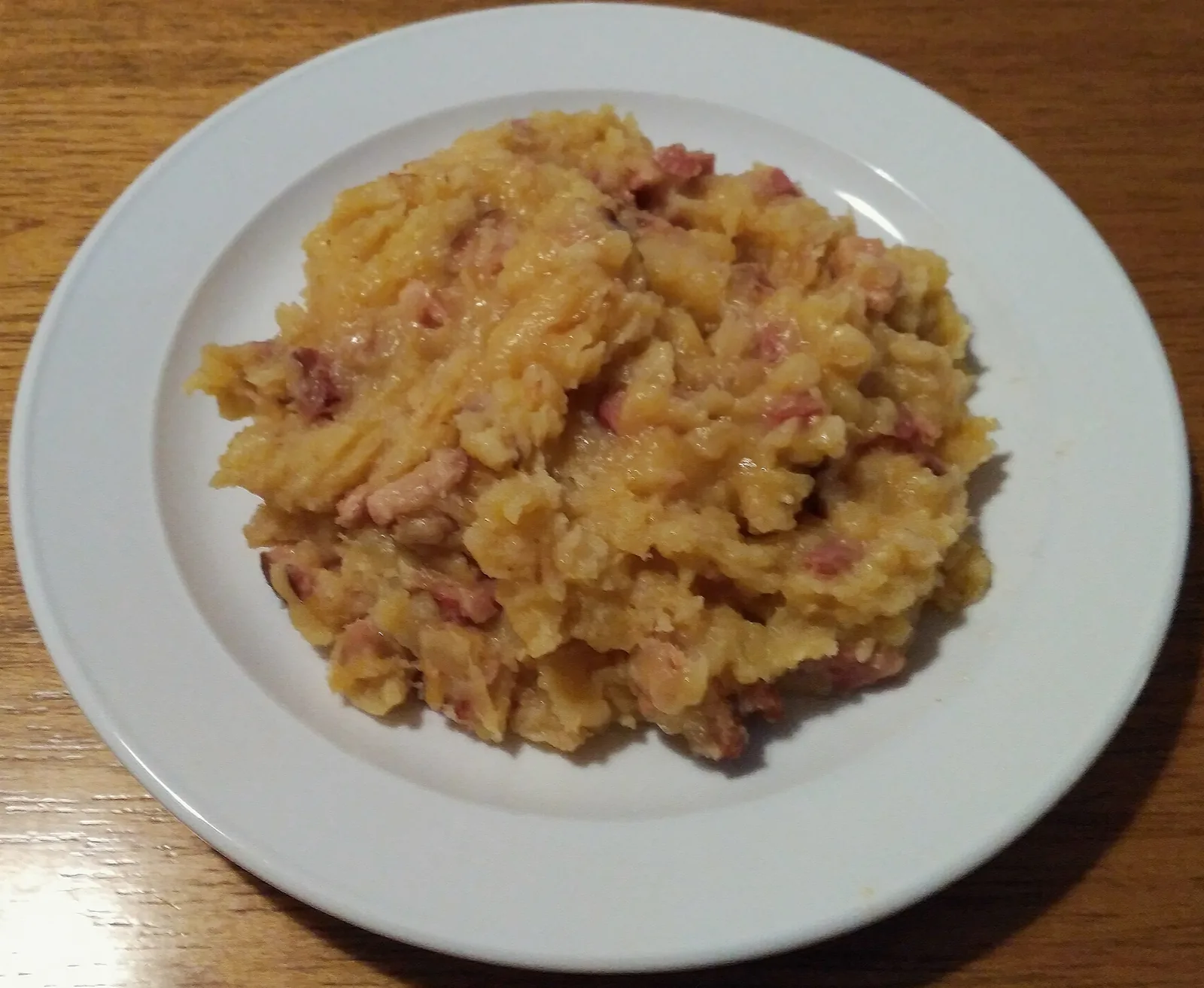
A plate of mulgipuder, a golden potato and barley mash flecked with pieces of smoked pork Estonia flag Estonia 1h 5m
Dinner •Estonian Heritage

Mulgipuder

This mulgipuder recipe mashes floury potatoes with tender pearl barley and smoky pork, then beats in butter and warm milk until soft and spoonable. It comes from the Mulgi region of southern Estonia, where potato and barley were the everyday staples of farmhouse tables. One serving is about 466 g.

Comfort & Warmth

A soft, savoury mash of potato and pearl barley with smoky pork, finished with butter and warm milk — Estonia's farmhouse comfort food.

Pairs Well With
Sour cream, pickled cucumbers & lingonberry jam
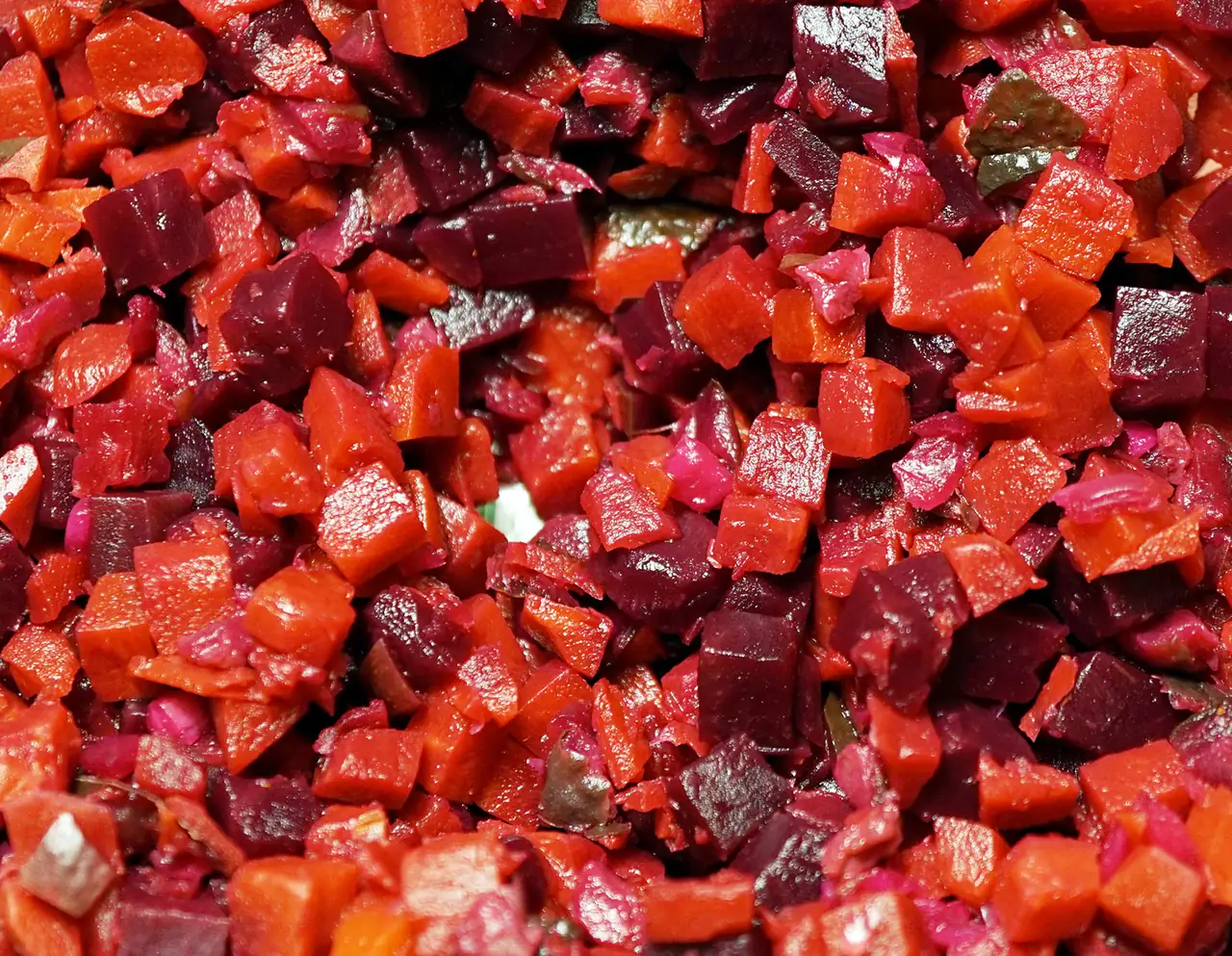
A close-up of rosolje, a diced beetroot, carrot and pickled cucumber salad with a deep red colour Estonia flag Estonia 1h 10m
Lunch •Estonian Heritage

Rosolje

This rosolje recipe dices cooked beetroot, potato and carrot with pickled herring, pickled cucumber and egg, then folds it all in a sour-cream and mustard dressing. It is the cold salad every Estonian Christmas table carries, its deep red colour coming from the beetroot alone. One serving is about 276 g.

Comfort & Warmth

A jewel-red salad of beetroot, potato, pickled herring and egg in a sour-cream dressing — the bright, tangy dish of the Estonian Christmas table.

Pairs Well With
Dark rye bread, butter & black tea
Bœuf bourguignon — French beef braised in red wine France flag France 4h
Dinner •Burgundy Terroir

Bœuf Bourguignon

Beef braised gently in red wine until the connective tissue melts into a velvet, gelatin-rich sauce — the classic Burgundy Sunday dinner.

Cellular Repair

Beef braised in red wine until spoon-tender, with mushrooms and pearl onions.

Pairs Well With
Parsnip Purée & Steamed French Haricots Verts
High Protein
Vietnamese braised pork belly with golden eggs in caramel sauce Vietnam flag Vietnam 1h 45m
Dinner •One Pot

Vietnamese Braised Pork and Eggs

Pork belly slowly braised in coconut water and caramel until meltingly tender, with golden eggs that soak up the sweet-savoury sauce — the Vietnamese family dish that tastes better the next day.

Comfort & Sustained Energy

Slow-braised pork belly and eggs in coconut water and caramel.

Pairs Well With
Steamed rice & pickled mustard greens
High Protein

The Dinner Gazette

Never wonder what’s for dinner again

One email a week with easy dinner ideas from around the world — ingredients, steps and nutrition, tested in our kitchen first.

Delivered every Thursday morning. Unsubscribe anytime.



