Curated recipes from 193 countries  •  New seasonal Mediterranean issue out now

Overview

Zigni

Tsebhi Zigni, Kaih Tsebhi, Kai Wat

This zigni recipe slow-cooks cubes of beef chuck in caramelised red onions, tomatoes and berbere until the meat is spoon-tender and the sauce turns a deep, glossy red. It is the celebratory stew Eritrean families cook for gatherings, eaten by tearing injera and scooping. One serving is about 400 g.

Zigni, also called kaih tsebhi in Tigrinya and kai wat in Amharic, is the beef stew many Eritreans call their national dish. It is built the slow way: red onions cooked down for an hour or more until they turn jammy and sweet, then berbere — the hot, fragrant spice blend of the Horn of Africa — tomatoes and beef, simmered until tender. Tomatoes arrived with Italian rule in Eritrea, and they stayed, giving zigni its bright edge. The same stew is cooked across the border in Ethiopia, where the shared food traditions of the highlands make the two cuisines close cousins.

Pairs well with: Fresh injera, gomen (sautéed collard greens) and a cold glass of tej or lager

Provenance

Eritrea flag Eritrea

Eritrea's National Dish

African Heritage

Time Dedication

3h

30m prep • 150m cook

Batch Yield

4 Servings

675 kcal per serving

1 serving ≈ 400 g

Technical Skill

Intermediate

Intermediate (Slow Simmer)

Meal Timing & Digestive Fit

Breakfast

Not Advised

Lunch

Hearty Midday Main

Dinner

Ideal Hearty Main

Snack & Tea

Inappropriate

Occasions: Celebrations, family gatherings, Sunday lunch, festive dinners Cost: Moderate — about $4–5 per serving at home
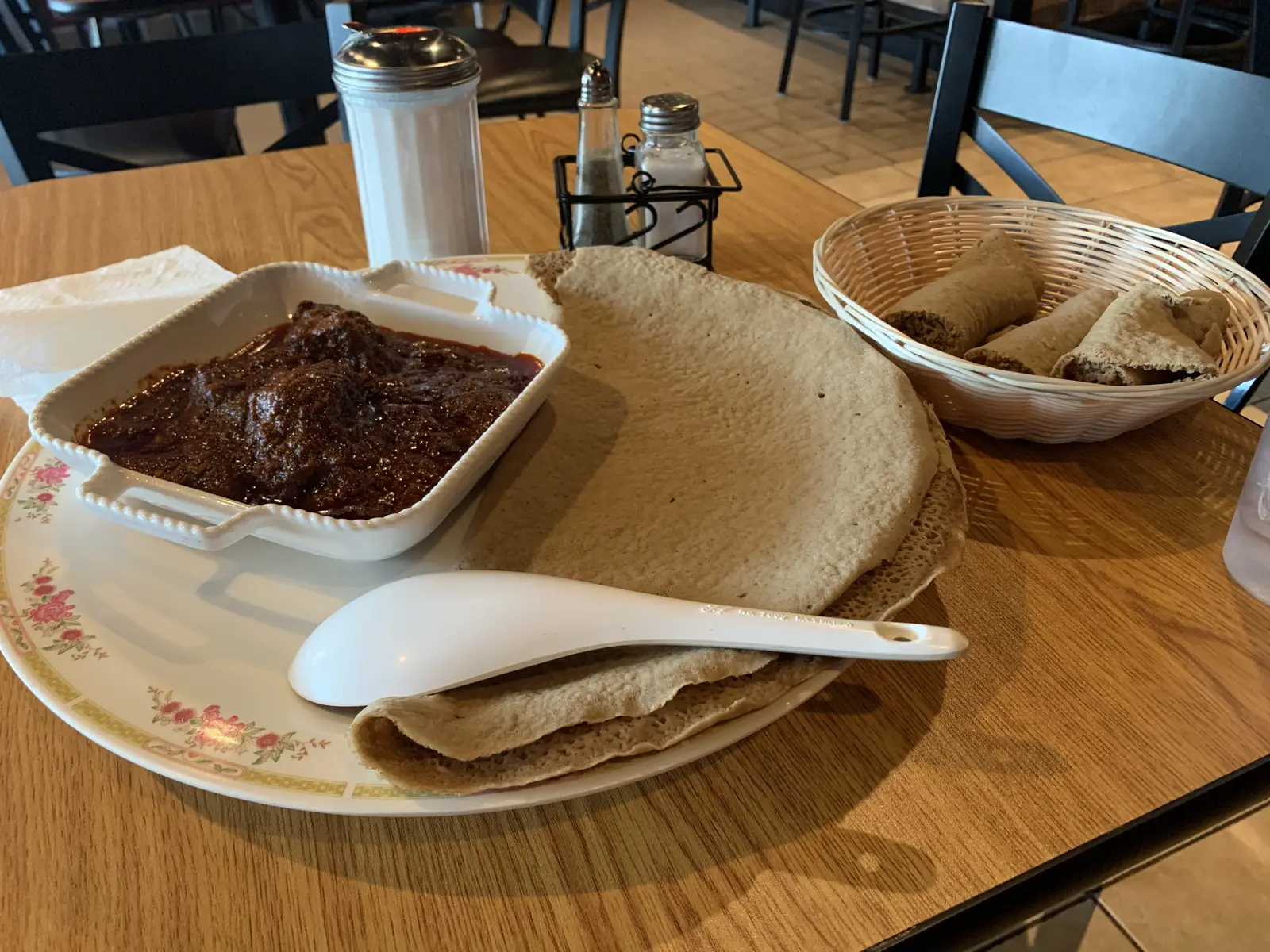
A white dish of dark red zigni beef stew served with folded injera and a basket of rolled injera

Eritrea's National Dish

Photo: LittleT889, CC BY-SA 4.0, via Wikimedia Commons

The Heritage Formulary

Measured Ingredients

Estimated cost: Moderate — about $4–5 per serving at home (USD)

A good zigni is judged by its onions: cooked long and slow until sweet and jammy, so the sauce is rich and dark red — never sharp, thin or pale.

Execution Methodology & Culinary Technique

Step-by-Step Cooking Guide

Active 3h
P

Prep Stage: Cube the Beef and Chop the Onions Fine

30 Mins • Chop & Measure

Cut the beef into even 3 cm cubes and chop the red onions very finely — almost minced — so they melt into the sauce during the long cook. Chop the tomatoes, mince the garlic, grate the ginger and measure the berbere, tomato paste, clarified butter and salt so everything is ready before the pot gets hot.

Maestro Tip: The onions do the heavy lifting in zigni, so take your time with them: fine chopping now means a smooth, jammy sauce later.

  1. 1

    Caramelise the Onions Slowly

    50 Mins Low heat, about 120°C (250°F)

    Put the chopped onions in a large heavy pot over low heat with no oil and no water. Stir every 5 minutes, scraping the bottom. The onions will first sweat, then slowly turn golden, then a deep reddish brown as their sugars caramelise — about 50 minutes. If they start to stick, add a splash of water, a tablespoon at a time.

    Do not rush this step with high heat: burnt onions turn bitter, while slow onions turn sweet and give zigni its dark colour.

    Done when: Onions are jammy, deep reddish-brown and sweet-smelling, with no raw onion bite left.

  2. 2

    Bloom the Berbere in Tesmi

    5 Mins Medium-low heat, about 150°C (300°F)

    Add the clarified butter to the onions and let it melt, then stir in the berbere and tomato paste. Cook for 5 minutes, stirring constantly, until the mixture darkens a shade and smells warm and fragrant.

    Blooming the spices in fat wakes up their flavour; keep the heat gentle so the berbere does not scorch.

    Done when: The paste is dark red, glossy with butter, and smells of chilli and warm spice.

  3. 3

    Add the Beef, Tomatoes and Water

    5 Mins Simmer, about 90°C (195°F)

    Add the beef cubes, chopped tomatoes and 500 ml water. Stir well, scraping the bottom of the pot, and bring to a gentle simmer. Cover with the lid slightly ajar.

    Starting the beef in the spiced onion base, rather than browning it first, is the traditional way — the meat stews in the sauce and stays tender.

    Done when: The pot is bubbling gently, with the beef just covered in sauce.

  4. 4

    Simmer Until the Beef Is Tender

    75 Mins Low simmer, about 90°C (195°F)

    Keep the pot at the barest simmer for about 75 minutes, stirring every 15 minutes and adding a splash of water if the sauce gets too thick. The beef should slowly turn spoon-tender while the sauce thickens and darkens.

    A heavy pot and the lowest heat you can manage are the secret: the sauce should barely bubble, never boil hard.

    Done when: A cube of beef yields easily when pressed with a fork, and the sauce coats a spoon.

  5. 5

    Finish with Garlic and Ginger

    15 Mins Low simmer, about 90°C (195°F)

    Stir in the garlic and ginger and simmer for 15 minutes more. Taste and add the salt, a little at a time — berbere blends vary, so season to your own pot. Rest off the heat for 10 minutes before serving.

    Garlic and ginger go in last in the traditional method, so their fresh, sharp edge survives the long cook.

    Done when: The sauce is thick and glossy, the beef is tender all the way through, and a spoonful tastes hot, rich and balanced.

Finishing Touches & Plating

Rest the pot off the heat for 10 minutes so the sauce settles and the flavours come together. Taste once more for salt, then ladle the zigni over a torn sheet of injera and serve with extra injera on the side for scooping.
Nutritional Physiology & Benefits

Nutrition

Energy

675

kcal / serving

Protein

38g

Complete AA

Carbs

20g

Complex

Fats

50g

Healthy

Per serving (4 servings · 1 serving ≈ 400 g)
Energy675 kcal
Protein38 g
Carbohydrates20 g
Fat50 g
Fibre5.8 g
Sugar8.4 g
Sodium637 mg
Per 100g
Energy— kcal
Protein9.5 g
Carbohydrates5 g
Fat12.5 g
Fibre1.5 g
Sugar2.1 g
Sodium159 mg

Nutrition values are estimated — calculated from USDA FoodData Central values for the listed ingredients.

Vitamins & minerals: Iron, zinc and vitamin B12 (beef), vitamin C (tomato, onion), vitamin A (tomato paste), small amounts of vitamin B6 (beef, onion).

High in Protein

One serving carries about 38.0 g of protein from the beef, which helps build and repair muscle and keeps you full for hours.

Iron and B12 from Beef

Beef is a natural source of iron and vitamin B12, nutrients that support healthy red blood cells.

Slow-Cooked, No Shortcuts

The long, gentle simmer and the onion base mean the stew gets its flavour from real ingredients and time, not from added sugar or stock cubes.

Food Pairings

What to Eat With

To optimize nutrient absorption and elevate the sensory depth, pair with these authentic accompaniments:

Sides

Fresh Injera

Injera is the classic partner: its soft, spongy texture soaks up the sauce, and its gentle sourness cuts through the richness of the beef and butter.

Vegetables

Gomen (Sautéed Collard Greens)

Bitter greens balance the rich, spicy stew and add colour and freshness to the plate.

Atakilt Wat (Cabbage, Carrot and Potato)

This mild vegetable stew cools the palate between bites of hot berbere-spiced beef.

Drinks

Tej or a Cold Lager

Tej, the lightly sweet Ethiopian honey wine, softens the chilli heat; a cold lager does the same job for anyone who prefers beer.

Complete menu

Serve zigni ladled over torn injera with gomen and atakilt wat on the side, and finish with hot spiced tea.

Digestive Guardrails

What NOT to Combine

To prevent digestive distress, sluggishness, or palate clash, avoid pairing the dish with these elements:

Extra Hot Sauce on Top

Zigni is already hot from the berbere. Piling on more chilli can overwhelm the flavour and irritate the stomach lining, especially for anyone prone to heartburn. Taste first, then decide. This is general nutrition information, not medical advice.

A Heavy Meal Late at Night

A rich, fatty and spicy stew eaten close to bedtime can worsen reflux and disturb sleep. Enjoy zigni as a proper dinner, a few hours before bed. This is general nutrition information, not medical advice.

General information only, not medical advice — consult a doctor for personal dietary decisions.

Who Should Eat It

Who Should Eat

  • General adultsA hearty celebratory stew; one serving is generous, so pair it with greens and injera rather than eating it alone.
  • ChildrenSuitable for older children, but the berbere makes it hot — use half the berbere for a milder pot the whole family can share.
  • ElderlyGood for older adults who enjoy red meat; the long simmer makes the beef very tender and easy to chew. Keep portions moderate because the stew is rich.
  • Pregnant womenGenerally suitable when the beef is cooked all the way through, as it is here; the spice level is a matter of comfort, so use less berbere if heartburn is a problem.
  • Breastfeeding womenGenerally suitable; the protein and iron are useful, but very spicy food can upset a sensitive stomach, so adjust the berbere to taste.
  • AthletesA strong recovery meal — about 38.0 g of protein and 675 kcal per serving — best eaten with plenty of injera to replace energy after training.
  • Weight gainEasy to eat more of: have a second helping of the sauce with extra injera, and keep the clarified butter in.
  • Weight lossKeep to one serving and fill the plate with gomen and salad; the stew itself is rich, at 675 kcal per serving, so the sides do the filling.

Health Conditions — Adjust or Avoid

Conditions

  • DiabetesOne serving carries about 20.1 g of carbohydrate, mostly from the onions and tomatoes; the injera on the side is the bigger carbohydrate factor, so watch that portion and ask your clinician about your overall meal plan.
  • High blood pressureAbout 637 mg of sodium per serving. Go easy on added salt and on salty sides, and ask your clinician whether this fits your daily sodium limit.
  • Kidney diseaseHigh in protein (about 38.0 g per serving) and potassium from the tomatoes and onions; people with kidney disease should ask their clinician before eating large portions.
  • GoutBeef is a purine-rich meat, so a large serving can raise uric acid; keep portions modest and infrequent if you have gout, and ask your clinician.
  • Stomach issuesBerbere and chilli can aggravate reflux and gastritis. If your stomach is sensitive, use less berbere or skip the extra heat, and ask your clinician if symptoms persist.
  • Cardiovascular diseaseThe stew is rich in saturated fat from the beef and clarified butter; eat it as an occasional celebration dish, keep portions moderate, and ask your clinician about frequency.
  • Fatty liverHigh in fat and energy, so it is best as an occasional meal rather than a regular one; balance it with vegetables and ask your clinician about your diet.
  • Food allergiesContains beef and dairy (clarified butter). Berbere blends sometimes contain fenugreek and other spices — check the label if you have a spice allergy.
  • Special therapeutic dietsNot suitable for vegetarian, vegan or low-fat therapeutic diets as written; ask your clinician or dietitian about an adapted version.

If you have a medical condition, consult your doctor before changing your diet.

Storage & Use

Storage & Use

How to store
Cool quickly, then store in an airtight container.
In the fridge
3 days in the refrigerator.
In the freezer
1 month in the freezer.
How to reheat
Reheat gently in a covered pot over low heat until steaming hot all the way through, about 74°C (165°F); add a splash of water if the sauce has thickened.
Freezing recommended
Yes — zigni freezes well for up to 1 month.
Signs it has spoiled
Sour or off smell, slimy surface, or any mould.

More recipes to explore

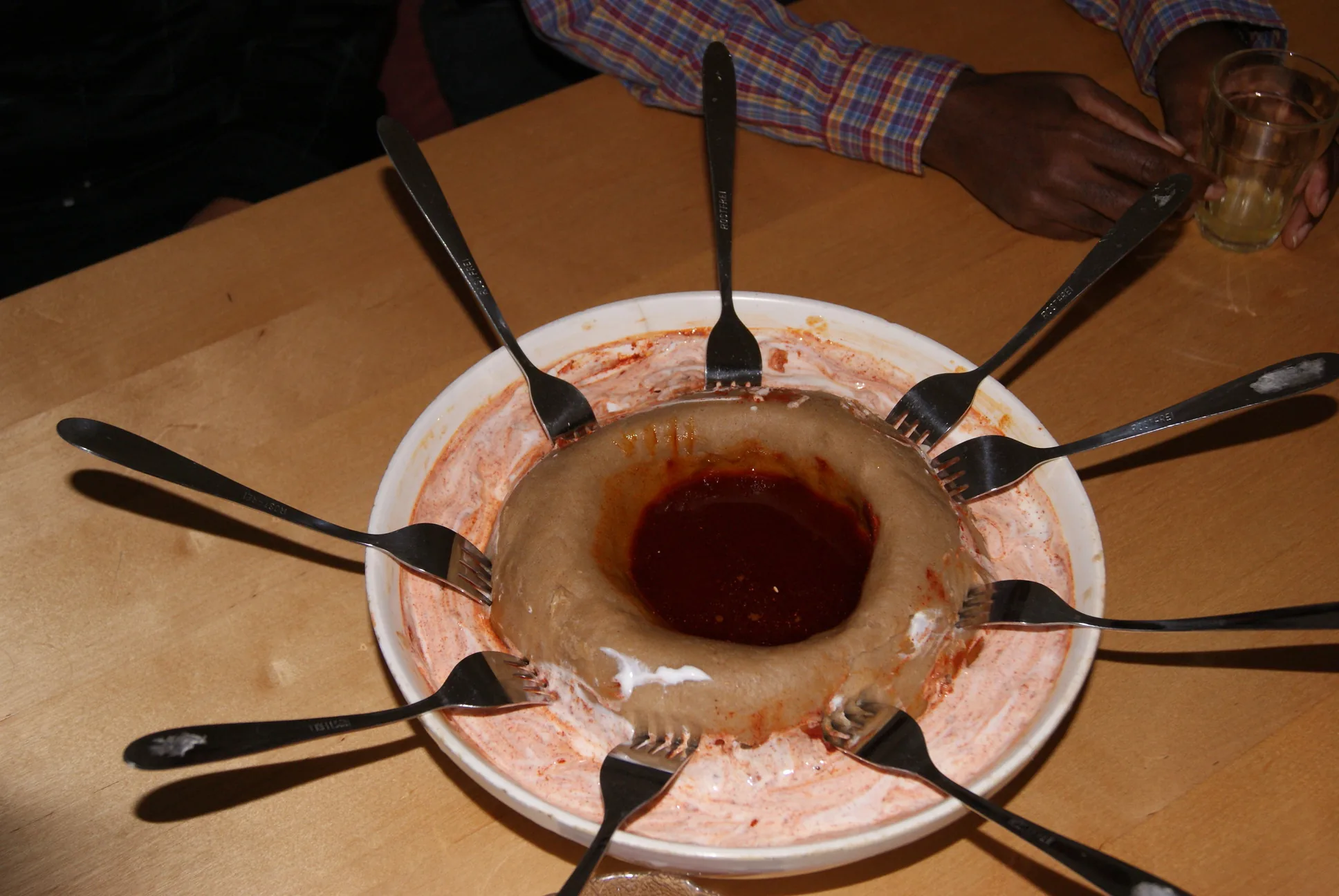
A ring of Eritrean ga'at barley porridge with a well of red berbere butter in the centre and forks stuck around it Eritrea flag Eritrea 35m
Breakfast •Eritrean Heritage

Eritrean Ga'at

This Eritrean gaat recipe stirs roasted barley flour into boiling water until it turns thick, smooth and stiff, then moulds it into a ring with a well of hot berbere butter in the centre. It is the celebratory breakfast traditionally served when a new child is born, eaten communally from one dish with a fork for each person. One serving is about 389 g.

Comfort & Warmth

Stiff barley porridge moulded into a ring, with a well of hot berbere butter in the centre and cool yogurt on the side.

Pairs Well With
Hot berbere butter and cool plain yogurt
A black clay pot of smooth orange-red shiro wat served with folded injera Eritrea flag Eritrea 55m
Dinner •Eritrean Fasting Classic

Shiro Wat

This shiro wat recipe roasts chickpea flour until nutty, then whisks it into caramelised onions, tomato paste and berbere until the stew turns thick, smooth and glossy. It is the dish Eritrean families reach for on fasting days, when no meat, egg or dairy is eaten — spooned onto injera straight from the clay pot. One serving is about 250 g.

Comfort & Warmth

A silky, slow-stirred stew of roasted chickpea flour, berbere and onion — the fasting-day favourite.

Pairs Well With
Fresh injera, gomen and a simple tomato salad, with hot spiced tea
Bœuf bourguignon — French beef braised in red wine France flag France 4h
Dinner •Burgundy Terroir

Bœuf Bourguignon

Beef braised gently in red wine until the connective tissue melts into a velvet, gelatin-rich sauce — the classic Burgundy Sunday dinner.

Cellular Repair

Beef braised in red wine until spoon-tender, with mushrooms and pearl onions.

Pairs Well With
Parsnip Purée & Steamed French Haricots Verts
High Protein
Vietnamese braised pork belly with golden eggs in caramel sauce Vietnam flag Vietnam 1h 45m
Dinner •One Pot

Vietnamese Braised Pork and Eggs

Pork belly slowly braised in coconut water and caramel until meltingly tender, with golden eggs that soak up the sweet-savoury sauce — the Vietnamese family dish that tastes better the next day.

Comfort & Sustained Energy

Slow-braised pork belly and eggs in coconut water and caramel.

Pairs Well With
Steamed rice & pickled mustard greens
High Protein

The Dinner Gazette

Never wonder what’s for dinner again

One email a week with easy dinner ideas from around the world — ingredients, steps and nutrition, tested in our kitchen first.

Delivered every Thursday morning. Unsubscribe anytime.