Curated recipes from 193 countries  •  New seasonal Mediterranean issue out now

Overview

Couscous with Lamb and Vegetables

Algerian Couscous, Seksu

This algerian lamb couscous recipe steams fine semolina over a slow red broth of lamb, tomato paste, turnip, carrot, zucchini and chickpeas, then serves it mounded high with the meat in the middle. One serving is about 585 g.

Couscous is the Friday meal of Algeria as much as of Morocco — tiny pearls of steamed semolina served after prayers, with the meat and vegetables arranged on a wide platter for the whole family. The Algerian version is often built on a red tomato broth, marga hamra, with lamb, turnip and chickpeas. In 2020 UNESCO inscribed the knowledge and practices of couscous on its Representative List of the Intangible Cultural Heritage of Humanity, jointly for Algeria, Morocco, Mauritania and Tunisia.

Pairs well with: Harissa, buttermilk (lben) and mint tea

Provenance

Algeria flag Algeria

Algiers Friday Table

Middle Eastern

Time Dedication

2h 10m

30m prep • 100m cook

Batch Yield

4 Servings

933 kcal per serving

1 serving ≈ 585 g

Technical Skill

Intermediate

Intermediate (Steaming)

Meal Timing & Digestive Fit

Breakfast

Not Advised

Lunch

Hearty Midday Main

Dinner

Ideal Hearty Main

Snack & Tea

Inappropriate

Occasions: Friday family lunch, Ramadan, feeding a crowd Cost: Medium — about $4–5 per serving at home
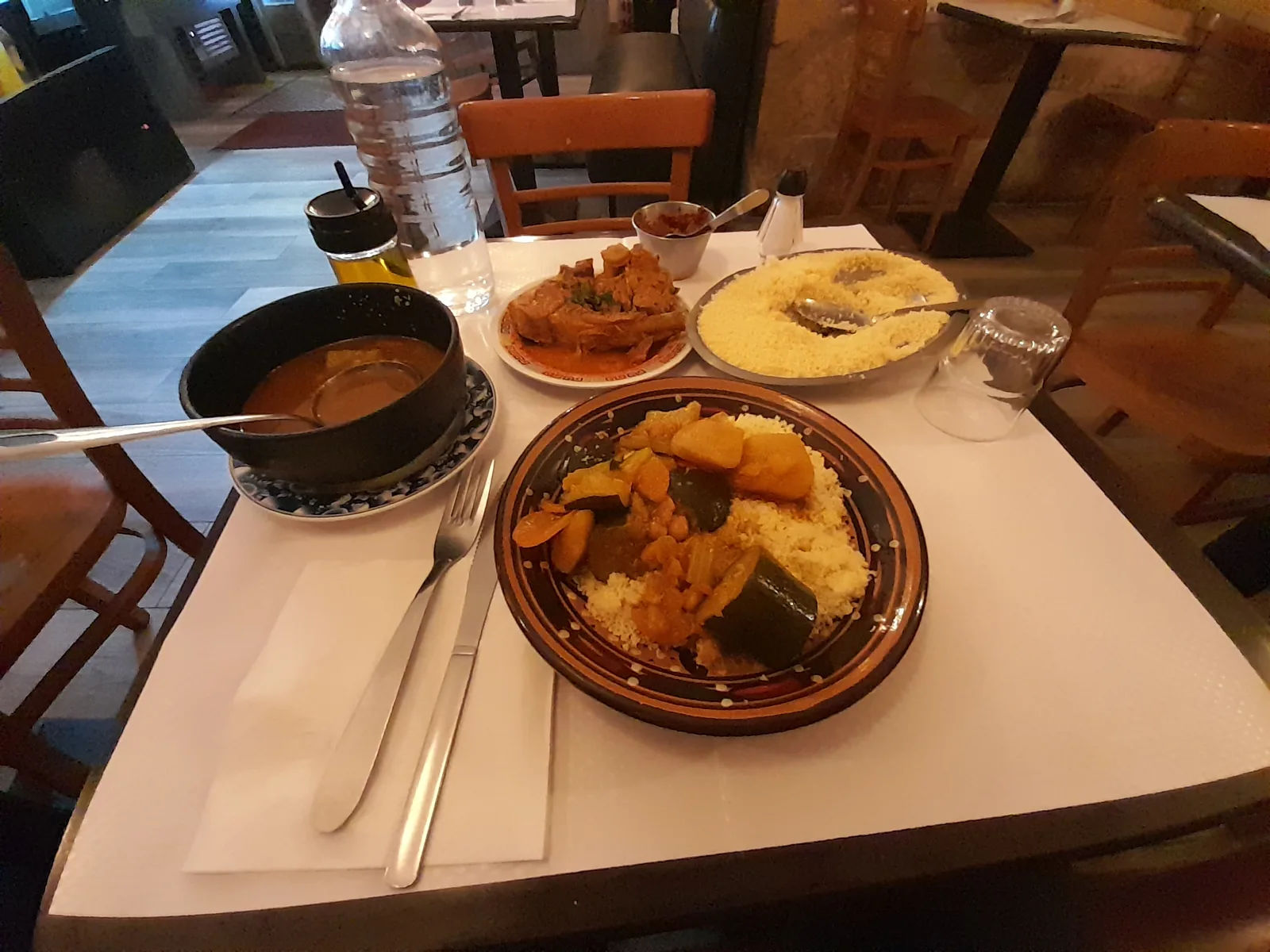
A plate of Algerian couscous with lamb and vegetables at a restaurant table, with broth and meat on the side

Algiers Friday Table

Photo: Paul de Belleville, CC0, via Wikimedia Commons

The Heritage Formulary

Measured Ingredients

Estimated cost: Medium — about $4–5 per serving at home (USD)

Good couscous is light and separate, never clumped — each grain should be fluffy enough to soak up the red broth.

Execution Methodology & Culinary Technique

Step-by-Step Cooking Guide

Active 2h 10m
P

Prep Stage: Cut the Meat and Vegetables

30 Mins • Knife Work

Cut the lamb into large pieces, peel and quarter the turnip and potato, and cut the carrots and zucchini into big chunks. Slice the onion and rinse the chickpeas.

Maestro Tip: Cut everything large — big pieces survive the long simmer and look right on the platter.

  1. 1

    Brown the Lamb and Start the Broth

    15 Mins Medium-high heat, ~190°C (375°F)

    Heat the olive oil in a large pot or the base of a couscoussier. Brown the lamb pieces for 8 minutes, then add the onion and fry for 5 minutes until soft. Stir in the tomato paste and spices and fry for 2 minutes more until the paste darkens.

    Frying the tomato paste is what gives the broth its deep red colour and sweet flavour.

    Done when: The lamb is browned and the paste has turned brick-red and fragrant.

  2. 2

    Simmer the Lamb and Hard Vegetables

    60 Mins Gentle simmer, ~95°C (203°F)

    Add 1.2 litres of water, the carrots, turnip and potato. Bring to a gentle simmer, cover, and cook for 50–60 minutes until the lamb is tender and the vegetables are nearly done.

    Keep the simmer gentle — hard boiling breaks the vegetables apart and clouds the broth.

    Done when: The lamb yields to a fork and the vegetables are tender but still holding their shape.

  3. 3

    Steam the Couscous

    30 Mins Steaming, 100°C (212°F)

    While the stew simmers, put the couscous in a wide bowl, sprinkle with 350 ml of warm water and a pinch of salt, and leave for 5 minutes. Rub the grains between your palms to separate them, then steam over the stew for 15 minutes. Tip out, sprinkle with a little more water, rub again, and steam for 10 minutes more.

    Two steamings and two rubbings are the secret to light, separate grains.

    Done when: The couscous is fluffy, separate and steaming.

  4. 4

    Add the Soft Vegetables and Chickpeas

    15 Mins Gentle simmer, ~95°C (203°F)

    Stir the zucchini and chickpeas into the stew and simmer for 10–15 minutes more until the zucchini is just tender. Taste the broth and season with salt.

    Zucchini goes in last — it only needs a few minutes or it falls apart.

    Done when: The zucchini is tender, the broth is rich and red, and the lamb is falling off the bone.

  5. 5

    Serve Mounded on a Platter

    10 Mins Serve hot, ~70°C (158°F)

    Stir the butter through the hot couscous and mound it on a wide platter. Arrange the lamb in the middle and the vegetables around it, then ladle the red broth over the top. Serve the extra broth in a jug and harissa on the side.
    Serve it in the middle of the table — couscous is a sharing dish.

    Done when: The platter is mounded high, steaming, and the red broth glistens.

Finishing Touches & Plating

Mound the couscous on a wide platter, arrange the lamb in the middle and the vegetables around it, then ladle the red broth over the top. Serve the extra broth in a jug and harissa on the side.

Nutritional Physiology & Benefits

Nutrition

Energy

933

kcal / serving

Protein

46g

Complete AA

Carbs

107g

Complex

Fats

36g

Healthy

Per serving (4 servings · 1 serving ≈ 585 g)
Energy933 kcal
Protein46 g
Carbohydrates107 g
Fat36 g
Fibre13.7 g
Sugar11.7 g
Sodium708 mg
Per 100g
Energy159 kcal
Protein7.9 g
Carbohydrates18.2 g
Fat6.2 g
Fibre2.3 g
Sugar2 g
Sodium121 mg

Nutrition values are estimated — calculated from USDA FoodData Central values for the listed ingredients.

Vitamins & minerals: Vitamin A (carrot), vitamin C (zucchini, tomato), folate (chickpeas), iron (lamb, couscous).

Lamb, Vegetables and Chickpeas

One plate carries protein, fibre and a wide range of vegetables — a complete meal with nothing missing.

Slow, Steady Energy

Couscous and chickpeas release their energy gradually, so the meal keeps you full for hours.

Steamed, Not Fried

The couscous is steamed and the lamb is simmered, so the dish is rich without being greasy.

Food Pairings

What to Eat With

To optimize nutrient absorption and elevate the sensory depth, pair with these authentic accompaniments:

Vegetables

Harissa on the Side

A spoonful of harissa lets each person set their own heat, and its chilli sharpness cuts through the rich lamb broth.

Drinks

Buttermilk (Lben)

Cold, tangy buttermilk is the traditional Algerian partner for couscous — it cools the palate between bites.

Sides

Crusty Bread

Bread is for mopping up the red broth — the stew is too good to leave in the bowl.

Full Menus

As a Friday Family Meal

Serve the couscous in the middle of the table with the broth in a jug, so everyone builds their own plate — that is how Algerian Fridays work.

Complete menu

Serve the couscous mounded on a platter with the lamb stew and broth, harissa on the side, and finish with cold buttermilk or hot mint tea.

Digestive Guardrails

What NOT to Combine

To prevent digestive distress, sluggishness, or palate clash, avoid pairing the dish with these elements:

A Heavy Cream Sauce

The red broth is the soul of the dish; a cream or cheese sauce would smother the tomato and spice. Keep the toppings simple. This is general guidance, not medical advice.

Too Much Harissa at Once

Harissa is very hot and very salty — stir in a little at a time. A whole spoonful in one go can overwhelm the lamb and upset a sensitive stomach.

General information only, not medical advice — consult a doctor for personal dietary decisions.

Who Should Eat It

Who Should Eat

  • General adultsA complete, balanced dinner — grains, legumes, meat and vegetables in one plate.
  • ChildrenSuitable from age 3+; the lamb and vegetables are soft and mild. Serve harissa separately.
  • ElderlyVery suitable — soft, warm, easy to chew, and easy to digest.
  • Pregnant womenGenerally suitable; the lamb and chickpeas add iron and folate. Keep harissa mild.
  • Breastfeeding womenGenerally suitable; the fibre and protein support recovery — keep portions satisfying.
  • AthletesA good pre-training meal: complex carbs plus lamb for lasting energy, eaten 2–3 hours before exercise.
  • Weight gainA good choice — take a generous second helping of couscous and broth.
  • Weight lossA filling dish — keep the couscous portion modest and load up on vegetables.

Health Conditions — Adjust or Avoid

Conditions

  • DiabetesThe couscous is the main source of carbs — keep it to about a cup cooked and ask your clinician about portion size.
  • High blood pressureMost of the sodium comes from added salt and harissa; season lightly and serve harissa on the side. Ask your clinician about a suitable portion.
  • Kidney diseaseLimit the broth and chickpeas (potassium); ask your clinician about portion size.
  • GoutEat occasionally and in smaller portions — lamb is moderately high in purines.
  • Stomach issuesUsually gentle, but harissa and raw onion can irritate a sensitive stomach — use harissa sparingly.
  • Cardiovascular diseaseA rich choice — the lamb brings saturated fat; a smaller portion with extra vegetables is a better fit.
  • Fatty liverKeep the portion modest and favour the vegetables over extra couscous.
  • Food allergiesContains wheat (couscous is semolina). Not suitable for coeliac disease; check the harissa label for nuts.
  • Special therapeutic dietsIf you follow a prescribed low-sodium or low-potassium diet, use less salt and a smaller chickpea portion, and check with your clinician.

If you have a medical condition, consult your doctor before changing your diet.

Storage & Use

Storage & Use

How to store
Cool quickly and store the couscous and stew separately in airtight containers.
In the fridge
Stew 4 days; cooked couscous 3 days.
In the freezer
Stew 3 months; couscous 2 months.
How to reheat
Reheat the stew until it simmers; reheat to 74°C (165°F). Steam or microwave the couscous with a splash of water to fluff it again.
Freezing recommended
Yes — the lamb stew freezes very well for up to 3 months.
Signs it has spoiled
Sour smell, slimy vegetables, or mould on the couscous.

More recipes to explore

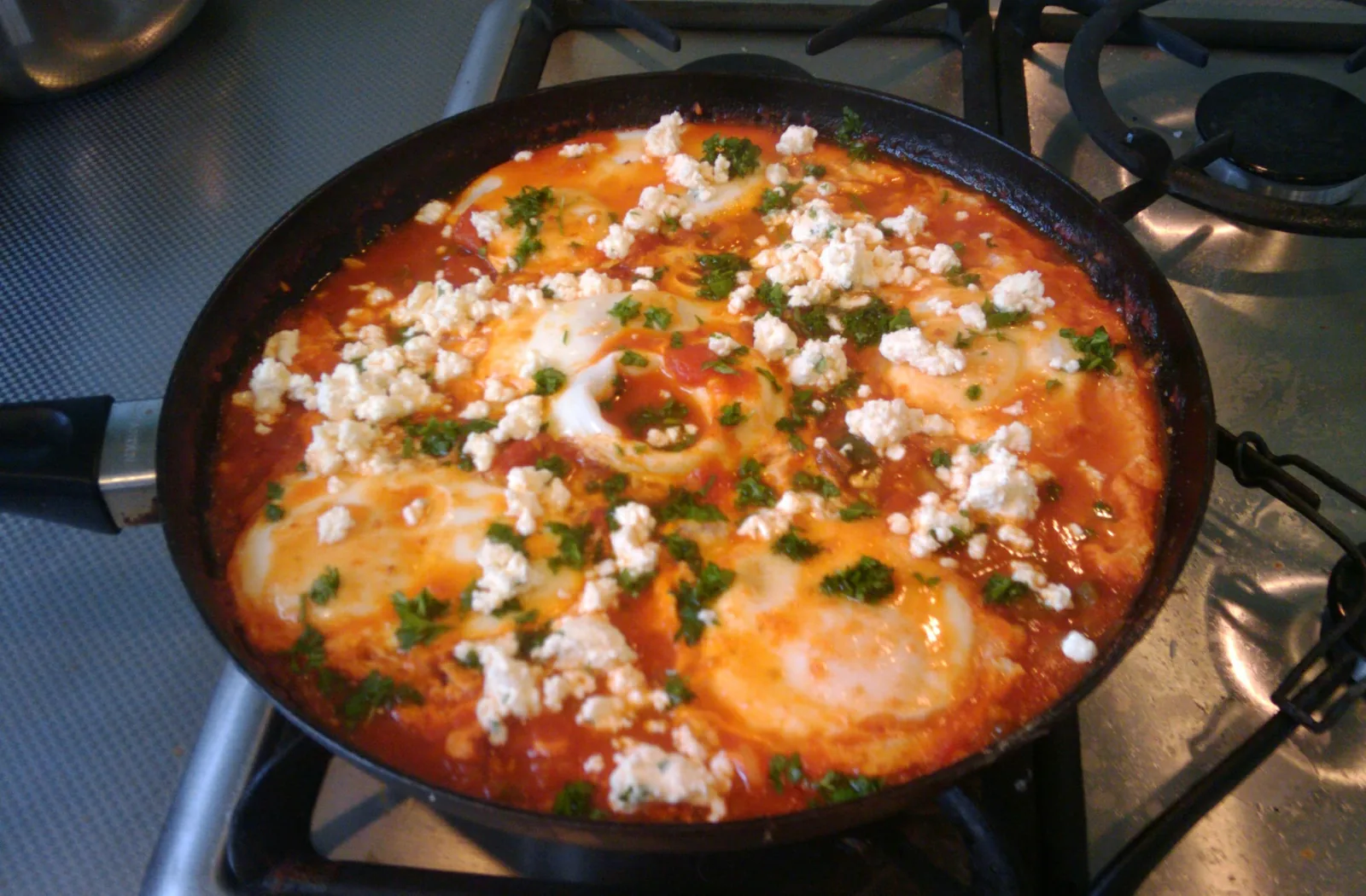
A pan of shakshuka with eggs poached in tomato sauce, topped with crumbled feta and parsley Algeria flag Algeria 40m
Breakfast •Algiers Breakfast Table

Algerian Shakshuka

This algerian shakshuka recipe — chakchouka in Algeria — simmers tomatoes, green peppers and onion into a smoky sauce, then poaches eggs right in the pan until the yolks are just set. One serving is about 325 g.

Comfort & Warmth

Eggs poached in a smoky tomato and green pepper sauce, scooped up with bread.

Pairs Well With
Kesra flatbread, mint tea and fresh orange
Quick Prep (<30m)
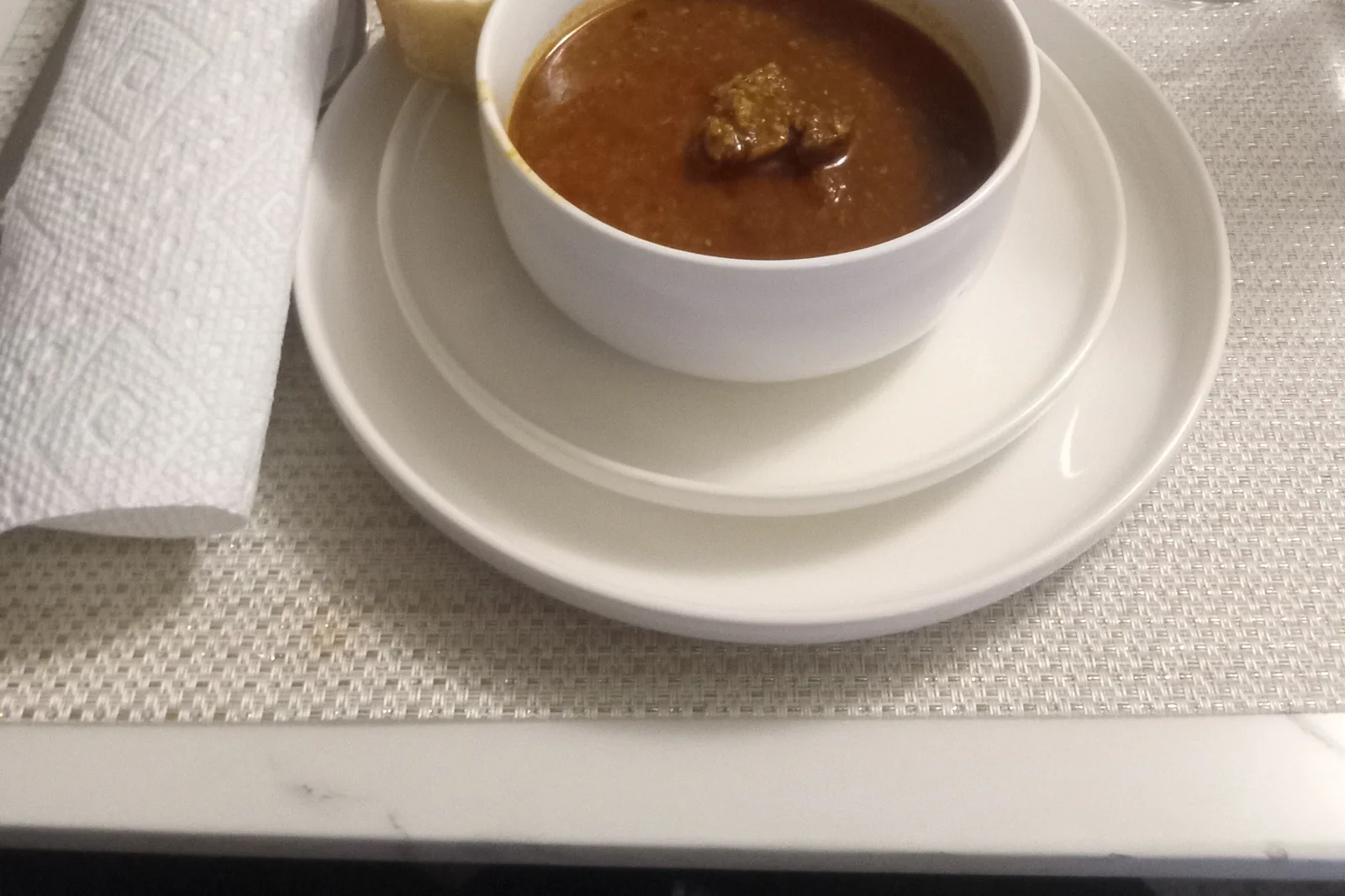
A bowl of chorba frik — lamb and cracked green wheat soup — with bread on an iftar table Algeria flag Algeria 1h 35m
Dinner •Ramadan Iftar Table

Chorba Frik

This chorba frik recipe simmers lamb, tomatoes and chickpeas into a rich red soup, then stirs in frik — cracked green wheat — until it swells and thickens the pot. One serving is about 550 g.

Comfort & Warmth

A tomato and lamb soup thickened with smoky cracked green wheat.

Pairs Well With
Crusty bread, dates and lemon wedges
Soups & Broths
Bœuf bourguignon — French beef braised in red wine France flag France 4h
Dinner •Burgundy Terroir

Bœuf Bourguignon

Beef braised gently in red wine until the connective tissue melts into a velvet, gelatin-rich sauce — the classic Burgundy Sunday dinner.

Cellular Repair

Beef braised in red wine until spoon-tender, with mushrooms and pearl onions.

Pairs Well With
Parsnip Purée & Steamed French Haricots Verts
High Protein
Vietnamese braised pork belly with golden eggs in caramel sauce Vietnam flag Vietnam 1h 45m
Dinner •One Pot

Vietnamese Braised Pork and Eggs

Pork belly slowly braised in coconut water and caramel until meltingly tender, with golden eggs that soak up the sweet-savoury sauce — the Vietnamese family dish that tastes better the next day.

Comfort & Sustained Energy

Slow-braised pork belly and eggs in coconut water and caramel.

Pairs Well With
Steamed rice & pickled mustard greens
High Protein

The Dinner Gazette

Never wonder what’s for dinner again

One email a week with easy dinner ideas from around the world — ingredients, steps and nutrition, tested in our kitchen first.

Delivered every Thursday morning. Unsubscribe anytime.