
Curated recipes from 193 countries  •  New seasonal Mediterranean issue out now

Overview

Algerian Shakshuka

Chakchouka, Tchakchouka

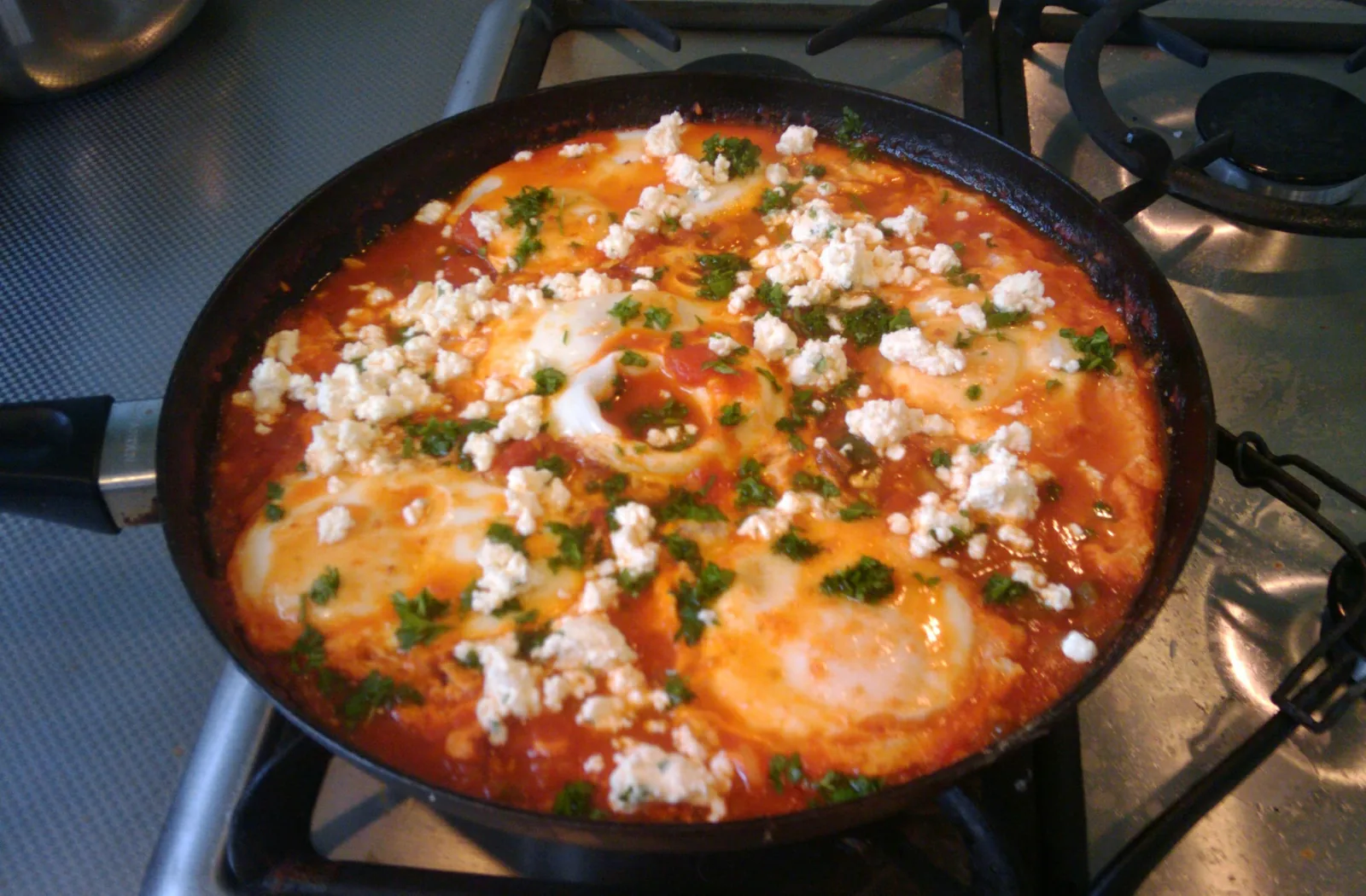
This algerian shakshuka recipe — chakchouka in Algeria — simmers tomatoes, green peppers and onion into a smoky sauce, then poaches eggs right in the pan until the yolks are just set. One serving is about 325 g.

Chakchouka — the Algerian name for shakshuka — is a pan of peppers, tomatoes and onions with eggs poached on top, eaten across North Africa from Algeria to Tunisia and Libya. It is breakfast food and late-night food at once, cooked in one pan and scooped up with bread. The dish travelled with Maghrebi families to France and Israel, where it picked up new names and new toppings, but the Algerian version stays close to the pan: green peppers, tomato, egg and bread.

Pairs well with: Kesra flatbread, mint tea and fresh orange

Provenance

Algeria flag Algeria

Algiers Breakfast Table

Middle Eastern

Time Dedication

40m

15m prep • 25m cook

Batch Yield

4 Servings

320 kcal per serving

1 serving ≈ 325 g

Technical Skill

Easy

Easy (One Pan)

Meal Timing & Digestive Fit

Breakfast

Prime Morning Fit

Lunch

Inappropriate

Dinner

Inappropriate

Snack & Tea

Inappropriate

Quick Prep (<30m) Occasions: Weekend breakfast, brunch, quick dinner Cost: Low — about $2–3 per serving at home
A pan of shakshuka with eggs poached in tomato sauce, topped with crumbled feta and parsley

Algiers Breakfast Table

Photo: Joe Mahoney, CC BY 2.0, via Wikimedia Commons

The Heritage Formulary

Measured Ingredients

Estimated cost: Low — about $2–3 per serving at home (USD)

Good chakchouka has a soft, thick sauce and yolks that are just set — still wobbling when the pan reaches the table.

Execution Methodology & Culinary Technique

Step-by-Step Cooking Guide

Active 40m
P

Prep Stage: Chop the Peppers and Tomatoes

15 Mins • Knife Work

Dice the onion, chop the green peppers into small pieces, and chop the tomatoes — skins and all, they melt into the sauce. Mince the garlic and crumble the feta.

Maestro Tip: Chop everything small and even so the sauce cooks down into a soft, spoonable base.

  1. 1

    Soften the Onion and Peppers

    10 Mins Medium heat, ~170°C (340°F)

    Heat the olive oil in a large, deep frying pan. Fry the onion for 3 minutes, then add the green peppers and fry for 5 minutes more until they soften and sweeten.

    Give the peppers time — soft peppers make a soft sauce.

    Done when: The onion is golden and the peppers are soft and sweet-smelling.

  2. 2

    Build the Tomato Sauce

    10 Mins Medium heat, ~170°C (340°F)

    Add the garlic, cumin and paprika and fry for 1 minute. Stir in the chopped tomatoes, tomato paste, harissa and salt, then simmer for 8–10 minutes until the sauce is thick and spoonable.

    The sauce should be thick enough to hold a well for the eggs — if it is watery, simmer it longer.

    Done when: The sauce is thick, deep red, and a spoon dragged through it leaves a trail.

  3. 3

    Poach the Eggs in the Sauce

    8 Mins Low heat, ~95°C (203°F)

    Make 8 small wells in the sauce and slide an egg into each one. Cover and cook on low heat for 6–8 minutes until the whites are set and the yolks still wobble when you shake the pan gently.

    Keep the heat low — high heat makes the whites rubbery before the yolks set.

    Done when: The whites are fully set and opaque; the yolks are soft and glossy.

  4. 4

    Finish and Serve from the Pan

    2 Mins Serve hot, ~70°C (158°F)

    Scatter the parsley and crumbled feta over the pan, cover for 1 minute so the feta softens slightly, then bring the whole pan to the table with bread for scooping.

    Serve it in the pan — shakshuka cools fast on a plate.

    Done when: The pan is steaming, the feta is softening, and the yolks still wobble.

Finishing Touches & Plating

Scatter the parsley and feta over the pan, cover for 1 minute so the feta softens slightly, and bring the whole pan to the table with bread.

Nutritional Physiology & Benefits

Nutrition

Energy

320

kcal / serving

Protein

18g

Complete AA

Carbs

17g

Complex

Fats

21g

Healthy

Per serving (4 servings · 1 serving ≈ 325 g)
Energy320 kcal
Protein18 g
Carbohydrates17 g
Fat21 g
Fibre4.2 g
Sugar8.7 g
Sodium656 mg
Per 100g
Energy98 kcal
Protein5.5 g
Carbohydrates5.1 g
Fat6.5 g
Fibre1.3 g
Sugar2.7 g
Sodium202 mg

Nutrition values are estimated — calculated from USDA FoodData Central values for the listed ingredients.

Vitamins & minerals: Vitamin C (peppers, tomato), vitamin A (tomato, peppers), vitamin D and B12 (eggs), calcium (feta).

Protein to Start the Day

Two eggs per person give real staying power — this is a breakfast that carries you to lunch.

Peppers and Tomatoes, Plenty of Them

Half a kilo of tomatoes and a pile of green peppers bring vitamin C and colour to the first meal of the day.

One Pan, Little Washing Up

Everything cooks in a single pan, so a slow breakfast does not mean a slow clean-up.

Food Pairings

What to Eat With

To optimize nutrient absorption and elevate the sensory depth, pair with these authentic accompaniments:

Sides

Kesra Flatbread

Crusty flatbread is essential — it is how you scoop up the sauce and the runny yolks.

Drinks

Mint Tea

Sweet, hot mint tea is the classic Algerian breakfast drink and a perfect match for the smoky sauce.

Vegetables

Fresh Orange Segments

Something fresh and sharp on the side wakes up the palate after the rich, warm eggs.

Full Menus

As a Slow Weekend Breakfast

Put the pan in the middle of the table and let everyone help themselves — shakshuka is a sharing breakfast.

Complete menu

Serve the pan with kesra flatbread, fresh orange segments and a pot of mint tea.

Digestive Guardrails

What NOT to Combine

To prevent digestive distress, sluggishness, or palate clash, avoid pairing the dish with these elements:

Overcooking the Eggs

Eggs left too long turn rubbery and the yolks go chalky — take the pan off the heat while the yolks still wobble. This is general guidance, not medical advice.

Too Much Harissa at Once

Harissa is very hot — stir in a little at a time. A whole spoonful can overwhelm the peppers and upset a sensitive stomach.

General information only, not medical advice — consult a doctor for personal dietary decisions.

Who Should Eat It

Who Should Eat

  • General adultsA complete, satisfying breakfast — protein, vegetables and bread in one pan.
  • ChildrenExcellent for children from age 2+; the eggs are soft and the sauce is mild. Serve harissa separately.
  • ElderlyVery suitable — soft, warm and easy to eat.
  • Pregnant womenGenerally suitable; the eggs add protein and choline. Make sure the eggs are cooked through.
  • Breastfeeding womenGenerally suitable; the protein and iron support recovery — eat a satisfying portion.
  • AthletesA good pre-training breakfast: protein plus carbs from the bread, eaten 1–2 hours before exercise.
  • Weight gainA good choice — take an extra egg and more bread.
  • Weight lossA filling breakfast — keep to one or two eggs and load up on the pepper sauce.

Health Conditions — Adjust or Avoid

Conditions

  • DiabetesThe sauce is low in carbs — the bread is the main carb source, so watch the bread portion and ask your clinician about it.
  • High blood pressureMost of the sodium comes from added salt, harissa and feta; season lightly and ask your clinician about a suitable portion.
  • Kidney diseaseLimit the portion — eggs and feta add protein and sodium; ask your clinician about portion size.
  • GoutUsually fine in a modest portion — eggs are low in purines.
  • Stomach issuesUsually gentle, but harissa and raw onion can irritate a sensitive stomach — use harissa sparingly.
  • Cardiovascular diseaseA reasonable choice — rich in vegetables and protein; keep the feta modest.
  • Fatty liverKeep the portion modest and favour the pepper sauce over extra bread.
  • Food allergiesContains egg and dairy (feta). Not suitable for egg or dairy allergy.
  • Special therapeutic dietsIf you follow a prescribed low-sodium diet, skip the feta and use less salt, and check with your clinician.

If you have a medical condition, consult your doctor before changing your diet.

Storage & Use

Storage & Use

How to store
Cool quickly and store the sauce in an airtight container; store the eggs separately if possible.
In the fridge
Sauce 3 days; cooked eggs are best eaten the same day.
In the freezer
Sauce only, 2 months; cooked eggs do not freeze well.
How to reheat
Reheat the sauce until simmering, then crack in fresh eggs. Reheat cooked eggs gently to 74°C (165°F) — do not boil them.
Freezing recommended
Only the sauce — freeze it without the eggs.
Signs it has spoiled
Sour smell, slimy peppers, or a grey film on the eggs.

More recipes to explore

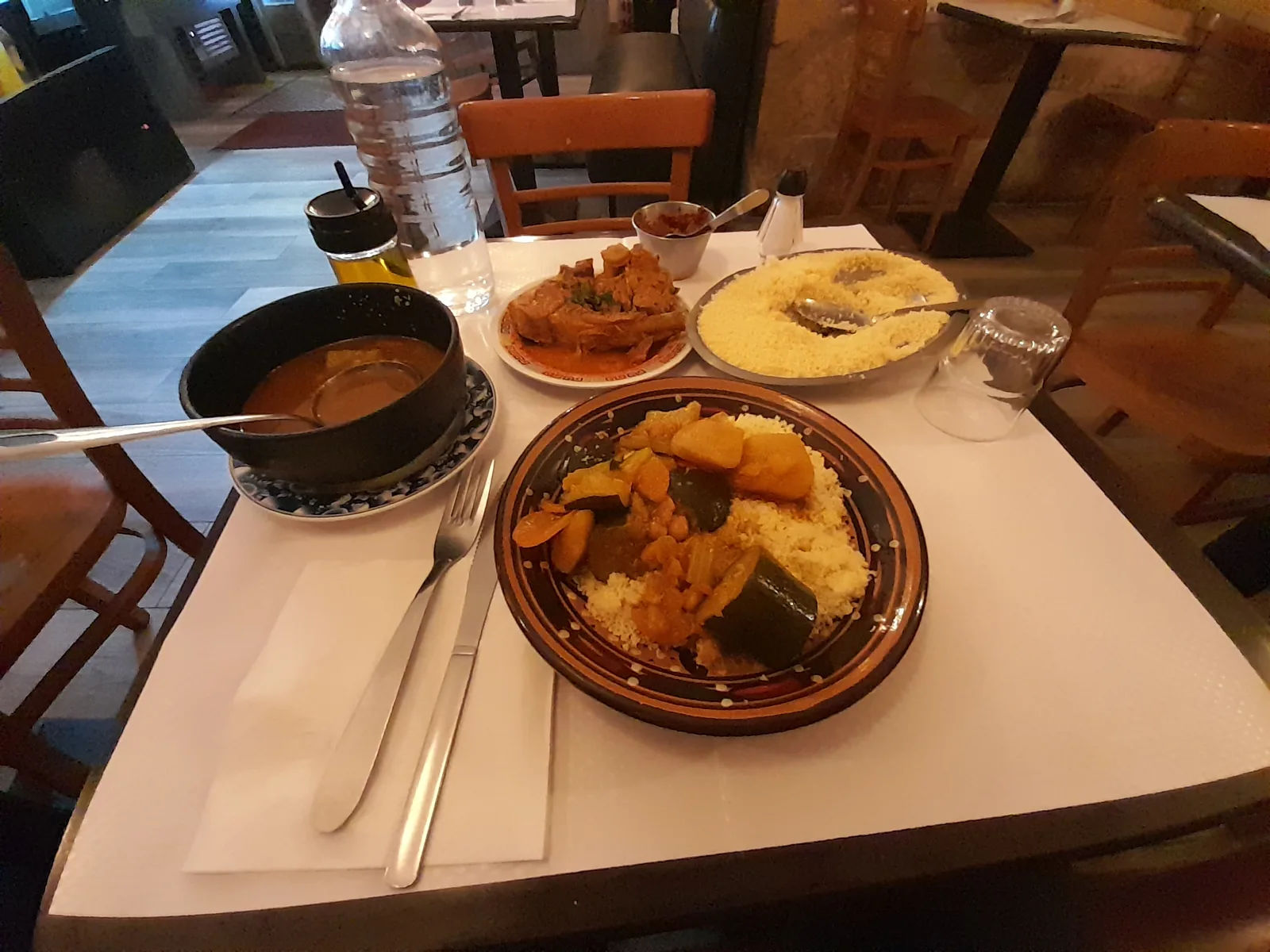
A plate of Algerian couscous with lamb and vegetables at a restaurant table, with broth and meat on the side Algeria flag Algeria 2h 10m
Dinner •Algiers Friday Table

Couscous with Lamb and Vegetables

This algerian lamb couscous recipe steams fine semolina over a slow red broth of lamb, tomato paste, turnip, carrot, zucchini and chickpeas, then serves it mounded high with the meat in the middle. One serving is about 585 g.

Comfort & Warmth

Steamed semolina mounded with lamb in a red tomato broth, turnip, carrot and chickpeas.

Pairs Well With
Harissa, buttermilk (lben) and mint tea
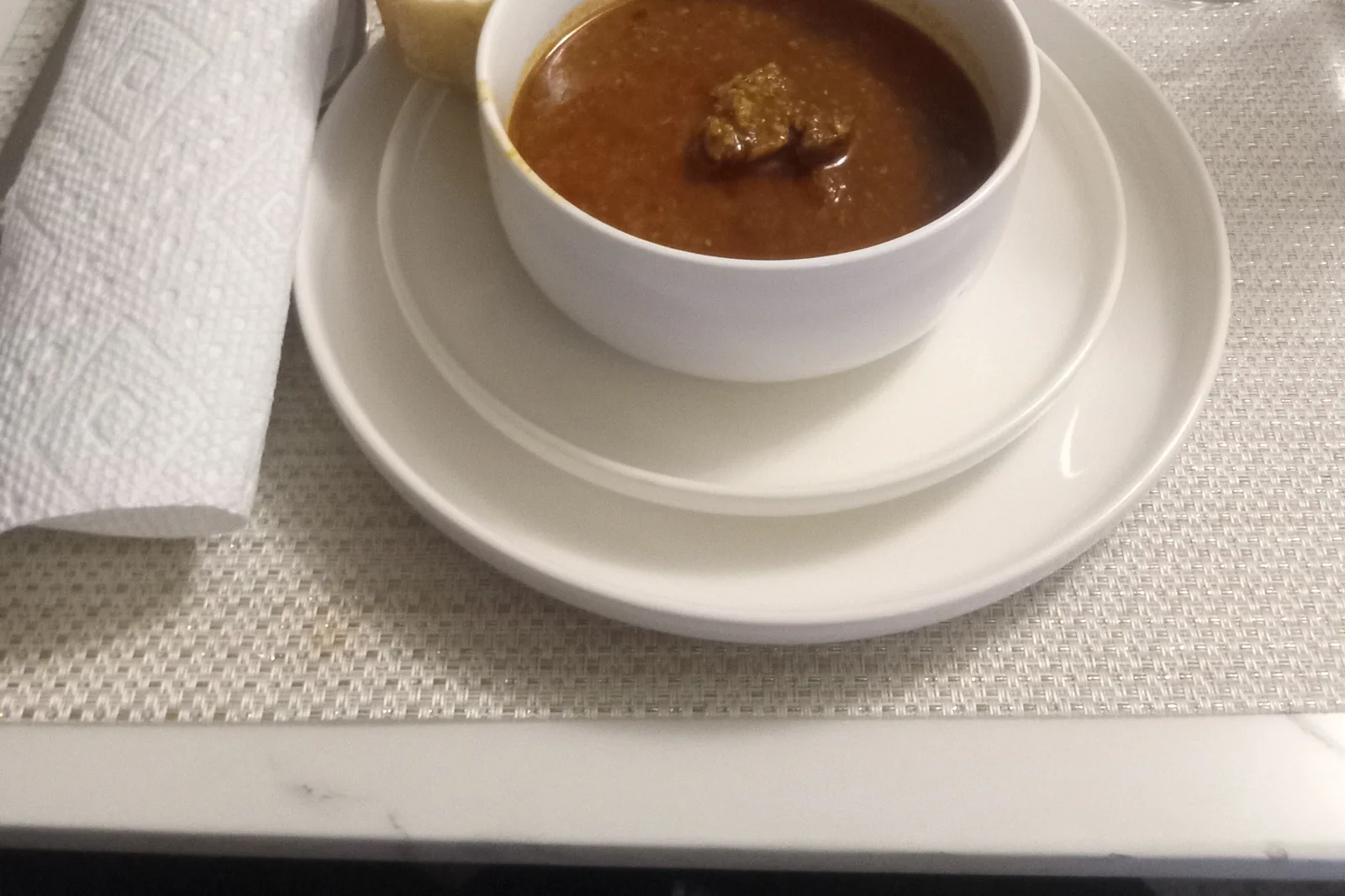
A bowl of chorba frik — lamb and cracked green wheat soup — with bread on an iftar table Algeria flag Algeria 1h 35m
Dinner •Ramadan Iftar Table

Chorba Frik

This chorba frik recipe simmers lamb, tomatoes and chickpeas into a rich red soup, then stirs in frik — cracked green wheat — until it swells and thickens the pot. One serving is about 550 g.

Comfort & Warmth

A tomato and lamb soup thickened with smoky cracked green wheat.

Pairs Well With
Crusty bread, dates and lemon wedges
Soups & Broths
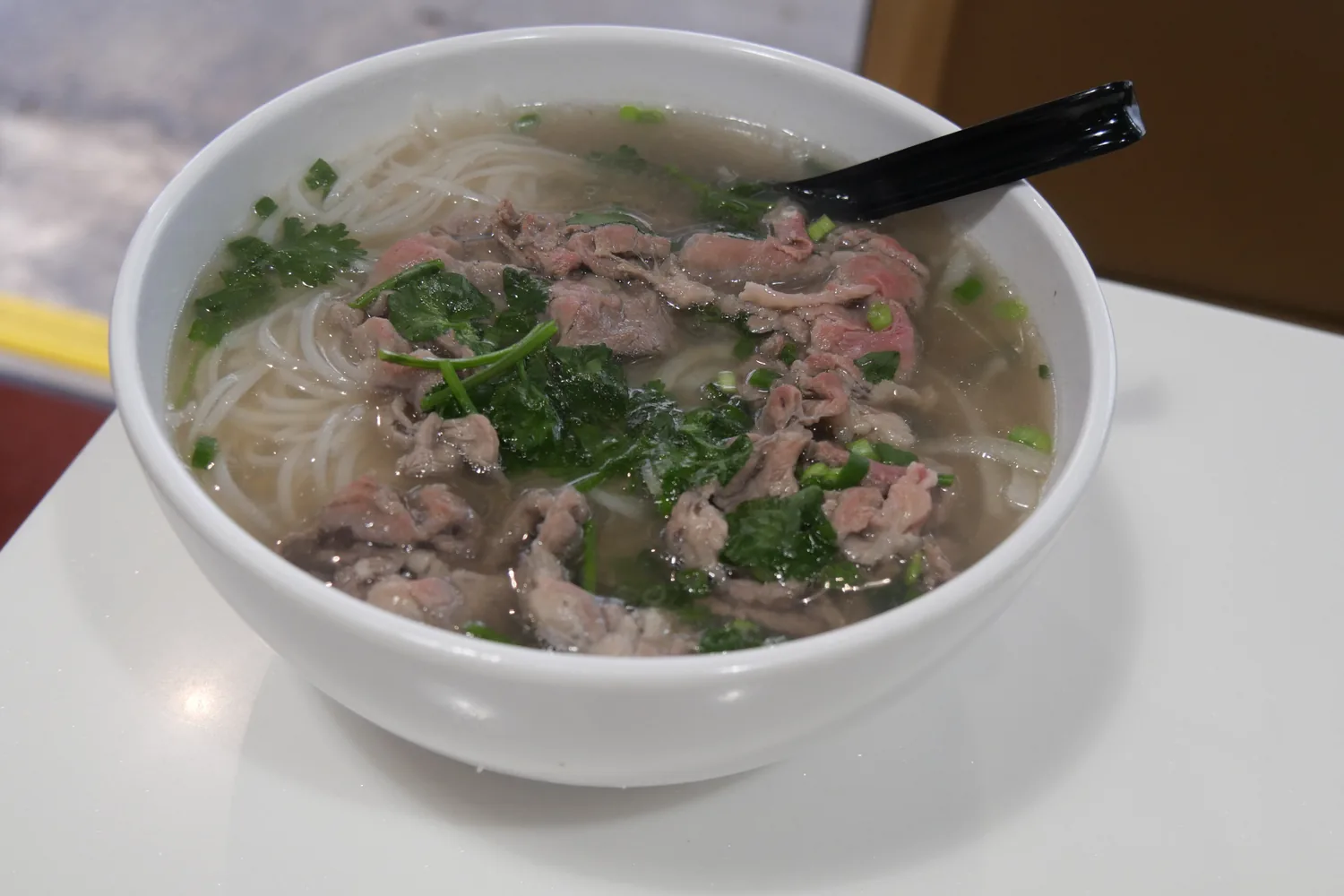
A bowl of Vietnamese phở bò with rare beef, rice noodles and fresh herbs Vietnam flag Vietnam 3h 30m
Breakfast •Hanoi Heritage

Phở Bò Tái Nạm

Slow-simmered star anise and cinnamon bone broth with hand-cut rice noodles, supplying clean restorative warmth and collagen. One serving is about 775 g.

Immunity & Warming

Slow-simmered bone broth with rice noodles, rare beef and fresh herbs.

Pairs Well With
Crispy quẩy, fresh lime & sawtooth coriander
Soups & Broths • High Protein
Golden butter croissants on a wooden board France flag France 20m
Breakfast •Parisian Boulangerie

Croissant au Beurre & Café

Laminated cultured butter pastry paired with washed Arabica, for a slow, pleasurable Parisian morning — best with a little protein alongside. One serving is about 390 g.

Sustained Focus

Flaky all-butter croissant with café au lait, Comté and green apple.

Pairs Well With
Comté cheese wedge & Green apple slices
Quick Prep (<30m)

The Dinner Gazette

Never wonder what’s for dinner again

One email a week with easy dinner ideas from around the world — ingredients, steps and nutrition, tested in our kitchen first.

Delivered every Thursday morning. Unsubscribe anytime.