
Curated recipes from 193 countries  •  New seasonal Mediterranean issue out now

Overview

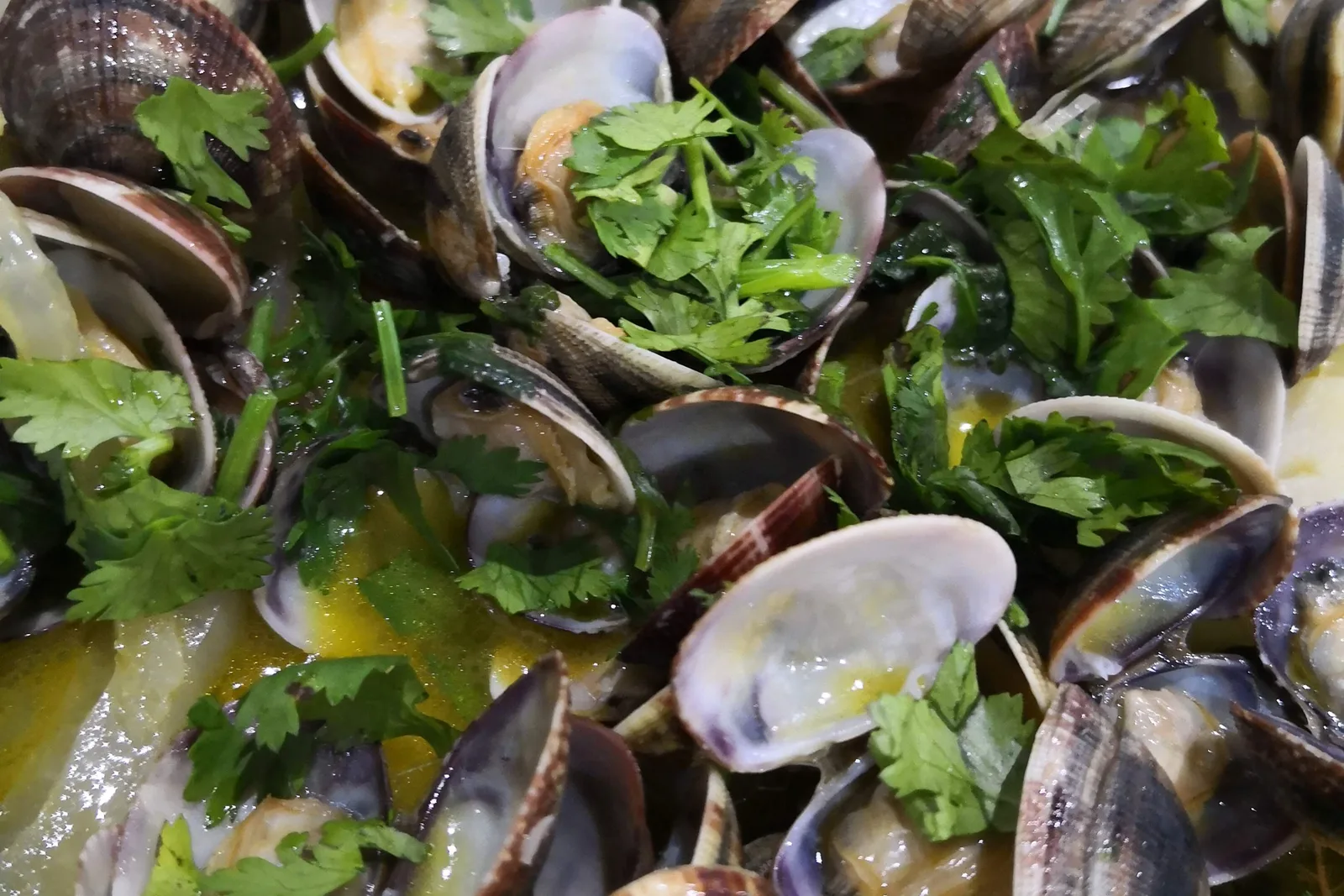
Ameijoas à Bulhão Pato

Bulhao Pato clams, Portuguese garlic and wine clams, clams Bulhao Pato style

This ameijoas a bulhao pato recipe steams fresh clams in olive oil, garlic and dry white wine until they open, then showers them with chopped coriander and lemon. It is Lisbon's most famous petisco, made for mopping up the golden sauce with crusty bread. One serving is about 150 g.

The dish is named for Raimundo António de Bulhão Pato, a 19th-century Portuguese poet and gastronome. The story goes that a Lisbon chef served him a pan of clams in garlic, olive oil and coriander, and the poet praised it so warmly that the chef named the dish after him. Whether or not the tale is exact, the dish became Lisbon's defining petisco, served in tascas across the city with bread to mop up the sauce.

Pairs well with: Crusty bread for the sauce and a glass of dry white wine

Provenance

Portugal flag Portugal

Lisbon Petisco Classic

Mediterranean & Italy

Time Dedication

1h 15m

65m prep • 10m cook

Batch Yield

4 Servings

213 kcal per serving

1 serving ≈ 150 g

Technical Skill

Intermediate

Easy (Quick Steam)

Meal Timing & Digestive Fit

Breakfast

Not Advised

Lunch

Prime Metabolic Fit

Dinner

Ideal Hearty Main

Snack & Tea

Inappropriate

Quick Prep (<30m) Occasions: Summer lunches, seafood starters, sharing plates, Lisbon-style dinners, seaside meals Cost: Medium — about $5–6 per serving at home
Fresh clams cooked in garlic and white wine sauce, scattered with chopped coriander and lemon wedges

Lisbon Petisco Classic

Photo: Sanjorgepinho, CC BY-SA 4.0, via Wikimedia Commons

The Heritage Formulary

Measured Ingredients

Estimated cost: Medium — about $5–6 per serving at home (USD)

Good Bulhão Pato clams are judged by the sauce: golden, garlicky, flecked with coriander, and worth every last piece of bread.

Execution Methodology & Culinary Technique

Step-by-Step Cooking Guide

Active 1h 15m
P

Prep Stage: Purge and Chop

65 Mins • Mostly Hands-Off

Soak the scrubbed clams in cold salted water (about 35 g salt per litre) for 60 minutes so they spit out their sand, then rinse well. Meanwhile slice the garlic, chop the coriander and cut the lemon into wedges.

Maestro Tip: Tap any open clam: if it does not close, throw it away. One bad clam can spoil the whole pan.

  1. 1

    Warm the Oil and Garlic

    3 Mins Medium heat, 160°C (320°F)

    Heat the olive oil in a wide, lidded pan over medium heat at about 160°C (320°F). Add the sliced garlic and cook for 2 minutes, stirring, until it is pale gold and smells sweet. Do not let it brown, or it turns bitter.

    Sliced garlic colours more slowly than crushed, which gives you a wider margin before it burns.

    Done when: The garlic is pale gold and the oil smells fragrant.

  2. 2

    Add Wine and Clams

    2 Mins High heat, 200°C (400°F)

    Turn the heat to high, pour in the white wine, and tip in the drained clams. Stir once so the clams sit in a single layer, then put the lid on. The wine will bubble hard at about 100°C (212°F) and the steam does the cooking.

    A single layer matters — piled clams steam unevenly and the ones on top stay shut.

    Done when: The wine is bubbling and steam is escaping around the lid.

  3. 3

    Steam Until They Open

    5 Mins High heat, 100°C (212°F)

    Steam for 4 to 5 minutes, shaking the pan once halfway through, until nearly all the clams have opened. Shellfish are done when the shells open wide and the meat is opaque and firm; throw away any clam that is still shut after 5 minutes. Taste the sauce and add the salt only if it needs it.

    Do not keep cooking after they open — a minute too long turns clam meat rubbery.

    Done when: Almost every shell is open and the meat inside looks plump and opaque.

  4. 4

    Finish With Coriander and Lemon

    2 Mins Off the heat, pan about 90°C (194°F)

    Take the pan off the heat and scatter the chopped coriander generously over the clams, then squeeze half the lemon over the pan. Stir gently once so the herb wilts into the golden sauce.

    Coriander goes in off the heat so its fresh citrus scent survives instead of cooking away.

    Done when: The sauce is flecked green and smells of garlic, wine and coriander.

  5. 5

    Serve With Bread

    0 Mins Serve hot, about 70°C (158°F)

    Spoon the clams and sauce into wide bowls, put the lemon wedges on the side, and serve at once with crusty bread for mopping up the sauce. Eat while the clams are hot and the bread is still warm.

    Serve in the pan at the table if you like — the sauce stays hot longer that way.

    Done when: The bowls are steaming and the bread is ready to dip.

Finishing Touches & Plating

Squeeze the last lemon over the bowls at the table and let everyone mop up the sauce — the golden garlic and wine juices are the best part of the dish.

Nutritional Physiology & Benefits

Nutrition

Energy

213

kcal / serving

Protein

10g

Complete AA

Carbs

7g

Complex

Fats

16g

Healthy

Per serving (4 servings · 1 serving ≈ 150 g)
Energy213 kcal
Protein10 g
Carbohydrates7 g
Fat16 g
Fibre0.3 g
Sugar0.7 g
Sodium241 mg
Per 100g
Energy142 kcal
Protein6.8 g
Carbohydrates4.4 g
Fat10.5 g
Fibre0.2 g
Sugar0.5 g
Sodium161 mg

Nutrition values are estimated — calculated from USDA FoodData Central values for the listed ingredients.

Vitamins & minerals: Clams are rich in iron, vitamin B12, selenium and zinc, while coriander and lemon add vitamin C and folate. Nutrition is estimated.

Lean Protein

Clams give about 10 g of protein per serving for only about 213 kcal, so the dish is filling without being heavy.

Iron and B12

Shellfish are naturally rich in iron and vitamin B12, nutrients that support normal red blood cell formation as part of a varied diet.

Light and Bright

The sauce is olive oil, wine and lemon rather than cream or butter, so the dish stays light and fresh-tasting.

Food Pairings

What to Eat With

To optimize nutrient absorption and elevate the sensory depth, pair with these authentic accompaniments:

Sides

Crusty Bread

Bread is not optional here — it soaks up the garlic and wine sauce that makes the dish.

Drinks

Dry White Wine

The same dry white wine used in the pan, served cold, matches the briny sweetness of the clams.

Vegetables

Simple Green Salad

A plain salad with lemon dressing cleanses the palate between spoonfuls of rich, garlicky sauce.

Full Menus

Lisbon Petisco Spread

Serve the clams first with bread and wine, then follow with grilled sardines or a small salad for a Lisbon-style petisco lunch.

Complete menu

Start with the clams, bread and a cold Vinho Verde, then follow with a green salad and grilled fish for a full Lisbon lunch.

Digestive Guardrails

What NOT to Combine

To prevent digestive distress, sluggishness, or palate clash, avoid pairing the dish with these elements:

Unopened Clams

Clams that stay shut after steaming may be dead and unsafe, so discard them rather than forcing them open. This is general food-safety information, not medical advice.

Eating Raw or Undercooked Shellfish

Raw shellfish can carry bacteria and viruses that cooking destroys, so always steam clams until they open and the meat is opaque. People with weakened immunity should take extra care and ask their clinician.

General information only, not medical advice — consult a doctor for personal dietary decisions.

Who Should Eat It

Who Should Eat

  • General adultsA light, flavourful starter or lunch; the wine mostly cooks off, but the sauce still carries a little alcohol.
  • ChildrenFine for older children once the shells are removed; young children should only eat the meat, not handle hot shells.
  • ElderlySoft, easy-to-chew protein, but watch the salt and make sure the clams are fully steamed open.
  • Pregnant womenClams are low in mercury, but shellfish must be thoroughly cooked and eaten fresh — avoid any raw or undercooked shellfish and ask your clinician if unsure.
  • Breastfeeding womenA good source of iron, zinc and B12; shellfish eaten occasionally in normal portions is generally fine.
  • AthletesLean protein with useful iron and zinc after training; add bread and a salad to make it a full recovery meal.
  • Weight gainAdd more bread and a drizzle of extra olive oil over the bowls to raise the energy of the meal.
  • Weight lossAn excellent light choice at about 213 kcal a serving — keep the bread to one small slice and load up on salad.

Health Conditions — Adjust or Avoid

Conditions

  • DiabetesOnly about 7 g of carbohydrate per serving, so this dish barely moves blood sugar — the bread is the part to count. Ask your clinician about your personal target.
  • High blood pressureAbout 242 mg of sodium per serving is moderate, but it rises fast with added salt or salty bread — taste before salting. Ask your clinician if unsure.
  • Kidney diseaseClams are high in potassium and phosphorus, so portions matter on a kidney plan — ask your clinician before eating shellfish regularly.
  • GoutShellfish are rich in purines, which can raise uric acid; people prone to gout usually keep clam portions small and occasional. Ask your clinician for personal advice.
  • Stomach issuesGarlic, wine and lemon can trigger reflux in sensitive stomachs; eat the clams with bread to buffer the sauce. Ask your clinician if symptoms persist.
  • Cardiovascular diseaseOlive oil and lean shellfish fit a heart-friendly pattern, and the dish is low in saturated fat. Ask your clinician for personal advice.
  • Fatty liverLow in fat and sugar and free of cream or butter, so it suits most liver-friendly eating patterns in normal portions. Ask your clinician for personal advice.
  • Food allergiesContains molluscan shellfish (clams) and sulphites (wine). Shellfish allergy can be severe — people with shellfish allergy must not eat this dish.
  • Special therapeutic dietsNot suitable for shellfish-free or low-purine plans; the wine makes it unsuitable for alcohol-free diets. Ask your clinician or dietitian before adding it to a therapeutic diet.

If you have a medical condition, consult your doctor before changing your diet.

Storage & Use

Storage & Use

How to store
Eat fresh from the pan. If you must keep leftovers, pick the meat from the shells and store meat and sauce separately in sealed containers.
In the fridge
Cooked clam meat keeps 1 day chilled; unopened live clams keep 1 to 2 days in the fridge in a breathable container, never sealed in water.
In the freezer
Not recommended — frozen cooked clams turn rubbery.
How to reheat
Warm the meat gently in the sauce until it just simmers; reheat to 74°C (165°F) and do not boil, or the clams toughen.
Freezing recommended
No — the texture suffers badly on freezing.
Signs it has spoiled
A strong fishy or ammonia smell, slimy meat, or shells that were open before cooking and did not close when tapped.

More recipes to explore

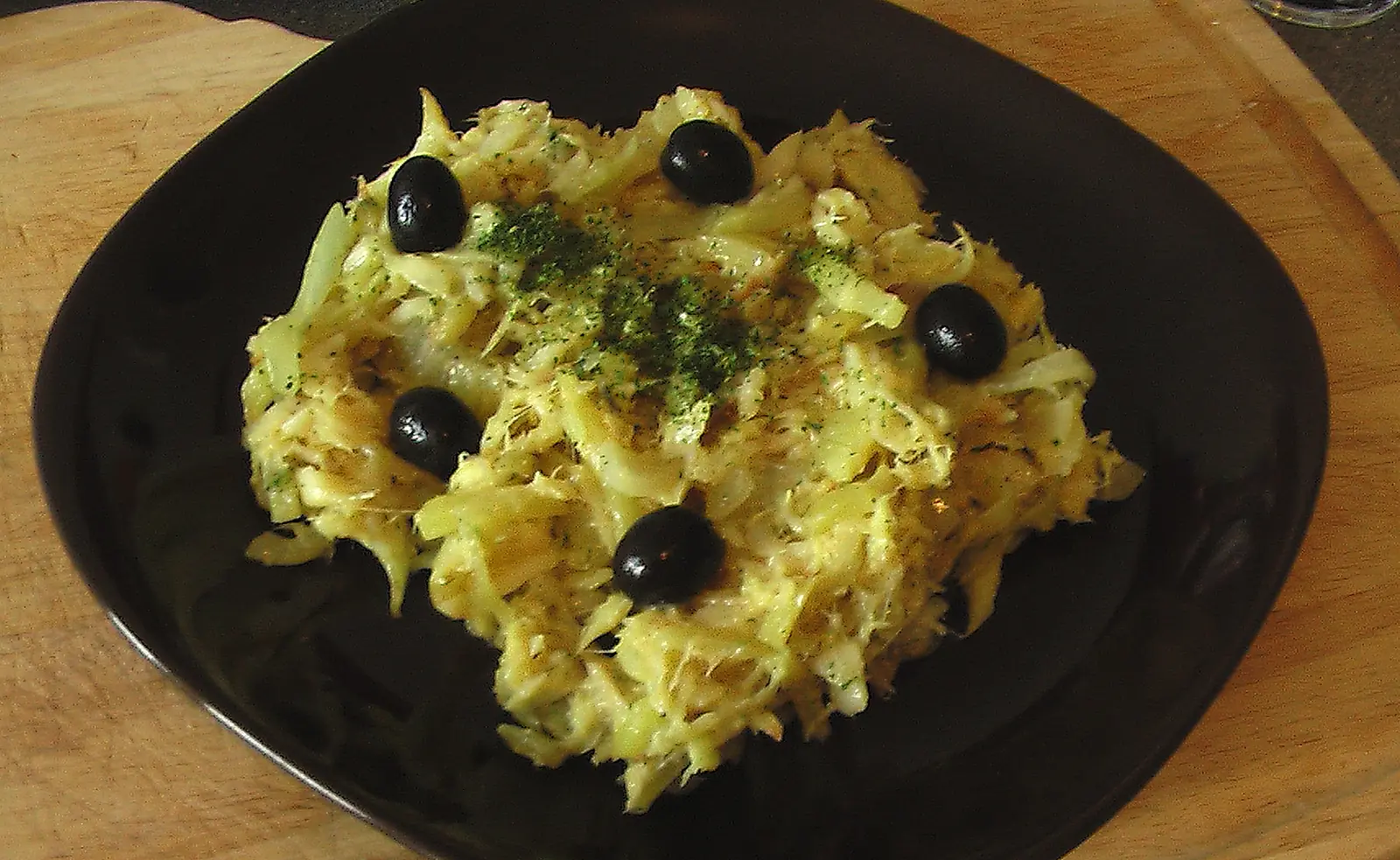
A plate of bacalhau à brás — shredded salt cod with egg and matchstick potatoes, black olives and parsley Portugal flag Portugal 50m
Dinner •Lisbon Tavern Classic

Bacalhau à Brás

Bacalhau à brás recipe: desalted shredded cod, golden matchstick potatoes and softly scrambled egg, finished with black olives and parsley. One serving is about 350 g.

Comfort & Protein

Shredded salt cod folded with egg and crisp matchstick potatoes — a filling, protein-rich Lisbon supper.

Pairs Well With
A simple green salad and a glass of vinho verde
High Protein
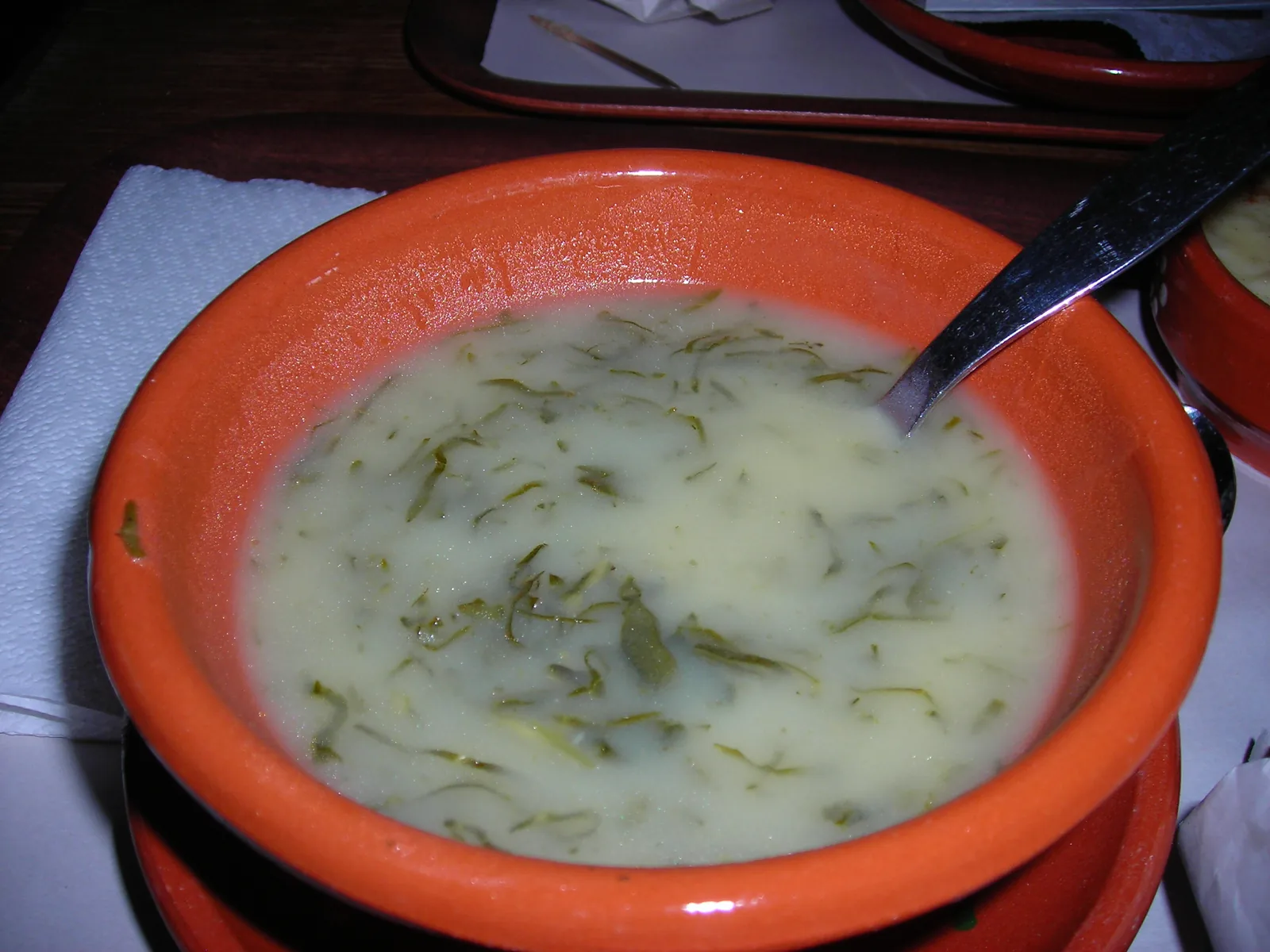
A terracotta bowl of caldo verde — pale potato soup with shredded green kale and a spoon Portugal flag Portugal 50m
Dinner •Minho National Soup

Caldo Verde

Caldo verde recipe: creamy potato soup blended smooth, with ribbons of kale and slices of chouriço, finished with a thread of olive oil. One serving is about 590 g.

Comfort & Warmth

Silky potato soup with finely shredded kale and smoky chouriço — Portugal's best-loved bowl.

Pairs Well With
Crusty broa bread and a glass of vinho verde
Soups & Broths
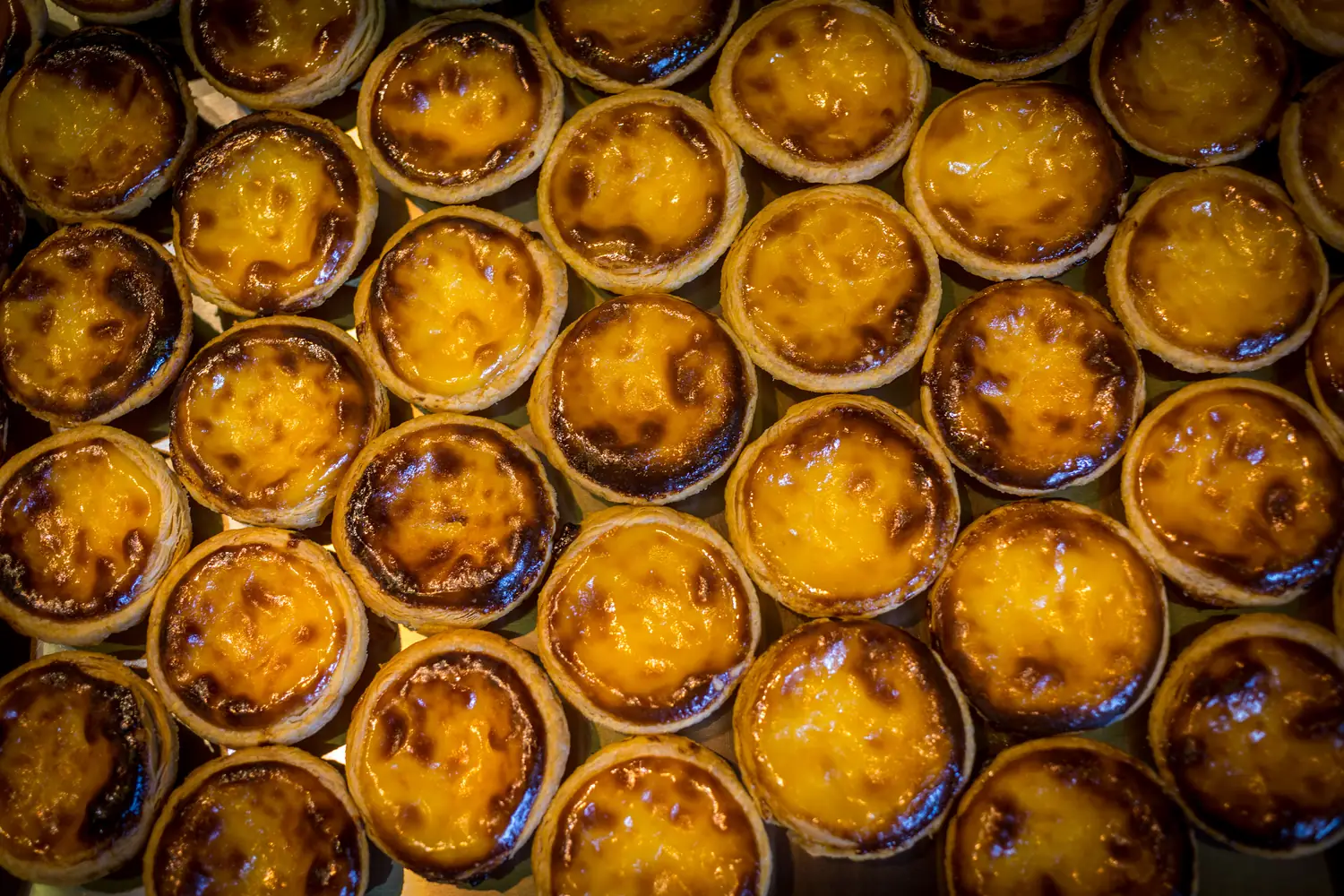
A tray of pastel de nata — golden custard tarts with blistered, caramelised tops in flaky pastry Portugal flag Portugal 50m
Snack & Tea •Belém Monastery Tart

Pastel de Nata

Pastel de nata recipe: shatteringly crisp puff pastry shells filled with warm, vanilla-cinnamon egg custard, baked until blistered on top. One serving is about 187 g (2 tarts).

Sweet Treat

Crisp, flaky pastry cups filled with cinnamon-scented egg custard, blistered in a very hot oven.

Pairs Well With
A small strong coffee (bica) and a dusting of cinnamon
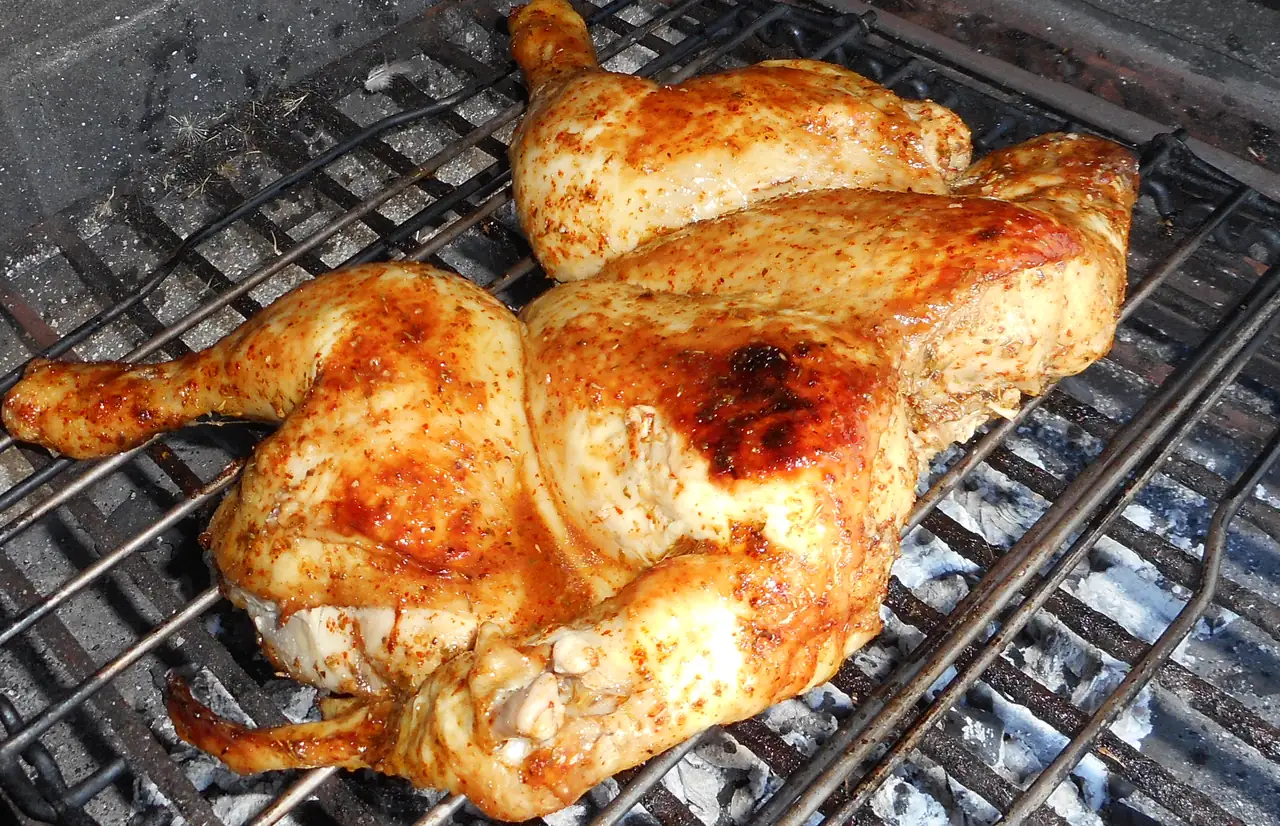
Butterflied piri piri chicken grilling over charcoal, golden-red with chilli spice Portugal flag Portugal 55m
Dinner •Algarve Heritage

Frango Piri Piri

Frango piri piri is Portugal's most famous chicken: a whole bird butterflied flat, rubbed with a fiery paste of piri piri chillies, garlic, lemon and paprika, then grilled over charcoal until the skin turns crisp and red-gold. This piri piri chicken recipe is the Algarve way — an overnight marinade, a hot grill, and a warm butter baste at the end. One serving is about 210 g.

Spicy Char-Grill

A butterflied chicken marinated in piri piri chilli, garlic and lemon, grilled over charcoal until the skin is crisp and reddened.

Pairs Well With
Chips, tomato-onion salad and a cold beer.
High Protein

The Dinner Gazette

Never wonder what’s for dinner again

One email a week with easy dinner ideas from around the world — ingredients, steps and nutrition, tested in our kitchen first.

Delivered every Thursday morning. Unsubscribe anytime.