
Curated recipes from 193 countries  •  New seasonal Mediterranean issue out now

Overview

Frango Piri Piri

Piri Piri Chicken, Peri Peri Chicken, Portuguese Spicy Grilled Chicken

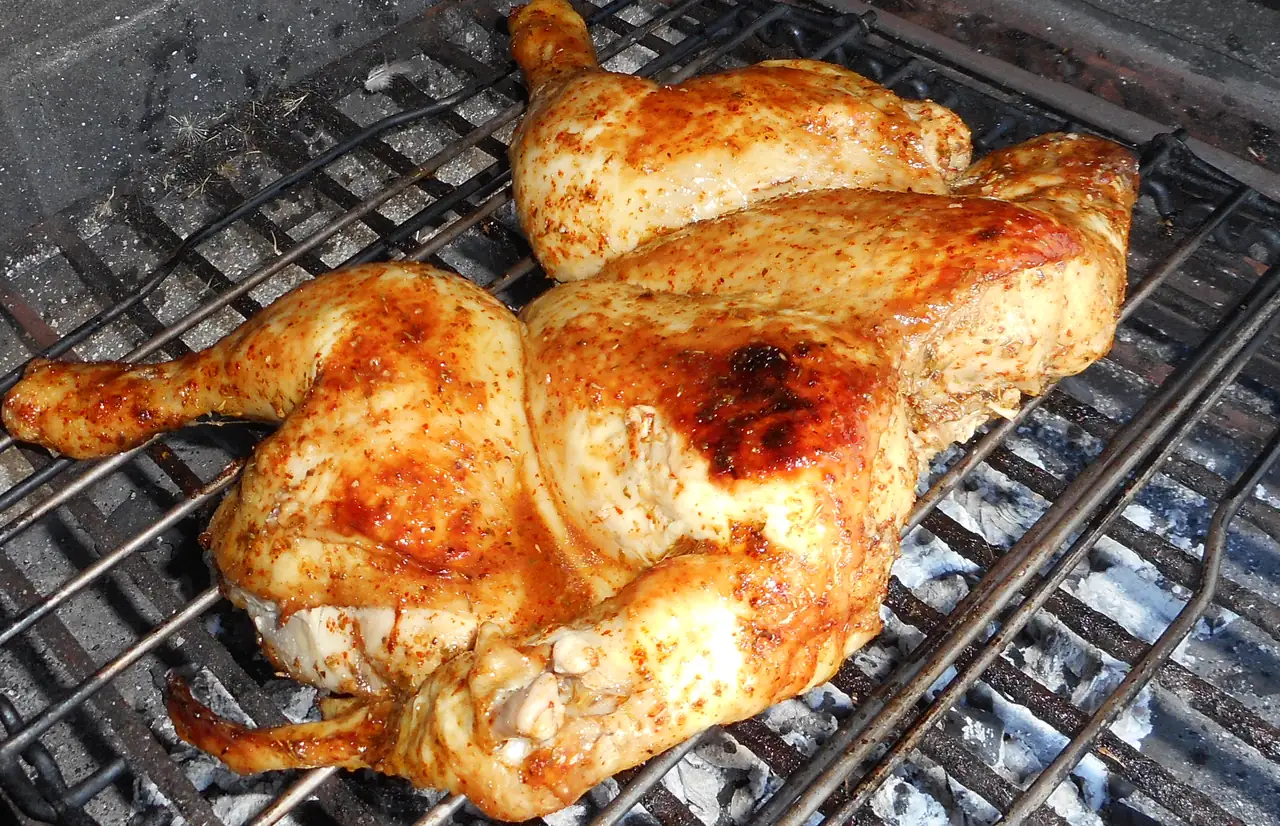
Frango piri piri is Portugal's most famous chicken: a whole bird butterflied flat, rubbed with a fiery paste of piri piri chillies, garlic, lemon and paprika, then grilled over charcoal until the skin turns crisp and red-gold. This piri piri chicken recipe is the Algarve way — an overnight marinade, a hot grill, and a warm butter baste at the end. One serving is about 210 g.

The piri piri chilli travelled from the Americas to Africa with Portuguese traders, took root in Mozambique and Angola, and came home again with the Portuguese who returned from Africa in the 1970s. In the Algarve village of Guia, frango piri-piri has been a speciality since the 1960s, and the village now holds a festival for it. Charcoal grill restaurants — churrasqueiras — then spread it across Portugal until it became the country's most famous dish abroad.

Pairs well with: Chips, tomato-onion salad and a cold beer.

Provenance

Portugal flag Portugal

Algarve Heritage

Mediterranean & Italy

Time Dedication

55m

20m prep • 35m cook

Batch Yield

4 Servings

705 kcal per serving

1 serving ≈ 210 g

Technical Skill

Intermediate

Medium (Butterflying & Grilling)

Meal Timing & Digestive Fit

Breakfast

Not Advised

Lunch

Hearty Midday Main

Dinner

Ideal Hearty Main

Snack & Tea

Inappropriate

High Protein Occasions: Summer barbecues, family dinners, weekend grilling, Portuguese-themed meals Cost: Low — about $3–4 per serving at home (a whole chicken is the main cost)
Butterflied piri piri chicken grilling over charcoal, golden-red with chilli spice

Algarve Heritage

Photo: Kolforn, CC BY-SA 4.0, via Wikimedia Commons

The Heritage Formulary

Measured Ingredients

Estimated cost: Low — about $3–4 per serving at home (a whole chicken is the main cost) (USD)

Made with a whole butterflied chicken, fresh piri piri chillies, garlic and lemon, grilled over charcoal until the skin is crisp.

Execution Methodology & Culinary Technique

Step-by-Step Cooking Guide

Active 55m
P

Prep Stage: Butterfly the Chicken & Make the Piri Piri Paste

20 Mins + Overnight Marinade • Knife & Bowl Work

Cut out the backbone with kitchen shears, press the bird flat, and pat it dry. Blitz the chillies, garlic, paprika, salt, pepper, lemon juice, vinegar and olive oil into a rough paste. Rub two-thirds of the paste all over the chicken, under the skin where you can reach, and leave it to marinate in the fridge overnight if you can — 4 hours at a minimum. Keep the last third of the paste aside, untouched by raw chicken, for the baste.

Maestro Tip: Butterflying is the whole trick: a flat bird cooks evenly, every bit of skin crisps, and nothing dries out while the legs catch up.

  1. 1

    Butterfly the Chicken

    10 Mins No heat — room temperature

    Cut out the backbone with kitchen shears, open the bird out flat, and press firmly on the breastbone until it lies flat. Pat the skin completely dry with paper towel — dry skin is what crisps.

    Press hard on the breastbone until you feel it crack — that is what lets the bird sit truly flat on the grill.

    Done when: Bird lies flat and the skin is dry to the touch.

  2. 2

    Marinate in Piri Piri Paste

    10 Mins + Marinating Fridge — 4 hours to overnight

    Blitz the chillies, garlic, paprika, salt, pepper, lemon juice, vinegar and olive oil into a rough paste. Rub two-thirds of it all over the chicken, working some under the skin of the breast and legs. Cover and refrigerate overnight, or for at least 4 hours.

    Wear gloves when handling the chillies, and keep the reserved third of the paste in a separate bowl — it must never touch raw chicken.

    Done when: Chicken is evenly coated, with paste under the skin as well as on it.

  3. 3

    Grill Over Charcoal

    25–30 Mins Medium-high grill heat, ~200°C (400°F)

    Light the charcoal and let it burn down to glowing coals with a light coat of ash — about 20 minutes. Oil the grill bars. Place the chicken skin-side down and grill for 12–15 minutes, then turn and grill 12–15 minutes more, moving it away from flare-ups.

    Flare-ups are the enemy — keep a spray bottle of water handy and move the bird to a cooler part of the grill when the fat drips and flames.

    Done when: Skin is crisp and reddened with light char at the edges; juices run clear.

  4. 4

    Baste, Check and Rest

    5 Mins Grill heat, then resting — no heat

    Melt the butter with the reserved piri piri paste and a squeeze of lemon. Brush it generously over the hot chicken, check the thickest part of the thigh reaches at least 74°C (165°F), then rest for 5 minutes before carving into quarters.

    Resting matters: cut too soon and the juices run out onto the board instead of staying in the meat.

    Done when: Thigh reads 74°C (165°F) or above; meat is juicy and the skin stays crisp after resting.

Finishing Touches & Plating

Brush the warm butter baste over the chicken the moment it comes off the grill, then rest it for 5 minutes before carving — the baste is what gives the skin its shine and its final layer of chilli-lemon flavour.

Nutritional Physiology & Benefits

Nutrition

Energy

705

kcal / serving

Protein

52g

Complete AA

Carbs

3g

Complex

Fats

53g

Healthy

Per serving (4 servings · 1 serving ≈ 210 g)
Energy705 kcal
Protein52 g
Carbohydrates3 g
Fat53 g
Fibre0.6 g
Sugar0.5 g
Sodium682 mg
Per 100g
Energy336 kcal
Protein24.6 g
Carbohydrates1.2 g
Fat25.4 g
Fibre0.3 g
Sugar0.2 g
Sodium325 mg

Nutrition values are estimated — calculated from USDA FoodData Central values for the listed ingredients.

Vitamins & minerals: Chicken provides niacin, vitamin B6 and phosphorus; the chillies and lemon add vitamin C.

High in Protein

Each serving carries about 52 g of protein from the chicken, which supports muscle maintenance and keeps you full for hours.

B Vitamins and Vitamin C

Chicken provides niacin and vitamin B6, nutrients that support normal energy levels, while the chillies and lemon add vitamin C.

Real Chilli, No Bottled Sauce

The heat comes from real chillies, garlic, lemon and paprika — a short, honest marinade with no bottled sauce or additives.

Food Pairings

What to Eat With

To optimize nutrient absorption and elevate the sensory depth, pair with these authentic accompaniments:

Sides

Chips

Crisp chips are the classic Algarve partner — they soak up the chilli butter and give the meal its satisfying crunch.

Crusty Bread

Crusty bread is made for mopping up the buttery, spicy juices left on the plate — nothing should go to waste.

Vegetables

Tomato-Onion Salad

Cool tomato, onion and lettuce with a sharp dressing calm the chilli heat between bites and keep the plate fresh.

Drinks

Cold Lager or Vinho Verde

A cold lager or a glass of vinho verde cuts through the fat and the chilli heat and matches the grill-house character of the dish.

Complete menu

Frango Piri Piri with chips, tomato-onion salad and crusty bread, followed by arroz doce (Portuguese rice pudding) for dessert — a full Algarve menu.

Digestive Guardrails

What NOT to Combine

To prevent digestive distress, sluggishness, or palate clash, avoid pairing the dish with these elements:

Do Not Serve Full-Heat to Anyone with Stomach Issues

This dish is built on chilli heat. People with stomach ulcers, severe reflux or a chilli sensitivity should not try to 'tough it out' — the heat will make symptoms worse. This is general information, not medical advice.

Never Reuse the Raw-Chicken Marinade

Never baste with the marinade that touched raw chicken, and never serve leftover marinade as a sauce — it carries raw-chicken bacteria. Only the separate butter baste in this recipe goes on the cooked bird. This is general information, not medical advice.

Do Not Reheat in the Microwave

Microwaving reheats unevenly, leaves cold spots where bacteria can survive, and turns the crisp skin rubbery. Reheat in a hot oven at 200°C (400°F) until steaming hot throughout, to 74°C (165°F). This is general information, not medical advice.

General information only, not medical advice — consult a doctor for personal dietary decisions.

Who Should Eat It

Who Should Eat

  • General adultsA fiery, protein-rich dinner — about 52 g protein per serving. The heat is real, so taste the marinade heat level before serving to guests who dislike chilli.
  • ChildrenUsually too spicy for children under 8; for older children, hold back half the chillies and serve the piri piri sauce on the side so they can choose.
  • ElderlyGood protein and easy to chew, but the chilli heat and the skin can be hard on sensitive stomachs — serve a smaller portion with the skin removed.
  • Pregnant womenSafe when the chicken is cooked through to at least 74°C (165°F) and served hot; chilli itself is safe in pregnancy, but skip it if it triggers heartburn.
  • Breastfeeding womenFine as part of a varied diet; the protein is genuinely useful. Very spicy food can occasionally unsettle a nursing baby, so keep the heat moderate.
  • AthletesExcellent post-training protein at about 52 g per serving; pair with rice or chips for the carbohydrate recovery needs.
  • Weight gainA helpful choice — energy-dense with the skin on, high in protein, and easy to eat in a full portion with chips.
  • Weight lossRemove the skin before eating and skip the butter baste to cut a large share of the fat; fill half the plate with salad.

Health Conditions — Adjust or Avoid

Conditions

  • DiabetesVery low in carbohydrate at about 2.5 g per serving, so it fits easily into a diabetes-friendly plate; watch the chips or rice served alongside. Ask your clinician about portions.
  • High blood pressureOne serving carries about 682 mg of sodium, mostly from the salt in the marinade — keep added salt at the recipe amount. Ask your clinician about your daily sodium limit.
  • Kidney diseaseVery high in protein and moderately high in sodium, so portion control matters. Ask your clinician whether this fits your plan.
  • GoutChicken is a moderate-purine meat, so large or frequent portions can raise uric acid. Keep portions modest and infrequent. Ask your clinician about your limits.
  • Stomach issuesChilli heat and charred skin can worsen reflux and gastritis; if you are prone to heartburn, eat a smaller, milder portion earlier in the evening. Ask your clinician if symptoms persist.
  • Cardiovascular diseaseThe skin and butter baste add saturated fat, so this is an occasional dish rather than a regular one, and removing the skin helps. Ask your clinician about how often it fits your diet.
  • Fatty liverThe skin-on, butter-basted chicken is energy-dense; keep portions small, remove the skin, and pair with salad rather than chips. Ask your clinician for personalised advice.
  • Food allergiesContains milk (butter in the baste). The marinade itself is free of gluten, egg, nuts and soy. Do not serve to anyone with a milk allergy unless the butter is swapped. Ask your clinician about safe alternatives.
  • Special therapeutic dietsNot suitable for low-fat or dairy-free therapeutic diets as written; the skin and butter can be left out. Ask your clinician or dietitian before adapting it.

If you have a medical condition, consult your doctor before changing your diet.

Storage & Use

Storage & Use

How to store
Cool quickly and store in an airtight container, with the skin left uncovered so it stays as crisp as possible.
In the fridge
Up to 3 days.
In the freezer
Up to 3 months (freeze carved meat without the skin; the skin will not stay crisp).
How to reheat
Reheat in the oven at 200°C (400°F) for 10–12 minutes until steaming hot throughout, to 74°C (165°F). Do not microwave.
Freezing recommended
Yes — the meat freezes well, though the skin softens.
Signs it has spoiled
Sour or off smell, slimy skin, or a grey, dull surface.

More recipes to explore

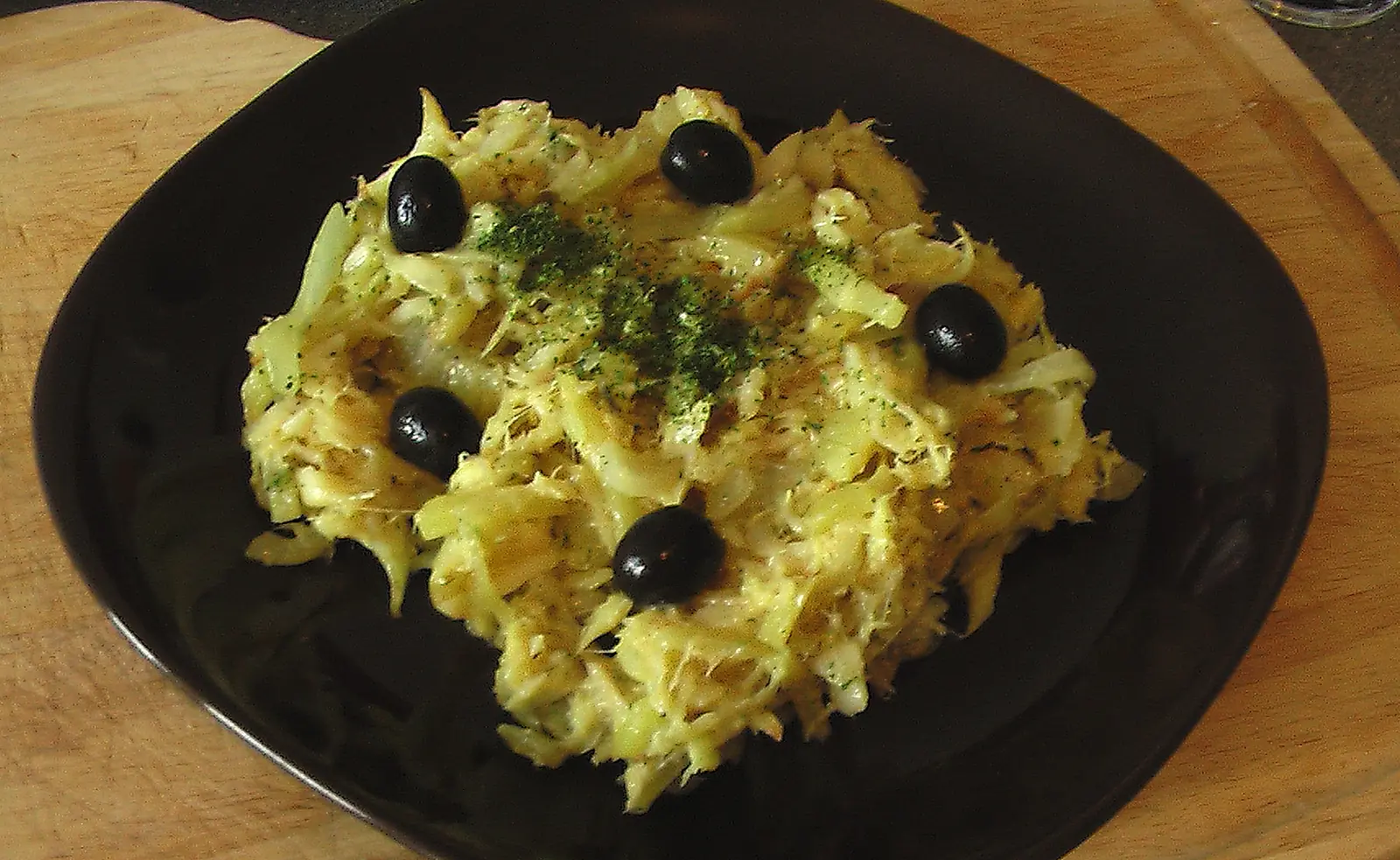
A plate of bacalhau à brás — shredded salt cod with egg and matchstick potatoes, black olives and parsley Portugal flag Portugal 50m
Dinner •Lisbon Tavern Classic

Bacalhau à Brás

Bacalhau à brás recipe: desalted shredded cod, golden matchstick potatoes and softly scrambled egg, finished with black olives and parsley. One serving is about 350 g.

Comfort & Protein

Shredded salt cod folded with egg and crisp matchstick potatoes — a filling, protein-rich Lisbon supper.

Pairs Well With
A simple green salad and a glass of vinho verde
High Protein
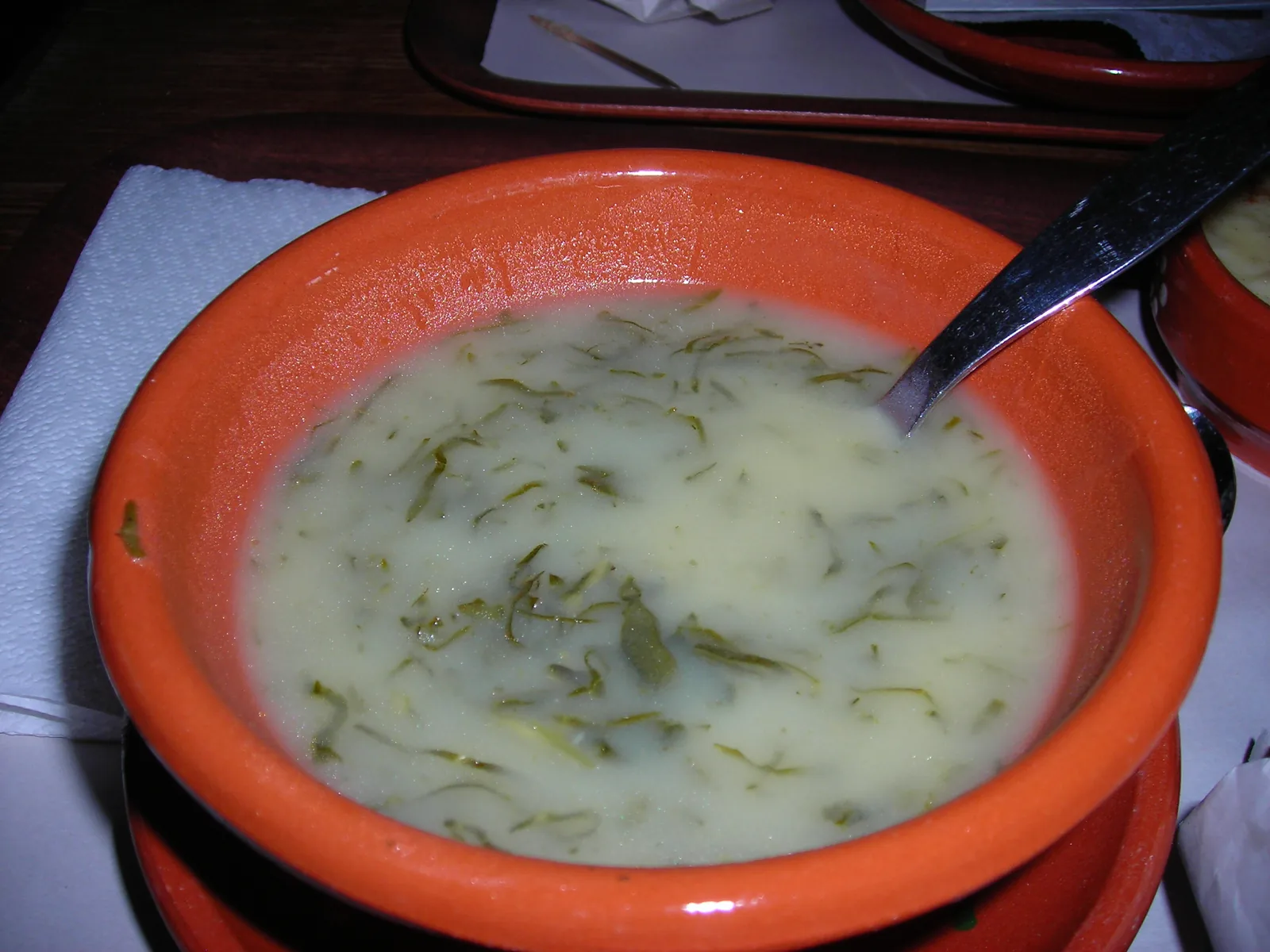
A terracotta bowl of caldo verde — pale potato soup with shredded green kale and a spoon Portugal flag Portugal 50m
Dinner •Minho National Soup

Caldo Verde

Caldo verde recipe: creamy potato soup blended smooth, with ribbons of kale and slices of chouriço, finished with a thread of olive oil. One serving is about 590 g.

Comfort & Warmth

Silky potato soup with finely shredded kale and smoky chouriço — Portugal's best-loved bowl.

Pairs Well With
Crusty broa bread and a glass of vinho verde
Soups & Broths
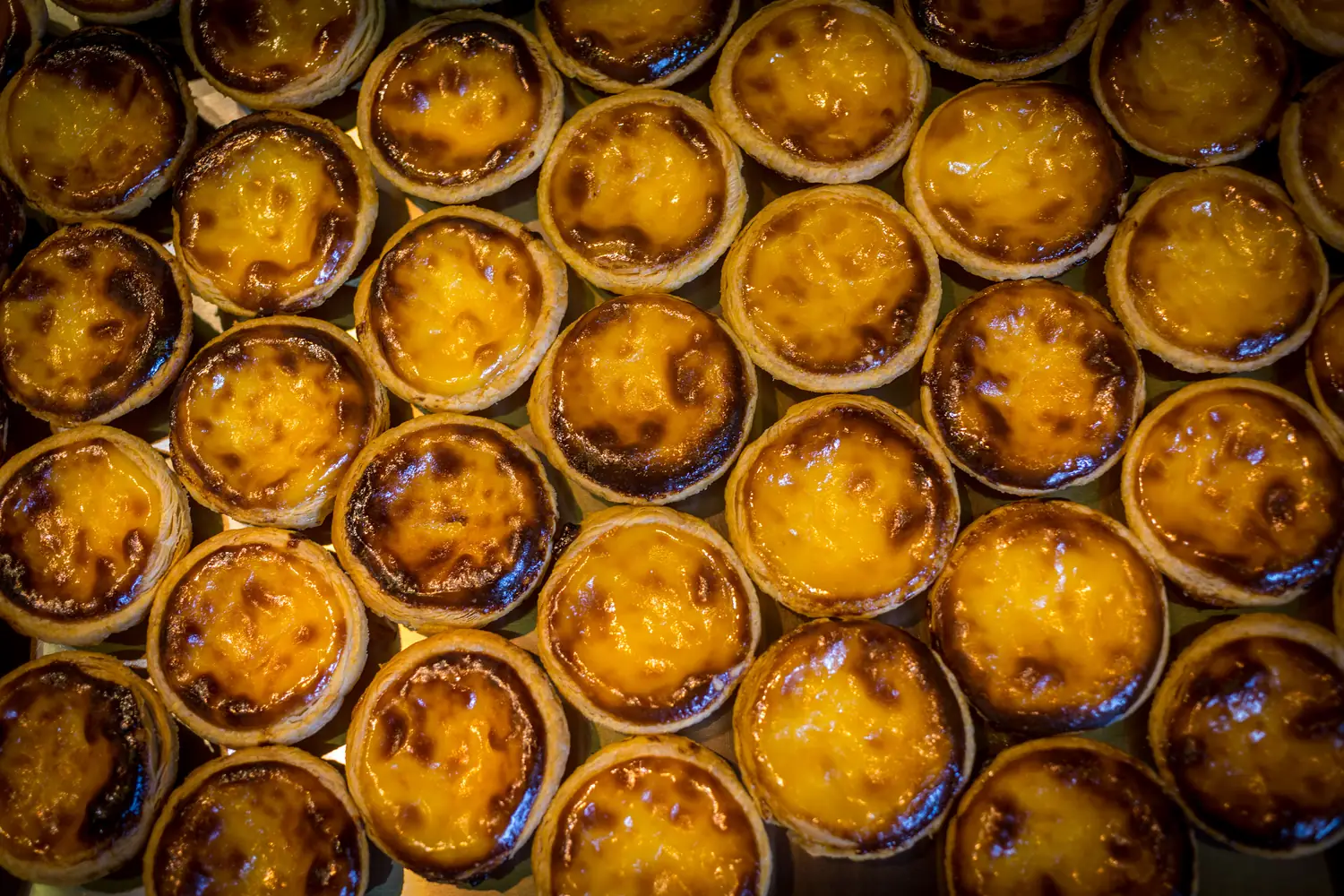
A tray of pastel de nata — golden custard tarts with blistered, caramelised tops in flaky pastry Portugal flag Portugal 50m
Snack & Tea •Belém Monastery Tart

Pastel de Nata

Pastel de nata recipe: shatteringly crisp puff pastry shells filled with warm, vanilla-cinnamon egg custard, baked until blistered on top. One serving is about 187 g (2 tarts).

Sweet Treat

Crisp, flaky pastry cups filled with cinnamon-scented egg custard, blistered in a very hot oven.

Pairs Well With
A small strong coffee (bica) and a dusting of cinnamon
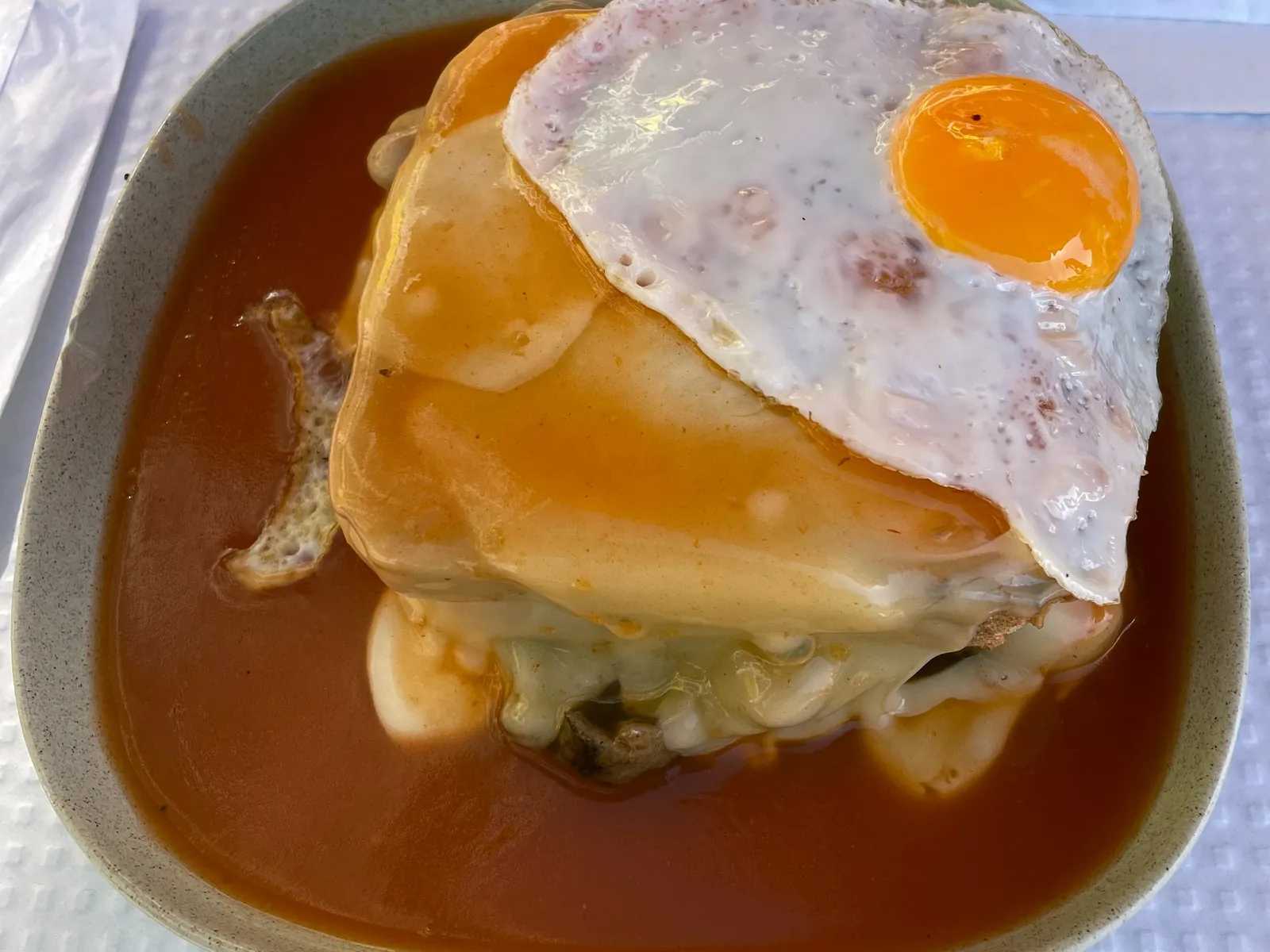
A francesinha sandwich covered in melted cheese and orange beer sauce, topped with a fried egg with a glossy yolk, in a bowl Portugal flag Portugal 1h
Lunch •Porto Sandwich Icon

Francesinha

This francesinha recipe builds Porto's most famous sandwich: thick bread layered with steak, ham, linguica and fresh sausage, covered in melted cheese and drowned in a hot beer-tomato sauce, then crowned with a fried egg. It is served in a bowl with the sauce pooling around the base and a pile of chips on the side. One serving is about 925 g.

Porto's Hearty Classic

A stacked sandwich of steak, ham and sausage under melted cheese, drowned in hot beer-tomato sauce and crowned with a fried egg.

Pairs Well With
Serve in a bowl with chips; a cold lager or Super Bock on the side.

The Dinner Gazette

Never wonder what’s for dinner again

One email a week with easy dinner ideas from around the world — ingredients, steps and nutrition, tested in our kitchen first.

Delivered every Thursday morning. Unsubscribe anytime.