Curated recipes from 193 countries  •  New seasonal Mediterranean issue out now

Overview

Andorran Canelons

Canelons de Sant Esteve; Catalan Cannelloni; Canelones a la Catalana

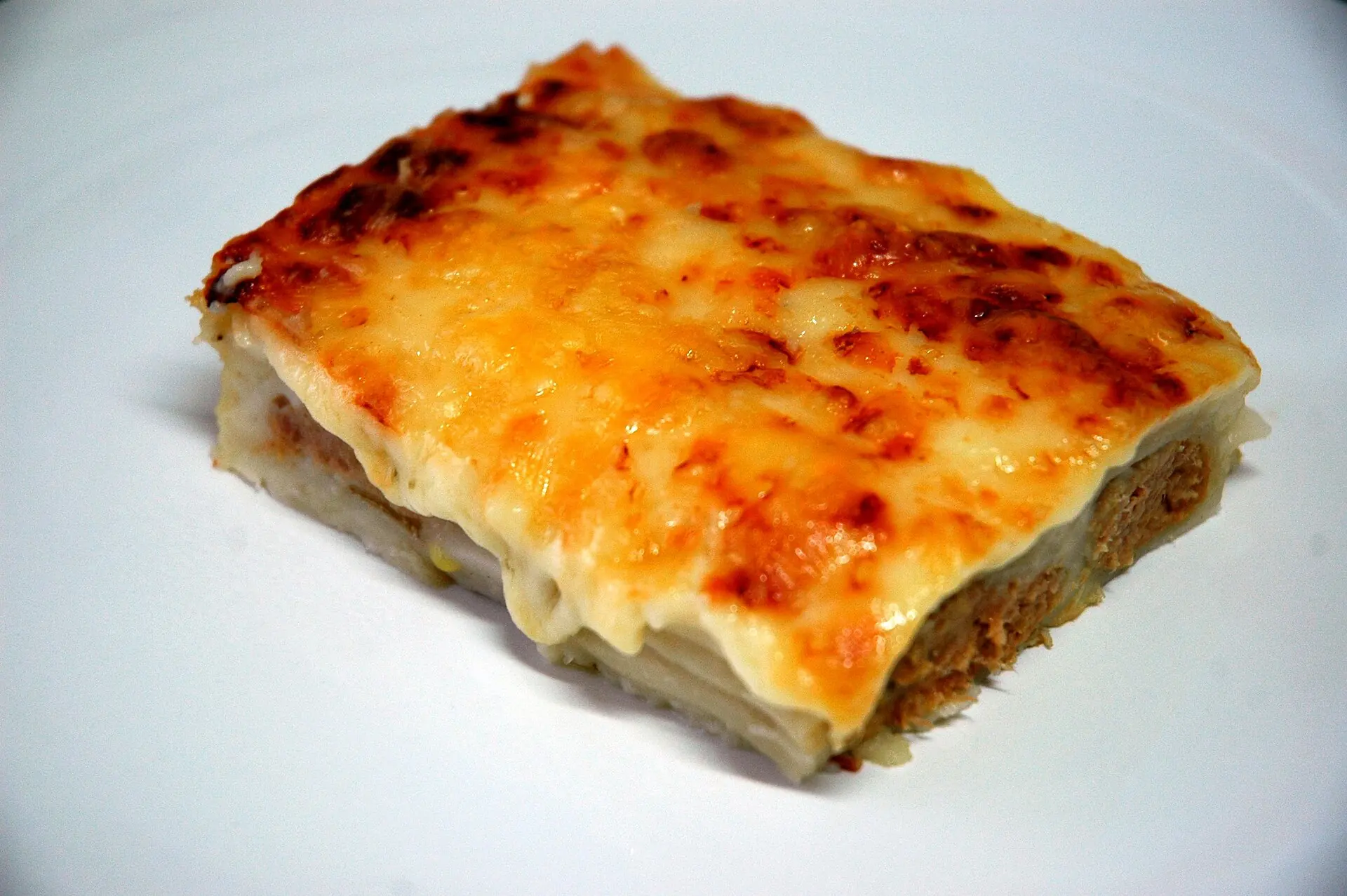
This andorran canelons recipe is the festive pasta of the Catalan Pyrenees: flat pasta sheets rolled around a smooth, savoury filling of pork and chicken with chicken liver and a splash of brandy, then laid in a dish, covered in creamy béchamel, scattered with cheese and baked until golden and bubbling. Traditionally made on 26 December, Sant Esteve, from the meats left over from Christmas Day's escudella, it turns yesterday's feast into today's celebration. One serving is about 340 g, three canelons.

Canelons became the festive pasta of Catalonia in the nineteenth century, when Italian pasta-making reached Barcelona. Their place on the calendar is Sant Esteve, 26 December: the day after Christmas, households rolled the meats left over from Christmas Day's escudella i carn d'olla — pork, chicken, sausage — into pasta tubes, covered them in béchamel and baked them golden. The dish is so tied to the feast that in Catalonia, canelons on any other day still taste of Christmas. Andorra, sharing the Catalan table, keeps the same tradition.

Pairs well with: Béchamel, grated cheese & a green salad

Provenance

Andorra flag Andorra

Sant Esteve Festive Pasta

Mediterranean & Italy

Time Dedication

1h 15m

40m prep • 35m cook

Batch Yield

6 Servings

713 kcal per serving

1 serving ≈ 340 g

Technical Skill

Intermediate

Intermediate (Fill & Roll)

Meal Timing & Digestive Fit

Breakfast

Not Advised

Lunch

Hearty Midday Main

Dinner

Ideal Hearty Main

Snack & Tea

Inappropriate

Pasta & Noodles Occasions: Sant Esteve (26 December), Christmas leftovers, festive dinners, family Sundays Cost: Moderate — about $4–5 per serving at home
Andorran canelons — golden baked pasta tubes under bubbling béchamel and grated cheese, cut into a serving

Sant Esteve Festive Pasta

Photo: Josep Renalias, CC BY-SA 3.0, via Wikimedia Commons

The Heritage Formulary

Measured Ingredients

Estimated cost: Moderate — about $4–5 per serving at home (USD)

Festive Catalan pasta: pork and chicken filling rolled in pasta sheets, baked under béchamel and cheese.

Execution Methodology & Culinary Technique

Step-by-Step Cooking Guide

Active 1h 15m
P

Prep Stage: Filling Chopped, Béchamel Ready

40 Mins • Chopping & Mixing

Dice the chicken, chop the onion, garlic and livers, crush the tomatoes and grate the cheese before you start cooking. Warm the milk gently in a small pan — warm milk meets the roux without lumps. Have your baking dish buttered and the oven heating to 190°C (375°F) so the filled canelons go straight in.

Maestro Tip: Everything in bowls, oven on, dish buttered: canelons are a race against cooling pasta, so set the stage first.

  1. 1

    Cook the Meat Filling

    15 Mins • Frying Medium-high heat, about 190°C (375°F)

    Heat the olive oil in a large frying pan and soften the onion and garlic for 3 minutes. Add the ground pork and fry for 5 minutes, breaking it up, then add the diced chicken and livers and fry 5 minutes more until all the meat is cooked through — ground pork must reach 71°C (160°F) and chicken 74°C (165°F). Season with salt, pepper and a grating of nutmeg, pour in the brandy and let it bubble for 2 minutes, then stir in the crushed tomato and cook 3 minutes until the mixture is moist but not wet.

    Cook the brandy off properly — raw alcohol tastes harsh against the béchamel.

    Done when: Meat browned and cooked through, mixture moist, no pool of liquid.

  2. 2

    Bind and Cool the Filling

    10 Mins • Mixing & Cooling Room temperature, about 21°C (70°F)

    Tip the meat into a bowl and let it cool for 10 minutes. Stir in the breadcrumbs and the beaten egg and mix until the filling holds together in a soft log when squeezed. Taste and adjust the salt — remember the cheese on top is salty too. A smooth, almost pâté-like filling is the Catalan way, so chop any large pieces of chicken as you mix.

    Cool first, then add the egg — hot meat scrambles it and the filling turns grainy.

    Done when: Filling holds a firm log shape when squeezed.

  3. 3

    Cook the Pasta Sheets

    8 Mins • Boiling Boiling salted water, 100°C (212°F)

    Boil the cannelloni sheets in a large pot of salted water for 2 minutes less than the packet time — they finish cooking in the oven. Lift them out with a slotted spoon and lay them flat on clean tea towels so they do not stick together. If you are using ready-made tubes, skip this step.

    Undercook deliberately. Pasta that is already soft turns to mush under béchamel in the oven.

    Done when: Sheets pliable and slightly firm in the centre.

  4. 4

    Make the Béchamel

    10 Mins • Sauce Medium heat, about 175°C (350°F)

    Melt the butter in a saucepan over medium heat, stir in the flour and cook the roux for 2 minutes, stirring constantly, until it smells nutty. Pour in the warm milk a little at a time, whisking hard after each addition, then simmer gently for about 5 minutes until the sauce coats the back of a spoon. Season with salt, pepper and nutmeg. Keep the sauce warm with a piece of buttered paper on the surface so no skin forms while you roll.

    Warm milk and constant whisking are the two rules. Cold milk into a hot roux is how lumps are born.

    Done when: Smooth sauce that coats a spoon and falls in a slow ribbon.

  5. 5

    Roll the Canelons

    12 Mins • Filling & Rolling Room temperature, about 21°C (70°F)

    Spread a thin layer of the warm béchamel over the base of the buttered baking dish. Working one sheet at a time, spoon a log of filling along one edge, roll the pasta around it, and lay the canelon seam-side down in the dish, snug against its neighbours. You should have about 18 canelons in a single layer.

    Do not overfill — a thin log rolls neatly; a fat one bursts in the oven.

    Done when: Neat tubes, seam down, in a single snug layer.

  6. 6

    Top with Cheese and Bake

    25 Mins • Baking Oven 190°C (375°F); centre 74°C (165°F)

    Pour the béchamel over the canelons, covering them completely, and scatter the grated Emmental over the top. Bake at 190°C (375°F) for about 25 minutes until the top is deep golden with browned spots and the sauce is bubbling at the edges. Rest for 5 minutes before serving so the canelons set and slice cleanly.

    Cover every bit of pasta with sauce — any bare edge dries out and turns to cardboard in the oven.

    Done when: Top golden and bubbling; centre hot, at least 74°C (165°F).

Finishing Touches & Plating

Rest the canelons for 5 minutes out of the oven, then serve three per person with a green salad. The béchamel should be golden on top and creamy underneath.
Nutritional Physiology & Benefits

Nutrition

Energy

713

kcal / serving

Protein

46g

Complete AA

Carbs

50g

Complex

Fats

34g

Healthy

Per serving (6 servings · 1 serving ≈ 340 g)
Energy713 kcal
Protein46 g
Carbohydrates50 g
Fat34 g
Fibre2.6 g
Sugar8.5 g
Sodium611 mg
Per 100g
Energy209 kcal
Protein13.6 g
Carbohydrates14.7 g
Fat9.9 g
Fibre0.8 g
Sugar2.5 g
Sodium179 mg

Nutrition values are estimated — calculated from USDA FoodData Central values for the listed ingredients.

Vitamins & minerals: Vitamin B12 and iron (chicken liver, pork), calcium (milk, cheese), vitamin B6 (chicken).

A Feast of Protein

About 46 g of protein per serving from pork, chicken and cheese makes this a truly filling festive plate.

Liver's Quiet Contribution

The small amount of chicken liver in the filling adds iron and vitamin B12 to a dish that is mostly about comfort.

Leftovers, Honoured

Canelons were invented to honour leftover roast meat — good cooking that wastes nothing and tastes better for it.

Food Pairings

What to Eat With

To optimize nutrient absorption and elevate the sensory depth, pair with these authentic accompaniments:

Vegetables

Green Salad with Sherry Vinaigrette

Something sharp and green is the classic partner — its acidity cuts the béchamel's richness and refreshes the palate.

Sides

Crusty Bread

Bread is for the béchamel left on the plate — no Catalan table would leave it behind.

Drinks

Light Red Wine or Cava

A light red or a glass of cava both work with the rich, cheesy bake without overwhelming it.

Full Menus

Fresh Fruit to Finish

After a rich baked pasta, fresh fruit is the traditional light ending — nothing creamy on top of creamy.

Complete menu

Serve the canelons hot from the oven with a sharp green salad and crusty bread, followed by fresh fruit — the salad's acidity is the perfect counterpoint to the rich béchamel.

Digestive Guardrails

What NOT to Combine

To prevent digestive distress, sluggishness, or palate clash, avoid pairing the dish with these elements:

Heavy Tomato Sauce on Top

A thick tomato sauce over the béchamel fights the cheese, curdles the look of the dish and adds acidity the filling does not need. Keep tomato inside the filling only. This is a cooking note, not medical advice.

Skipping the Rest After Baking

Cutting into canelons straight from the oven makes the béchamel run everywhere and the tubes collapse. Five minutes of rest sets the dish. This is general information, not medical advice.

General information only, not medical advice — consult a doctor for personal dietary decisions.

Who Should Eat It

Who Should Eat

  • General adultsA rich festive plate — three canelons with salad is a full dinner.
  • ChildrenMild, soft and cheesy; cut canelons in half for small children and go easy on the pepper.
  • ElderlySoft to eat and easy to chew; serve warm in a modest portion.
  • Pregnant womenServe freshly baked and piping hot; make sure the filling is cooked through. Ask your clinician about portion size.
  • Breastfeeding womenA filling, energy-rich dinner; balance it with a big salad.
  • AthletesAbout 46 g of protein and 50 g of carbohydrate per serving — a strong recovery meal.
  • Weight gainEnergy-dense at 713 kcal a serving; take a full portion with bread.
  • Weight lossRich at 713 kcal a serving — take two canelons instead of three and fill the plate with salad.

Health Conditions — Adjust or Avoid

Conditions

  • DiabetesAbout 50 g of carbohydrate per serving from pasta, flour and milk — keep to two canelons and add salad. Ask your clinician about portion size.
  • High blood pressureCheese, salt and processed meat make this salty — use less cheese and skip extra salt. Ask your clinician about portion size.
  • Kidney diseaseHigh in protein, phosphorus and salt from cheese and meat — keep portions small. Ask your clinician about portion size.
  • GoutPork and chicken liver are high in purines — enjoy on festive occasions in a modest portion. Ask your clinician about portion size.
  • Stomach issuesRich béchamel and fried meat can be heavy — eat a small portion slowly. Ask your clinician about portion size.
  • Cardiovascular diseaseButter, cheese and pork bring saturated fat — treat this as an occasional festive dish. Ask your clinician about portion size.
  • Fatty liverButter, cheese and fatty pork add fat — keep the portion modest and use semi-skimmed milk. Ask your clinician about portion size.
  • Food allergiesContains wheat (pasta, flour, breadcrumbs), milk (butter, milk, cheese), egg and pork. This is general information, not medical advice.
  • Special therapeutic dietsNot suitable for gluten-free, dairy-free or low-sodium plans as written. Ask your clinician or dietitian before adapting it.

If you have a medical condition, consult your doctor before changing your diet.

Storage & Use

Storage & Use

How to store
Cool completely, then cover the baking dish tightly with foil.
In the fridge
3 days, covered.
In the freezer
1 month, in portions wrapped in foil then a freezer bag; thaw in the fridge.
How to reheat
Reheat covered in a 180°C (350°F) oven for 20–25 minutes until hot all the way through, to 74°C (165°F); uncover for the last 5 minutes to re-crisp the top.
Freezing recommended
Yes — it freezes well in portions.
Signs it has spoiled
Sour smell, slimy pasta surface, or mould on the cheese.

More recipes to explore

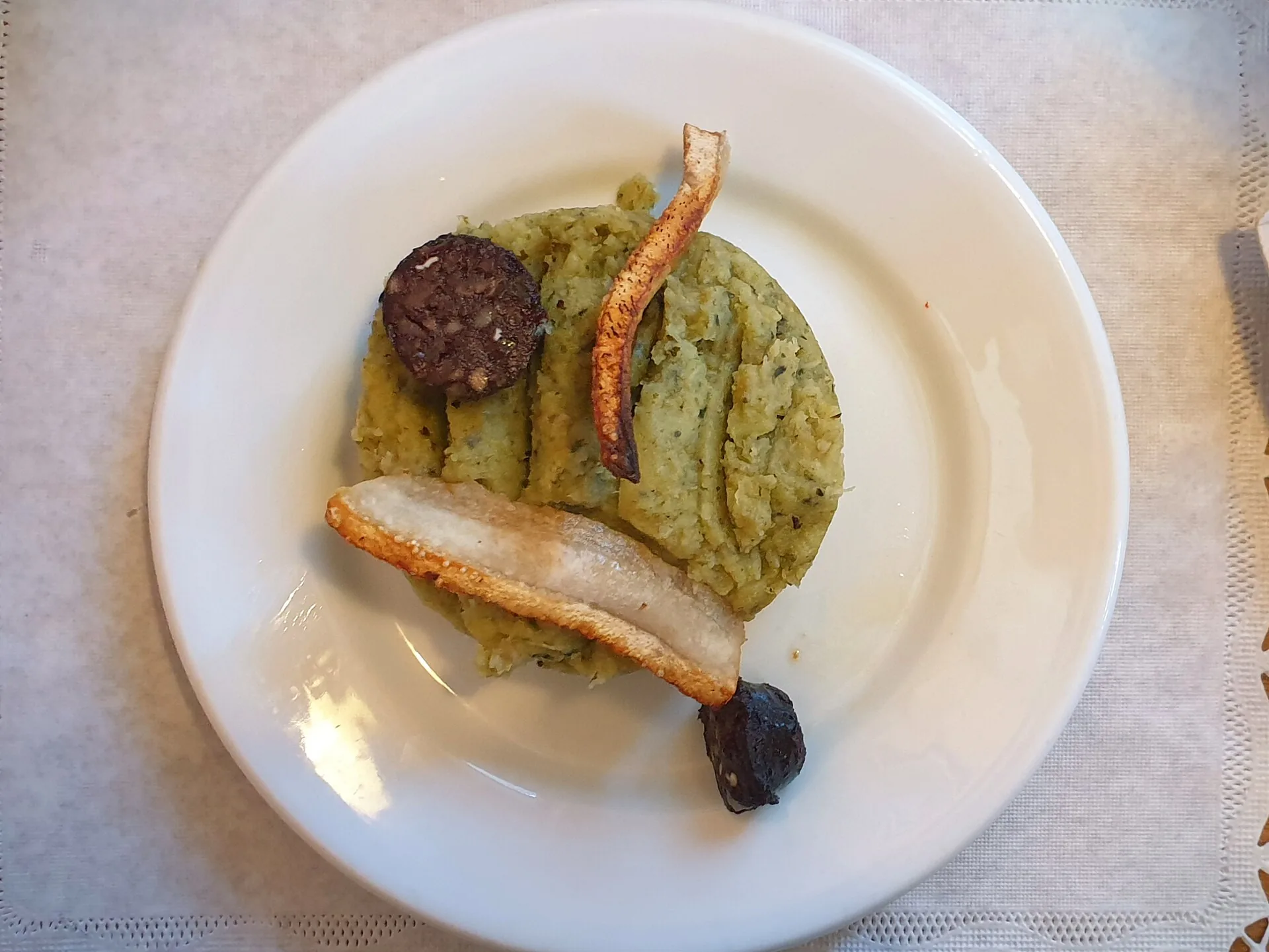
Andorran trinxat — a golden potato and cabbage cake topped with crisp bacon and black sausage on a white plate Andorra flag Andorra 1h 5m
Dinner •Pyrenean Mountain Classic

Andorran Trinxat

This trinxat recipe turns the Pyrenees larder into dinner: floury potatoes and winter cabbage boiled together, roughly mashed with garlic, then pressed into a pan and fried until the outside is crisp and golden while the inside stays soft. Crisp bacon and a slice of black sausage go on top, the way mountain kitchens in Andorra have served it for generations. One serving is about 375 g.

Hearty Mountain Comfort

Boiled potatoes and winter cabbage mashed together and pan-fried into a golden cake with crisp bacon.

Pairs Well With
Crisp bacon, black sausage & a green salad
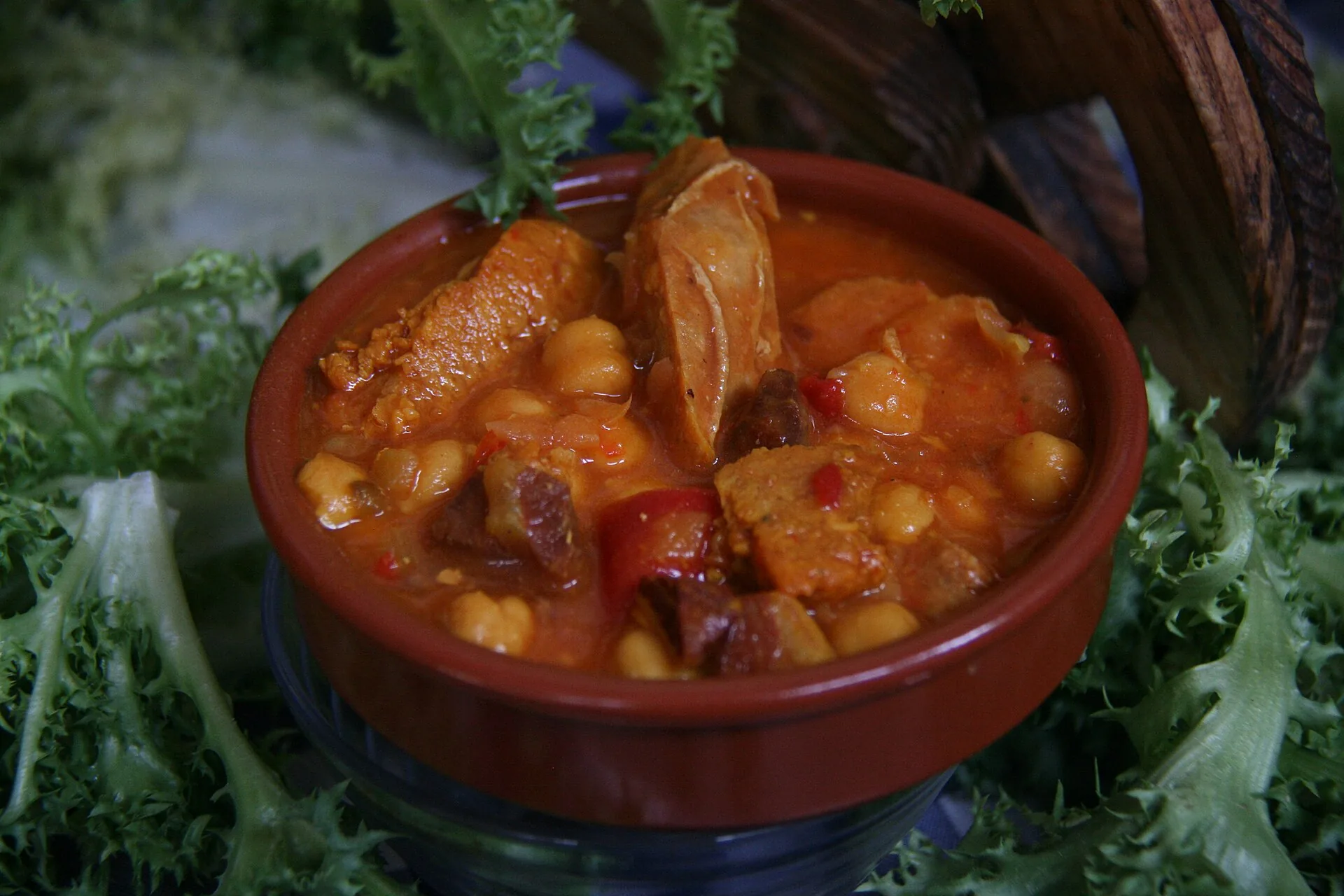
Andorran escudella — a clay bowl of rich meat stew with chickpeas, sausage and vegetables in broth Andorra flag Andorra 3h 10m
Dinner •Andorran Festive Stew

Andorran Escudella

This escudella recipe is Andorra's great winter pot: chicken, pork ribs, beef shank and botifarra simmered for hours with chickpeas, potatoes, carrots, cabbage, leek and celery until the broth is rich and the meats are tender. The broth is served first as a soup with galets pasta, then the meats and vegetables come to the table as the carn d'olla, sliced around the giant pilota meatball. One serving is about 680 g.

Comfort & Warmth

A slow-simmered broth of meats, chickpeas and vegetables, served first as soup with pasta, then as a platter with the giant pilota meatball.

Pairs Well With
Galets pasta in the broth & crusty bread
Soups & Broths
Bœuf bourguignon — French beef braised in red wine France flag France 4h
Dinner •Burgundy Terroir

Bœuf Bourguignon

Beef braised gently in red wine until the connective tissue melts into a velvet, gelatin-rich sauce — the classic Burgundy Sunday dinner.

Cellular Repair

Beef braised in red wine until spoon-tender, with mushrooms and pearl onions.

Pairs Well With
Parsnip Purée & Steamed French Haricots Verts
High Protein
Vietnamese braised pork belly with golden eggs in caramel sauce Vietnam flag Vietnam 1h 45m
Dinner •One Pot

Vietnamese Braised Pork and Eggs

Pork belly slowly braised in coconut water and caramel until meltingly tender, with golden eggs that soak up the sweet-savoury sauce — the Vietnamese family dish that tastes better the next day.

Comfort & Sustained Energy

Slow-braised pork belly and eggs in coconut water and caramel.

Pairs Well With
Steamed rice & pickled mustard greens
High Protein

The Dinner Gazette

Never wonder what’s for dinner again

One email a week with easy dinner ideas from around the world — ingredients, steps and nutrition, tested in our kitchen first.

Delivered every Thursday morning. Unsubscribe anytime.