Curated recipes from 193 countries  •  New seasonal Mediterranean issue out now

Overview

Andorran Escudella

Escudella i Carn d'Olla; Escudella de Nadal; Catalan Meat Soup

This escudella recipe is Andorra's great winter pot: chicken, pork ribs, beef shank and botifarra simmered for hours with chickpeas, potatoes, carrots, cabbage, leek and celery until the broth is rich and the meats are tender. The broth is served first as a soup with galets pasta, then the meats and vegetables come to the table as the carn d'olla, sliced around the giant pilota meatball. One serving is about 680 g.

Escudella i carn d'olla is one of the oldest dishes of Catalan cooking, recorded since the fourteenth century as the meal of feast days and cold winters. It was the Christmas Day pot of Catalonia and Andorra: every meat the household had went into the broth, the broth became soup, and the meats became the second course — nothing wasted. The pilota, the giant meatball seasoned with garlic and parsley, is its signature, and on Christmas Day the galets pasta is traditionally stuffed with the pilota mixture. In Andorra it remains the festive pot for family gatherings.

Pairs well with: Galets pasta in the broth & crusty bread

Provenance

Andorra flag Andorra

Andorran Festive Stew

Mediterranean & Italy

Time Dedication

3h 10m

40m prep • 150m cook

Batch Yield

8 Servings

787 kcal per serving

1 serving ≈ 680 g

Technical Skill

Advanced

Advanced (Two Courses)

Meal Timing & Digestive Fit

Breakfast

Not Advised

Lunch

Hearty Midday Main

Dinner

Ideal Hearty Main

Snack & Tea

Inappropriate

Soups & Broths Occasions: Christmas, winter Sundays, family gatherings, cold evenings Cost: Moderate — about $4–5 per serving at home
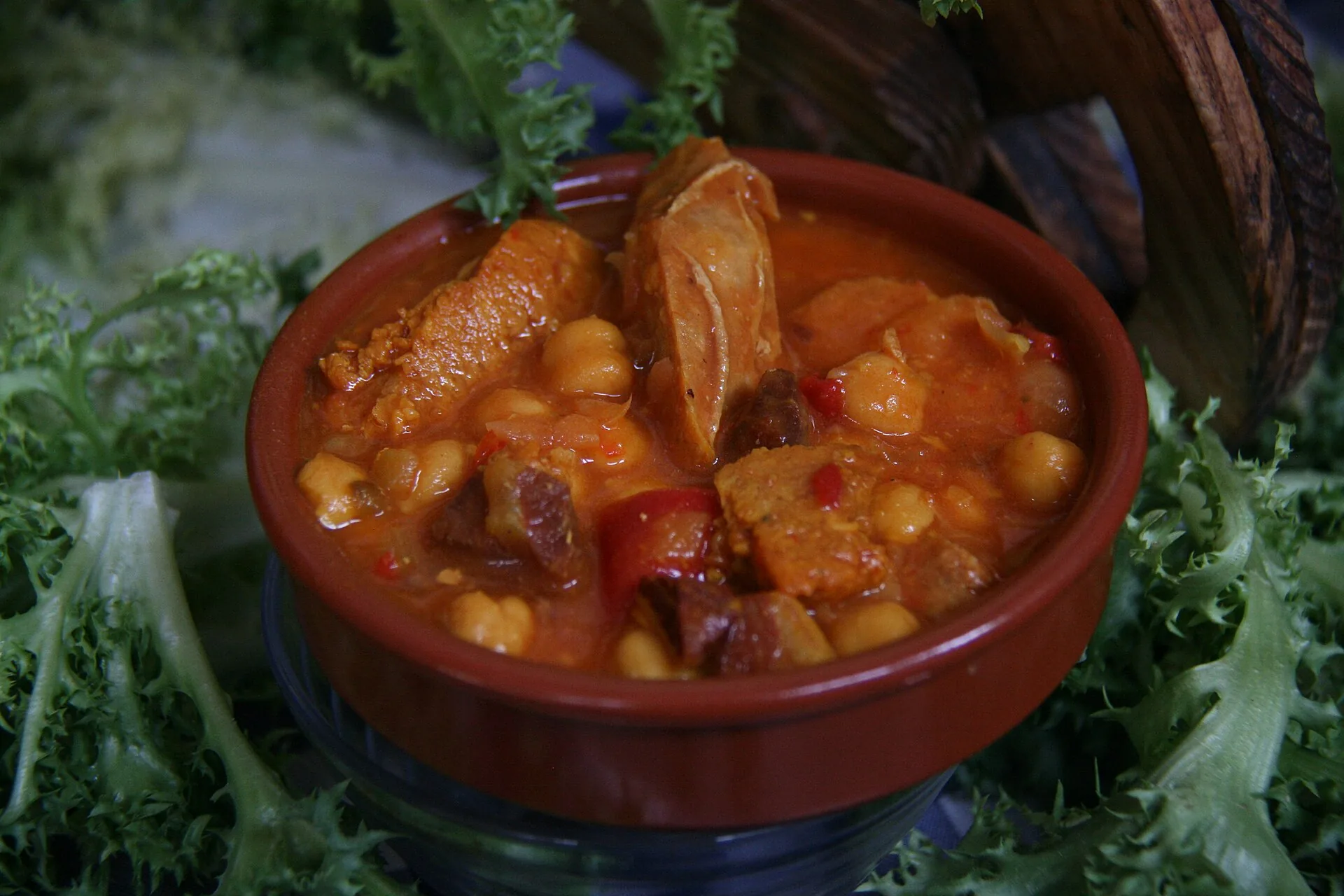
Andorran escudella — a clay bowl of rich meat stew with chickpeas, sausage and vegetables in broth

Andorran Festive Stew

Photo: Tamorlan, CC BY 3.0, via Wikimedia Commons

The Heritage Formulary

Measured Ingredients

Estimated cost: Moderate — about $4–5 per serving at home (USD)

A slow-simmered festive pot: rich broth served as soup with galets, then meats and the giant pilota as the second course.

Execution Methodology & Culinary Technique

Step-by-Step Cooking Guide

Active 3h 10m
P

Prep Stage: Chickpeas Soaked, Pilota Mixed

40 Mins • Soaking & Chopping

Soak the dried chickpeas overnight in cold water — this is passive time, not work. Then cut the meats and vegetables into large pieces (they simmer for hours and small pieces would vanish), and mix the pilota: ground pork and beef with egg, breadcrumbs, garlic, parsley, salt and pepper, kneaded until it holds together and shaped into one large oval about 15 cm (6 inches) long, then rolled lightly in flour.

Maestro Tip: Shape the pilota firmly and flour it all over — a loose pilota falls apart in the broth.

  1. 1

    Start the Broth with the Meats

    20 Mins • Boiling & Skimming Boiling, 100°C (212°F), then a gentle simmer about 95°C (200°F)

    Put the chicken, pork ribs, beef shank and 3 litres (about 12 cups) of cold water in your largest pot and bring to a boil over high heat. Skim off the grey foam that rises for the first 10 minutes — this keeps the broth clear and clean-tasting. Add half the salt, then lower the heat to the gentlest simmer, with only the odd bubble breaking the surface.

    Start with cold water, never hot: cold water draws flavour out of the meat slowly and gives a clearer broth.

    Done when: Broth is clear, foam skimmed, simmering with lazy bubbles.

  2. 2

    Add Chickpeas and Vegetables

    90 Mins • Simmering Gentle simmer, about 95°C (200°F)

    Add the soaked chickpeas, potatoes, carrots, cabbage, leek and celery to the pot. Keep the simmer gentle for about 90 minutes until the chickpeas are creamy, the potatoes are tender and the meats are falling off the bone. Top up with a little boiling water if the level drops below the ingredients.

    If the pot boils hard, the broth turns cloudy and the meat toughens. A bare simmer is the whole secret.

    Done when: Chickpeas squash easily; potatoes yield to a knife; meat pulls from the bone.

  3. 3

    Cook the Pilota in the Broth

    30 Mins • Simmering Gentle simmer, about 95°C (200°F); pilota centre 71°C (160°F)

    Heat the olive oil in a frying pan over medium-high heat, about 190°C (375°F), and brown the floured pilota on all sides for about 5 minutes — just for colour and a skin that holds it together. Lower it gently into the simmering broth and cook for 25 minutes more. The pilota is done when it feels firm and a thermometer in the centre reads at least 71°C (160°F).

    Lower the pilota in on a slotted spoon; dropping it in splashes hot broth and can crack it.

    Done when: Pilota firm to the touch, centre at least 71°C (160°F).

  4. 4

    Add the Sausages and Rest

    20 Mins • Simmering & Resting Gentle simmer, about 95°C (200°F)

    Add the botifarra sausages to the pot for the last 20 minutes of cooking — any longer and they split and dry out. Then lift the pot off the heat and rest for 10 minutes so the flavours settle and the meats firm up enough to slice. Taste the broth and adjust the salt.

    Resting matters: slicing hot, just-cooked meat shreds it; ten minutes makes clean slices.

    Done when: Sausages plump and unbroken; broth richly seasoned.

  5. 5

    Serve the Soup, Then the Platter

    15 Mins • Cooking Pasta & Serving Boiling broth, 100°C (212°F)

    Lift the meats, vegetables and pilota out onto a warm platter and cover loosely with foil. Bring the strained broth back to a rolling boil and cook the galets for the time on the packet, usually 10–12 minutes, until tender. Serve the soup first, in deep bowls. Then bring the platter to the table, slice the pilota into thick rounds, and let everyone help themselves to meat and vegetables with crusty bread.

    Cook the pasta in the broth, not in water — the galets soak up the flavour of the whole pot.

    Done when: Galets tender but not mushy; pilota slices cleanly; platter steaming.

Finishing Touches & Plating

Serve escudella the traditional way: soup with galets first, then the carn d'olla platter with sliced pilota and bread. It is a meal that asks for a long table and no hurry.
Nutritional Physiology & Benefits

Nutrition

Energy

787

kcal / serving

Protein

63g

Complete AA

Carbs

50g

Complex

Fats

36g

Healthy

Per serving (8 servings · 1 serving ≈ 680 g)
Energy787 kcal
Protein63 g
Carbohydrates50 g
Fat36 g
Fibre8.1 g
Sugar7.8 g
Sodium883 mg
Per 100g
Energy115 kcal
Protein9.3 g
Carbohydrates7.3 g
Fat5.3 g
Fibre1.2 g
Sugar1.1 g
Sodium129 mg

Nutrition values are estimated — calculated from USDA FoodData Central values for the listed ingredients.

Vitamins & minerals: Vitamin A (carrots), vitamin C and K (cabbage, leek), iron and zinc (beef, pork), folate (chickpeas).

A Pot Full of Protein

About 63 g of protein per serving from chicken, pork, beef and chickpeas makes this a deeply satisfying one-pot meal.

Chickpeas and Vegetables

Chickpeas bring fibre and folate, while carrots, cabbage, leek and celery add vitamins A, C and K to the plate.

Slow Food, Honestly Made

Hours of gentle simmering turn simple meats and vegetables into a rich broth with nothing added but salt and time.

Food Pairings

What to Eat With

To optimize nutrient absorption and elevate the sensory depth, pair with these authentic accompaniments:

Sides

Crusty Country Bread

Bread is essential — for soaking up broth, and for building a bite with a slice of pilota.

Vegetables

Green Salad with Vinaigrette

Something sharp and green on the side cuts the richness of the meats after the soup course.

Drinks

Light Red Wine

A light Catalan red is the traditional partner for the carn d'olla platter — enough body for the meats, not so much that it overwhelms them.

Full Menus

A Simple Fruit Dessert

After two courses of rich food, fresh fruit or a light baked apple finishes the meal without heaviness.

Complete menu

Serve the escudella broth with galets as the first course, then the carn d'olla platter with sliced pilota, crusty bread and a green salad — a full festive menu from a single pot.

Digestive Guardrails

What NOT to Combine

To prevent digestive distress, sluggishness, or palate clash, avoid pairing the dish with these elements:

Very Spicy Condiments

Hot sauce and strong mustard overwhelm the gentle, long-simmered broth. If you like heat, a little pickled chilli on the side is a better choice. This is a cooking note, not medical advice.

Reboiling the Finished Soup Hard

Boiling the broth hard after the meats are out makes it cloudy and can overcook the pasta. Keep it at a gentle simmer when reheating. This is general information, not medical advice.

General information only, not medical advice — consult a doctor for personal dietary decisions.

Who Should Eat It

Who Should Eat

  • General adultsA full festive meal — soup first, then a modest share of the platter.
  • ChildrenServe the broth with pasta and soft vegetables; slice the pilota thin and skip the black sausage for young children.
  • ElderlySoft, tender meats and vegetables in broth — easy to eat; serve warm and in a modest portion.
  • Pregnant womenServe freshly cooked and piping hot; make sure the pilota is cooked through to 71°C (160°F). Ask your clinician about portion size.
  • Breastfeeding womenA nourishing, protein-rich meal; pair with bread and salad.
  • AthletesAbout 63 g of protein and 50 g of carbohydrate per serving — a strong recovery meal after heavy training.
  • Weight gainAn energy-rich meal at 787 kcal a serving; take a full share of the platter with bread.
  • Weight lossRich and filling — take a full bowl of the soup with pasta, but only a small share of the meat platter.

Health Conditions — Adjust or Avoid

Conditions

  • DiabetesAbout 50 g of carbohydrate per serving, mostly from chickpeas, potatoes and pasta — keep the pasta modest and load up on vegetables. Ask your clinician about portion size.
  • High blood pressureSausages and added salt make this salty — use less salt and take a smaller share of sausage. Ask your clinician about portion size.
  • Kidney diseaseVery high in protein and potassium from meats, potatoes and chickpeas — keep portions small. Ask your clinician about portion size.
  • GoutRed meat, pork and chickpeas all add purines — enjoy on festive occasions in a modest portion. Ask your clinician about portion size.
  • Stomach issuesA long-simmered broth is usually gentle, but cabbage and chickpeas can cause gas — eat slowly and in a modest portion. Ask your clinician about portion size.
  • Cardiovascular diseaseFatty meats and sausages bring saturated fat and salt — treat this as an occasional festive dish, not a weekly one. Ask your clinician about portion size.
  • Fatty liverRich meats and sausages add fat — choose leaner cuts and a smaller portion of the platter. Ask your clinician about portion size.
  • Food allergiesContains egg (pilota), wheat (breadcrumbs, galets pasta) and pork. The broth itself is gluten-free before the pasta is added. This is general information, not medical advice.
  • Special therapeutic dietsNot suitable for low-sodium, low-protein or low-potassium plans as written. Ask your clinician or dietitian before adapting it.

If you have a medical condition, consult your doctor before changing your diet.

Storage & Use

Storage & Use

How to store
Cool the broth and the meats separately, then cover both tightly.
In the fridge
4 days for broth and meats, in separate covered containers.
In the freezer
3 months for the broth (without pasta); meats 2 months, wrapped well. Thaw in the fridge.
How to reheat
Reheat broth to a rolling boil, 100°C (212°F), and meats until hot all the way through, to 74°C (165°F). Cook fresh pasta in the reheated broth.
Freezing recommended
Yes for the broth — it freezes beautifully. Freeze meats separately.
Signs it has spoiled
Sour smell, slimy meat surface, or cloudy, off-smelling broth.

More recipes to explore

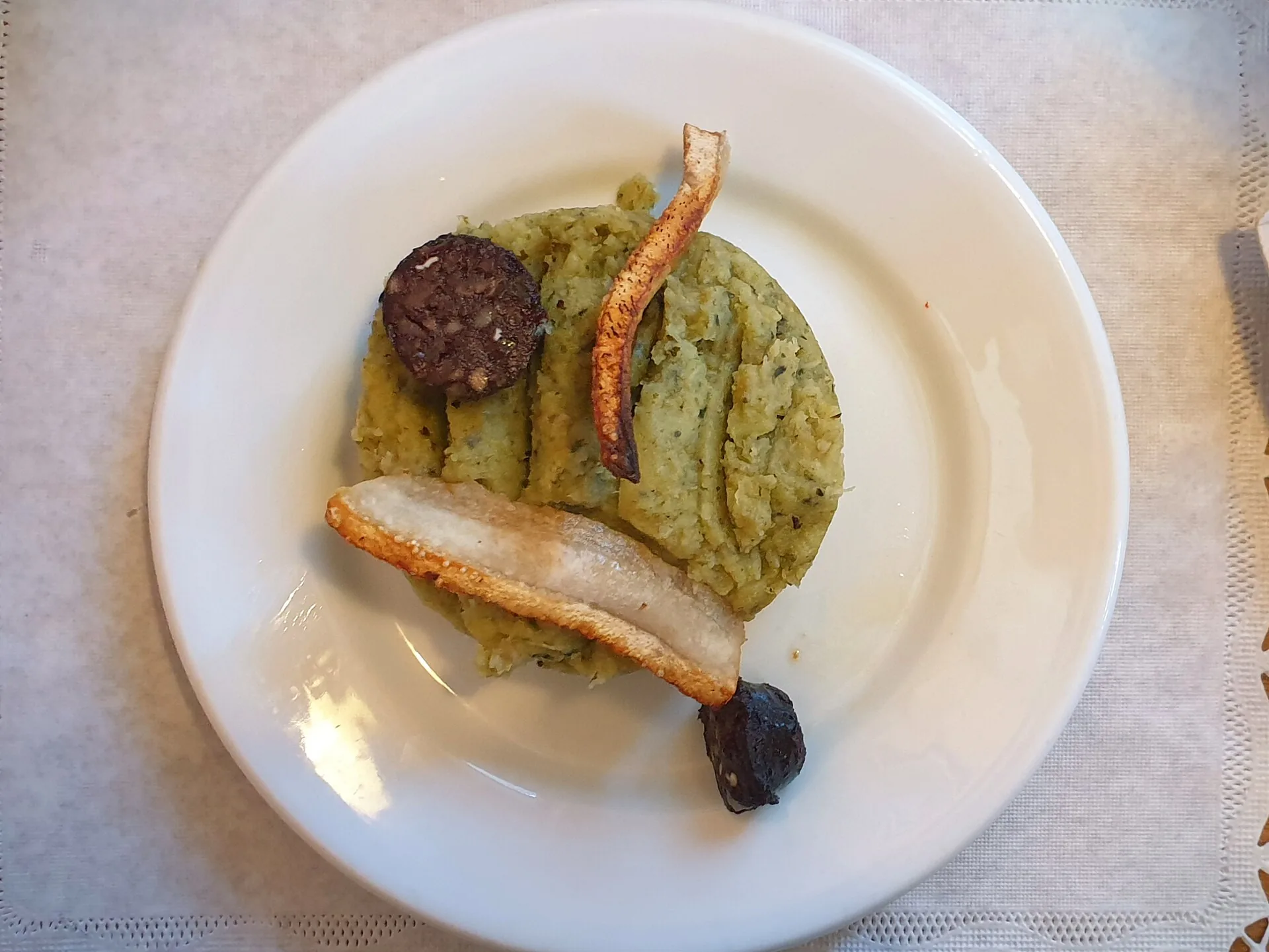
Andorran trinxat — a golden potato and cabbage cake topped with crisp bacon and black sausage on a white plate Andorra flag Andorra 1h 5m
Dinner •Pyrenean Mountain Classic

Andorran Trinxat

This trinxat recipe turns the Pyrenees larder into dinner: floury potatoes and winter cabbage boiled together, roughly mashed with garlic, then pressed into a pan and fried until the outside is crisp and golden while the inside stays soft. Crisp bacon and a slice of black sausage go on top, the way mountain kitchens in Andorra have served it for generations. One serving is about 375 g.

Hearty Mountain Comfort

Boiled potatoes and winter cabbage mashed together and pan-fried into a golden cake with crisp bacon.

Pairs Well With
Crisp bacon, black sausage & a green salad
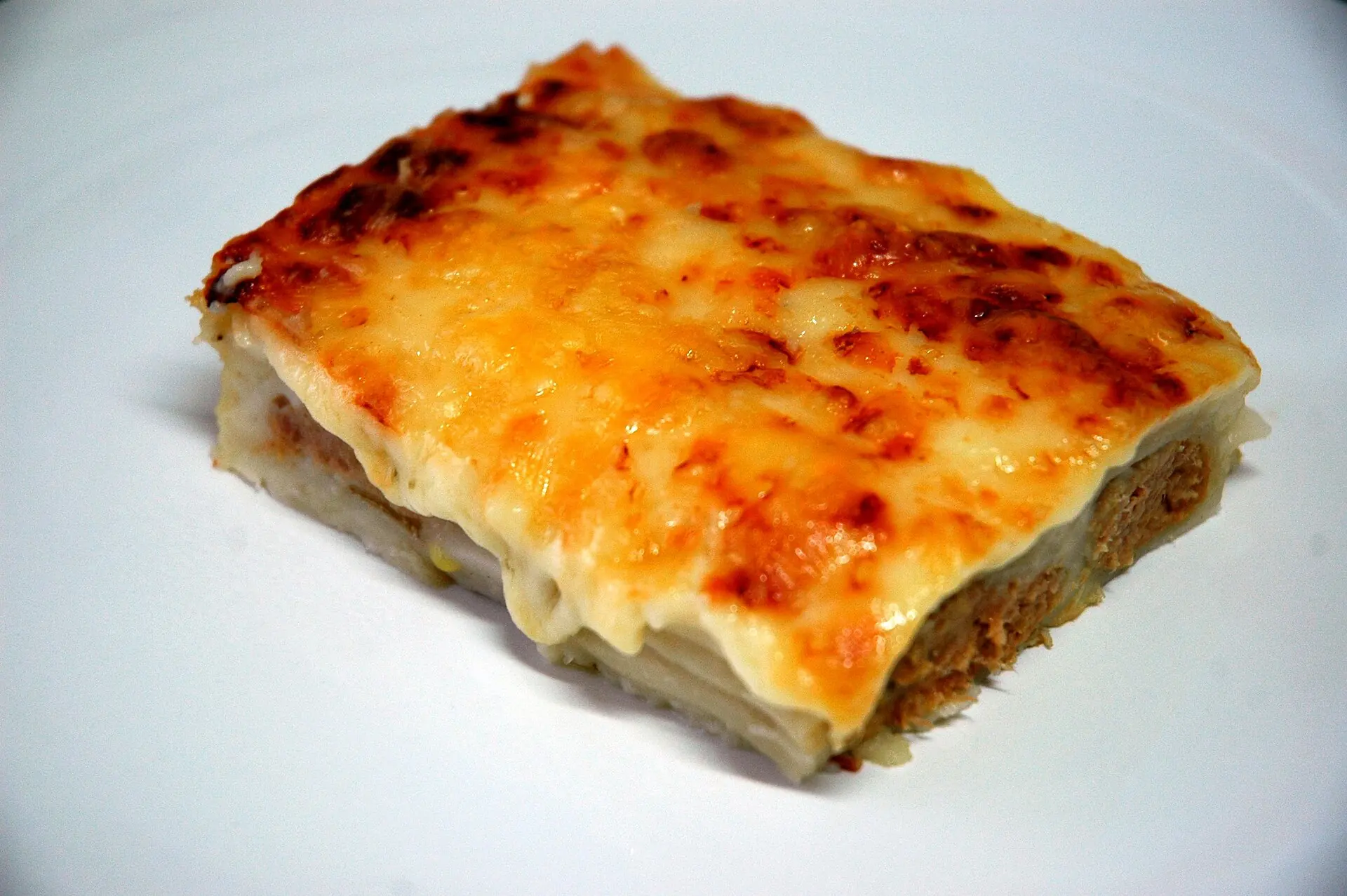
Andorran canelons — golden baked pasta tubes under bubbling béchamel and grated cheese, cut into a serving Andorra flag Andorra 1h 15m
Dinner •Sant Esteve Festive Pasta

Andorran Canelons

This andorran canelons recipe is the festive pasta of the Catalan Pyrenees: flat pasta sheets rolled around a smooth, savoury filling of pork and chicken with chicken liver and a splash of brandy, then laid in a dish, covered in creamy béchamel, scattered with cheese and baked until golden and bubbling. Traditionally made on 26 December, Sant Esteve, from the meats left over from Christmas Day's escudella, it turns yesterday's feast into today's celebration. One serving is about 340 g, three canelons.

Festive & Filling

Pasta tubes rolled around a smooth pork-and-chicken filling, drowned in béchamel and baked golden under cheese.

Pairs Well With
Béchamel, grated cheese & a green salad
Pasta & Noodles
Bœuf bourguignon — French beef braised in red wine France flag France 4h
Dinner •Burgundy Terroir

Bœuf Bourguignon

Beef braised gently in red wine until the connective tissue melts into a velvet, gelatin-rich sauce — the classic Burgundy Sunday dinner.

Cellular Repair

Beef braised in red wine until spoon-tender, with mushrooms and pearl onions.

Pairs Well With
Parsnip Purée & Steamed French Haricots Verts
High Protein
Vietnamese braised pork belly with golden eggs in caramel sauce Vietnam flag Vietnam 1h 45m
Dinner •One Pot

Vietnamese Braised Pork and Eggs

Pork belly slowly braised in coconut water and caramel until meltingly tender, with golden eggs that soak up the sweet-savoury sauce — the Vietnamese family dish that tastes better the next day.

Comfort & Sustained Energy

Slow-braised pork belly and eggs in coconut water and caramel.

Pairs Well With
Steamed rice & pickled mustard greens
High Protein

The Dinner Gazette

Never wonder what’s for dinner again

One email a week with easy dinner ideas from around the world — ingredients, steps and nutrition, tested in our kitchen first.

Delivered every Thursday morning. Unsubscribe anytime.