
Curated recipes from 193 countries  •  New seasonal Mediterranean issue out now

Overview

Antiguan Johnny Cakes

Johnnycakes; Journey Cakes; Caribbean Johnny Cakes; Cornmeal Johnny Cakes

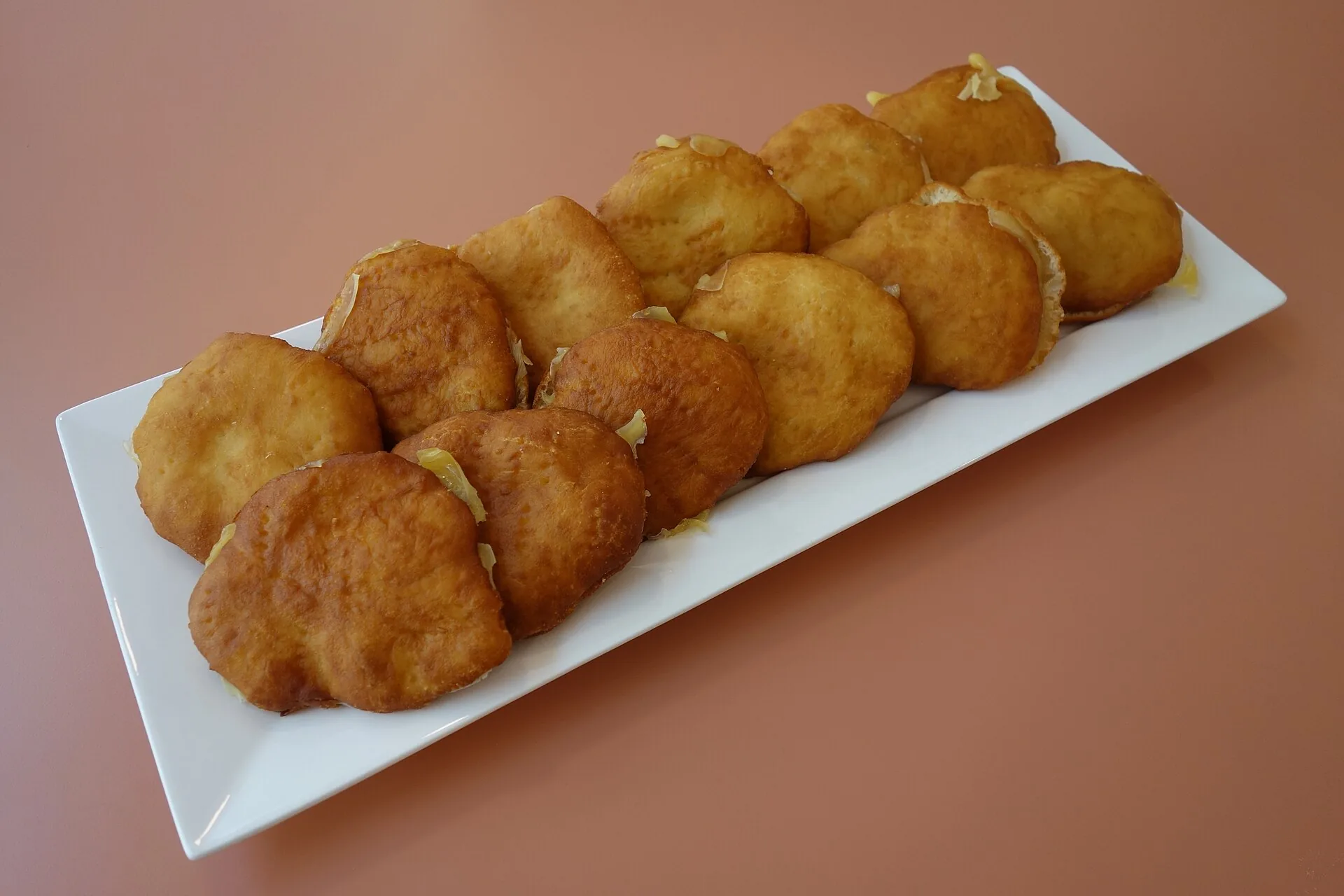
This antiguan johnny cakes recipe makes the fried breakfast breads Antigua wakes up to: a soft dough of plain flour and fine yellow cornmeal, raised with baking powder, enriched with butter and milk, then shaped into rounds and fried until deeply golden. The cornmeal gives them their colour, their faint grit and their toasty flavour — and their classic partner is saltfish, flaked and sautéed with onion and pepper, tucked inside a split cake. One serving is about 105 g, two cakes.

Johnny cakes, once called journey cakes, were the portable bread of the Caribbean working day — a dough that needed no yeast and no oven, fried in a pan and carried to the fields. In Antigua they became the breakfast bread, eaten on the way to work and served with saltfish, the salted cod that was a staple of island tables. The name is old and the cakes are older still, tracing back to the cornmeal cakes of the Indigenous peoples of the Americas, carried through the Caribbean in their many local forms.

Pairs well with: Saltfish, flaked & sautéed with onion

Provenance

Antigua and Barbuda flag Antigua and Barbuda

Antiguan Breakfast Bread

Latin America & Caribbean

Time Dedication

40m

20m prep • 20m cook

Batch Yield

6 Servings

342 kcal per serving

1 serving ≈ 105 g

Technical Skill

Easy

Easy (Fry & Serve)

Meal Timing & Digestive Fit

Breakfast

Prime Morning Fit

Lunch

Inappropriate

Dinner

Inappropriate

Snack & Tea

Inappropriate

Occasions: Breakfast, weekend brunch, beach mornings, with saltfish Cost: Low — about $1 per serving at home
Antiguan johnny cakes — golden fried cornmeal cakes piled on a white platter

Antiguan Breakfast Bread

Photo: Dqfn13, CC BY-SA 4.0, via Wikimedia Commons

The Heritage Formulary

Measured Ingredients

Estimated cost: Low — about $1 per serving at home (USD)

Antigua's fried breakfast bread: cornmeal and flour dough, fried golden, made to carry saltfish.

Execution Methodology & Culinary Technique

Step-by-Step Cooking Guide

Active 40m
P

Prep Stage: Dough Mixed, Rested, Shaped

20 Mins • Mixing & Resting

Whisk the flour, cornmeal, baking powder, sugar and salt together, then rub in the melted butter, add the milk and just enough lukewarm water to bring a soft dough together. Knead for 3 minutes until smooth, cover and rest for 10 minutes — the rest relaxes the dough so the cakes fry tender instead of tough. Divide into 12 equal pieces and flatten each into a round about 8 cm (3 inches) across and 1 cm (1/2 inch) thick.

Maestro Tip: A soft dough, not a stiff one: it should feel like a relaxed earlobe. Add water a spoon at a time — you cannot take it back out.

  1. 1

    Mix the Dough

    8 Mins • Mixing Room temperature, about 21°C (70°F)

    Whisk the flour, cornmeal, baking powder, sugar and salt together in a large bowl. Pour in the melted butter and milk, then add the lukewarm water a little at a time, mixing with a wooden spoon until a soft, slightly sticky dough comes together. Turn it onto a floured surface and knead gently for about 3 minutes until smooth and no longer sticky.

    Mix with a light hand once the water goes in — overworking develops the gluten and makes tough cakes.

    Done when: Smooth, soft dough that holds together without sticking to your hands.

  2. 2

    Rest and Shape

    12 Mins • Resting & Shaping Room temperature, about 21°C (70°F)

    Cover the dough with a clean cloth and rest for 10 minutes. Divide it into 12 equal pieces, roll each into a ball, then flatten into a round about 8 cm (3 inches) across and 1 cm (1/2 inch) thick. Keep the rounds covered while you heat the oil so they do not dry out.

    Even thickness matters more than perfect circles — a thin edge burns while a thick middle stays raw.

    Done when: Twelve even rounds, about 1 cm thick, covered and ready.

  3. 3

    Heat the Oil

    5 Mins • Heating Oil 175°C (350°F)

    Pour the oil into a deep, heavy frying pan to a depth of about 3 cm (1 inch) and heat over medium heat to 175°C (350°F). Test with a scrap of dough: it should sizzle at once and rise to the surface, surrounded by lively bubbles. If the oil smokes, it is too hot — take it off the heat for a minute.

    A thermometer is worth it here. Guessing the oil temperature is how johnny cakes come out greasy or burnt.

    Done when: Oil shimmering at 175°C (350°F); a test scrap sizzles and rises.

  4. 4

    Fry Until Golden

    12 Mins • Frying Oil 175°C (350°F)

    Slide 3 or 4 cakes into the oil at a time — never crowd the pan or the temperature drops and the cakes soak up oil. Fry for about 3 minutes on the first side until deep golden, flip once, and fry about 3 minutes more. The cakes should puff slightly and sound hollow when tapped. Lift out with a slotted spoon and drain on paper towels while you fry the rest.

    Fry in small batches and let the oil come back to 175°C (350°F) between batches. Patience is the difference between crisp and greasy.

    Done when: Deep golden on both sides, lightly puffed, crisp outside.

  5. 5

    Serve Warm with Saltfish

    3 Mins • Serving Serving temperature, about 60°C (140°F)

    Split the cakes while they are still warm and fill them with flaked saltfish sautéed with onion, sweet pepper and a little hot pepper, or serve the saltfish alongside. Eat at once — johnny cakes are at their best in the first minutes, crisp outside and steaming inside.

    Split, do not slice all the way through — the cake should hinge open like a pocket for the saltfish.

    Done when: Cakes split open, steaming, filled with saltfish.

Finishing Touches & Plating

Serve the johnny cakes hot, split and filled with saltfish, with cocoa tea or bush tea. They are best eaten within minutes of frying.

Nutritional Physiology & Benefits

Nutrition

Energy

342

kcal / serving

Protein

6g

Complete AA

Carbs

52g

Complex

Fats

12g

Healthy

Per serving (6 servings · 1 serving ≈ 105 g)
Energy342 kcal
Protein6 g
Carbohydrates52 g
Fat12 g
Fibre2.6 g
Sugar4.9 g
Sodium509 mg
Per 100g
Energy332 kcal
Protein6.1 g
Carbohydrates50.7 g
Fat11.8 g
Fibre2.5 g
Sugar4.8 g
Sodium494 mg

Nutrition values are estimated — calculated from USDA FoodData Central values for the listed ingredients.

Vitamins & minerals: B vitamins and iron (flour, cornmeal), calcium (milk, butter).

Breakfast That Keeps You Going

About 52 g of carbohydrate per serving from flour and cornmeal gives a filling, energy-giving start to the day.

Cornmeal's Gentle Fibre

The cornmeal adds fibre and a toasty flavour that plain flour alone cannot give — about 2.6 g of fibre per serving.

No Yeast, No Waiting

Baking powder does the rising, so the cakes go from bowl to table in 40 minutes with no proving time.

Food Pairings

What to Eat With

To optimize nutrient absorption and elevate the sensory depth, pair with these authentic accompaniments:

Sides

Saltfish, Sautéed with Onion

Saltfish is the classic partner — its saltiness and savoury depth are exactly what the faintly sweet, crisp cake was made to carry.

Vegetables

Chop-Up (Stewed Vegetables)

Antigua's chop-up of eggplant, spinach and okra is a soft, savoury spoonful that sits beautifully next to a crisp cake.

Drinks

Cocoa Tea or Bush Tea

A warm mug of cocoa tea is the traditional Antiguan breakfast drink — its gentle spice suits the fried cakes.

Full Menus

Mature Cheese or Jam

Split a cake and fill it with a slice of mature cheese, or spread it with guava jam — the sweet-salty contrast is the island way.

Complete menu

Serve the johnny cakes split and filled with sautéed saltfish, with a cup of cocoa tea or bush tea and fresh fruit — the classic Antiguan breakfast plate.

Digestive Guardrails

What NOT to Combine

To prevent digestive distress, sluggishness, or palate clash, avoid pairing the dish with these elements:

Storing in a Sealed Bag While Warm

Sealing warm cakes in plastic traps steam and turns the crisp crust soft and leathery. Cool them uncovered first. This is a cooking note, not medical advice.

Frying in Oil That Is Too Cool

Oil below about 165°C (330°F) soaks into the dough instead of sealing it, giving greasy, heavy cakes. Keep the oil at 175°C (350°F). This is general information, not medical advice.

General information only, not medical advice — consult a doctor for personal dietary decisions.

Who Should Eat It

Who Should Eat

  • General adultsA classic breakfast bread — two cakes with saltfish is a full morning plate.
  • ChildrenMild, soft inside and fun to split and fill; go easy on the hot pepper in the saltfish.
  • ElderlySoft inside once split; serve warm and chew well.
  • Pregnant womenServe freshly fried and hot; make sure any saltfish filling is cooked through. Ask your clinician about portion size and salt intake.
  • Breastfeeding womenA filling, energy-giving breakfast; pair with fruit for balance.
  • AthletesGood carbohydrate fuel before a morning session — about 52 g of carbs per serving.
  • Weight gainEnergy-dense fried breads that are easy to eat more of; add cheese and jam.
  • Weight lossFried and filling at 342 kcal a serving — take one cake, not two, and fill up on the vegetable chop-up.

Health Conditions — Adjust or Avoid

Conditions

  • DiabetesAbout 52 g of carbohydrate per serving from flour and cornmeal — keep to one cake and pair with vegetables rather than jam. Ask your clinician about portion size.
  • High blood pressureSalt in the dough plus salty saltfish makes this a salty breakfast (about 509 mg sodium per serving before the saltfish) — use less salt and rinse the saltfish well. Ask your clinician about portion size.
  • Kidney diseaseRefined flour and salt are the concerns — keep to one cake. Ask your clinician about portion size.
  • GoutThe cakes themselves are low in purines, but the classic saltfish partner is not — keep the fish portion modest. Ask your clinician about portion size.
  • Stomach issuesFried food can be heavy on sensitive stomachs — eat a small portion slowly. Ask your clinician about portion size.
  • Cardiovascular diseaseFried in oil with added salt — an occasional breakfast rather than a daily one. Ask your clinician about portion size.
  • Fatty liverFried breads add fat — keep the portion to one cake and fry at the right temperature so they absorb less oil. Ask your clinician about portion size.
  • Food allergiesContains wheat (flour) and milk (butter, milk). The classic saltfish filling adds fish. This is general information, not medical advice.
  • Special therapeutic dietsNot suitable for gluten-free or dairy-free plans as written. Ask your clinician or dietitian before adapting it.

If you have a medical condition, consult your doctor before changing your diet.

Storage & Use

Storage & Use

How to store
Cool completely uncovered, then store in a paper bag or loosely covered container — never seal warm cakes in plastic.
In the fridge
2 days, covered loosely; they will soften.
In the freezer
1 month, in a freezer bag once fully cool; thaw at room temperature.
How to reheat
Reheat in a 180°C (350°F) oven for 5–7 minutes until hot all the way through, to 74°C (165°F); the oven restores some crispness.
Freezing recommended
Yes — they freeze well and re-crisp in the oven.
Signs it has spoiled
Sour smell, soft slimy surface, or mould.

More recipes to explore

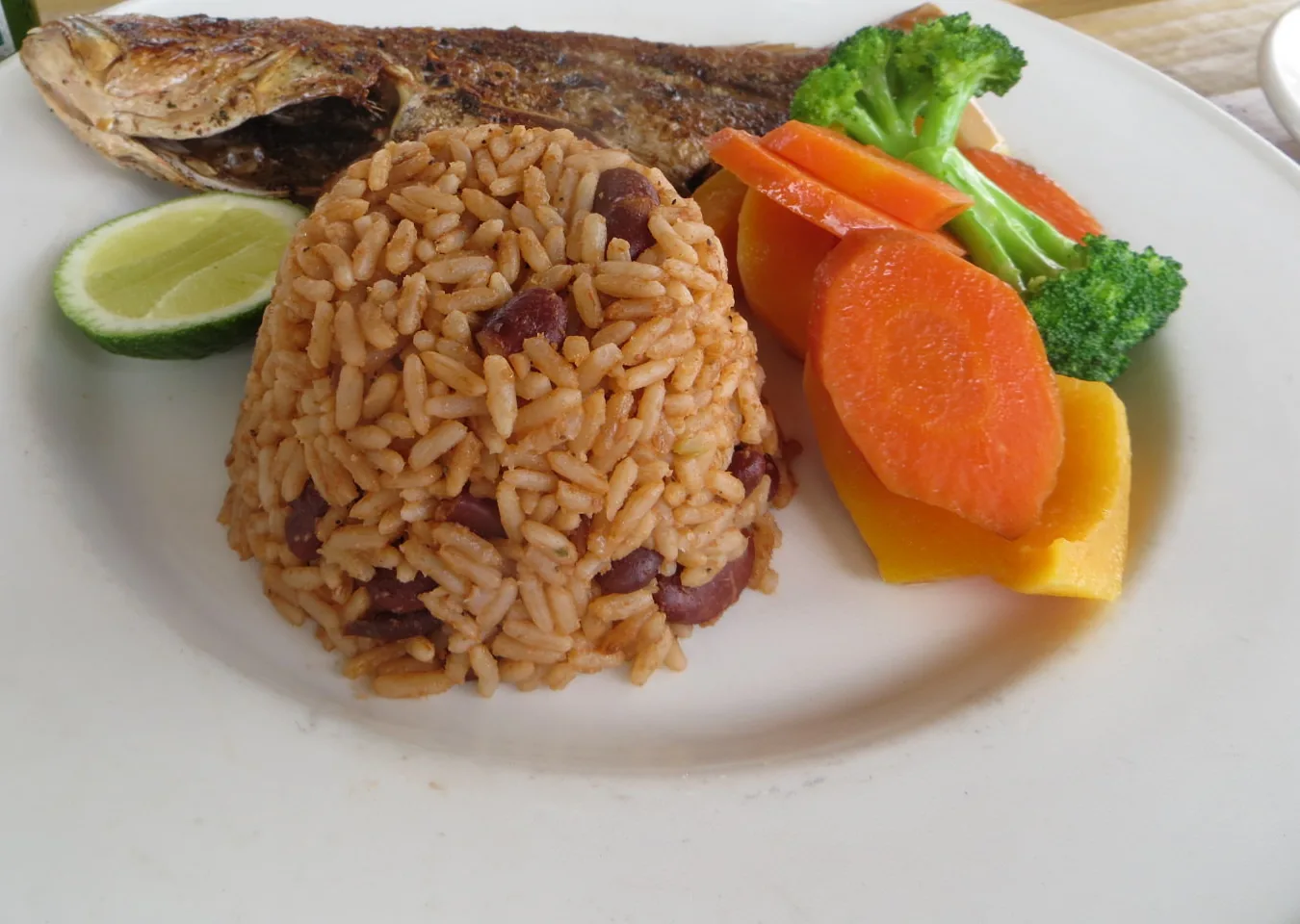
A whole fried fish with a lime half, rice and peas, carrots and broccoli on a plate in Saint John's, Antigua Antigua and Barbuda flag Antigua and Barbuda 1h 10m
Dinner •St John's Harbour Catch

Antiguan Fried Snapper

This antiguan fried snapper recipe starts with whole red snapper, scored and rubbed with Caribbean green seasoning, then fries it until the skin turns crisp and golden and the flesh flakes cleanly. Serve it hot with lime wedges, rice and peas and steamed vegetables. One serving is about 255 g.

Crispy & Bright

A whole red snapper rubbed with Caribbean green seasoning, fried until the skin is crisp and golden, and served with fresh lime.

Pairs Well With
Rice and peas, steamed vegetables and lime wedges
High Protein
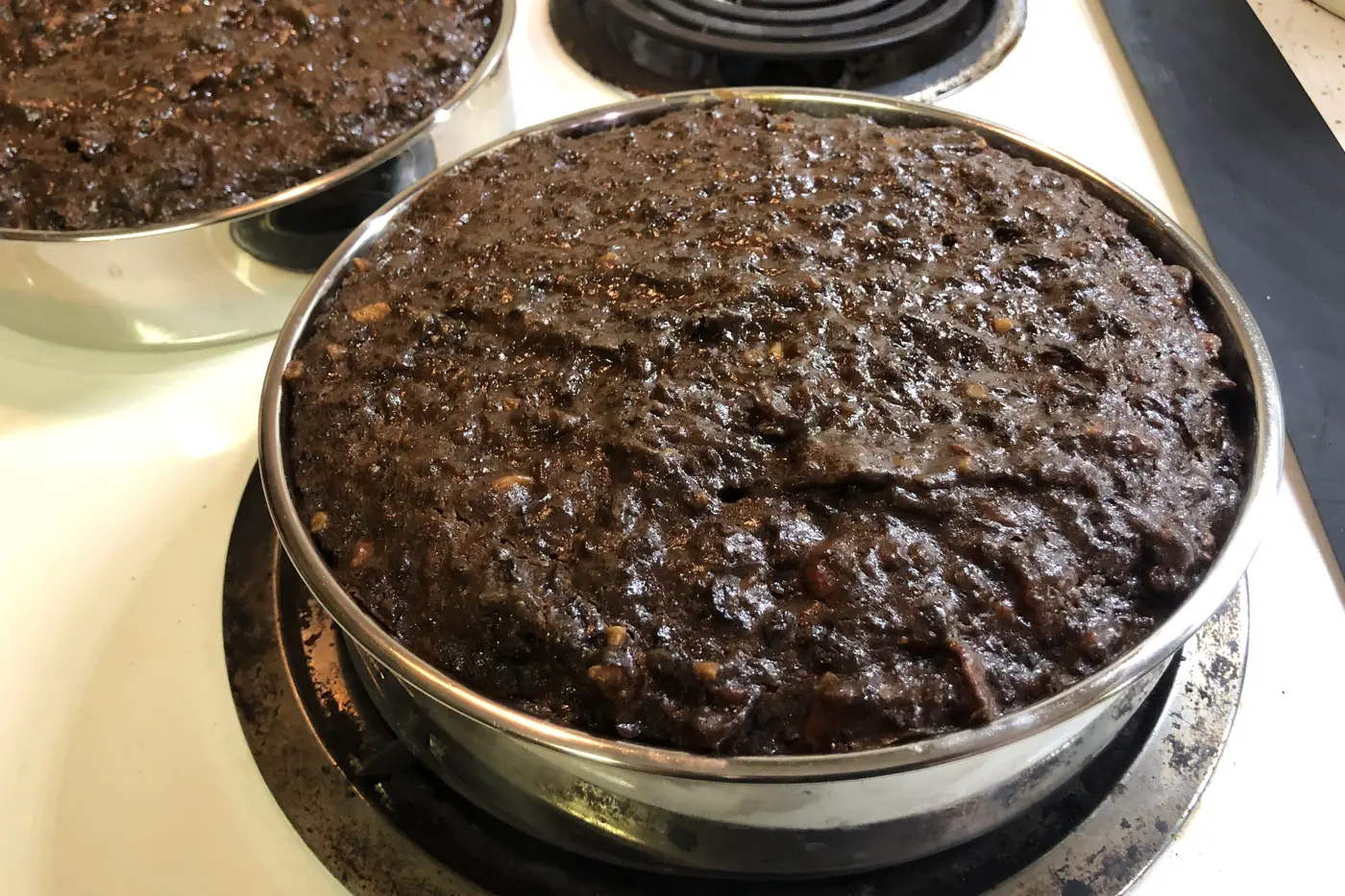
Caribbean black cake — dark rum fruit cake in round baking tins, fresh from the oven Antigua and Barbuda flag Antigua and Barbuda 2h 5m
Snack & Tea •Antiguan Christmas & Wedding Cake

Antiguan Black Cake

This antiguan black cake recipe makes the dark, dense rum cake Antigua saves for Christmas and weddings: prunes, raisins, currants and glacé cherries ground to a paste and soaked in dark rum and port, folded into a butter batter with brown sugar, molasses, warm spice and burnt-sugar browning, then baked low and slow until it is almost black and pudding-soft inside. The cake is brushed with rum as it leaves the oven and rested for days, so every slice tastes richer than the one before. One serving is about 125 g, one generous slice.

Dark, Dense & Rum-Soaked

Dried fruit ground to a paste and soaked in rum, folded into a spiced butter batter and baked low and slow until almost black.

Pairs Well With
A cup of strong black tea or a small glass of rum
A bowl of Vietnamese phở bò with rare beef, rice noodles and fresh herbs Vietnam flag Vietnam 3h 30m
Breakfast •Hanoi Heritage

Phở Bò Tái Nạm

Slow-simmered star anise and cinnamon bone broth with hand-cut rice noodles, supplying clean restorative warmth and collagen. One serving is about 775 g.

Immunity & Warming

Slow-simmered bone broth with rice noodles, rare beef and fresh herbs.

Pairs Well With
Crispy quẩy, fresh lime & sawtooth coriander
Soups & Broths • High Protein
Golden butter croissants on a wooden board France flag France 20m
Breakfast •Parisian Boulangerie

Croissant au Beurre & Café

Laminated cultured butter pastry paired with washed Arabica, for a slow, pleasurable Parisian morning — best with a little protein alongside. One serving is about 390 g.

Sustained Focus

Flaky all-butter croissant with café au lait, Comté and green apple.

Pairs Well With
Comté cheese wedge & Green apple slices
Quick Prep (<30m)

The Dinner Gazette

Never wonder what’s for dinner again

One email a week with easy dinner ideas from around the world — ingredients, steps and nutrition, tested in our kitchen first.

Delivered every Thursday morning. Unsubscribe anytime.