Curated recipes from 193 countries  •  New seasonal Mediterranean issue out now

Overview

Argentine Alfajores

Alfajores de Maicena, Argentine Dulce de Leche Sandwich Cookies, Alfajores Argentinos

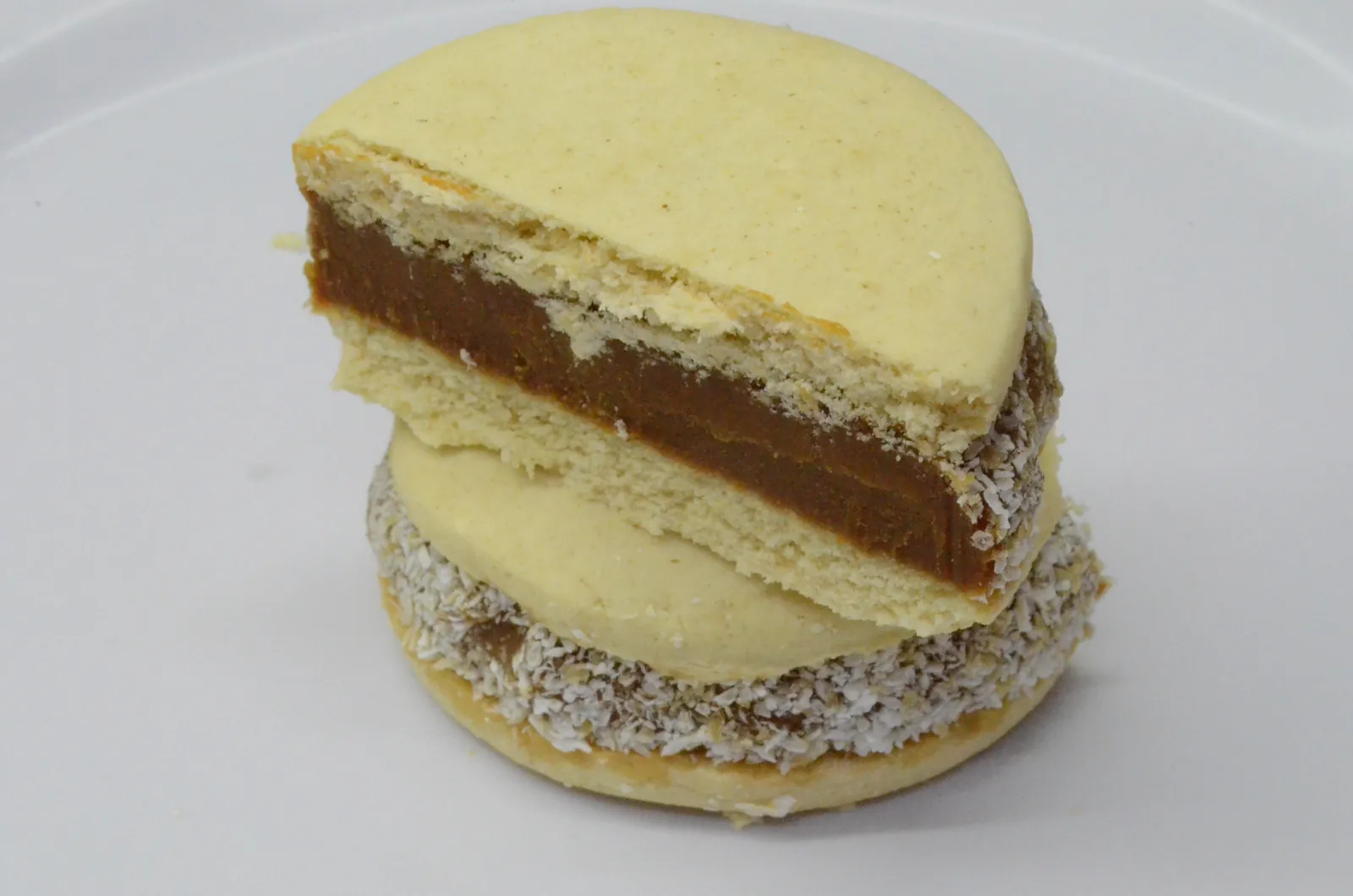
This argentine alfajores recipe makes alfajores de maicena: pale, crumbly cornstarch biscuits that melt on the tongue, filled with a thick layer of dulce de leche and rolled in desiccated coconut. One cookie is about 68 g, and the batch makes 12.

The alfajor came to Argentina from Spain, where Arab-Andalusian sweets of honey, almonds and spices had already shaped it — the name comes from the Arabic al-hasú, meaning 'stuffed'. In Argentina it became something of its own: two tender biscuits, most famously the cornstarch alfajor de maicena, filled with dulce de leche and rolled in coconut. Mar del Plata made them famous in the 20th century, and today alfajores are Argentina's everyday sweet — sold at every kiosk, shared with mate, and argued over by brand loyalists.

Pairs well with: Mate or strong coffee

Provenance

Argentina flag Argentina

Argentine Sweet Classic

Latin America & Caribbean

Time Dedication

40m

25m prep • 15m cook

Batch Yield

12 Servings

311 kcal per serving

1 serving ≈ 68 g

Technical Skill

Intermediate

Medium (Chill & Bake)

Meal Timing & Digestive Fit

Breakfast

Not Advised

Lunch

Inappropriate

Dinner

Inappropriate

Snack & Tea

Ideal Light Bite

Occasions: Afternoon mate, coffee breaks, parties, lunchboxes, holidays Cost: Low — about $0.50–1 per cookie at home
A halved Argentine alfajor de maicena showing a thick layer of dulce de leche between two pale biscuits, with coconut on the edge

Argentine Sweet Classic

Photo: Mbulig, CC BY-SA 4.0, via Wikimedia Commons

The Heritage Formulary

Measured Ingredients

Estimated cost: Low — about $0.50–1 per cookie at home (USD)

A classic Argentine alfajor de maicena: pale cornstarch biscuits baked until just set, filled with dulce de leche and finished with coconut.

Execution Methodology & Culinary Technique

Step-by-Step Cooking Guide

Active 40m
P

Prep Stage: Cream, Mix & Chill the Dough

25 Mins + 30 Mins Chill

Beat the soft butter and sugar until pale and fluffy, then beat in the egg yolks, vanilla and lemon zest. Sift in the cornstarch, flour, baking powder and salt, mix into a soft dough, wrap and chill for 30 minutes so the biscuits hold their shape in the oven.

Maestro Tip: Chilling is not optional — warm cornstarch dough spreads and the biscuits lose their neat round shape.

  1. 1

    Cream the Butter and Sugar

    8 Mins Room temperature, ~20°C (68°F)

    Beat the softened butter and sugar together for 3–4 minutes until pale, fluffy and doubled in volume. Beat in the egg yolks one at a time, then the vanilla extract and lemon zest.

    Butter at room temperature creams properly — cold butter stays lumpy and melted butter makes greasy biscuits.

    Done when: Pale, fluffy and smooth; yolks fully beaten in.

  2. 2

    Mix and Chill the Dough

    10 Mins + 30 Mins Chill Fridge, ~4°C (39°F)

    Sift the cornstarch, flour, baking powder and salt over the butter mixture and fold together with a spatula until a soft, smooth dough forms. Do not knead it — overworking makes tough biscuits. Flatten into a disc, wrap, and chill for 30 minutes.

    Stop mixing as soon as the dough comes together; cornstarch dough toughens quickly if overworked.

    Done when: A soft, smooth dough that holds together without cracking.

  3. 3

    Roll, Cut and Bake

    12 Mins Oven 170°C (340°F)

    Heat the oven to 170°C (340°F) and line two trays with baking paper. Roll the chilled dough out to about 5 mm thick on a lightly floured surface, cut 5 cm rounds and place them on the trays. Bake for 10–12 minutes until the edges are set but the tops are still pale — alfajores should not brown.

    Pale is correct: golden tops mean overbaked, dry alfajores. Check at 10 minutes.

    Done when: Edges are set and the biscuits lift off the paper; tops stay pale cream.

  4. 4

    Fill with Dulce de Leche

    10 Mins Room temperature, ~20°C (68°F)

    Cool the biscuits completely on a wire rack. Spread about 20 g of dulce de leche on the flat side of one biscuit, press a second biscuit on top gently, and let a little filling show at the edge.

    Fill only when the biscuits are fully cool — warm biscuits melt the dulce de leche and slide apart.

    Done when: A generous, even layer of dulce de leche, about 20 g per cookie.

  5. 5

    Roll in Coconut and Rest

    5 Mins + 20 Mins Rest Room temperature, ~20°C (68°F)

    Roll the exposed dulce de leche edge in the desiccated coconut so it sticks all round. Leave the finished alfajores to rest for 20–30 minutes so the filling firms and the biscuits settle — one cookie is about 68 g.

    Resting lets the dulce de leche set, so the first bite is clean instead of squashed.

    Done when: Coconut coats the edge evenly; the sandwich holds together when lifted.

Finishing Touches & Plating

Serve with mate or coffee, at room temperature — in Argentina, alfajores are an afternoon ritual, not just a biscuit.

Nutritional Physiology & Benefits

Nutrition

Energy

311

kcal / serving

Protein

3g

Complete AA

Carbs

42g

Complex

Fats

15g

Healthy

Per serving (12 servings · 1 serving ≈ 68 g)
Energy311 kcal
Protein3 g
Carbohydrates42 g
Fat15 g
Fibre0.8 g
Sugar19.6 g
Sodium107 mg
Per 100g
Energy458 kcal
Protein4.5 g
Carbohydrates62 g
Fat21.5 g
Fibre1.2 g
Sugar28.9 g
Sodium157 mg

Nutrition values are estimated — calculated from USDA FoodData Central values for the listed ingredients.

Vitamins & minerals: B vitamins (flour and egg yolk), vitamin A (butter and egg yolk), calcium (dulce de leche), small amounts of iron (egg yolk).

Melt-in-the-Mouth Texture

Cornstarch makes up two-thirds of the dough, so the biscuits crumble delicately instead of crunching.

Real Dulce de Leche

A thick layer of slow-cooked milk caramel, about 20 g per cookie — no jam, no filling from a tube.

Baked at Home, No Preservatives

Butter, egg, flour and cornstarch, baked in your own oven — nothing you cannot pronounce.

Food Pairings

What to Eat With

To optimize nutrient absorption and elevate the sensory depth, pair with these authentic accompaniments:

Drinks

Mate

Bitter mate is the classic partner — its herbal edge balances the sweet dulce de leche and makes one alfajor feel like a proper break.

Strong Black Coffee

A short, strong coffee cuts through the buttery biscuit and the caramel filling, so the sweetness never feels heavy.

More Pairings

Vanilla Ice Cream

Crumble an alfajor over vanilla ice cream — the cold cream and the crumbly biscuit are a natural match.

Sides

Fresh Berries

A few raspberries or strawberries add tartness and freshness that lift the rich, sweet cookie.

Full Menus

Full Argentine Afternoon

Serve alfajores after a light asado lunch with mate and fresh fruit — the sweet finish to a long, slow afternoon.

Complete menu

Serve alfajores after a light asado lunch with mate and fresh berries — the sweet finish to a long Argentine afternoon.

Digestive Guardrails

What NOT to Combine

To prevent digestive distress, sluggishness, or palate clash, avoid pairing the dish with these elements:

Very Sweet Desserts on the Same Plate

Alfajores are already rich in sugar and butter, so pairing them with another sweet dessert makes the whole plate cloying — fresh fruit is the better partner. This is general information, not medical advice.

Sugary Soft Drinks

A sweet fizzy drink on top of dulce de leche doubles the sugar without adding any flavour — mate or black coffee cleanses the palate instead. This is general information, not medical advice.

General information only, not medical advice — consult a doctor for personal dietary decisions.

Who Should Eat It

Who Should Eat

  • General adultsA sweet treat for most adults — enjoy one cookie with mate or coffee rather than several at once.
  • ChildrenSuitable from age 3+; soft and easy to eat — one cookie is plenty, given the sugar.
  • ElderlySoft, crumbly and easy to chew; enjoy one with a hot drink, and watch the sugar.
  • Pregnant womenGenerally suitable when the biscuits are baked right through; the eggs are fully cooked in the oven.
  • Breastfeeding womenGenerally suitable as an occasional treat; the sugar and fat are high, so one cookie is enough.
  • AthletesQuick energy after training — one alfajor with a glass of milk replaces carbohydrate fast, but it is a treat, not a recovery meal.
  • Weight gainA good choice — two cookies with mate make a satisfying afternoon snack.
  • Weight lossEnjoy one cookie slowly with a hot drink, not the whole tin — at about 311 kcal each, they add up fast.

Health Conditions — Adjust or Avoid

Conditions

  • DiabetesHigh in sugar — about 19.6 g per cookie — so eat one occasionally and in a small portion. Ask your clinician about portion size.
  • High blood pressureSodium is low, but the sugar is the issue — one cookie with unsweetened mate is the better choice. Ask your clinician about portion size.
  • Kidney diseaseModerate in protein and minerals; eat in a moderate portion and ask your clinician first.
  • GoutLow in purines, so generally fine in a small portion. Ask your clinician about frequency.
  • Stomach issuesRich butter and sugar can unsettle a sensitive stomach — eat one cookie slowly, not on an empty stomach. Ask your clinician if symptoms persist.
  • Cardiovascular diseaseHigh in saturated fat from butter and sugar — an occasional treat, not an everyday snack. Ask your clinician about portion size.
  • Fatty liverHigh in sugar and fat — keep it to one small cookie, occasionally. Ask your clinician about portion size.
  • Food allergiesContains gluten (wheat flour), egg and milk (butter, dulce de leche); the coconut edge is a tree nut for labelling purposes. Ask your clinician if you have coeliac disease.
  • Special therapeutic dietsIf you follow a prescribed low-sugar diet, this is a treat to have rarely and in a small portion; check with your clinician before eating.

If you have a medical condition, consult your doctor before changing your diet.

Storage & Use

Storage & Use

How to store
Store in an airtight tin at room temperature, layered with baking paper.
In the fridge
1 week in the fridge (bring to room temperature before eating).
In the freezer
3 months; freeze unfilled biscuits and fill after thawing.
How to reheat
No reheating needed — serve at room temperature.
Freezing recommended
Yes — best frozen unfilled.
Signs it has spoiled
Stale, soft biscuits, sour smell from the filling, or mould.

More recipes to explore

Golden baked Argentine beef empanadas with crimped edges on a plate Argentina flag Argentina 1h 25m
Lunch •Buenos Aires Heritage

Argentine Empanadas

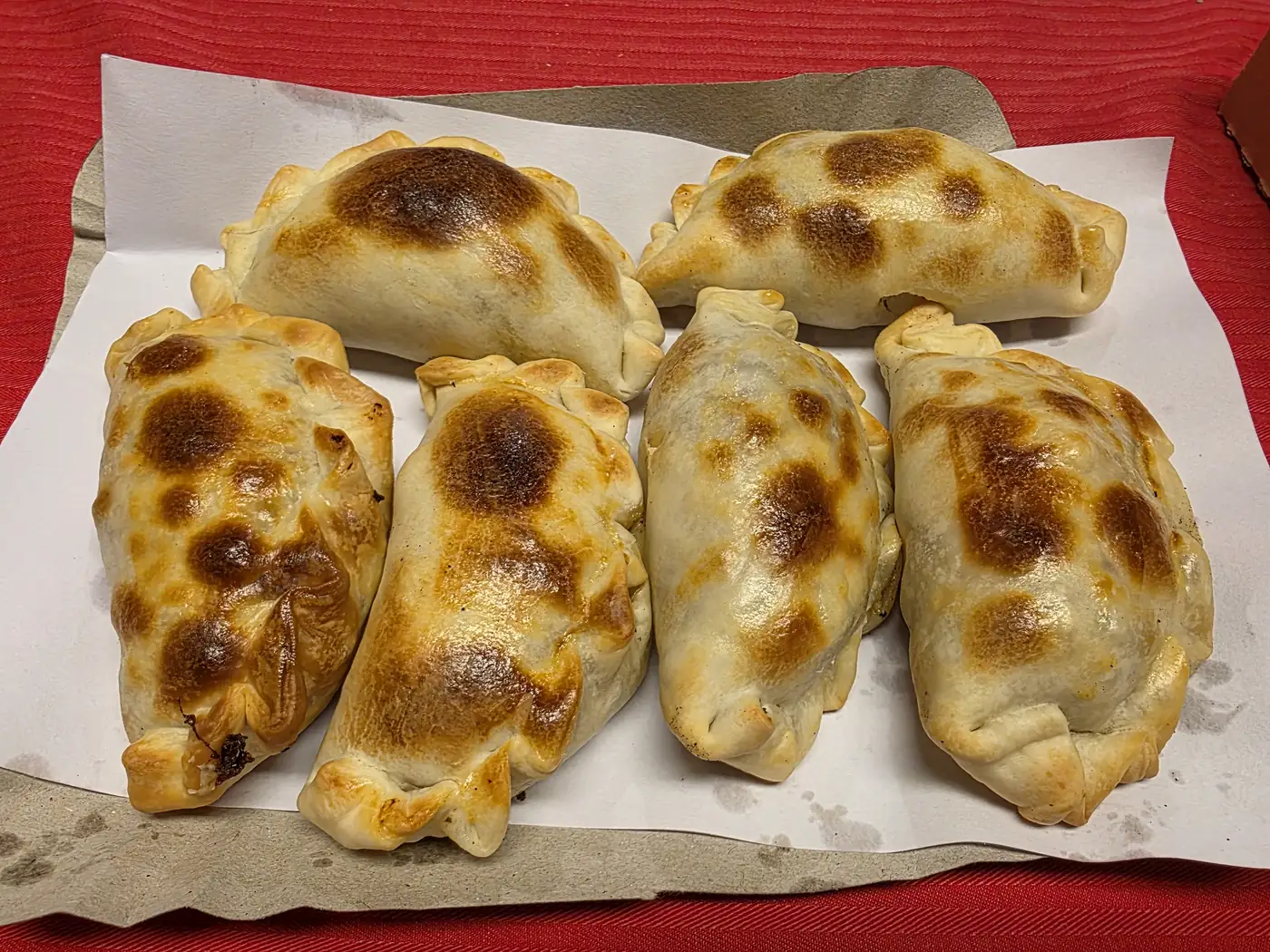
Argentine empanadas are half-moon pastries of short, flaky wheat pastry — no yeast, no puff — folded over a savoury filling of seasoned ground beef, onion, hard-boiled egg, green olives and a few raisins, then sealed with the classic rope crimp called the repulgue and baked until deep gold. This is the beef empanada de carne found in bakeries and rotisseries across Buenos Aires. One serving (two empanadas) is about 260 g.

Hearty & Satisfying

Golden baked pastry wrapped around spiced beef, olive and egg — the hand-held lunch Argentina runs on.

Pairs Well With
Chimichurri & a simple green salad
Sliced flat iron steak topped with green chimichurri on a plate Argentina flag Argentina 32m
Dinner •Pampas Asado Heritage

Chimichurri Steak

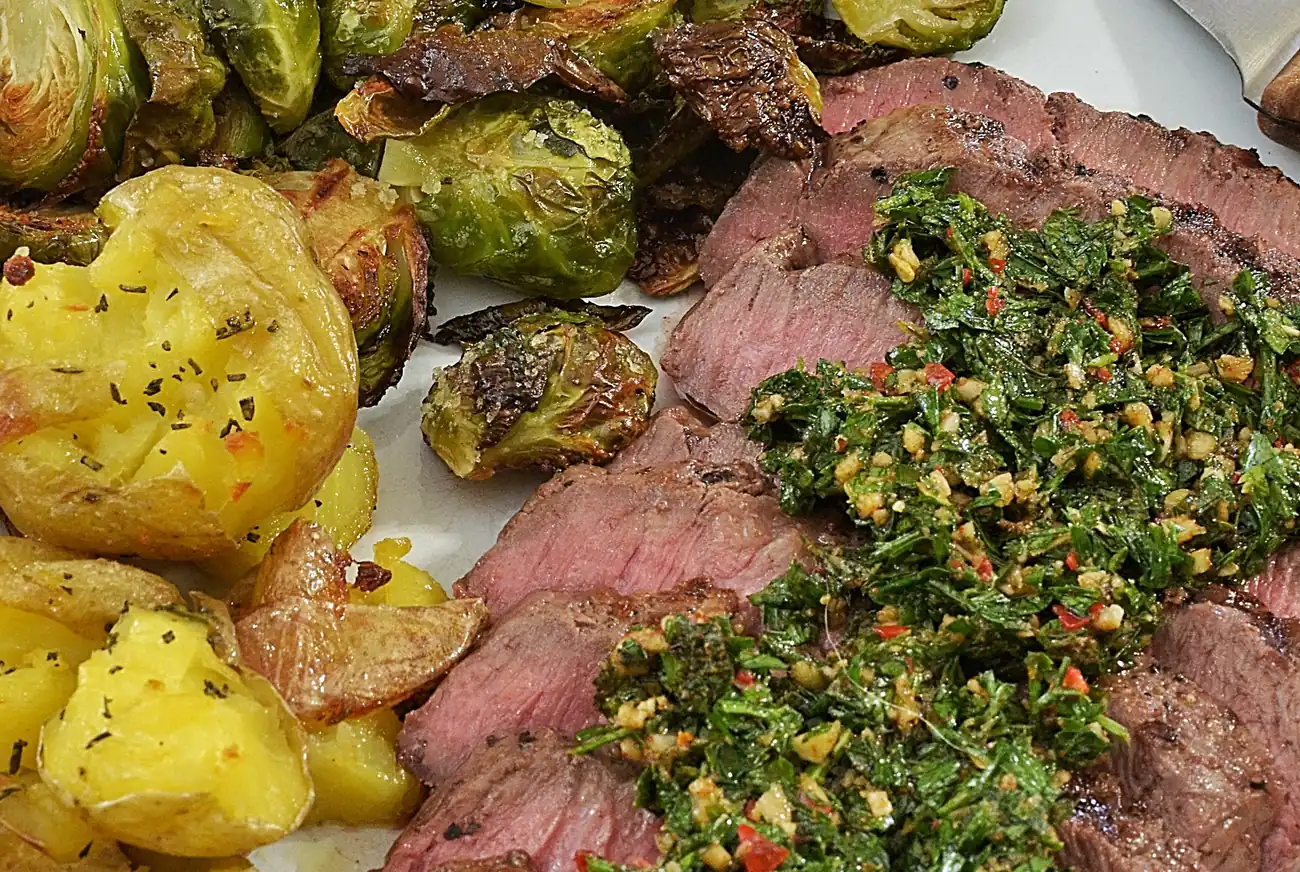
Chimichurri steak is the centrepiece of the Argentine asado: a thick sirloin grilled over high heat until charred outside and juicy inside, rested, sliced, and served with chimichurri — the raw sauce of parsley, garlic, oregano, red wine vinegar and olive oil that Argentina puts on almost everything grilled. The sauce is made first so its flavours can meld while the steak cooks. One serving is about 215 g.

High-Protein & Satisfying

A thick grilled sirloin, rested and sliced, drowned in bright garlicky chimichurri — the heart of the Argentine asado.

Pairs Well With
Roasted potatoes & grilled vegetables
High Protein
Breaded milanesa steak topped with tomato sauce and melted cheese Argentina flag Argentina 45m
Dinner •Buenos Aires Heritage

Milanesa a la Napolitana

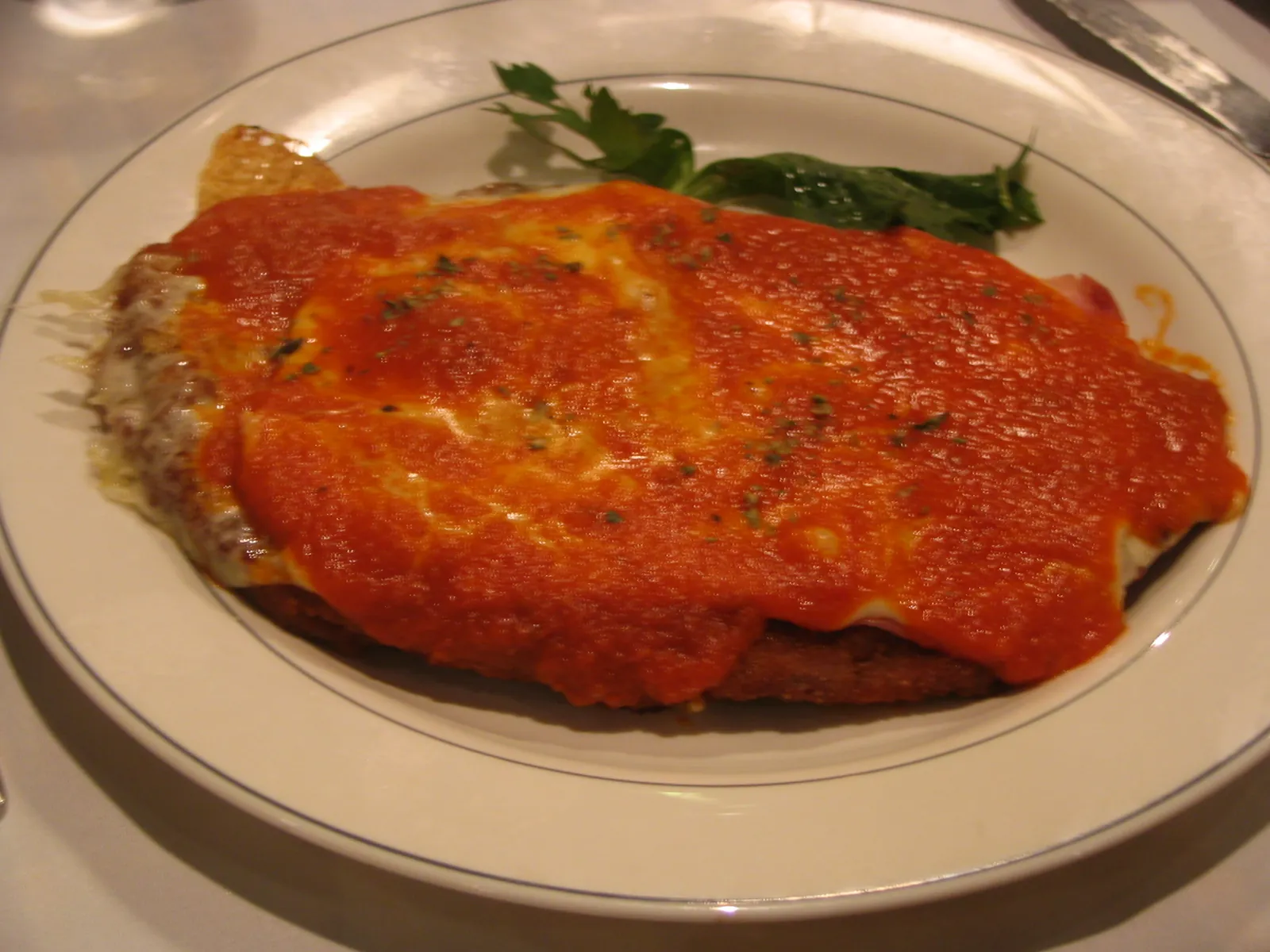
Milanesa a la napolitana starts as a milanesa — a thin beef steak pounded flat, dredged in flour and egg, coated in breadcrumbs and fried until crisp — and then becomes something else entirely: topped with tomato sauce, a slice of ham and a blanket of mozzarella, it goes back into the oven until the cheese bubbles. It is the dish Argentine families order at the neighbourhood bodegon, always with French fries. One serving is about 350 g, before the fries.

Comforting & Satisfying

A crisp breaded steak, fried golden, then finished in the oven under tomato sauce, ham and bubbling mozzarella — Argentina's favourite comfort plate.

Pairs Well With
French fries & a green salad
A grilled bife de chorizo steak, pink inside, with green salad on a wooden board Argentina flag Argentina 2h 30m
Dinner •Buenos Aires Parrilla Heritage

Argentine Asado

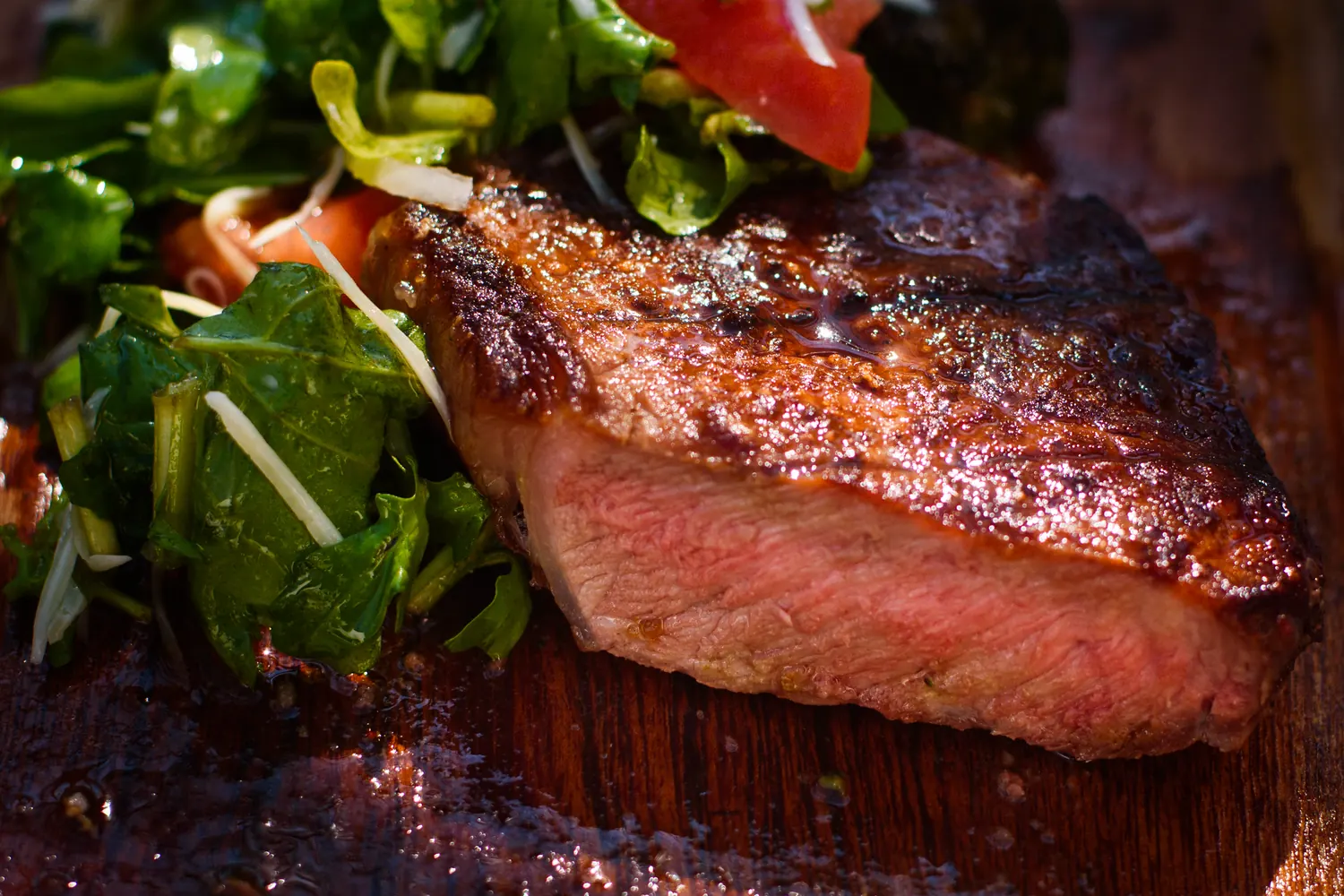
This argentine asado recipe is the full Sunday parrillada: tira de asado, vacio, entrana and bife de chorizo, plus chorizo, morcilla, mollejas and chinchulines, all cooked slowly over quebracho charcoal embers and seasoned with nothing but coarse salt. It opens with provoleta, grilled provolone with oregano, and the meat is served piece by piece as each cut is ready, with chimichurri and salsa criolla on the table. One serving is about 460 g.

High-Protein & Satisfying

A slow mixed grill of beef cuts, chorizo, morcilla and achuras over quebracho embers, opened with grilled provoleta and served with chimichurri and salsa criolla.

Pairs Well With
Chimichurri, salsa criolla & Malbec
High Protein

The Dinner Gazette

Never wonder what’s for dinner again

One email a week with easy dinner ideas from around the world — ingredients, steps and nutrition, tested in our kitchen first.

Delivered every Thursday morning. Unsubscribe anytime.